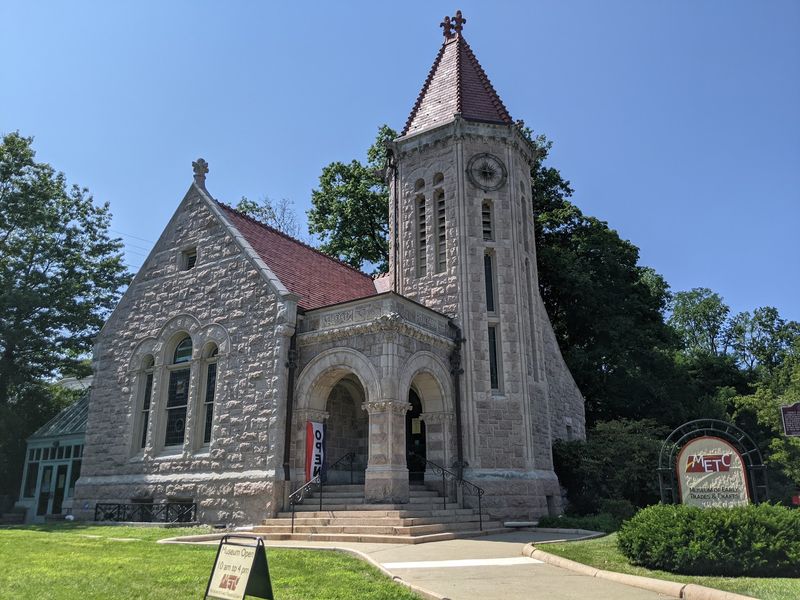
Madison has a downtown stop that seems almost too dramatic for a quick afternoon plan. Behind its historic walls, an old public library now tells the story of makers, workers, tools, and the everyday skills that helped shape New Jersey.
It is small enough for a simple outing, yet detailed enough to make adults slow down and kids stay busy. Keep reading for the building, the craft-focused exhibits, the family-friendly corners, and the practical details that make this former library worth knowing.
The 1899 Building With Castle Energy
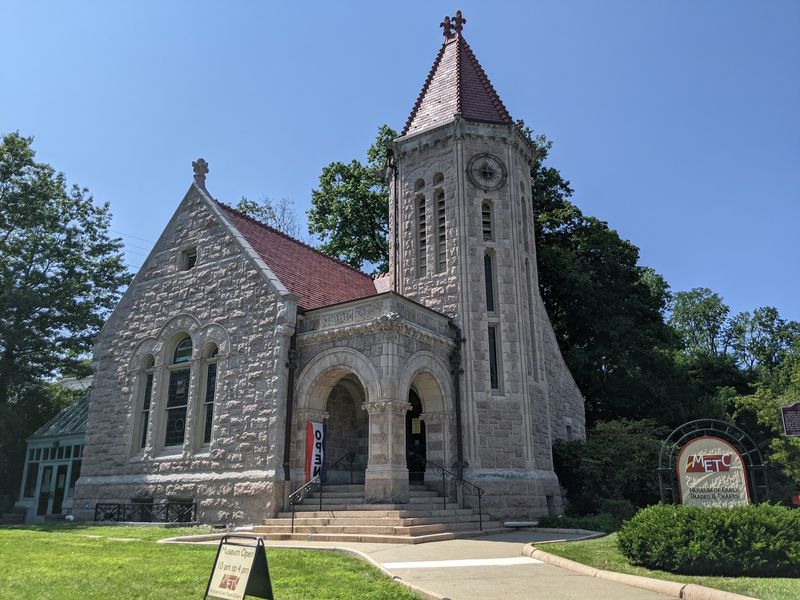
A building can steal the plot, and here it nearly does. The museum occupies a former library from 1899, a detail that gives the whole stop a different feeling than a typical exhibit room.
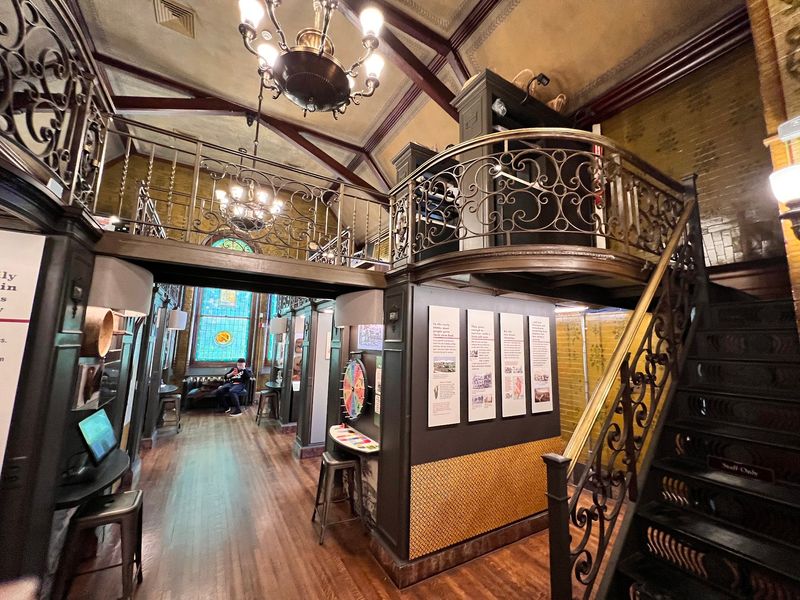
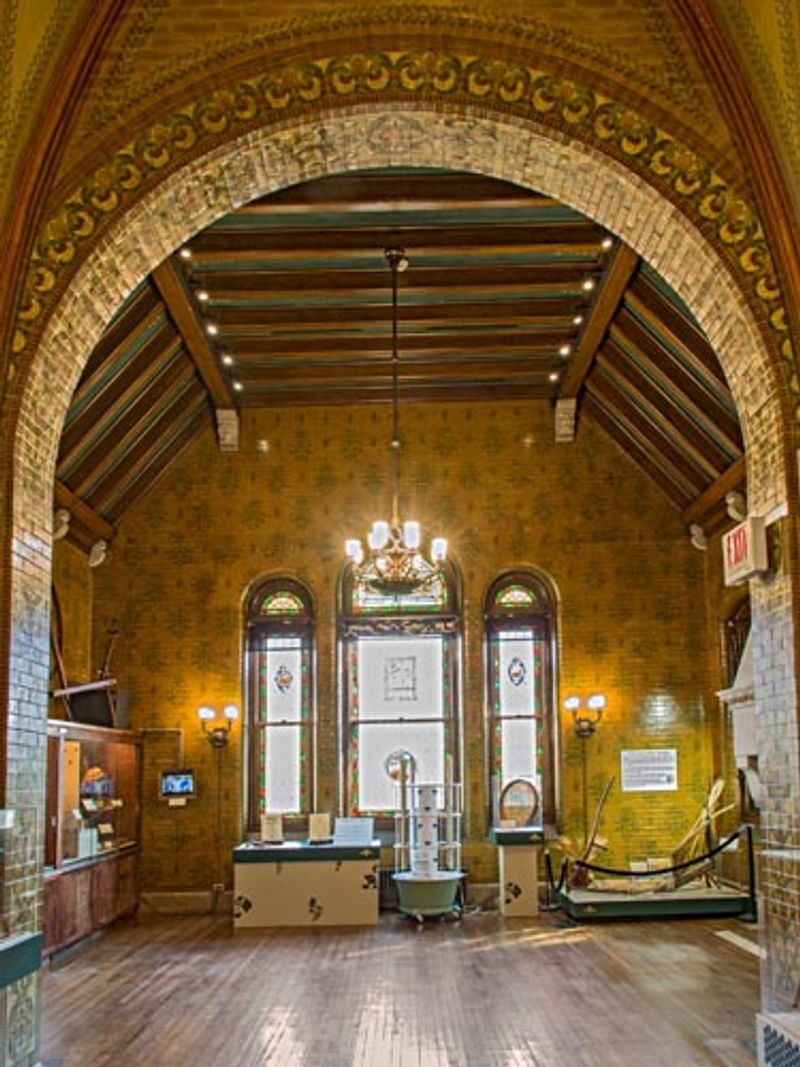
People often point out the architecture before they even get deep into the collection. The structure has been described in public feedback as beautiful, magnificent, and remarkably preserved, with the kind of interior details that make the library history hard to ignore.
One especially memorable fact is that the building may resemble a church from the outside, but it was the first public library in town and was never a house of worship. That twist is part of its charm, because the exterior can send the brain in one direction while the exhibits take it somewhere else entirely.
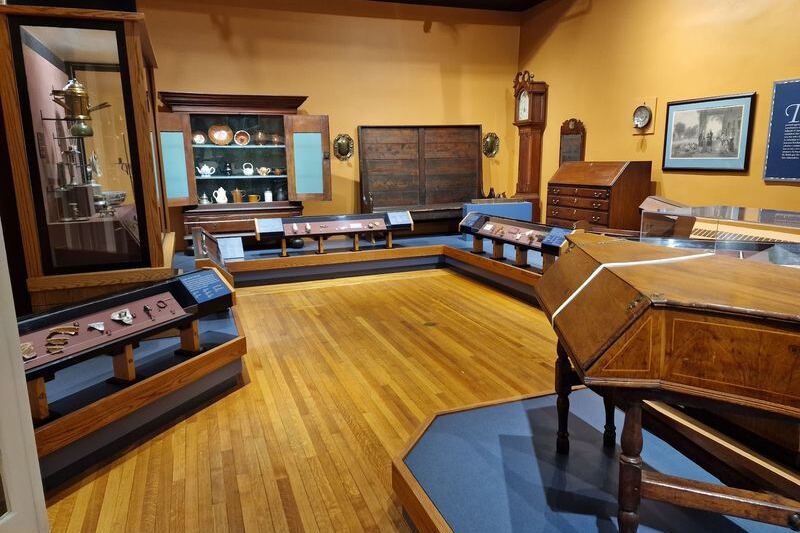
Inside, details such as vaulted ceilings and ironwork give the museum a formal character. The result is not oversized or overwhelming, but it does make the building itself feel like one of the main artifacts.
New Jersey History Told Through Work
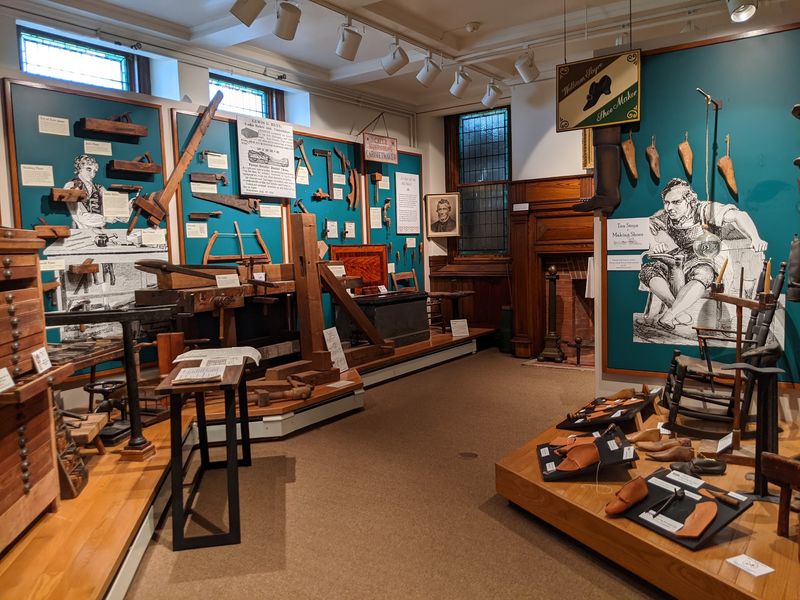
Politics gets plenty of museum space in New Jersey, but this Madison stop turns attention toward the people who made daily life function. Its exhibits focus on skilled trades and craftspeople, giving ordinary labor a place in the story.
The museum explores human industry through historical exhibits and activities. That broad idea becomes more concrete through tools, craft methods, and displays tied to early trades, showing how people solved practical problems before modern convenience took over.
Several public comments emphasize that the museum helps connect visitors with the people who literally built parts of New Jersey life. That focus gives the place a grounded identity, especially in a state where Revolutionary-era sites and political history often dominate the conversation.
The museum also encourages a bigger question without turning preachy: how do skills, work, and small daily contributions affect a community? For New Jersey residents, that makes the stop feel less like a distant history lesson and more like a local thank-you note with tools attached.
Artifacts That Explain Everyday Ingenuity
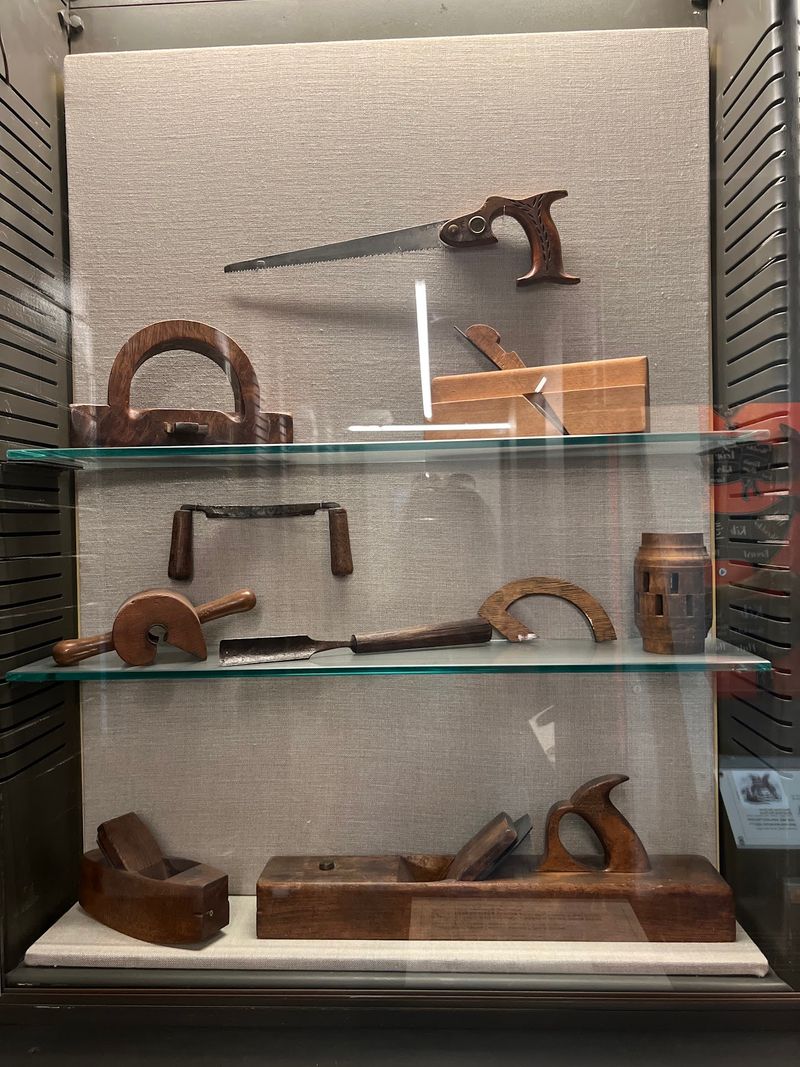
Old tools can look mysterious until the labels start doing their job. At this museum, artifacts are paired with information that explains how people made, repaired, preserved, and built things in earlier centuries.
Specific exhibits mentioned in public accounts include farmer-related displays, methods for preserving food for winter, blacksmith bellows and tools, cabinetmaking items, and leather bootmaking materials. Wooden forms used for shaping leather are part of the kind of detail that makes a craft process easier to understand.
The museum’s subject matter reaches into life in the 18th and 19th centuries, based on descriptions of the exhibits. That range helps visitors see how practical knowledge shaped homes, farms, workshops, and local communities.
What keeps the collection from feeling like a storage room is the educational framing. The artifacts are not just lined up as old objects; they are used to explain how work happened, who did it, and why those skills mattered.
For a small museum, that is a smart move. It turns a short visit into a series of small discoveries rather than a quick glance at cases.
Hands-On Corners For Curious Kids
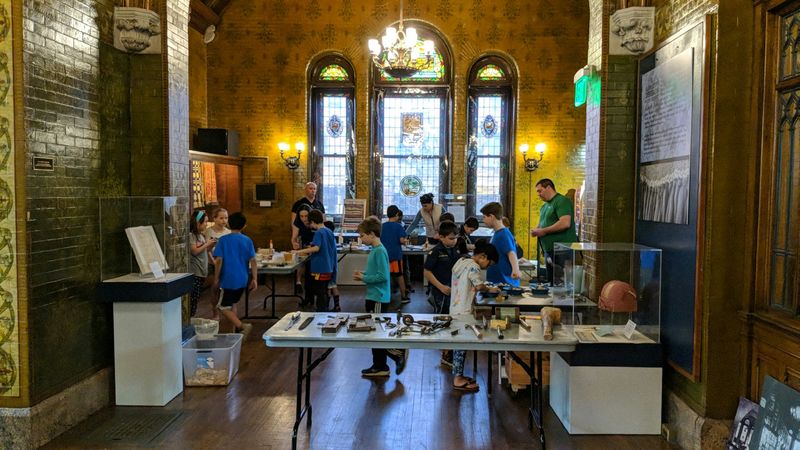
Kids have a way of exposing weak museum design in record time. Here, the hands-on activities help the place work for younger guests instead of simply asking them to stand still and behave like tiny historians.
The museum is frequently described as good for kids, and several accounts mention hands-on activities. A children’s room is part of the appeal, along with games, a library room, and a room where kids can play with blocks.
That setup matters because the subject, early trades and crafts, could easily become too abstract for families. Physical activities give children a way to connect with the material without needing a long lecture first.
Adults benefit too, because a child-friendly museum is often less stressful for everyone involved. The museum’s smaller size also helps families keep the outing manageable, especially when attention spans are not signing up for a three-hour expedition.
For parents, grandparents, and caregivers looking for a New Jersey stop with learning built in, this is the kind of place that can feel educational without turning the day into homework.
A Small Museum That Rewards Slow Looking
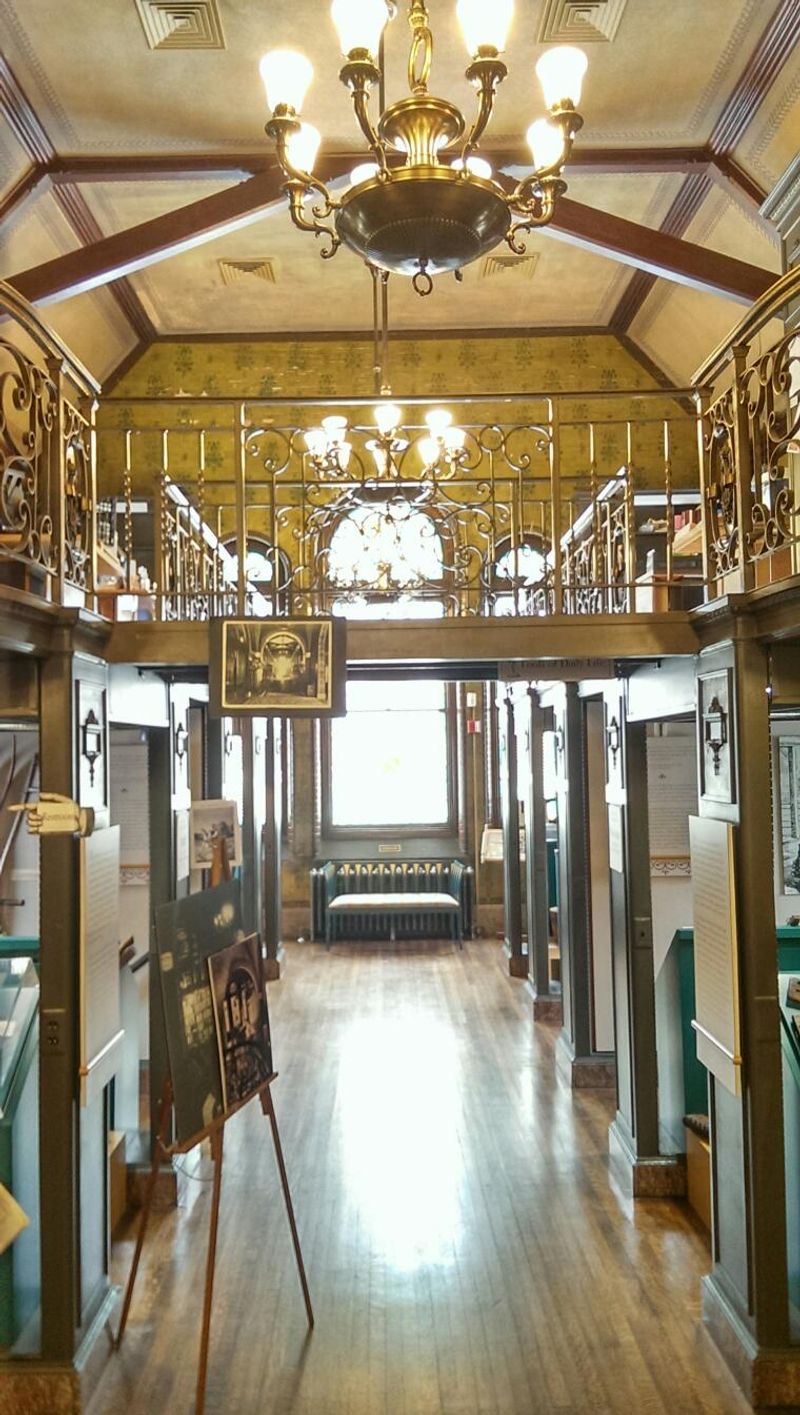
Size is part of the story here, so nobody should arrive expecting a giant institution. The Museum of Early Trades & Crafts is consistently described as small, but that does not mean empty or careless.
Some people have moved through it in about 20 minutes, while others have spent around an hour and felt they had enough time to cover the exhibits. Another account described the experience as a few educational hours, which shows that pacing depends on how closely someone reads, explores, and engages with the displays.
The better approach is to treat the museum as a focused stop rather than a marathon. It works well when paired with downtown Madison, especially because Main Street has shops and restaurants nearby, based on public comments about the area.
The compact layout can actually help the museum’s subject land. Instead of overwhelming guests with endless galleries, it concentrates attention on trades, tools, and the building itself.
That makes it a good fit for people who like museums with a clear theme. It is not trying to cover everything, which may be exactly why its best details are easier to remember.
Friendly Guidance And Educational Programs
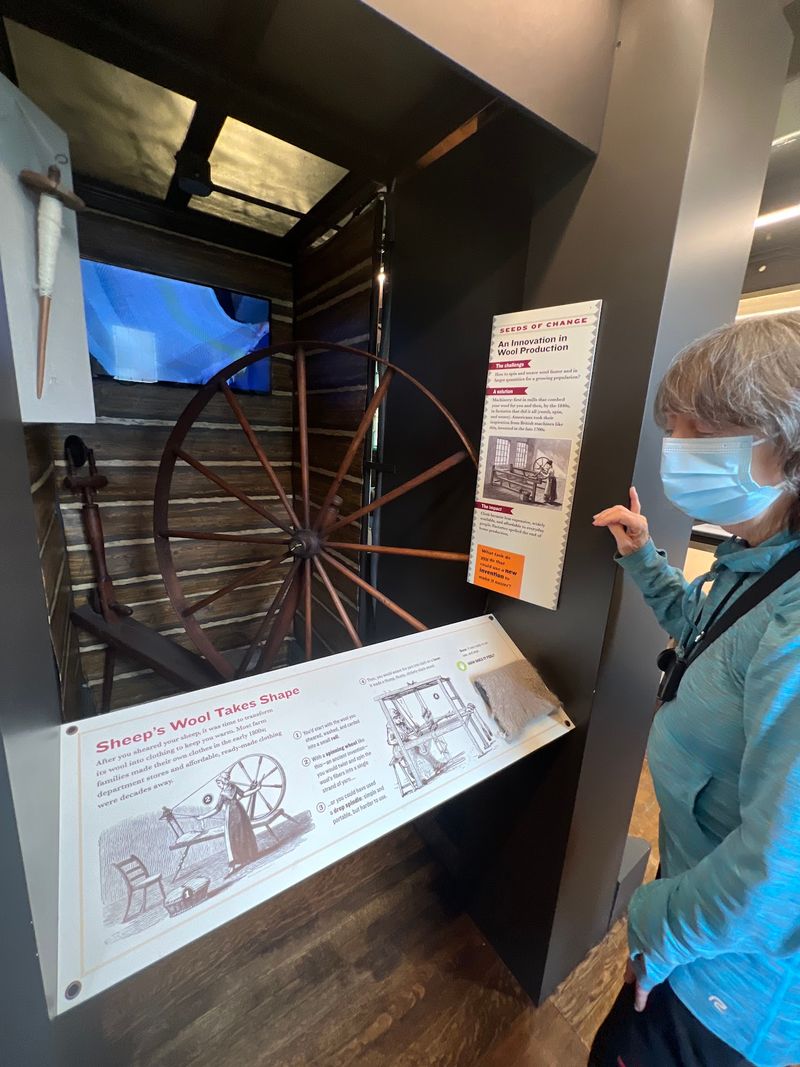
A museum about trades can become much more approachable when the people working there know how to explain the details. Public feedback repeatedly mentions friendly staff, knowledgeable staff, and helpful guidance.
That human support fits the museum’s subject especially well. Tools and artifacts from early trades can be unfamiliar, so a clear explanation can turn a puzzling object into a useful piece of New Jersey history.
The museum is also associated with educational and community programs. One public account notes that the museum has added a bilingual staff member, widening access to its education programs for larger audiences.
That programming angle gives the museum a role beyond casual drop-in visits. It also helps explain why the place appeals to both children and adults, since the material can be adjusted for different ages and levels of background knowledge.
For a small institution, that kind of educational focus matters. It keeps the museum from becoming only an old building with old things inside, and instead makes it a working local resource with a very fitting mission.
Hours, Admission Notes, And Parking Clues
Practical details can make or break a small outing, and this museum is refreshingly simple to plan around. Current Google Maps hours list the museum open Tuesday through Saturday from 10 AM to 4 PM, and closed Sunday and Monday.
Admission details require a little care because public information includes more than one description. One account mentions no fixed fee and pay as you please, another mentions a small admission fee, another says adult admission was only 5 dollars, and another notes free entry for FDU students.
Because fee details can change, the safest move is to check the museum’s official website at metc.org before going. That also helps with any program schedules, access updates, or changes that may not be reflected in older public comments.
Parking appears manageable in the surrounding area. Public comments mention street parking nearby, close parking, and parking behind the shops on Main Street.
No reservation was needed during one past visit described publicly, but group needs may differ. For a smooth trip, confirm the basics first, then let the former library handle the charm.
A Worthy Madison Detour With Local Pride
Madison does not need a giant attraction to make a strong case for itself. The Museum of Early Trades & Crafts works because it is specific, rooted in place, and built around the people who shaped daily life through skill.
The appeal comes from several parts working together: the 1899 former library, the focus on trades and crafts, the hands-on family areas, and the manageable size. It is the sort of New Jersey stop that feels especially useful for residents who want something close, educational, and different from the usual weekend routine.
It may not satisfy someone looking for a huge museum with endless galleries. It is better suited to curious adults, families with children, architecture fans, local-history loyalists, and day-trippers who enjoy a visit that can fit neatly into a downtown plan.
The soft verdict is easy: go for the building, stay for the tools, and leave with a better sense of how much ordinary skill belongs in New Jersey’s story. Small museum, big homework for anyone who underestimates Madison.
A Main Street Museum Inside A Former Library
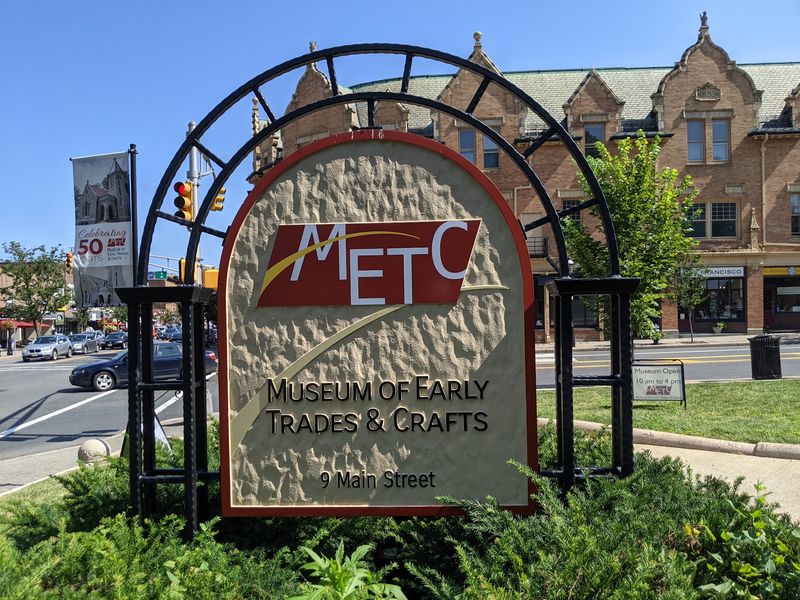
The Museum of Early Trades & Crafts stands at 9 Main St, Madison, NJ 07940, right in the downtown core of Madison, New Jersey, United States. It is a museum set inside a stately 1899 library, and its focus is the history of human industry through exhibits and activities.
That address matters because the museum is not tucked away in a sprawling campus or far outside town. It sits in a spot that can fit neatly into a Madison outing, especially for people who like local history without making a full-day commitment.
The place has earned attention for being compact, informative, and easy to understand. Its 4.7-star Google Maps score, across 95 published responses, points to steady interest from people who appreciate historic buildings, hands-on exhibits, and New Jersey stories told at a human scale.
The headline promise is simple: a former library now frames trades and crafts in a building with enough presence to make a small museum feel unusually grand.
Share this story