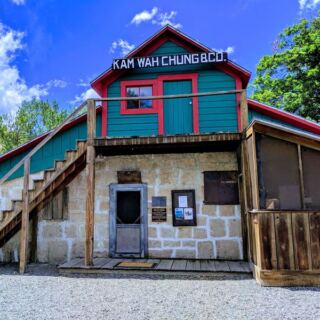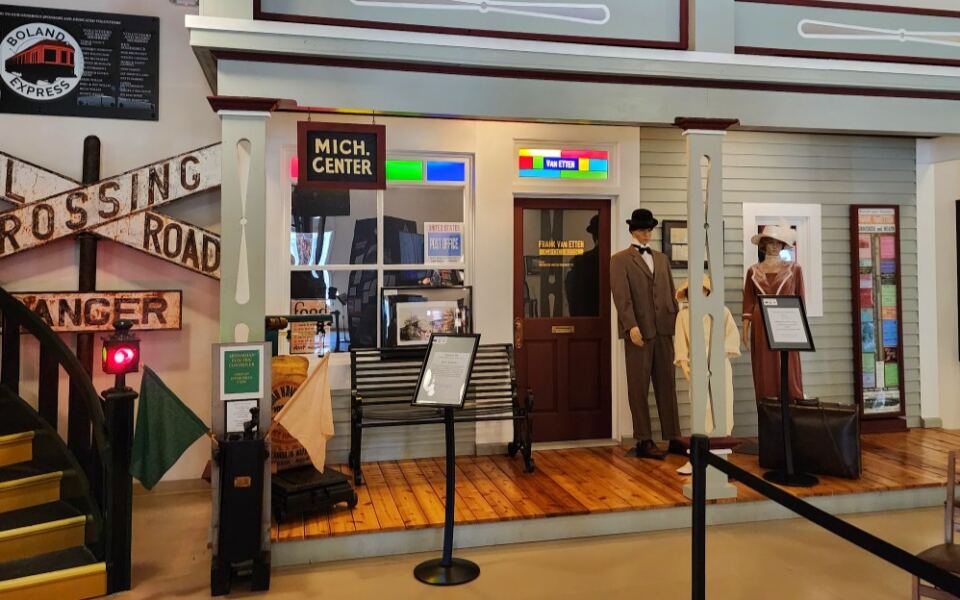
Michigan once had electric trains connecting small towns, but most of those railway lines disappeared nearly a century ago. In Grass Lake, a free museum lets visitors experience what riding one of those trains was like in 1901.
The Lost Railway Museum features the Boland Express, a simulated train ride inside a restored interurban car. Visitors can also climb aboard historic railcars, explore a vintage trolley, and learn how electric railways changed travel across southern Michigan.
Located at 142 W. Michigan Avenue, the volunteer-run museum offers free admission, with donations encouraged.
It’s a surprisingly interactive stop for families, train enthusiasts, and anyone curious about Michigan’s forgotten transportation history.
A Free Museum on Grass Lake’s Main Street
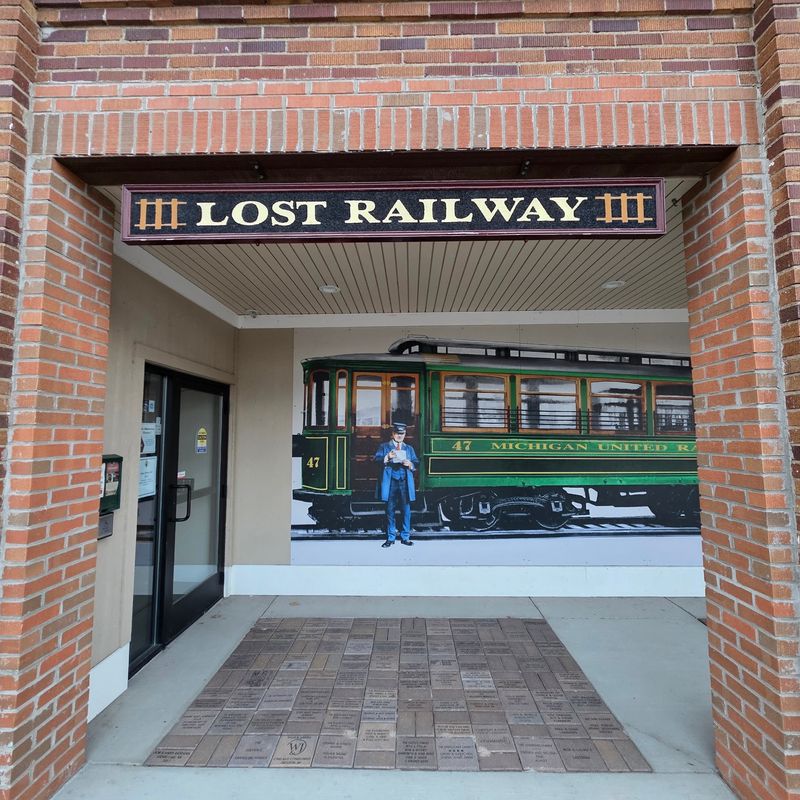
Free admission is a rare thing these days, and the Lost Railway Museum makes it easy to say yes. You’ll find it at 142 W Michigan Ave in Grass Lake, Michigan, a small village in Jackson County.
The museum tells the story of the interurban, an electric passenger rail system that once crossed the southern part of the state. These cars carried people between towns before most families owned automobiles.
It was a big deal in its day, and then it nearly faded from memory.
Volunteers run the museum, and their work shows in every corner. There is no ticket booth, but donations are welcome.
Some past visitors mention that cash donations are accepted on site, so bringing a few bills is a smart move.
The museum keeps limited hours. It typically opens Wednesday through Saturday, from mid-morning to late afternoon, and stays closed Sunday through Tuesday.
Checking the museum’s Facebook page before you go is a good idea, since updates and new exhibits are often announced there.
I’d plan a stop here if I were driving along I-94. The detour is short, and the story behind the name is the real reason to come.
The Interurban That Vanished
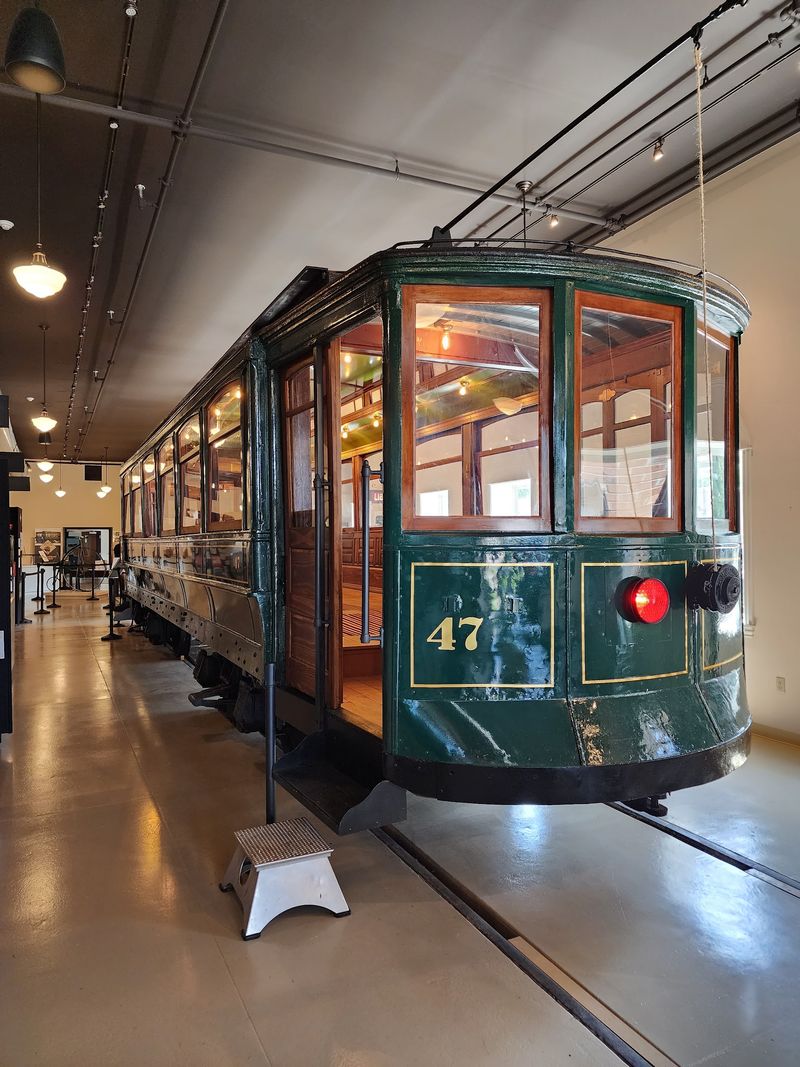
Long before highways, electric railcars zipped between Michigan towns on their own tracks. People called them interurbans because they ran between cities instead of just within one.
The system the museum focuses on once stretched across the bottom of southern Michigan. It connected communities from the Lake Erie side toward Lake Michigan.
For farmers, workers, and shoppers, it opened up travel that had once taken much longer.
So why do so few people know about it? The answer is simple.
Automobiles became cheaper and more common, and riders slowly switched to driving. Over time, the tracks and cars disappeared, which explains the word lost in the museum’s name.
I find that part of the story fascinating. A whole network of daily travel shaped towns like Grass Lake and Jackson, and yet many residents today have never heard of it.
The museum fills that gap with displays, artifacts, and historical articles along the walls. Each piece helps you see how much these electric cars mattered.
Once you understand what was lost, the restored cars on the museum floor start to feel much more meaningful.
Riding the Boland Express Without Leaving the Building
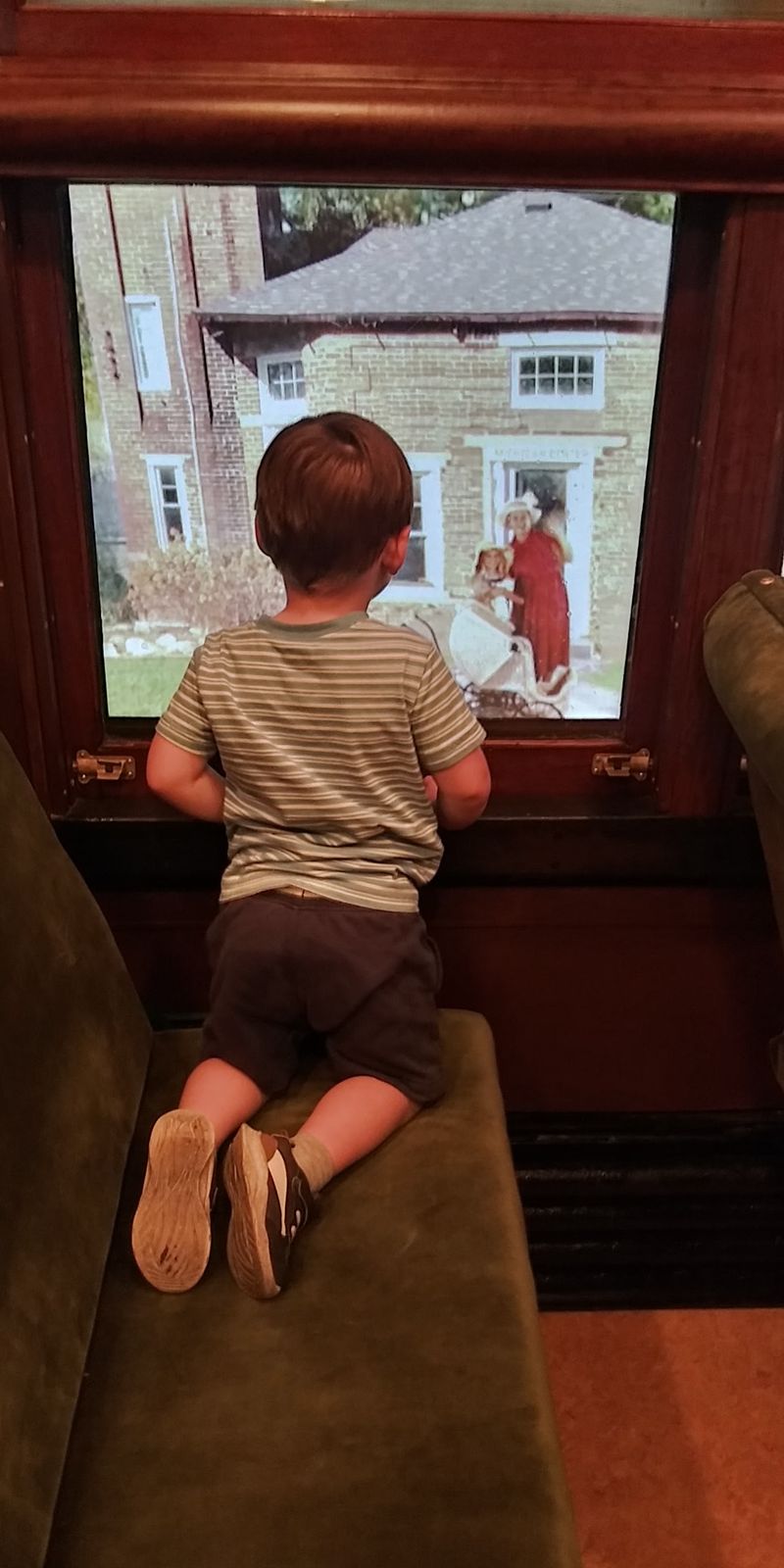
Here’s the part kids talk about all the way home. Inside one of the train cars, the museum runs a virtual ride called the Boland Express.
The simulated trip follows the old route from Jackson to Grass Lake. You sit inside the car while a screen shows the journey, and the seats move and jolt to match the scenery.
It feels a lot like rolling down the tracks a hundred years ago.
Many visitors call this the highlight of the whole visit. Children often get wide-eyed when the car starts to move, and adults tend to enjoy it just as much.
The museum’s restoration team has worked on updating this ride, so details may change over time. That’s a good sign, because it shows the volunteers keep improving the experience instead of letting it sit still.
I would save the ride for the end of a visit. By then, you’ll know the history of the line, and the trip from Jackson will make more sense.
The ride is short but memorable. And the car you sit in has its own story, which brings us to the restoration work happening right on the museum floor.
Restoration Work You Can Watch Unfold
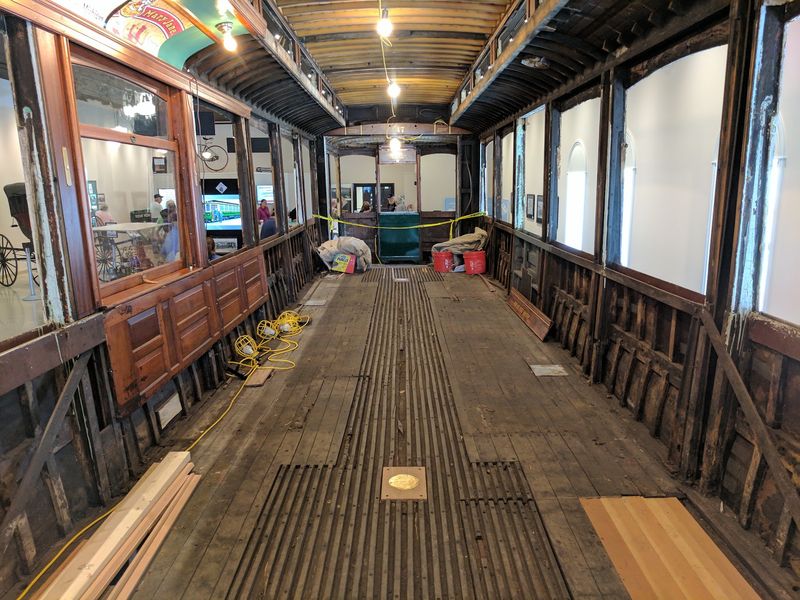
Old railcars don’t restore themselves. At this museum, volunteers spend countless hours bringing worn-out cars back to their original look.
Some of the train cars on display are fully restored, while others are still in progress. That mix is a big part of the fun.
You can compare a finished car with one that is still being repaired and see how much effort goes into the job.
Return visitors often notice big changes after a year or two away. Fresh woodwork, new paint, and repaired details show up as the team keeps working.
I appreciate a museum that lets people see the process instead of hiding it. Restoration takes patience, skill, and a lot of careful research to get the small things right.
For students who like building or fixing things, this section offers real inspiration. It shows that history isn’t only something you read about.
People still have to protect it with their own hands.
When you step aboard a finished car, you’ll understand why the volunteers take such pride in their work. And one of those cars invites you to touch more than just the seats.
Ring the Trolley Bell and Climb Aboard
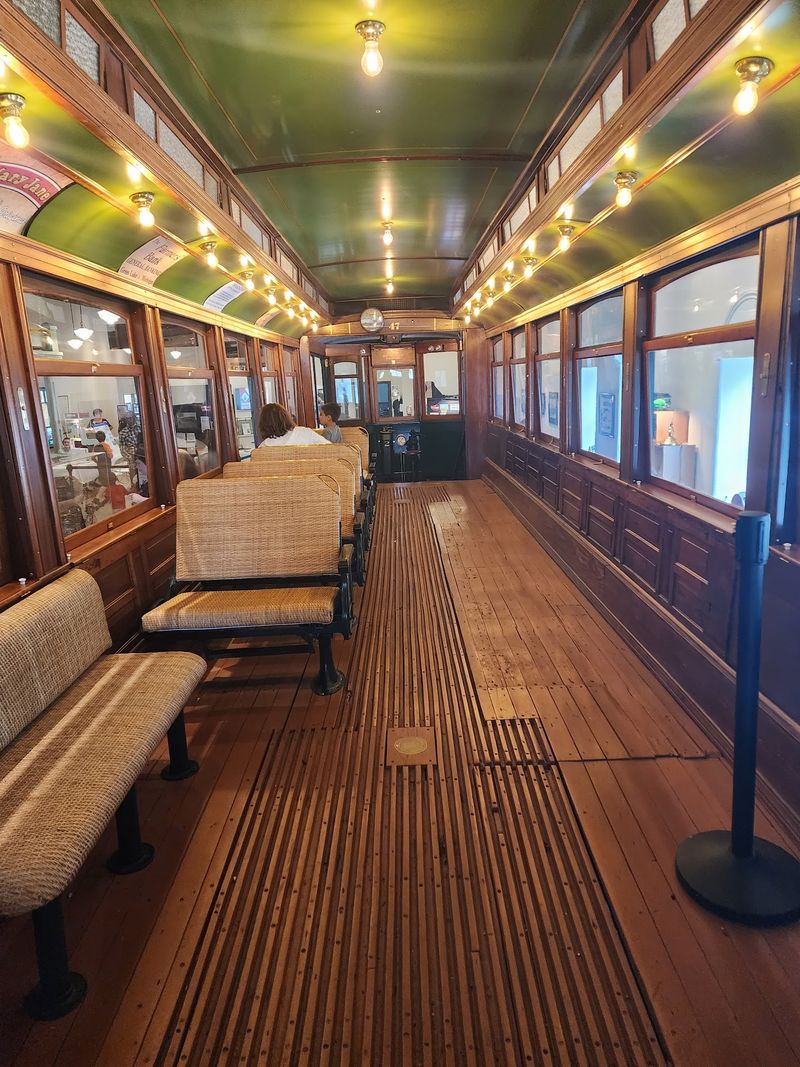
Ding, ding. That cheerful sound usually means a young visitor just found the trolley bell.
The museum is interactive, so guests can step inside the trolley car instead of only looking at it from behind a rope. Kids love cranking the bell, and grownups usually can’t resist trying it too.
On very busy days, the bell can ring a lot. The museum once welcomed hundreds of guests during a free museum day in Jackson County, and the staff joked that the bell got more use than usual.
Being inside an old trolley gives you a real feel for travel in the early 1900s. You can see the size of the space, the seating, and the controls that operators once used.
For families with little train fans, this hands-on area is a winner. Toddlers and early grade schoolers can explore without needing to read every sign.
A quick tip for parents: let kids ring the bell a few times, then guide them on to the next display. Other guests will thank you, and there’s plenty more to see.
A Short Film That Sets the Scene
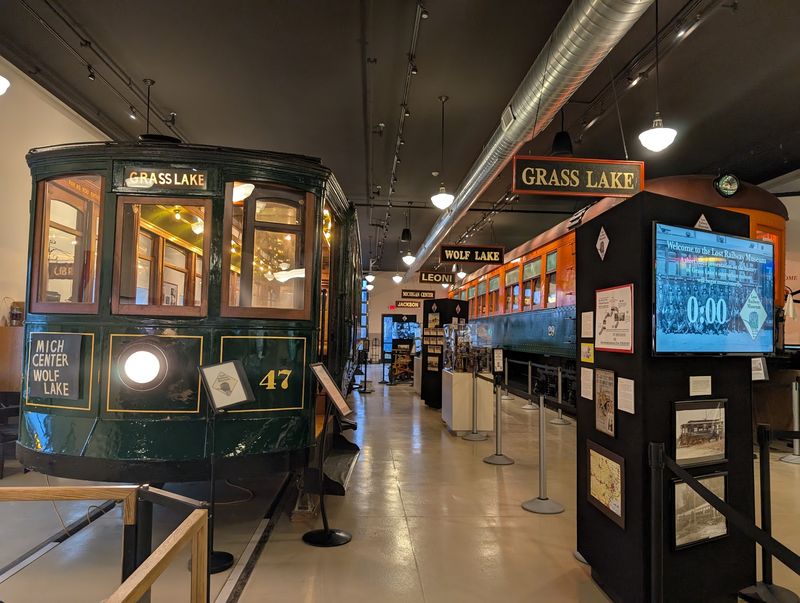
Plenty of museums toss you straight into the exhibits. This one often starts with a short introduction video, and that choice pays off.
The film gives a quick background on rail travel in the area. It explains how the interurban worked and why it mattered to towns along the line.
In just a few minutes, the rest of the museum starts making sense.
I’d recommend watching it first, even if the train cars are calling your name. Knowing the backstory makes every display more interesting.
The museum also shares videos about the making of the Model T Ford. That connection is important.
The rise of affordable cars is a big reason the interurban lines lost riders and eventually shut down.
Seeing both stories side by side is clever. You learn how one kind of transportation replaced another, and how that shift changed daily life in Michigan.
The videos are short enough for younger kids to sit through. They also give older visitors a clear picture of the era before the hands-on fun begins with the exhibits lining the walls.
Wall Exhibits Packed With Local Stories
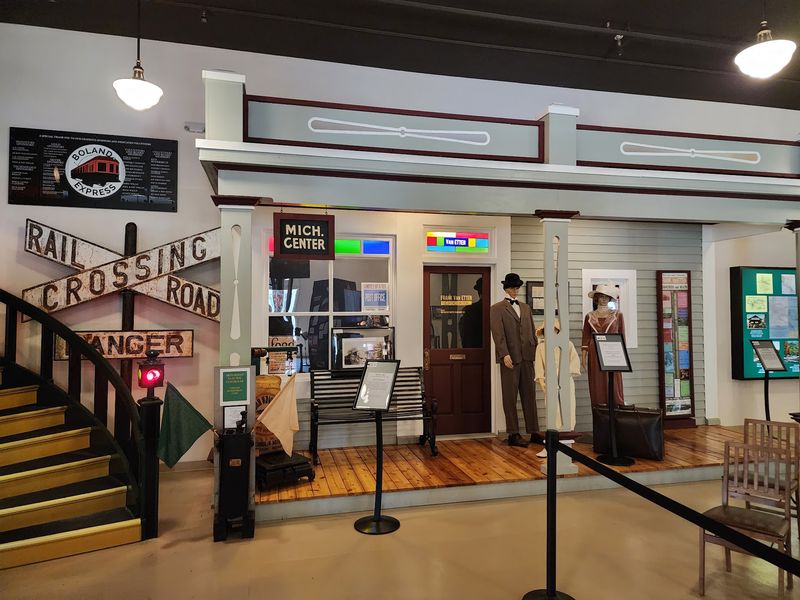
Take a slow walk along the walls, and you’ll get a mini history lesson about Jackson County. Historical articles and photos fill the space with stories from the early 1900s.
These displays cover more than trains. They show how transportation shaped life at the turn of the century, from travel habits to local jobs.
The museum also explains how the automotive industry affected the local economy.
Visitors interested in electricity will find something here too. Some displays touch on how DC motors powered electric rail travel, which is a neat detail for curious minds.
I like that the exhibits focus on Jackson and Grass Lake instead of general railroad history. That local angle makes the story feel personal and real.
Reading level varies, so parents may want to summarize parts for younger kids. Older students could easily pick up facts for a school project here.
Don’t rush this section. Some of the most interesting details are tucked into small captions.
And if questions pop up while you read, the people working the front desk are ready to help.
Friendly Volunteers With Plenty of Answers
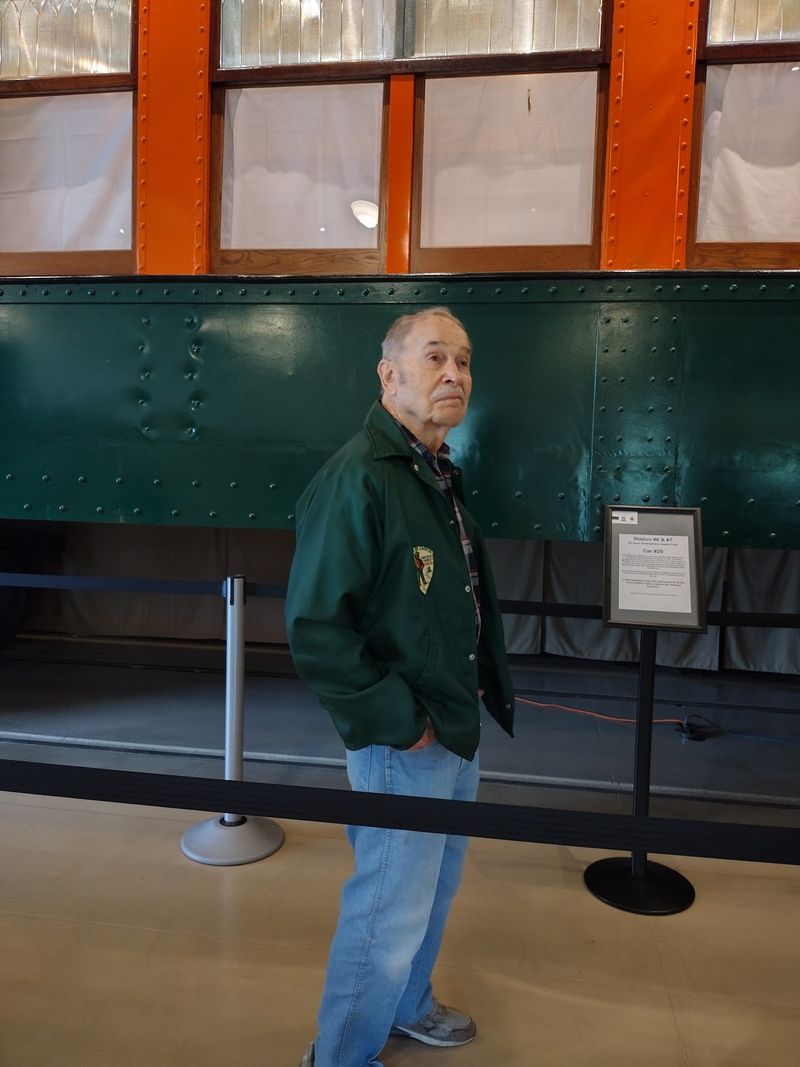
Ask a question here, and you might get a story along with the answer. The museum is run by volunteers who clearly care about rail history.
Docents often guide guests through the displays and explain how the cars worked. Families describe them as patient with curious kids, even when the questions keep coming.
That personal attention is a big advantage of a smaller museum. You’re not just one face in a crowd, so you can take your time and learn at your own pace.
I’d suggest asking about the restoration projects. Volunteers can share what has changed recently and what new displays are being built.
The team includes a facilities manager and a group of restoration workers who keep the place moving forward. Their effort is why the museum keeps adding new exhibits over the years.
Since the museum relies on donations and volunteer time, a thank-you goes a long way. A kind word, a small gift, or a stop at the shop on your way out all help support the people who keep this history alive.
Planning a Visit With Little Train Fans
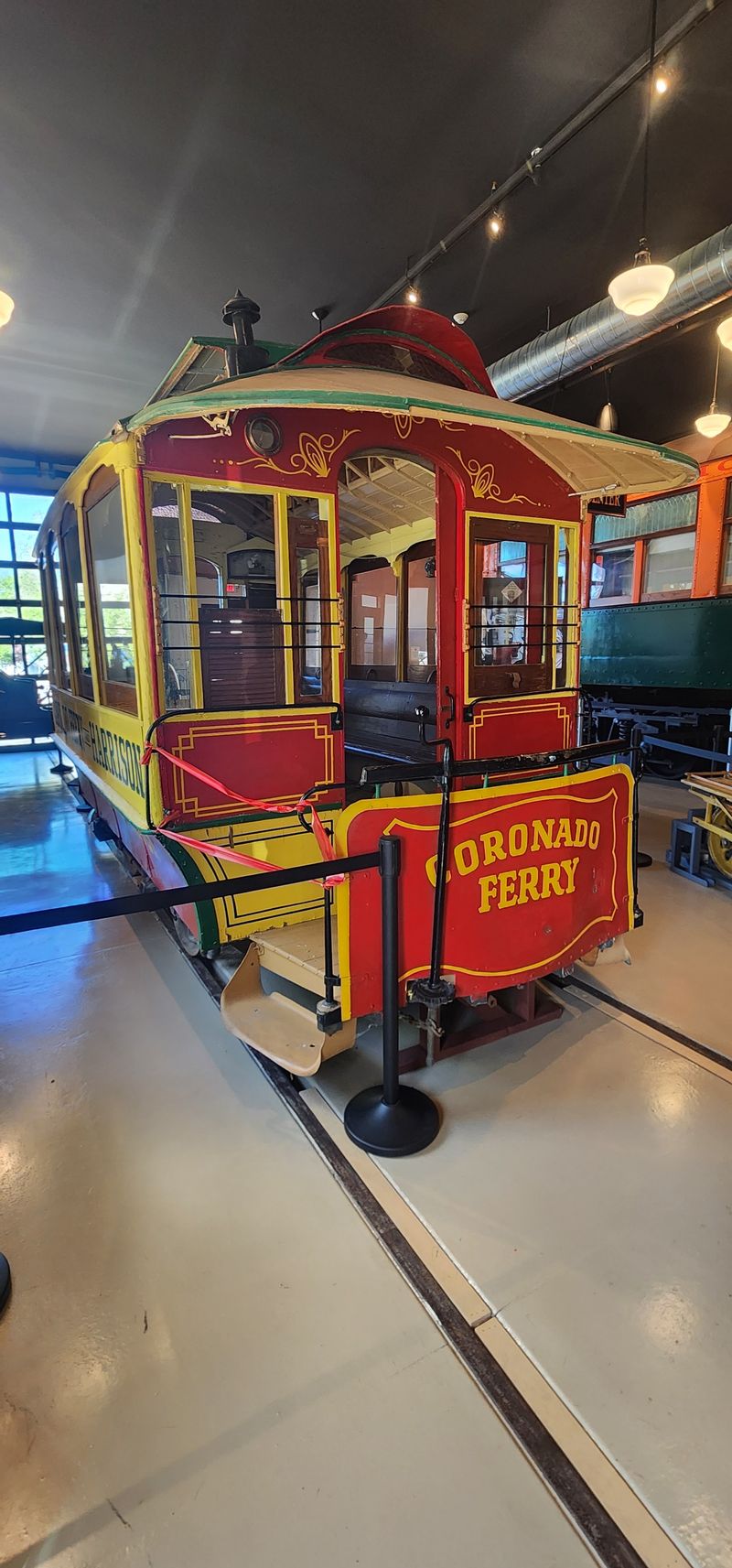
Toddlers who shout every time they see a train will feel right at home here. The museum works well for young families looking for a short outing.
Plan on roughly thirty minutes to an hour, depending on your pace. Families with small kids may finish quickly, while history buffs often linger longer.
The size is part of the appeal. It’s small enough that children won’t get worn out, but there’s enough to keep them busy with the trolley, the bell, and the virtual ride.
Remember the schedule, since the doors are only open on certain weekdays and Saturdays. A morning visit can be a nice way to start a day trip.
Bring cash if you’d like to donate on site. Some families have also chosen to give online after their visit.
I’d also pack a snack for the drive, since little ones get hungry fast after all that excitement. And if your kids still want more trains afterward, there’s a bonus stop just a short walk away.
Bonus Trains a Few Blocks Away
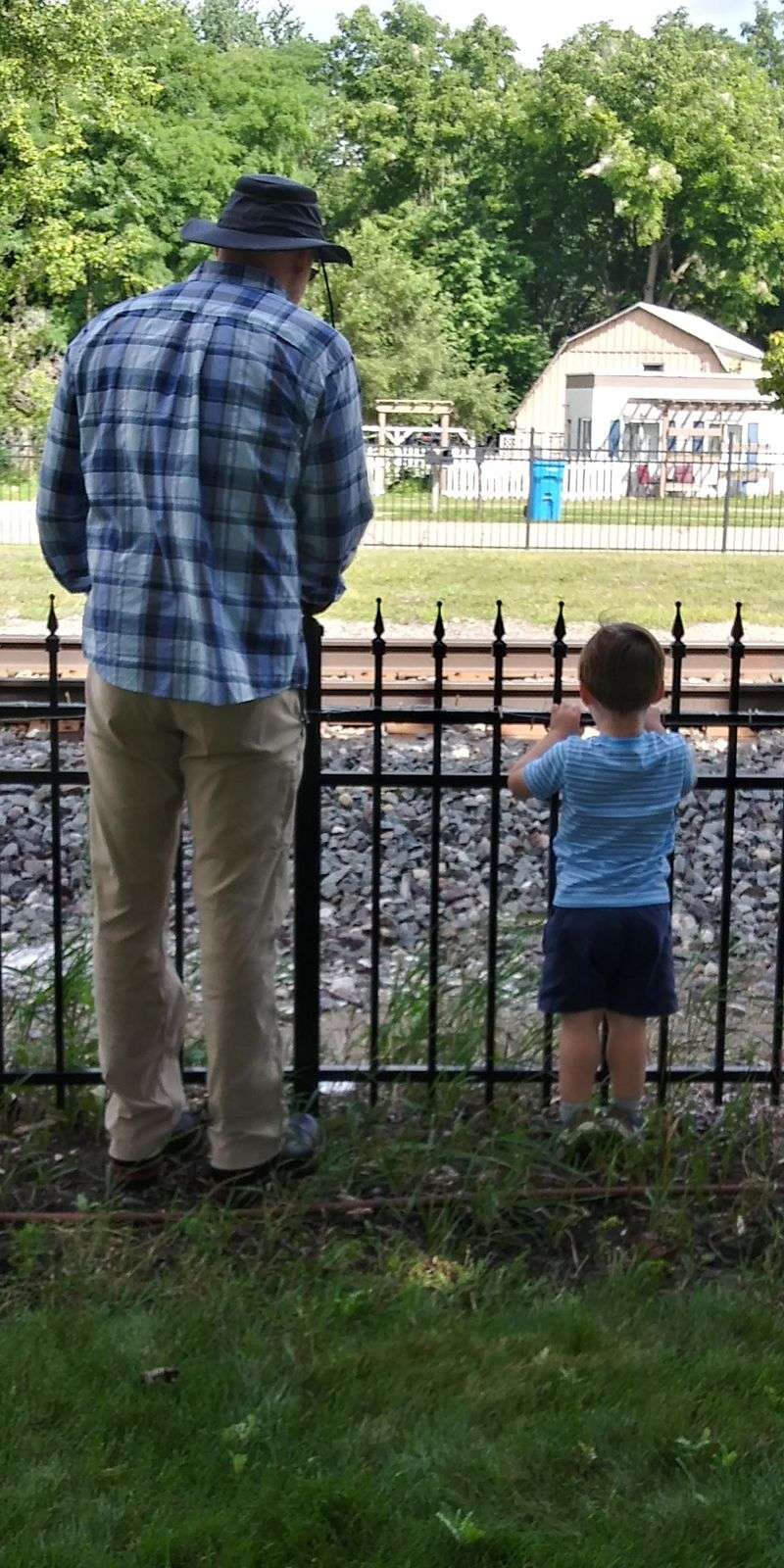
The fun doesn’t have to stop at the museum’s front door. Grass Lake also has a historic train depot just a few blocks away.
Families sometimes walk over after their museum visit. If timing works out, you might even spot an Amtrak train passing through on the active line.
There’s no schedule guarantee, so treat any sighting as a lucky surprise.
Pairing the depot with the museum makes the story feel complete. Inside, you learn about the lost electric lines.
Outside, you see that trains still travel through this village today.
I like this combo because it costs nothing extra and adds a little adventure. A short stroll also gives kids a chance to stretch their legs.
Before heading home, swing by the museum’s gift shop. It’s a simple way to pick up a souvenir and support the volunteers at the same time.
The Lost Railway Museum shows how one small Michigan village keeps a big story moving. Between the jolting ride, the restored cars, and the trains rolling past nearby, history here feels closer than you might expect.
Share this story