A campground with a creek running through it, no fee, and almost nobody around? That’s real in Nevada.
This one sits in a mountain canyon off a highway nicknamed the loneliest road in America. It’s run by the U.S.
Forest Service, and the sites are free.
I like that the drive helps keep the crowds thin. A gravel road, some shade trees, and a stream are the main attractions.
I can’t imagine a better reset for anyone tired of screens and traffic. So where is this quiet canyon, and what’s waiting at the end of that road?
Meet The Free Camp At The End Of The Road
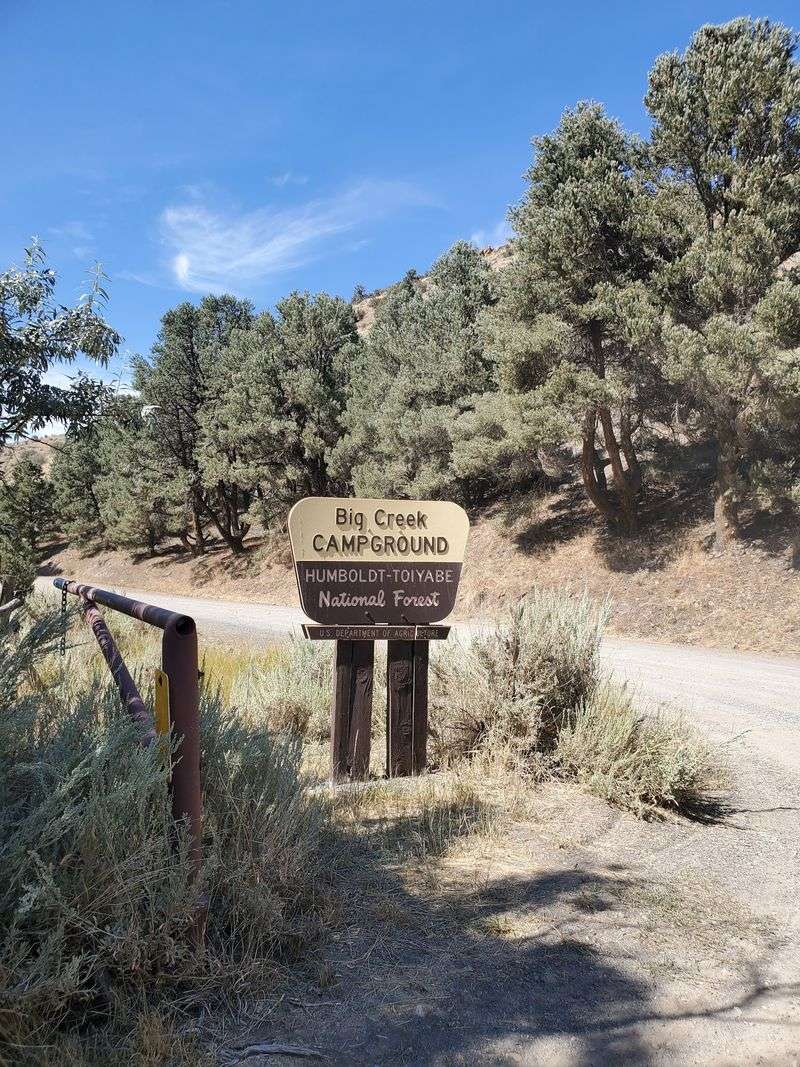
Big Creek Campground is a free Forest Service campground in the Toiyabe Mountains of central Nevada. It’s managed through the Humboldt-Toiyabe National Forest, so you get a real, established camp without a reservation desk.
Free is a rare word in camping these days. Many popular campgrounds fill up months ahead and charge nightly fees, so a no-fee canyon spot feels like finding a twenty in an old coat.
The campground sits near the end of the road, and past it the way gets rougher and calls for a four-wheel-drive vehicle. That natural stopping point helps keep the area calm and quiet.
Expect a simple setup. Think shade, a creek, and mountain views rather than fancy extras.
Bring what you need for a basic stay, since this is a no-frills place. Pack water, food, and a good sense of adventure, then let the canyon do the rest.
Your Address For A Mountain Escape
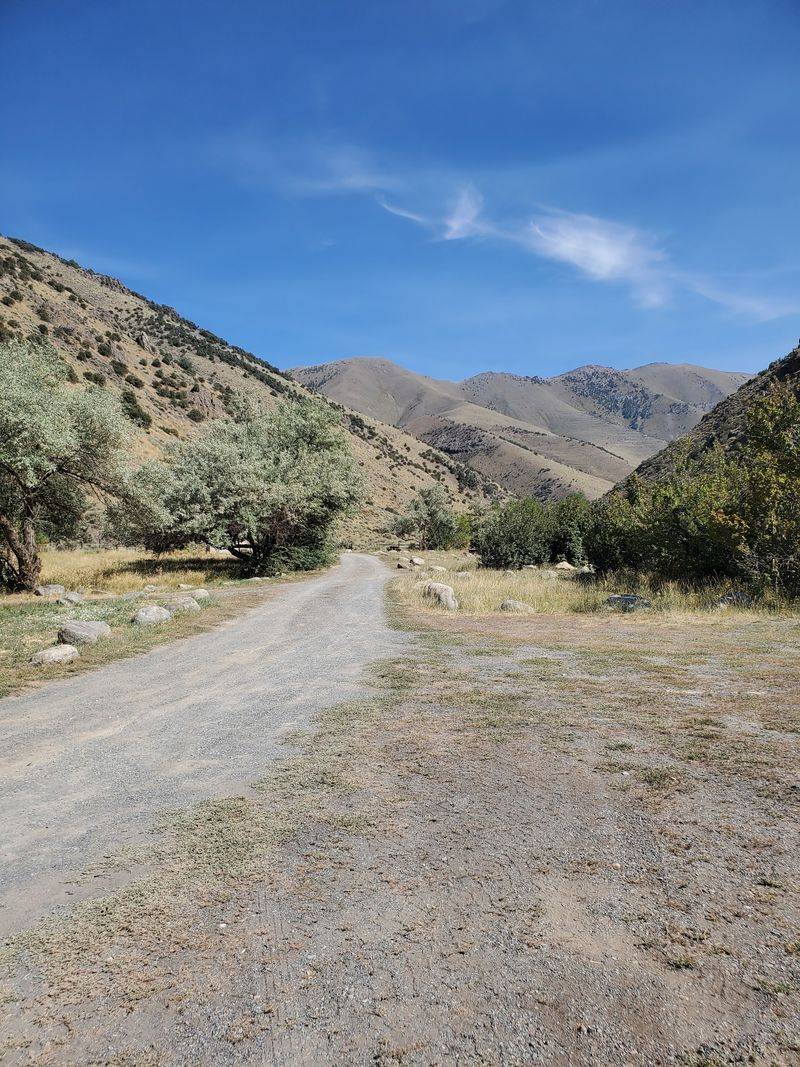
Plug in Forest Rd 43135, Austin, NV 89310 and you’re headed to Big Creek Campground. The turnoff comes from Highway 50, the route known as the loneliest road in America, which makes the trip feel like a classic Nevada road adventure.
The first couple of miles are paved, according to travelers who have made the drive. After that, the route turns to gravel and keeps going for roughly eleven more miles.
Plan to take it slow. Washboard sections can rattle a rig, so a gentle pace saves your dishes and your patience.
Signs are sparse early on, so download your directions before you lose cell service. Coverage tends to fade once you leave the highway behind.
Austin, the nearest town, is a handy place to top off gas and groceries before you head out. Doing that first means you can settle in at camp and stay put.
Leave daylight to spare, because arriving before dark makes finding your site much easier.
A Creek Runs Right Through The Fun
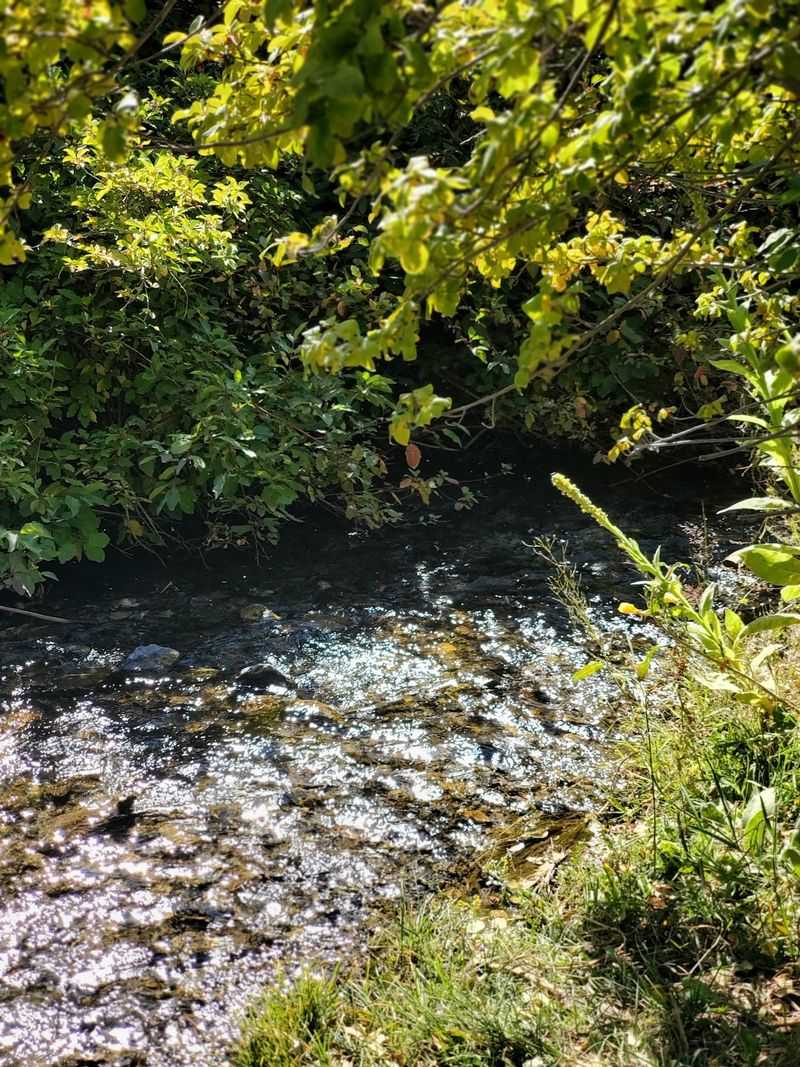
Water is the star here, and the name gives it away. A creek flows along the campground, and many of the sites sit close to its banks.
That trickle of water changes the whole mood in the high desert. Nevada can feel dry and wide open, yet this canyon sounds soft and green.
Creekside spots are the ones to look for when you arrive. Falling asleep to running water beats any white-noise app.
Treat the creek with care, though. Keep soap, food scraps, and trash far from the bank so the stream stays clean for the next camper.
If you plan to drink from it, treat or filter the water first. Bringing your own supply is the easiest plan for cooking and cleanup.
Kids and curious adults will likely spend a while just poking around the edges. A pair of sturdy water shoes can make that exploring a lot more comfortable.
Cast A Line For Mountain Trout
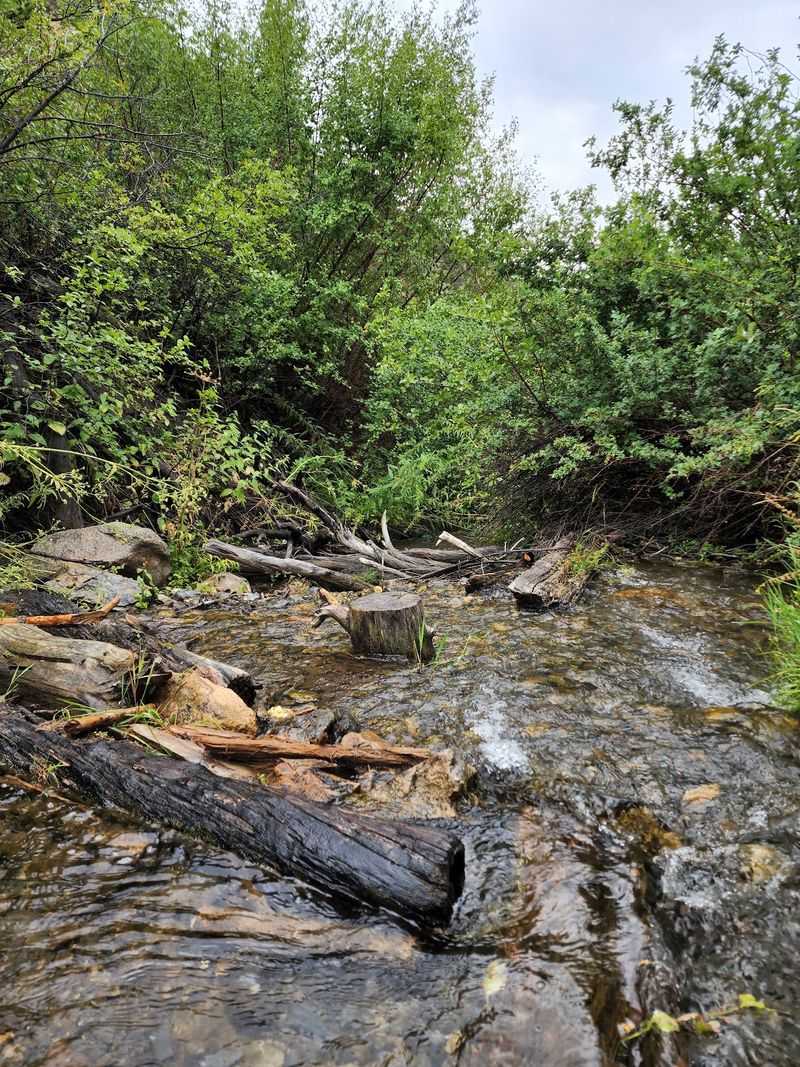
Fishing talk comes up often with this canyon, and the creek is the reason. Campers have mentioned catching trout here, which makes a fishing rod a smart item to toss in the truck.
Before you cast, check current Nevada fishing rules. A license is generally needed, and regulations about size and limits can change from year to year.
The creek is small, so light gear works well. Quiet steps and patient casts matter more than fancy lures in a narrow stream.
Early morning and evening are classic fishing windows. The canyon shade also helps when the midday sun turns hot.
Even if the fish ignore you, the setting is a fine reward. Standing by a mountain creek with nobody around is a pretty good way to spend an afternoon.
Pack out every bit of line and tackle you bring. Leaving the banks tidy keeps the fishing good for those who come after you.
Shade Trees Make Summer Easier
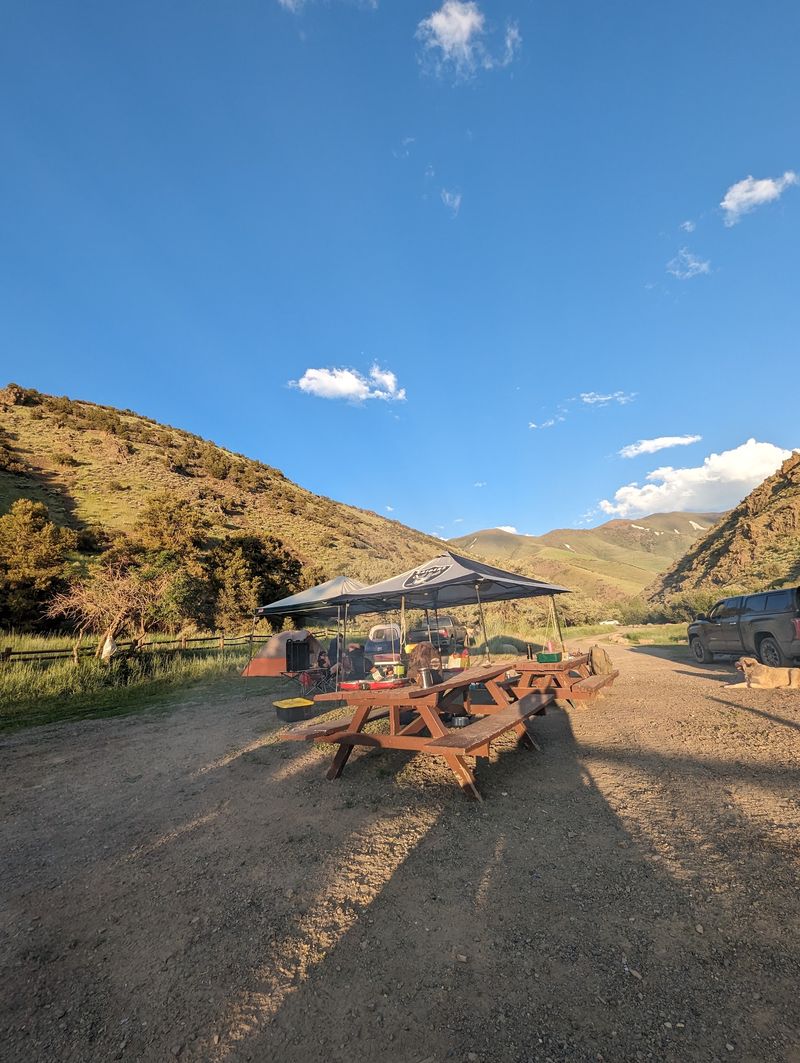
Shade is a big deal in Nevada, where summer sun can be fierce. The trees here give the campground a leafy feel that you don’t often find along Highway 50.
Campers have noted that days can warm up quickly once the sun clears the canyon walls. Evenings cool off nicely, which makes sleeping comfortable even in July.
A pop-up canopy is a smart extra if your site gets patchy shade. It gives you a cool spot for lunch, cards, or a nap.
Dress in layers. A warm afternoon can turn into a crisp night once the sun drops behind the mountains.
Rabbitbrush blooms in late summer and early fall, so allergy sufferers may want to pack tissues. That’s just part of camping in the high desert.
Choose your spot early in the day if you can. Good shade and a creek view are the two things worth looking for first.
Sites, Toilets, And Simple Comforts
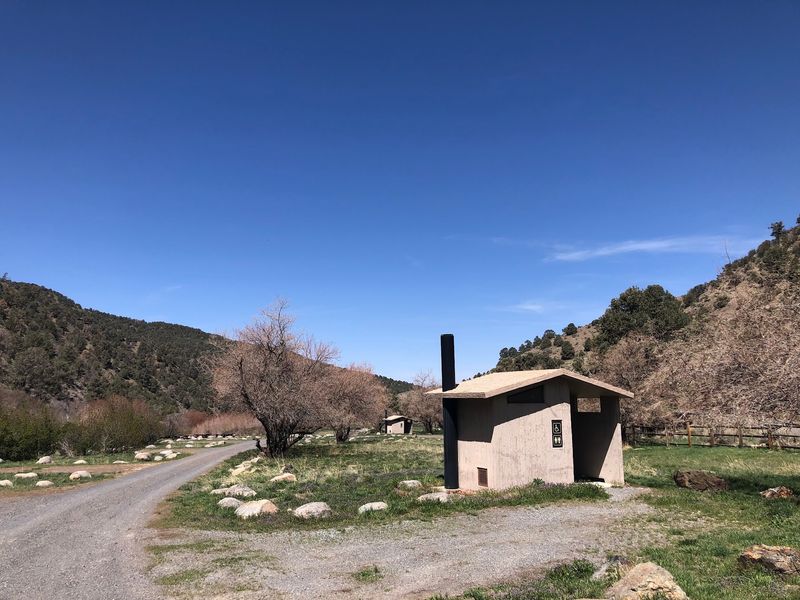
Think basic and you’ll be happy. The campground has a small number of sites, and campers describe anywhere from about six to a dozen, so it stays cozy.
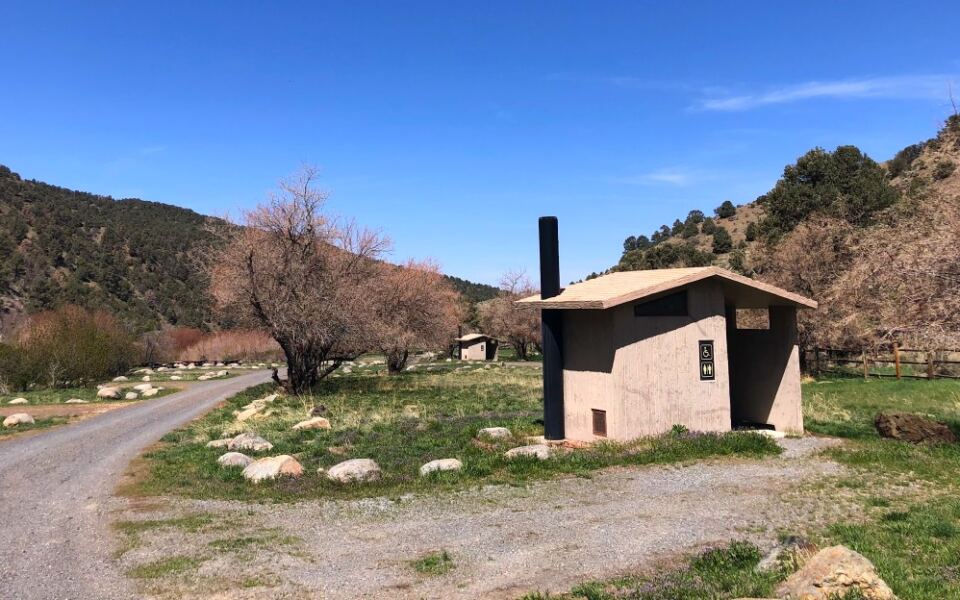
Vault toilets are available on site. There are no hookups, which means no electric, water, or sewer connections for your rig.
Bring everything you need for a self-sufficient stay. Water, power backups, and trash bags all belong on your packing list.
Pack out all your garbage when you leave. Remote camps stay lovely only when everyone cleans up after themselves.
Larger rigs need extra thought. Rocks line parts of the loop and the turnaround can be tight, so bigger trailers may struggle.
Plenty of travelers fit just fine with smaller campers and tents. Scouting the layout on foot before you pull in can save a lot of backing up.
Trails Await Off-Road Explorers
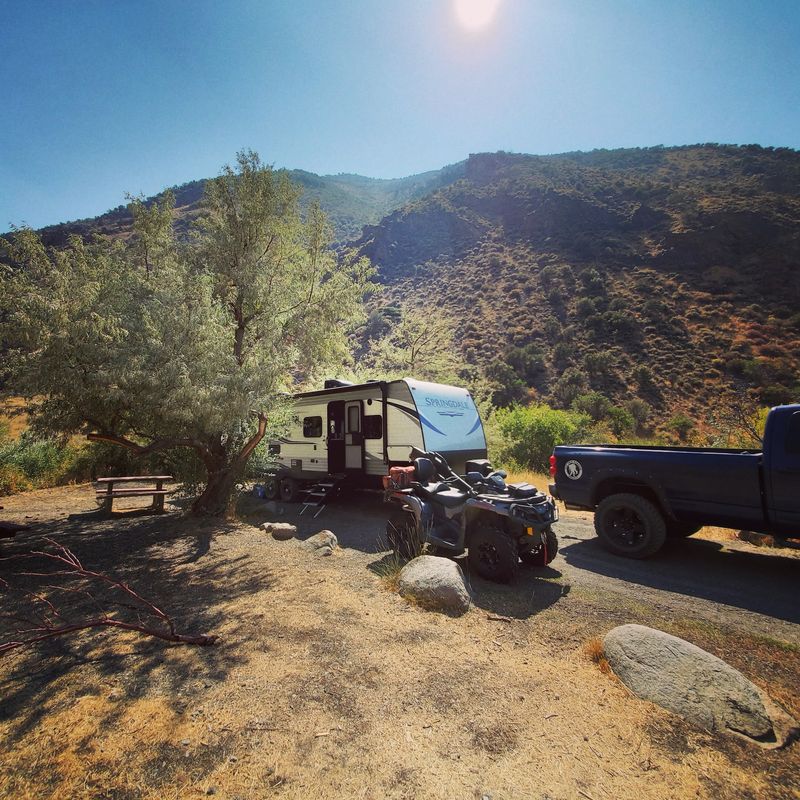
Bring the off-road toys if you have them. Past the campground, the road turns rugged and needs a four-wheel-drive vehicle.
Campers describe the area as a good base for trail rides. Side-by-sides, dirt bikes, and high-clearance rigs all find room to roam in these mountains.
Views reward the effort. Sunlight on the surrounding peaks can be a highlight of the day.
Always check current Forest Service maps and travel rules before you head out. Some routes are open to vehicles and others are not.
Hikers can enjoy the area too. Walking along the creek or up a nearby slope gives a slower look at the canyon.
Carry extra water, a map, and a spare tire. Cell service is limited, so plan like you’re on your own.
Boondocking Options Nearby
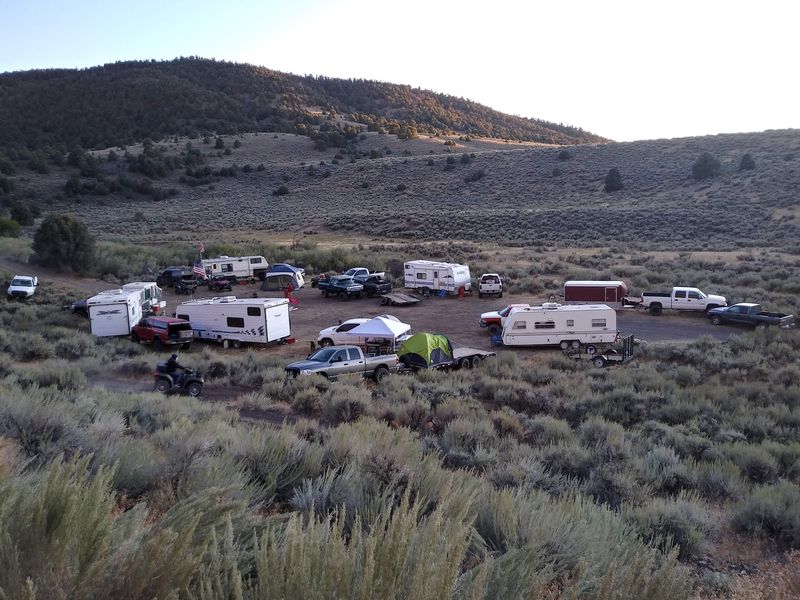
Got a big rig? Good news.
Campers mention boondocking areas along the road before the campground, and some can handle larger groups.
Dispersed camping means no marked sites and no facilities. You pick a flat, durable spot and camp responsibly.
Some travelers find those roadside areas roomier and easier to reach than the campground loop. Others stick with the creek and shade of the main camp.
Follow Forest Service rules about stay limits. Free camping in national forests commonly has a time cap, so check the current limit before you settle in.
Leave no trace is the golden rule. Pack out trash, keep fires small and in safe spots, and respect any fire restrictions.
Scout your spot before you commit. Checking ground clearance and turnaround space saves headaches with big trailers.
Peace, Quiet, And Big Nevada Skies
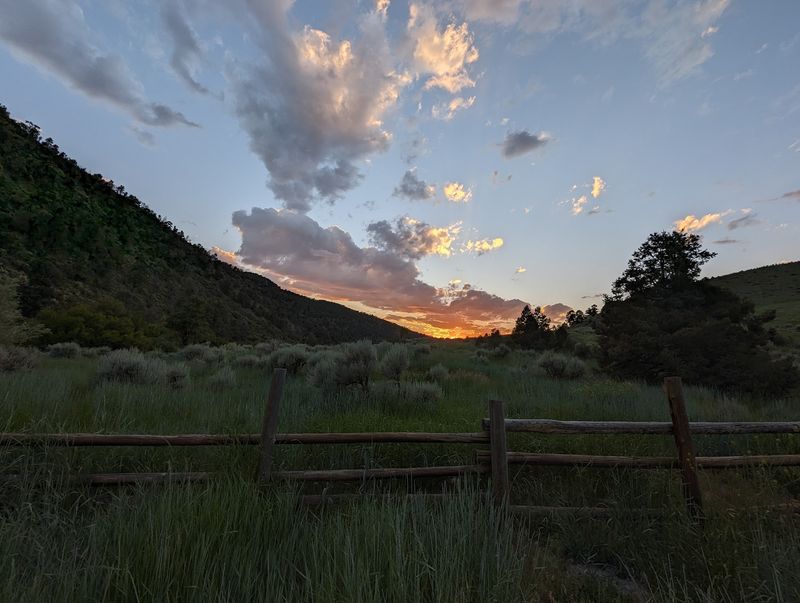
Quiet is the biggest selling point here. Campers often mention having the place nearly to themselves on weeknights.
That calm comes from distance. Because the campground sits far from the highway, you trade traffic noise for creek sounds and birdsong.
Nighttime in rural Nevada is a treat for stargazing. Fewer lights mean a darker sky and more stars to spot.
Weekends and holidays can bring more company, so a midweek visit may feel more peaceful. Arriving early helps on busy days.
Be a good neighbor and keep generators and music low. Everyone came for the same quiet canyon.
Big Creek Campground rewards slow plans. Bring a camp chair, a good book, and enough patience to enjoy doing very little in a beautiful place.
Share this story