A seven-mile wildlife drive winds through prairie, oak savanna, and quiet pools, and it costs exactly nothing. That alone made me sit up.
Free scenery is rare, and free scenery with eagles and sandhill cranes feels almost suspicious.
The loop has pull-offs, short walking paths, and signs that explain what you’re seeing. You can stay in your car the whole time.
You can also step out and wander a little.
I like how this spot rewards slow movement over speed. Creeping along with binoculars ready seems to be the whole secret here.
That fits Minnesota patience perfectly, especially once the cold sets in and the crowds thin out.
So what happens when you trade a busy weekend for a quiet road and a thermos? I believe the answer might surprise you.
A Wild Refuge Hiding In Plain Sight Near The Twin Cities
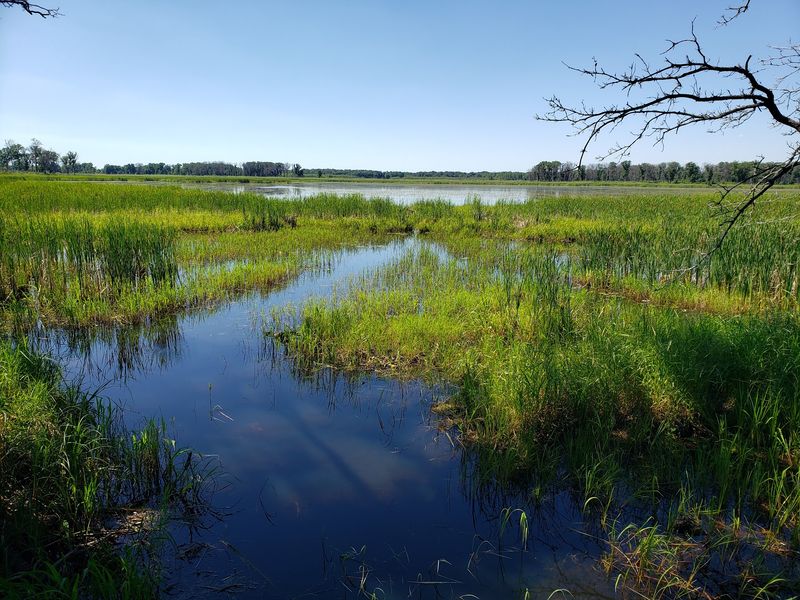
Sherburne National Wildlife Refuge sits in central Minnesota, close enough to the Twin Cities for a spur-of-the-moment trip. It’s a federal wildlife refuge, which means the land puts animals first and people second.
That arrangement works out beautifully for anyone who loves birds. The landscape blends wooded areas, marshes, wetlands, restored prairie, and oak savanna in one place.
Variety like that pulls in a remarkable mix of creatures. Sandhill cranes, eagles, trumpeter swans, and turtles all call this refuge home at different times.
Don’t expect an amusement park with a nature theme. The refuge feels more like a living classroom with the doors flung open.
One past description captures it nicely as the northwoods feel without the tiring commute. Red and white pines, sand dunes, and drumming grouse back up that claim.
Minnesotans already know the state does outdoor spaces well. Still, finding this much wildness so near a major metro feels like a quiet win for the home team.
The best part has nothing to do with location, though. It’s a scenic loop you can enjoy without spending a penny.
Seven Free Miles Of Prairie, Pools, And Possibility
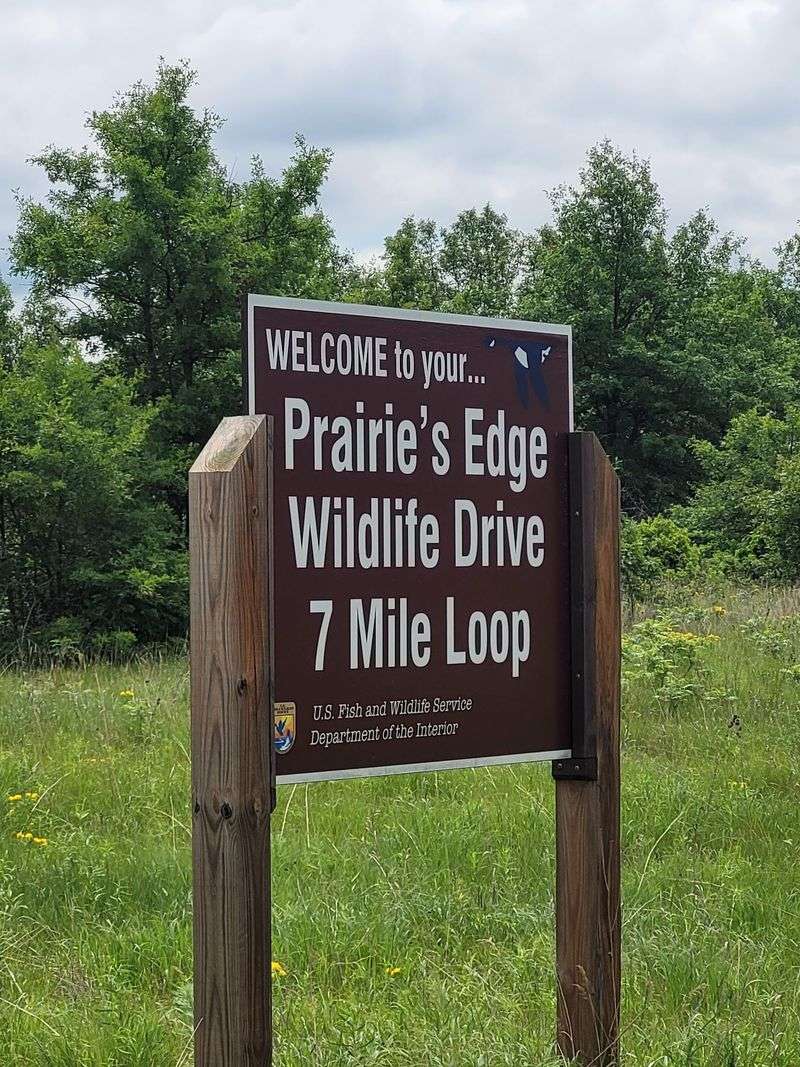
Free is a lovely word, and the wildlife drive here lives up to it. The loop runs roughly seven miles, with some descriptions putting it closer to seven and a half.
Along the way, the road weaves through prairie, oak savanna, and a series of pools. Each habitat brings its own cast of characters.
Frequent stopping points keep the route from feeling like a simple road trip. Some offer short hikes, while others are pull-offs with interpretive signs.
Those signs turn a pretty drive into a self-guided lesson. Kids and curious adults can learn what lives in each habitat without a ranger tagging along.
You can travel the loop by vehicle or by bike. Cyclists get a closer, quieter view, while drivers get a warm seat and snack access.
A welcome area at the start of the drive makes a handy picnic spot. Families can fuel up before heading out on the slow roll.
Big-city attractions often charge for far less scenery. Here, the price of admission is simply your time and attention.
Slow Wheels, Sharp Eyes, And The Art Of Waiting
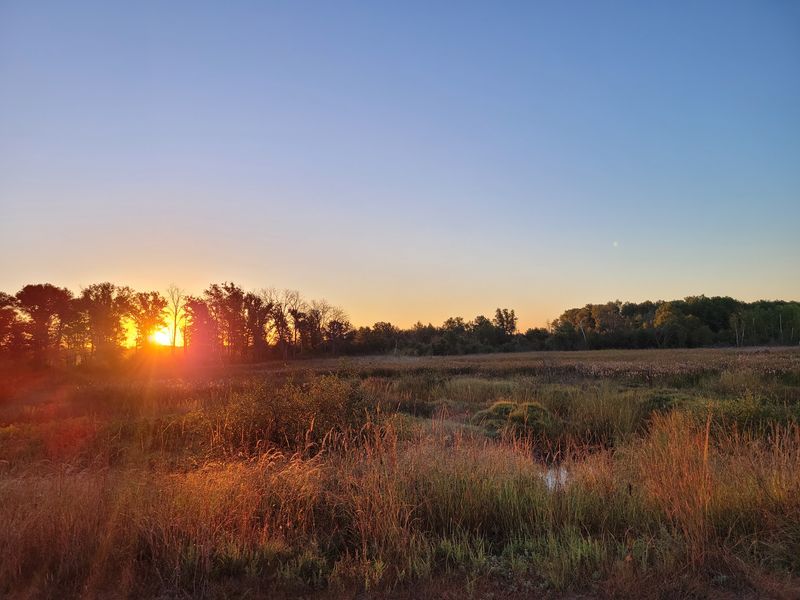
Speed is the enemy on this road. The refuge is a home for wildlife, not a motor park, so slow driving with quiet engines is the expected approach.
Good news, too. The slower you go, the more you tend to see.
Timing matters as much as pace. Early mornings and evenings are often the best windows for spotting animals along the loop.
Wildlife tends to stir around those softer hours. Midday can still deliver surprises, but the edges of the day usually reward early risers and sunset chasers.
Pack binoculars before you leave the driveway. A camera belongs in the bag as well, since the refuge suits wildlife photography nicely.
Here’s a tip that sounds silly but works. Roll down a window and simply listen, because birdsong often gives away a hidden visitor.
Patience is the real admission fee at Sherburne National Wildlife Refuge. Some trips may feel quiet, and that’s part of the deal.
Animals keep their own schedules. Those who wait calmly often get the best stories to share back home.
Sandhill Cranes Steal The Show Every Fall
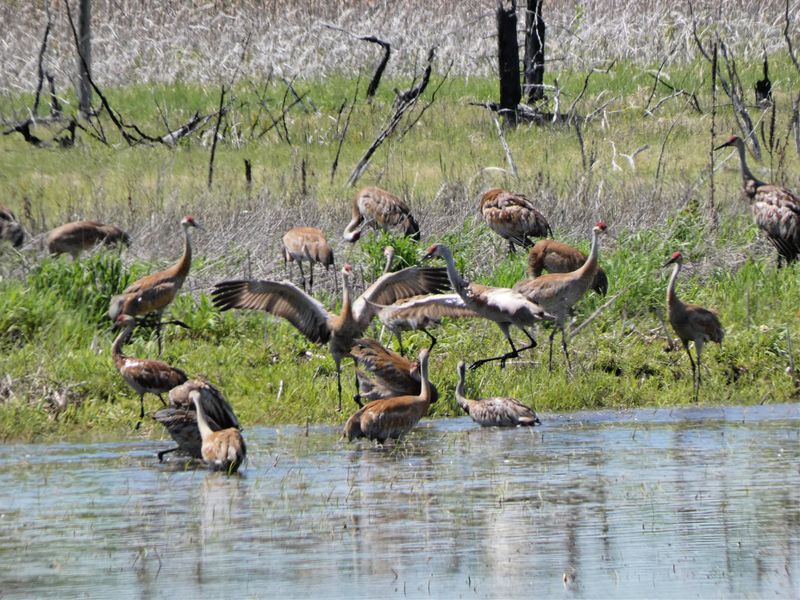
Tall, gray, and gloriously loud, sandhill cranes might be the refuge’s biggest celebrities. The refuge has a reputation as one of the best places in Minnesota to see them.
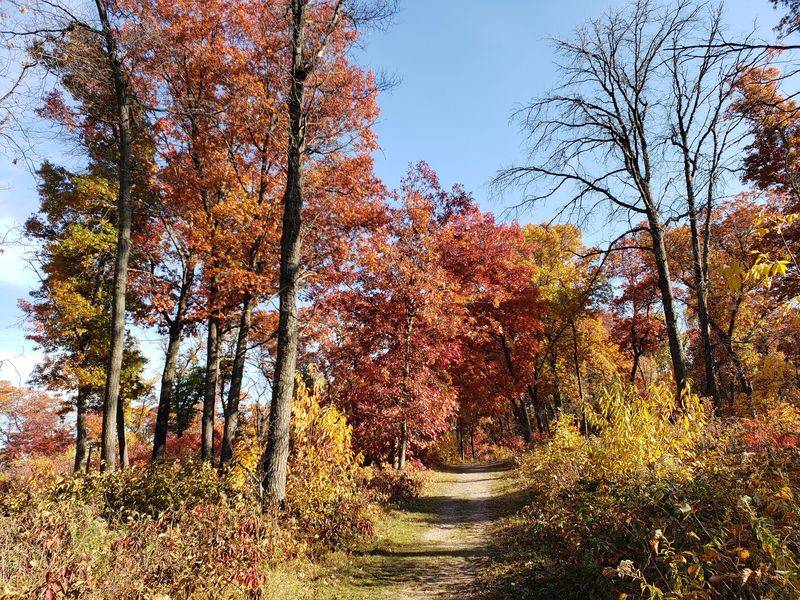
Fall is prime time for crane watching. Leaves change color while cranes migrate to and from the refuge.
That combination makes autumn drives especially memorable. Golden grasses, bright trees, and flocks of cranes create a scene worth a full tank of gas.
Cranes don’t always appear on cue, of course. Some trips may come up empty, even during migration season.
Flexibility helps when the birds play hard to get. Cranes sometimes turn up in one part of the refuge, then reappear along a little creek elsewhere.
Bring that binocular habit along for crane days. These birds often stand in open fields or shallow water, where good optics make a big difference.
Their calls carry far across open ground. Even before spotting them, you may hear that rattling chorus drifting over the prairie.
Honestly, few sounds say Minnesota autumn quite like it. It’s worth an early alarm.
Eagles Overhead And Swans On The Water
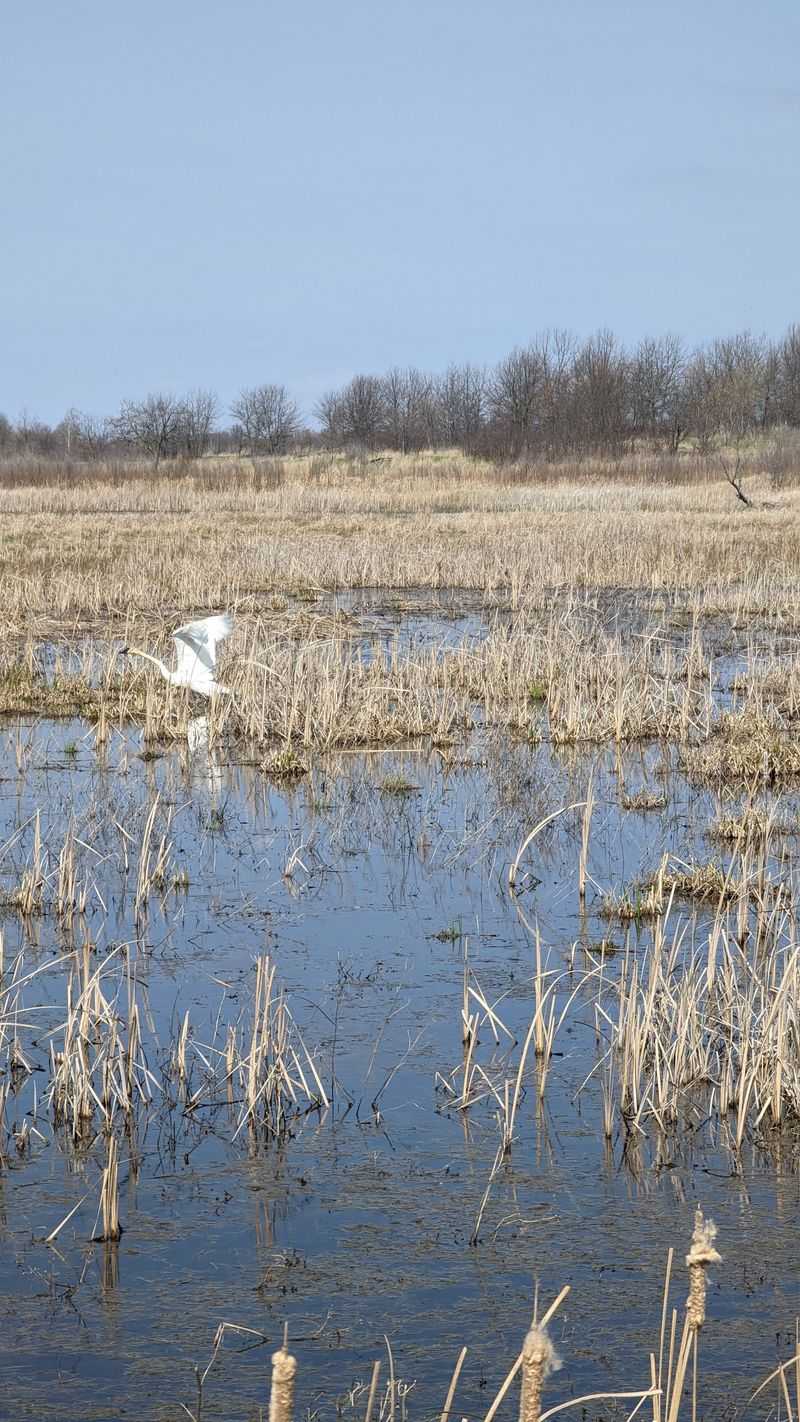
Cranes get the spotlight, but the supporting cast deserves applause too. Eagles are among the most talked-about sightings at the refuge.
Trumpeter swans add elegance to the wetlands. These large white birds glide across the pools, especially near the Oak Savanna Learning Center area.
The bird list keeps growing from there. Blue-winged teal, pelicans, and great blue herons have all been spotted around the refuge.
Smaller birds earn attention as well. Swamp sparrows, warblers, and woodpeckers fill in the gaps between the headline acts.
Not every animal has feathers, either. Painted turtles sun themselves near the water, while snakes and ground squirrels move through the prairie.
Bird watchers will feel right at home with all this variety. The habitat mix practically guarantees something new on each visit.
Many species can be seen from the comfort of your vehicle. That makes the refuge friendly for anyone who prefers to stay cozy.
Keep a simple list going in a notebook. Checking off species turns a quiet drive into a friendly family competition.
Restored Prairie And Oak Savanna Worth Slowing Down For
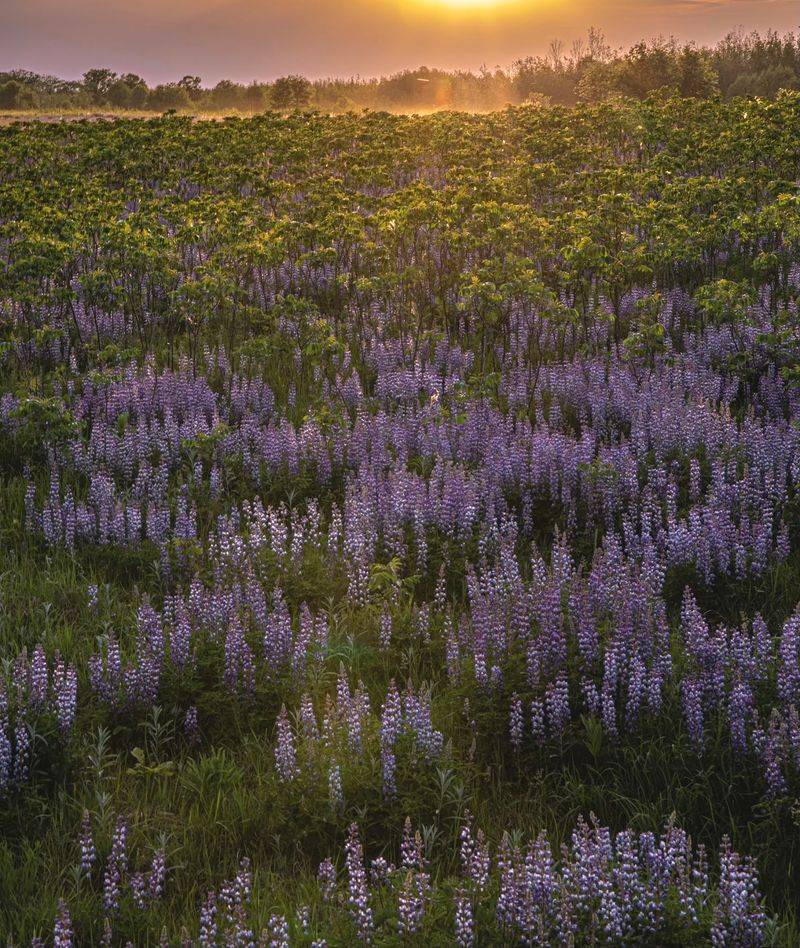
Grasslands rarely get the credit forests do. At this refuge, the restored prairie makes a strong case for a rethink.
Prairie, oak savanna, and wetlands sit side by side here. That patchwork creates homes for a surprising range of wildlife.
Oak savanna is a special Midwest landscape. Scattered oaks rise over open grasses, giving the land a roomy, park-like look.
In warmer months, wildflowers can splash the fields with color. Lupine is among the blooms associated with the refuge’s open ground.
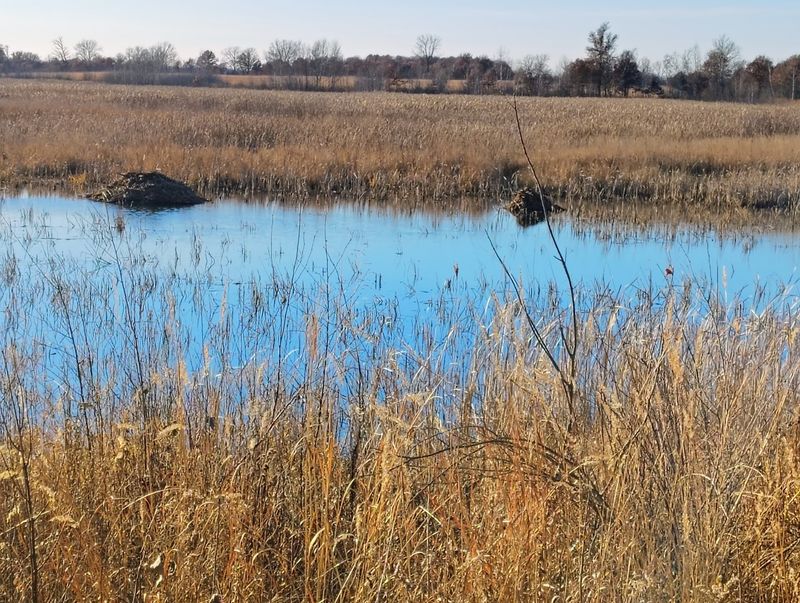
Sunny days bring another bonus. Bright light often creates lovely reflections on the ponds and waterways along the drive.
Weather shapes the scene, though. During dry stretches, some ponds can shrink or dry up, which may change where birds gather.
That shifting landscape keeps repeat visits fresh. A pond full of swans one season might look completely different the next.
Minnesota pride runs deep for lakes and northwoods. This refuge quietly reminds everyone that prairie belongs in that conversation too.
Blue Hill Trail For Woodland Wanderers
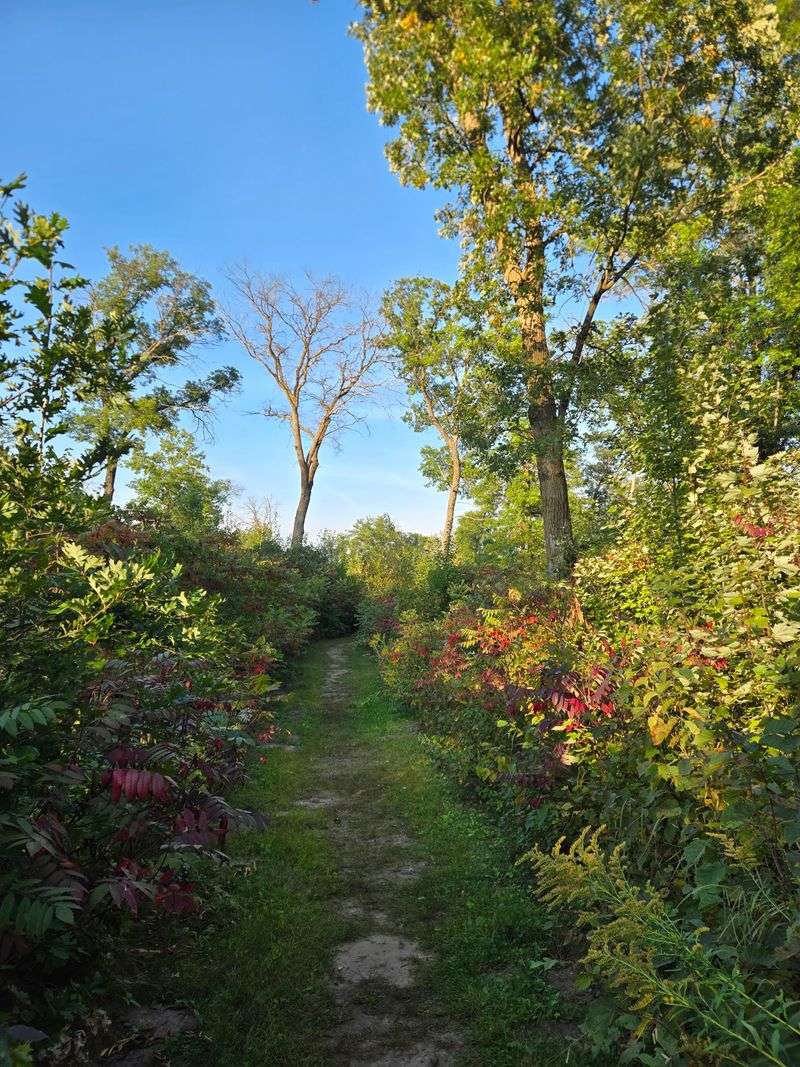
Ready to leave the car behind for a while? The Blue Hill Trail is one of the refuge’s best-known walking routes.
Woods line much of the path, creating a calm and scenic stroll. Quiet is the main soundtrack, broken only by birds and breeze.
Warbler fans have a soft spot for this trail. Those tiny, colorful songbirds can make a short walk feel like a treasure hunt.
Time-crunched hikers have options too. The front loop of the trail works well for a quick outing.
Water views are less of a focus here. Think of Blue Hill as the forest chapter of your refuge story.
Trails across the refuge are generally well maintained. Both serious hikers and beginners can find routes that suit their energy level.
A practical warning belongs here as well. Mosquitoes can be plentiful in warmer months, so strong repellent is a smart addition.
Winter explorers can skip the bug spray, naturally. Just check which trails are open before lacing up those boots.
Accessible Paths Around The Oak Savanna Learning Center
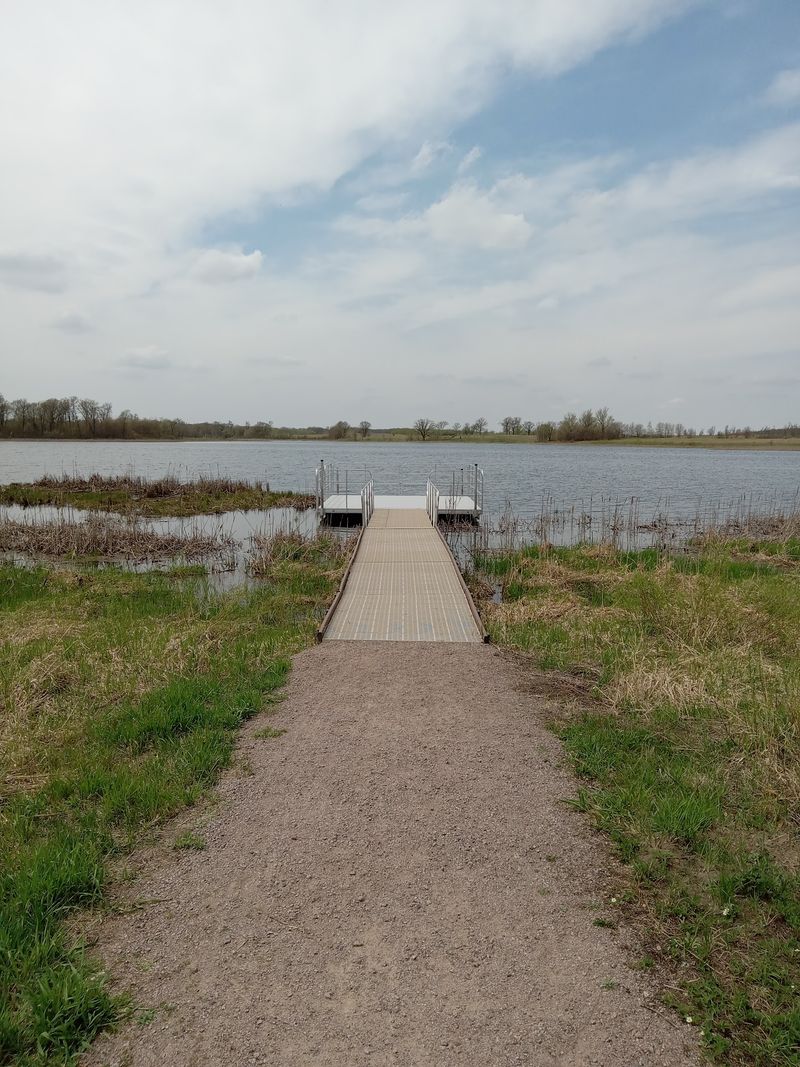
Accessibility often gets overlooked in wild places. Sherburne National Wildlife Refuge handles it better than many.
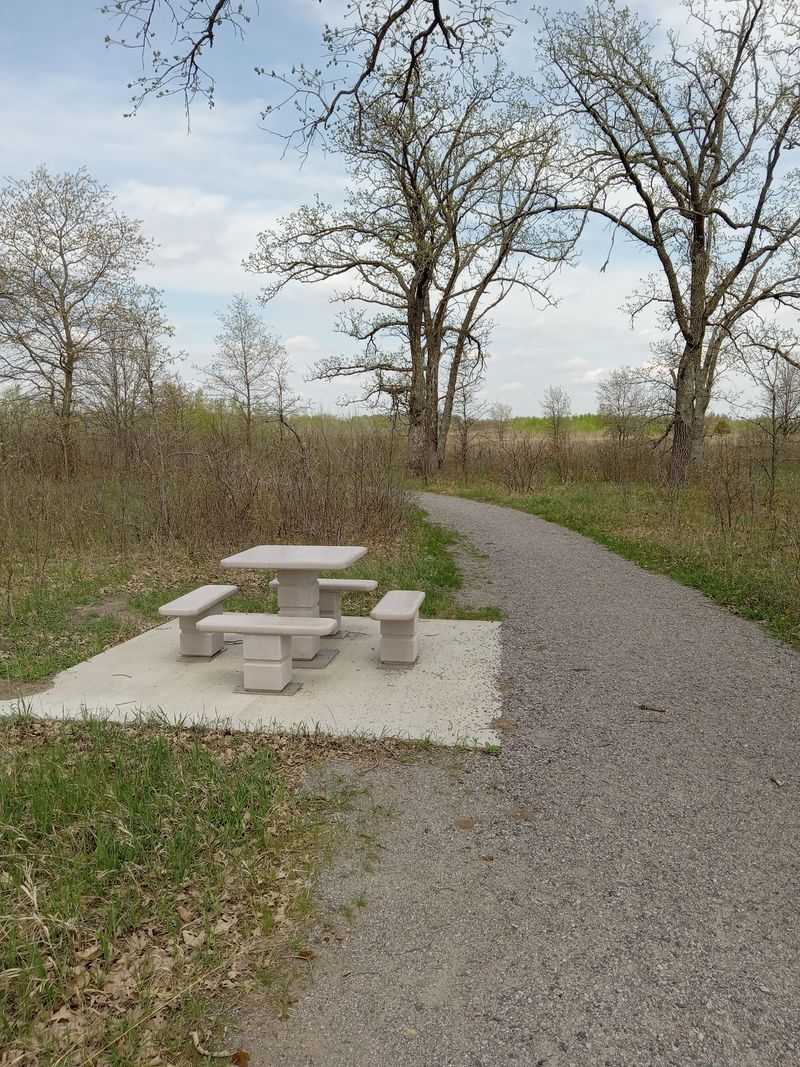
Near the Oak Savanna Learning Center, the refuge offers nearly two miles of crushed granite trails. These paths have proven navigable even for a power wheelchair.
That opens up sights that are usually hard to reach. Trumpeter swans and peaceful trail views become available to more people.
The wildlife drive helps here too. Outdoor lovers with limited mobility can enjoy the loop without hiking at all.
Short walks along the drive suit families with little ones. Kids can stretch their legs without committing to a long trek.
Bigger trails wait for when those young explorers grow. It’s nice to have a place that grows right along with a family.
Grandparents, toddlers, and avid hikers can share the same outing. Few destinations manage that balance so smoothly.
Inclusive design like this deserves a shout-out. It shows Minnesota outdoor spaces can welcome everyone, not just the fittest trail runners.
Dark Skies Made For Stargazers
Sunset doesn’t have to end the adventure. The refuge enjoys minimal light pollution, which makes it appealing for stargazing.
Clear nights can reveal skies packed with stars. City dwellers may forget how many there are until they see them here.
On lucky nights, the northern lights may even appear. That’s a rare treat this close to the metro area.
Winter nights arrive early in Minnesota. That gives stargazers more dark hours without staying up past bedtime.
Cold air often feels crisp and clear. Bundle up in layers, bring a warm drink, and give your eyes time to adjust.
Always follow posted hours and access rules, though. Refuge rules may limit when certain areas are open, so plan ahead.
Evening walks also carry their own charm. Woodpeckers and drumming grouse have been heard among the pines and sand dunes at day’s end.
The quiet feels earned after a busy week. Few free activities deliver this much calm per mile driven.
Seasons, Closures, And Cold-Weather Patience
Wildlife sets the calendar here, not visitors. Large portions of the refuge typically close during spring and summer to protect animals.
The seven-mile drivable loop stays dedicated to car tours during those seasons. That keeps visitors happy while giving wildlife space.
Winter brings its own rhythm. Road and trail access may change with the season, so checking current conditions before heading out is wise.
Snowy owls grab winter headlines across Minnesota. Here, the joy comes from noticing whatever shows up rather than chasing one famous bird.
Bare trees can actually help spotters. Without summer leaves, perched birds like eagles may be easier to see.
Quiet months mean quieter roads too. Patient explorers get a peaceful landscape and plenty of room to linger.
Dress for real Minnesota cold, of course. Warm boots, mittens, and a full thermos make waiting far more pleasant.
Every season offers a different version of the refuge. Fall cranes, summer wildflowers, and winter stillness each make a strong argument for coming back.
Getting There Without Spending A Dime
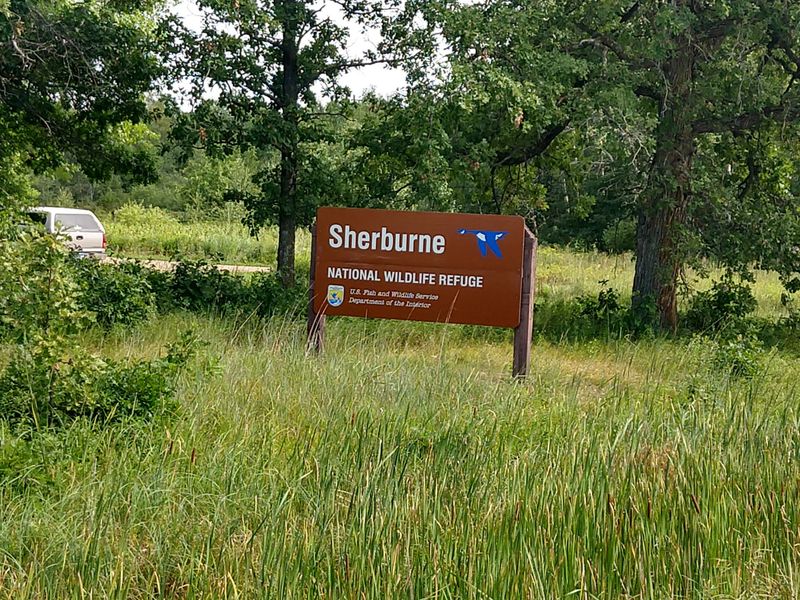
Directions are refreshingly simple. Sherburne National Wildlife Refuge sits at 17076 293rd Ave NW, Zimmerman, MN 55398.
Zimmerman lies within easy reach of the Twin Cities. That makes a half-day trip completely doable for metro families.
Budget watchers will love the cost. Driving the loop and taking hikes can make for a full day without spending a penny.
Packing a picnic stretches that value even further. The welcome area at the start of the auto tour works well for lunch.
A short gear list covers most needs. Binoculars, a camera, layers, water, and snacks will handle the basics.
Warmer months call for bug repellent. Colder months call for hand warmers and extra socks.
Hours and seasonal access can shift, so check with the refuge before visiting. A quick look ahead may save a disappointing turnaround.
Keep the vehicle clean of distractions too. Silence the radio, crack a window, and let the landscape do the talking.
Why This Quiet Loop Earns A Spot On Your Minnesota List
Flashy attractions come and go. A free road through cranes, swans, and prairie feels far more lasting.
Sherburne National Wildlife Refuge offers peace in a busy world. It suits birders, families, photographers, and anyone needing to slow down.
Mobility doesn’t limit the fun here. Accessible paths and a drivable loop keep the experience open to nearly everyone.
Seasonal changes add replay value. Autumn crane migrations, summer blooms, and snowy stillness each deserve their own trip.
Minnesota keeps proving that big experiences don’t require big price tags. This refuge belongs right alongside the state’s best free outings.
Some families have returned for well over a decade. That kind of loyalty speaks louder than any brochure.
Patience remains the key ingredient. Not every trip delivers eagles, but nearly every trip delivers calm.
So grab the binoculars and tag a friend who loves birds. Then take the slow road and let the refuge surprise you, one quiet mile at a time.
Share this story