There is a restaurant in the Twin Cities suburbs where the bread arrives hot from a clay oven and the rice carries the kind of deep, savory flavor that makes you stop mid-bite and wonder why you have never eaten this food before. The menu reads like a journey through Central Asia, with dishes rooted in Uzbek tradition that most Minnesotans have never tasted.
The dining room feels elegant without being stiff, and the aromas alone are enough to pull you in from the parking lot. This is the kind of place that earns a loyal following quickly, and once you try it, you will completely understand why.
Where the Central Asian Culinary Journey Begins
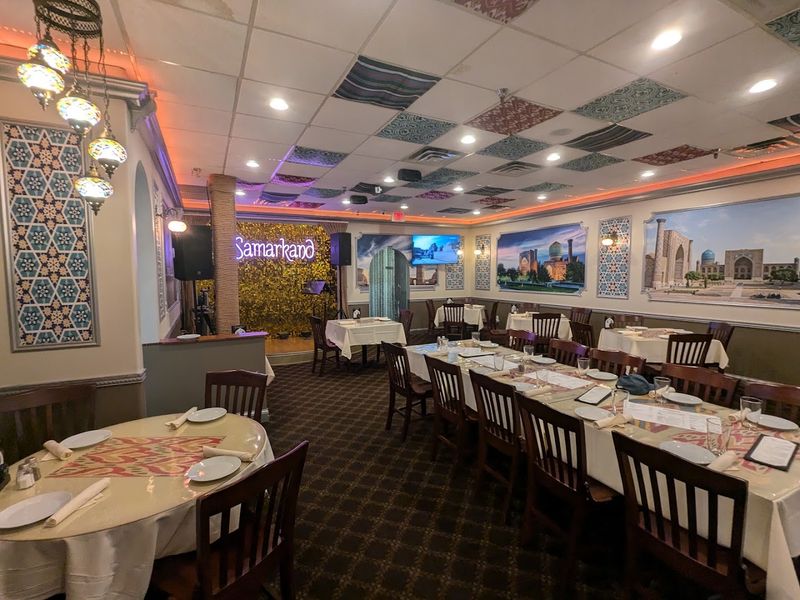
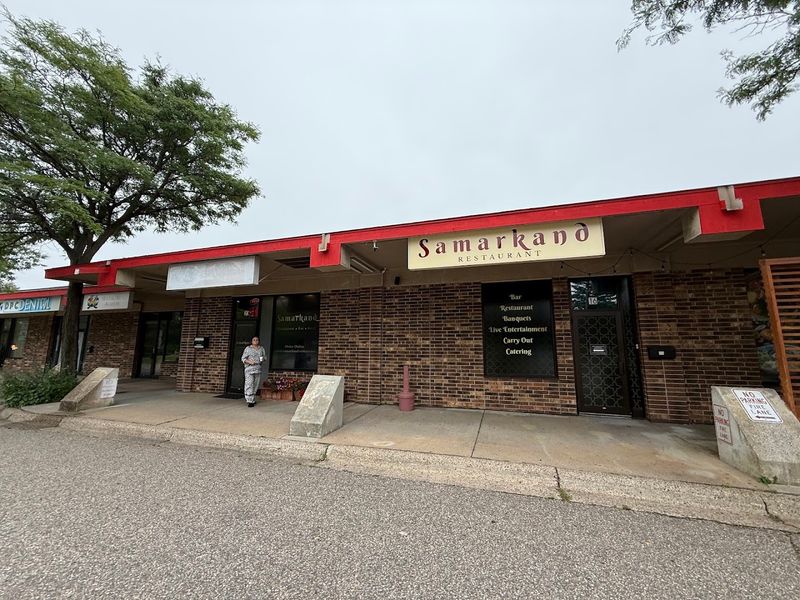
Most people in the Twin Cities have eaten Thai, Ethiopian, or Vietnamese food at some point, but Uzbek cuisine is still a genuinely rare find in Minnesota. That rarity alone makes Samarkand Restaurant at 20 Nathan Lane North in Plymouth, Minnesota, worth seeking out.
The restaurant sits in a suburban strip, which makes the interior feel like a genuine surprise. Once you step inside, the atmosphere shifts completely.
Dark green walls, warm lighting, and decorative touches inspired by Central Asian culture create a dining room that feels both elegant and inviting.
The menu draws from Uzbek culinary traditions, with influences from neighboring cuisines that share similar spice profiles and cooking methods. For anyone curious about a part of the world that rarely gets a spotlight at the American dinner table, this is a compelling and delicious starting point.
The Story Behind the Samarkand Name
Samarkand is one of the oldest cities in Central Asia, historically positioned along the ancient Silk Road trade route that connected China to the Mediterranean world. Merchants, travelers, and cultures passed through it for centuries, leaving behind a culinary tradition rich in spices, slow-cooked meats, and hearty grains.
Naming a restaurant after that city carries real weight. It signals an intention to honor a specific food culture rather than simply offer a vague approximation of it.
The dishes on the menu reflect that commitment, leaning into techniques and flavor combinations that have been part of Uzbek cooking for generations.
That historical context adds a layer of meaning to every meal. When you order plov or lagman here, you are eating food that has roots stretching back hundreds of years.
That connection makes the experience feel richer than a typical suburban dinner out.
Plov Samarkand: The Dish That Defines the Menu
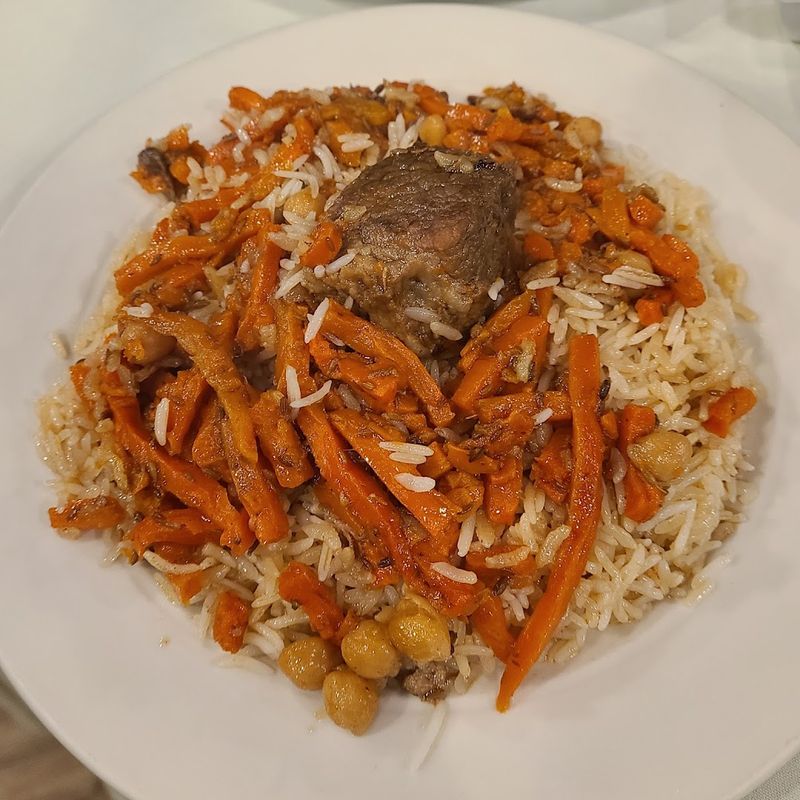
Plov is the national dish of Uzbekistan, and the version served at Samarkand Restaurant is the one dish that regulars mention most consistently. The rice is cooked with beef, carrots, and chickpeas, and it absorbs a combination of spices and cooking fat that gives every grain a deep, almost nutty flavor.
The texture is what surprises first-time diners most. The rice is neither dry nor mushy.
It holds together in a way that feels intentional, almost architectural. The beef is tender enough to break apart with a fork, and the carrots add a subtle sweetness that balances the savory base.
One tip worth following: order the Achchik Chuchuk salad alongside the plov and mix the two together. The fresh tomato and onion salad cuts through the richness of the rice beautifully, creating a balance of flavors that feels like the dish was always meant to be eaten that way.
Lagman Noodles: A Bowl That Earns Its Own Fan Base
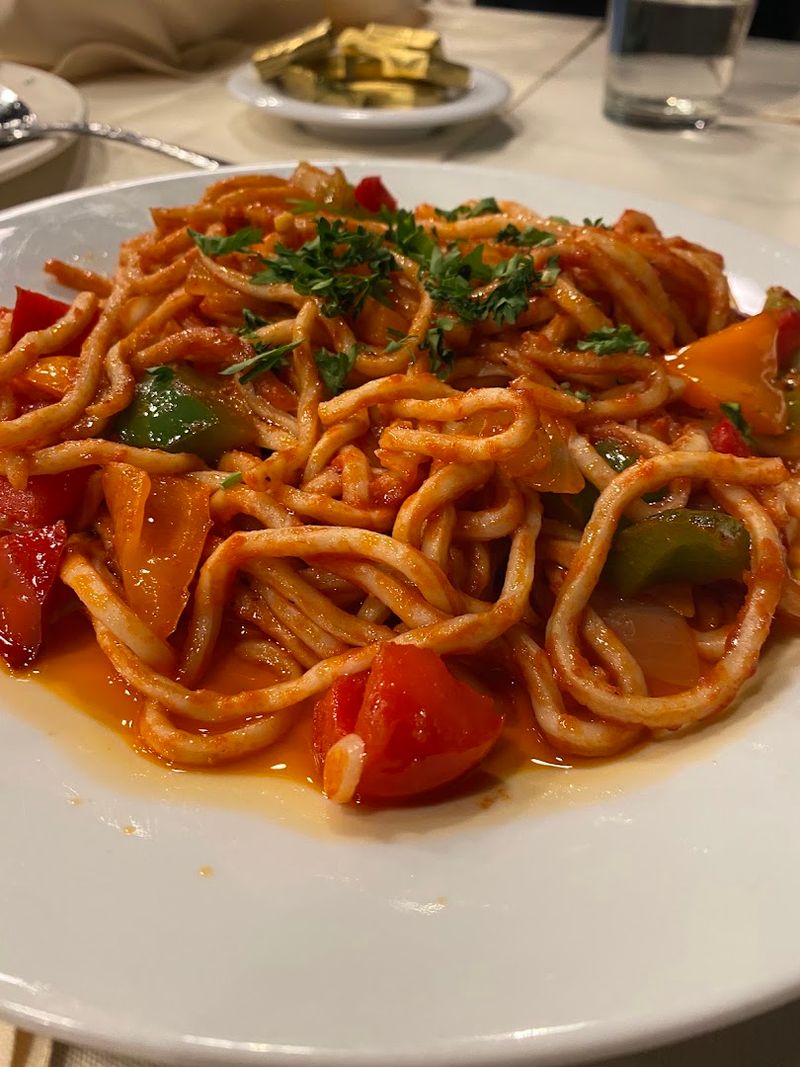
Hand-pulled noodles sitting in a bone broth loaded with vegetables and tender beef sounds straightforward, but the lagman at Samarkand Restaurant has developed something close to a cult following among regulars. The broth carries a warmth that feels slow-cooked, with spices layered in rather than dumped in all at once.
The noodles are thick and chewy in the best possible way, holding up to the broth without turning soft. The vegetables add color and texture, and the beef is consistently tender throughout.
It is the kind of soup that works equally well as a full meal or as a table-sharing starter.
One creative way to enjoy it: order the tandoor bread alongside and use it to scoop up the broth. The combination of the crusty, fresh bread with the savory, spiced soup is one of those simple food pairings that feels like a small revelation the first time you try it.
Samsa: The Flaky Pastry That Steals the Appetizer Spotlight
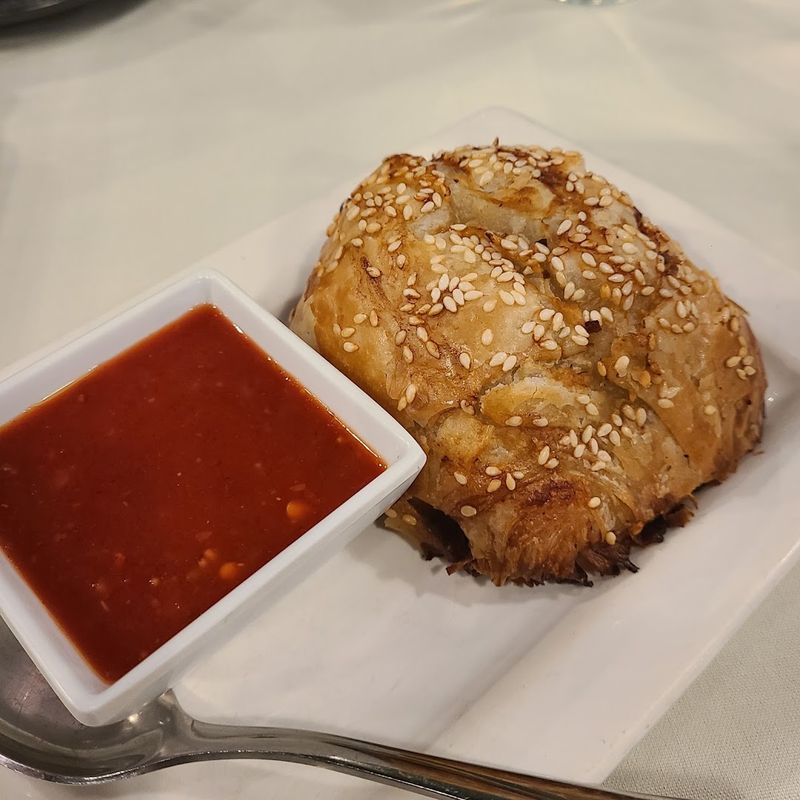
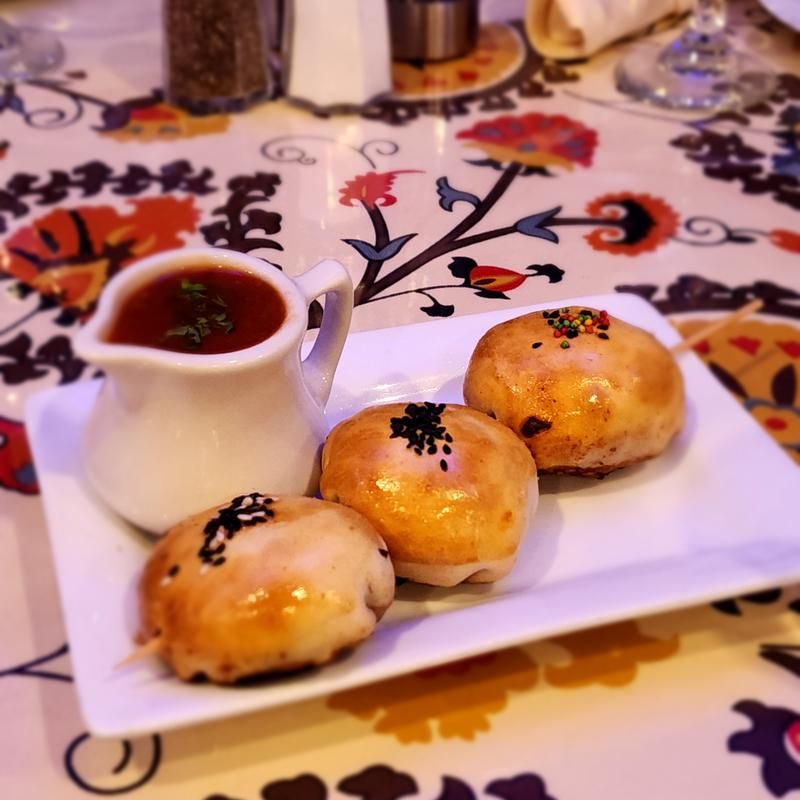
Samsa are baked meat pastries with a puff pastry shell that comes out of the oven with a satisfying crunch. The filling at Samarkand Restaurant uses beef and lamb seasoned with a blend of spices that gives each bite a savory, aromatic punch without overwhelming the palate.
First-timers often order samsa as a light starter and end up wishing they had ordered more. The pastry shell is genuinely flaky, with layers that shatter slightly when you bite through them.
The dipping sauce on the side adds a sharp, acidic contrast that keeps the richness of the meat filling from feeling heavy.
Compared to similar pastries from other culinary traditions, samsa have a distinctly Central Asian character. The spice combination leans toward cumin and onion, which gives the filling a warmth that feels familiar even to diners who have never encountered Uzbek food before.
Mantu Dumplings: Where Central Asia Meets Something Surprisingly Familiar
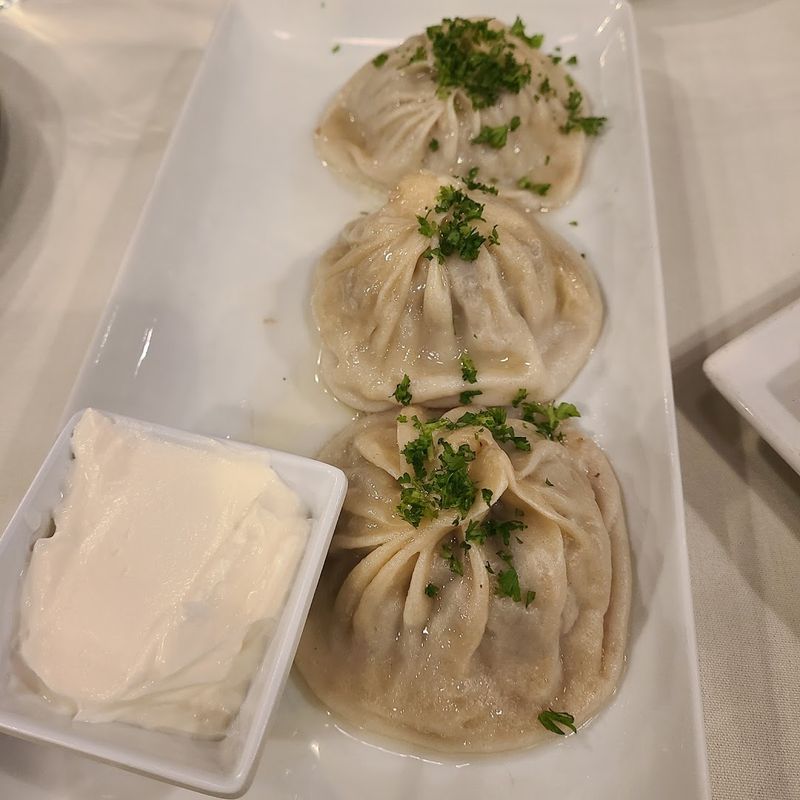
Mantu are large steamed dumplings filled with well-seasoned meat, and they occupy a fascinating spot on the menu because they feel both exotic and immediately familiar. Anyone who has eaten Chinese dumplings or Georgian khinkali will recognize the basic concept, but the spicing and size of mantu set them apart.
The meat inside is generously seasoned, and the dumpling wrapper has enough thickness to hold its shape without becoming doughy. Dipping them in chili pepper flakes transforms the flavor profile entirely, adding heat and complexity that the dumplings absorb well.
What makes mantu worth ordering alongside other dishes rather than as a standalone is how well they complement the rest of the menu. A couple of mantu alongside a bowl of lagman creates a meal that covers multiple textures and flavor notes without any redundancy.
It is a combination the kitchen clearly designed to work together.
Shish Kabobs: Smoke, Char, and Serious Tenderness
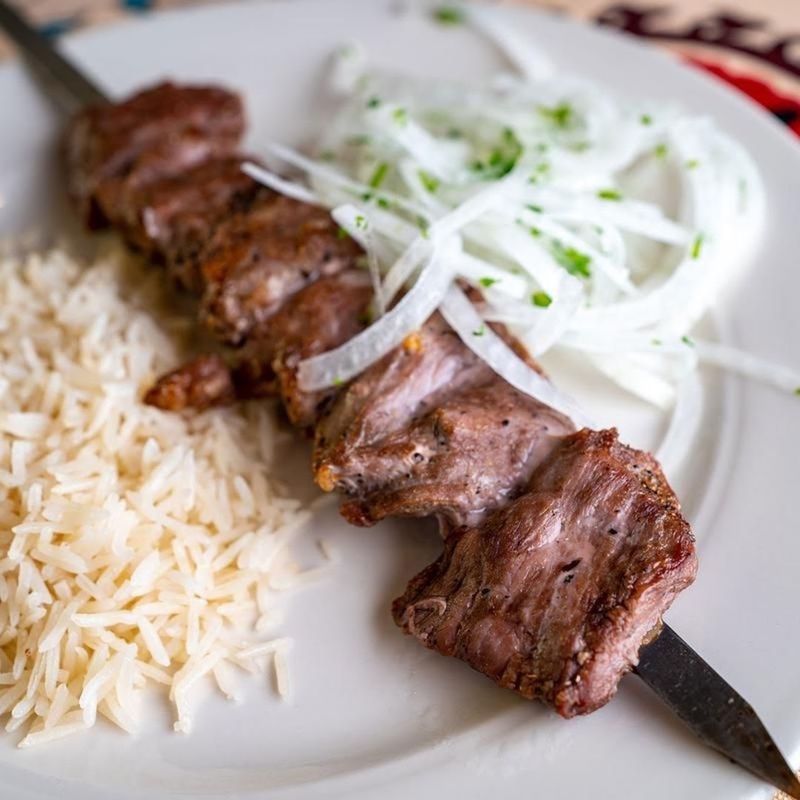
The shish kabobs at Samarkand Restaurant arrive with visible char marks and a smoky aroma that reaches the table before the plate does. The assorted variety plate is the smart move for first-timers because it allows you to compare the different meats side by side and figure out which one you want to order a full portion of next time.
The chicken kabob is a standout, which is not always the case at restaurants where poultry tends to dry out on the grill. Here it stays juicy and absorbs the marinade deeply.
The beef and lamb options carry a slightly richer, earthier flavor that pairs well with the fresh bread served alongside.
One detail worth noting: the beef liver kabob has earned its own loyal following among diners who appreciate organ meats. It is seasoned assertively and cooked to a tenderness that converts even skeptical first-timers into repeat orderers.
Tandoor Bread: The Unsung Star of Every Table
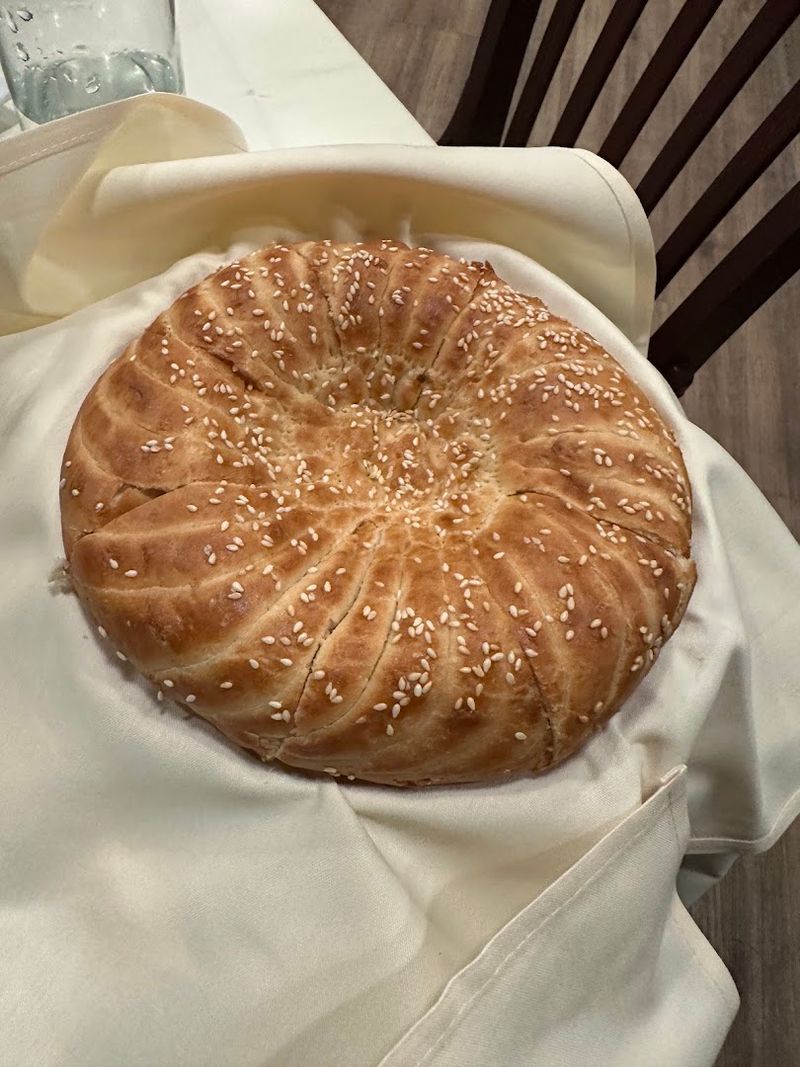
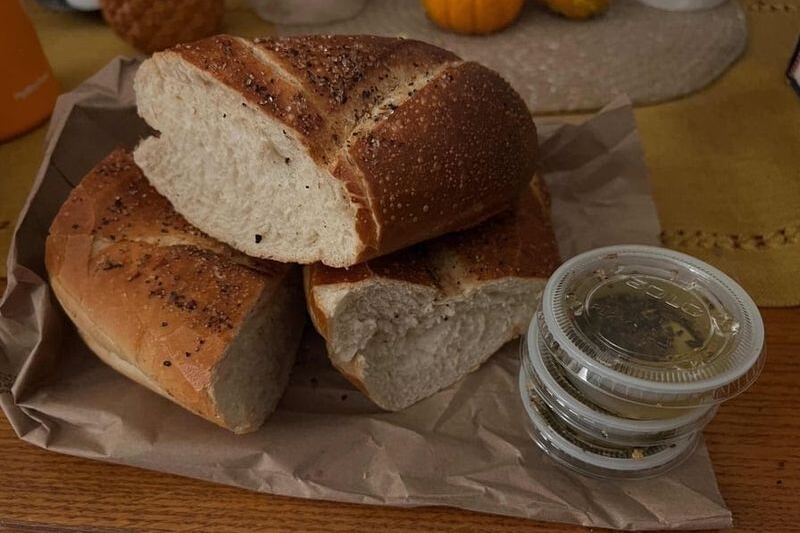
Bread baked in a clay tandoor oven arrives at the table with a crust that crackles slightly and an interior that is soft, warm, and faintly smoky. At Samarkand Restaurant, the tandoor bread is technically a side item, but in practice it becomes the anchor of the entire meal.
Most diners use it to scoop up plov, mop up lagman broth, or wrap around pieces of kabob. The bread works with everything on the menu, which is not a coincidence.
Uzbek cuisine was built around communal eating where bread serves as both utensil and centerpiece.
The freshness is what separates this bread from anything pre-made. You can feel the heat coming off it when it arrives, and the flavor has a depth that comes only from a proper high-heat clay oven.
Once you have eaten tandoor bread fresh from the oven, the pre-sliced alternative feels like a completely different food.
The Dining Room Atmosphere: Elegant Without Being Intimidating
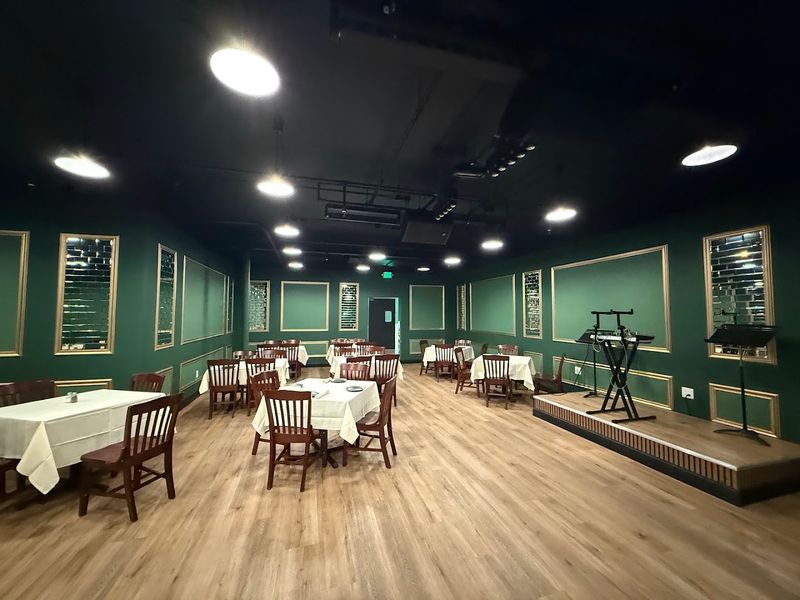
Walking into Samarkand Restaurant, the first thing that registers is how intentional the space feels. The dark green interior, warm lighting, and carefully chosen decorative elements create an atmosphere that sits comfortably between upscale and relaxed.
It feels like a place designed for both a casual weeknight dinner and a proper date night.
The dining room is large enough to accommodate groups and private events, but the table spacing keeps things from feeling like a banquet hall. There is a bar near the entrance that adds energy to the space without making the restaurant feel like a nightlife venue.
On Friday and Saturday evenings, live music adds another layer to the experience. The combination of authentic food, elegant surroundings, and live entertainment creates an evening that feels genuinely complete rather than just a meal.
It is the kind of atmosphere that makes people linger at the table long after the plates are cleared.
The Lunch Special: A Full Uzbek Spread at Midday
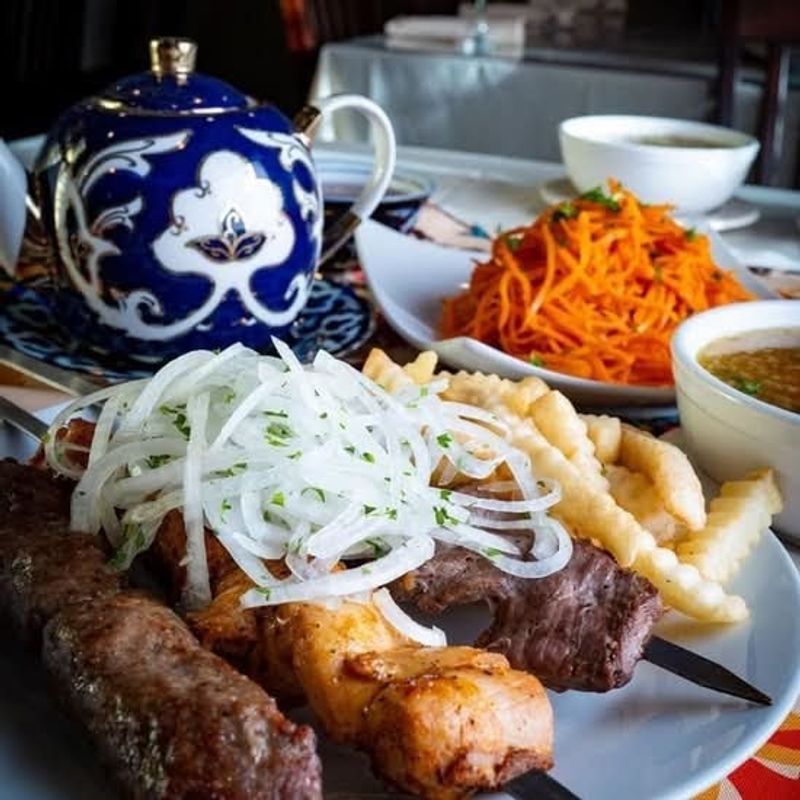
The lunch special at Samarkand Restaurant is one of the better midday deals in the Plymouth area, not because of the price alone but because of the sheer volume and variety it delivers. A single lunch order can include kabobs, soup, salad, and dumplings, which makes it feel less like a quick bite and more like a proper introduction to the full menu.
For anyone trying Uzbek food for the first time, the lunch special is the smartest entry point. It removes the pressure of committing to one dish and allows you to taste several flavor profiles in a single visit.
The portions are generous enough that most diners leave satisfied without needing to order additional items.
Service during lunch moves at a pace that respects a midday schedule. The kitchen handles the volume efficiently, and the food arrives with the same care and presentation that the dinner menu receives.
Medovik: A Dessert That Surprises With Every Layer
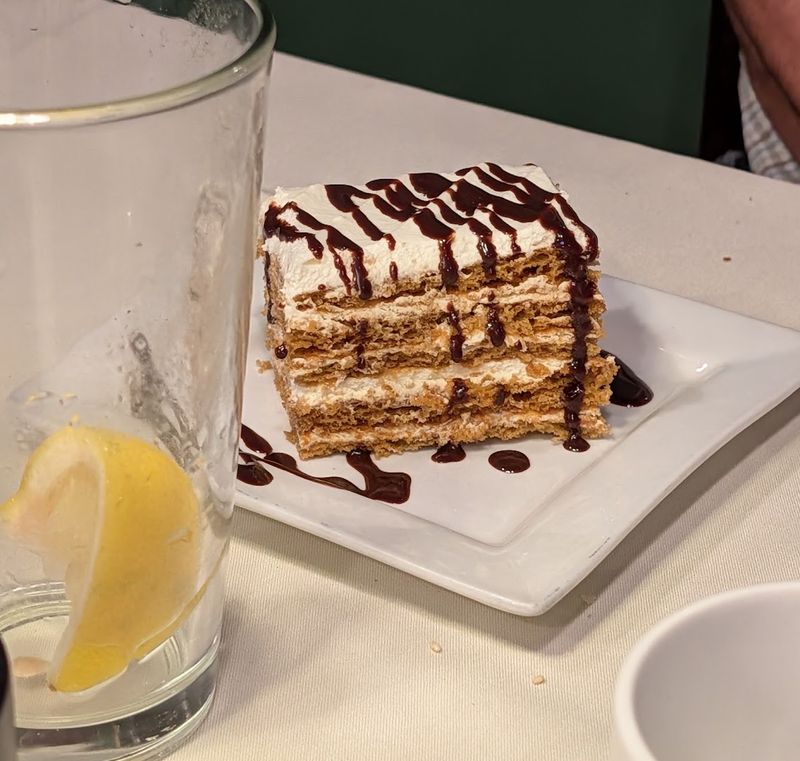
Medovik is a Russian honey cake built from multiple thin layers of baked dough separated by a sweetened cream filling. At Samarkand Restaurant, it serves as the dessert option for diners who want something sweet but not aggressively so.
The flavor is subtle and complex, with the honey in the cake layers creating a warm, slightly caramel-like background note.
The texture is the defining characteristic. Each layer has absorbed just enough moisture from the cream to soften without losing its distinct identity.
The result is a cake that cuts cleanly but melts gradually on the palate. It is the kind of dessert that makes you eat slowly to extend the experience.
For diners unfamiliar with Eastern European baking traditions, Medovik serves as a gentle and genuinely enjoyable introduction. It does not lean heavily on sugar the way many Western desserts do, which makes it a satisfying end to a rich, spice-forward meal.
The Samarkand Market Next Door: A Discovery Worth Making
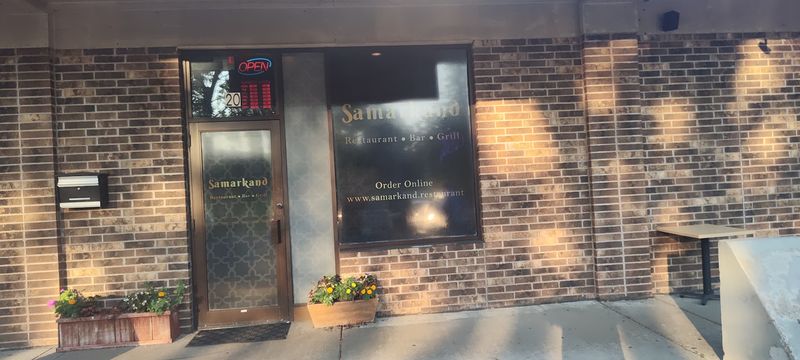
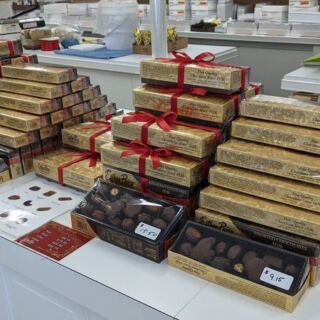
Right next to the restaurant, the Samarkand Market offers a completely different but equally rewarding experience. The small grocery carries imported Russian and Eastern European products including chocolate, kvas, pelmeni, and a selection of other specialty items that are genuinely difficult to find in mainstream Minnesota grocery stores.
For diners who fall in love with the flavors at the restaurant, the market provides a way to bring some of that experience home. The product selection reflects the same cultural roots as the restaurant menu, making the two spaces feel like complementary halves of the same destination.
The market also carries a Russian-language newspaper, which signals that it serves a community as much as it serves curious shoppers. That dual purpose gives the space a warmth and authenticity that a specialty food section in a larger chain store simply cannot replicate.
It is worth at least a browse after your meal.
Live Music Nights: When the Restaurant Becomes Something More
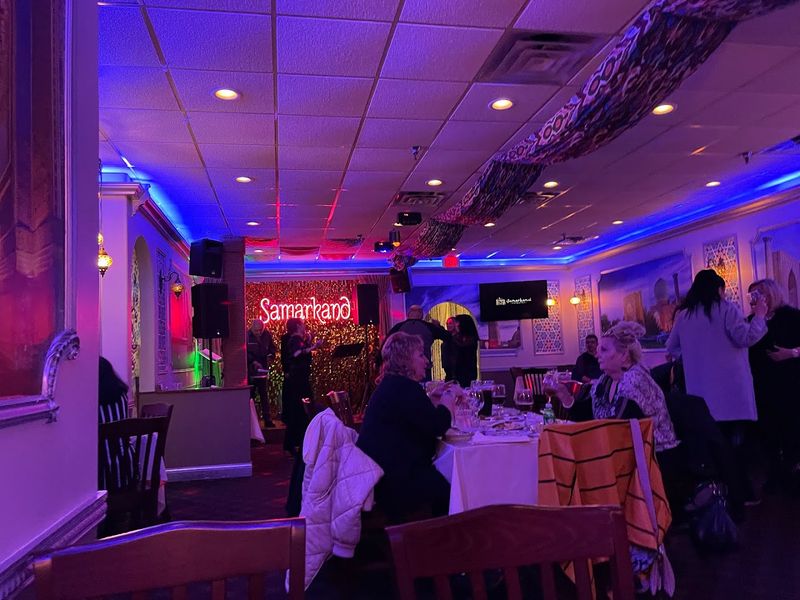
Friday and Saturday evenings at Samarkand Restaurant take on a different energy when live music fills the dining room. The addition of live performance does not feel like a gimmick or a marketing add-on.
It fits naturally into the atmosphere, adding warmth and cultural texture to an already rich dining experience.
The music complements the food in the way that background elements should: it enhances the mood without competing with conversation. Diners who arrive expecting a quiet dinner find themselves pleasantly surprised by the added dimension, and those who come specifically for the live music find the food more than capable of holding its own as the main attraction.
Making a reservation for a Friday or Saturday evening is a smart move. The combination of authentic Uzbek cuisine, an elegant dining room, and live music creates an evening that feels genuinely special without requiring any special occasion as an excuse to attend.
Practical Details for Planning Your Visit
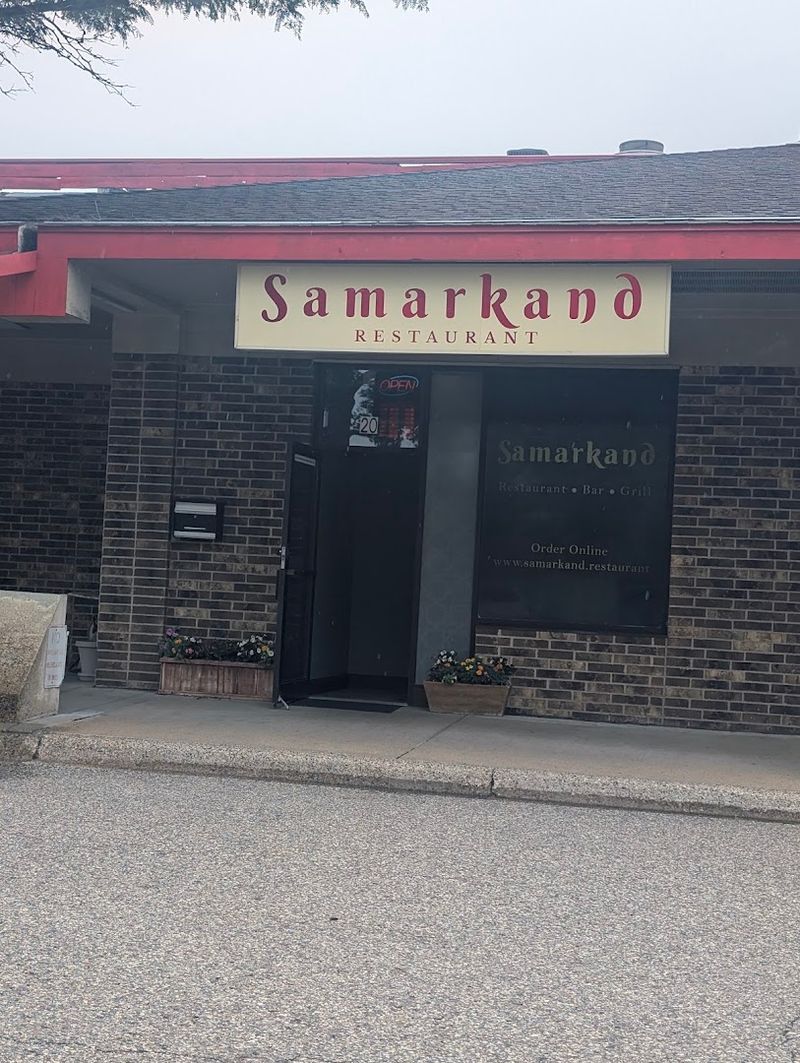
Samarkand Restaurant is open seven days a week, with hours running from 11 AM to 9 PM on most days and extended hours on Friday and Saturday. Friday runs until 10 PM, and Saturday stays open until midnight, which makes weekend evening visits easy to plan without rushing through dinner.
The restaurant accepts reservations, which is worth doing for Saturday nights when the combination of dinner service and live music draws larger crowds. That said, walk-ins have found open seats during the dinner rush, and the restaurant also offers takeout for those who want to enjoy the food at home.
Parking is plentiful in the surrounding lot, which removes one common suburban dining frustration entirely. The menu is accessible via QR code at the table, complete with photos of each dish, which is genuinely helpful for first-time diners navigating an unfamiliar cuisine for the first time.
Why This Restaurant Keeps Drawing People Back
The restaurants that build real loyalty do so because they offer something specific that cannot be easily replicated elsewhere. At Samarkand Restaurant, that something is a cuisine that most Twin Cities diners have never encountered, served in a space that takes the food seriously without making first-timers feel out of their depth.
The menu rewards exploration. Every visit offers an opportunity to try a dish you skipped the last time, and the kitchen handles both familiar comfort food territory and more adventurous options with equal confidence.
That range keeps the experience feeling fresh across multiple visits.
Plymouth may not be the first neighborhood that comes to mind when planning a memorable dinner out in the Minneapolis area, but Samarkand Restaurant makes a strong case for the drive. The food, atmosphere, and cultural experience it delivers are genuinely hard to find anywhere else in Minnesota, and that rarity is exactly what keeps people coming back.
Share this story