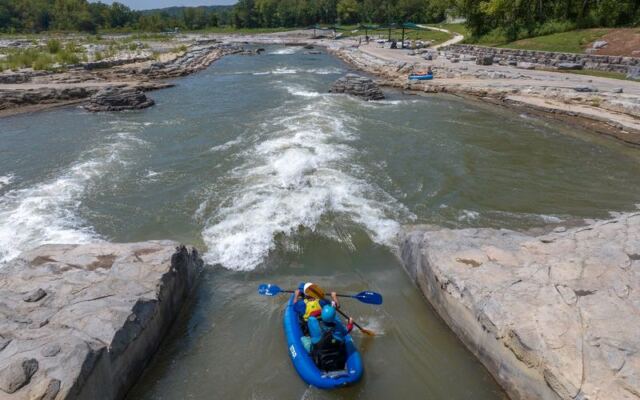
Tucked into a wooded corner of northeastern Oklahoma, there is a whitewater channel that most people driving through the state have absolutely no idea exists. Eight distinct rapids, real current, and a natural river setting make it feel less like a day trip and more like a legitimate outdoor adventure.
Oklahoma does not get nearly enough credit for its wild water, and this spot is proof that the state has been holding out on us. Pack a helmet, lace up your water shoes, and get ready to be genuinely surprised.
Where WOKA Whitewater Park Actually Sits
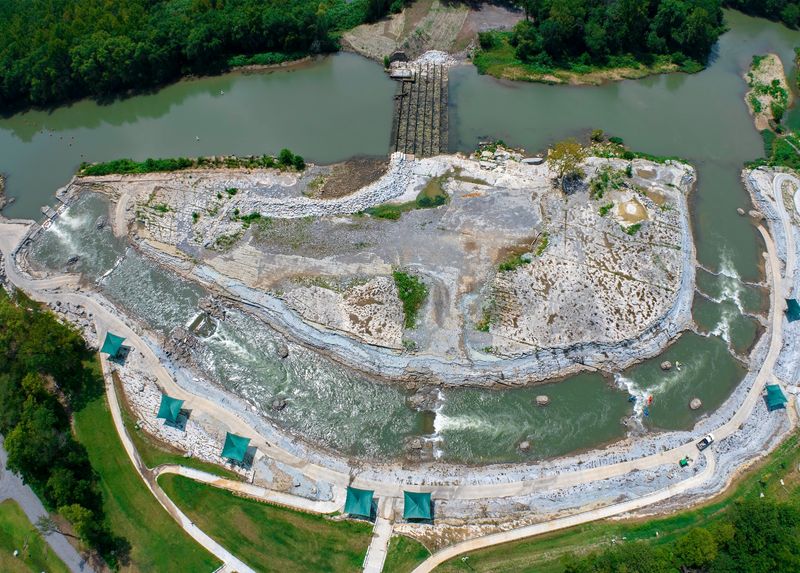
Finding WOKA Whitewater Park requires a short drive down Twin Falls Road in Watts, Oklahoma, a small community tucked into the far northeastern corner of the state near the Arkansas border. The address, 474986 Twin Falls Rd, places the park right alongside a living river, where the channel feeds directly from natural flow and returns to it at the other end.
Watts sits in Adair County, surrounded by the kind of rolling, tree-covered hills that most people associate with Arkansas rather than Oklahoma. The park benefits from that geography in a real way, drawing on the same Ozark-edge landscape that makes the broader region so appealing to outdoor enthusiasts.
Visitors coming from Bentonville or Fayetteville in northwest Arkansas can reach the park in under an hour, which explains why so many regulars mention making the drive multiple times in a single season. Oklahoma locals willing to make the trip are rewarded with a facility that feels genuinely world-class for the region.
The setting alone, wooded, riverfront, and surprisingly remote-feeling, sets the tone before anyone even touches the water.
The Eight Rapids That Define the Run
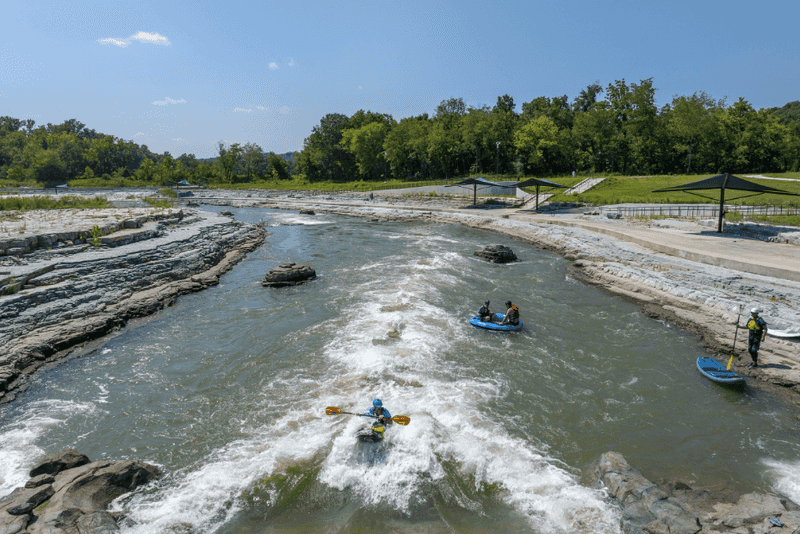
Eight rapids, each one different from the last. That variety is the core promise of WOKA, and visitors consistently say the course delivers on it in ways they did not expect from a channel of this length.
Reviewers have noted that after four hours of running the same route repeatedly, they still felt like each pass offered something new. The drops are designed so that the current behaves slightly differently depending on water flow levels, the line you choose, and the equipment you are riding.
Tubes, kayaks, and surfboards all interact with the rapids in distinct ways, which means the experience shifts depending on how you show up.
One reviewer familiar with kayak parks across the region described the setup as Class III with strong eddy currents that push paddlers back into the action or safely to the side when needed. That design detail matters: it means the channel rewards skill without punishing beginners unfairly.
The rapids are real, not manufactured theme-park versions of whitewater, and that rawness is exactly what makes repeat visits feel worthwhile. Helmets are required, and for good reason.
Tubing the Channel on a Family Float
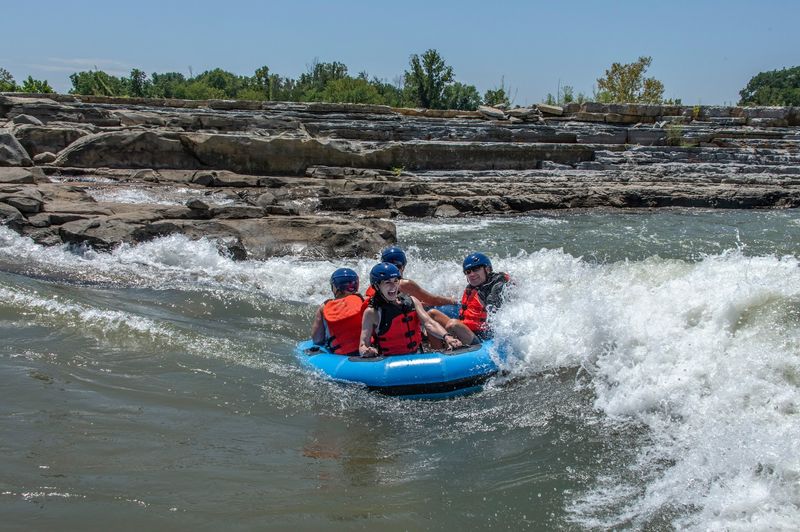
Grab a tube, strap on a helmet, and let the current do most of the talking. Family tubing is one of the most popular ways to experience the WOKA channel, and the park offers both single tubes and large family tubes built to handle the rapids with multiple riders at once.
One family who visited with kids aged 10, 13, and 14 spent four hours on the water and paid around $70 total for rentals including helmets and life jackets. They described the experience as uncrowded, easygoing, and genuinely thrilling without feeling dangerous.
The family tube is built sturdy enough to handle the drops while still giving riders that satisfying rush of water pushing underneath them.
A practical tip worth passing along: protect your tailbone. The rocky bottom can catch you off guard on the faster drops if you sit low in the tube, so position yourself carefully on the first run and adjust from there.
Water shoes with a heel strap are strongly recommended since walking tubes back up to the top of the run involves navigating wet rocks and some mossy surfaces. The payoff for that short walk is absolutely worth it.
Kayaking a Course Designed for Real Skill-Building
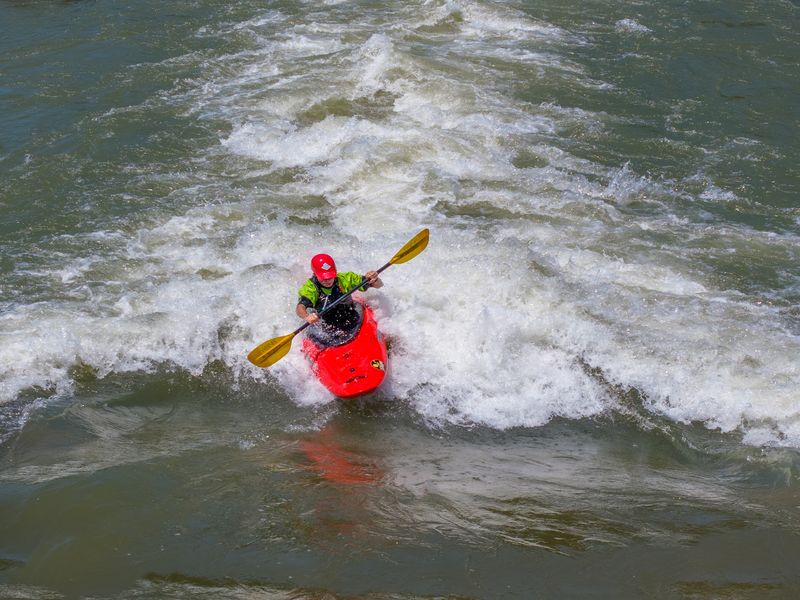
Kayakers have a particular affection for WOKA, and it is easy to understand why once you look at how the channel is built. The eddy currents along the sides of the course allow paddlers to practice ferrying, peel-outs, and re-entry moves without needing to hike back upstream each time.
The water essentially recycles the experience for you.
Instructors have used the facility to run structured kayak courses for kids as young as 8, adding slalom gates to the channel to sharpen technique and give young paddlers clear targets to aim for. One coach who ran a session with kids aged 8 to 14 described the campus as perfectly designed for instruction, with easy put-in and take-out access that keeps logistics simple and time on the water maximized.
For solo paddlers working on their own skills, a visit during quieter hours, particularly on weekdays or cloudy days, can mean having the entire course almost entirely to yourself. One reviewer who visited on a Sunday with overcast skies and mild temperatures reported being the only person on the water.
For anyone serious about improving paddle technique, that kind of uninterrupted practice time is genuinely hard to find within a thousand miles.
Surfing and Boogie Boarding on the Standing Wave
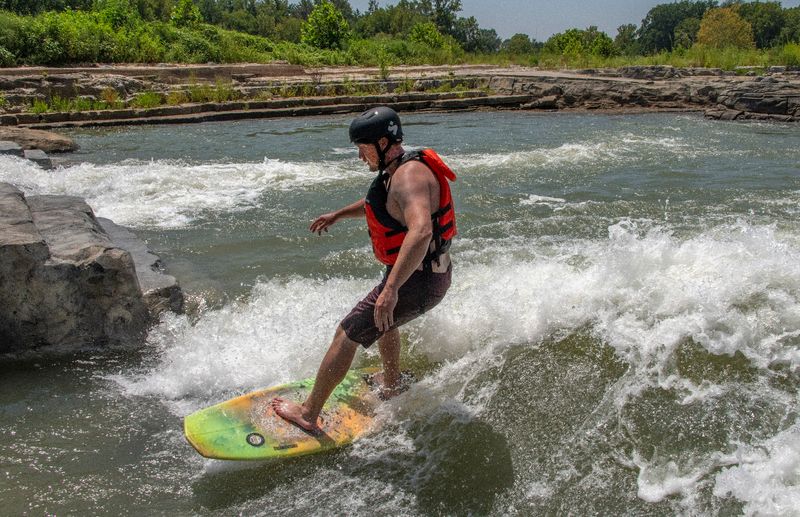
Standing waves are rare enough in landlocked states that having one accessible in northeastern Oklahoma feels almost surreal. WOKA features a surf wave that riders can use with a surfboard or boogie board, and the park recently added an updated version that visitors have called an absolute blast.
Surf lessons are available on-site, and the instruction quality appears to be genuinely high. Multiple visitors have mentioned patient, professional instructors who take the time to explain positioning and balance before sending anyone onto the wave.
The learning curve is real: standing up on a river surfboard is harder than it looks, and plenty of first-timers spend more time swimming than surfing. That is part of the appeal.
Boogie boarding offers a slightly more accessible entry point for riders who want the wave experience without committing to full stand-up surfing. Both options are popular on busy weekend days, and the wave draws its own crowd of regulars who come specifically to practice and improve.
Surfing in Oklahoma sounds like a punchline, but anyone who has actually ridden the WOKA wave tends to stop laughing pretty quickly once they feel the current working beneath them.
Safety Setup and What Visitors Should Know Before Arriving
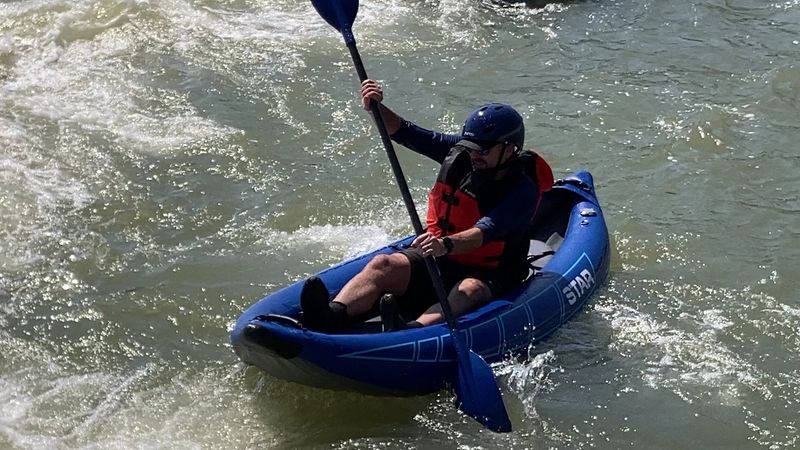
WOKA operates as an active whitewater park, not a supervised splash zone. No lifeguards patrol the channel, and the park is upfront about that fact.
Visitors are encouraged to review the safety video available on the park website before arriving, and that advice is worth taking seriously rather than skipping.
Life jackets and helmets are required for everyone on the water, and they are included with rentals. Heel-strap water shoes are also required, a rule that makes practical sense once you see the rocky, moss-covered surfaces around the channel edges.
The park rents helmets for those who arrive without appropriate footwear or head protection.
The take-out point at the end of the run requires some attention. Visitors have noted that the current near the exit can feel pushy, especially at higher water flows, and missing the take-out means being swept further downstream into the natural river.
The park has acknowledged this concern and continues to look at ways to improve the exit experience. Going with at least one other person is wise, and first-timers should scout the take-out location before their first run so they know exactly where to aim.
Awareness is the best safety tool on the water.
The Natural Setting and Wildlife Along the Banks
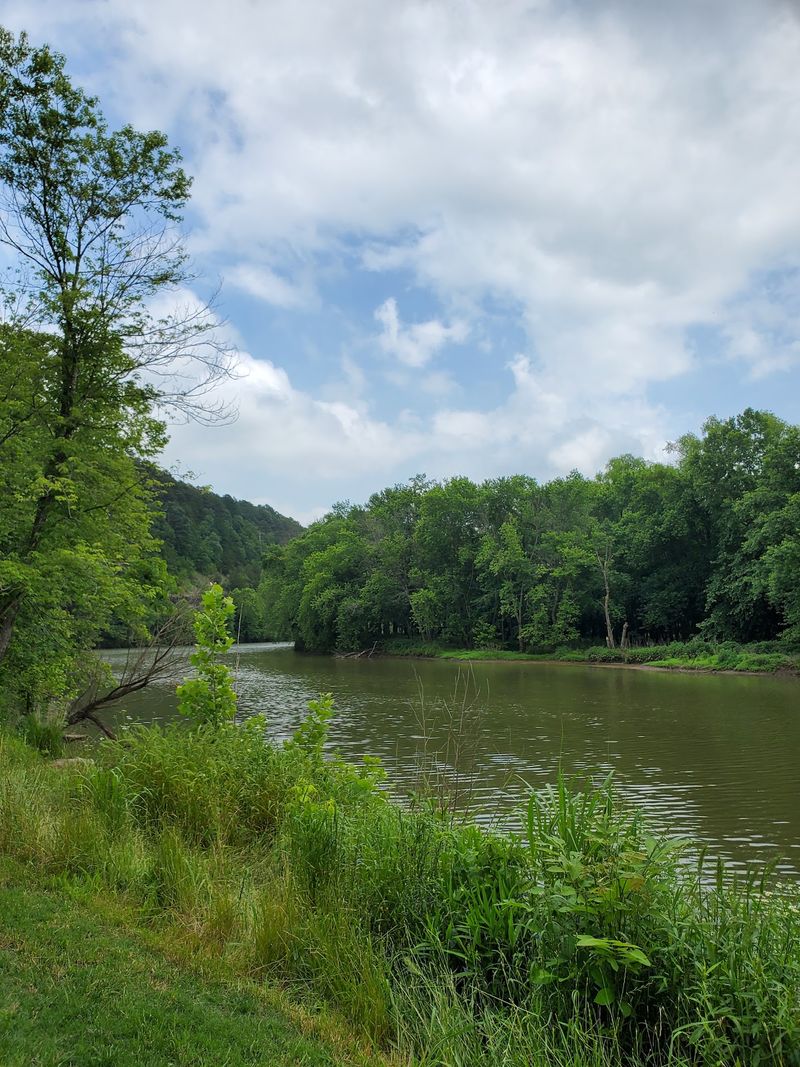
Built right against the edge of a natural river, WOKA sits in an environment that has not been scrubbed clean or manicured into something artificial. The channel borders living habitat, and that means the surrounding rocks, banks, and vegetation are genuinely wild.
Moss grows on the stones, the trees overhead are dense, and the whole place has a deep-woods energy that most water parks cannot come close to replicating.
That natural setting also means wildlife. Visitors have spotted snakes on the rocks bordering the rapids, with some bystanders identifying them as copperheads.
The park itself sits in river habitat where native species are part of the landscape, and the management team has noted that maintaining a natural environment is part of what makes the park special. Being aware of your surroundings when exiting the water or walking along the rocky edges is simply smart practice.
Water shoes do double duty here: they protect your feet on the slippery rocks and give you better footing when climbing out near the banks. The wildlife sightings are infrequent enough that they should not deter anyone, but arriving with eyes open and shoes on your feet is the sensible approach.
The setting is genuinely beautiful, and that beauty comes with a little wildness attached.
Rentals, Gear, and What the Park Provides
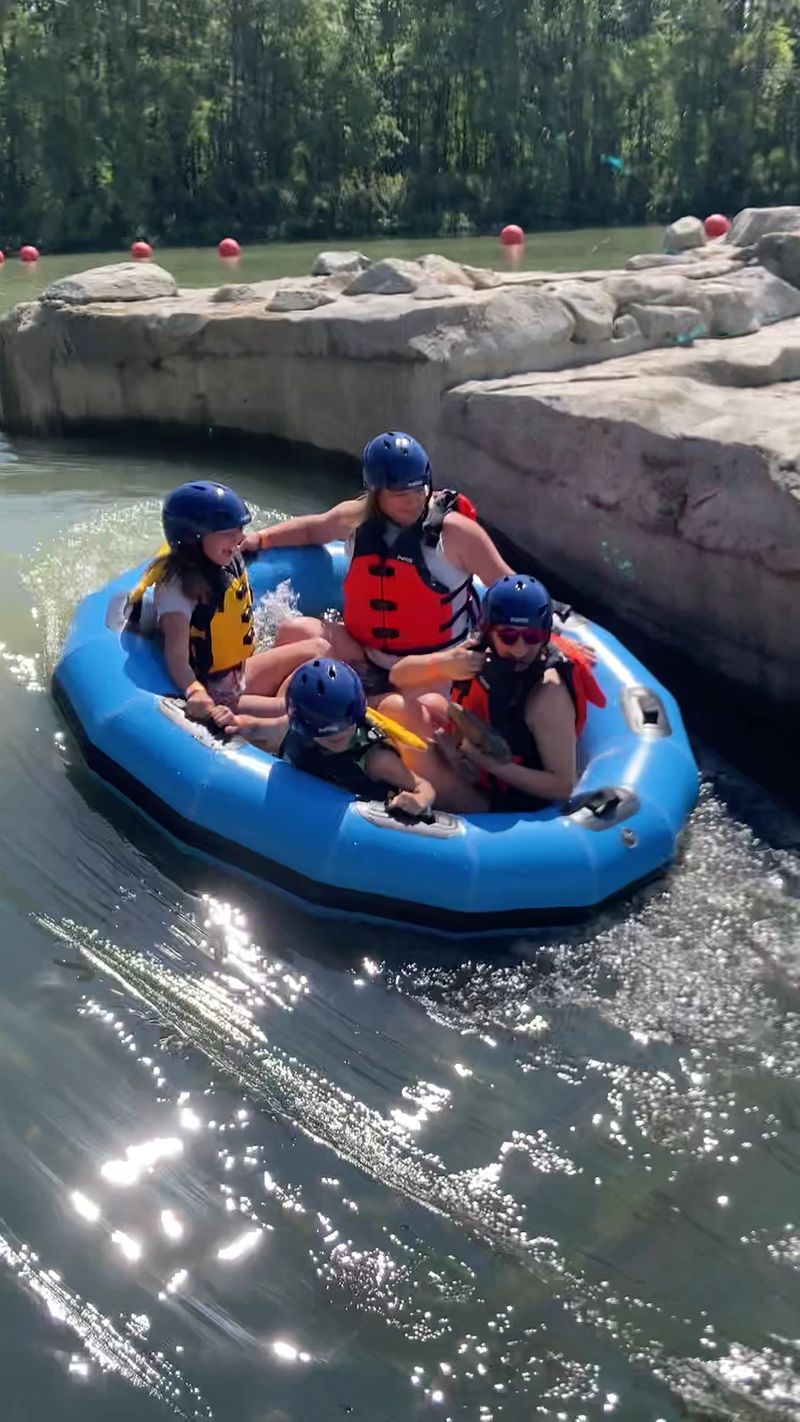
Showing up without gear is not a problem at WOKA. The park rents single tubes, family tubes, kayaks, surfboards, and boogie boards, covering most of what visitors might want to try on any given day.
Helmets and life jackets come included with the rental price, which keeps the cost of entry straightforward and relatively modest.
For a family of five, one visitor reported spending around $70 for four hours of tubing on multiple tube types. That works out to a per-person cost that compares favorably with most regional outdoor recreation options, particularly given how long the experience holds attention.
Visitors who bring their own equipment only pay the $10 parking fee to access the channel, making it an even better value for those who are already equipped.
The park also stocks snacks, drinks, and even sun shirts at the concession area, a thoughtful touch for visitors who forget supplies or underestimate how long they will want to stay. Rental demand can create some wait times on busy days, so arriving early, ideally before 9 AM, helps secure equipment without a long queue.
The park accepts cards only, so leaving cash at home is fine, but make sure your card is accessible before you reach the rental counter.
Concessions, Coolers, and Keeping Everyone Fed
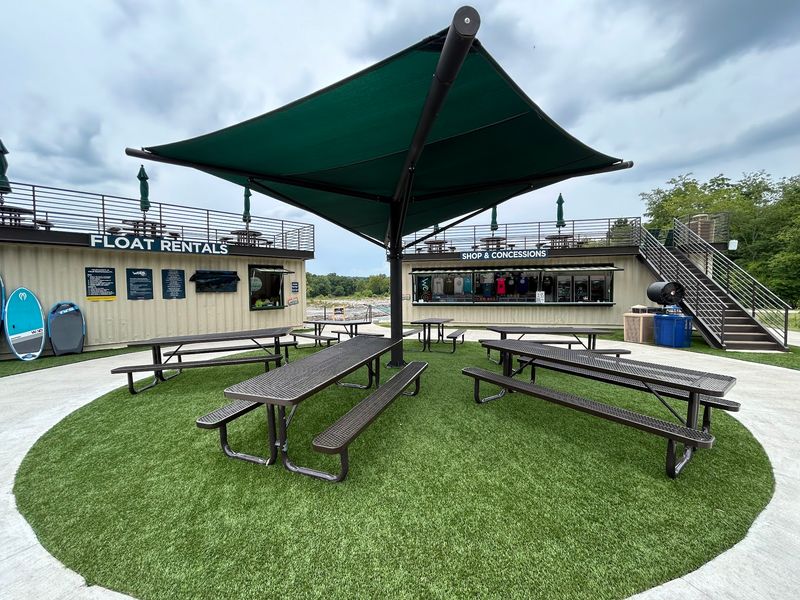
Spending a full day at WOKA is easy to do, and the park makes the logistics of staying all day reasonably comfortable. Visitors are allowed to bring their own coolers packed with snacks and drinks, which multiple reviewers have flagged as a significant bonus.
Being able to refuel between runs without leaving the park keeps the momentum going and the cost manageable.
For those who prefer not to pack in supplies, the concession station on-site offers food, drinks, and a few extras like sun shirts for visitors who underestimated the intensity of the sun reflecting off the water. Prices at the concession area have been described as reasonable, which is not always a given at recreation parks where captive-audience pricing can become a problem.
Benches with large shade umbrellas are positioned along the length of the rapid, giving families a place to sit, dry off, eat, and watch the action between runs. That spectator-friendly layout means not everyone in a group needs to be on the water at the same time.
One person can rest and watch while others run the channel, then swap out. It is a small design detail that makes a genuine difference for mixed-energy groups and families with younger children watching from the sidelines.
Mountain Bike Trails Connected to the Park
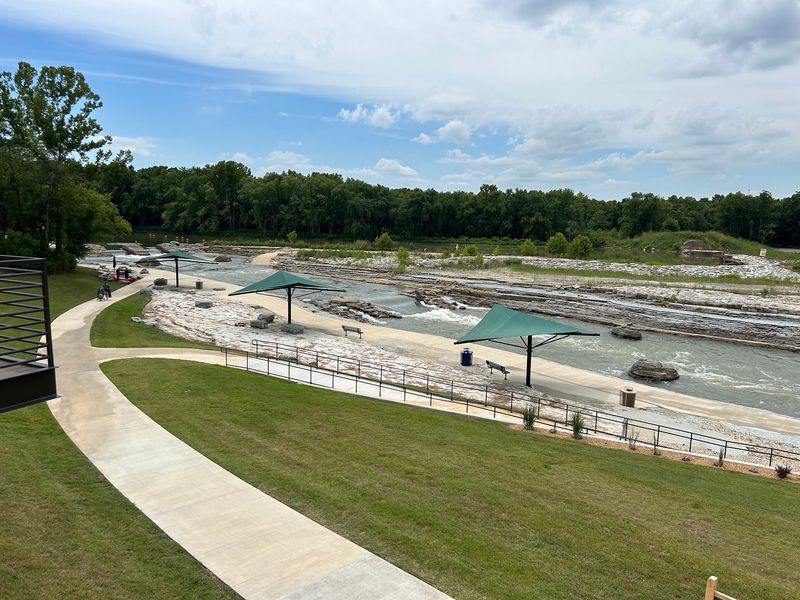
Water is not the only draw at WOKA. A connected mountain bike trail system runs adjacent to the park property, giving visitors who want to extend their day a legitimate reason to bring bikes along with their tubes and helmets.
The trails have been described as beautiful, winding through the same forested terrain that surrounds the channel.
The trail network was still expanding during some earlier visits, with reviewers noting they looked forward to returning once more of the system was complete. Even in earlier stages, the trails drew attention from visitors who saw the potential for WOKA to become a multi-sport destination rather than a single-activity stop.
Combining a morning on the water with an afternoon on the trails makes for a genuinely full outdoor day without needing to drive anywhere else.
For anyone already familiar with the mountain biking scene in the broader Ozark region, the proximity of WOKA to established trail networks in northwest Arkansas adds another layer of appeal. A weekend trip could reasonably combine riding at multiple locations with whitewater sessions at WOKA in between.
Bringing a bike rack alongside the cooler and the tubes starts to sound less like overplanning and more like the obvious move once you see what the area has to offer.
Who the Park Suits Best and Who Should Think Twice
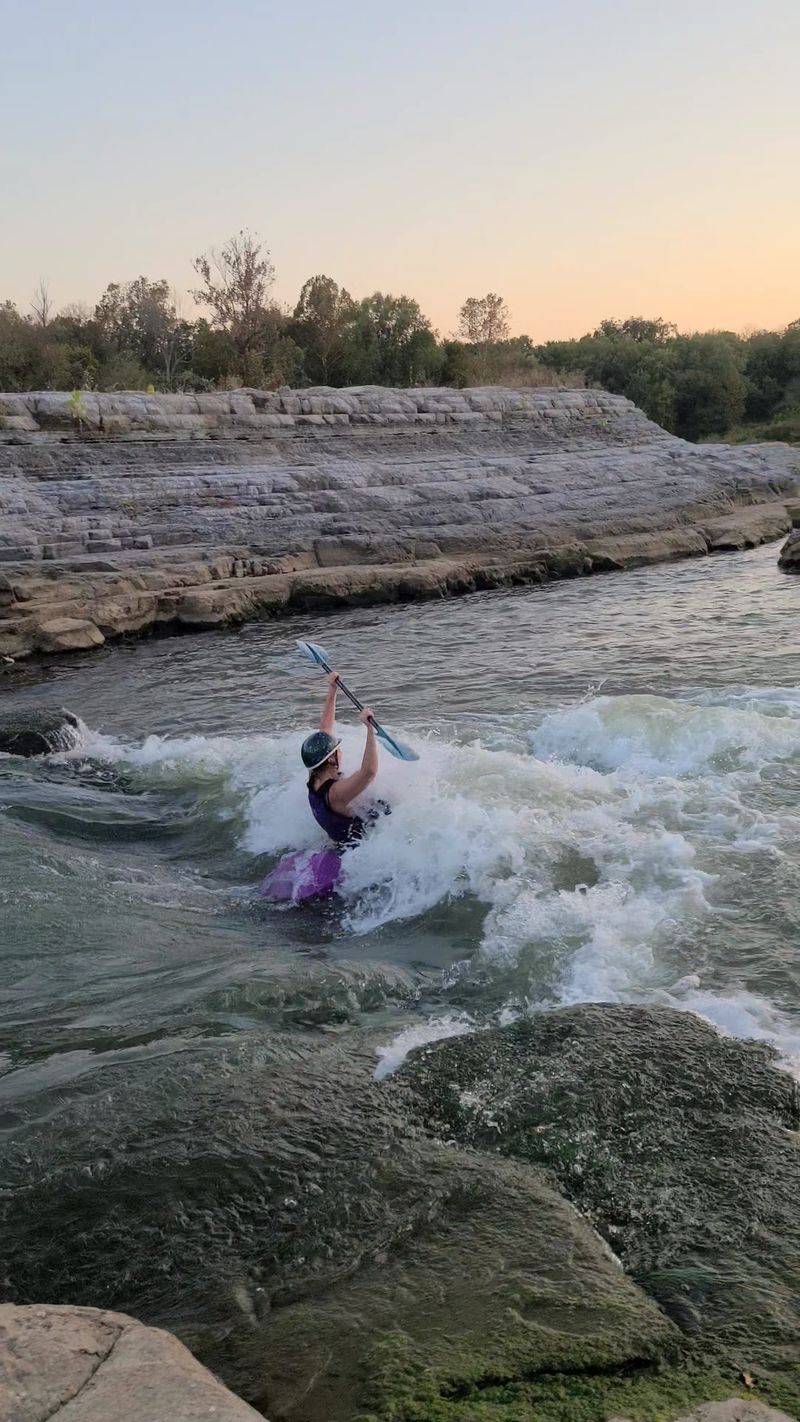
WOKA appeals to a genuinely wide range of visitors, but it is not the right fit for everyone, and the park does not pretend otherwise. Families with kids who are comfortable in moving water and willing to wear safety gear will have an excellent time.
Teenagers tend to thrive here, particularly those with some swimming confidence and a taste for mild physical challenge.
Experienced kayakers and paddlers will find the course rewarding for skill practice, especially during lower-crowd periods when the channel is open for focused technique work. Surfers and boogie boarders get their own dedicated experience on the standing wave.
Even casual visitors who just want to walk the banks, watch the action, and enjoy the setting can do so comfortably with the $10 parking fee.
Visitors who expect a controlled, staff-supervised water park experience with gentle currents and easy exits may find the park more demanding than anticipated. The rapids are real, the take-out requires awareness, and the natural environment means some unpredictability.
Young children or non-swimmers should be accompanied closely and equipped properly. The park itself frames the experience honestly: this is a whitewater park, not an amusement attraction, and the people who get the most out of it tend to arrive with that understanding already in place.
Hours, Pricing, and Getting to Watts
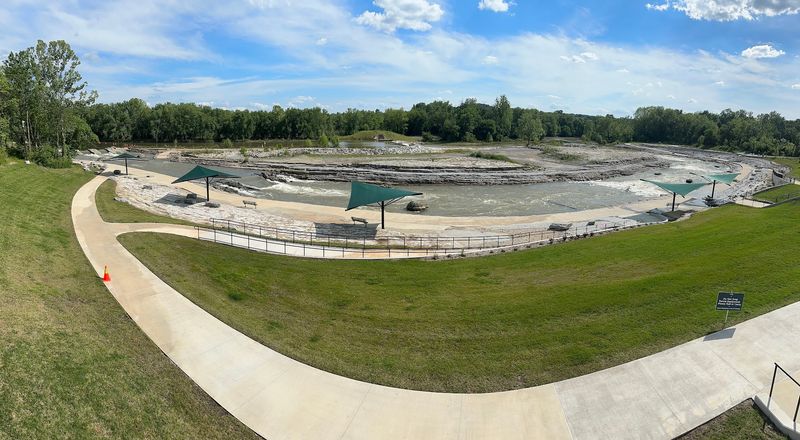
WOKA Whitewater Park is open every day of the week from 8 AM to 7 PM, which gives visitors a generous window to make the most of a full day trip. Arriving early is consistently recommended by repeat visitors, both to secure rental equipment before the busiest part of the day and to claim one of the shaded bench spots along the channel before the midday crowd arrives.
The base entry cost for visitors bringing their own equipment is $10 per car for parking. Rental pricing varies by equipment type, but families of five have reported spending around $70 for a four-hour session covering multiple tube types with helmets and life jackets included.
The park accepts card payments only, so plan accordingly before leaving home.
Getting there from Bentonville, Arkansas takes under an hour. From Tulsa, the drive runs roughly two to two-and-a-half hours depending on route.
The park’s address is 474986 Twin Falls Rd, Watts, OK 74964, and the website at visitwoka.com includes detailed directions and a safety briefing worth reviewing before arrival. The phone number for questions is 918-610-9652.
Seasonal note: rental and concession services may be closed during early fall visits, so calling ahead before an off-season trip is a smart move to avoid surprises on arrival day.
Why WOKA Earns a Spot on the Oklahoma Outdoor List
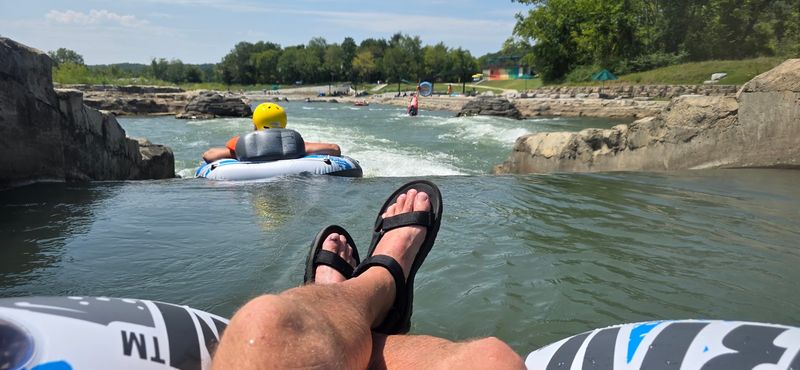
Places like this do not announce themselves loudly. WOKA sits at the end of a rural Oklahoma road, draws no billboards on the highway, and relies almost entirely on word-of-mouth from visitors who cannot stop talking about it once they leave.
That quiet reputation is, in its own way, a kind of quality signal.
Visitors have driven four hours out of their way specifically to experience the park and described the detour as completely worth it. One reviewer returned three times within two weeks after a first visit.
Another called it world-class for whitewater access in the region, noting that very few facilities in the surrounding thousand-mile radius offer consistent running water year-round. Those are not small claims for an Oklahoma park on a rural county road.
The combination of eight varied rapids, surfing, kayak instruction, mountain biking, family-friendly rentals, and a genuinely beautiful natural setting makes WOKA harder to categorize than most outdoor destinations. Calling it a water park undersells it.
Calling it a kayak training facility ignores the tubing families and surf lessons. What it really is, underneath all the labels, is one of Oklahoma’s most surprising outdoor assets, sitting in the woods near Watts, quietly waiting for more people to figure out it exists.
Share this story