I almost drove past it, a quiet road, a modest gate, and nothing that shouted for attention. Then the hills opened up, the air went still, and I realized this corner of Oregon was hiding something far bigger than I expected.
Monks live here, trails climb through the trees, and the whole place hums with calm. Come along and see why a simple stop can turn into the best part of your day.
A Monastery Hidden in the Hills
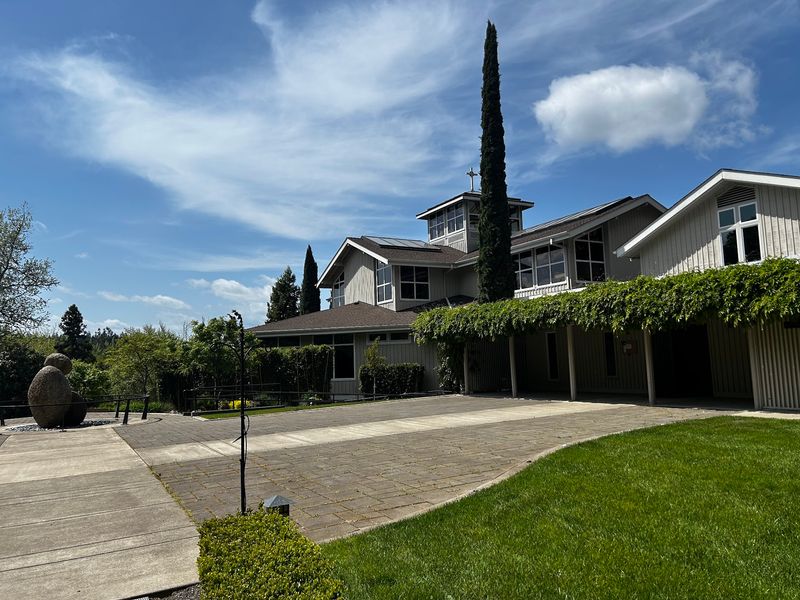
Picture a road that gently winds out of farm country and ends at a quiet gate. That is the doorway to Our Lady of Guadalupe Trappist Abbey, a working monastery on NE Abbey Road in Carlton.
The abbey is listed as a monastery, and it feels like one from the first step. Voices drop, shoulders loosen, and the usual rush fades behind you.
Visitors often describe it as a nice, quiet place for a walk, and that sums up the mood well. The grounds are private property, yet the public is welcome to wander the trails, so it is a rare chance to share space with a community of monks.
Plan for a slow pace. This is not a place for racing around with a checklist, and that is exactly the charm.
Benedictine Roots and Trappist Rhythm
Here is a fun bit of context: this abbey follows the Benedictine tradition and belongs to the Trappist family. One visitor called it a quiet, relaxing environment, and the daily rhythm of prayer and work sets that tone.
You will not find a busy attraction with loud crowds. Instead, the grounds are shaped around silence, worship, and simple living.
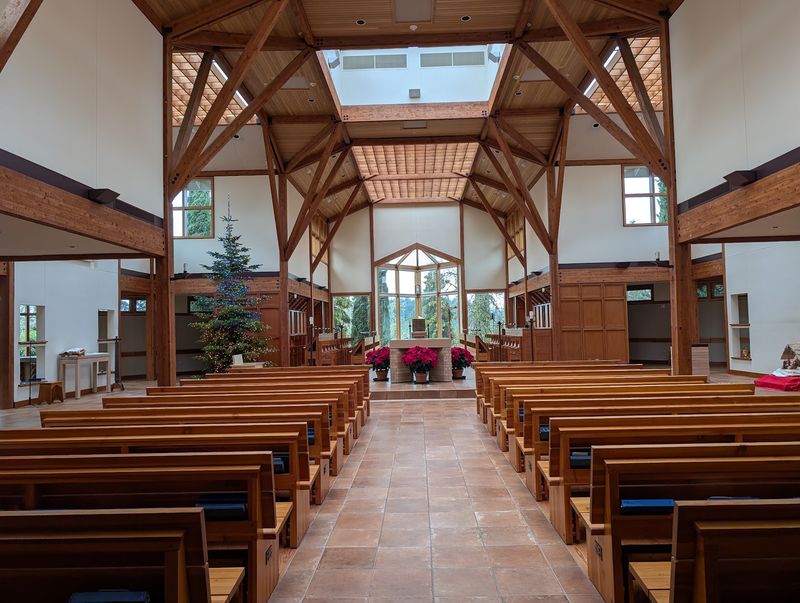
Guests are welcome to take part in Catholic mass services, which gives the place a living heartbeat rather than a museum feel. Even if you are only there for a few hours, you can sense that the abbey runs on purpose rather than hurry.
Bring respect along with your walking shoes, and the community will feel like a gracious host.
The Big Loop Trail
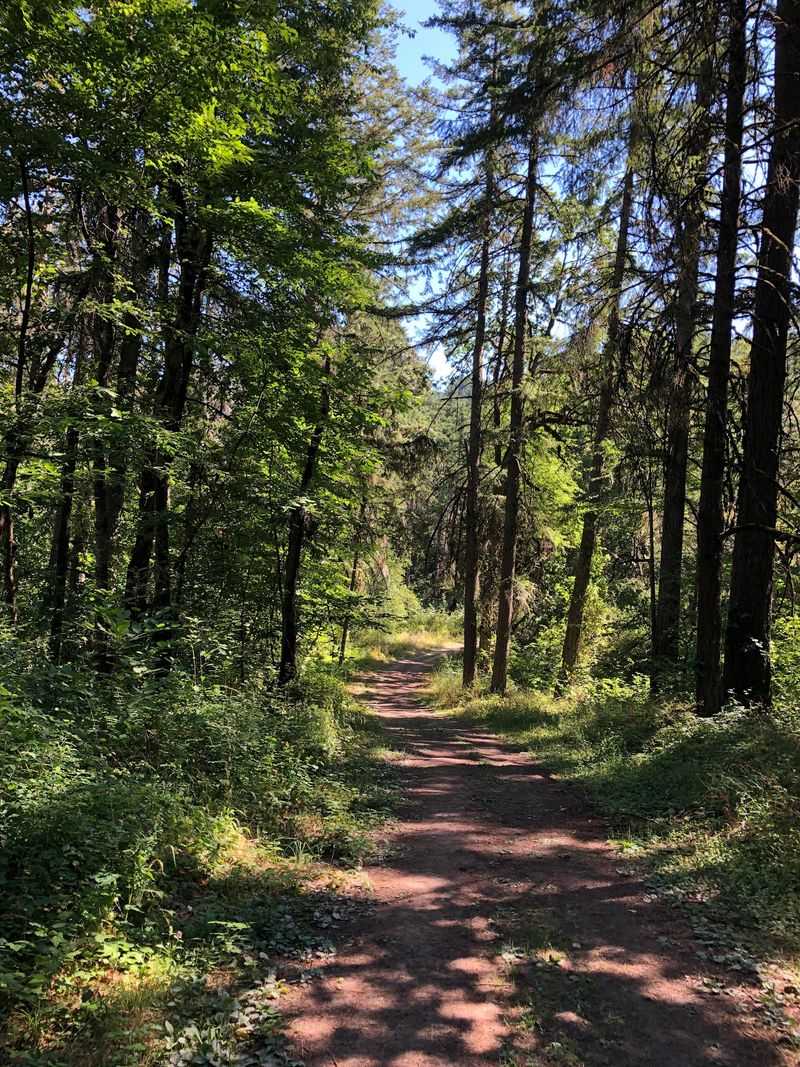
Ready for a workout with a side of serenity? The big loop runs about four miles, and hikers report finishing it in roughly an hour and a half.
One visitor says the trail feels more like a service road than a rugged path, which keeps footing simple and access easy. Another found it moderate, with just enough up and down to get the heart pumping.
You can also go shorter, since a few shortcuts exist. Ample parking waits at the start, so there is no stress about where to leave the car.
Regulars call it a great Sunday outing, and one hiker noted the trail was well thought out. Fair warning: the dirt can turn gravelly or rocky in places.
Thighs Will Notice the First Two Miles
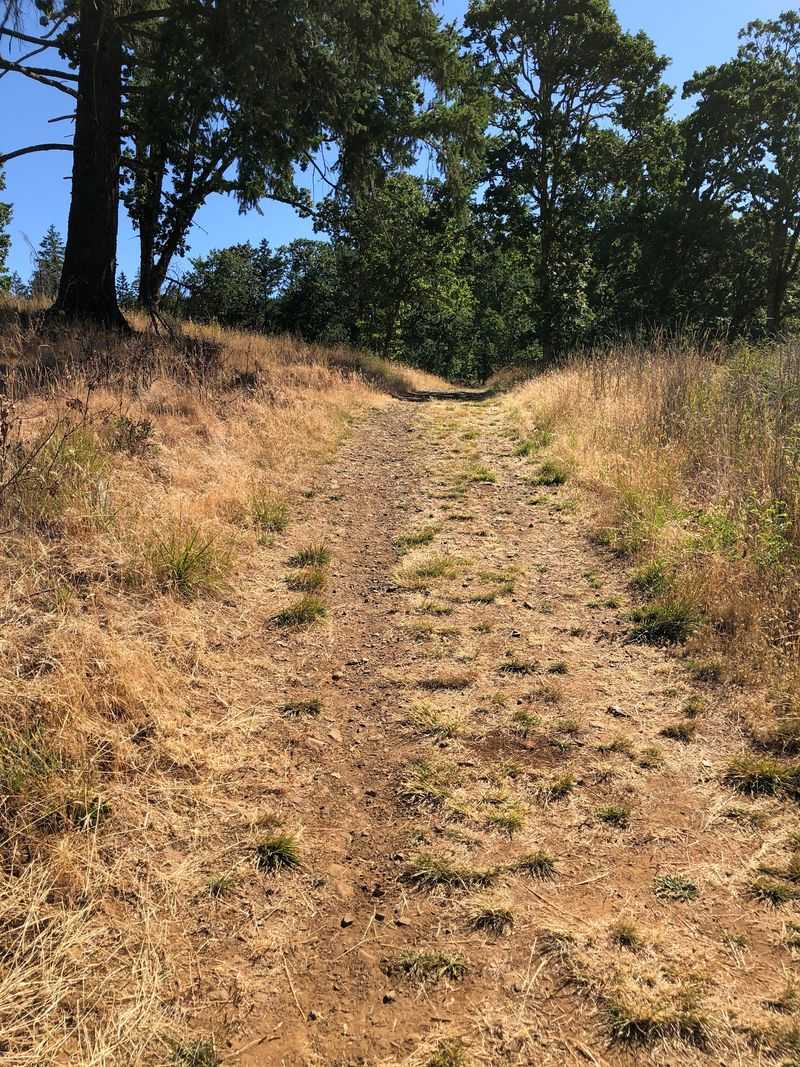
Let me be honest about the climb. The first stretch is punchy, and hikers talk about a lot of elevation gain over the opening miles.
One visitor counted almost 800 feet of gain in the first 1.25 miles, which explains the heavy breathing. The reward is the second half, a long, easy descent that lets your legs relax.
Pacing yourself helps. Stop for a drink, enjoy the trees, and let the forest do the cheering.
Hikers also suggest sturdy shoes, even ankle-height boots, because of loose gravel and some rocky bits. Think of the climb as the price of admission to the peaceful views waiting up top.
Mount Hood and the Hilltop Shrine
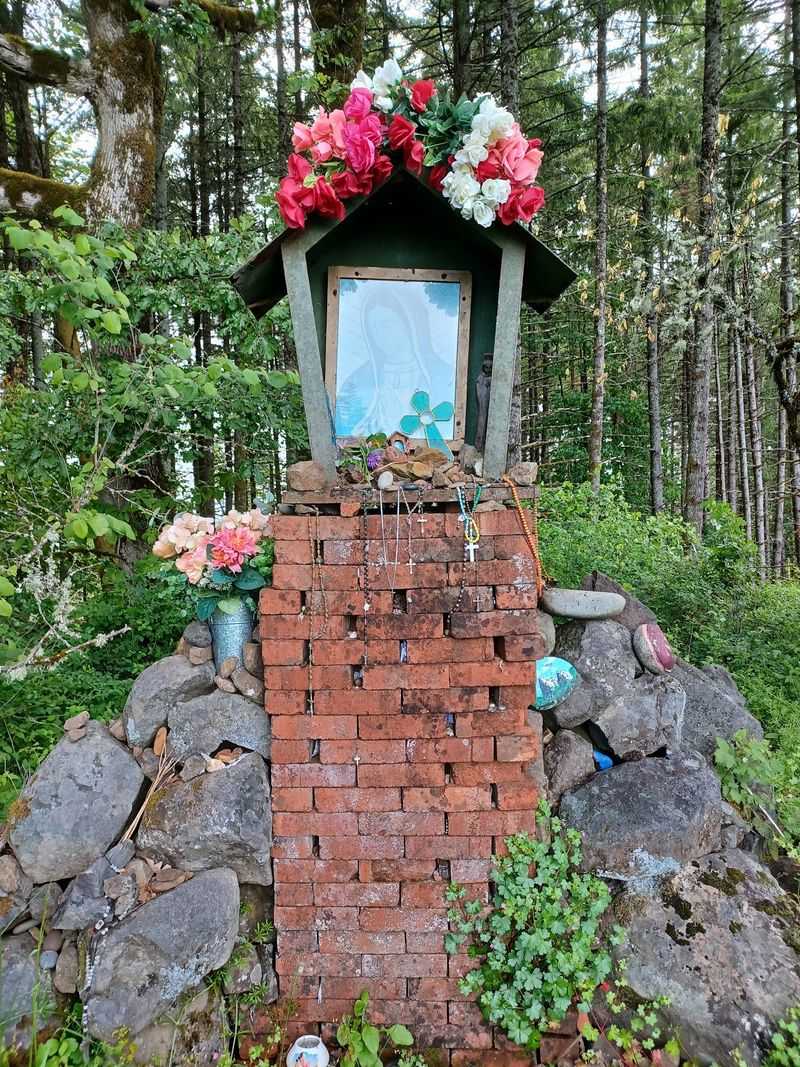
At the top, the trees step aside and the view takes over. Hikers describe a great look at Mount Hood, along with a shrine that faces west.
Rolling hills spread below, and visitors often mention the beauty of the valley and its mountains. It is a lovely spot to pause, breathe, and let the quiet sink in.
If you want to skip the toughest mud, one reader suggests turning left at the trailhead sign, visiting the shrine, and returning the same way. That makes a shorter outing with the best payoff.
Bring a camera, but keep your voice low. The shrine is a place for reflection first and photos second.
Deer, Critters, and Quiet Neighbors
Keep your eyes open, because the locals here have fur and feathers. One cyclist stopped by and spotted a deer with a fawn strolling through the brush near the parking lot.
Hikers also mention birds, assorted critters, and even snakes along the trail. Another visitor was greeted by deer near the little lake.
The quiet helps, since animals tend to show up when people move softly. Dogs are not allowed, which one hiker counted as a bonus for wildlife and calm.
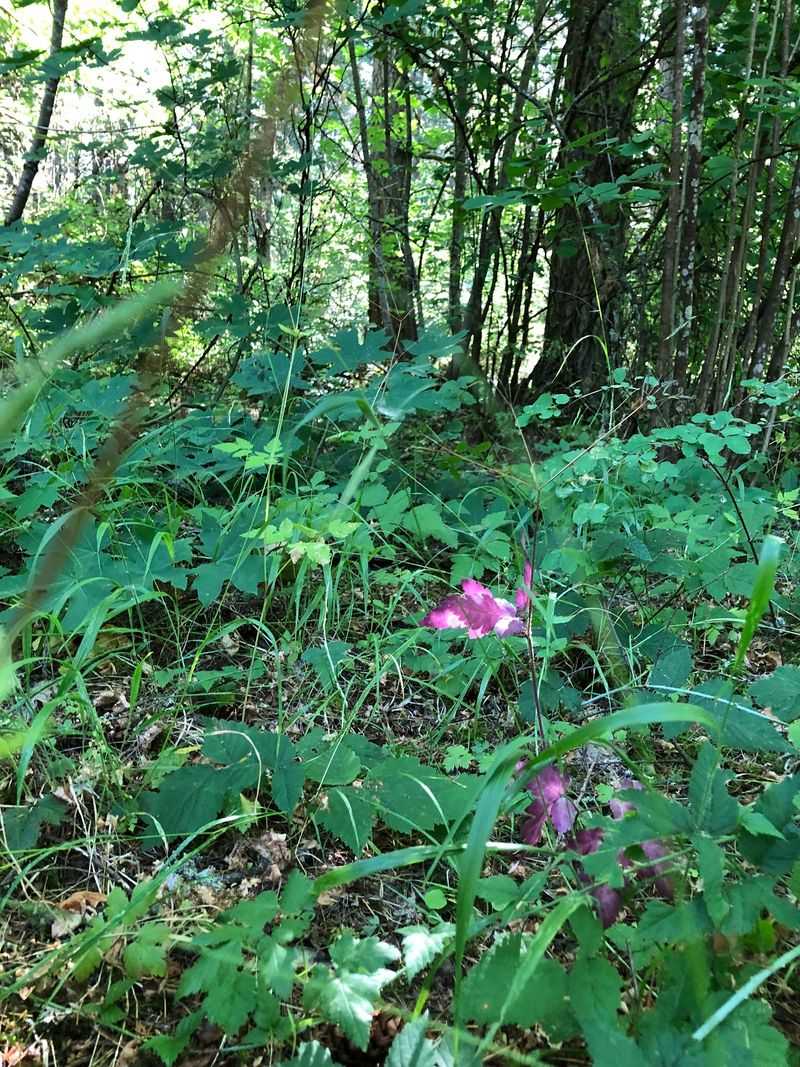
One note of caution from a visitor: possible poison sumac or oak grows near the path, so staying on the trail is smart. Look, listen, and leave the wildlife in peace.
Courtyard, Chapel, and Little Lake
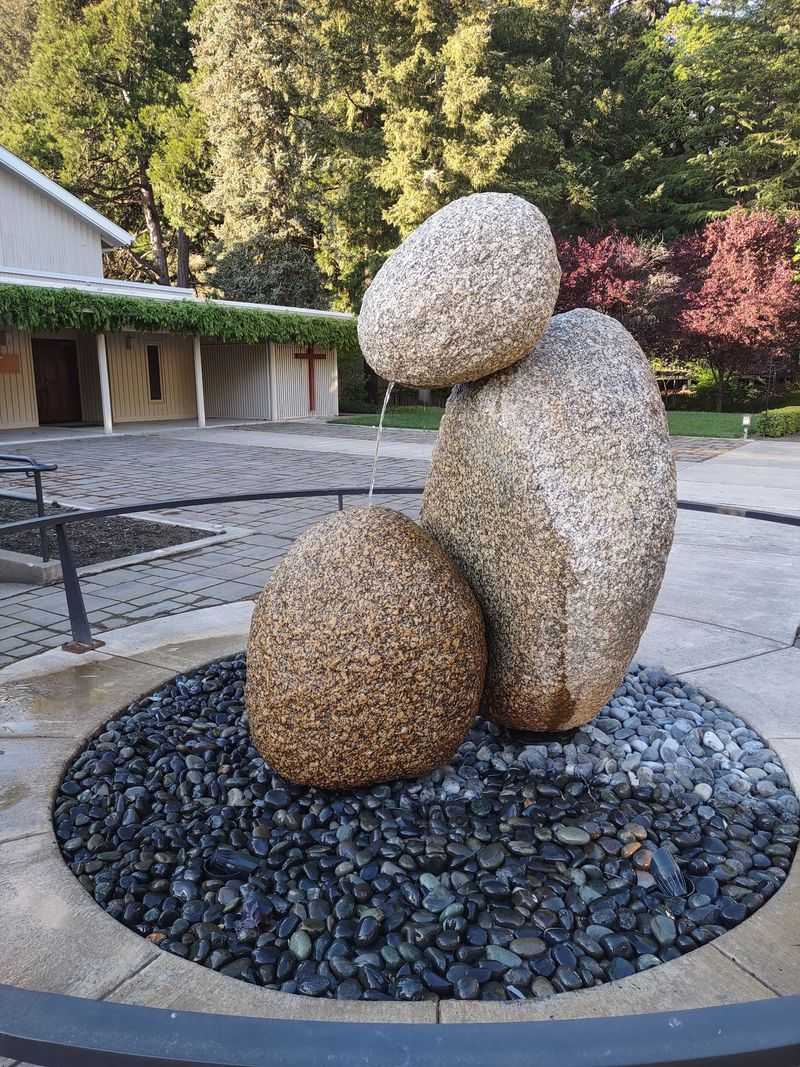
Not every highlight needs hiking boots. A courtyard with a water feature greeted one passing cyclist, and the building design earned praise for being pleasing to look at.
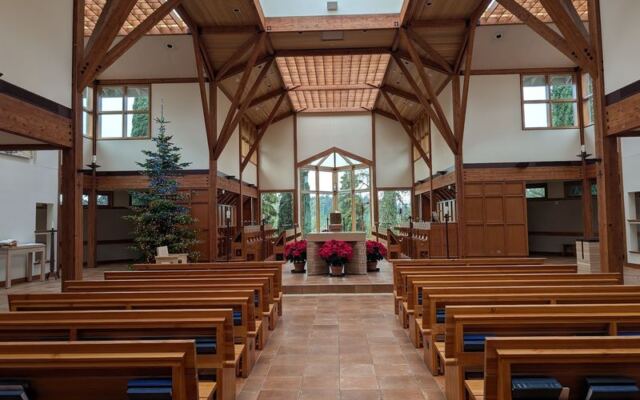
Inside, the chapel is described as beautiful, a welcome place to pray, meditate, and think about life. Visitors also loved the little lake, where chairs are set out for sitting and soaking in the peace.
Some days, only parts of the grounds may be open, and one visitor noted that only the trails were available at the time. It is wise to check the abbey website or call ahead for what is open.
Either way, a bench or chair and a quiet minute is a fine way to spend part of the visit.
Retreats and Overnight Stays
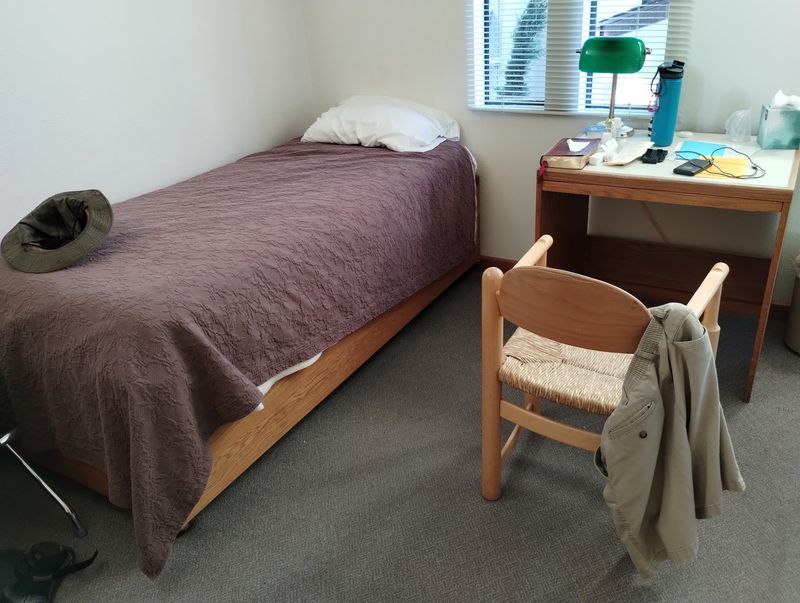
If a few hours feel too short, consider staying. One visitor describes the best experience as an overnight retreat in a cozy, quiet room with all meals provided.
The price mentioned was $80 per night or $40 for day use, so confirm current rates with the abbey. Silence is required, which is the whole point.
Guests can pray with the monks, and one retreat-goer loved the stillness. Meals follow the monks’ table, and another visitor warns that you eat what they eat, which is vegetarian.
Others have used the grounds for day-long meditation retreats, grateful for such a beautiful facility. It is a true respite for anyone craving a reset.
Mud, Seasons, and Trail Manners
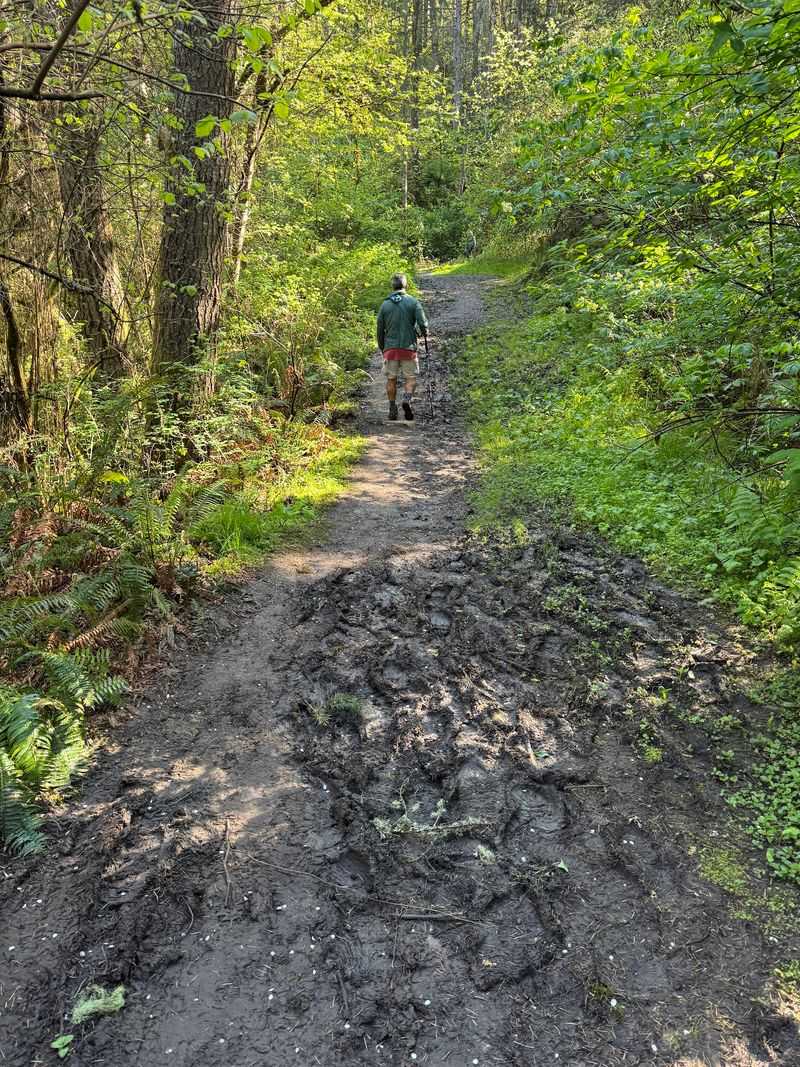
Rain changes everything here. Hikers agree that the trails get very muddy in fall, winter, and spring, especially on the right-hand side from the main sign.
One regular noted that people stepping wide to dodge puddles widens the trail and harms habitat. The kind approach is to walk straight through, in waterproof shoes.
Another reminder is that this is private property, and respectful visitors help keep it open to the public. Stick to the path, pack out what you bring, and leave no trace.
Fall can be lovely, with one visitor praising a beautiful autumn day. Dry months mean easier steps, but the quiet is welcome any time of year.
Hours, Parking, and What to Pack
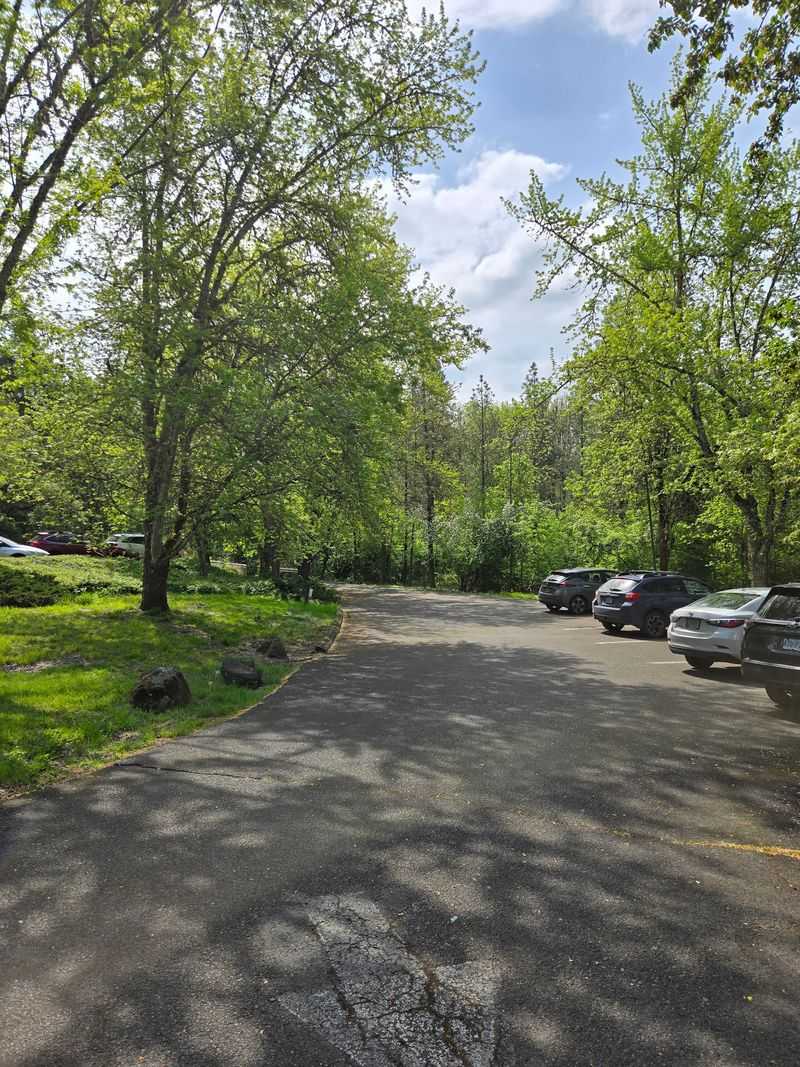
Planning helps here. The abbey is open 9 AM to 2 PM on Sunday, Tuesday, Wednesday, Thursday, and Friday, and it is closed Monday and Saturday.
Parking is ample, and the trail is easy to reach. You can call 503-852-0107 or visit trappistabbey.org for updates.
Hikers warn that there is no public restroom and nothing nearby, so plan ahead. Carry water, wear shoes with good grip, and consider a picnic lunch to enjoy in the quiet.
The abbey sits at 9200 NE Abbey Rd in Carlton. Leave dogs at home, since they are not allowed on the grounds.
A Soft Verdict on Stillness
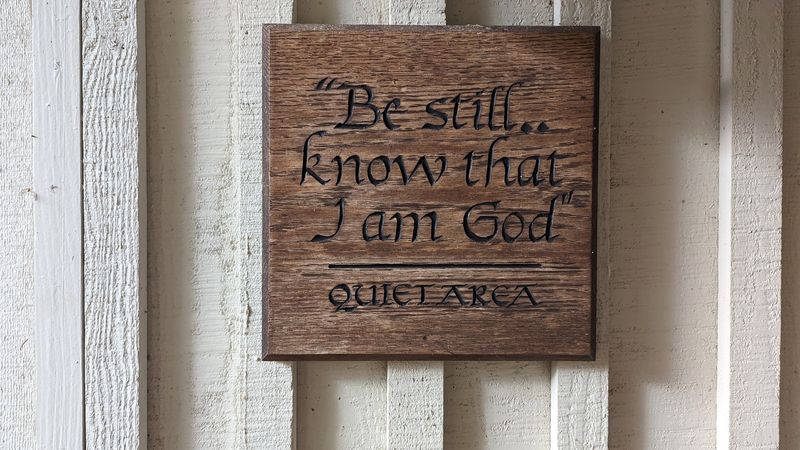
So, is it worth the drive? Visitors rate it very highly, and the common thread is peace.
People come for a hike and leave feeling lighter.
It suits walkers, families with older kids, and anyone seeking calm, prayer, or a quiet afternoon outdoors. Folks who need cafes, shops, or restrooms close at hand may find it simple.
One visitor said nature here can heal soul, body, and mind, and that feels about right. Bring respect, good shoes, and a bit of patience for the climb.
Go in with no rush, and the hills will give back more than you expect. It is a gentle, memorable stop in Oregon wine country.
Share this story