Most people driving along US-301 in Ellenton, Florida have no idea that just off the road stands the only surviving antebellum plantation mansion in the entire state. Behind its towering white columns and wide shaded verandas, this 1840s sugar plantation holds stories that range from remarkable engineering to a dramatic chapter in Confederate history.
The mansion became a refuge for a fugitive government official at the end of the Civil War, a fact that still surprises most visitors today. Understanding what really happened here requires looking past the pretty columns and the manicured green grounds.
Florida’s Last Standing Antebellum Plantation Home
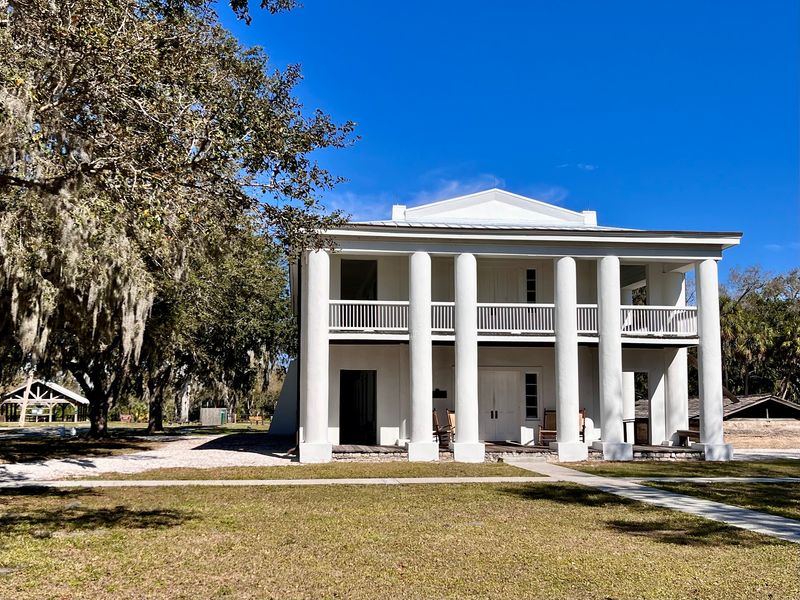
Of all the plantation homes that once dotted Florida’s landscape, only one survived the centuries intact enough to walk through today. Gamble Plantation Historic State Park, located at 3710 US-301, Ellenton, Florida 34222, is that one survivor.
The mansion dates to around 1840, making it one of the oldest structures in the entire state of Florida.
Major Robert Gamble built the house as the centerpiece of a sugar cane operation that once covered thousands of acres. Most plantation homes from this era were lost to fire, neglect, or demolition, which makes this one’s survival genuinely remarkable.
The state of Florida recognized its significance early and worked to preserve it.
Today it operates as a Florida State Park open to the public for guided tours. The grounds are free to explore, and the mansion tour costs just six dollars per person, making it an accessible piece of living history.
The Engineering Behind Those Iconic White Columns
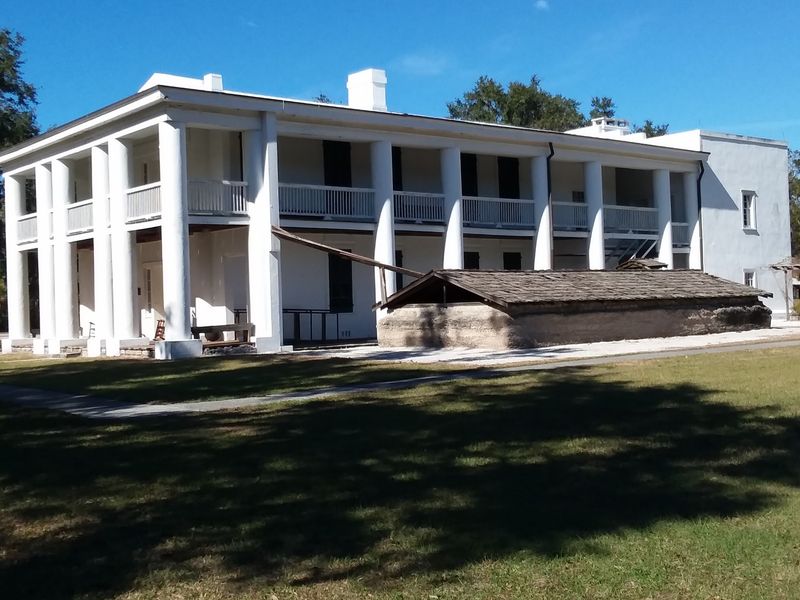
Those grand columns are not just decorative. They are structural, load-bearing, and built using a construction material called tabby, a mixture of lime, water, sand, oyster shells, and ash.
Tabby was a practical choice in 19th-century Florida because it used locally available materials and dried into an extremely durable concrete-like substance.
The mansion features eighteen of these columns wrapping around the exterior, and they have held firm for nearly two centuries. The walls themselves are also tabby construction, which helps explain why this building outlasted so many others from the same period.
The material also kept interior temperatures cooler during Florida’s brutal summers, a feature the tour guides explain with genuine enthusiasm.
Visitors often assume the columns are painted wood, so seeing the real tabby surface up close tends to be a genuine surprise. It changes how you look at the entire structure once you know what you are standing next to.
Why the Ceilings Are Remarkably High
One of the first things visitors notice when they step inside the mansion is just how tall the ceilings are. This was not purely a design choice meant to impress guests.
In the days before electric fans or air conditioning, high ceilings served a very practical purpose in the Florida heat.
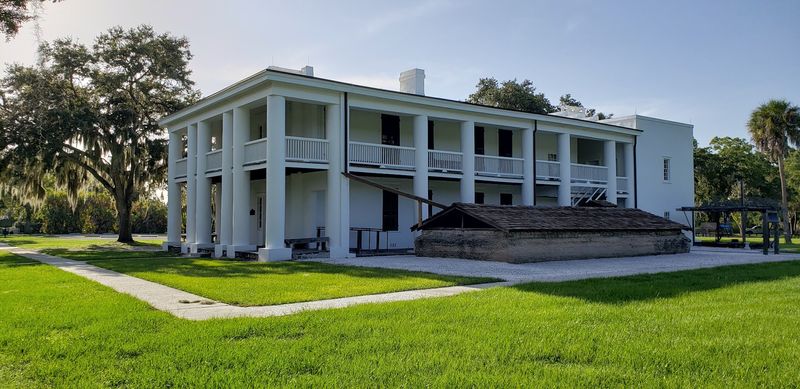
Hot air naturally rises, so rooms with tall ceilings kept the living areas cooler and more comfortable during the sweltering summer months. The wide wraparound veranda on the exterior served a similar function, shading the walls and windows from direct sunlight throughout the day.
Tour guides enjoy explaining this detail because it reframes the entire mansion as a cleverly engineered response to the Florida climate rather than simply a display of wealth. Every architectural choice had a reason behind it.
Once you understand the logic, the house starts to feel less like a relic and more like a genuinely thoughtful design.
The Sugar Cane Operation That Built It All
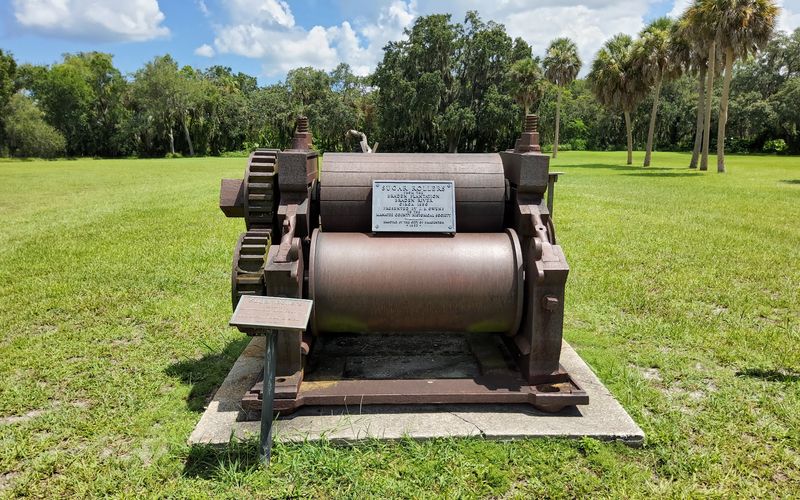
Robert Gamble did not just build a house. He built an entire agricultural operation around it.
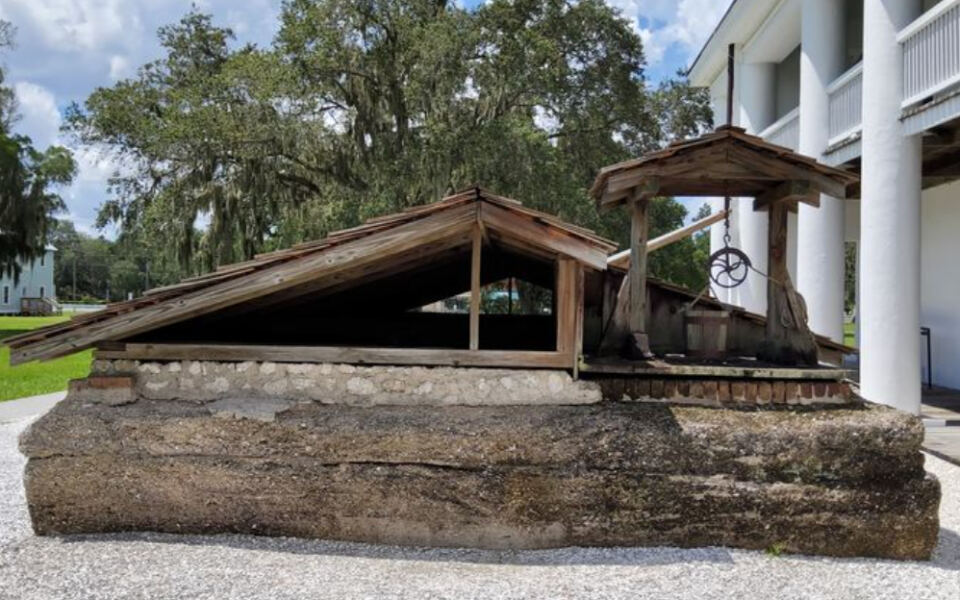
At its peak, the plantation produced sugar cane across a sprawling estate, and the sugar was processed on-site using machinery that was considered advanced for its time. The remains of the sugar mill are still visible on the property.
Running a sugar operation in 1840s Florida required an enormous labor force, and that labor came from enslaved people. More than 160 enslaved individuals worked on this plantation, and their contributions built everything visitors see today.
The visitor center and tour both address this history, and a memorial on the grounds acknowledges the enslaved people who lived and worked here.
The sugar industry in this region was short-lived due to soil exhaustion and economic pressures, and the plantation eventually declined. But the house remained, carrying the full weight of everything that happened on this land.
The Confederate Fugitive Who Hid Here
Here is where the story takes a genuinely dramatic turn. After the Civil War ended in 1865, Judah P.
Benjamin, who had served as the Confederate Secretary of State, needed a place to hide while federal authorities were searching for him. He found that place at Gamble Plantation.
Benjamin was one of the most wanted men in the country at the time. He stayed at the mansion briefly while making arrangements to escape the United States entirely.
He eventually made his way to England, where he rebuilt his career as a lawyer and never returned to America.
The park is officially named the Judah P. Benjamin Confederate Memorial at Gamble Plantation Historic State Park, recognizing this chapter of its history.
This connection gives the property a layer of national historical significance that goes well beyond its architecture. It is the kind of story that makes visitors stop and reconsider what they thought they knew about Florida’s Civil War history.
What the Guided Tour Actually Covers
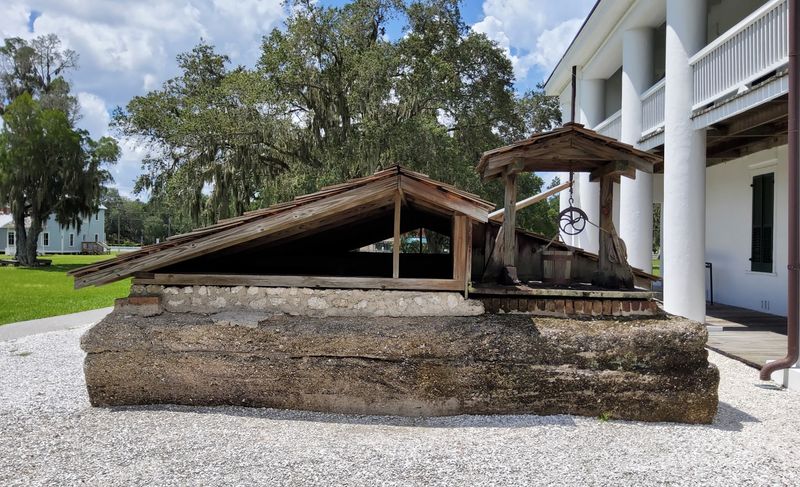
The guided tour lasts roughly 45 minutes to an hour and covers both floors of the mansion. Park rangers lead each tour and bring the rooms to life with historical context that goes far beyond what any sign or brochure could provide.
The tours run several times a day, but checking the schedule before arriving is strongly recommended since times can vary.
Rangers cover the architecture, the people who lived and worked on the property, the sugar operation, and the Judah P. Benjamin connection.
Some guides also share the surprising origins of common phrases and words, including how hushpuppies got their name, which tends to delight visitors of all ages.
Tickets cost six dollars per person and are cash only, so arriving with cash is important. No parking fee applies.
The combination of a knowledgeable guide, a well-preserved interior, and genuinely surprising historical details makes the tour feel worth every dollar spent.
The Visitor Center and What to See Before the Tour
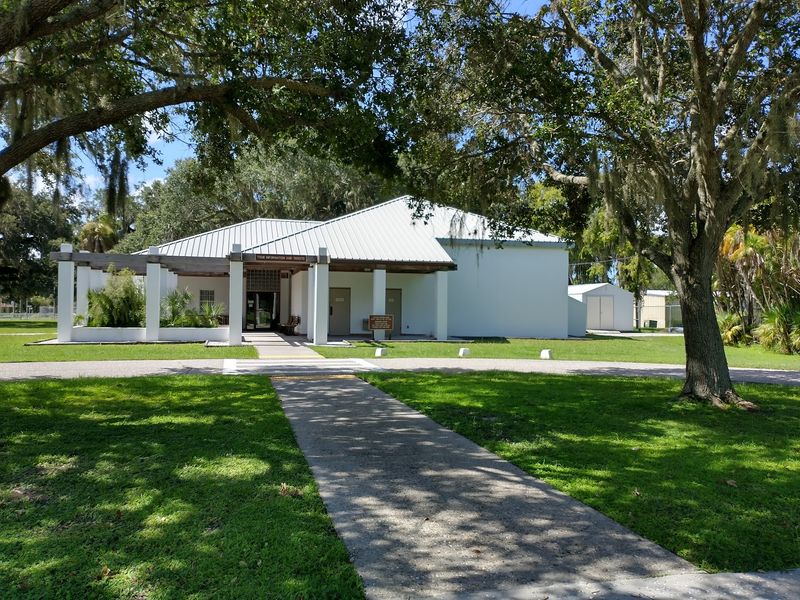
Before heading to the mansion itself, the visitor center is absolutely worth your time. Several visitors have pointed out that spending time there first gives the mansion tour much more context and depth.
The exhibits cover the plantation’s history, the people connected to it, and the broader story of antebellum Florida.
The visitor center is located near the park entrance and is a good place to check tour times, pick up any information you need, and get oriented before walking the grounds. It also provides background on the Seminole Wars, which played out in this same region during the 19th century and shaped the area’s history in lasting ways.
The park is open Thursday through Monday from 8 AM to 5 PM and is closed on Tuesdays and Wednesdays. Planning your visit around those hours and confirming tour times in advance will help you make the most of the experience without any surprises at the gate.
The Grounds, the Veranda, and the Atmosphere Outside
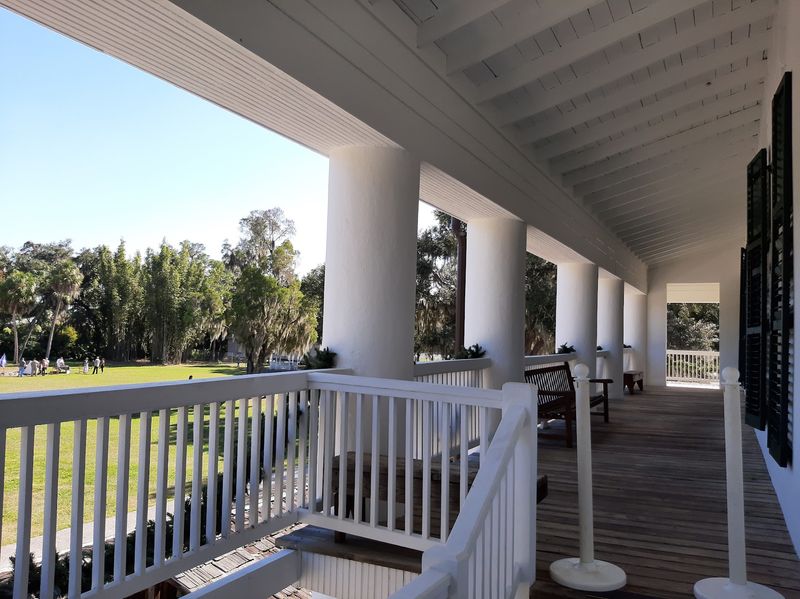
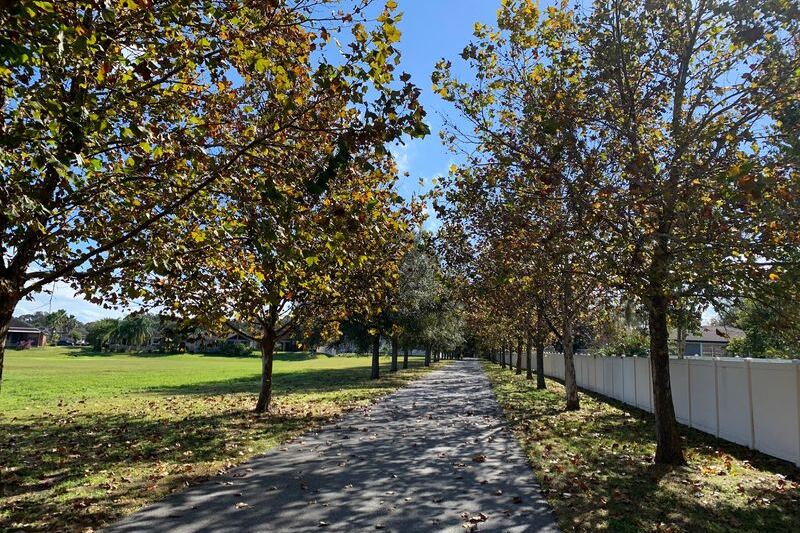
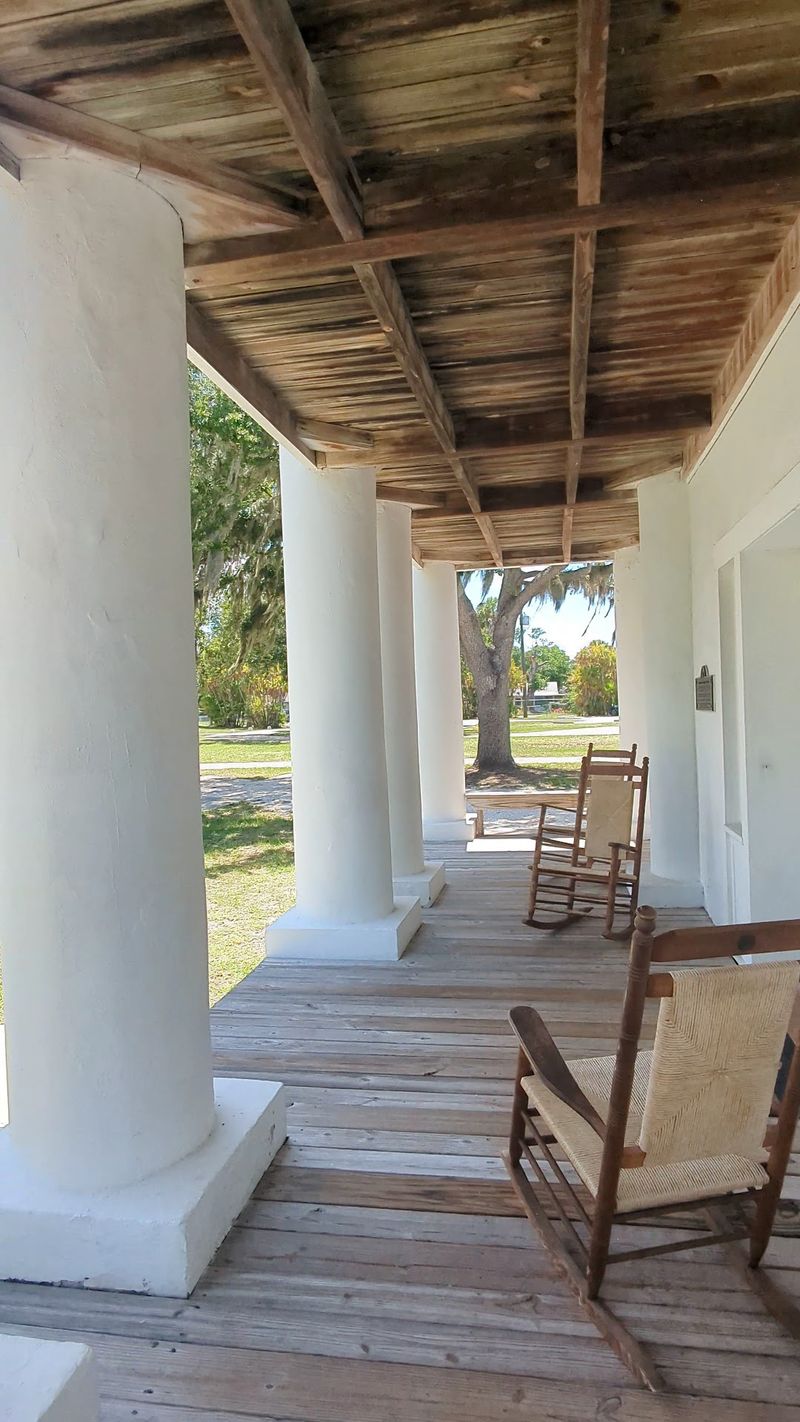
Even before the tour begins, the grounds themselves make a strong impression. The grass is thick and well-maintained, the trees provide generous shade, and the wide wraparound veranda of the mansion invites you to slow down and take it all in.
A few rocking chairs on the porch add a relaxed, unhurried quality to the visit.
There is a large covered picnic area behind the mansion, and several visitors have made an afternoon of it by packing lunch and eating on the grounds after the tour. The setting feels genuinely peaceful, which can make it easy to forget that you are just off a busy highway.
Spanish moss hangs from several of the older trees, and the overall atmosphere leans toward quiet and reflective rather than loud and touristy. Photography enthusiasts tend to find the grounds particularly rewarding, with the mansion’s columns providing a striking backdrop at almost any angle.
The Enslaved People Who Lived and Worked Here
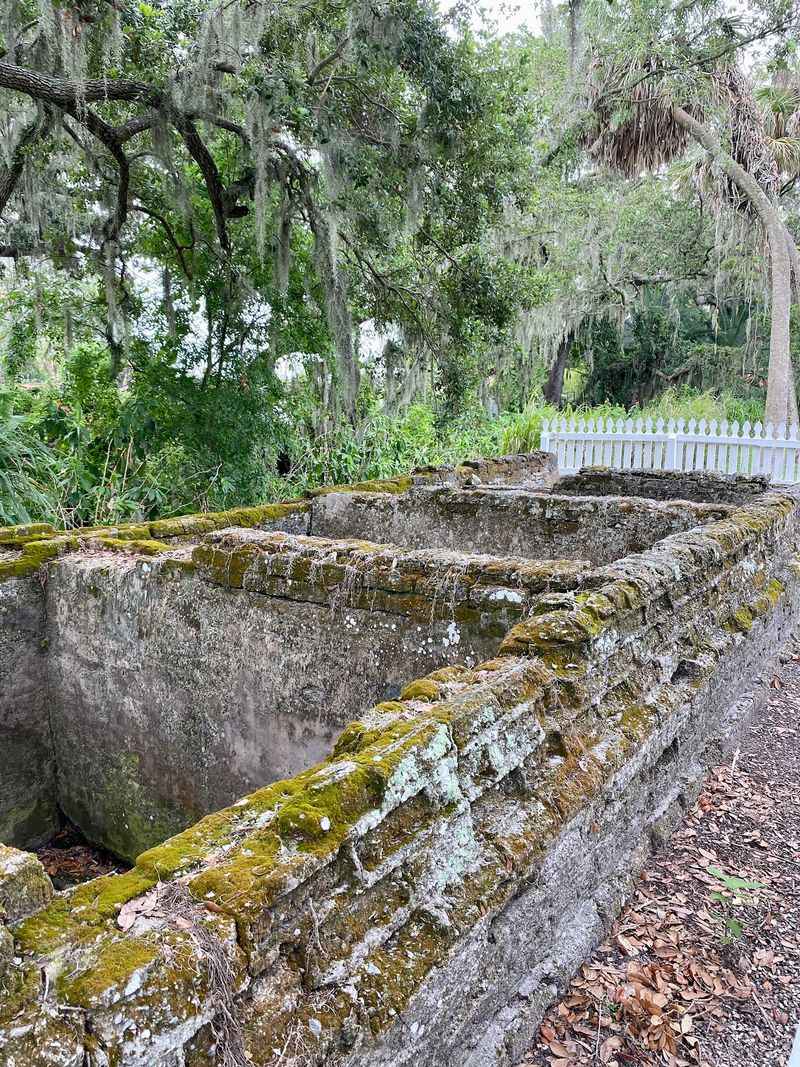
Any honest look at Gamble Plantation has to reckon with the people whose labor made it possible. More than 160 enslaved individuals lived and worked on this property, and their stories are woven into every part of what visitors see today.
The mansion, the sugar mill, the grounds, and the tabby walls all exist because of their forced labor.
A memorial on the property acknowledges the enslaved people by name where records allowed. The visitor center and tour guides address this history directly, and the park has made efforts to present a complete picture rather than a romanticized one.
Some visitors have noted they would welcome even more time dedicated to this part of the story, and that is a fair observation.
Visiting this site with that history fully in mind changes the experience in a meaningful way. The grand columns look different when you understand who built them and what that cost.
Practical Tips for Planning Your Visit
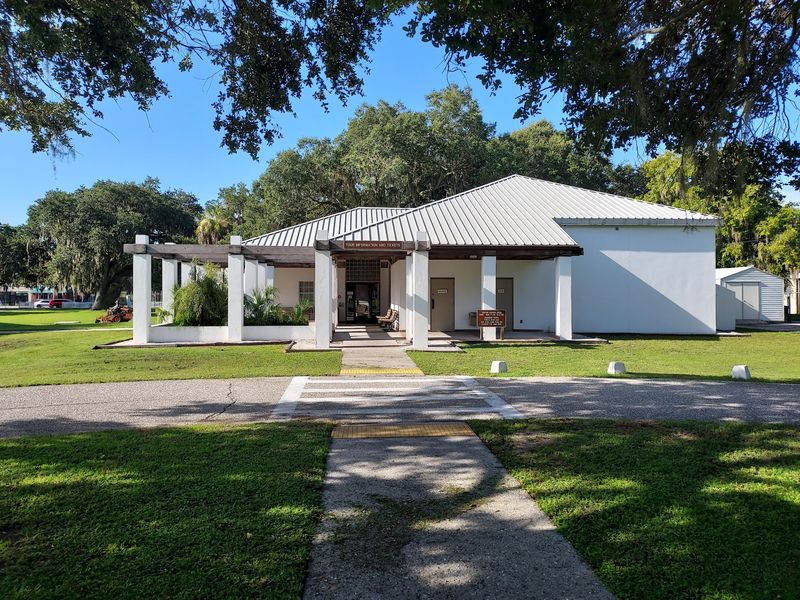
A few practical details can make the difference between a smooth visit and a frustrating one. The park is open Thursday through Monday, 8 AM to 5 PM, and is closed on Tuesdays and Wednesdays.
Tour times are not continuous throughout the day, so checking the Florida State Parks website before you go is a smart move.
Bring cash for the tour tickets since the six-dollar-per-person fee is not accepted by card. Parking is free and plentiful.
Comfortable walking shoes are helpful since the grounds involve some outdoor walking between buildings, and Florida heat can be intense depending on the season.
The park is well suited for families, history enthusiasts, architecture lovers, and anyone curious about a lesser-known chapter of American history. If you are exploring the Manatee County area, this stop pairs naturally with other historic sites and natural areas nearby, making it a satisfying addition to a longer day of exploration.
Share this story