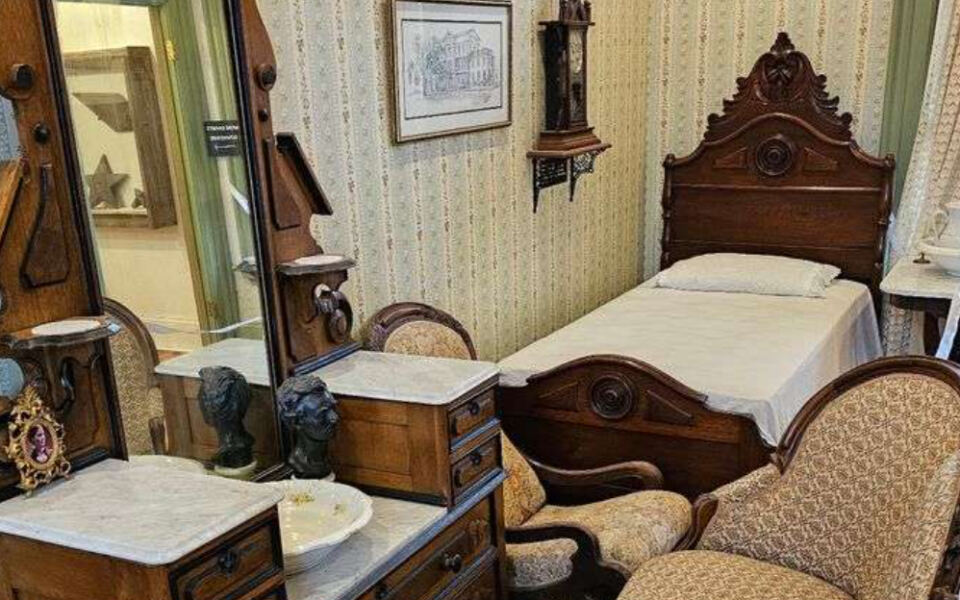
Tucked away in downtown Batavia sits a charming museum that holds an unexpected presidential connection. The Batavia Depot Museum houses authentic furniture from Mary Todd Lincoln’s room at a sanitarium, alongside fascinating artifacts that tell the story of this vibrant Illinois town.
Free to visit and packed with surprises, this historic train depot offers visitors a chance to step back in time and discover treasures you won’t find anywhere else.
Mary Todd Lincoln’s Pristine Furniture Collection
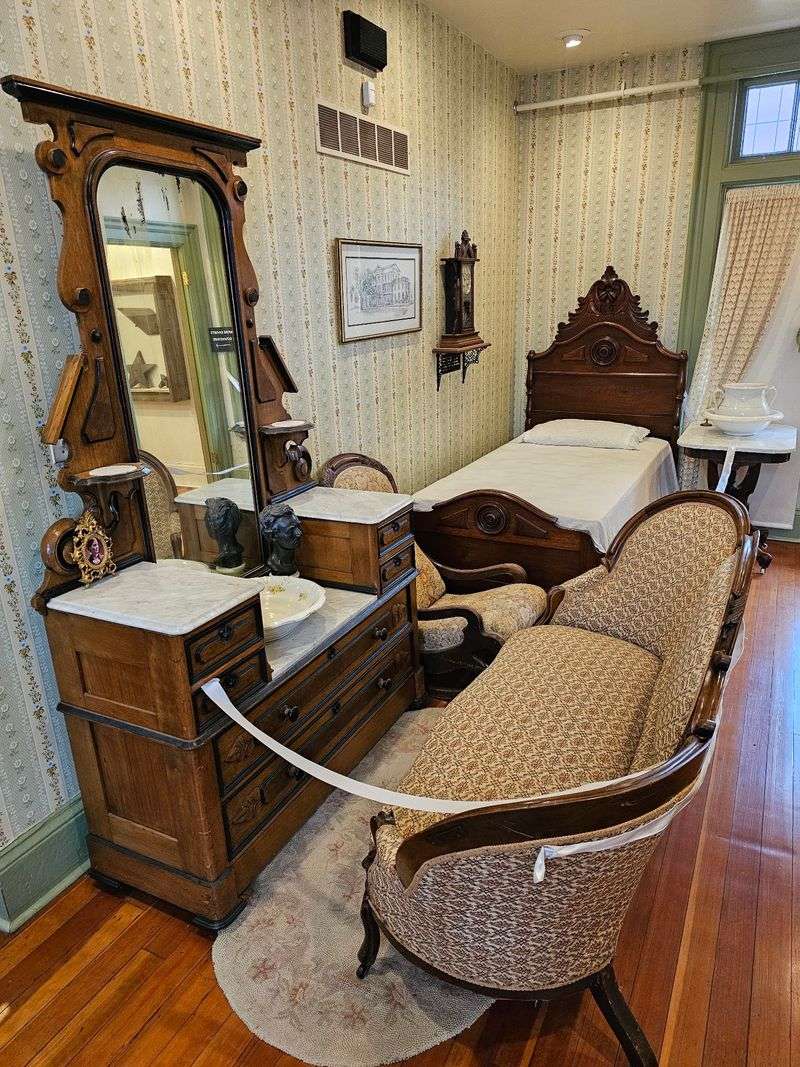
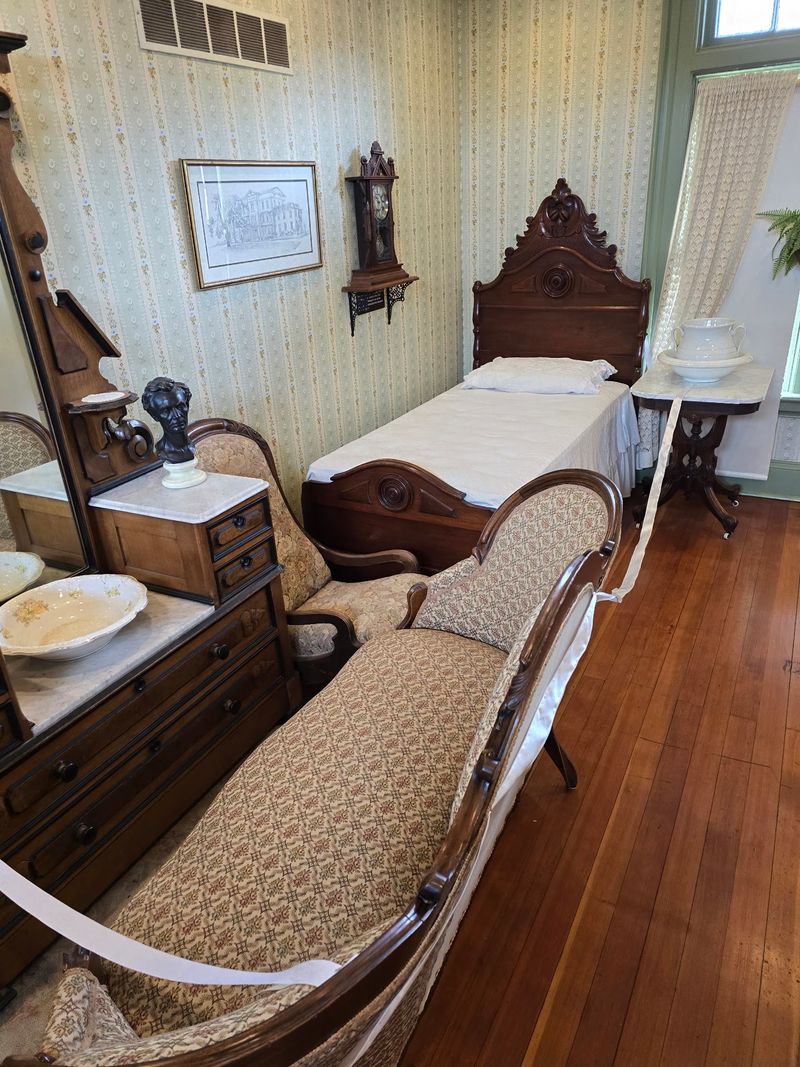
Walking into the museum, you’ll spot something most visitors never expect to see. Original furniture from Mary Todd Lincoln’s sanitarium room sits on display, perfectly preserved and waiting to tell its story.
After President Lincoln’s assassination, his widow struggled with mental health challenges and spent time at Bellevue Place Sanitarium in Batavia.
The bed and dresser she actually used during her stay remain in remarkable condition. You can stand just feet away from pieces that witnessed a crucial chapter in American history.
These aren’t replicas or similar items from the era but the actual furniture that belonged to the former First Lady.
Staff members share fascinating details about Mary Todd Lincoln’s time in Batavia and the controversy surrounding her commitment. The furniture serves as a tangible connection to her personal struggles during one of the darkest periods of her life.
Visitors often spend extra time studying these pieces, imagining the weight of grief and hardship she carried while residing in this small Illinois town.
The 1879 Swiss Music Box That Still Plays
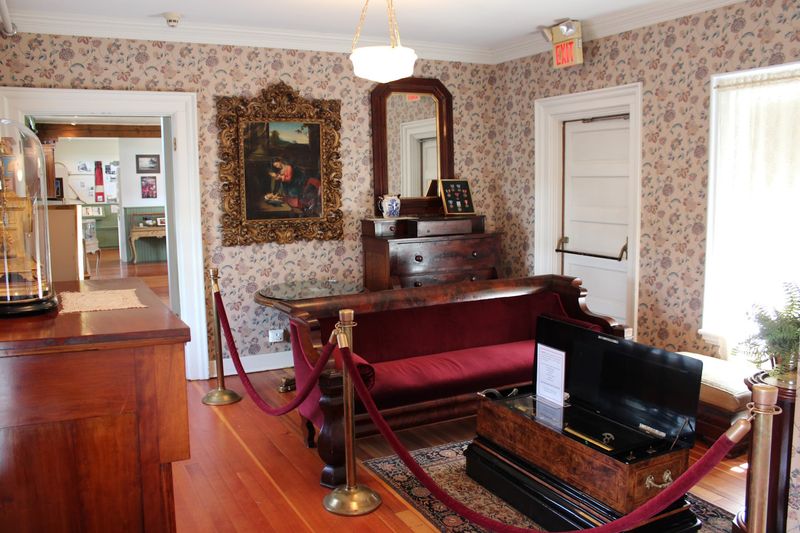
Music fills the air when volunteers demonstrate one of the museum’s most enchanting treasures. An 1879 music box crafted in Switzerland produces melodies that have delighted listeners for over 140 years.
The intricate mechanical workings remain functional, offering a rare glimpse into 19th-century craftsmanship and entertainment.
Before radios and record players, families gathered around music boxes for their evening entertainment. This particular piece represents the pinnacle of Swiss engineering from that era.
The delicate pins and cylinders work in perfect harmony to create sounds that transport you to another time.
Visitors consistently mention this music box in their reviews, captivated by both its beauty and functionality. The staff’s willingness to demonstrate the mechanism makes the experience even more memorable.
You’ll hear tunes that wealthy Victorian families enjoyed in their parlors, played on the same instrument that’s been producing those notes since Rutherford B. Hayes was president.
Children especially love watching the mechanical ballet inside the ornate wooden case.
The Historic Train Depot Building Itself
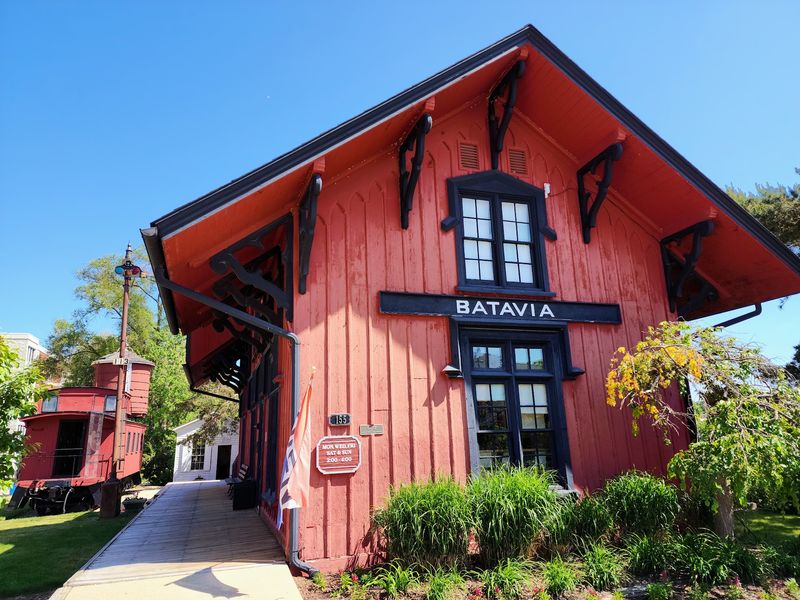
Before becoming a museum, this building served as Batavia’s bustling train depot throughout the 1800s. The structure itself qualifies as a historical artifact, with original architectural details preserved throughout.
Stepping inside feels like entering a time capsule where travelers once rushed to catch their trains.
The depot’s role in Batavia’s development can’t be overstated. Railroads brought commerce, connected families, and transformed small prairie towns into thriving communities.
This building witnessed countless arrivals and departures, emotional reunions, and tearful goodbyes during an era when train travel defined American expansion.
Restoration efforts have maintained the depot’s authentic character while adapting it for museum use. Original woodwork, ticket windows, and waiting areas remain visible, helping visitors imagine the station during its operational heyday.
The building’s compact size surprises many first-time guests, but don’t let that fool you. Between the main floor and basement level, there’s far more exhibition space than the exterior suggests, packed with artifacts that chronicle both railroad history and Batavia’s broader cultural heritage.
The Full-Sized Wagon in the Basement
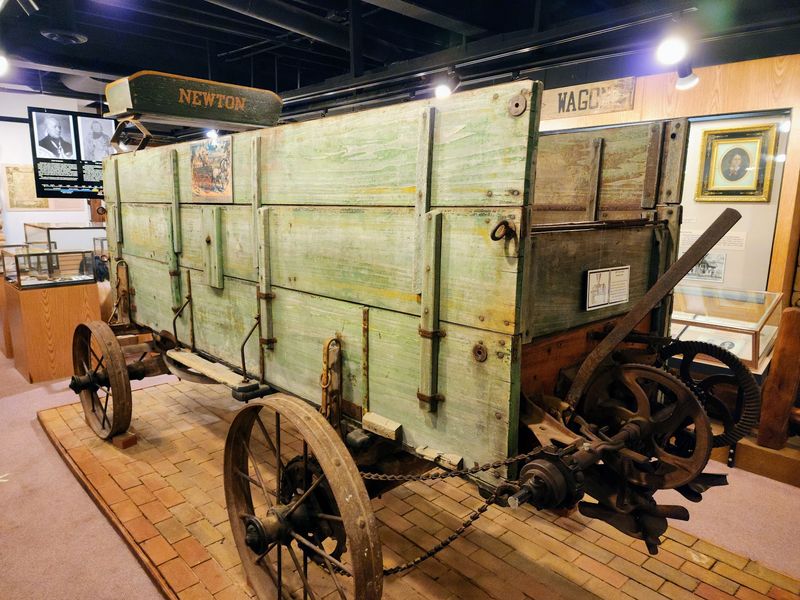
Head downstairs and you’ll encounter something completely unexpected in a basement space. A full-sized wagon sits among the lower-level exhibits, representing the transportation that preceded the railroad era.
Moving this massive piece into the basement required careful planning and demonstrates the museum’s commitment to preserving oversized artifacts.
Pioneers and early settlers relied on wagons like this one for everything from hauling crops to moving entire families westward. The craftsmanship reveals how much skill went into building these essential vehicles.
Every joint, wheel, and board served a specific purpose when roads were rough and distances were vast.
The basement houses much more than just the wagon, creating a comprehensive look at Native American history and early settlement patterns. Visitors frequently comment on being fooled by the building’s modest street-level appearance, unaware of the extensive collection below.
The wagon serves as a centerpiece that anchors the entire lower exhibition, surrounded by tools, household items, and artifacts that paint a vivid picture of frontier life before modern conveniences arrived in this corner of Illinois.
The Accessible Vintage Caboose
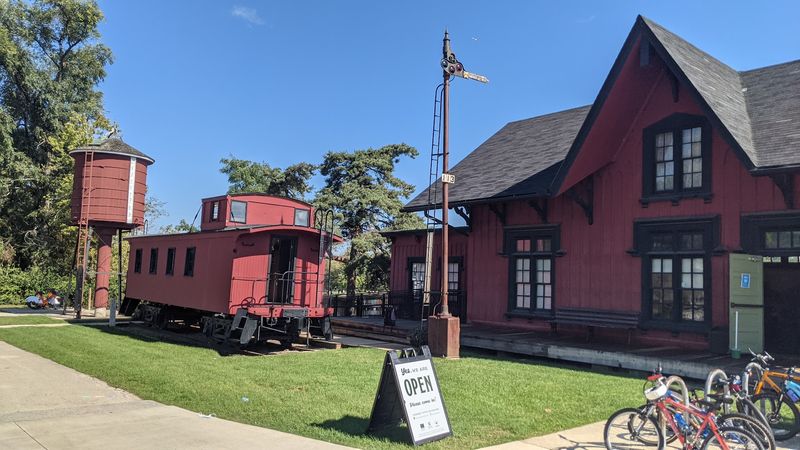
Parked on the museum property sits a genuine caboose that visitors can actually climb inside and explore. Unlike roped-off exhibits, this train car welcomes curious guests to experience what railroad workers saw and felt.
Kids particularly love scrambling through the tight quarters where conductors once worked during long hauls across the Midwest.
Cabooses served as mobile offices and living quarters for train crews monitoring freight operations. The cramped interior reveals just how challenging those jobs were, with limited space for sleeping, eating, and working.
Original features remain intact, from the cupola where workers watched for problems along the train to the small stove that provided warmth during winter runs.
Many museums display cabooses behind barriers, making this hands-on access special. You can sit where conductors sat, look through the same windows they used to scan the tracks, and imagine the rhythmic clacking of wheels beneath you.
The caboose complements the depot perfectly, offering both the departure point and the trailing perspective of railroad operations. Families often spend significant time here, taking photos and letting children experience a piece of transportation history they’ve only seen in books.
The Original Bank Building on Property
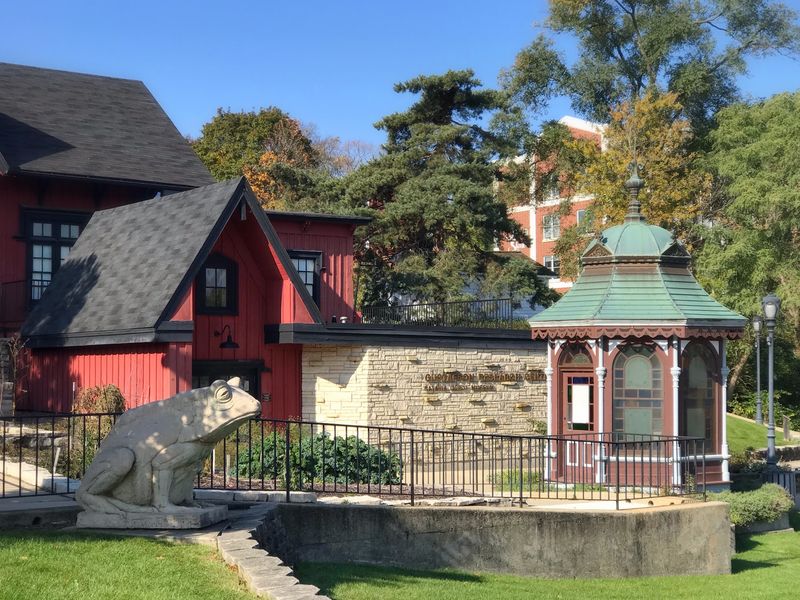
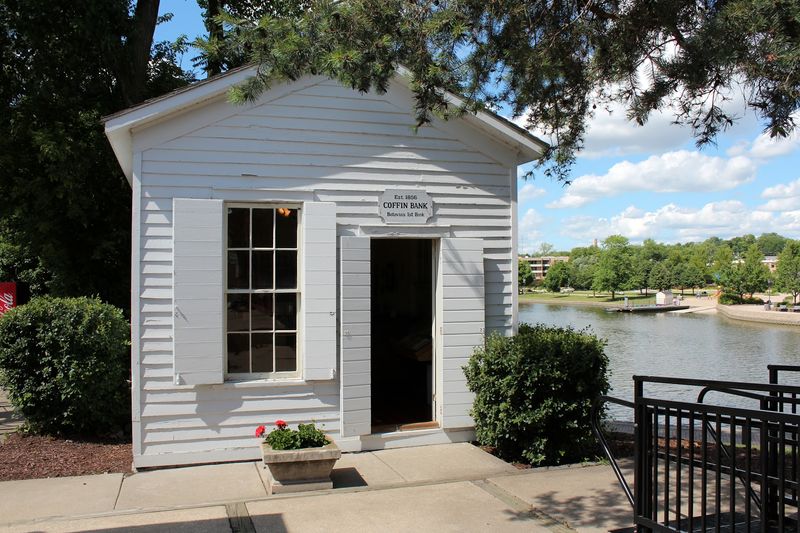
Few museums can claim multiple historic buildings on their grounds, but Batavia Depot Museum offers exactly that. The area’s very first bank building stands preserved on the property, available for visitors to enter and explore.
Banking in the 1800s looked dramatically different from today’s digital transactions and drive-through windows.
This tiny structure handled all the financial needs of early Batavia residents. Farmers deposited crop earnings, merchants secured loans, and families saved for their futures within these walls.
The building’s modest size reflects the town’s early population and simpler banking practices before federal regulations and complex financial instruments.
Walking inside transports you to an era when personal relationships governed financial transactions. The bank officer knew every customer by name, their family situations, and their creditworthiness based on reputation rather than computer algorithms.
Original fixtures and period-appropriate furnishings help recreate the atmosphere of frontier banking. Combined with the depot and caboose, this building completes a trilogy of preserved structures that let visitors physically inhabit spaces where Batavia’s history unfolded, making the past tangible rather than abstract.
The Rotating Themed Exhibits
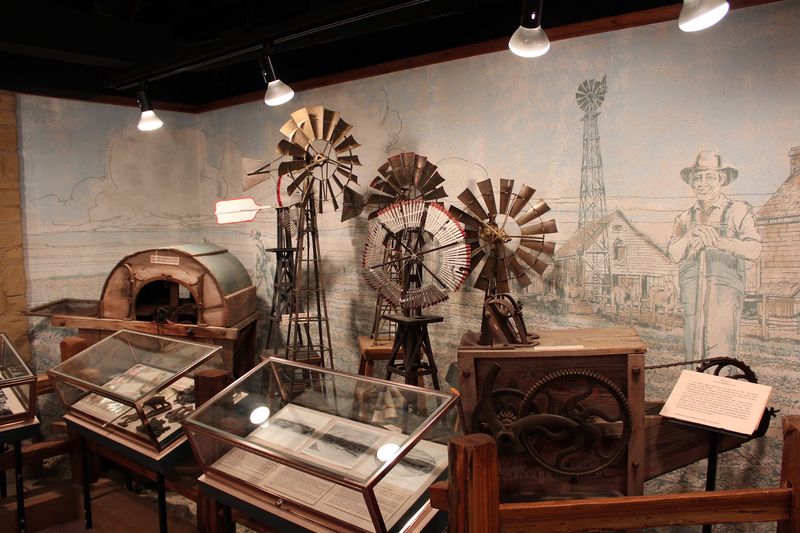
Return visitors never see the same museum twice thanks to regularly changing themed exhibitions. The staff curates fresh displays that explore different aspects of Batavia’s history, keeping the experience dynamic and engaging.
One visit might focus on local industry, while another highlights notable residents or cultural developments.
This rotating approach allows the museum to showcase items from their extensive collection that wouldn’t fit in permanent displays. Many artifacts sit in storage waiting their turn to educate and inspire visitors.
The changing themes also encourage locals to visit multiple times throughout the year rather than treating it as a one-time destination.
Past exhibitions have covered everything from manufacturing heritage to personal stories of immigrant families who built the community. The variety ensures that history enthusiasts, casual visitors, and school groups all find something compelling during their visit.
Staff members bring genuine passion to curating these displays, researching connections and creating narratives that make historical artifacts meaningful to modern audiences. This commitment to fresh content distinguishes the Batavia Depot Museum from static institutions where exhibits gather dust, offering instead a living, breathing exploration of local heritage.
The Knowledgeable Volunteer Staff
Artifacts alone don’t make a museum memorable, but passionate people certainly do. Volunteers at the Batavia Depot Museum consistently earn praise for their friendliness and deep knowledge of local history.
These aren’t just greeters pointing you toward exhibits; they’re storytellers who bring the past alive with personal anecdotes and fascinating details.
Many volunteers have lived in Batavia for decades, giving them firsthand connections to the history on display. They remember when certain businesses operated, knew families connected to artifacts, and witnessed the town’s evolution.
Their insights add layers of context that printed placards simply can’t provide.
Visitors frequently mention in reviews how staff members enhanced their experience by answering questions and sharing stories. The volunteers genuinely want you to understand and appreciate Batavia’s heritage.
They’ll adjust their commentary based on your interests, whether you’re fascinated by railroad operations, curious about Mary Todd Lincoln, or researching local genealogy. This personalized attention transforms a simple museum visit into an educational conversation.
The dedication these volunteers show, donating their time to preserve and share community history, reflects the pride Batavia residents feel about their town’s remarkable past.
The Charming Gift Shop with Local Treasures
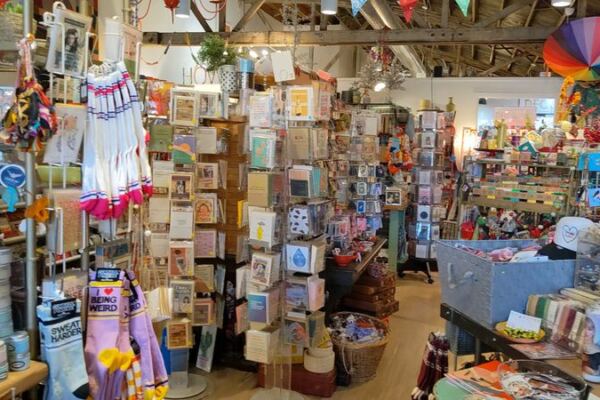
Before leaving, browse the compact gift shop stocked with Batavia-themed treasures you won’t find elsewhere. Local merchandise helps visitors take home a piece of their experience while supporting the museum’s operations.
From historical books to town-specific souvenirs, the selection reflects genuine community character rather than generic tourist trinkets.
The shop serves dual purposes beyond retail therapy. Purchases directly fund the museum’s preservation efforts, educational programs, and building maintenance.
Since admission remains free, gift shop sales and donations keep this community resource accessible to everyone. Every item purchased helps ensure future generations can explore Batavia’s history.
You’ll find books detailing local history, postcards featuring historic photographs, and unique items celebrating Batavia’s heritage. The carefully curated selection means you’re supporting local authors, artists, and historians alongside the museum itself.
Staff can recommend items based on your interests or help you find the perfect gift for history enthusiasts back home. The shop may be small, but it perfectly complements the museum experience, offering tangible memories of your visit while contributing to the preservation of the very history you just explored.
The Scenic Riverwalk Connection
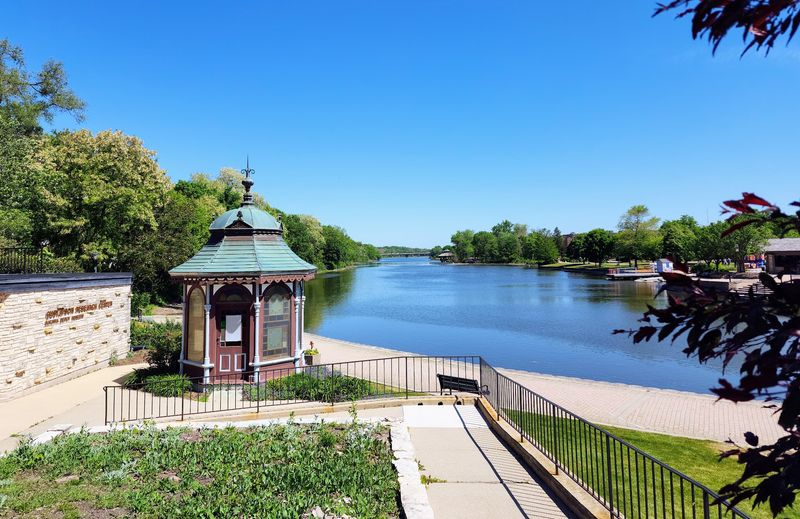
Your museum visit doesn’t have to end at the door when beautiful riverfront scenery awaits just steps away. The Batavia Riverwalk offers a perfect complement to your historical exploration, letting you stretch your legs while enjoying the Fox River’s natural beauty.
Many visitors plan their trip to include both the museum and a leisurely stroll along the water.
The riverwalk showcases why location mattered so much in Batavia’s development. Rivers provided power for mills, transportation for goods, and water for growing communities.
Walking the same riverbanks that attracted early settlers helps you understand the practical reasons this town flourished where it did.
Parks adjacent to the museum provide ideal spots for picnics or simply relaxing after absorbing so much history. The combination of cultural education and outdoor recreation makes for a well-rounded outing that appeals to diverse interests within families or friend groups.
Several reviews specifically mention enjoying the riverwalk after their museum visit, creating a fuller day of exploration. The scenic setting adds another dimension to understanding Batavia’s character, showing how this community has preserved both its historical heritage and natural beauty for residents and visitors alike to enjoy.
Share this story