Hidden in the quiet village of Lombard, Illinois, stands a humble farmhouse that once played a heroic role in American history. The Sheldon Peck Homestead served as a secret station on the Underground Railroad, where freedom seekers found safety and support on their dangerous journey north.
Today, this preserved home offers visitors a powerful window into the courage of those who risked everything for liberty and the brave abolitionists who helped them escape slavery.
A Portrait Painter’s Secret Mission
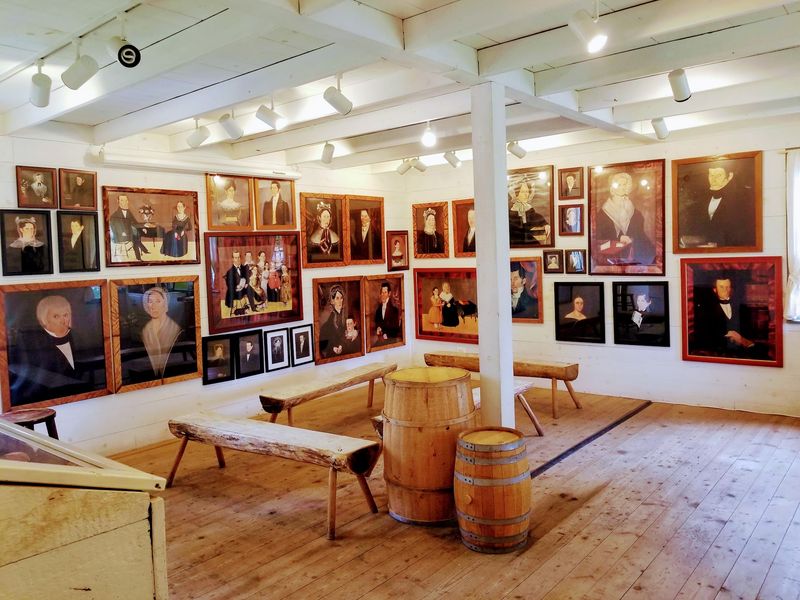
Sheldon Peck wasn’t just an accomplished portrait painter who settled in Lombard in 1837. He was a radical abolitionist who used his farmhouse as a hiding place for people escaping slavery.
While neighbors knew him as a talented artist whose work would influence his son Charles to eventually found the Art Institute of Chicago, few suspected the dangerous work happening behind his doors.
The farmhouse became a crucial link in the Underground Railroad network stretching across Illinois. Freedom seekers traveling north from Missouri and other slave states found refuge here before continuing to Chicago and eventually Canada.
Peck risked prosecution, financial ruin, and even violence to provide this sanctuary.
His commitment to the abolitionist cause ran deep, rooted in his religious convictions and moral opposition to slavery. The house stands today at 355 East Parkside Avenue, carefully restored to honor both his artistic legacy and his courageous humanitarian work.
Visitors can explore the very rooms where desperate families found hope and help during America’s darkest chapter.
Secret Hiding Spaces Built for Survival
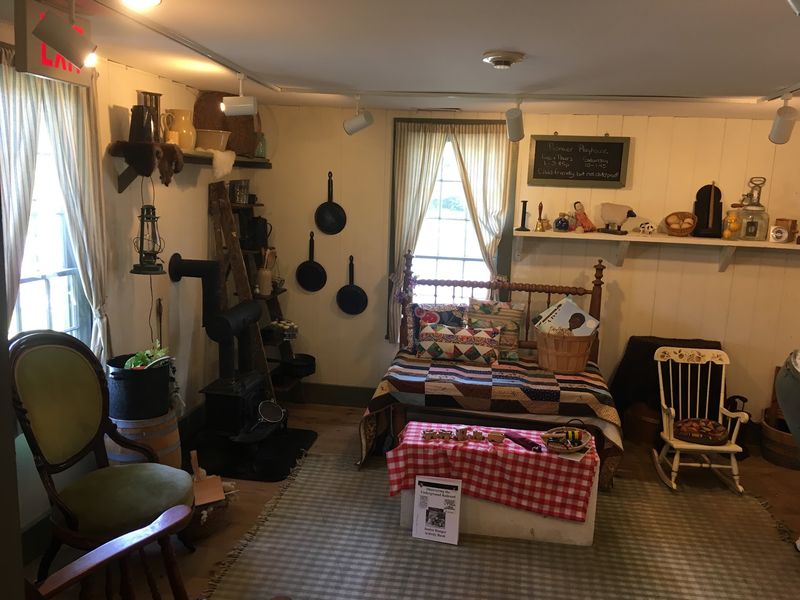
Walking through the Peck Homestead reveals the ingenious ways abolitionists protected freedom seekers from slave catchers. The house contains carefully designed spaces where people could hide if authorities came searching.
These weren’t elaborate tunnels like some Underground Railroad myths suggest, but practical concealment areas built into the home’s structure.
Guides point out specific architectural features that served dual purposes during those dangerous times. A closet might look ordinary, but its placement and construction allowed quick access to hiding spots.
The attic and basement areas also provided temporary shelter when needed most.
Understanding these physical spaces makes the history feel immediate and real. You can almost imagine the fear of hearing horses approaching, the rush to conceal evidence of extra occupants, the relief when danger passed.
The homestead’s modest size actually worked in Peck’s favor since it appeared less suspicious than a grand estate.
Every corner of this house tells a story of calculated risks and desperate hope during a period when helping freedom seekers was considered criminal activity.
The Peck Family’s Dangerous Commitment
Sheldon Peck didn’t act alone in his Underground Railroad activities. His entire family participated in this risky endeavor, understanding that discovery could destroy everything they’d built.
His wife Harriet and their children all played roles in maintaining the appearance of a normal household while secretly harboring fugitives.
Children in abolitionist families learned early to keep secrets that could mean life or death. They couldn’t mention unexpected guests to neighbors or friends at school.
The Peck children grew up witnessing their parents’ courage and developing their own commitment to justice.
This family dedication required constant vigilance and sacrifice. Normal social activities became complicated when you might be hiding someone in your home.
Unexpected visitors posed risks. Even trusted friends might not know the full extent of the Pecks’ involvement.
The psychological burden of maintaining this double life while facing potential legal consequences took tremendous strength.
Yet the Pecks persisted year after year, driven by moral conviction that slavery was fundamentally wrong and that helping people escape was their Christian duty.
National Recognition for Local Heroes
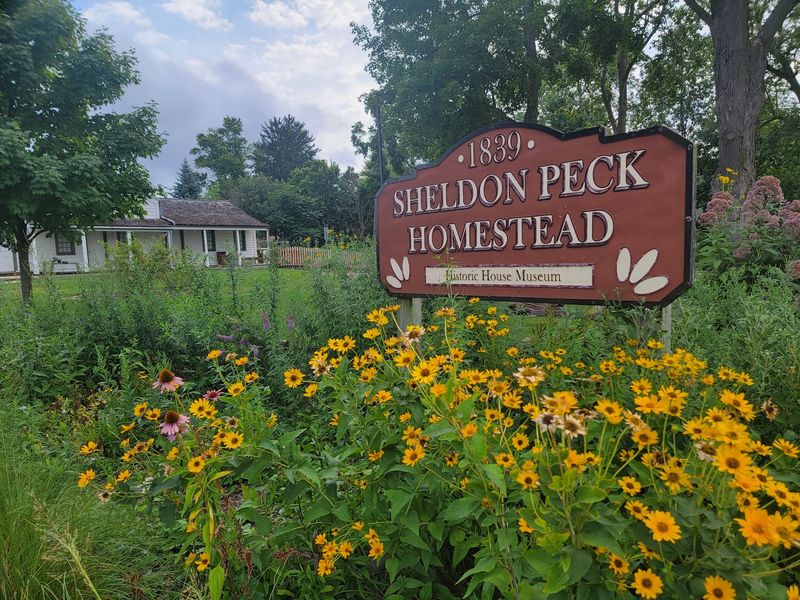
The Sheldon Peck Homestead earned official recognition as part of the National Park Service’s Network to Freedom program. This designation acknowledges verified sites that played documented roles in the Underground Railroad.
Getting this status requires extensive historical research and proof of actual Underground Railroad activities, not just local legends.
For Lombard residents, this recognition brings pride in their village’s role in the fight against slavery. The homestead joins other significant Illinois sites that formed the network helping thousands reach freedom.
Children visiting can participate in the “Discovering the Underground Railroad” Junior Ranger program, earning badges just like at national parks.
This official status also helps preserve the site for future generations and provides educational resources for teachers and students. The homestead becomes more than a local museum but part of America’s larger story of resistance to injustice.
Visitors often report getting goosebumps walking through rooms where such important history unfolded.
The National Park Service connection ensures this crucial history won’t be forgotten or minimized as time passes.
Sheldon Peck’s Artistic Legacy Lives On
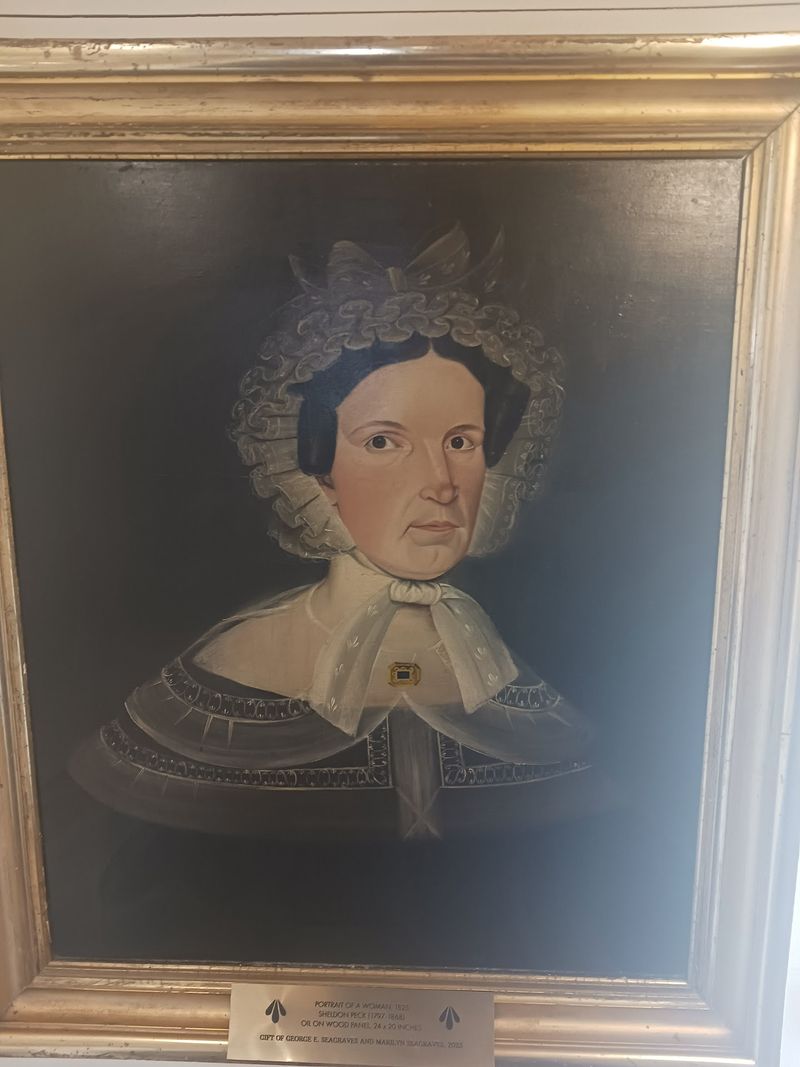
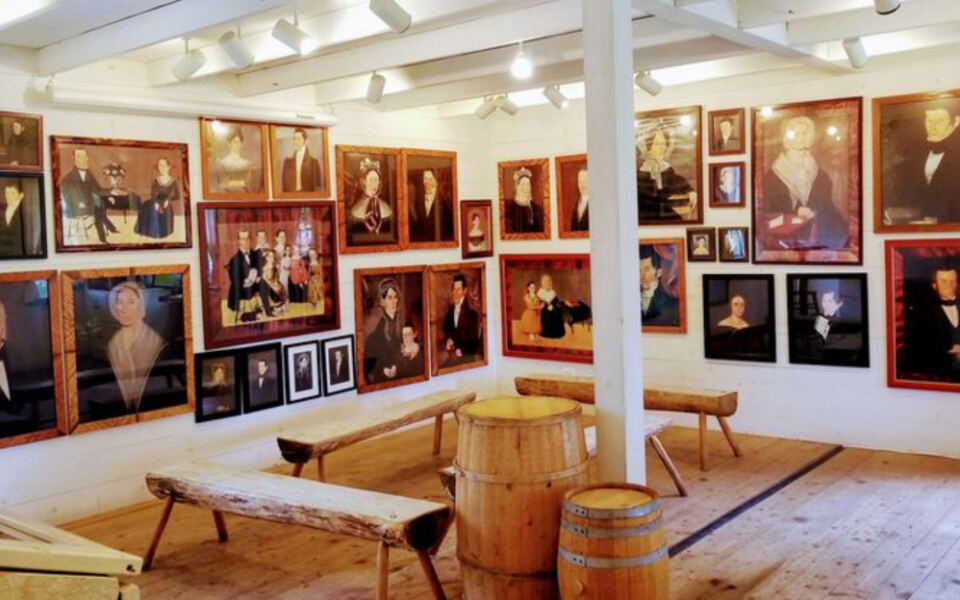
Beyond his abolitionist work, Sheldon Peck created an impressive body of portrait paintings that art historians still study today. As a self-taught folk artist, he developed a distinctive style characterized by flat perspectives and careful attention to clothing details.
His subjects included farmers, merchants, and families throughout northern Illinois and southern Wisconsin.
These portraits provide valuable glimpses into everyday life during the 1830s and 1840s. The homestead occasionally hosts special exhibits of Peck’s artwork, allowing visitors to appreciate his considerable talent.
One reviewer mentioned a fabulous portrait exhibit that ran several years ago, calling it one of the best shows that summer.
His son Charles Peck absorbed artistic influences from his father and eventually helped establish what became the renowned Art Institute of Chicago. This connection between a humble Lombard farmhouse and one of America’s great art museums demonstrates how Sheldon Peck’s influence extended far beyond his Underground Railroad activities.
His dual legacy as artist and activist makes the homestead uniquely significant in Illinois cultural history.
Interactive Experiences for Young Visitors
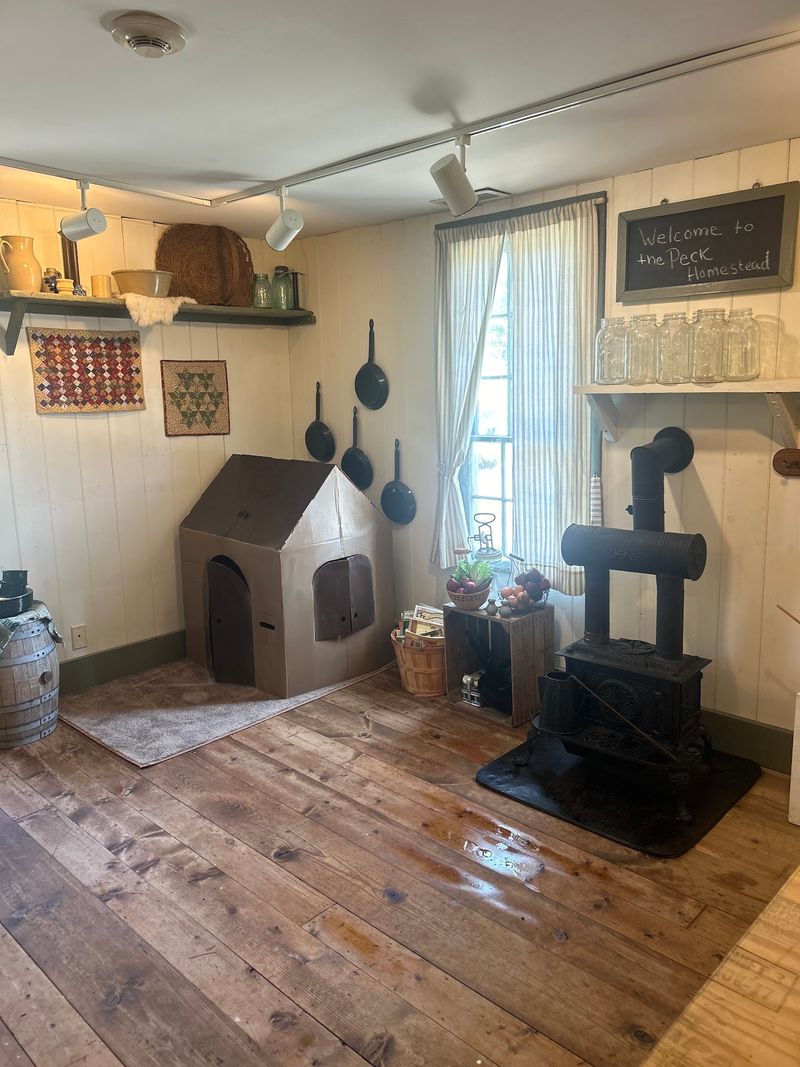
Many historic sites struggle to engage young children, but the Sheldon Peck Homestead created a dedicated play area that makes history accessible for all ages. Kids can dress in period costumes, pretend to cook on miniature stoves, and try activities like carding wool or using old-fashioned washboards.
This hands-on approach helps children understand how differently people lived in the 1840s.
Parents appreciate that their youngest children stay entertained and learning while older siblings explore the more detailed historical exhibits. One mother brought kids ranging from age three to fifteen and everyone found something engaging.
The chalkboard drawing station and Underground Railroad storybooks combine play with education perfectly.
This thoughtful programming recognizes that teaching history to children requires creativity and participation. Kids remember experiences much better than lectures.
By touching replica tools, wearing bonnets and vests, and imagining life without modern conveniences, young visitors develop genuine connections to the past.
The Junior Ranger workbooks provide structured learning that kids actually enjoy completing, turning a museum visit into an adventure rather than a chore.
Preservation Efforts Keep History Alive
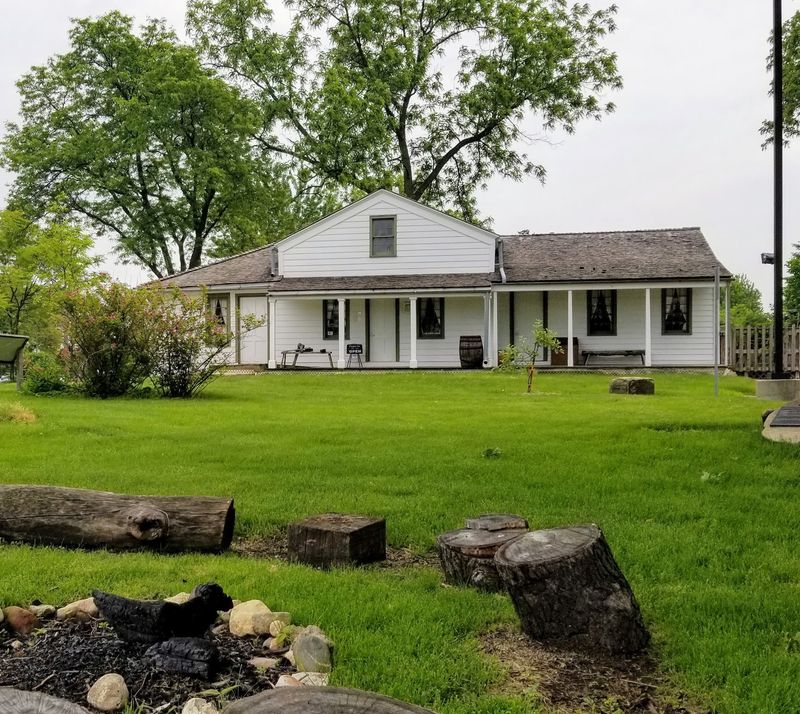
Maintaining a structure built in the 1830s requires constant attention and significant resources. The Lombard Historical Society works tirelessly to preserve the Peck Homestead’s authentic character while making it safe and accessible for modern visitors.
Restoration projects follow strict historical guidelines to maintain accuracy in materials and techniques.
Volunteers and preservation specialists have researched original construction methods, paint colors, and architectural details. When repairs are needed, they use period-appropriate materials whenever possible.
This dedication to authenticity means visitors experience the house much as the Peck family knew it, not a modernized interpretation.
One visitor praised how well the homestead has been restored and preserved, noting they got goosebumps throughout their visit. That emotional response comes from experiencing genuine history, not a recreation.
The preservation work also extends to the homestead’s collections of period furnishings, documents, and artifacts. Climate control, careful handling, and professional conservation techniques protect these irreplaceable items.
Without ongoing preservation efforts, this tangible connection to Underground Railroad history could deteriorate and eventually be lost forever.
The community’s investment ensures future generations can walk where freedom seekers once found sanctuary.
Special Events Connect Past and Present
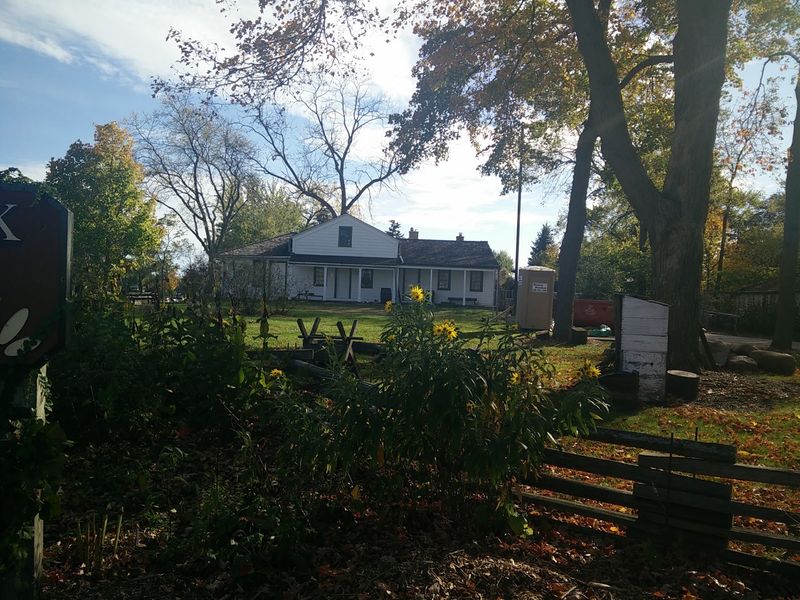
The homestead hosts various special events throughout the year that bring the community together while highlighting different aspects of local history. Families gather for bonfire nights with s’mores, creating warm memories at this historically significant location.
These casual events make the site feel welcoming rather than intimidating or overly formal.
Past exhibits have covered topics beyond the Underground Railroad, including displays about Prohibition, monarch butterflies, and Lustron prefabricated homes that were popular in the Lombard area. This variety keeps regular visitors engaged and attracts different audiences interested in specific subjects.
One visitor specifically mentioned attending an excellent Prohibition exhibit that showcased wonderful historical displays.
Seasonal programming and rotating exhibits give people reasons to return multiple times rather than visiting just once. The volunteer staff’s friendliness and knowledge enhance every event, making guests feel genuinely welcome.
These gatherings also serve important community-building functions, connecting neighbors through shared appreciation of local heritage.
By blending education with entertainment, the homestead demonstrates that history museums can be lively, relevant places rather than dusty repositories of old objects that nobody visits.
Accessible History with Minimal Cost
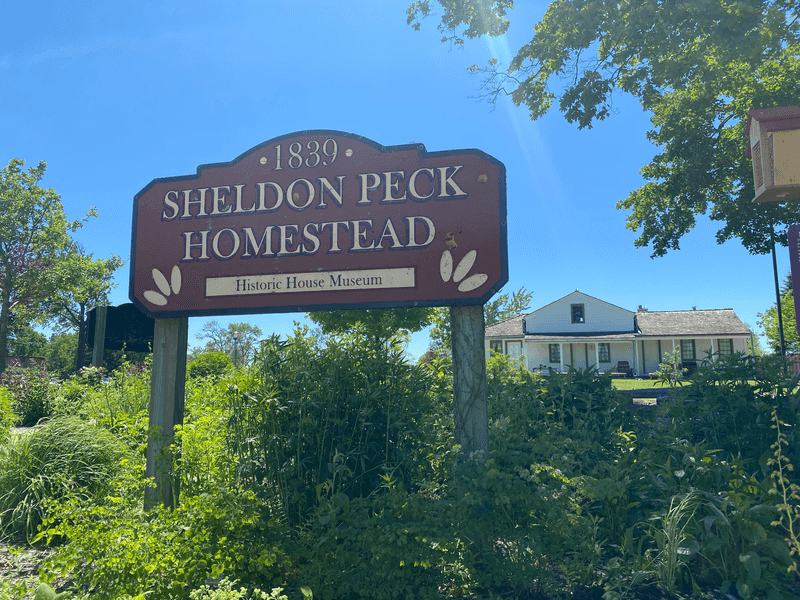
Unlike many museums that charge steep admission fees, the Sheldon Peck Homestead operates on a suggested donation basis. Most visitors report contributing around two dollars, making this incredible historical experience accessible to families regardless of income.
This approach reflects the site’s educational mission and community service orientation.
The homestead is open Thursday, Saturday, and Tuesday afternoons from noon to 4 PM, providing regular access without requiring advance reservations for most visits. The limited hours reflect the reality of operating primarily with volunteers, but the consistent schedule means people can plan visits confidently.
Location near downtown Lombard at 355 East Parkside Avenue makes it easy to combine with other activities in the village.
Free or low-cost admission removes financial barriers that prevent many families from visiting cultural institutions. Children can learn about the Underground Railroad, experience hands-on history activities, and earn Junior Ranger badges without parents worrying about expensive tickets.
This accessibility embodies the democratic ideals that motivated Sheldon Peck’s original abolitionist work. Everyone deserves access to this important history, regardless of their economic circumstances.
The suggested donation model trusts visitors to contribute what they can afford.
A Humble Home with Profound Impact
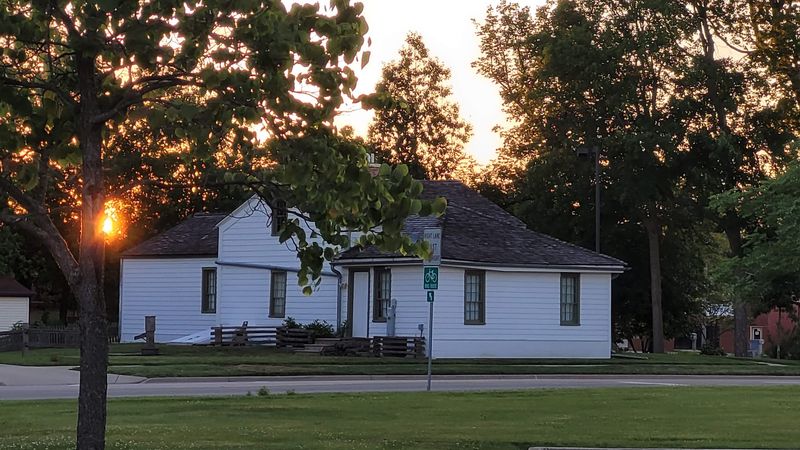
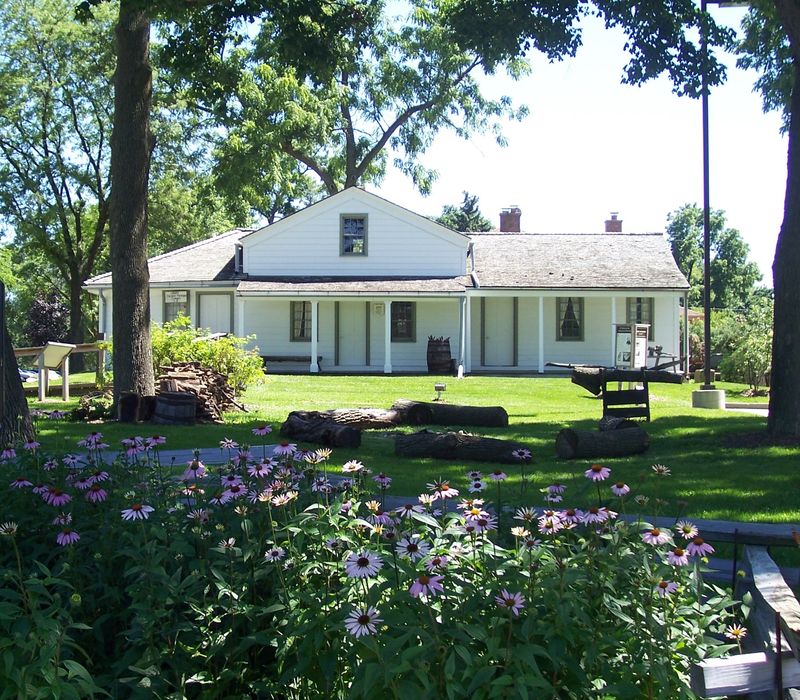
The Sheldon Peck Homestead’s modest appearance makes its historical significance even more powerful. This wasn’t a grand mansion but a working family’s farmhouse where ordinary people did extraordinary things.
The simple wooden structure reminds visitors that heroes don’t always live in impressive buildings or hold positions of power and wealth.
Standing before this unassuming house, you realize that courage and conviction mattered more than resources or status. The Pecks didn’t need elaborate facilities to make a difference.
They needed only determination to act according to their principles despite serious risks. This humble setting makes their story more relatable and inspiring than tales of wealthy philanthropists.
Many visitors describe feeling profoundly moved by their experience here. One person wrote that it was a moving humble home everyone should see.
That emotional impact comes from recognizing that regular people in regular houses changed lives and influenced history. The homestead challenges us to consider what moral stands we’re willing to take in our own times.
Its preservation ensures that this lesson in courage, compassion, and commitment to justice continues reaching new generations who walk through its doors.
Share this story