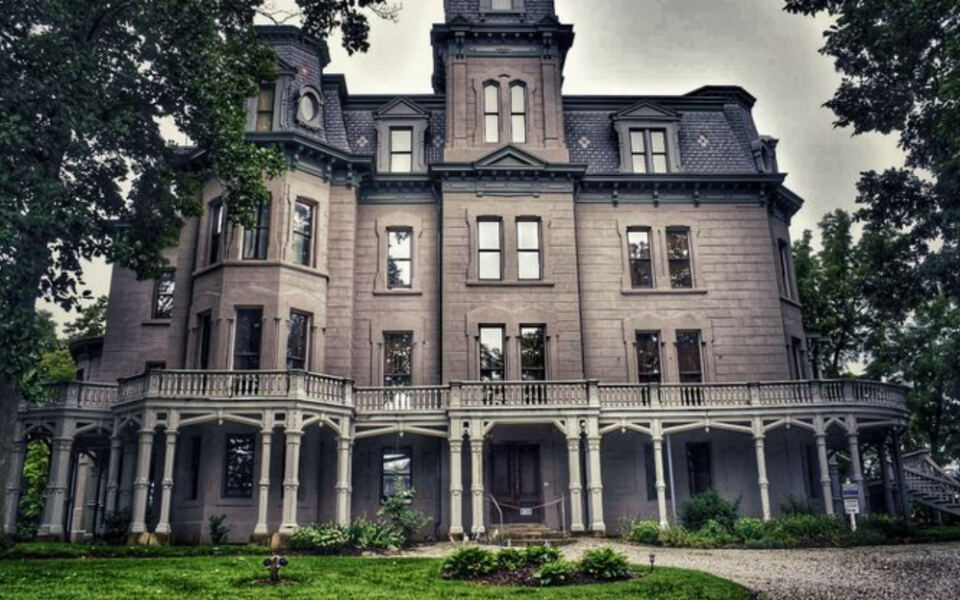
Tucked away in La Salle, Illinois, the Hegeler Carus Mansion stands as one of the most impressive Victorian homes in the Midwest. Built in the 1870s, this architectural wonder sprawls across seven floors and contains an astonishing 57 rooms filled with original furnishings, intricate details, and fascinating family history.
Whether you’re a history buff, architecture enthusiast, or just curious about how wealthy industrialists lived over a century ago, this mansion offers a glimpse into a world of elegance and innovation that few places can match.
A Victorian Giant Spanning 25,000 Square Feet
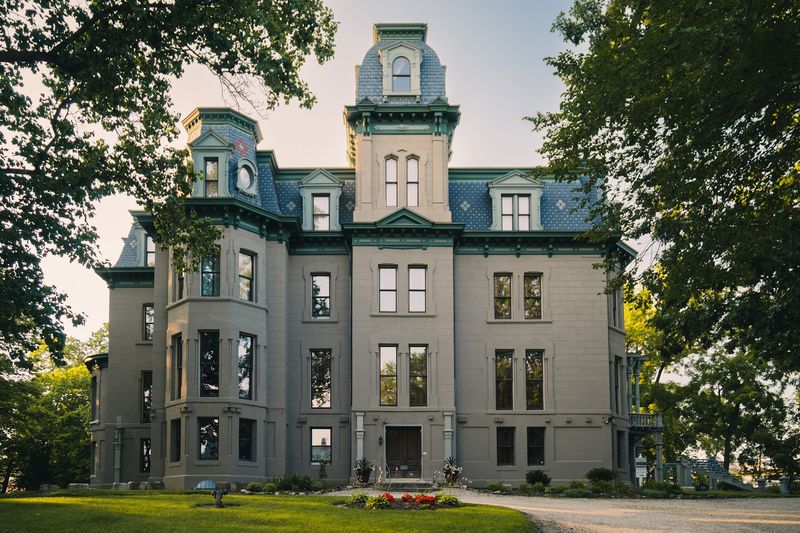
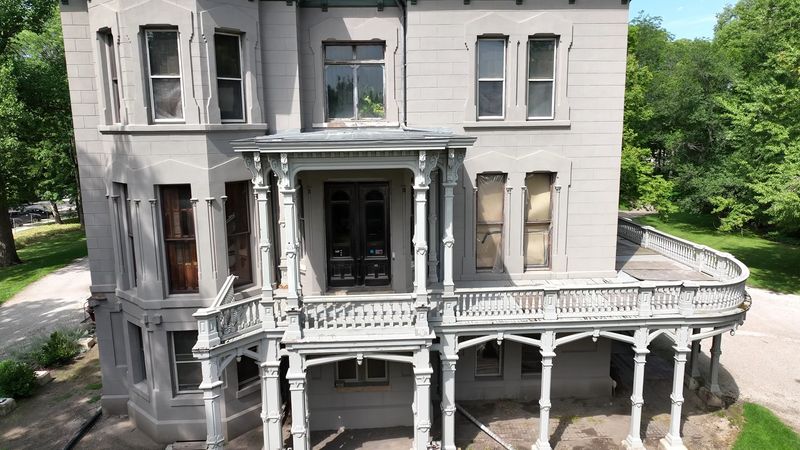
Walking up to the Hegeler Carus Mansion feels like stepping onto a movie set. This isn’t your average historic home.
Spanning an incredible 25,000 square feet, the mansion dominates its corner lot with towers, ornate brickwork, and windows that seem to go on forever.
Built in 1876 by Edward C. Hegeler, a zinc industrialist, the house was designed to showcase both wealth and progressive thinking.
The craftsmanship from the mid-1800s remains remarkable today. Every detail, from the hand-carved woodwork to the custom wallpaper, speaks to an era when quality mattered more than speed.
The sheer size can be overwhelming at first. Seven levels might sound manageable until you realize each floor contains multiple rooms with different purposes.
The basic tour covers just two floors and still takes over an hour because there’s so much to see and absorb.
What makes this mansion special isn’t just its size but its condition. Unlike many historic homes that feel empty or sterile, the Hegeler Carus Mansion retains much of its original character.
Restoration work continues, giving visitors a unique chance to see both perfectly restored spaces and areas still waiting for attention.
Seven Stories of Architectural Wonder
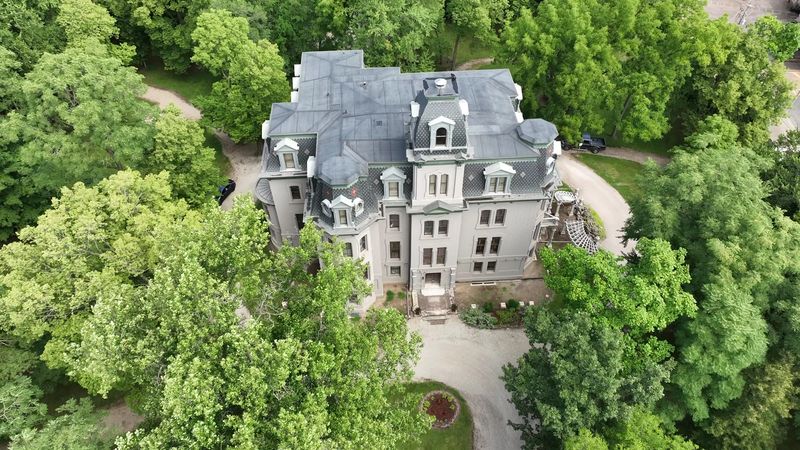
Most houses have two or three floors, but the Hegeler Carus Mansion takes vertical living to another level entirely. Seven stories might sound excessive, but each floor served specific purposes for the family and their staff.
From the basement service areas to the attic cupola at the very top, every level tells part of the family’s story.
The layout reflects Victorian-era social structure. Public entertaining spaces occupied the main floors, while private family quarters sat above.
Servants had their own separate areas, and the basement housed utilities and storage that kept the household running smoothly.
During cooler months, visitors can take the full house tour that explores all seven levels. This marathon experience lasts over four hours and covers every accessible room.
You’ll climb stairs, peek into closets, and discover spaces that haven’t changed in over a century.
The cupola at the top offers views of La Salle that few people ever see. Getting there requires stamina, but the journey through each level provides context for understanding how this massive household functioned.
Each floor reveals different aspects of Victorian life, from grand entertaining to everyday domestic routines.
Fifty-Seven Rooms of History and Mystery
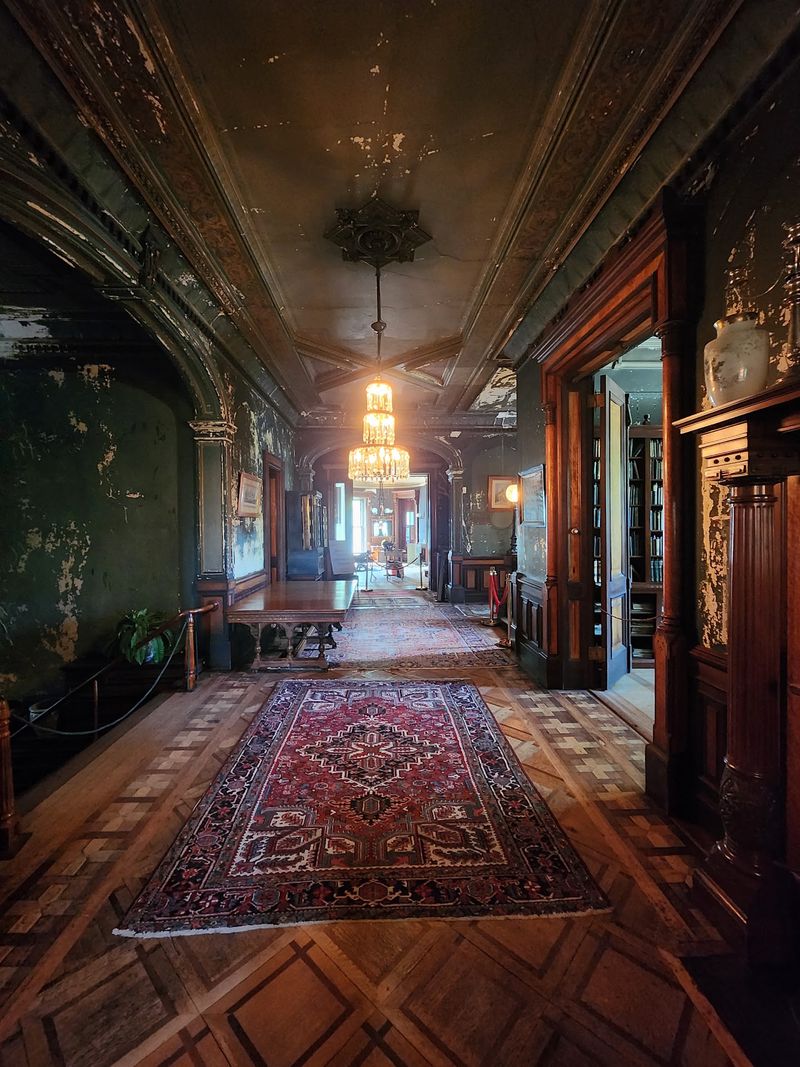
Counting rooms in the Hegeler Carus Mansion could be a full-time job. With 57 distinct spaces, the house functioned like a small village under one roof.
Bedrooms, parlors, libraries, service rooms, and specialty spaces each played their role in daily life for this prominent family.
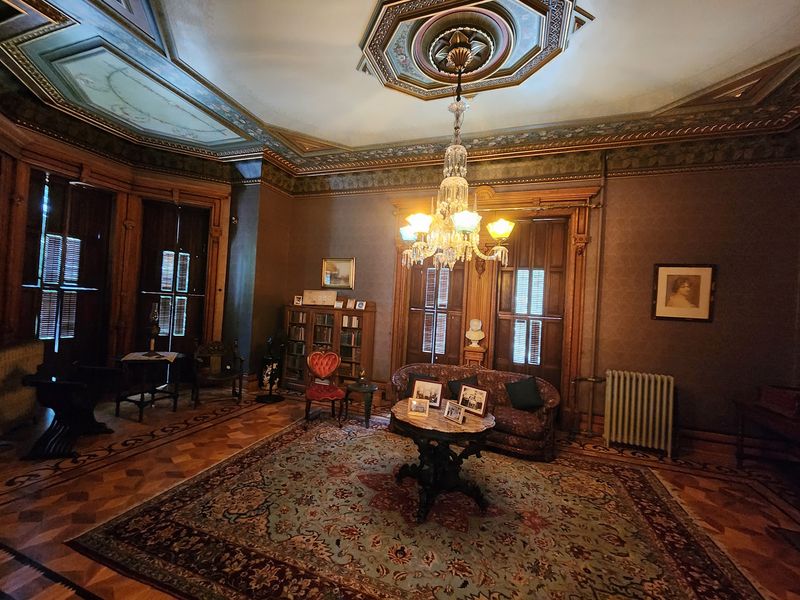
The basic tour focuses on the main living areas where the family entertained guests and spent their leisure time. These rooms showcase the finest restoration work, with period-appropriate furnishings and carefully researched color schemes.
You’ll see where the family gathered for meals, received important visitors, and displayed their wealth through art and decoration.
What surprises many visitors is the variety of specialized rooms. Beyond the expected bedrooms and dining areas, the mansion contains spaces designed for specific activities that wealthy Victorians enjoyed.
Some rooms remain mysteries even to the tour guides, their original purposes lost to time.
During the extended tour, you’ll explore spaces that most visitors never see. Storage rooms filled with family artifacts, servant quarters that tell stories of the people who kept the house running, and forgotten corners that reveal how the mansion evolved over generations.
Each room adds another piece to the puzzle of understanding life in this extraordinary home.
The Zinc Baron Who Built an Empire
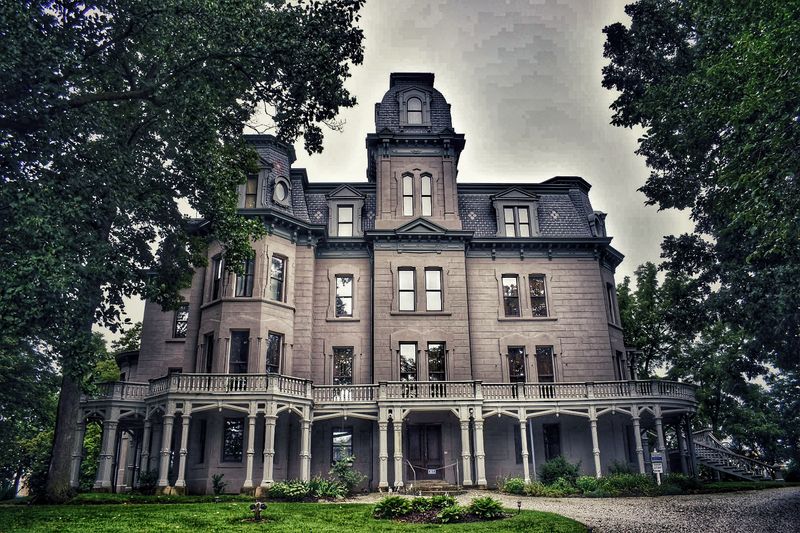
Edward C. Hegeler didn’t just build a mansion.
He built an industrial empire that transformed La Salle into a zinc production powerhouse. Understanding his story helps explain why such an elaborate home exists in this particular Illinois town.
Hegeler arrived from Germany with metallurgical expertise and entrepreneurial ambition. He partnered with Frederick Matthiessen to establish the Matthiessen and Hegeler Zinc Company, which became one of America’s largest zinc producers.
The wealth generated by this operation funded the mansion’s construction and the family’s comfortable lifestyle for generations.
The house itself reflects Hegeler’s values. He believed in progress, education, and creating beauty that would last.
Rather than building a flashy showpiece, he commissioned a home that combined practical functionality with artistic excellence. The result was a residence that served his large family while impressing business associates and community members.
Hegeler’s influence extended beyond industry. He supported education, cultural institutions, and progressive causes.
His son-in-law, Paul Carus, would later use the mansion as a base for intellectual pursuits that brought Eastern philosophy to Western audiences. The building became more than a family home.
It evolved into a center for ideas that shaped American thought.
Paul Carus and the Bridge to Eastern Philosophy
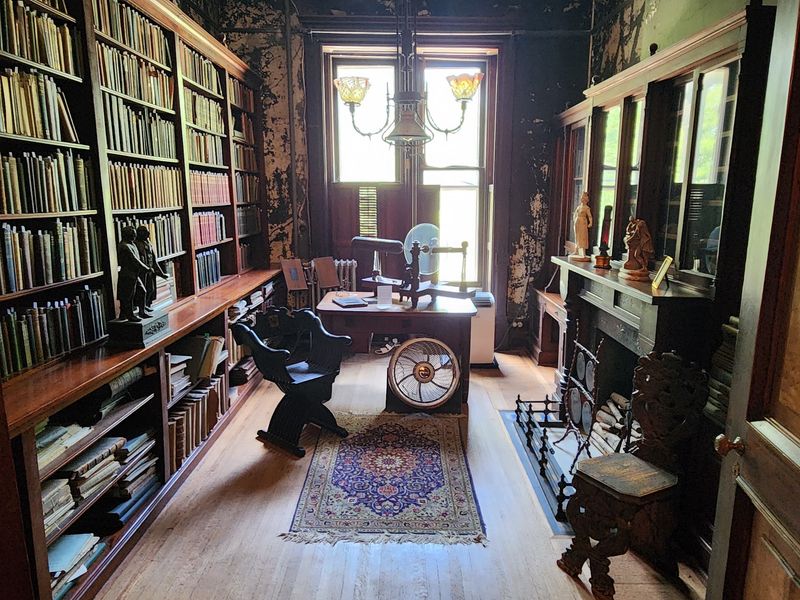
After Edward Hegeler’s daughter married Paul Carus, the mansion took on new intellectual significance. Carus was a philosopher, editor, and publisher who became fascinated with Buddhism and Eastern thought at a time when most Americans knew nothing about these traditions.
He worked from the mansion, using it as headquarters for groundbreaking publishing ventures.
Carus published The Open Court, a magazine dedicated to exploring philosophy, science, and religion. More importantly, he brought D.T.
Suzuki to America and published his work, effectively introducing Zen Buddhism to Western readers. This connection to the 1893 Parliament of World’s Religions in Chicago helped establish the mansion as a place where East met West.
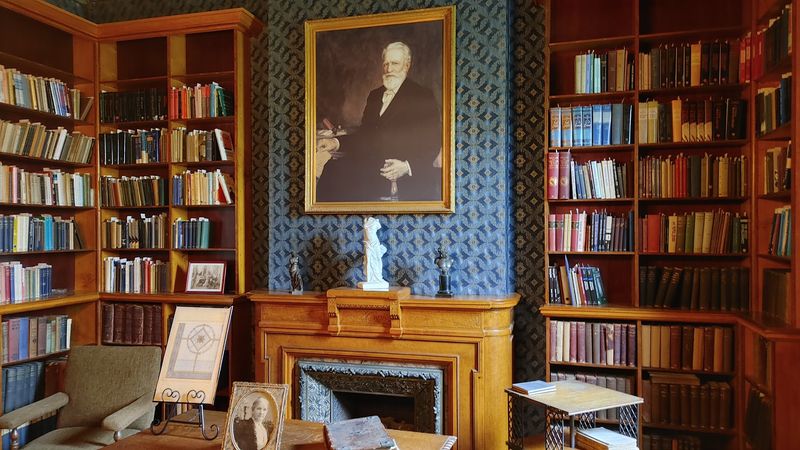
Walking through the rooms where Carus worked adds depth to understanding his contributions. The library where he studied, the office where he edited manuscripts, and the spaces where he entertained visiting scholars all remain part of the tour.
You can almost feel the intellectual energy that once filled these rooms.
This philosophical legacy makes the Hegeler Carus Mansion unique among historic homes. It wasn’t just a residence for wealthy industrialists.
It became a center for ideas that influenced American spirituality and philosophy for decades. That combination of material success and intellectual achievement creates a richer story than most Victorian homes can tell.
The Largest Working Gymnasium in North America
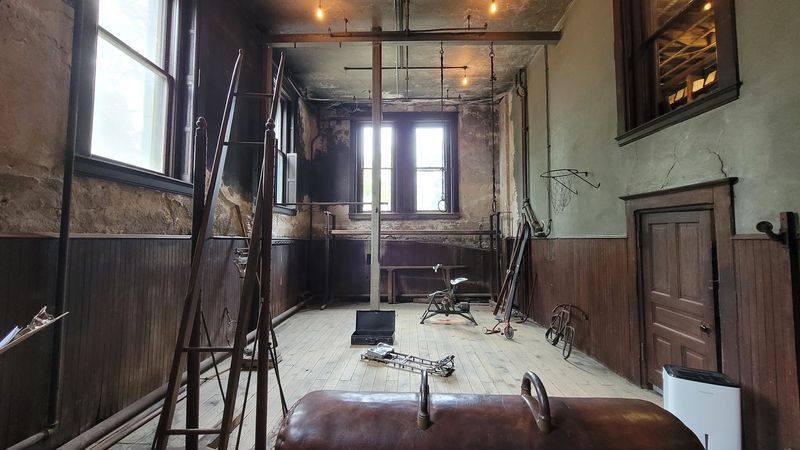
Hidden within the mansion is something completely unexpected. The Hegeler family installed what’s reportedly the largest working gymnasium in North America right inside their home.
This wasn’t a small exercise room. It was a full-scale athletic facility that reflects the Victorian era’s growing interest in physical fitness and health.
The gymnasium occupies significant space across one of the mansion’s levels. Original equipment and fixtures remain, giving visitors a chance to see how wealthy families approached exercise over a century ago.
The equipment looks primitive by modern standards but was cutting-edge technology for its time.
What motivated a family to dedicate such valuable space to physical fitness? Victorians were becoming increasingly aware of health’s importance, and progressive families embraced exercise as part of modern living.
The Hegelers wanted their children to grow up strong and healthy, and a private gymnasium ensured they could exercise regardless of weather or season.
Tour guides often highlight the gymnasium as a favorite stop because it surprises people. Most visitors expect parlors, bedrooms, and dining rooms.
Finding a full gymnasium catches everyone off guard. It’s one of those details that makes the Hegeler Carus Mansion more than just another pretty Victorian house.
It was a home designed for active, healthy living.
Restoration in Progress: A Living Project
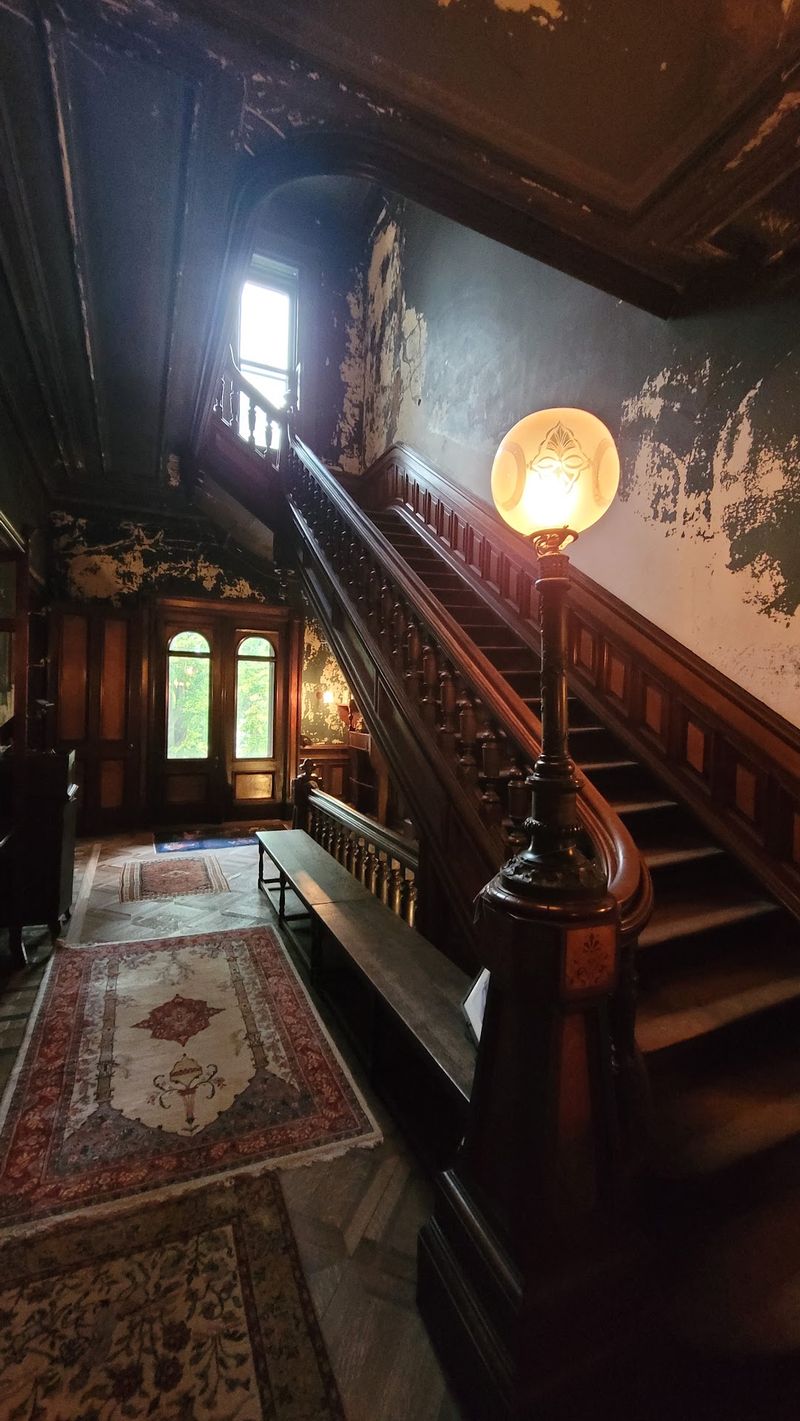
What makes touring the Hegeler Carus Mansion especially fascinating is that restoration work continues actively. You’re not visiting a finished museum piece.
You’re witnessing an ongoing effort to preserve and restore a massive historic property, which creates a unique educational opportunity.
Some floors are fully restored with period-accurate furnishings, colors, and details. Others remain in various states of disrepair, showing the mansion’s age and the challenges of maintaining such a large property.
This contrast helps visitors appreciate the enormous effort required to preserve historic buildings.
Tour guides explain restoration choices and challenges as you move through different areas. Why certain paint colors were chosen, how original wallpaper is preserved, and what decisions must be made when original materials can’t be salvaged.
These insights transform a simple house tour into a lesson about historic preservation.
The foundation depends on tours, donations, and grants to fund ongoing work. Each visit supports preservation efforts, making tourists active participants in saving this architectural treasure.
Knowing your ticket price directly contributes to restoration adds meaning to the experience. You’re not just observing history.
You’re helping ensure future generations can experience it too. The mix of restored elegance and honest decay creates authenticity that fully restored homes sometimes lack.
The Century-Old Cereus Plant That Keeps Growing
Among all the mansion’s treasures, one living artifact stands out. A cereus plant that’s over 100 years old continues thriving in the home where it’s always lived.
This isn’t a small potted plant on a windowsill. It’s a massive, ancient specimen that’s witnessed generations of family history.
The cereus belongs to a family of cacti known for their impressive size and rare blooms. This particular plant has been carefully tended by family members and caretakers for over a century.
Its presence connects today’s visitors directly to the mansion’s past in a way that furniture and paintings cannot.
Plants were important to Victorian households, and wealthy families often maintained impressive indoor gardens. The Hegelers clearly valued their botanical collection, and this surviving cereus represents that tradition.
Its continued health demonstrates the care that’s gone into maintaining not just the building but everything within it.
Tour guides love sharing the plant’s story because it delights visitors. In a house filled with impressive architecture and valuable antiques, a living plant that’s older than most people’s grandparents captures imaginations.
It’s a reminder that the mansion wasn’t just a showpiece. It was a living home where plants grew, families gathered, and life unfolded across generations.
That cereus has seen it all.
Tours Led by Knowledgeable Passionate Guides
A historic house is only as good as the people who bring its stories to life. The Hegeler Carus Mansion benefits enormously from tour guides who combine deep knowledge with genuine enthusiasm for sharing the mansion’s history.
Visitors consistently praise guides like Tricia Kelly, whose presentations make the past feel immediate and relevant.
These aren’t scripted, monotonous recitations of dates and facts. The guides share anecdotes about family members, explain architectural details, and answer questions with impressive depth.
Many have personal connections to the mansion or have spent years researching its history. Their passion shows in every story they tell.
The basic tour typically lasts about an hour and covers the main floors. Guides adjust their presentations based on audience interest, spending more time on topics that resonate with particular groups.
Some visitors want architectural details, others prefer family stories, and the best guides read their audience and adapt accordingly.
During the extended four-hour tour, guides really shine. Covering 57 rooms requires stamina and encyclopedic knowledge.
They share intricate details about individual rooms, explain restoration decisions, and reveal stories that shorter tours don’t have time to cover. By the end, you feel like you’ve spent an afternoon with a knowledgeable friend rather than a formal tour guide.
That personal touch transforms information into memorable experience.
Planning Your Visit to This Illinois Treasure
Ready to explore this incredible mansion yourself? Planning ahead ensures the best experience.
The Hegeler Carus Foundation operates tours Thursday through Saturday from 10 AM to 3 PM, but calling ahead is strongly recommended. Sometimes restoration work or special events limit tour availability.
The basic tour covers two main floors and lasts about an hour. It’s perfect for first-time visitors or those with limited time.
You’ll see the most impressive restored rooms and learn the family’s essential history. Tickets are reasonably priced, and the money directly supports ongoing preservation efforts.
For serious history enthusiasts, the full house tour is unforgettable. Offered during cooler months when upper floors aren’t sweltering, this four-hour marathon explores all accessible areas.
Be prepared for lots of stairs and standing. Wear comfortable shoes and bring water.
The investment of time pays off with an incredibly comprehensive understanding of the mansion.
The mansion is located at 1307 7th Street in La Salle, easily accessible from nearby Starved Rock State Park. Many visitors combine both attractions for a full day of Illinois history and natural beauty.
The mansion’s phone number is 815-712-4180, and their website offers additional information about special events and seasonal tours. Don’t miss this chance to experience one of Illinois’s most remarkable historic homes.
Share this story