There is a small stone church sitting near the confluence of two great rivers in Minnesota that has been quietly witnessing history for well over a century. Most people drive past it without realizing they are passing the oldest church in the entire state.
Built in 1853 and still active today, this church carries stories of missionaries, Native American communities, early settlers, and generations of faithful parishioners. Once you learn what stands at this address along Sibley Memorial Highway, you will wonder how it stayed off your radar for so long.
The Oldest Church in Minnesota
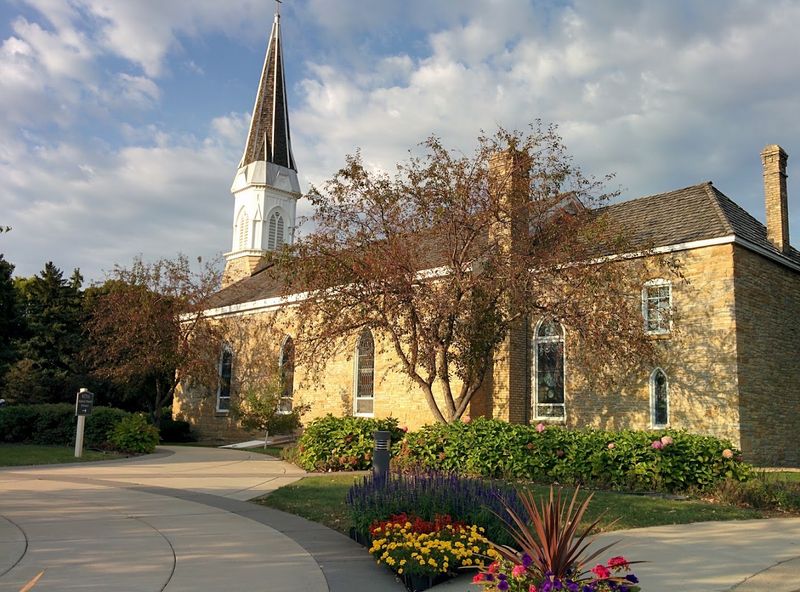
Some buildings earn their reputation quietly, and the Church of St. Peter in Mendota is exactly that kind of place. Located at 1405 Sibley Memorial Hwy, St. Paul, MN 55150, this Catholic parish holds the remarkable distinction of being the oldest church in the state of Minnesota.
That is not a local legend or a marketing claim. It is a verifiable piece of Minnesota history that surprises nearly everyone who hears it for the first time.
The congregation dates back to the early 1800s, and the original stone church building still stands on the grounds today. Visiting here feels like touching the very foundation of religious life in this region.
For history enthusiasts and curious travelers alike, that single fact makes the drive out to Mendota absolutely worth it. Few places in Minnesota carry this kind of layered, living history in such a compact and accessible setting.
A Congregation Rooted in the 1800s
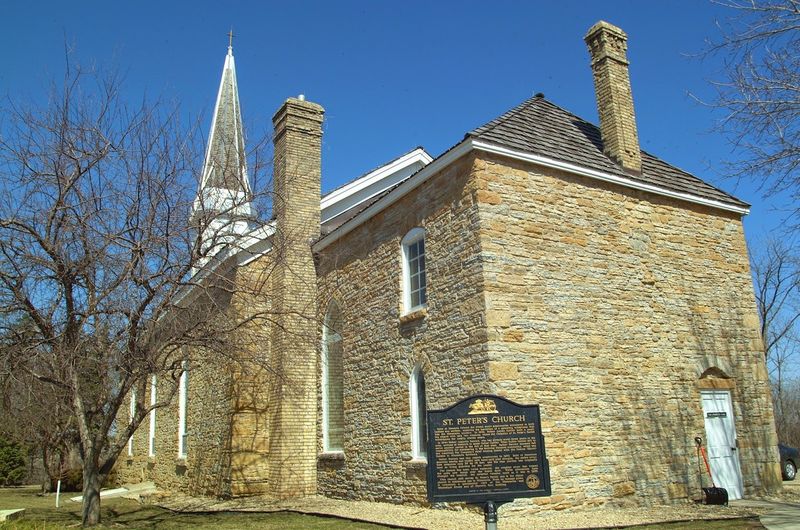
The roots of this parish stretch back to a time when Minnesota was still a territory, not yet a state. French Canadian fur traders, soldiers stationed at nearby Fort Snelling, and Dakota people all played roles in shaping the early community that gathered here for worship.
Missionaries were among the first to establish Catholic ministry in this area, and their work eventually led to the construction of the original stone church that still stands on the property today.
Understanding that history adds a completely different layer to a visit. You are not just walking through an old building.
You are standing in a space where some of the earliest residents of this region came together, regardless of background, to share something meaningful.
That kind of deep communal history is rare, and it gives the Church of St. Peter a presence that modern buildings simply cannot replicate no matter how beautifully they are designed.
The Original Stone Church Building
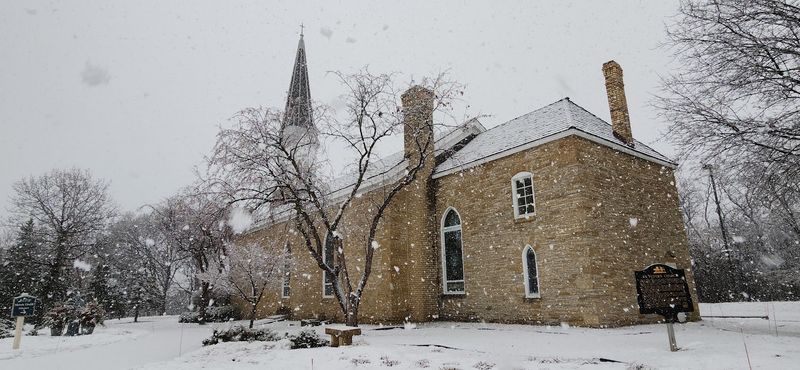
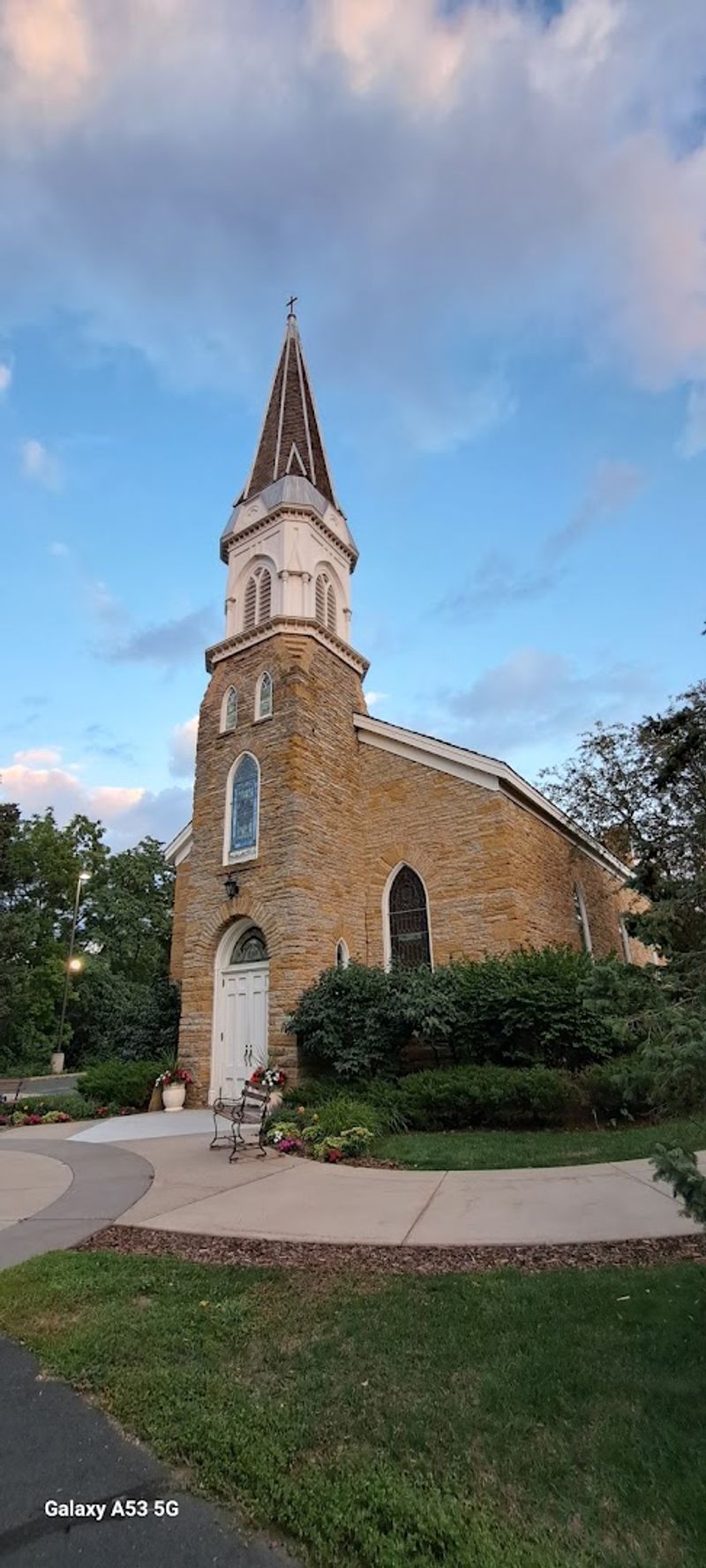
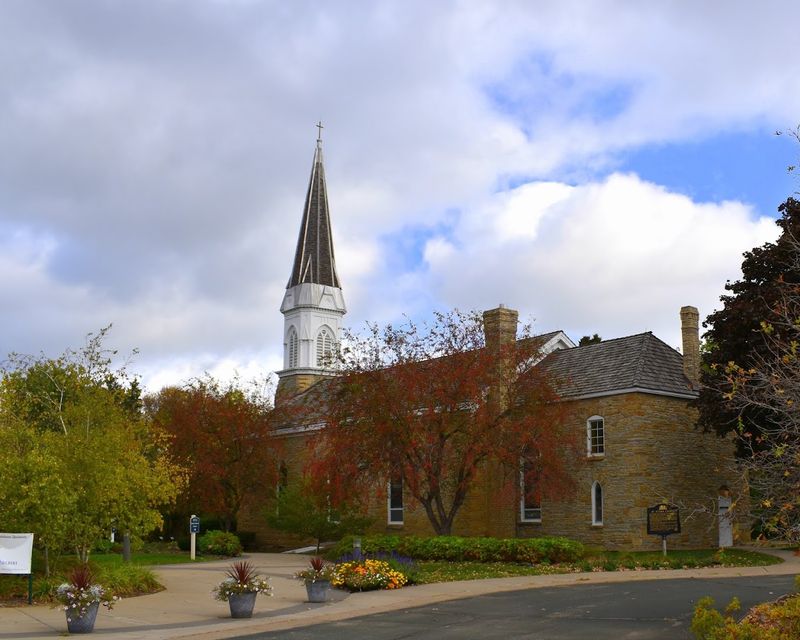
One of the most striking things about this parish is that the original church building still exists and remains accessible to visitors. The old stone structure is modest in size, built with the kind of straightforward craftsmanship that defined frontier construction in the mid-1800s.
Standing next to it, you immediately sense how different it feels from modern church buildings. The thick stone walls, the simple lines, and the quiet that surrounds it create an atmosphere that is genuinely moving, even for visitors who have no religious connection to the place.
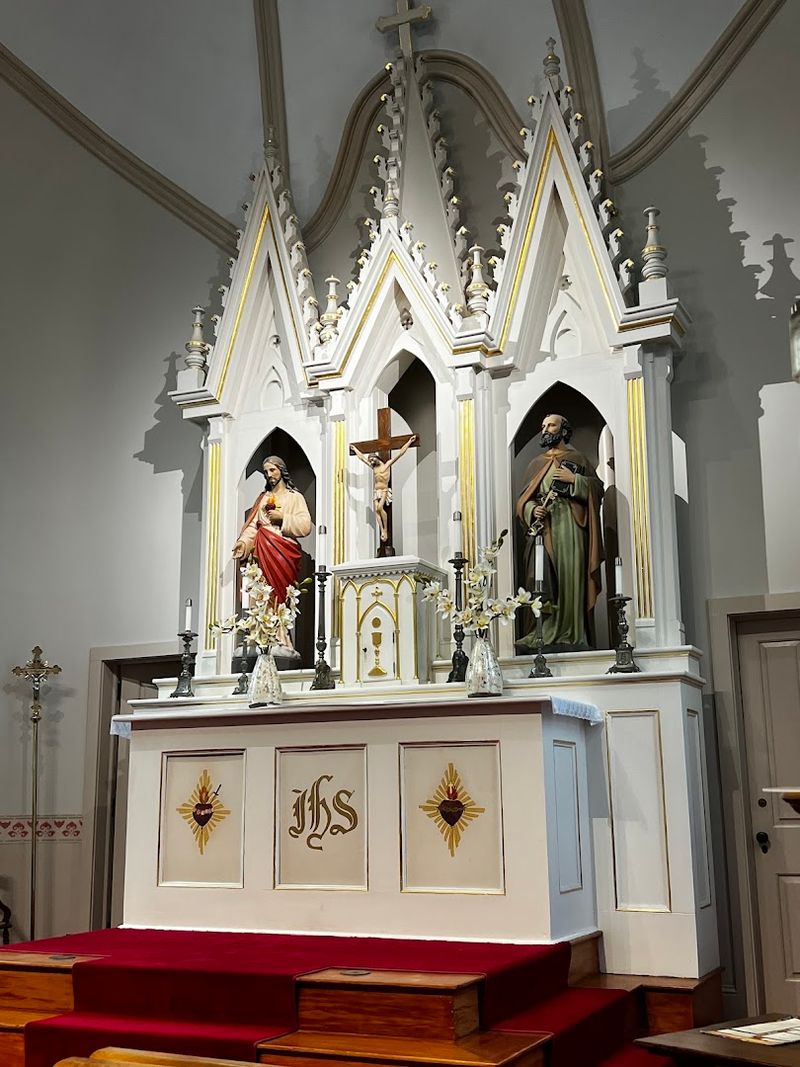
Several visitors have specifically mentioned wanting to attend a Mass held inside the historic church, and it is easy to understand why. The space itself becomes part of the experience.
The old church and the newer parish building coexist on the same grounds, giving visitors a rare chance to see how a faith community has grown and evolved across more than a century and a half.
Breathtaking Views of the River Valley
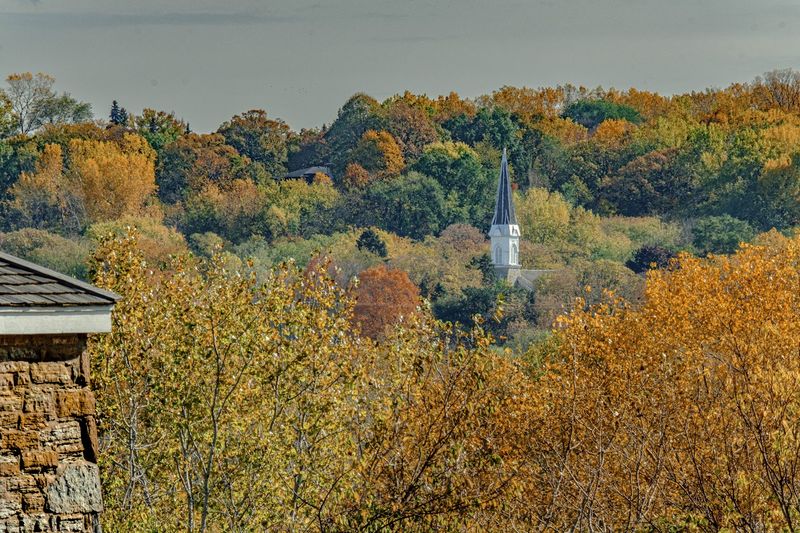
The physical setting of this church is genuinely stunning. Perched near the confluence of the Minnesota and Mississippi Rivers, the grounds offer sweeping views of the river valley that catch visitors off guard the first time they see them.
On a clear day, you can look out across a landscape that has changed very little in its essential character over the past 150 years. The rivers wind through the valley below, and the scene has a timeless quality that photographs struggle to fully capture.
Fort Snelling sits visible across the water, and the Mendota Bridge frames part of the view in a way that connects the historic and the modern without either one overwhelming the other.
Whether you are visiting for religious reasons or simply passing through, taking a few minutes to stand on the grounds and absorb that view is something most people remember long after they leave.
The Town of Mendota and Its Historical Significance
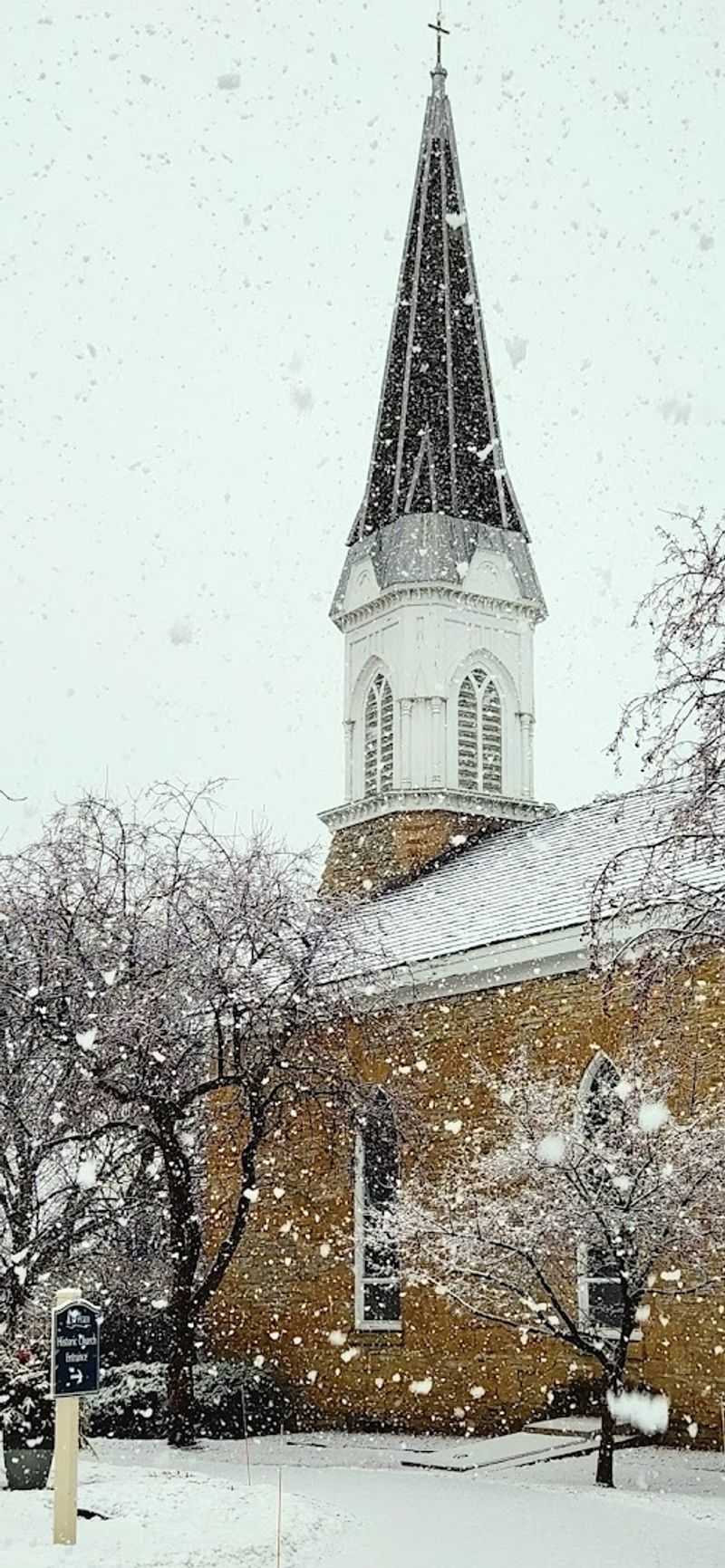
Mendota is one of the oldest European-settled communities in Minnesota, and the Church of St. Peter sits at the heart of that story. The town itself is tiny, but its historical footprint is enormous relative to its size.
The name Mendota comes from the Dakota language and refers to the meeting of the waters, a fitting name for a place located precisely where two major rivers come together. That geographical and cultural crossroads shaped everything about how this community developed.
Early fur traders established themselves here before Minnesota was even formally organized as a territory. The church became a central anchor for that community almost from the beginning, serving settlers, traders, and eventually the broader Catholic population of the region.
Spending time in Mendota feels like stepping into a chapter of Minnesota history that most residents of the Twin Cities drive past regularly without ever stopping to read. That oversight is genuinely worth correcting.
The Cemetery on the Grounds
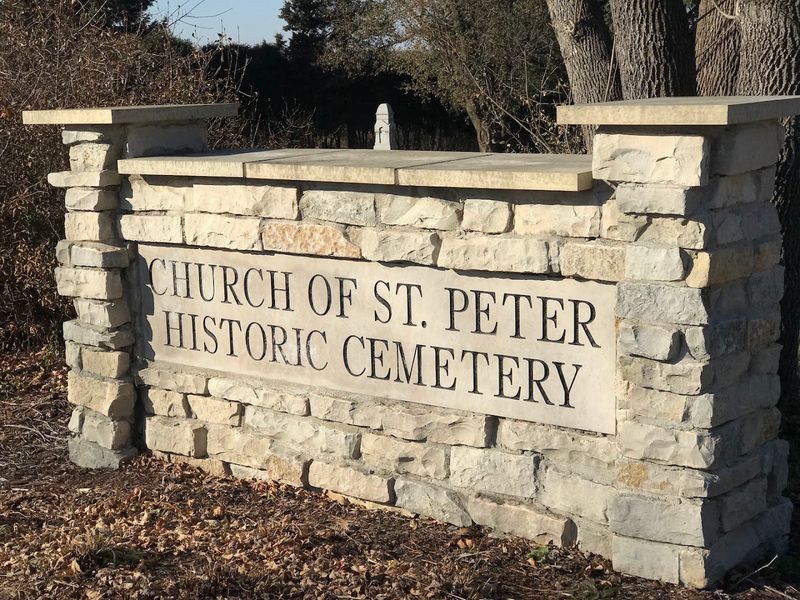
A historic cemetery sits on the church grounds, and it holds some of the most compelling stories connected to this place. The graves here represent generations of people who lived, worked, and built lives in early Minnesota.
Walking through a cemetery this old is a genuinely different experience from visiting a modern one. The older markers carry names and dates that connect directly to the founding era of the region, and some inscriptions reflect the French Canadian heritage of many early parishioners.
Visitors with an interest in genealogy or regional history find this cemetery especially meaningful. Several families in the greater Twin Cities area have ancestors buried here, and tracing those connections adds a personal dimension to what might otherwise feel like a purely academic exercise.
The grounds are kept with obvious care, and the overall atmosphere is peaceful rather than somber. It feels like a place where history is honored rather than simply stored.
Native American History Connected to This Land
The land surrounding this church carries deep significance for the Dakota people, who have called this region home for generations far longer than any European settlement has existed here.
The confluence of the Minnesota and Mississippi Rivers, known as Bdote in the Dakota language, is considered a sacred place. That spiritual and cultural weight does not disappear simply because a church was built nearby.
In fact, the church community has shown awareness of that connection over the years.
Visitors who come with an understanding of that layered history experience the grounds very differently than those who see it only as a Catholic heritage site. Both perspectives are valid, and both enrich the visit in different ways.
The presence of that broader historical context makes the Church of St. Peter a genuinely complex place to visit, one that rewards curiosity and reflection in equal measure. Few church grounds in Minnesota carry this kind of multidimensional significance.
The Newer Parish Building and Modern Community
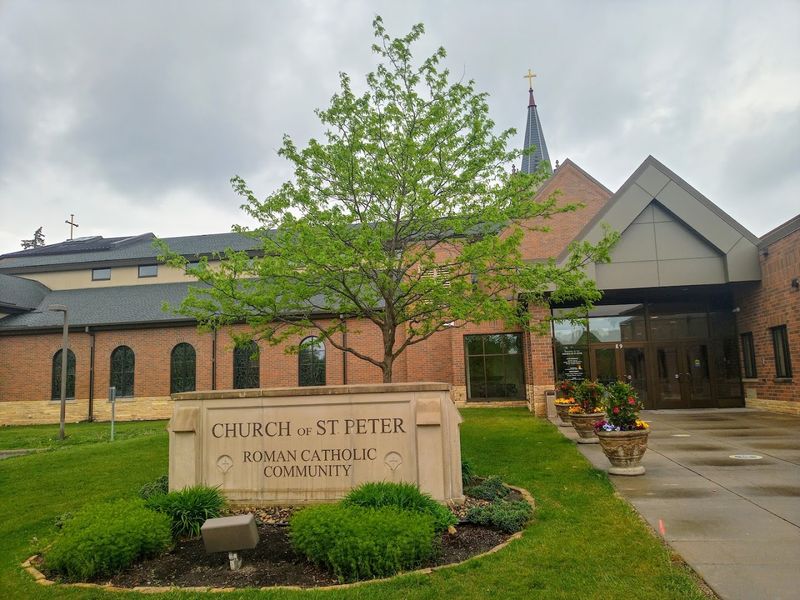
Alongside the historic stone church, the parish also operates a newer, larger building that serves the active congregation today. The modern structure handles regular Masses, community events, and the day-to-day life of a thriving Catholic parish.
What strikes many visitors is how smoothly the two buildings coexist on the same property. The newer church does not try to compete with the historic one.
Instead, the two spaces serve different purposes and different moments in the parish’s long story.
The congregation itself is notably welcoming to visitors, including those who are not Catholic or who are simply passing through out of historical curiosity. That open, friendly atmosphere makes the experience comfortable for a wide range of people.
Daily Mass in the newer building has drawn consistent attendance over the years, which says something meaningful about the vitality of a community that could easily rest on its historical reputation but clearly chooses to keep building something alive and present.
The Outdoor Garden and Meditation Space
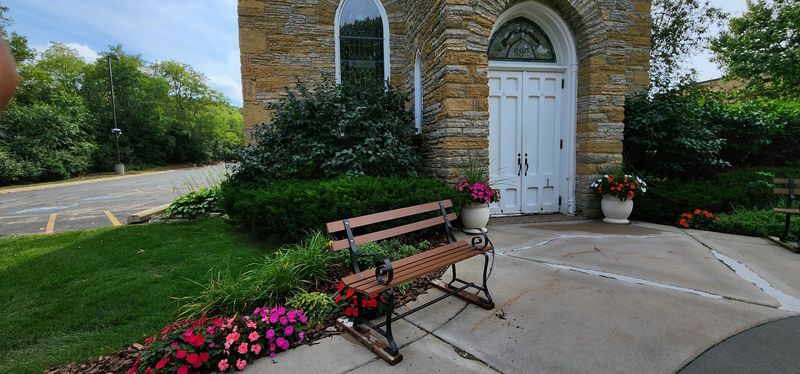
Behind the church buildings, a garden area provides one of the quieter and more personal experiences the property has to offer. The space was designed with reflection in mind, and it delivers on that intention in a way that feels genuinely thoughtful rather than decorative.
Whether you sit there for prayer, quiet thought, or simply a few minutes away from the noise of the highway, the garden creates a sense of separation from the ordinary pace of daily life. The landscaping enhances the natural beauty of the setting without overwhelming it.
Visitors who have discovered this space often describe it as one of the unexpected highlights of their visit. It is the kind of detail that does not appear in most travel descriptions of the property but consistently makes an impression on people who find it.
The combination of river views, historic architecture, and this tucked-away garden makes the Church of St. Peter a place that rewards slow, unhurried exploration rather than a quick drive-by glance.
Community Events and Seasonal Gatherings
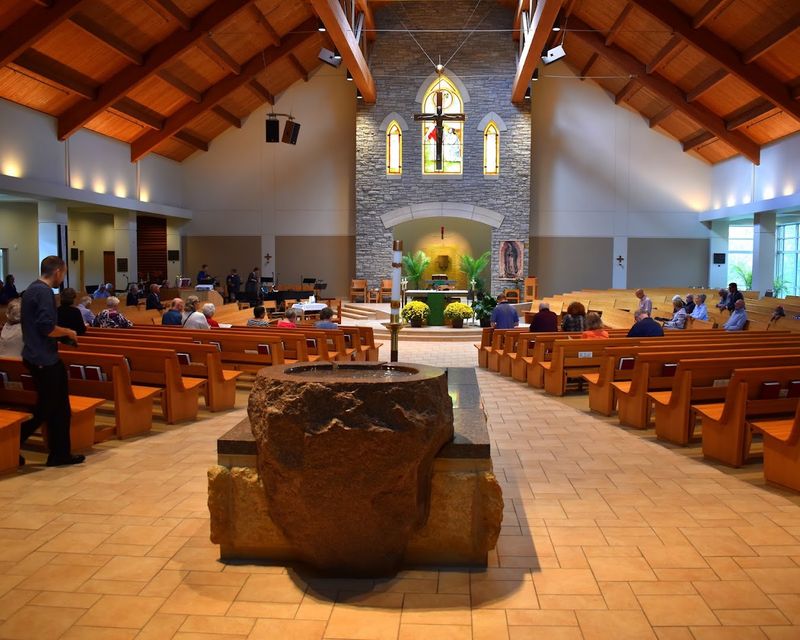
The Church of St. Peter has a tradition of hosting community events that bring together parishioners and outside visitors in a genuinely welcoming way. Fall festivals have been a recurring part of the parish calendar, drawing people who appreciate the combination of seasonal atmosphere and historic setting.
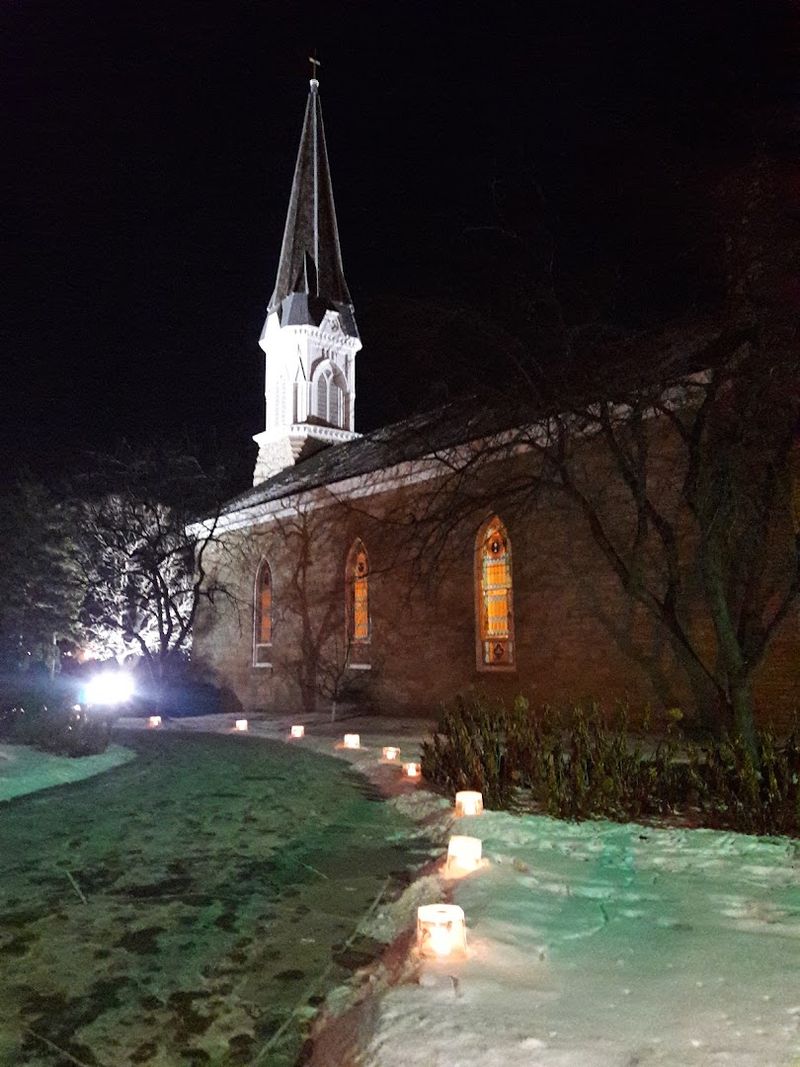
Christmas open house events have also been held at the historic church building, complete with carolers, tour guides, and music. That kind of programming makes the history accessible in a way that feels celebratory rather than academic.
The church has also hosted powwow events on its grounds, reflecting an awareness of the broader cultural community connected to this land. That openness to honoring different traditions speaks to a parish that takes its role in the larger community seriously.
Checking the parish calendar before visiting is a good idea, because catching one of these events transforms a standard historical visit into something much more memorable and socially engaging.
What the Architecture Tells You About Early Minnesota
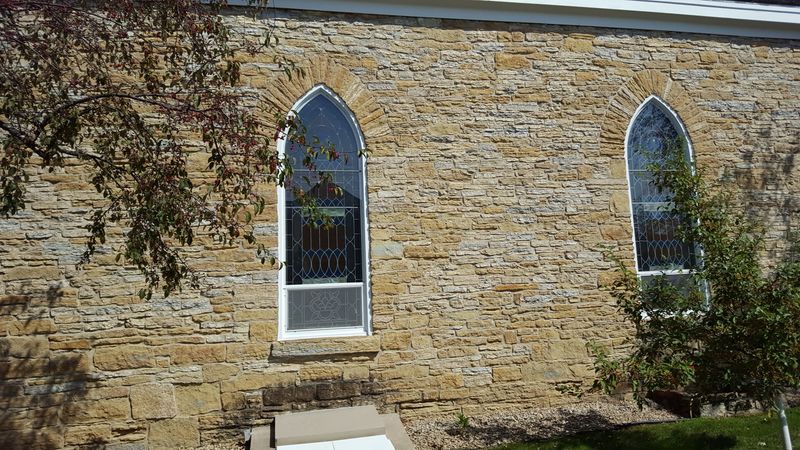
The architecture of the original stone church at this parish is modest by any standard, but that modesty is itself historically informative. Early builders in this region worked with what was available, and the limestone construction reflects both the resourcefulness and the determination of the people who raised it.
There are no grand towers or elaborate facades on the old building. What you see is a structure built to serve a purpose in a place where survival and community mattered far more than architectural ambition.
That simplicity gives the building a kind of honesty that more ornate historic churches sometimes lack. Every stone in the wall represents a choice made by people who had very little margin for error and still managed to create something that has lasted nearly 170 years.
For anyone with an interest in vernacular architecture or frontier construction methods, the old church is a genuinely instructive example of how early Minnesotans built for permanence with limited resources.
The Mendota Bridge and the Surrounding Landscape
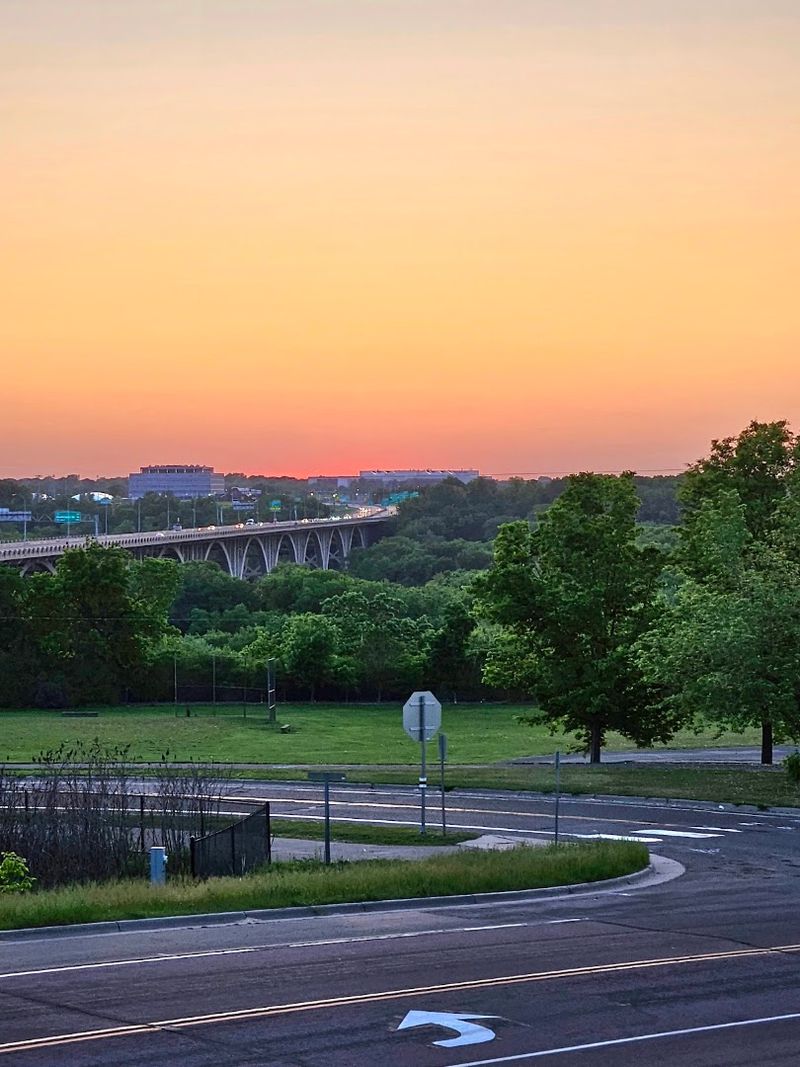
Right next to the church grounds, the Mendota Bridge spans the Minnesota River in a way that frames the entire setting beautifully. The bridge is a recognizable landmark in this part of the Twin Cities metro, and its presence adds a visual anchor to the river valley views from the church property.
The combination of the bridge, the rivers, Fort Snelling visible across the water, and the historic church buildings creates a layered landscape that feels unlike anywhere else in Minnesota. Each element adds context to the others.
Driving across the bridge and then pulling into the church parking area gives you an immediate sense of the geographical significance of this location. You are standing at a crossroads that mattered enormously to the people who first settled this region.
That geographical awareness enhances the historical experience in a way that is hard to manufacture artificially. The setting does much of the storytelling on its own, and the church grounds let you stand right inside it.
Visiting Tips for Getting the Most Out of Your Trip
The church office is open on weekdays during regular business hours, and Sunday hours accommodate morning visitors as well. Planning your visit around those windows gives you the best chance of finding the grounds accessible and the historic church available for viewing.
Arriving with a little background knowledge about the history of Mendota and the Dakota people of this region will make the visit significantly richer. A few minutes of reading before you go transforms what might feel like a quick stop into a genuinely meaningful experience.
Comfortable walking shoes are helpful because the grounds reward wandering. The garden, the cemetery, the old church, and the river views are spread across the property in a way that encourages you to slow down and move between them at your own pace.
The location is easy to reach from the Twin Cities, making this an ideal half-day excursion for anyone curious about the deeper historical layers sitting just outside the metro area.
Why Non-Religious Visitors Keep Coming Back
One of the more interesting things about the Church of St. Peter is how consistently it draws visitors who have no religious connection to the parish. History enthusiasts, architecture lovers, genealogy researchers, and people simply curious about the oldest church in Minnesota all find their own reasons to make the trip.
The river views alone are worth the drive for many people. Add the historic stone church, the cemetery, the garden, and the proximity to Fort Snelling and Bdote, and you have a location that offers multiple layers of interest regardless of your background or beliefs.
Several people who have stopped by describe the experience as unexpectedly moving, even when they arrived with purely historical or scenic motivations. There is something about the accumulated weight of this place that tends to land differently than a standard historical site visit.
That cross-appeal is rare, and it is one of the reasons this small church on Sibley Memorial Highway continues to draw curious visitors year after year.
A Place Worth Telling People About
After spending time at the Church of St. Peter, most visitors leave with a strong impulse to tell someone about it. That reaction makes sense.
This is a place that consistently delivers more than it promises from the outside, which is a genuinely rare quality in any destination.
The combination of verified historical significance, natural beauty, a welcoming community, and a setting that connects multiple threads of Minnesota history makes it memorable in a way that sticks.
If you find yourself in the Twin Cities with a free afternoon, the drive out to Mendota is one of the more rewarding decisions you can make. The nearby areas also offer their own points of interest, including Fort Snelling State Park and the broader Minnesota River Valley, which provide natural context for everything you experience at the church.
Some of the most meaningful places are the ones that ask you to slow down and pay attention. This church has been doing exactly that since 1869.
Share this story