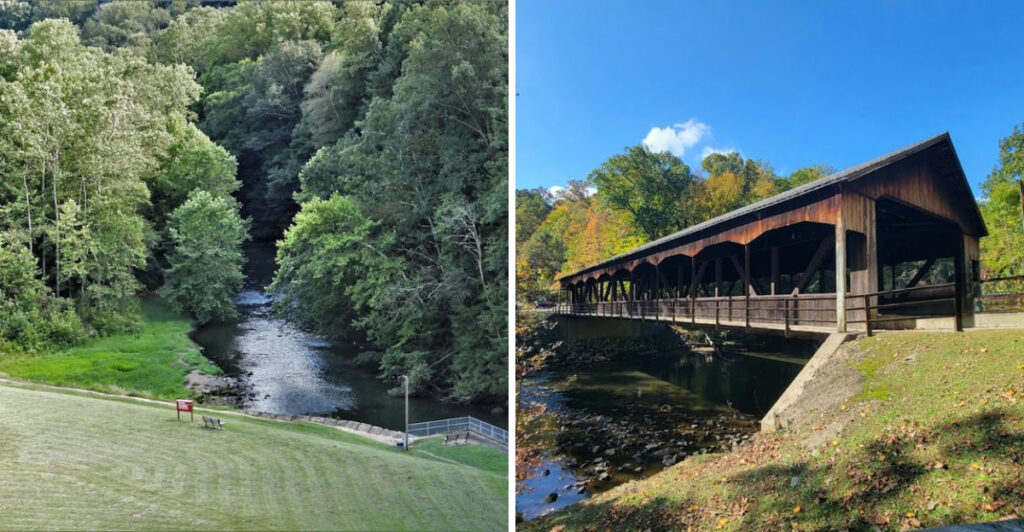
There is a wooden bridge in rural Ohio that has watched generations of families walk across its planks, and it was already old when your great-great-grandparents were children. Tucked inside a deep, tree-lined valley where the Clear Fork of the Mohican River winds quietly below, this structure carries the kind of history that most people drive right past without realizing.
Built during the Civil War era, it is one of those rare places that connects the present to a past that feels almost impossible to imagine. Once you know what is waiting at the end of that road, it is very hard to stay away.
A Bridge That Outlasted a War
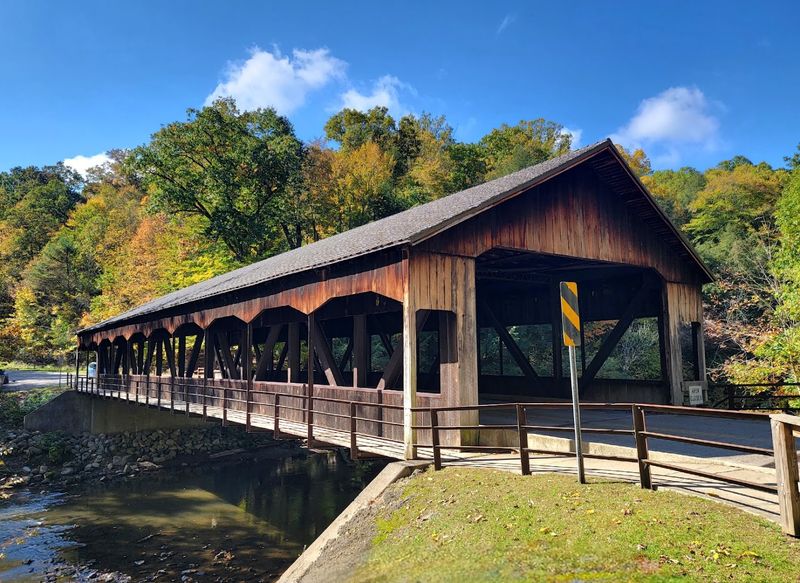
Most bridges built during the 1860s are long gone, replaced by concrete and steel. The Historic Mohican Covered Bridge in Mohican State Park, located on Park Road in Perrysville, Ohio 44864, is a rare survivor from that era, and standing on its wooden planks makes that history feel surprisingly close.
The bridge spans the Clear Fork of the Mohican River, and its timber construction has endured through seasons, floods, and more than a century and a half of use. That kind of longevity is not accidental.
Covered bridges were built with roofs specifically to protect the wood from weathering, which is why so many outlasted uncovered structures of the same period.
Getting your first look at it from the road is genuinely striking. The structure sits low in a forested valley, framed by trees, and it looks exactly like something from a history book come to life.
Two Walkways, One Bridge
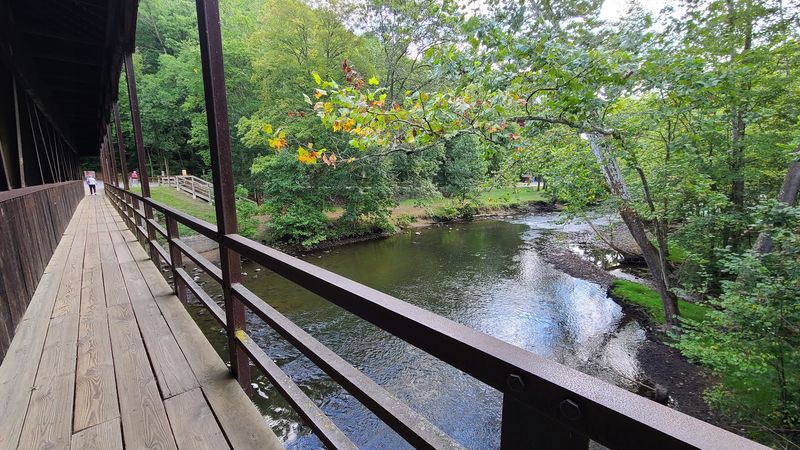
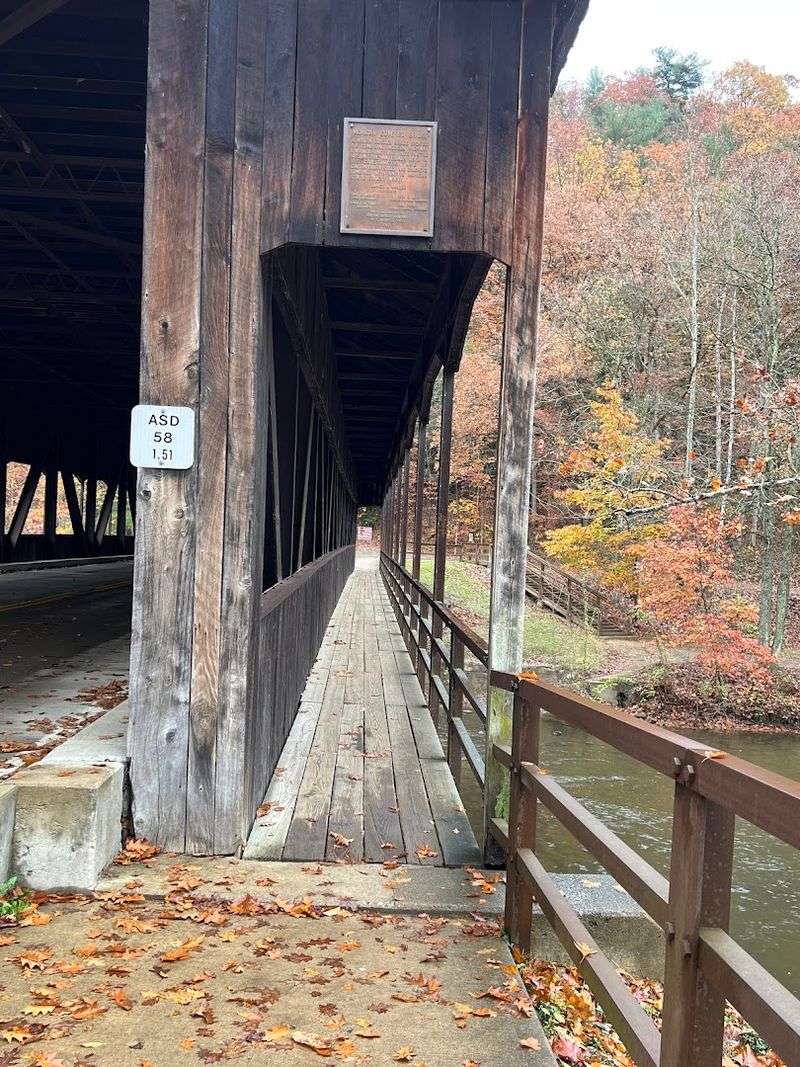
One detail that surprises many first-time visitors is that this bridge has two separate pedestrian walkways, one on the north side and one on the south side. Most covered bridges are walk-through-the-middle affairs, so this design feels immediately different the moment you approach it.
Both walkways offer slightly different angles of the river and surrounding forest below. The south-facing walkway tends to catch more afternoon light, while the north side gives a quieter, more shaded perspective of the valley.
Photographers especially appreciate having two vantage points without having to reposition far.
Vehicles can also drive through the center of the bridge, which adds to the authenticity of the experience. Watching a car slowly roll through while you stand on the pedestrian walkway overhead gives you a real sense of how this structure was designed to serve an entire community, not just curious travelers.
The Valley That Frames Everything
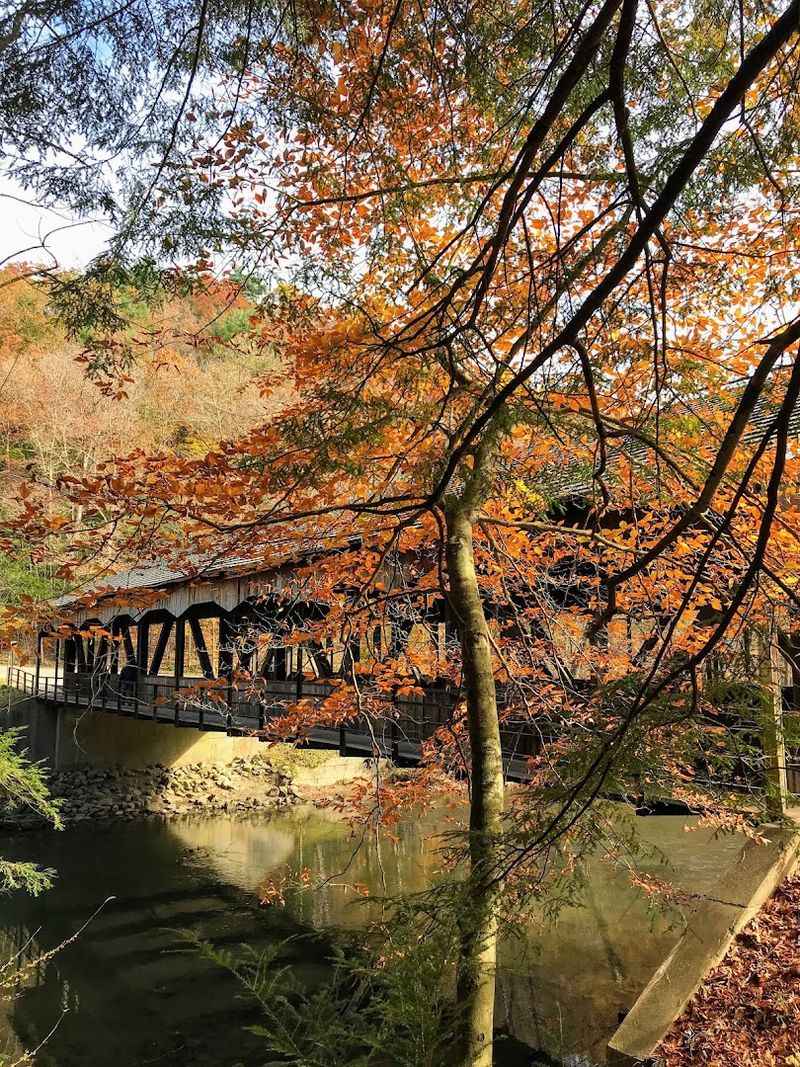
The setting around the bridge is as much a part of the experience as the structure itself. The Clear Fork of the Mohican River cuts through a deep valley flanked by dense hardwood forest, and the bridge sits right at the heart of it.
From above, looking down through the trees, the scene looks almost painted.
The valley walls rise steeply on both sides, giving the area a tucked-away quality that feels far removed from everyday life even though the parking area is just steps away. Sound travels differently here too.
The river noise fills the air constantly, and the tree cover muffles everything else.
Fall is when the valley truly transforms. The surrounding forest shifts into deep reds, oranges, and yellows, and the view from both bridge walkways becomes something that is genuinely difficult to describe without a photograph.
October weekends draw significant crowds for exactly that reason.
Where Every Trail Begins
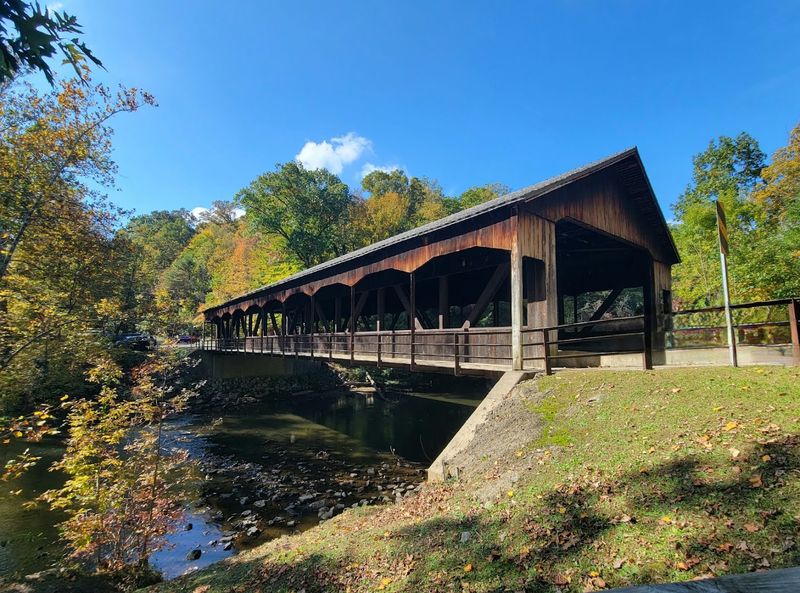
The bridge functions as the central hub for trail activity in this part of Mohican State Park. Several well-known routes converge right at this location, including the Lyons Falls Trail, the Pleasant Hill Lake Trail, the Stage Coach Trail, and the Hog Hollow Trail.
Having that many options in one spot makes trip planning much easier.
Trails are clearly marked with checkpoints along the way, so even hikers who are not experienced navigators can feel confident about where they are on the route. That kind of thoughtful trail design makes a real difference, especially on longer hikes where the terrain changes significantly.
The variety of difficulty levels also means the bridge area works for almost any group. Families with young children tend to gravitate toward the flatter routes, while more experienced hikers head straight for the steeper trails that lead deeper into the gorge and up toward the waterfalls.
Little and Big Lyons Falls
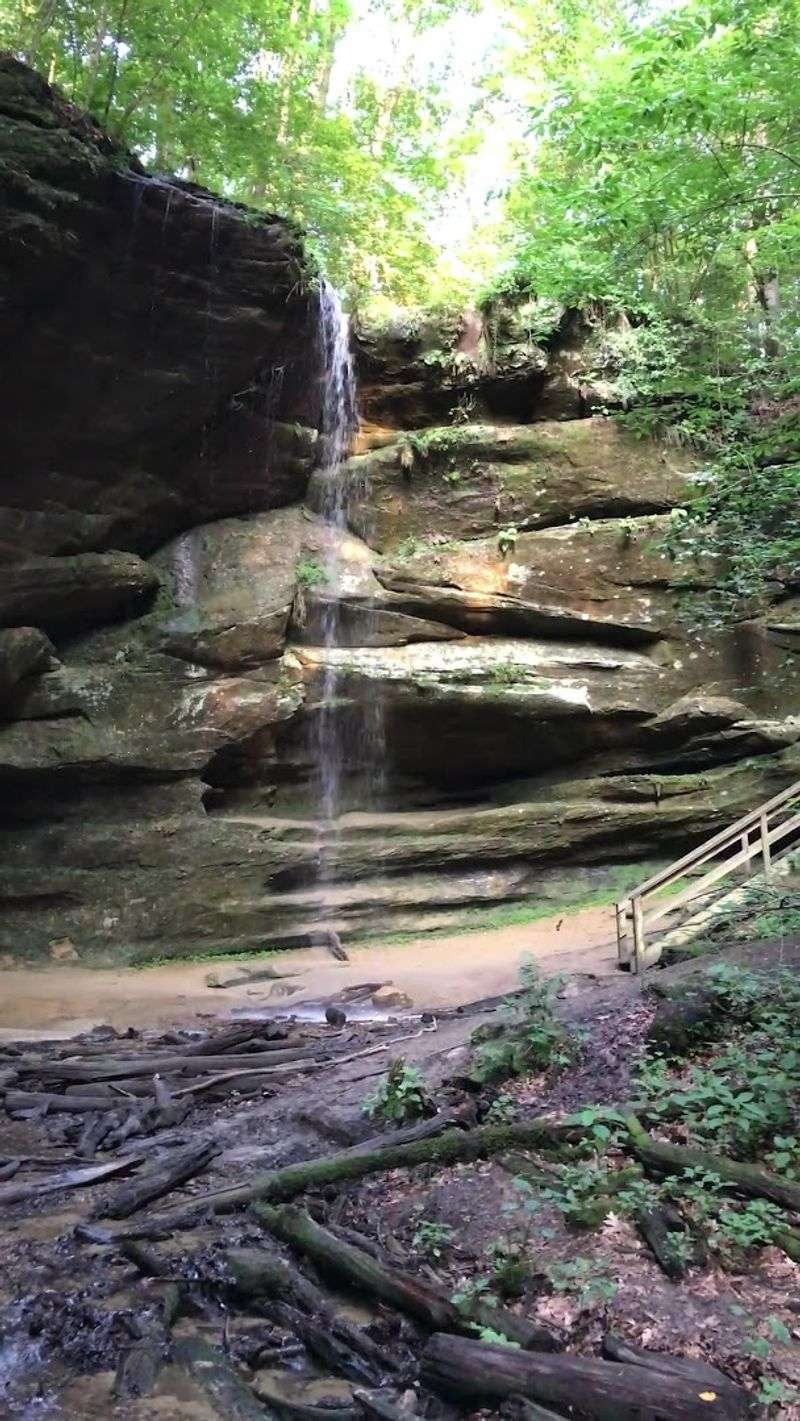
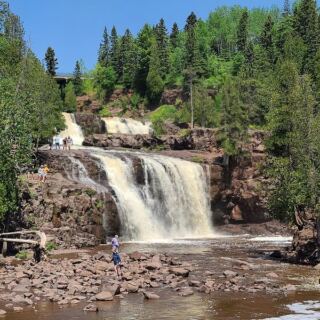
The waterfall hike that begins at the covered bridge is one of the most talked-about experiences in this part of Ohio, and it earns that reputation honestly. The trail leads to both Little Lyons Falls and Big Lyons Falls, two separate cascades tucked into the gorge along the Clear Fork.
Little Lyons Falls comes first on the trail and gives hikers a taste of what the gorge looks like up close. The rock walls, the sound of falling water, and the way light filters through the canopy overhead make it feel like a completely different world from the parking lot just a mile or so back.
Big Lyons Falls requires more effort to reach, and the trail becomes noticeably steeper as you approach it. The payoff is worth the climb.
The falls drop into a rocky pool surrounded by forest, and the sound alone makes the whole hike feel worthwhile. Plan for a full half-day at minimum.
The Pleasant Hill Lake Trail Connection
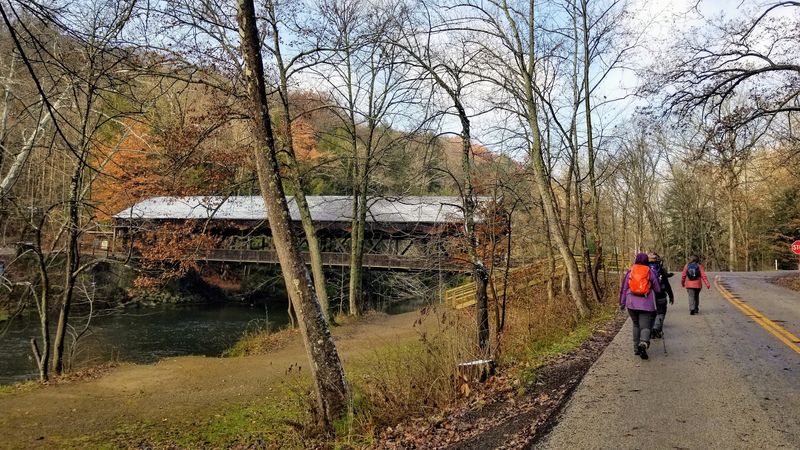
Not every trail at the covered bridge involves steep climbs and rocky terrain. The Pleasant Hill Lake Trail offers a noticeably different experience, running flat and even along a paved surface that makes it accessible to strollers, wheelchairs, and anyone who wants a more relaxed outing.
This trail winds through the middle of Ashland County’s forested landscape and eventually connects to the lake area, giving hikers a long, unhurried walk with plenty of natural scenery along the way. One visitor who brought a stroller specifically mentioned how convenient and enjoyable the flat route felt compared to the more rugged options nearby.
The contrast between this trail and the falls route is actually one of the things that makes the covered bridge such a practical starting point. You can tailor the whole visit to your group’s energy level and still end up back at the same beautiful bridge when you are done.
River Access and Tubing Culture
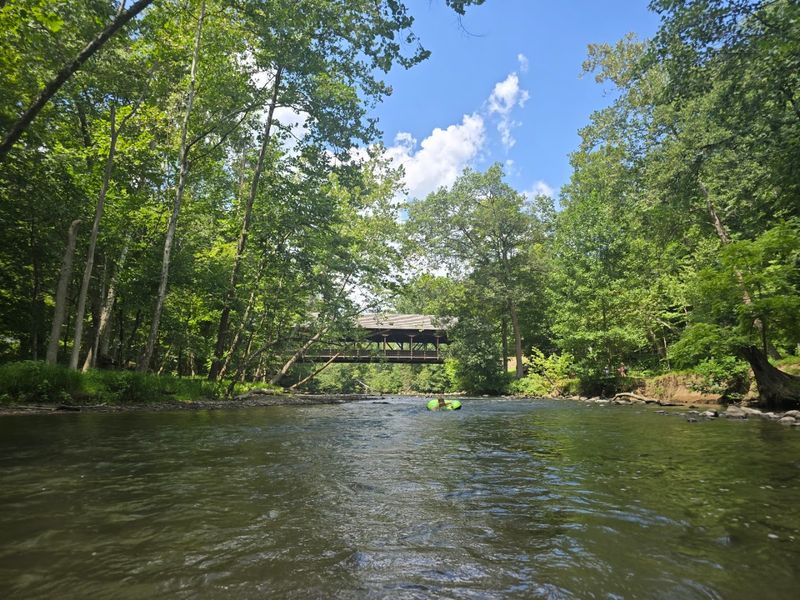
The covered bridge is also a popular launch point for tubing and kayaking on the Clear Fork of the Mohican River. The river moves at a pace that feels relaxed rather than intense, making it well-suited for families and casual paddlers who want to spend a few hours on the water without much technical challenge.
Stairs near the bridge area lead directly down to the river, which makes getting in and out of the water easier than at many other access points along the river. The surrounding forest keeps most of the route shaded, which is a genuine relief during hot summer afternoons.
Floating downstream and eventually arriving back at the state park after starting near the covered bridge is a tradition for many local families. It is the kind of afternoon that gets repeated summer after summer, which says a lot about how well the river delivers on the experience it promises.
Picnic Areas and Family Amenities
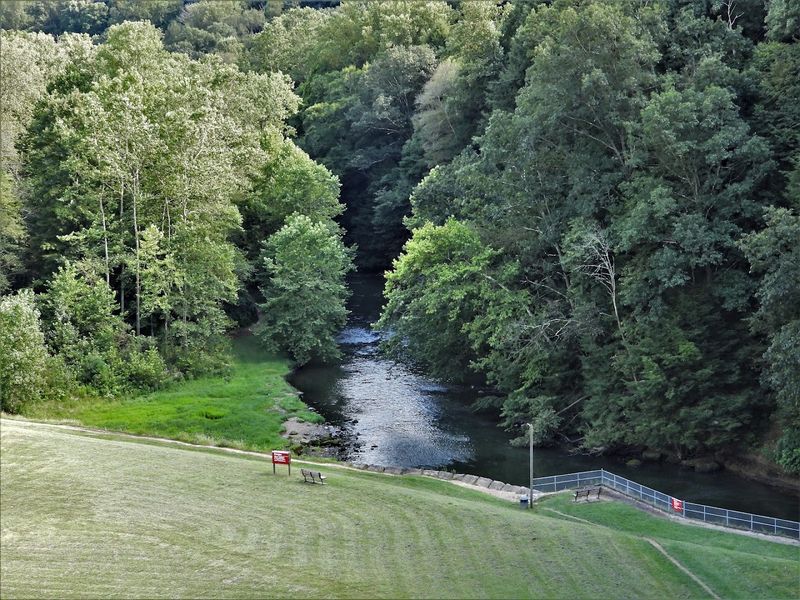
Beyond the bridge and the trails, the surrounding area has a solid set of practical amenities that make longer visits comfortable. Picnic tables with grills are located near the bridge, and a children’s playground sits close enough that kids can move between the two without much adult supervision needed.
Clean restroom facilities are available across the bridge in the camping section, and porta-potties are also stationed near the bridge itself for quick access. For a day-use area in a state park, the level of maintenance here is consistently praised by visitors who return season after season.
The combination of a historic landmark, river access, hiking trails, waterfall destinations, and a proper picnic setup in one location is genuinely rare. Most parks ask you to choose between scenery and convenience.
The covered bridge area manages to offer both without feeling crowded or overdeveloped, which keeps the natural character of the valley intact.
Fall Colors and the October Effect
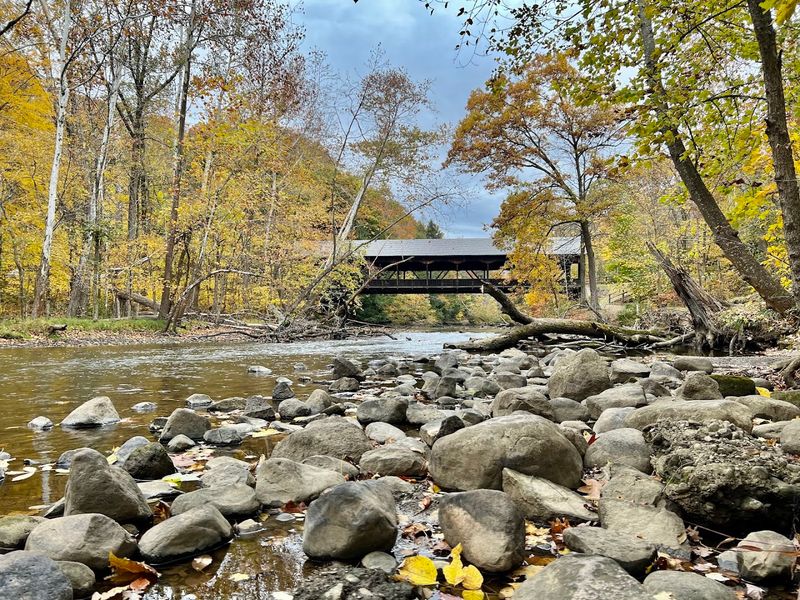
October at the covered bridge is a different experience entirely from any other month. The hardwood forest that surrounds the valley shifts into a full display of color, and the bridge sits right in the center of it.
The view from the pedestrian walkways during peak fall color is one of those sights that genuinely stops people mid-step.
Fall weekends draw the largest crowds of the year, and parking fills up faster than most visitors expect. Arriving early on a Saturday or choosing a weekday visit gives you a much calmer experience with the same scenery.
The light in the morning hours also tends to be more flattering for photography, especially when a low mist sits in the valley.
The trail to Lyons Falls during October adds another layer to the visit. The waterfall framed by autumn leaves is a combination that keeps photographers and casual hikers coming back to this particular corner of Ashland County year after year.
Camping Right Next to the Bridge
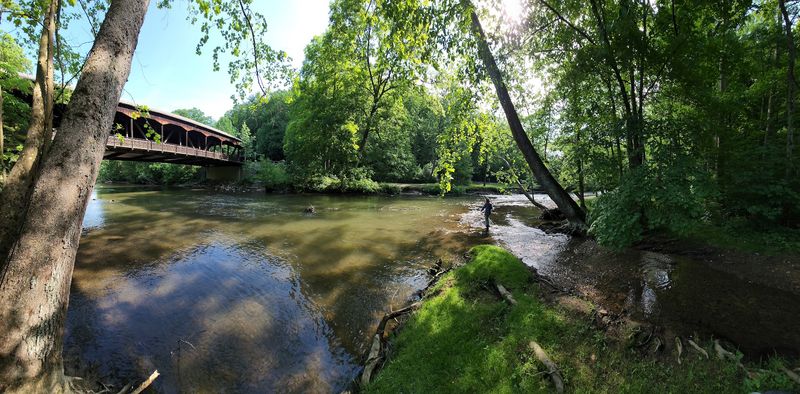
The covered bridge sits adjacent to the camping area of Mohican State Park, and that proximity is one of the things that makes a multi-day visit so appealing. Waking up to the sound of the river and having the bridge and all its trails just a short walk away changes the whole pace of the trip.
Campsites are spread out enough that they do not feel cramped, and the creek running alongside the campground adds both sound and visual appeal. One of the more creative ways visitors use the setup is to hike upstream from camp and then tube back down to the campsite, which eliminates the need for a shuttle vehicle entirely.
The pool and clean bathrooms within the park make extended stays much more comfortable. For families with kids who want to balance structured activity with open-ended outdoor time, the campground and covered bridge combination is a genuinely practical and enjoyable base.
Dog-Friendly and Welcoming to All
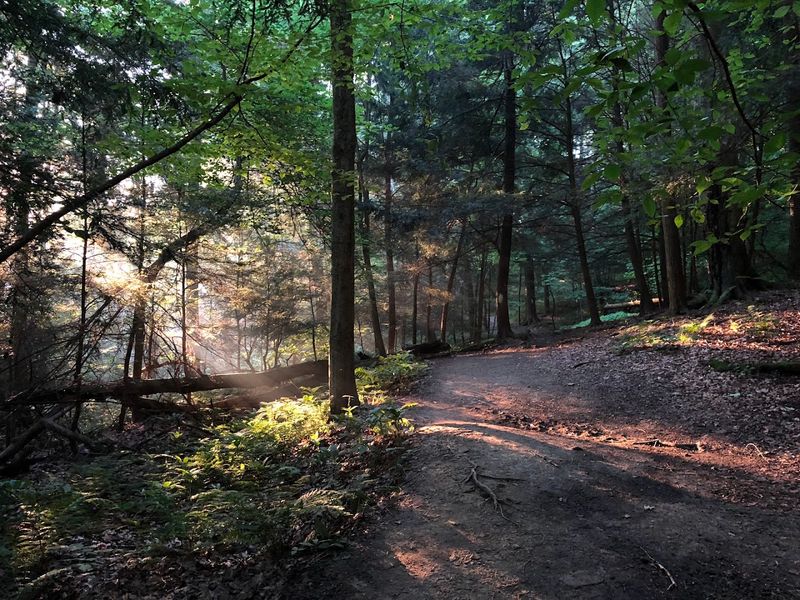
Bringing a dog to the covered bridge area is not just allowed, it is genuinely common. The trails, the river access, and the open picnic areas all accommodate leashed pets comfortably, and the wide variety of trail lengths means you can match the hike to your dog’s energy level rather than the other way around.
Several visitors who have made the trip with dogs specifically mention how well the easier flat trail works for pets that are not built for steep climbs. The river is also a natural draw for dogs who enjoy water, and the stairs leading down to the Clear Fork make access easy enough for most breeds.
The crowd at the covered bridge area tends to be relaxed and outdoors-oriented, which creates a comfortable environment for pet owners. Encountering other dogs on the trail is common, and the general atmosphere around the bridge is friendly and unhurried on most days.
Photography Opportunities at Every Turn
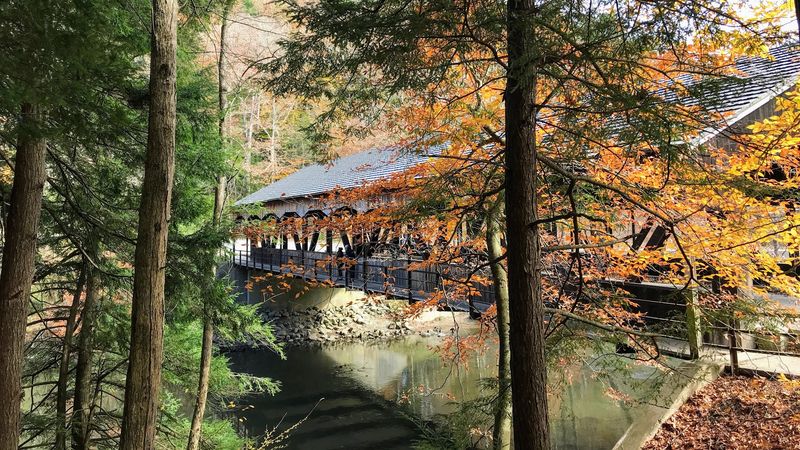
The covered bridge draws a steady stream of photographers, and it is easy to understand why. The structure itself has strong visual lines, the valley provides natural framing, and the river below adds a reflective element that changes with the light throughout the day.
Few locations in Ohio offer this many compositional options in such a compact area.
The two pedestrian walkways give photographers different angles of the surrounding forest and river without requiring any serious hiking. The falls trails add even more shooting locations, with Big Lyons Falls and Little Lyons Falls each presenting their own distinct visual character depending on the season and water level.
Early morning visits reward those who make the effort. Mist frequently settles into the valley before the sun clears the tree line, and that combination of soft light and fog over the river creates conditions that are genuinely difficult to replicate at any other time of day.
A tripod is worth bringing.
Planning Your Visit the Smart Way
The covered bridge is open around the clock every day of the week, which gives visitors a lot of flexibility in timing. That said, peak days during fall weekends and summer holidays bring significant crowds, and the parking area fills up quickly around midday.
Arriving before 10 in the morning or after 4 in the afternoon makes a noticeable difference.
Weekday visits offer the most peaceful experience. The trails are quieter, parking is easy, and the bridge itself feels like a private discovery rather than a shared attraction.
Bringing a picnic is a genuinely good idea since the tables and grills near the bridge are well-maintained and positioned close to the river.
Wear sturdy shoes if the falls trail is on your list, since the terrain gets rocky and uneven well before you reach either waterfall. Comfortable footwear, water, and a camera are the three things most worth remembering before you leave home for this one.
Share this story