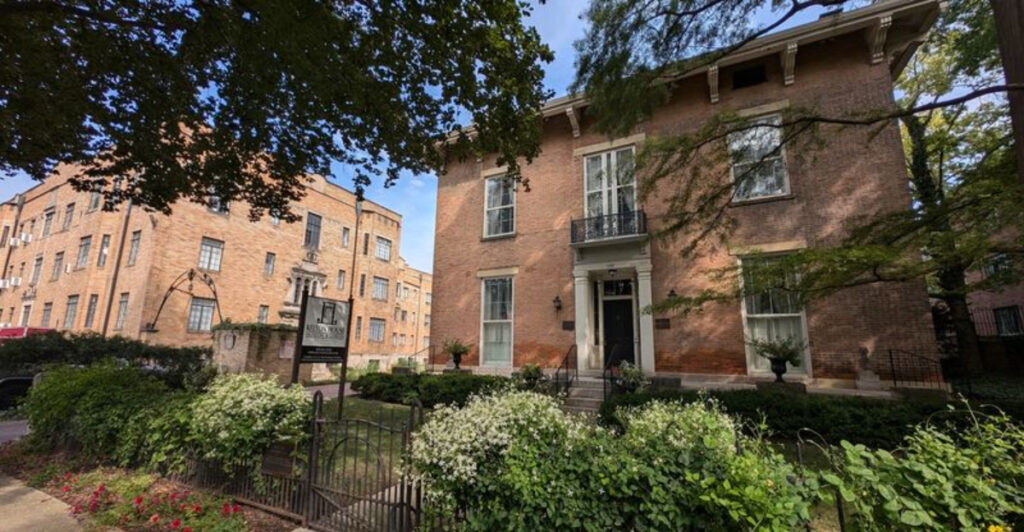
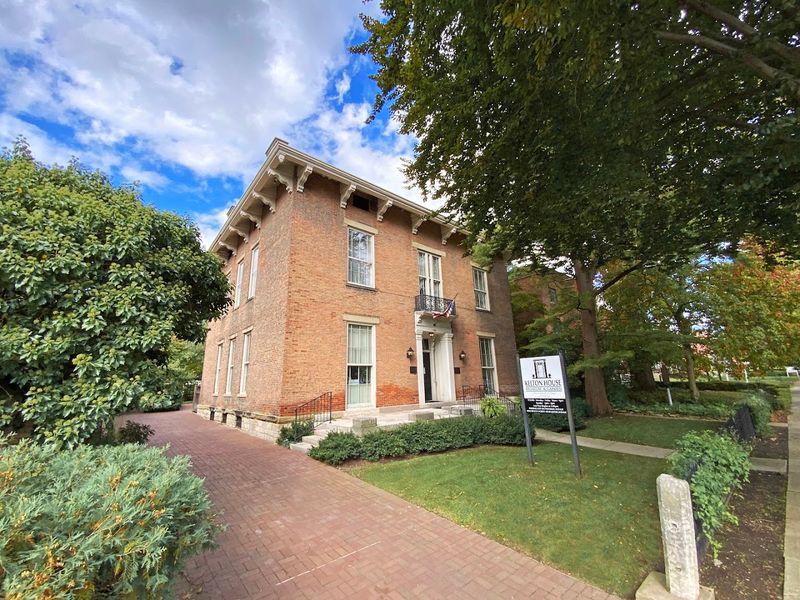
There is a red-brick mansion sitting quietly on a Columbus street that once sheltered freedom seekers making one of the most dangerous journeys in American history. From the outside, it looks like a beautifully preserved piece of 19th-century Ohio.
But step inside, and you start to realize this house holds stories that most people have never heard. The courage, the history, and the secrets tucked into its walls make this one of the most compelling places in the entire state.
The House That Kept Secrets
Most historic homes tell the story of the family who lived there. This one tells a much bigger story.
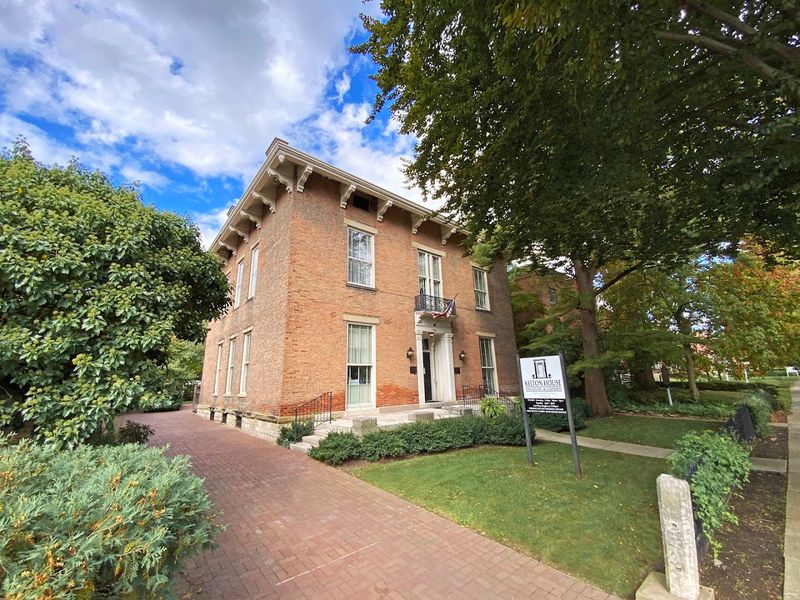
The Kelton House Museum and Garden, located at 586 E Town St, Columbus, OH 43215, was home to the Kelton family beginning in the 1850s, and it became one of the most significant stops on the Underground Railroad in central Ohio.
Fernando and Sofia Kelton were staunch abolitionists who used their home as a refuge for enslaved people seeking freedom in the north. That combination of domestic history and social courage is rare to find in one place.
Walking through the front door for the first time, I felt the weight of that history almost immediately. The house does not just display antiques.
It carries a moral legacy that still resonates today.
What the Basement Reveals
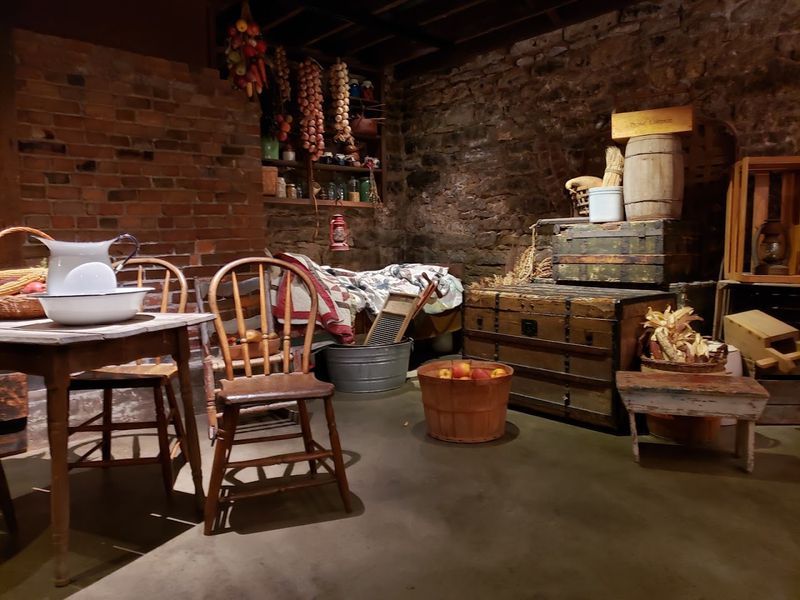
The basement of the Kelton House is where the Underground Railroad story becomes most vivid. Detailed exhibits and informational placards explain how the space was used to shelter freedom seekers passing through Columbus on their way north.
Period-accurate set pieces help visitors picture what those moments actually looked like, the quiet urgency, the risk, and the extraordinary trust placed in the Kelton family by people whose lives depended on secrecy. It is not a dramatized or exaggerated presentation.
The facts alone are powerful enough.
Spending time in that basement changed how I thought about the house above it. Every room upstairs took on a different meaning knowing what had happened below.
It is the kind of exhibit that stays with you long after you have left the building, and that is exactly what good historical storytelling should do.
The Kelton Family Story
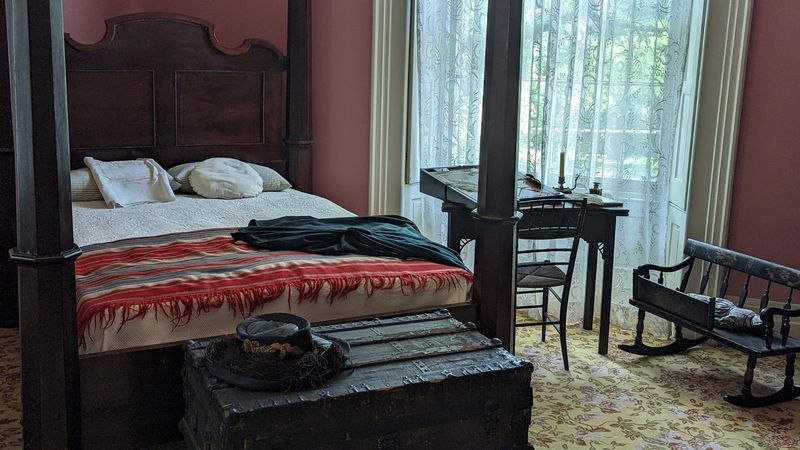
Fernando Kelton arrived in Columbus in the 1840s and built a prosperous life as a merchant. He and his wife Sofia were deeply committed to the abolitionist cause at a time when that commitment carried serious legal and social risk.
Harboring freedom seekers was illegal under the Fugitive Slave Act of 1850, which made the Keltons’ actions all the more remarkable.
The family continued to live in the house for generations, and their descendants eventually ensured the home was preserved as a museum. That long chain of family stewardship is part of what makes the Kelton House feel so authentic.
Nearly everything inside belonged to the Keltons. The furniture, the dishware, the personal objects, all of it connects directly to real people who made real choices.
That kind of provenance is something most house museums simply cannot match.
A Victorian Interior Frozen in Time
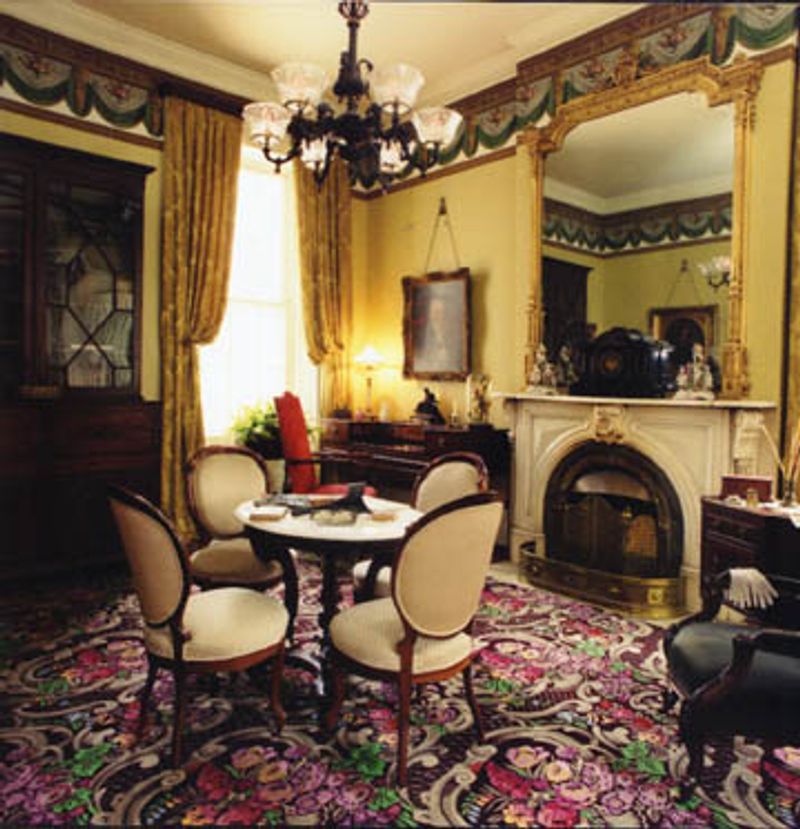
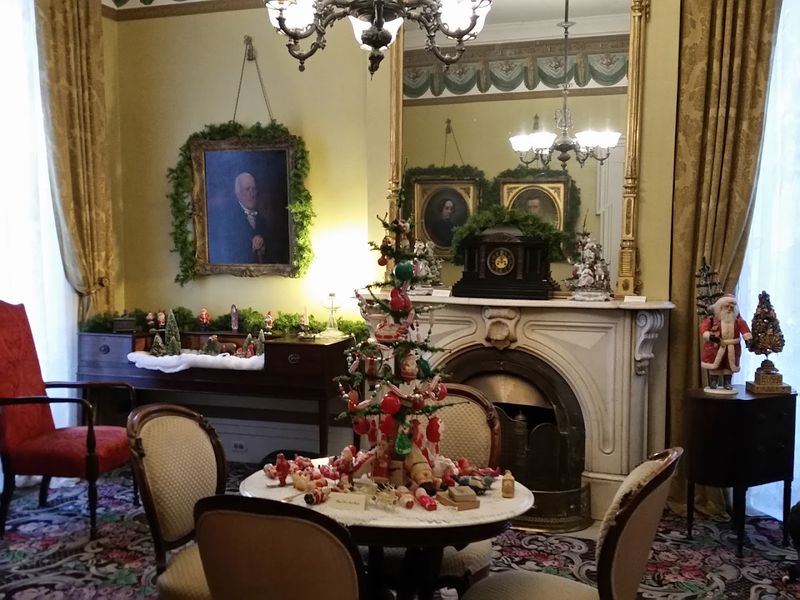
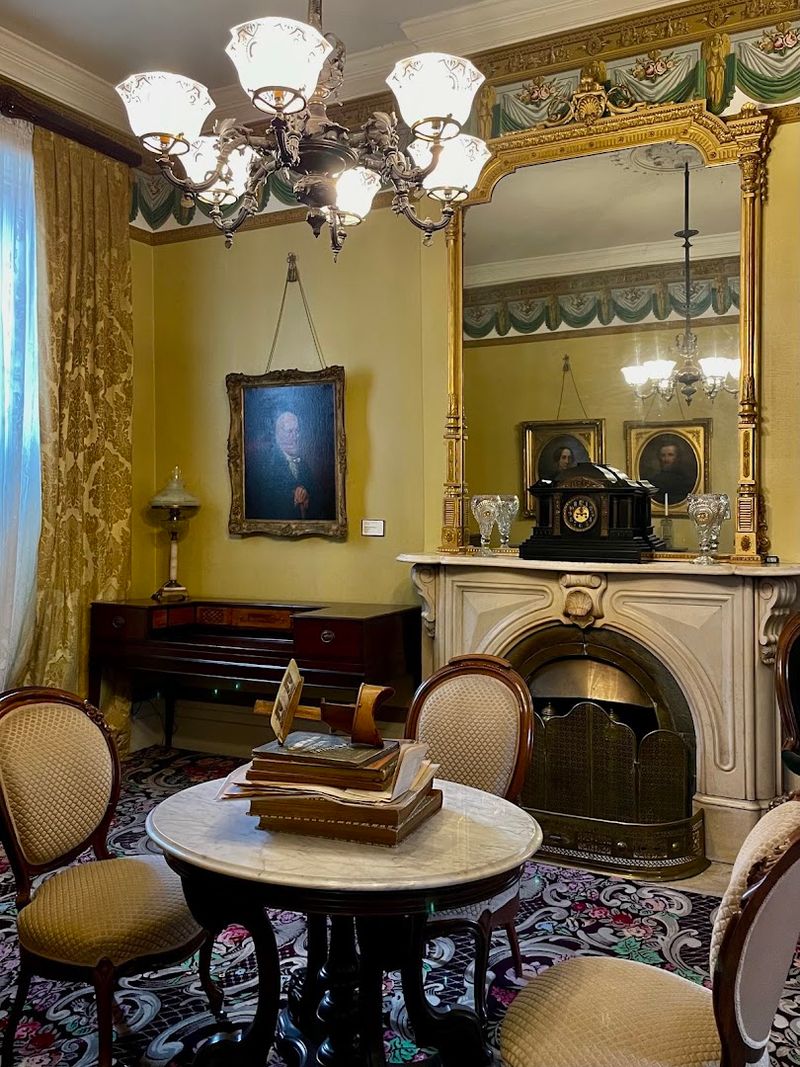
One of the first things you notice on the main floor is how intact everything feels. The rooms are filled with original Kelton family artifacts, from delicate antique dishware arranged in glass cabinets to oil paintings hanging in their original positions.
It does not feel like a staged recreation. It feels like the family simply stepped out for a moment.
The furniture is period-appropriate and well-preserved, and the overall atmosphere leans toward quiet elegance rather than grand opulence. This was a prosperous household, but also a lived-in one, and that balance comes through clearly.
Visitors who choose the audio guide get an especially rich experience, since each room comes with detailed narration about the objects inside and the people who used them daily. Even without the audio option, the house rewards slow, careful attention to what surrounds you.
The Garden That Surprises Everyone
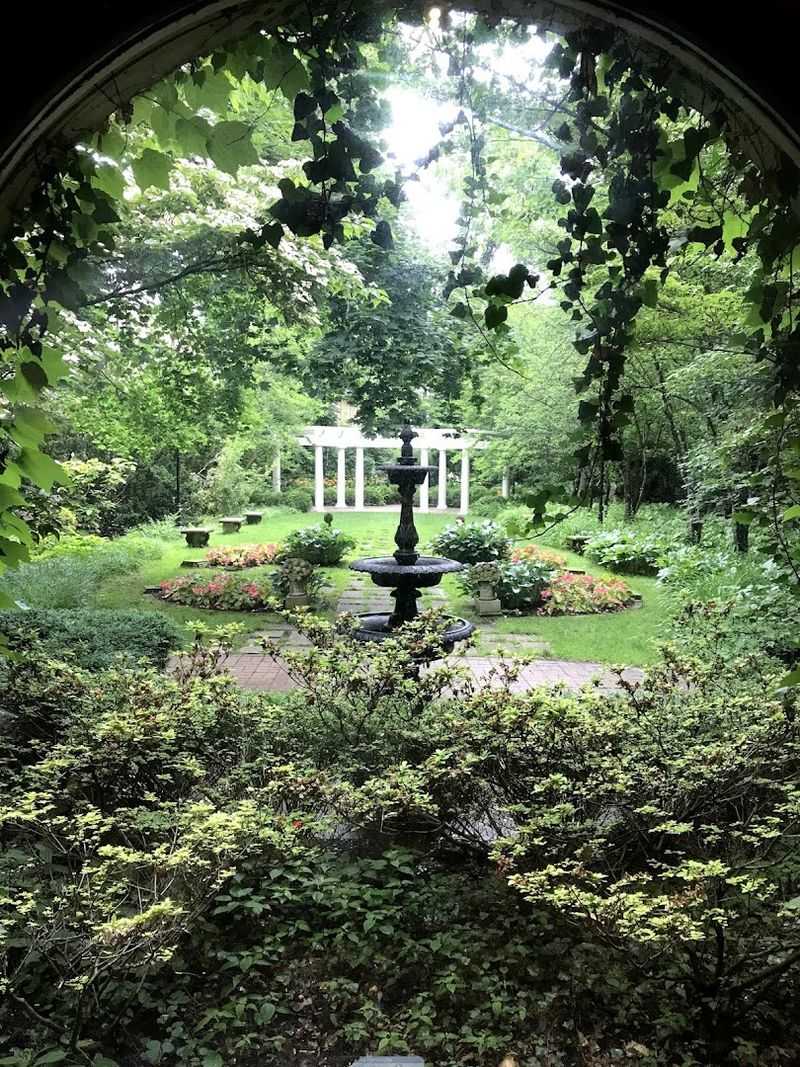
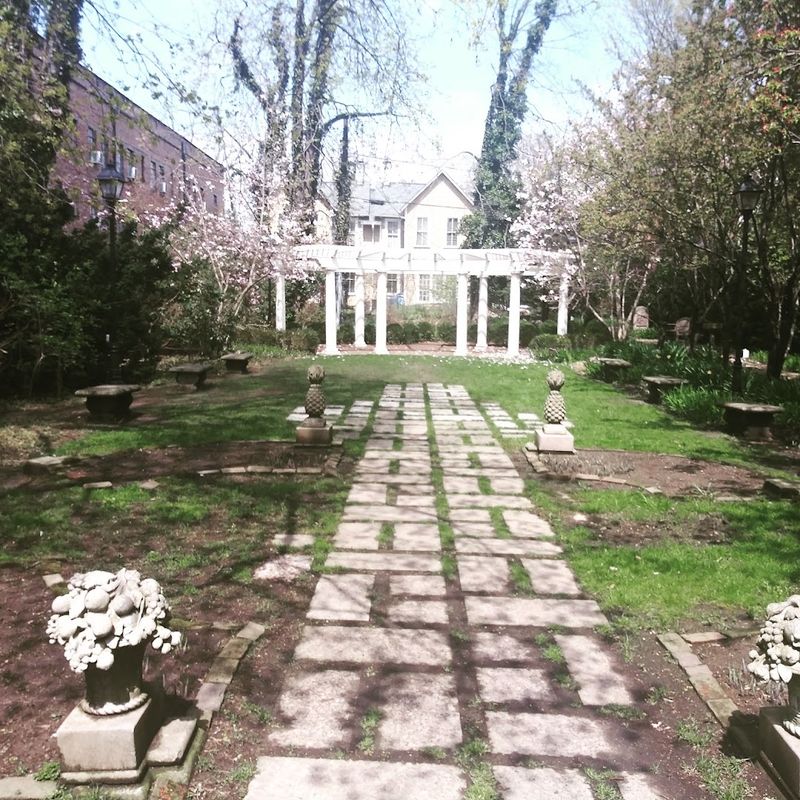
Behind the house sits a garden that stops people in their tracks. It is not enormous by any measure, but what it lacks in size it more than compensates for in character.
Carefully maintained plantings, brick pathways, and a sense of total quiet make it feel genuinely removed from the city surrounding it.
The garden has become a beloved spot for Columbus locals who return regularly just to spend quiet mornings there. On the day I visited, I completely understood why.
There is something about the combination of greenery and historic surroundings that makes the space feel restorative in a way that is hard to explain.
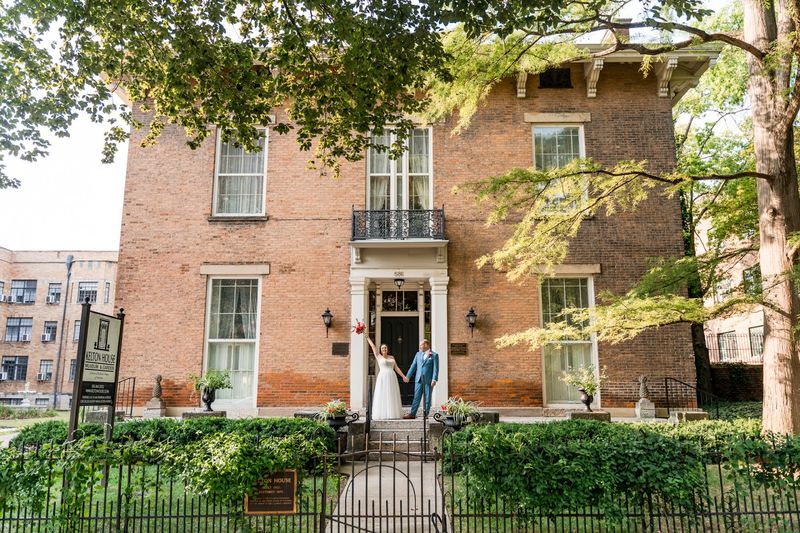
The garden also serves as a ceremony location for weddings, and it is easy to see why couples choose it. The backdrop of the mansion combined with the lush plantings creates a setting that photographs beautifully in every season.
Guided Tours Worth Taking Slowly
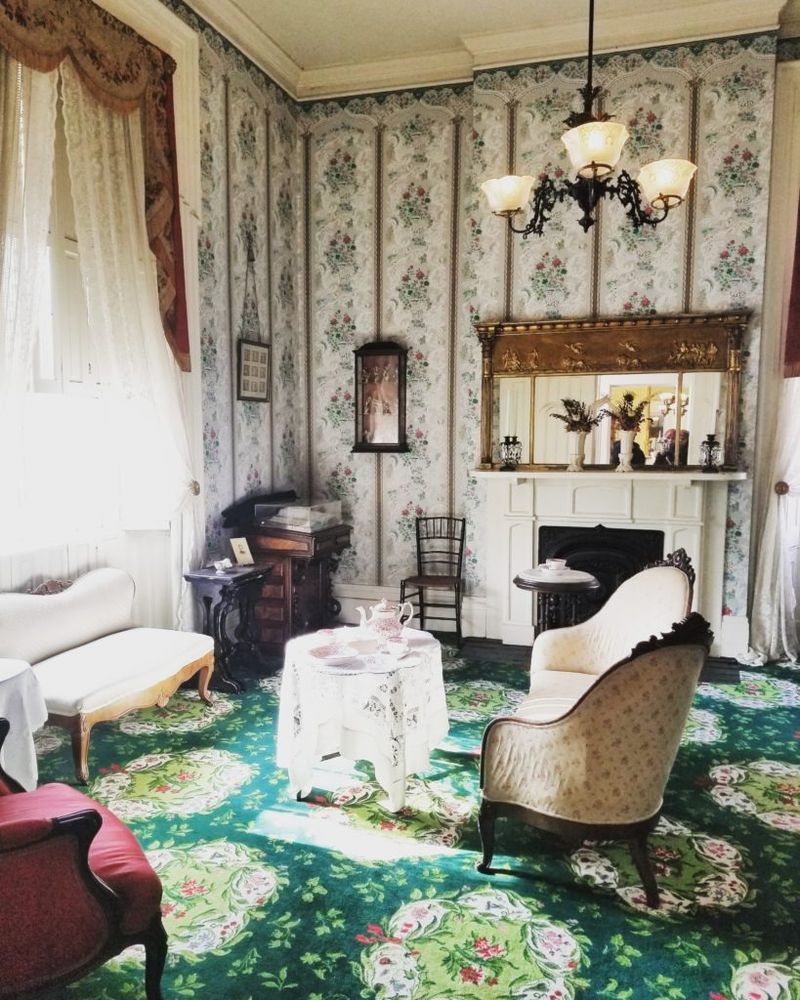
The tour experience at the Kelton House is genuinely one of its strongest features. Docents are knowledgeable about both the family history and the broader historical context of abolitionism in Ohio, and they share that knowledge in a way that feels like conversation rather than lecture.
On weekends, tours run on the hour, so arriving ten to fifteen minutes early is a smart move. The house is not enormous, which means the tour stays intimate and personal rather than feeling like a crowded museum shuffle.
Some visitors also opt for the self-guided audio tour, which provides room-by-room narration and is especially useful for those who like to linger. Either way, plan for at least an hour, though two hours gives you space to absorb everything without rushing.
The Kelton House rewards visitors who take their time.
The Courage Behind the Cause
The Underground Railroad was not a literal railroad. It was a secret network of people, routes, and safe houses that helped enslaved individuals escape to free states and Canada.
Ohio played a central role in that network because of its border with the South and its population of committed abolitionists.
Columbus sat along one of the key routes, and the Kelton House was one of the documented stops along that path. The family accepted enormous personal risk, not just social disapproval but potential prosecution, fines, and worse.
Understanding that context makes a visit to the Kelton House feel like more than a museum trip. You are standing in a place where people made consequential moral choices under real pressure.
That is not something you encounter every day, and the exhibits do an excellent job of conveying both the stakes and the humanity involved.
Special Events That Bring History to Life
The Kelton House is not just a static display of the past. It hosts a rotating calendar of events that connect its history to the present in meaningful ways.
A Juneteenth poetry and soul food event held at the property drew strong attendance and gave visitors a chance to experience the house in a celebratory, community-focused context.
Holiday events have also brought the house to life in different ways, including a trolley hop organized with the Columbus Library that allowed visitors to explore the mansion during the festive season. Each event adds a new layer to what the house can offer beyond a standard tour.
Checking the event calendar before your visit is genuinely worthwhile. Some of the most memorable experiences at the Kelton House happen during these special occasions, when the history feels most alive and connected to the community around it.
Architecture Worth Looking At Closely
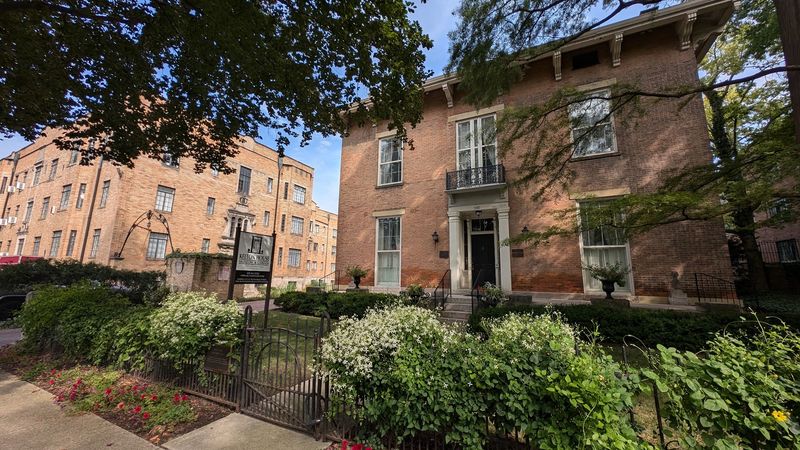
The Kelton House was built in the Greek Revival style, which was popular in Ohio during the mid-1800s. The architecture reflects the prosperity and taste of the period, with clean lines and a dignified presence that still commands attention on the street today.
What makes the building especially interesting is how well it has been maintained. Restoration efforts over the years have kept the structure looking close to its original appearance without turning it into something artificially polished.
The materials feel authentic because they largely are.
Even before you step inside, the exterior rewards careful observation. The proportions, the brickwork, and the relationship between the house and the garden behind it all tell a story about how prosperous Ohio families built and presented themselves in the decades before the Civil War.
Architecture, in this case, is its own form of historical document.
A Neighborhood With Its Own Story
The Kelton House sits in a part of Columbus that has its own layered history. The surrounding area includes other historic properties and green spaces that make a walk through the neighborhood genuinely interesting on its own terms.
The location places the house close enough to downtown Columbus to be easily accessible while still feeling like a distinct, quieter pocket of the city. Street parking is available nearby, though on busier event days, additional parking can be found on Franklin Avenue, which is useful to know before you arrive.
The neighborhood context adds something to the visit that you would not get from a museum in an isolated setting. Seeing the Kelton House in relation to its surroundings helps you understand the social geography of 19th-century Columbus and how abolitionists fit into the fabric of the city they called home.
Practical Things to Know Before You Go
Planning your visit a little in advance makes the experience noticeably smoother. Tours run on the hour on weekends, so arriving early gives you time to settle in and look around before the tour begins.
Weekday visits can sometimes offer a more relaxed pace with smaller groups.
Admission is modest, which makes the Kelton House an accessible option for families, students, and anyone curious about Ohio history without a large budget. The audio guide is worth requesting if you prefer exploring at your own pace, since it provides substantial detail about each room and artifact.
The garden is open to visitors as well, and spending time there after the interior tour rounds out the experience nicely. The house is not large, but the depth of what it contains means that a two-hour visit feels well spent rather than rushed.
Why This Place Stays With You
Some museums inform you. The Kelton House does something harder to define.
It puts you in a physical space where history was made by ordinary people who chose to do something extraordinary, and that proximity to real moral courage is genuinely moving.
The combination of well-preserved domestic life, documented Underground Railroad history, and a garden that invites quiet reflection creates an experience that works on several levels at once. You leave knowing more than when you arrived, but you also leave feeling something.
For anyone spending time in Columbus, the Kelton House deserves a place on the itinerary that goes beyond a quick stop. The stories inside its walls belong to a chapter of American history that every generation benefits from understanding more deeply.
Some places earn their preservation, and this is unquestionably one of them.
Share this story