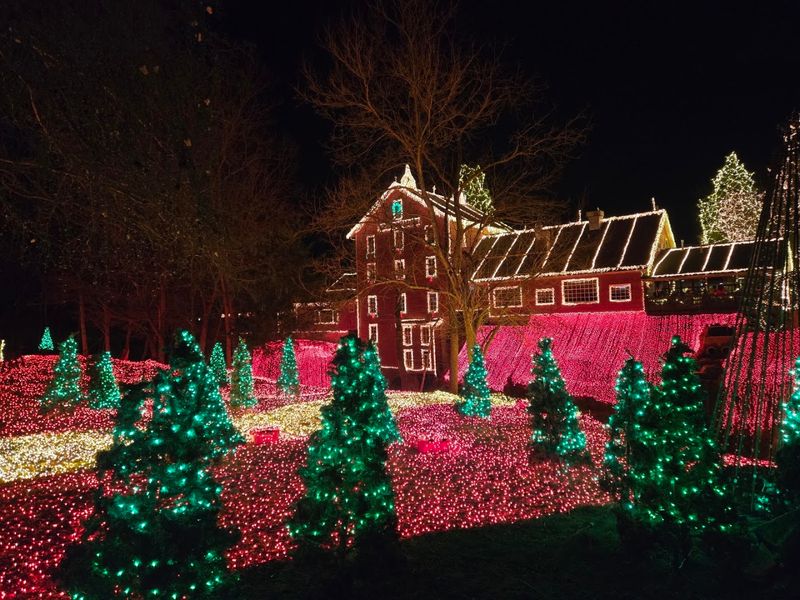
Every winter, a small village in southwestern Ohio transforms into something that stops people mid-sentence when they try to describe it. More than four million lights cover an old grist mill, a covered bridge, and the surrounding riverbanks, turning a quiet rural property into one of the most talked-about holiday light displays in the entire country.
People drive from neighboring states just to stand on that bridge and watch the lights pulse to music. What makes it even more surprising is that the same building serves some of the best pancakes in Ohio every single morning of the year.
The Mill That Started It All
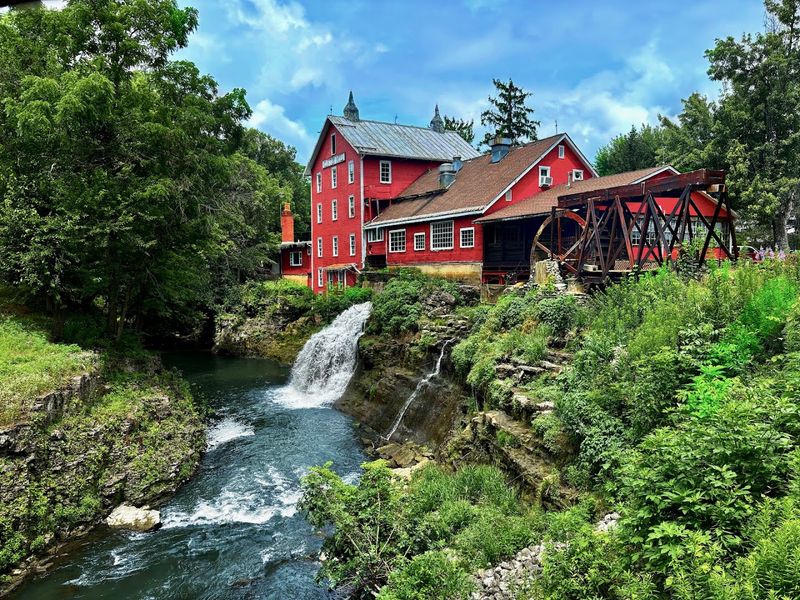
There are old buildings, and then there is Clifton Mill. Historic Clifton Mill, located at 75 Water St, Clifton, OH 45316, is one of the largest remaining water-powered grist mills in the United States.
The mill has been grinding grain along Clifton Gorge for well over a century, and its wooden bones have held up remarkably well against time and weather.
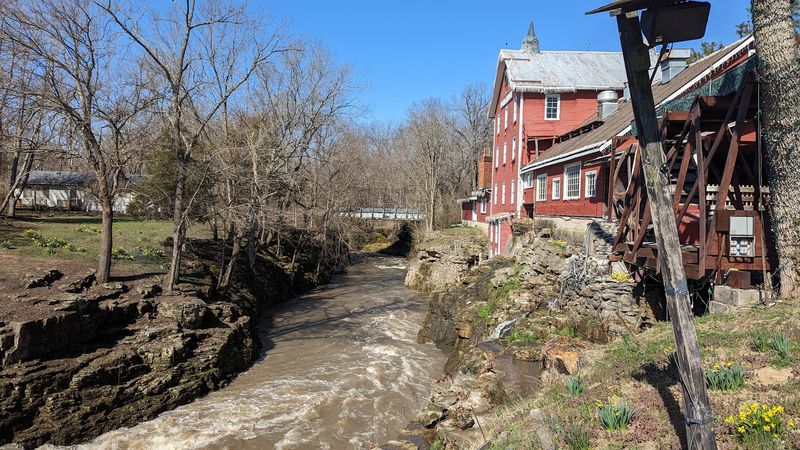
The building itself sits right at the edge of the Little Miami River, and the sound of rushing water follows you everywhere on the property. The original wooden water wheel still turns, and watching it spin while you sip coffee from the dining room window is genuinely one of the more peaceful things you can do on a weekend morning in Ohio.
The mill is not just a museum piece. It operates as a working restaurant and gift shop, making it one of the rare historic sites where history and a hot breakfast actually share the same roof.
Over Four Million Lights and Counting
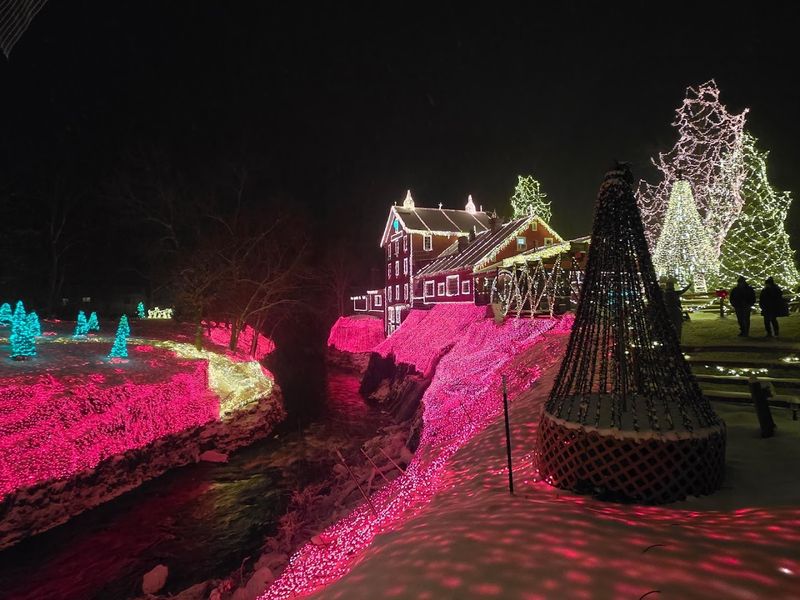
Four million lights. Read that number again.
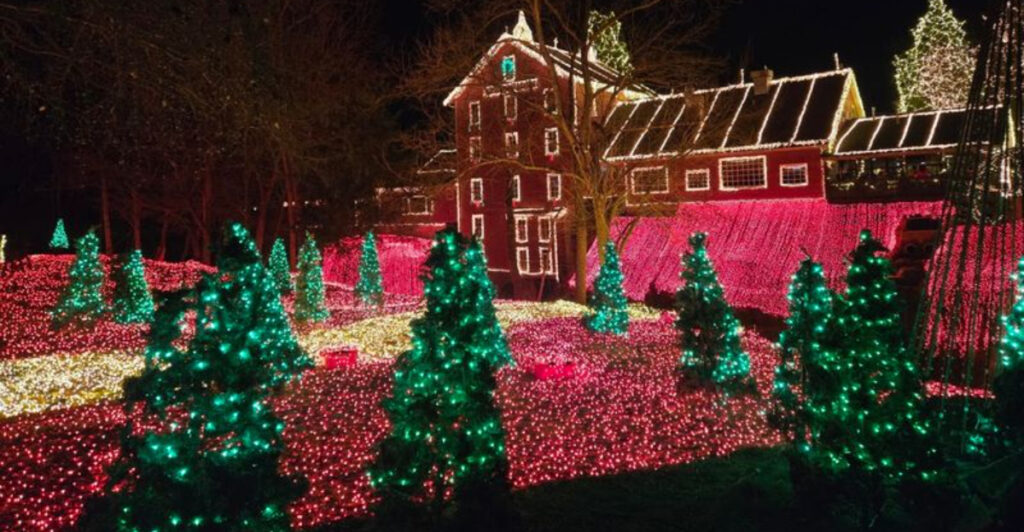
Every holiday season, the team at Clifton Mill strings more than four million individual lights across the mill, the covered bridge, the surrounding trees, and every surface in between. Some reports from regular visitors suggest the number has climbed even higher in recent years.
The effect at night is genuinely hard to put into words. The lights reflect off the Little Miami River below, doubling the visual impact and making the whole gorge glow in warm color.
It is the kind of scene that makes people reach for their phones immediately and then quickly realize that no photo fully captures what they are looking at.
The display has earned a reputation as one of the largest and most impressive Christmas light shows in America, drawing crowds from Ohio and well beyond each season. Weeknights tend to be less crowded than weekends if you prefer a little more breathing room.
The Choreographed Light Show on the Bridge
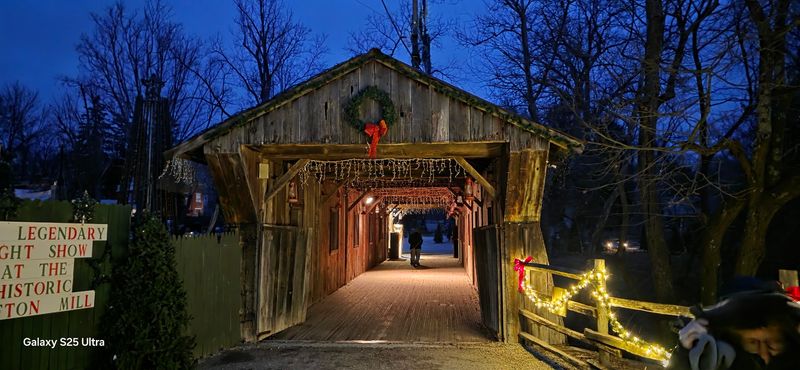
Of all the things to see during the holiday light festival, the choreographed light show on the covered bridge stands out as the moment most visitors remember longest. Every half hour, the lights on the bridge sync up to music in a coordinated display that draws crowds to gather along the riverbank and watch from below.
The bridge itself is already a striking structure during the day, but at night with the music running and the lights flashing in rhythm, it becomes something else entirely. Kids go quiet.
Adults pull out their phones. Even people who have seen it multiple times tend to stick around for the full show rather than walk away early.
Santa makes an appearance at the end of the show, popping out of a chimney display and interacting with the crowd. It is one of those small touches that turns a light display into an actual event worth planning your evening around.
The Santa Museum That Surprises Everyone
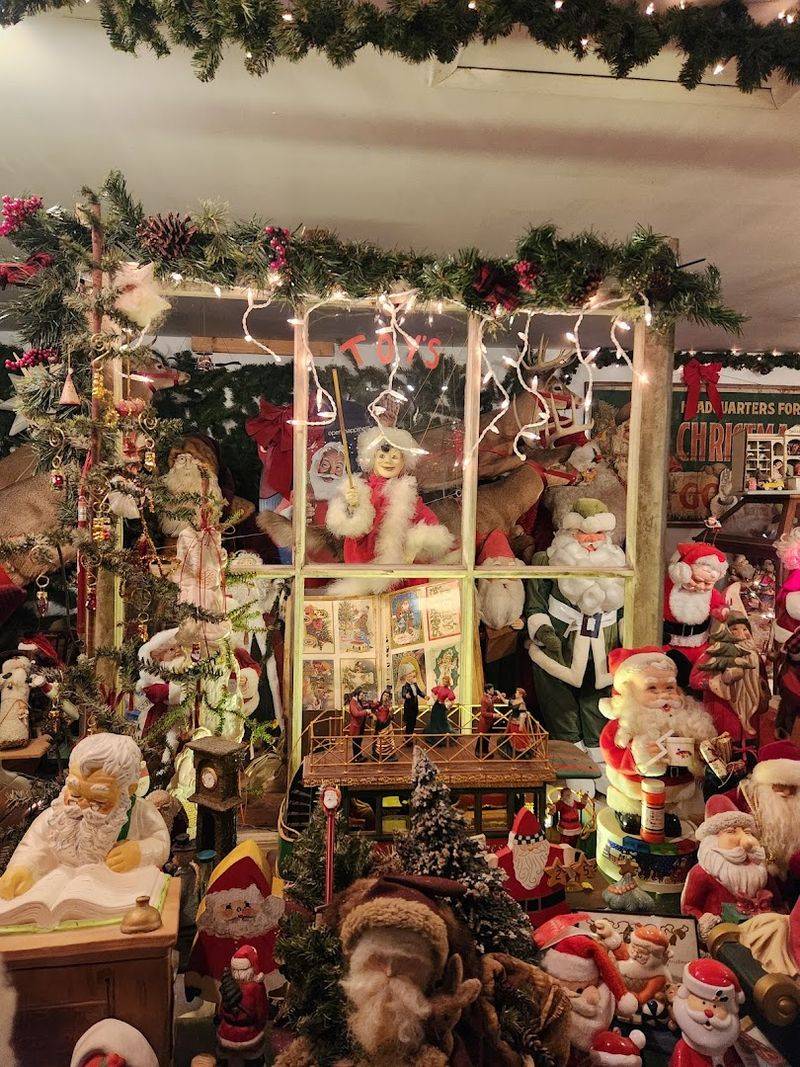
Most people arrive at Clifton Mill for the lights and leave unexpectedly fascinated by the Santa museum. The collection inside features a staggering number of Santa Claus figures, ranging from antique pieces to more recent collectibles, all displayed in a single room that manages to feel both overwhelming and oddly charming at the same time.
There are Santas from different eras, different countries, and different artistic styles. Some are tiny.
Some are nearly life-sized. A few look like they belong in a folk art gallery rather than a holiday display.
Walking through the room takes longer than you expect because there is always one more figure in the corner you have not noticed yet.
Kids love it for obvious reasons, but adults tend to linger just as long, reading the small details on each piece. It is one of those unexpected corners of the property that gives the whole visit an extra layer of personality.
Pancakes Bigger Than Your Plate
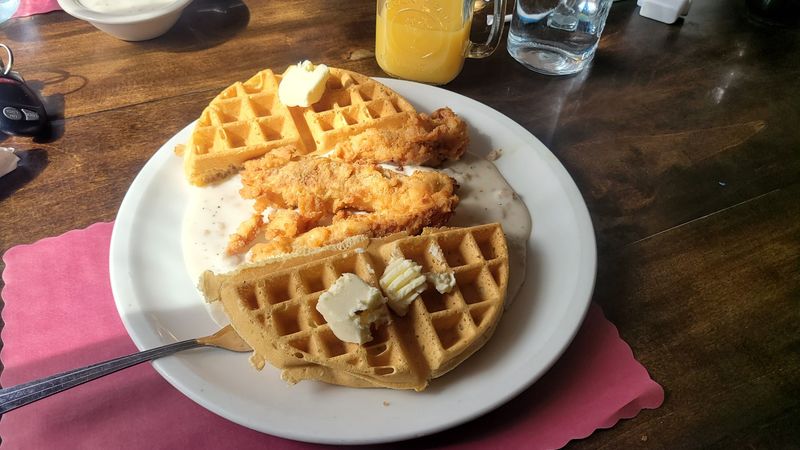
The pancakes at Clifton Mill are not a side note. They are practically the main event during the other eleven months of the year when the Christmas lights are not running.
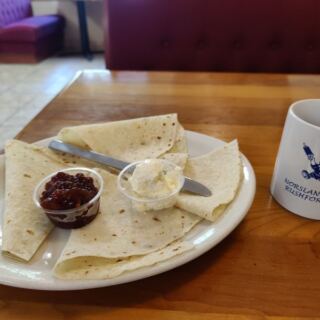
Ground from flour milled right on the property, these pancakes arrive at your table at a size that genuinely catches first-time visitors off guard.
The kitchen offers a pancake challenge that has become part of the local lore. Finish your first two pancakes and the restaurant will bring you a third one free of charge.
Most people fail the challenge, and based on the portion sizes arriving at neighboring tables during my visit, that outcome makes complete sense.
The flavor is what sets them apart from diner pancakes elsewhere. Using freshly milled flour gives the batter a slightly nutty, wholesome quality that packaged mix simply cannot replicate.
Regulars plan their visits specifically around a stack, and it is easy to understand why after the first bite.
The Covered Bridge and the Gorge Below
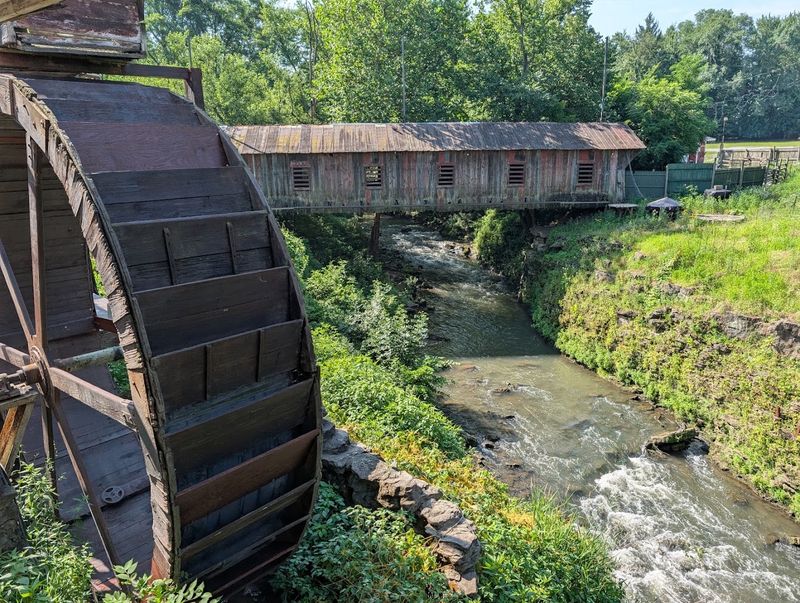
The covered bridge at Clifton Mill is one of those structural details that earns its own visit separate from everything else happening on the property. It spans the Little Miami River and offers a view of the gorge below that genuinely stops people in their tracks.
The stone walls of the gorge drop away dramatically beneath the bridge planks, and the sound of the water rushing through the narrow channel carries up clearly on quiet mornings.
Walking across the bridge takes about thirty seconds, but most visitors spend considerably longer on it, looking over the rails at the river and the mill wheel turning slowly in the current. The gorge itself is part of a state nature preserve, which means the surrounding landscape stays wild and largely undisturbed year-round.
In autumn, the foliage along the gorge edges turns brilliant shades of orange and red, making the bridge walk one of the better seasonal photo opportunities in the region even outside of the holiday light season.
The Miniature Village and Train Display
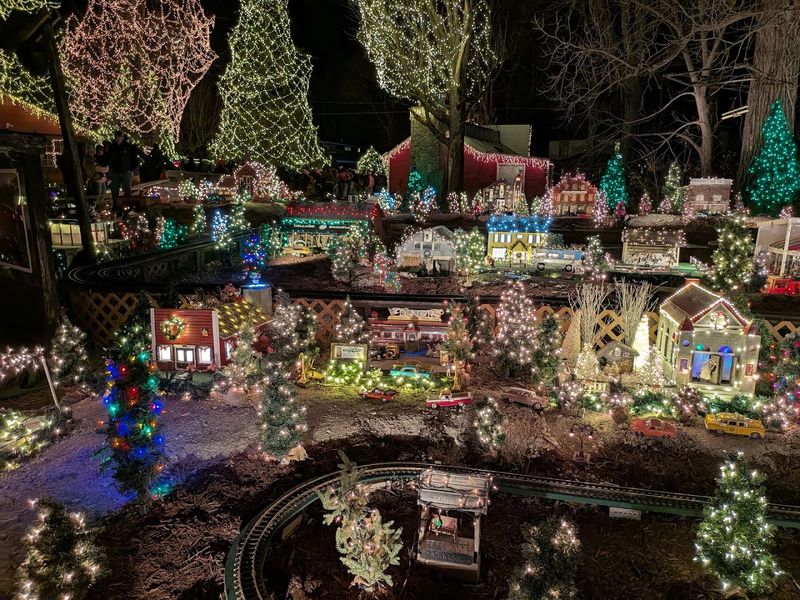
Tucked into the holiday display at Clifton Mill is a miniature village that rewards visitors who slow down and look closely. Small buildings, detailed streetscapes, and tiny figures populate the scene in a way that feels carefully assembled rather than thrown together for seasonal appeal.
Miniature trains run through sections of the display, adding movement and a layer of nostalgia that tends to hook both children and adults equally.
The village is the kind of exhibit that draws you in progressively. You notice one detail, then another, then realize five minutes have passed and you are still crouching down to get a better angle on a tiny lamppost or a miniature holiday market stall.
It works as a counterpoint to the massive outdoor light display. After the scale and spectacle of millions of lights along the river, stepping into the miniature village offers a quieter, more intimate moment that rounds out the visit in a satisfying way.
The 1940s Gas Station on the Property
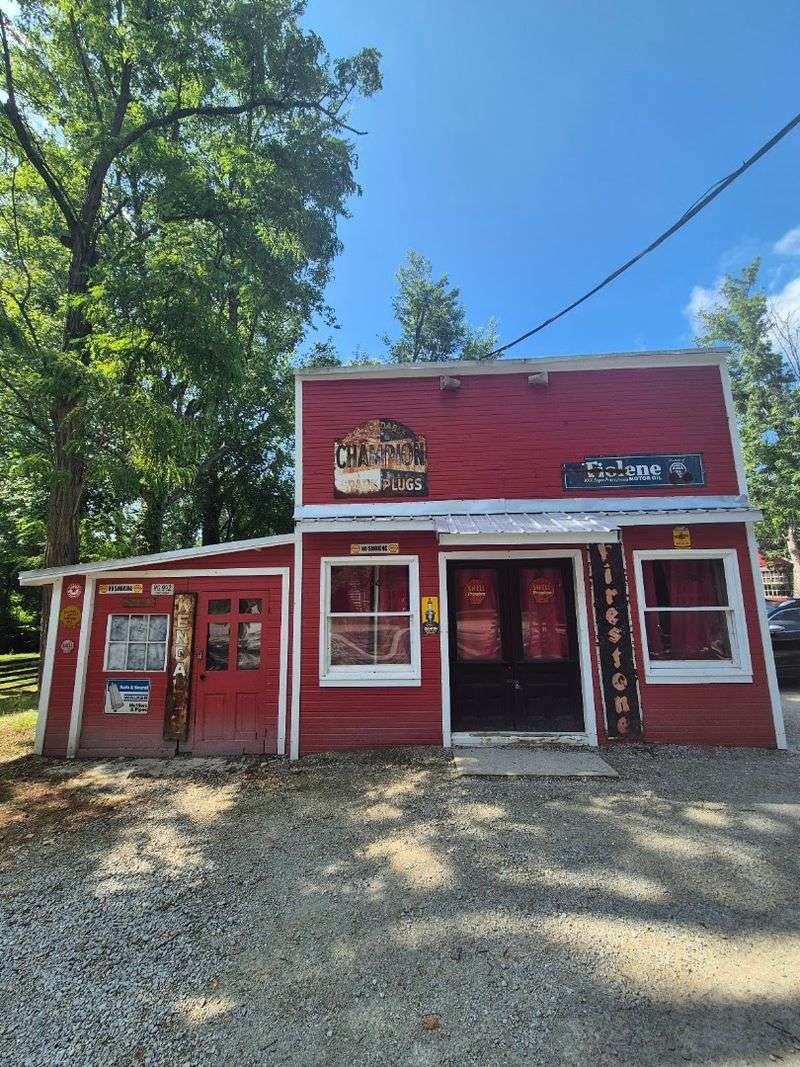
One of the more unexpected details on the Clifton Mill property is a preserved 1940s-era gas station that sits among the other historic structures. It is not a replica or a themed decoration.
The station is an actual remnant of a different era, kept in place as part of the broader commitment to preserving the history of the site and the surrounding area.
The pumps and signage have that specific visual quality of mid-century roadside America that you usually only see in photographs or old films. Standing next to it feels slightly surreal in the best way, especially with the sound of the river in the background and the mill wheel turning nearby.
Most visitors focus on the mill and the covered bridge and walk right past the gas station without giving it much attention. That is a small shame, because it adds a layer of authenticity to the property that a lot of historic sites spend considerable money trying to recreate from scratch.
Mill-Ground Flour and Pancake Mixes to Take Home
One of the most practical souvenirs you can leave Clifton Mill with is a bag of their house-milled flour or one of their pancake mix sets. The mill grinds grain on-site using the same water-powered process that has been running on this property for generations, and the resulting flour has a quality that grocery store alternatives simply do not match.
The gift shop sells a three-pack of pancake mixes that has developed something of a cult following among visitors who discovered the pancakes in the restaurant and wanted to recreate them at home. Multiple people who have made the mixes at home describe the results as some of the best pancakes they have ever had from a home kitchen.
You can select different mix varieties based on your preference, which makes the set a genuinely useful gift rather than a novelty item that sits on a shelf. It is the kind of thing that makes the drive home feel productive.
The Dining Room View of the Water Wheel
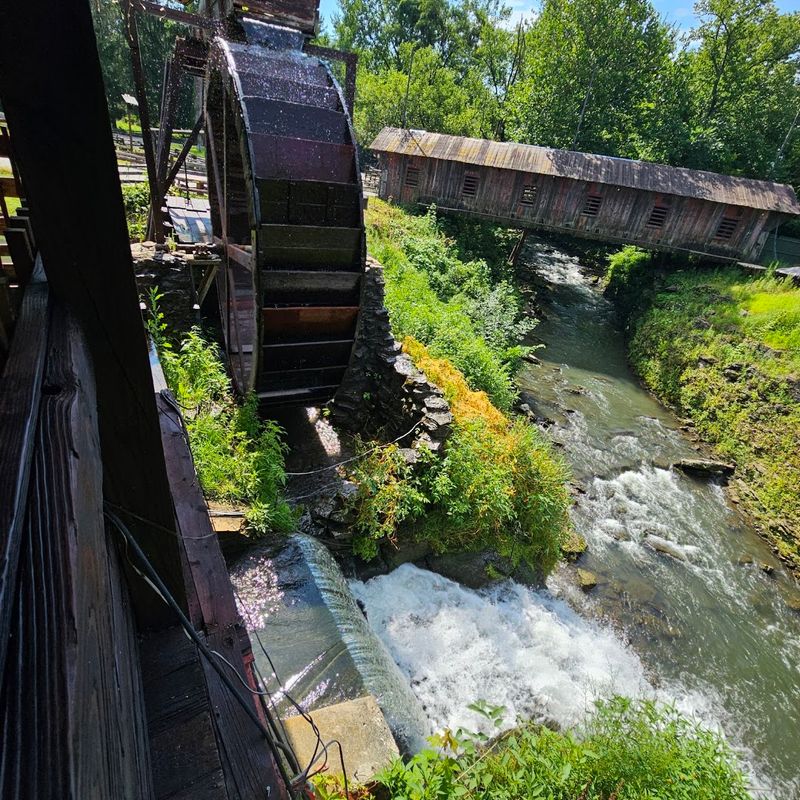
Requesting a table near the windows in the Clifton Mill dining room is worth the extra few minutes of waiting. The view from those seats looks directly out at the water wheel turning against the river, with the gorge walls visible in the background.
It is one of the more naturally cinematic breakfast settings you are likely to find at a casual American restaurant.
The interior of the dining room leans into the farmhouse aesthetic without overdoing it. Exposed wood, rustic fixtures, and the ambient sound of water moving outside create an atmosphere that feels earned rather than decorated.
The building genuinely is a historic mill, and the dining room reflects that honestly.
The balcony is worth stepping out onto before or after your meal. Standing outside with a coffee while the water wheel turns below you and the river moves through the gorge is a moment that tends to stick with people long after they have driven back home.
What the Holiday Season Crowds Actually Look Like
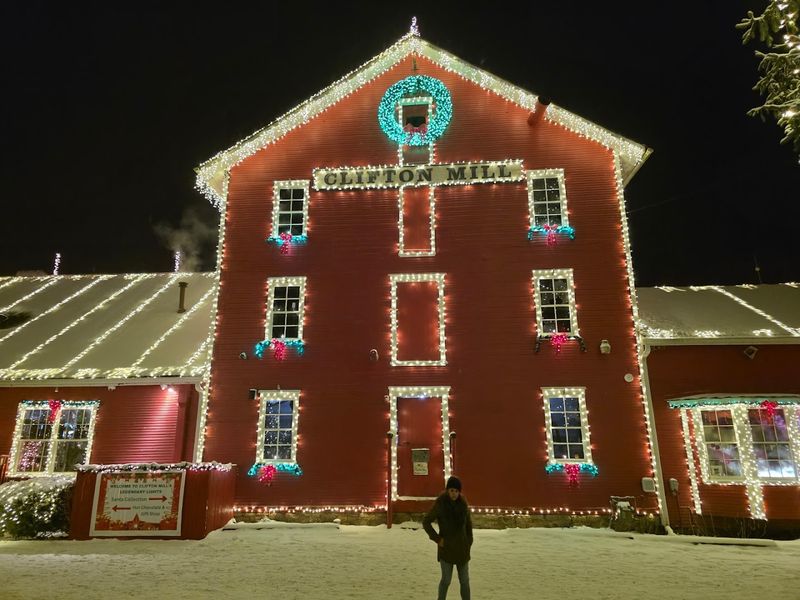
The Clifton Mill light festival draws serious crowds, and being realistic about that upfront helps you plan a visit that actually lives up to the experience. Weekend evenings around Christmas are the busiest, with lines at the entrance and packed pathways throughout the property.
Weeknight visits after Christmas tend to offer a noticeably better experience in terms of space and movement.
Parking requires some strategy. There are lots on both sides of the river, and locals in the surrounding neighborhood sometimes offer additional parking options when the main lot fills up.
Arriving early in the evening gives you the best chance of settling in before the peak crowd arrives for the half-hour light show.
The grounds are largely unpaved, which is worth knowing if you are bringing someone with mobility challenges. Gravel and grass paths make up most of the walking area, so comfortable footwear and a little advance planning go a long way toward making the evening comfortable for everyone in your group.
Visiting Year-Round Beyond the Holiday Season
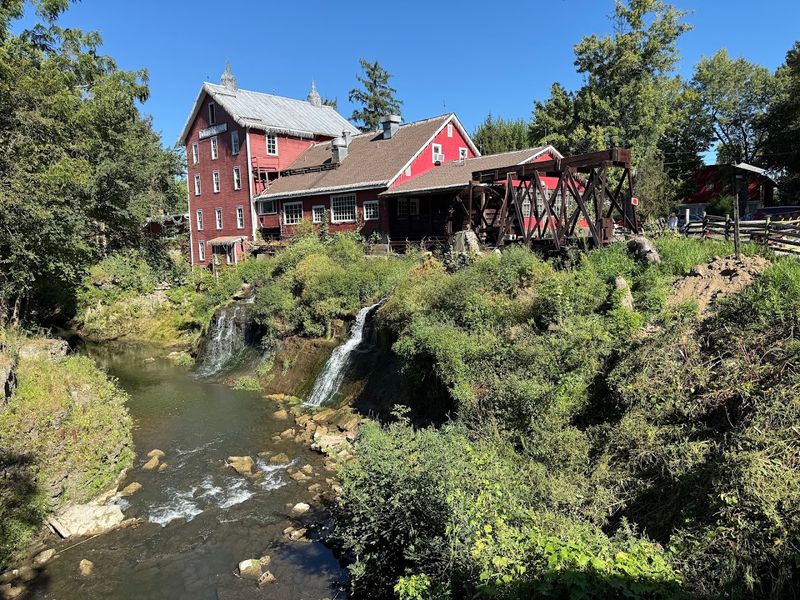
The Christmas light festival gets most of the attention, but Clifton Mill operates as a full restaurant and historic attraction throughout the entire year. The restaurant is open most days for breakfast and lunch, serving its full menu of house-milled pancakes, omelets, biscuits and gravy, and other American breakfast staples regardless of the season.
Spring and summer bring their own appeal to the property. The gorge fills in with green, the river runs clear and fast, and the covered bridge becomes a peaceful spot for a slow walk without the holiday crowds pressing around you.
The water wheel and mill race are easier to appreciate in detail when you are not navigating a few thousand other visitors at the same time.
Fall might be the most underrated season to visit. The foliage along the gorge turns quickly and dramatically, and the combination of autumn color, rushing water, and the old mill creates a scene that feels almost too picturesque for a casual Tuesday morning breakfast stop.
Why People Keep Coming Back Season After Season
Some places earn a single visit and a good memory. Clifton Mill earns something harder to explain, which is the habit of return.
Families who visited when their children were small come back years later with those same children grown and bringing their own kids. The property has a quality of consistency that makes it feel like a reliable anchor for annual tradition.
Part of it is the food, which stays good year after year. Part of it is the light display, which gets refined and expanded each holiday season rather than staying exactly the same.
Part of it is simply the physical character of the place, a real working mill on a real river in a gorge that has not changed much in a very long time.
Whatever combination of factors creates that pull, Clifton Mill has clearly figured out something that most tourist attractions spend years trying to manufacture. The repeat visitors are not just loyal.
They are genuinely enthusiastic, and that says more about a place than any single review ever could.
Share this story