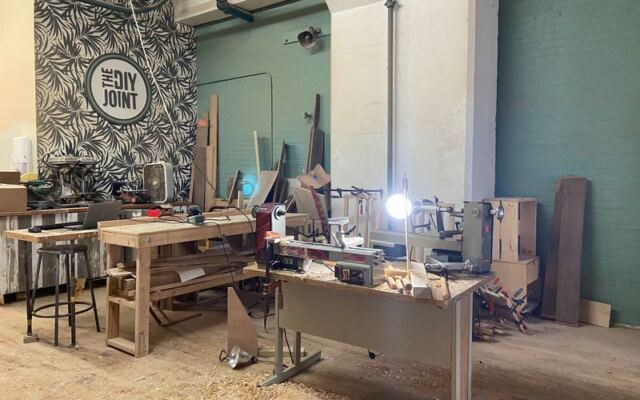
A plain storefront can change the whole shape of an afternoon in New Jersey. One minute, a beginner is just curious about woodworking, and the next, rough lumber is turning into something useful enough to take home.
Near Hoboken, there is a hands-on shop where first-timers can learn real tools without feeling tossed into the deep end. The draw is simple: leave with new skills, a finished project, and a better answer to the question, could I actually make that myself?
A Union City Woodshop Near Hoboken
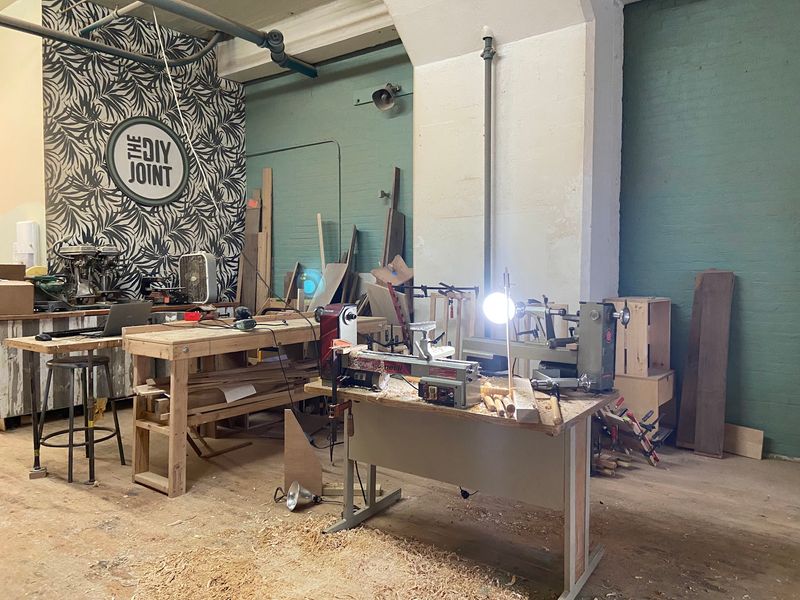
A short trip from Hoboken leads to The DIY Joint at 600 Palisade Ave, Union City, NJ 07087, United States, a woodworking class studio built around hands-on learning.
The address matters because the headline may make people think only of Hoboken, but the shop sits in Union City, close enough for a quick local outing and specific enough for New Jersey residents planning a real visit. Its location gives it that North Jersey usefulness: easy to consider after work, on a weekend, or as a nearby activity that does not feel like another routine errand.
The DIY Joint is listed as a woodworking class destination, and its most talked-about starting point is the cutting board class. That project has become a favorite because it is small enough for beginners yet serious enough to involve real woodworking steps.
Instead of watching a demonstration from the back of a room, students learn by doing. The appeal comes from the mix of structure and independence, with instructors guiding people through tools, safety rules, and the steady process of turning lumber into a finished piece.
The Cutting Board As A First Big Win
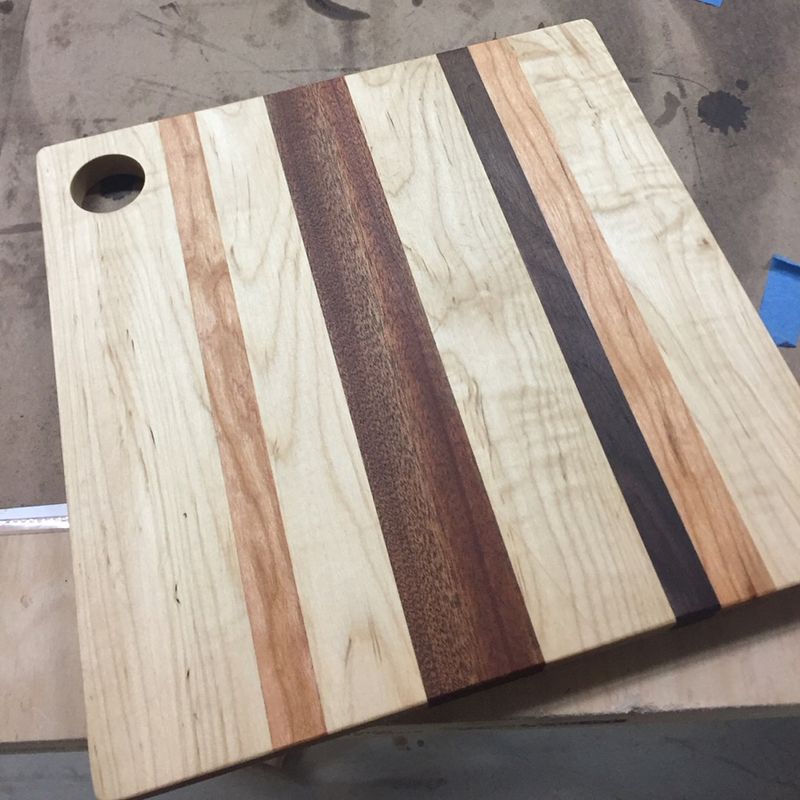
Small projects can carry a surprising amount of confidence, and the cutting board class at The DIY Joint seems built around that exact idea.
The class introduces beginners to the process of taking lumber through practical steps, including milling, gluing, and finishing. People mention making boards from multiple species of wood, which gives the project more character than a plain square of material from a store shelf.
A cutting board works well as an entry project because it has a clear purpose and a clear finish line. Students are not signing up for a vague craft session where the result might end up forgotten in a closet.
The project also teaches useful basics without requiring years of experience. The class has been described as a first experience with woodworking machines for some students, yet it still gives enough room to learn terms, methods, and shop habits that matter later.
By the time the board is complete, the takeaway is not just an object. It is proof that a beginner can follow a measured process, use unfamiliar equipment with guidance, and create something sturdy enough to earn counter space at home.
Real Tools Without The Guesswork
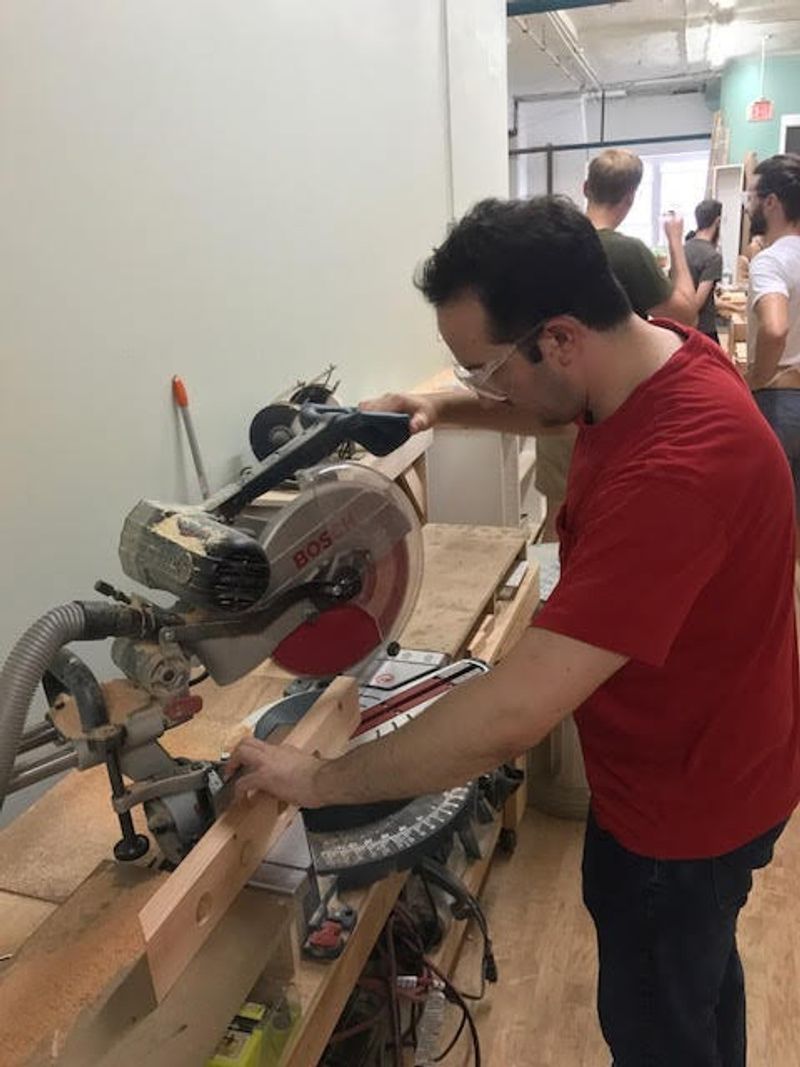
Power tools can make a beginner pause, which is exactly why a guided class has more value than a random online tutorial.
The DIY Joint cutting board class has been associated with hands-on exposure to tools such as the jointer, planer, table saw, and miter saw. Those names may sound like shop vocabulary at first, but the class structure turns them into understandable stations with a purpose.
Students learn how rough lumber becomes workable material, a step that many casual DIY attempts skip too quickly. The planer and jointer matter because they help prepare wood before it becomes part of a finished project, while saws help shape pieces with accuracy.
Safety is a repeated theme in the information available about the shop. Instructors explain safe operation before tools are used, and written instructions near machines have been mentioned as helpful reminders.
That combination is the real hook. The experience is not about acting fearless around machinery.
It is about gaining enough instruction to respect the tools, understand their role, and use them in a controlled way that makes the whole class feel achievable.
Patient Instruction At The Center
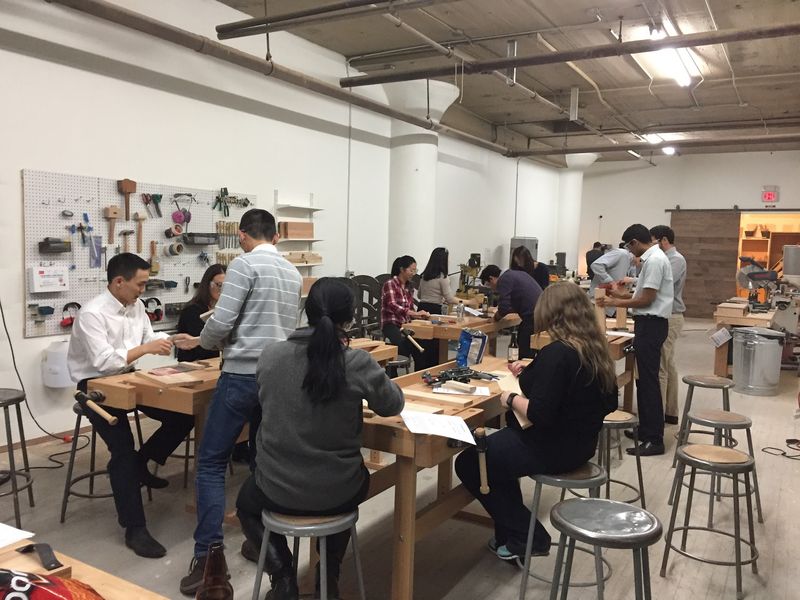
A patient teacher can make the difference between a hobby that sticks and one that gets abandoned after the first confusing step.
The DIY Joint is closely connected with instructors who are described as knowledgeable, hands-on, and patient. Names that appear in shared experiences include Priscilla, Baran, David, Glen, and Peter, each connected with different classes or shop moments.
The instruction style is a major part of why beginners are drawn here. Students with no prior woodworking background have taken classes and come away saying they understood the steps, the tool use, and the rhythm of the project.
There is also a careful balance between guidance and independence. Instructors walk students through each stage, yet the format still gives people room to do the work themselves rather than simply watch someone else complete the hard parts.
That matters because woodworking can feel intimidating from the outside. A calm explanation, a clear set of shop rules, and an instructor nearby can turn uncertainty into momentum.
For New Jersey locals who have wanted to try making something by hand but never knew where to begin, the teaching approach may be the strongest reason to book a class.
A Shop Built For Learning By Doing
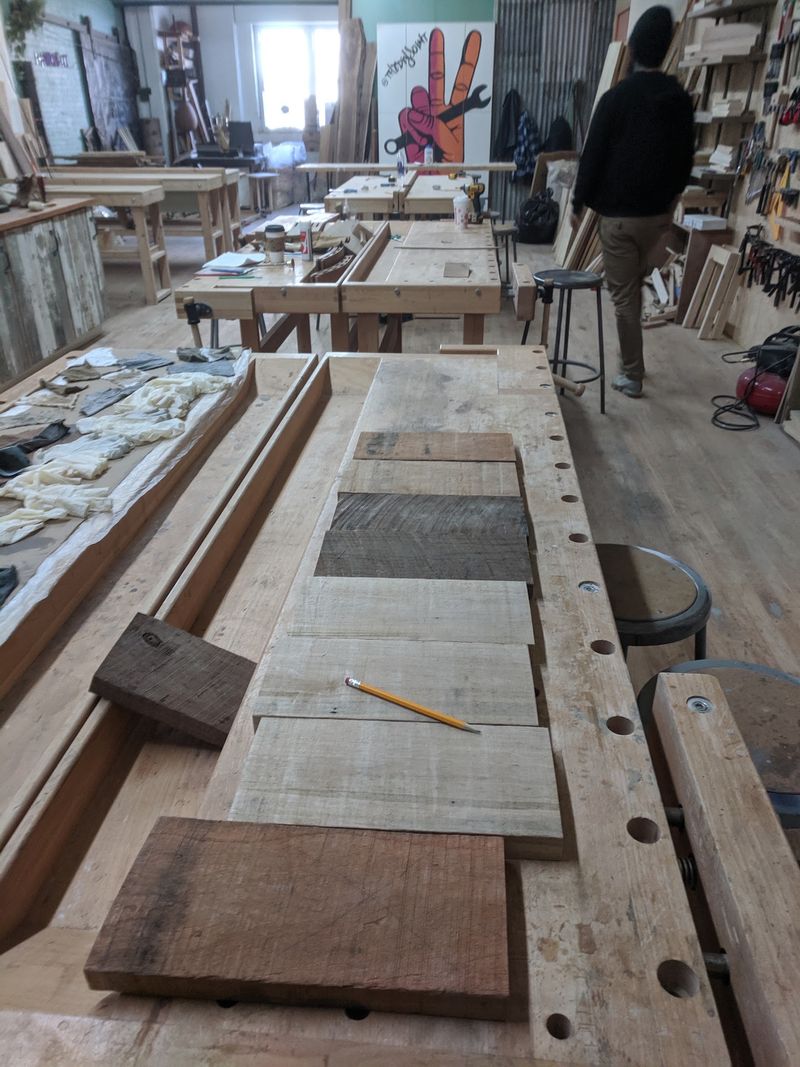
Not every classroom has rows of desks, and this one seems to prefer workbenches, tool stations, and steady progress.
The DIY Joint has been described as clean, open, and large enough for multiple groups to work comfortably. That detail matters because woodworking needs space, especially when people are learning how to move between steps without crowding one another.
The shop provides the tools needed for class projects, which removes a common barrier for beginners. Most people do not own a full setup with a planer, jointer, saws, clamps, and finishing supplies, and buying everything before taking a first class would be a very expensive leap of faith.
The studio format lets people try woodworking in a practical setting before deciding how far they want to go. A beginner can take one class for the experience, while someone who catches the woodworking bug can continue building skills through additional courses or open studio access after meeting the required base steps.
There is a nice local logic to that model. North Jersey apartments and smaller homes do not always leave room for a personal workshop, so a shared, structured space fills a real gap.
Skills That Continue Past One Class
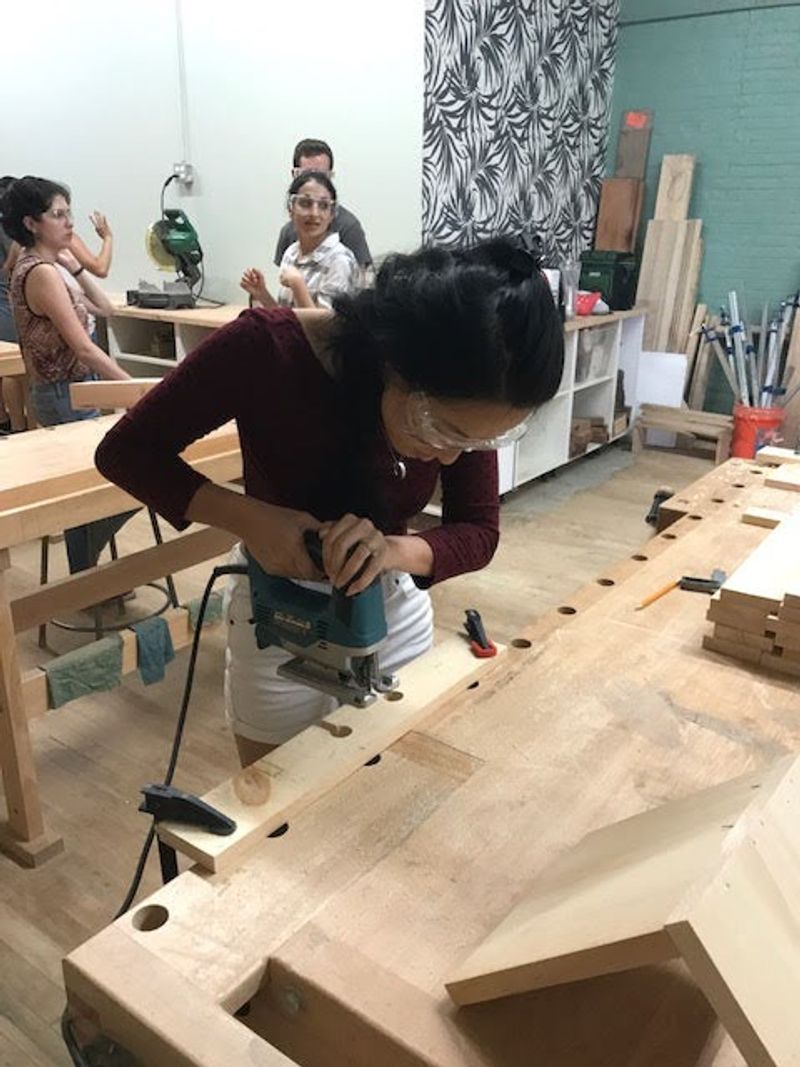
One finished cutting board can be the start of a larger problem, suddenly every table and shelf at home looks like a future project.
The DIY Joint does not appear to treat beginner classes as one-and-done entertainment only. Some students have moved from an introductory course into open studio time, personal projects, or more advanced classes.
Open studio access is connected to completion of base courses or certification, based on shared experiences from people who returned after beginner instruction. That pathway gives the shop a practical second life for people who want to keep making things but do not have a full workspace of their own.
The class topics mentioned in available information go beyond cutting boards. Live edge table classes, furniture making, mid-century style table sessions, utensil work with hand tools, serving trays, shelves, and side tables all appear in the shop’s story.
That range helps explain why the cutting board class is such a smart entry point. It gives a manageable first project, while the rest of the schedule suggests what might come next.
For curious beginners, the bigger promise is not instant mastery. It is a route from trying one project to understanding how woodworking can become a repeatable skill.
Group Outings With Actual Takeaways
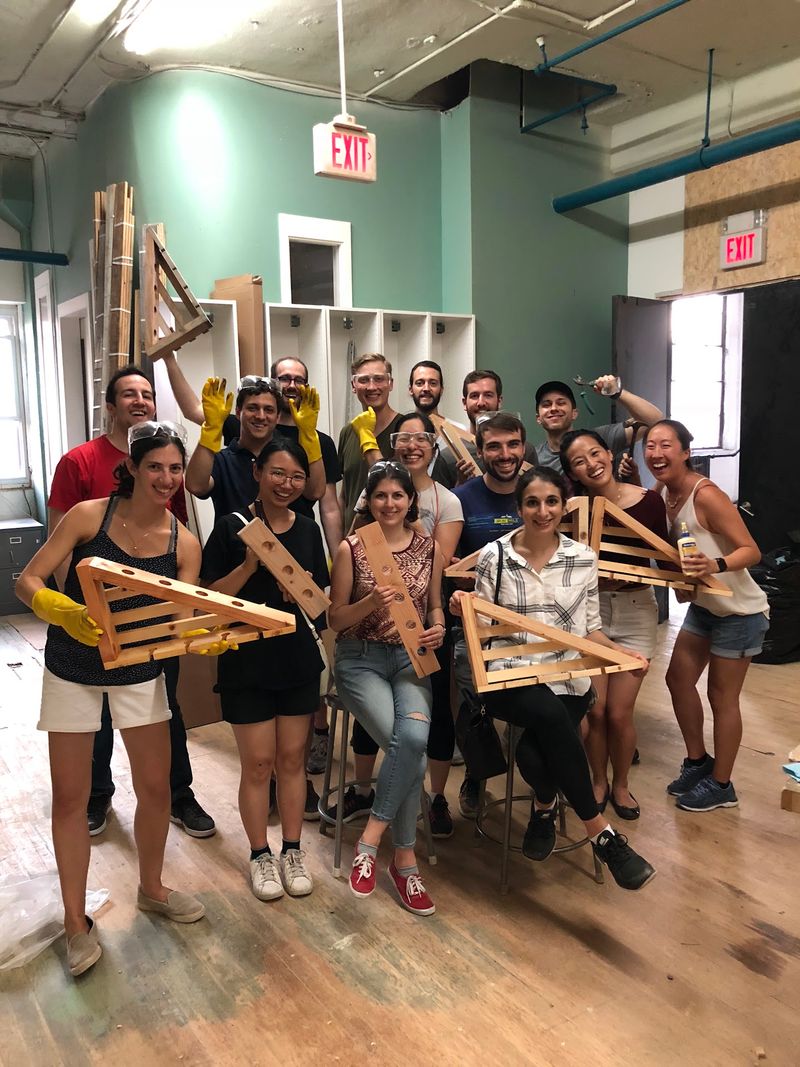
A group activity earns extra points when nobody has to pretend the result was useful.
The DIY Joint has hosted groups for occasions such as birthdays, workplace outings, anniversary activities, and weekend celebrations. The common thread is that participants can arrive with little or no woodworking experience and still follow a guided project together.
That gives the shop a different feel from more passive plans. People rotate through stations, learn tool basics, and leave with an object they helped make.
Classes have included projects such as serving trays, tables, shelves, and cutting boards, depending on the session. Some group experiences have also involved customized planning, including a project design based on an idea supplied before the event.
The value here is partly social and partly practical. A group gets the fun of doing something unusual, but the class still has a teaching spine that keeps it from becoming random table work.
For Hoboken, Jersey City, Union City, and nearby North Jersey residents searching for an activity that is not the same old calendar filler, a supervised woodshop session brings enough novelty to start conversations and enough structure to keep the project moving.
Beginner Friendly Without Feeling Basic
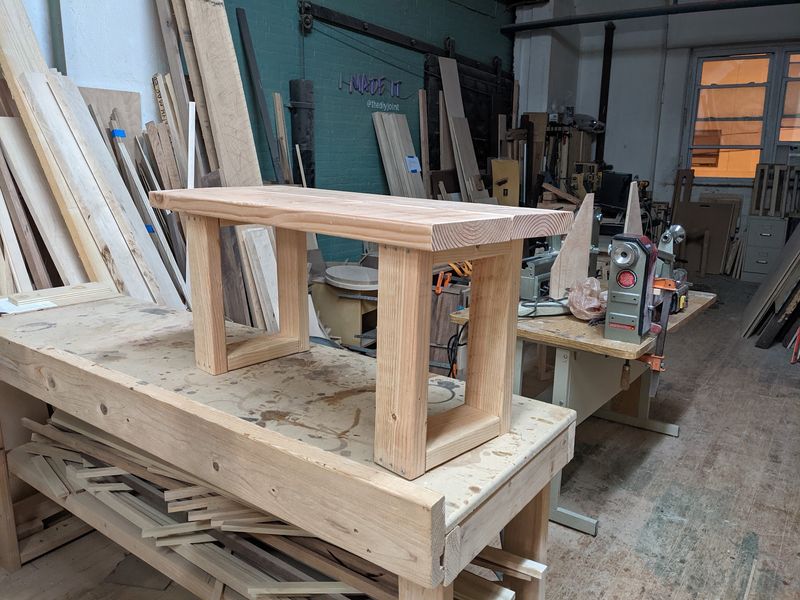
Beginner-friendly can sometimes mean watered down, but the projects connected with The DIY Joint suggest a more satisfying middle ground.
People with no prior power tool experience have taken classes here and still completed projects such as cutting boards, tables, trays, and shelves. At the same time, students with some woodworking background have found room to ask more specific questions and learn techniques they could use at home.
That range is important. A class that only serves total beginners can feel too slow for someone with a little experience, while a class aimed at hobbyists may leave newcomers behind.
The DIY Joint seems to land between those extremes by pairing clear instruction with real materials and real shop tools. The projects are not imaginary practice pieces, and the steps are not presented as magic tricks.
There is also enough flexibility in certain classes to make the experience feel personal. Shared accounts mention custom specifications for a table class and the option for a pair to build one item together at 1.5 times the single item cost in a mid-century table class.
That makes the shop useful for cautious first-timers and returning makers who want a little more control.
A Small Community Around The Workbenches
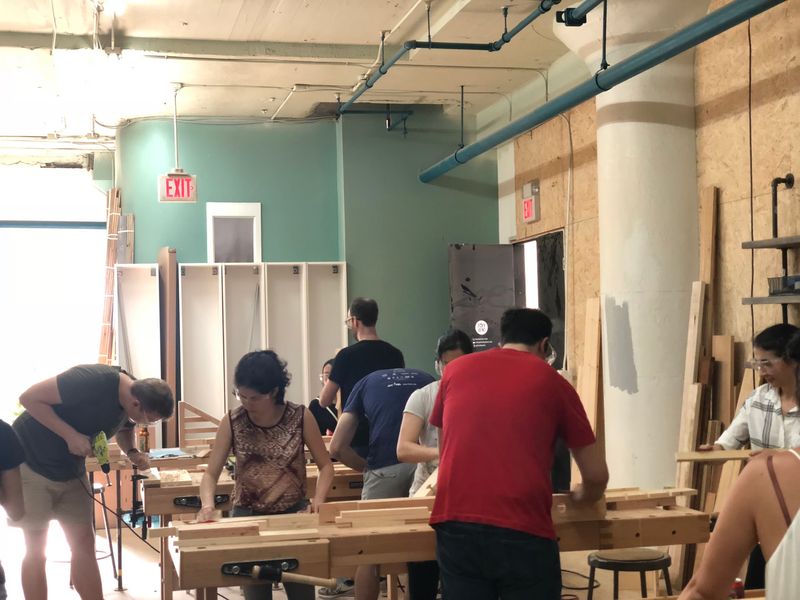
Something interesting happens when a classroom becomes a place people return to with their own ideas.
The DIY Joint has developed a community feel around open studio use and repeat class attendance. People working on personal projects are described as friendly and willing to answer quick questions, while still focusing on their own builds.
That detail gives the shop a neighborhood quality. It is not just a place where an instructor talks and everyone disappears after the final sanding step.
Returning students can see other projects taking shape, learn by proximity, and pick up small tips that come from sharing a workspace. For a craft like woodworking, that matters because progress often comes from both formal instruction and casual problem-solving.
The studio also seems to attract people who are trying to build confidence, not show off. That makes the environment less intimidating for someone who has never touched a table saw or wondered what a jointer actually does.
In a dense part of New Jersey where private workshop space can be hard to find, a clean shared setting with structure and helpful people gives the hobby a realistic place to grow.
Hours That Fit Busy North Jersey Calendars
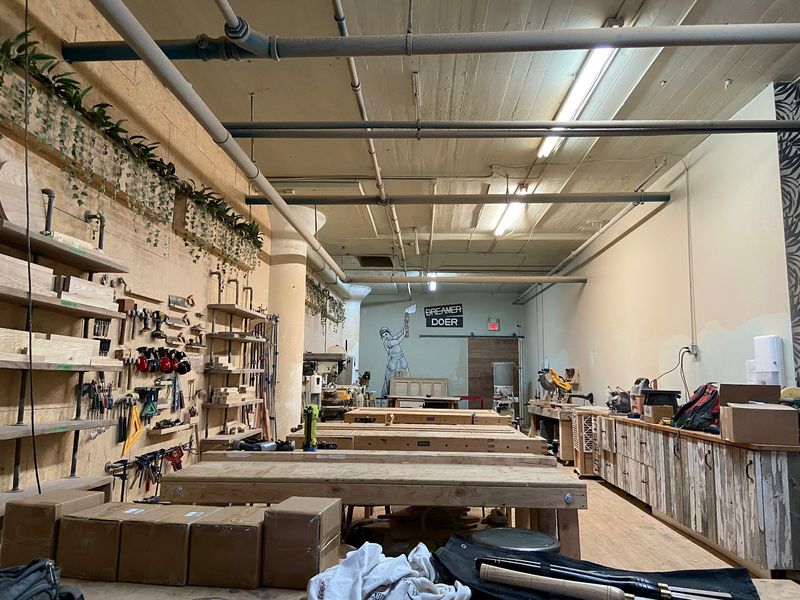
Busy schedules have a way of turning good ideas into someday plans, so the hours here deserve attention.
The DIY Joint is listed as open every day from 9 AM to 9:30 PM. That broad schedule gives locals more room to find a class time that works around commuting, family plans, or weekend errands.
For people coming from Hoboken, Union City, Jersey City, or nearby parts of Hudson County, the extended evening window may be especially useful. A woodworking class is not the kind of activity most people can squeeze into a short lunch break, so later hours make the idea more realistic.
The class-specific timing can vary by offering. One hand tools utensil course has been described as a one-day session running from 9 AM to 2 PM, while another mid-century table class was described as a 2.5 hour experience.
Because class lengths and formats differ, the smartest move is to check The DIY Joint’s official website before choosing a date. The available data points to a schedule with frequent access, but the right session depends on the project and the time commitment a student wants.
A Worthwhile Local Verdict
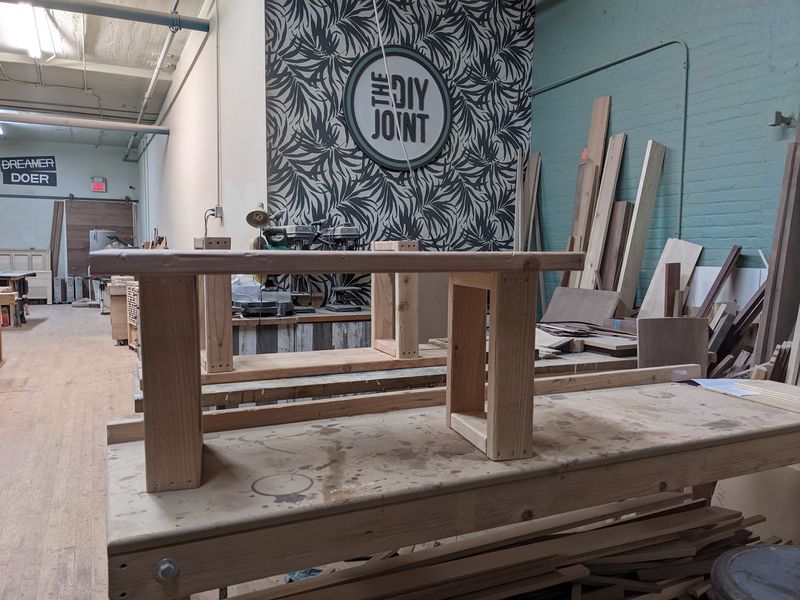
The strongest case for The DIY Joint is not that everyone should become a furniture maker overnight.
The better argument is simpler: New Jersey has a place near Hoboken where beginners can safely try a real craft, use serious tools with guidance, and leave with something they made by hand. That is a rare combination in a region where space, equipment, and instruction are not always easy to line up.
The cutting board class is the cleanest entry point because it is practical, approachable, and still connected to real woodworking steps. Milling lumber, gluing pieces, shaping material, and finishing a board all give students a meaningful taste of the process.
The shop also has enough depth to support repeat interest. Open studio access after required base courses, furniture classes, table projects, and other hands-on offerings create a path for people who want more than a single afternoon activity.
For locals, day-trippers, couples, small groups, and cautious first-timers, The DIY Joint feels like one of those New Jersey places that quietly proves the state has more creative corners than people give it credit for. Bring curiosity, choose a project, and let the lumber do the humble bragging later.
Share this story