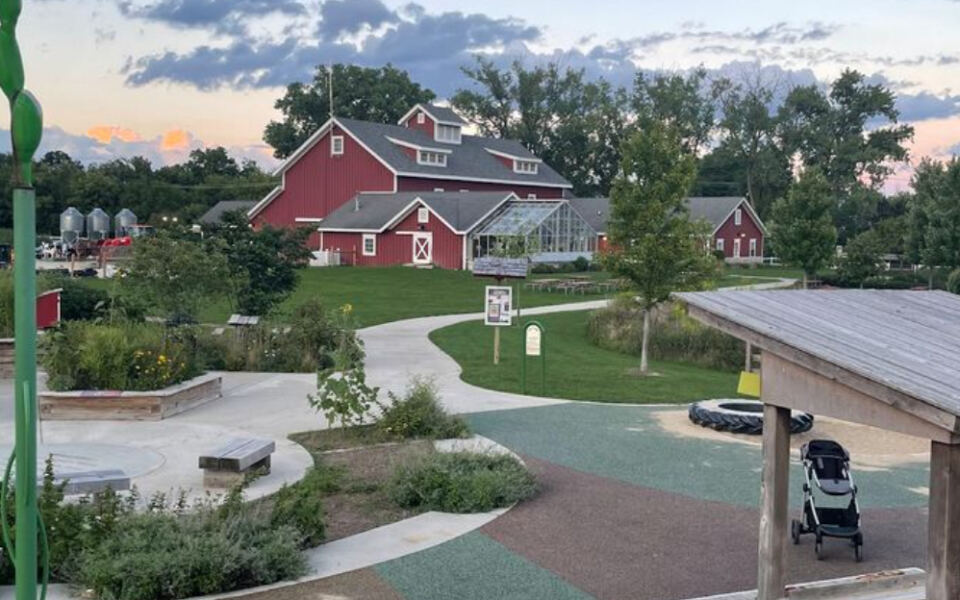
Historic Wagner Farm in Glenview stands as a rare treasure in Cook County, offering visitors a glimpse into agricultural life that’s nearly vanished from the Chicago area. Built in the 1850s, this working dairy farm continues to operate today, complete with daily cow milkings, fresh eggs, and farm animals that kids can observe up close.
Free to visit and managed by the Glenview Park District, the farm provides families with an authentic experience of farming history just five miles from northwest Chicago, making it an educational escape without leaving the suburbs.
Morning Milking Shows Draw Curious Crowds
Visitors can watch real dairy cows being milked twice daily at 9 AM and 4 PM in the farm’s milk parlor. The cows line up for their routine milking sessions, giving city kids and adults alike a fascinating look at where their milk actually comes from.
Staff members explain the process while demonstrating the equipment, making it both educational and entertaining.
The Holstein cows are the stars of these demonstrations, patiently standing while visitors snap photos and ask questions. Between milking times, you can spot these gentle giants relaxing in the barn or grazing in the pasture.
Some visitors plan their entire trip around catching one of these twice-daily shows.
The milk parlor itself features vintage equipment alongside more modern tools, showing how dairy farming has evolved over the decades. Children especially love seeing the cows up close during this hands-on agricultural experience.
It’s a perfect introduction to farming life that you won’t find at most suburban attractions.
Free Entry Makes Farm Visits Accessible to All
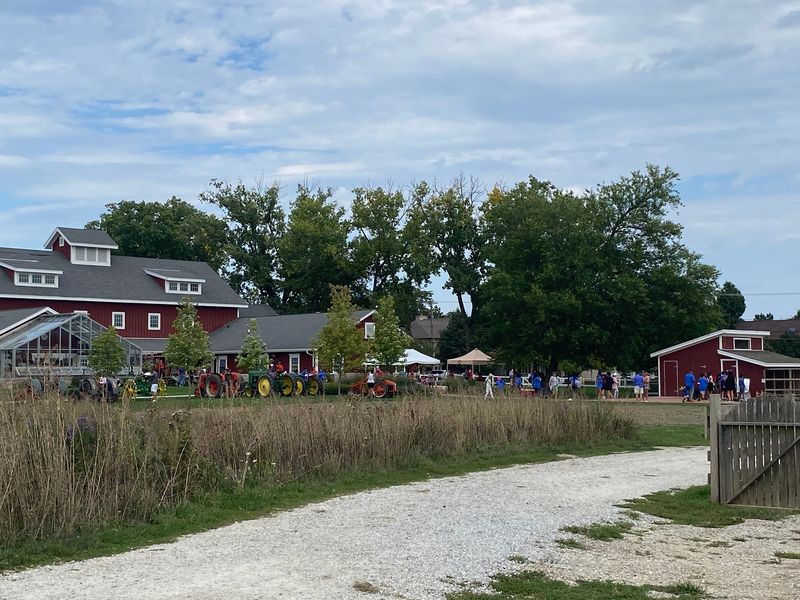
Wagner Farm charges absolutely nothing for admission, making it one of the best free family activities in the Chicago suburbs. Parking across the street is also free, so families can enjoy a full day of farm exploration without spending a dime on entry.
This accessibility has made the farm a beloved destination for schools, families, and anyone wanting to experience farm life.
The Glenview Park District manages the property and keeps it open seven days a week from 9 AM to 5 PM. While admission is free, the farm does sell fresh products like eggs, local apples, seasonal pumpkins, and homemade goods to support operations.
Optional paid activities include horse-drawn wagon rides for four dollars per person during warmer months.
Many families pack picnic lunches and spend hours exploring the grounds, visiting animals, and letting kids play without worrying about ticket prices. The free access policy ensures that children from all backgrounds can learn about agriculture and connect with farm animals, fulfilling the farm’s educational mission beautifully.
Saturday Farmers Market Brings Local Vendors Together
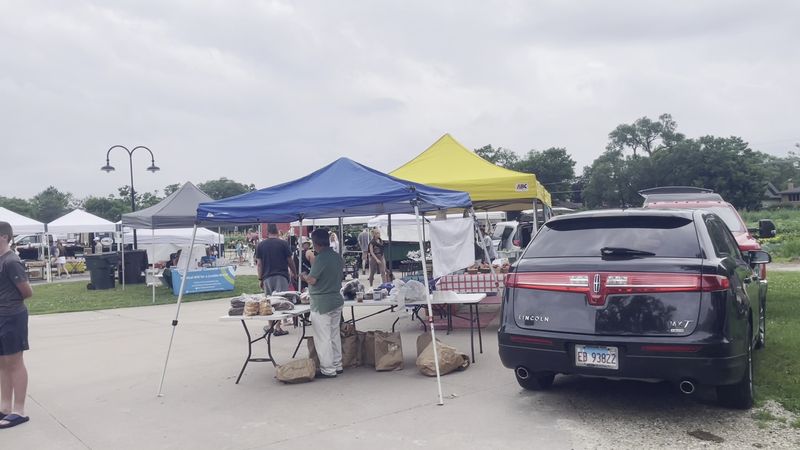
Every Saturday morning from 8 AM to noon, Wagner Farm hosts a vibrant farmers market featuring local growers and artisans. Shoppers can find fresh produce, homemade baked goods, honey, flowers, and other locally sourced products while surrounded by the farm’s pastoral setting.
The market creates a community gathering spot where neighbors meet and support small-scale farmers.
While some visitors note that the market could feature more vendors compared to nearby Wilmette’s larger market, it still offers quality products in a charming atmosphere. The farm’s own fresh eggs often sell out quickly, priced around seven to eight dollars per dozen when available.
Seasonal items like evergreen roping and wreaths appear during the holiday season.
Combining a farmers market visit with exploring the farm animals makes Saturday mornings especially popular with families. Kids can see chickens, pigs, and cows while parents shop for dinner ingredients.
The market adds another dimension to the farm experience, connecting visitors directly with the people who grow their food.
Farm-Themed Playground Keeps Little Ones Entertained
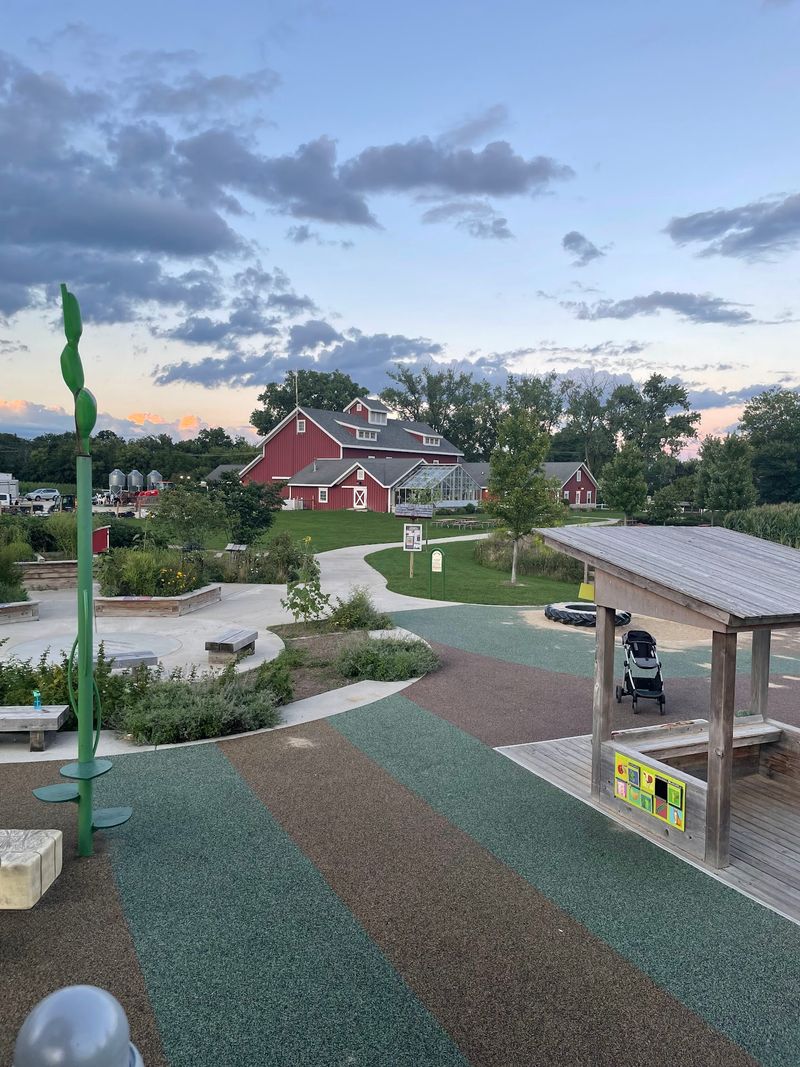
The custom-designed playground features farm-themed equipment that perfectly complements the agricultural surroundings. Kids climb corn-shaped steps, play in sand pits, and zoom down slides while parents relax on nearby benches.
An interactive farmer’s market setup lets toddlers pretend to shop and sell produce, adding imaginative play to physical activity.
Cornhole boards are available for families who bring their own bean bags, adding another entertainment option for older kids and adults. The playground area is well-maintained and thoughtfully positioned so parents can watch children play while keeping an eye on the farm animals nearby.
Picnic tables surround the play area, making it easy to spread out lunch.
This playground transforms Wagner Farm from just an animal-viewing spot into an all-day destination where kids can burn energy between animal visits. The farm theme carries through every element, from the equipment design to the educational displays.
Even families who primarily come for the playground often discover their children become fascinated by the real farm animals just steps away.
Diverse Farm Animals Delight Visitors of All Ages
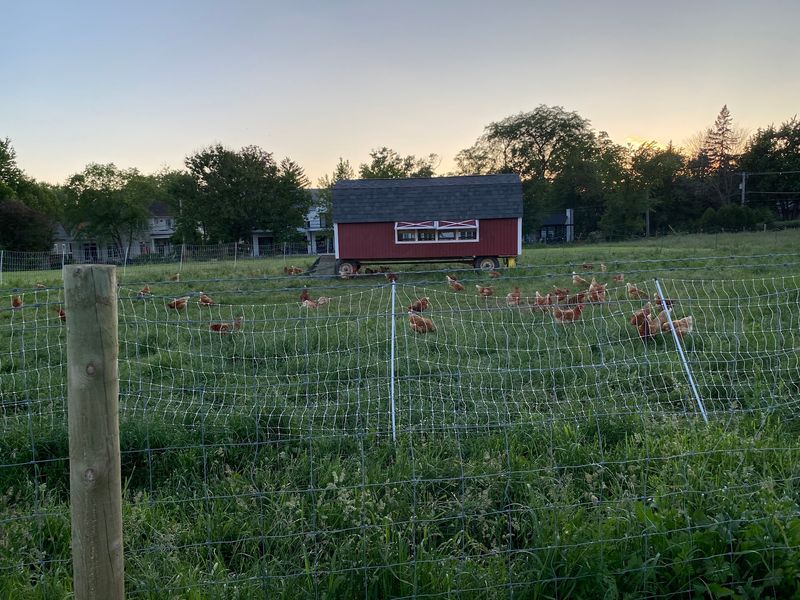
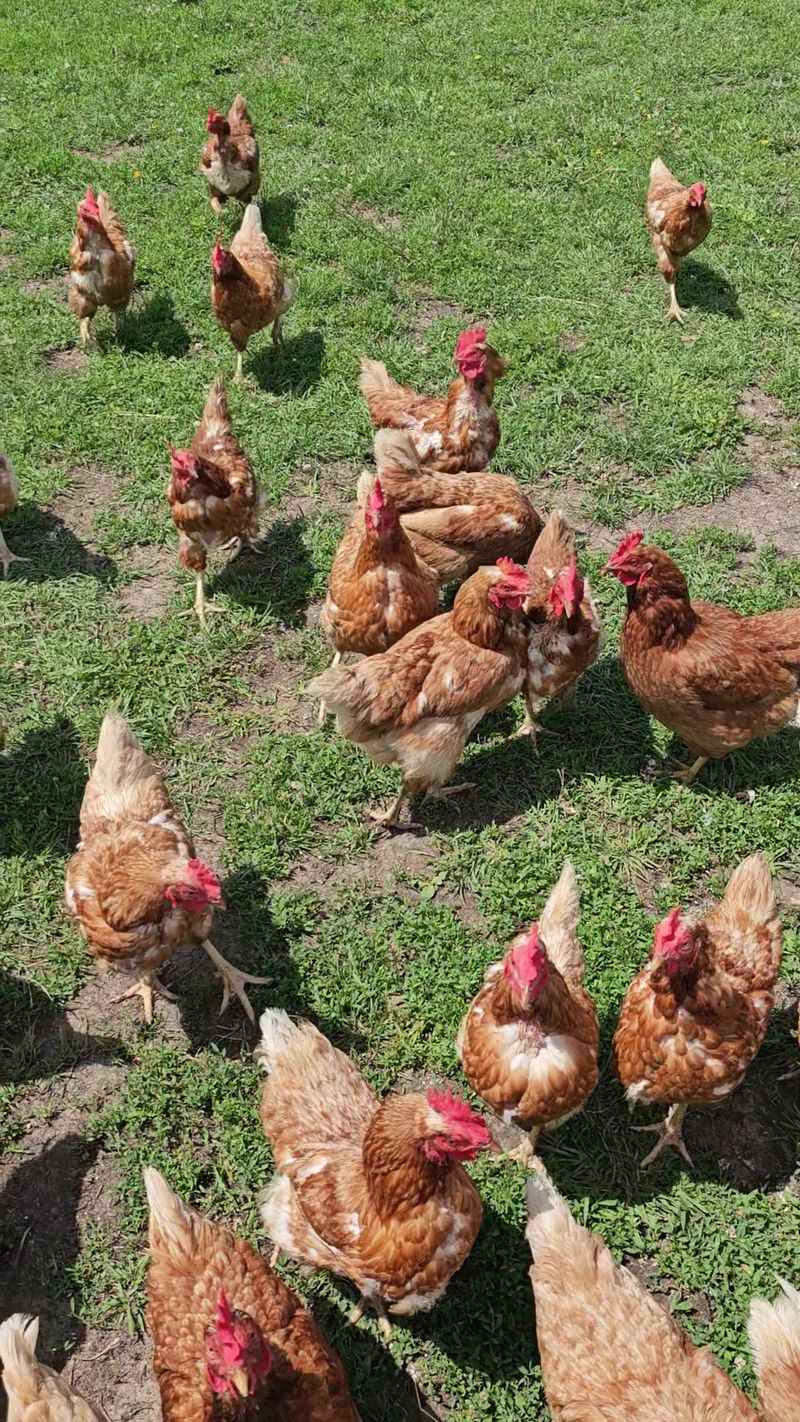
Wagner Farm houses an impressive variety of animals that give visitors a comprehensive look at traditional farm life. Chickens of different breeds peck around their coops, pigs lounge in their pens, sheep graze peacefully, and horses stand majestically in their stalls.
The farm also keeps a calf that visitors often spot near the dairy cows.
Unlike petting zoos, most animals here maintain appropriate distance from visitors, though some friendly chickens and occasional barn cats might approach curious guests. The animals appear healthy and well-cared-for, living in clean enclosures with plenty of space.
Staff members ensure the animals aren’t overstimulated by crowds while still allowing excellent viewing opportunities.
Some visitors remember when the farm allowed more hands-on interaction, but current policies protect both animals and guests. Baby chicks sometimes make appearances during special programs, offering supervised feeding opportunities.
The diversity of species teaches children that farms involve more than just cows and chickens, showcasing the interconnected ecosystem of a working agricultural operation.
Historic Buildings Preserve 19th Century Farm Life
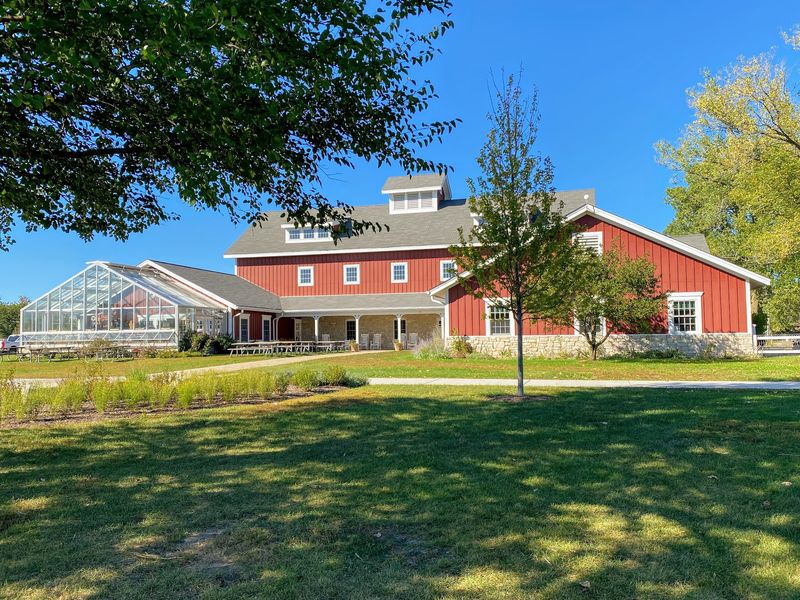
The Wagner farmhouse dates back to the 1850s, offering a tangible connection to Illinois farming history spanning over 170 years. Original buildings have been carefully preserved, allowing visitors to step inside and experience what life was like for farm families more than a century ago.
Vintage farm equipment dots the property, providing perfect photo opportunities and teaching moments about agricultural evolution.
During summer months, the historic house opens for special tours where visitors can watch bread being baked on an old-fashioned stove. The interior showcases period-appropriate furnishings and tools that demonstrate daily life before modern conveniences.
Some visitors report the house has a reputation for being haunted, adding a spooky element that teenagers particularly enjoy exploring.
Indoor educational displays teach children about egg production, hay storage, and farm communication through vintage telephones and letterboxes. Scavenger hunts guide kids through the buildings, making history interactive rather than passive.
These preserved structures distinguish Wagner Farm from modern agricultural operations, emphasizing its role as both a working farm and a living history museum.
Educational Programs Partner with Park District
Wagner Farm collaborates with the Glenview Park District to offer structured educational programs that go beyond casual visits. School groups frequently schedule field trips where students collect eggs, help feed animals, and learn about sustainable farming practices.
Private tours allow families to participate in actual farm chores, creating memorable hands-on experiences.
One reviewer’s four daughters got to milk a cow, collect fresh eggs, feed pigs, and help with other daily tasks during a private tour. These immersive programs teach children where their food comes from while building respect for the work farmers do.
The educational approach makes learning feel like play, keeping kids engaged throughout their visit.
Public restrooms and indoor facilities support these group visits, ensuring comfort for school groups spending several hours on-site. The farm’s location just five miles from Chicago makes it accessible for urban schools seeking agricultural education without lengthy bus rides.
Volunteers also gain educational experiences, with some spending months learning farming skills while helping maintain the property and care for animals.
Seasonal Activities Transform Throughout the Year
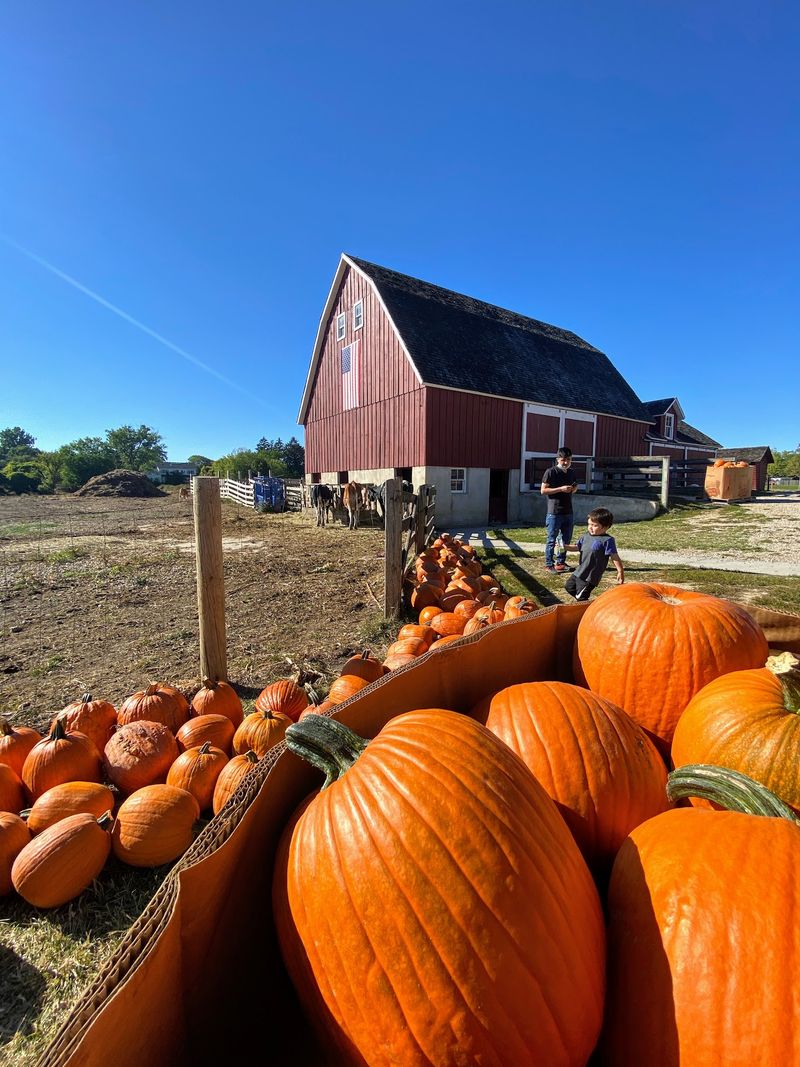
Wagner Farm adapts its offerings to match the seasons, ensuring fresh experiences for repeat visitors. September and October bring pumpkin sales with prices around 55 to 65 cents per pound, creating picture-perfect fall photo opportunities against the farm backdrop.
The pumpkins grow right on the property, allowing kids to see them developing throughout late summer.
Weather-dependent wagon rides pulled by horses or tractors operate during warmer months for four dollars per person. Holiday seasons feature evergreen roping, fresh wreaths, and festive decorations that transform the farm into a winter wonderland.
Local apple sales peak in fall, with varieties priced around $1.50 per pound.
Small flower bouquets ranging from five to ten dollars provide spring and summer color for visitors wanting to take home a piece of the farm. The ice cream shop operates on weekends, closing at 5 PM but providing a sweet treat during afternoon visits.
These rotating seasonal offerings encourage families to visit multiple times throughout the year, discovering something new with each season’s arrival.
Working Beehives Support Pollination and Education
Active beehives on the property support the farm’s vegetable gardens and wildflower meadows while teaching visitors about pollinator importance. The bees work tirelessly among the flowering plants, demonstrating the crucial role these insects play in food production.
Observing the hives from a safe distance fascinates children who’ve only seen bees as individual insects rather than organized colonies.
The farm’s commitment to maintaining healthy bee populations reflects modern agricultural awareness about pollinator decline. Educational signage explains how bees contribute to producing many foods humans eat daily.
While honey production details aren’t always prominently featured, the presence of working hives adds authenticity to the farm’s agricultural operations.
Wildflower gardens planted specifically to support the bees create beautiful natural areas that visitors can explore. These flowering sections attract butterflies and other beneficial insects, turning parts of the farm into miniature nature preserves.
The beehives represent Wagner Farm’s role in teaching environmental stewardship alongside traditional farming practices, showing how agriculture and conservation can work together successfully.
Vegetable Gardens Demonstrate Crop Cultivation
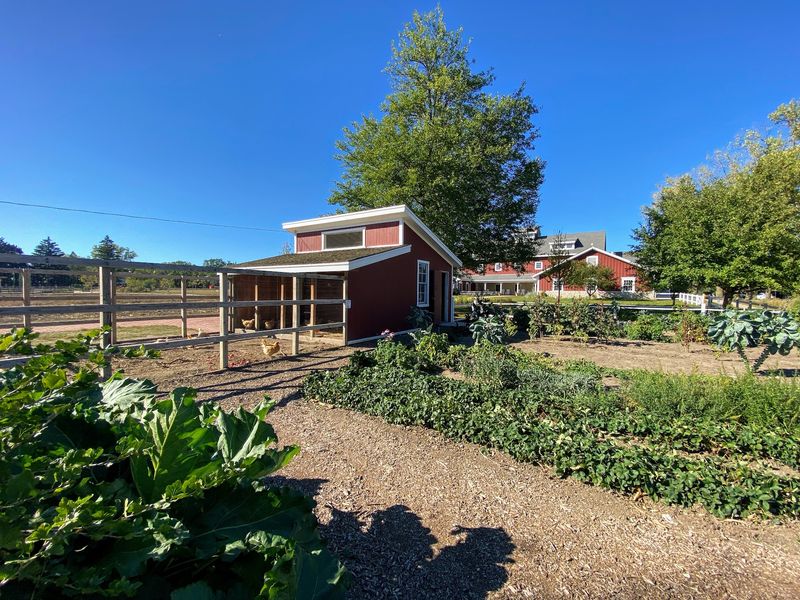
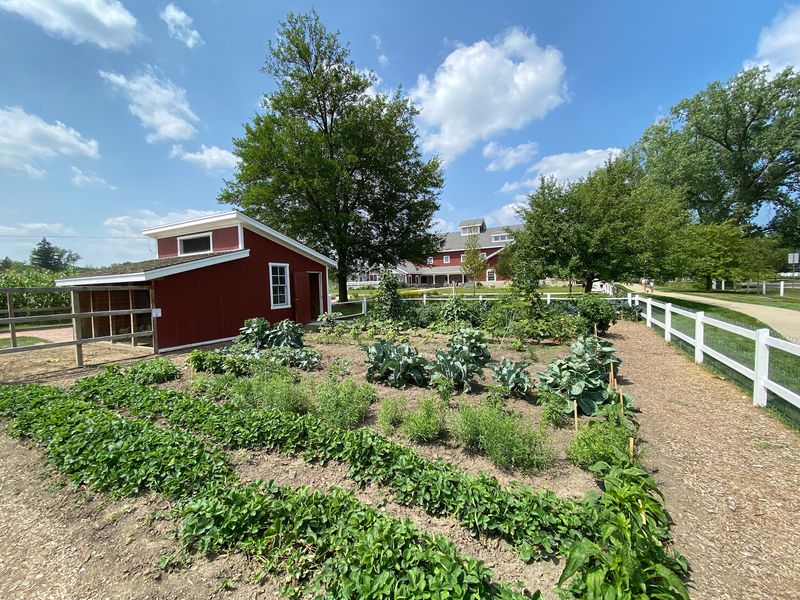
Extensive vegetable gardens showcase various crops growing throughout the seasons, teaching visitors about plant cultivation beyond just raising animals. Rows of tomatoes, lettuce, squash, and other vegetables demonstrate how much space and care food production requires.
These gardens supply some of the produce sold at the Saturday farmers market, completing the farm-to-table cycle on-site.
Some longtime visitors note the farm has shifted more emphasis toward vegetable production in recent years, with gardens occupying more space than before. This evolution reflects changing agricultural trends and consumer interest in local produce.
Educational signs throughout the garden areas identify plants and explain growing techniques, turning a simple walk into a botany lesson.
The gardens provide seasonal variety, with spring greens giving way to summer tomatoes and fall squashes. Children can see that vegetables don’t magically appear in grocery stores but require months of careful tending.
Watching crops progress from seedlings to harvest teaches patience and respect for farmers’ work, lessons that complement the animal-focused experiences elsewhere on the property.
Share this story