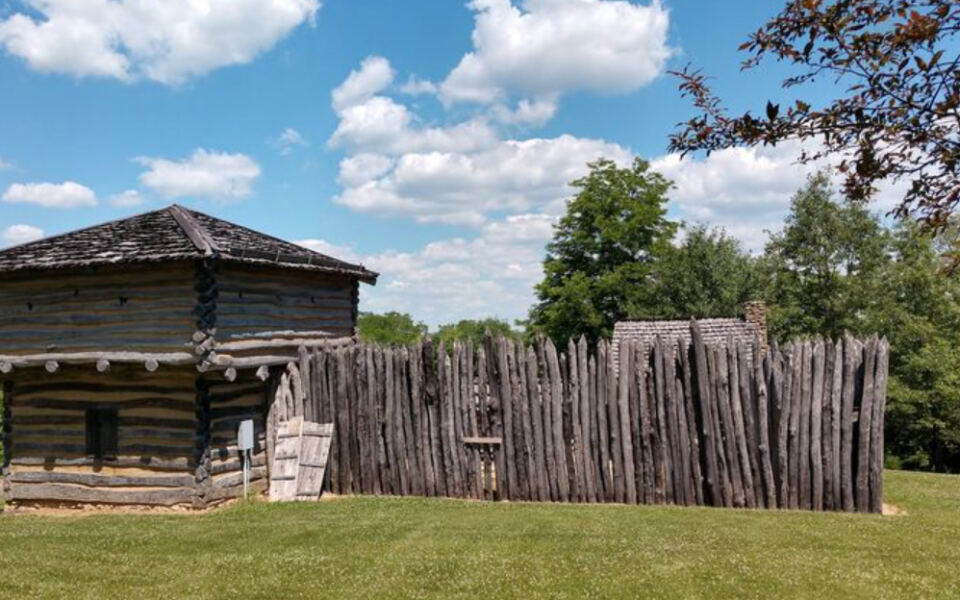
In the rolling hills of northwest Illinois stands a reconstructed fort that tells one of the most dramatic stories of frontier survival. Apple River Fort, located in the small town of Elizabeth, became the site of an intense battle in 1832 when about 200 Native American warriors launched a fierce attack that lasted 45 minutes.
Today, visitors can walk through this carefully rebuilt historic site and imagine what it was like when desperate settlers defended their lives within these wooden walls.
The Desperate Day When Warriors Attacked
June 24, 1832, started like any other summer morning until warning cries shattered the peace. About 200 warriors descended on the fort in what would become one of the most harrowing episodes of the Black Hawk War.
The attack lasted approximately 45 minutes, though for those inside, it must have felt like an eternity.
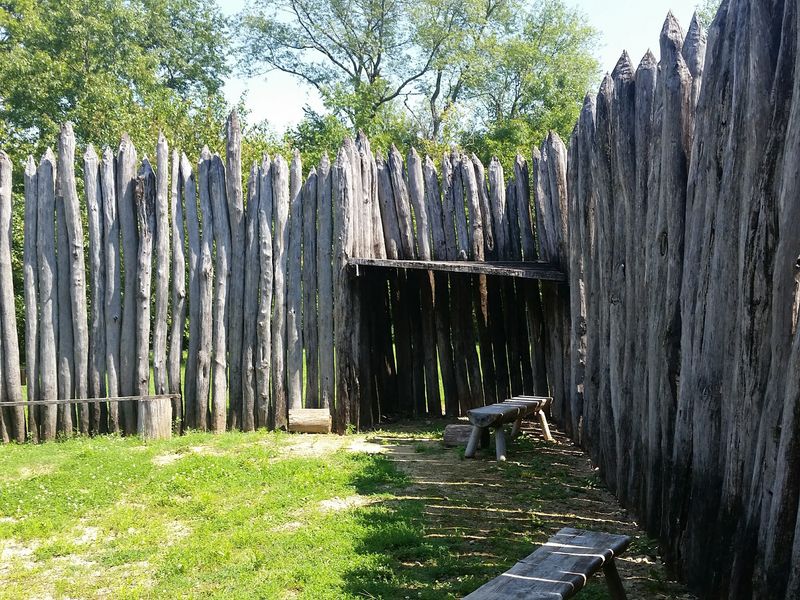
Settlers huddled inside three cramped log buildings, listening to the sounds of battle outside the wooden walls. Men fired through gaps in the palisade while women reloaded weapons and tended to the wounded.
Children were kept in the safest corners, away from stray bullets and arrows.
What makes this battle remarkable is that the defenders successfully held off a much larger force. The fort’s elevated position on a hill gave settlers a strategic advantage they desperately needed.
Despite being outnumbered, the people inside managed to protect themselves until the attackers withdrew.
Walking the grounds today, you can almost hear the echoes of that terrifying day when ordinary people showed extraordinary courage under fire.
A Reconstruction That Brings History to Life
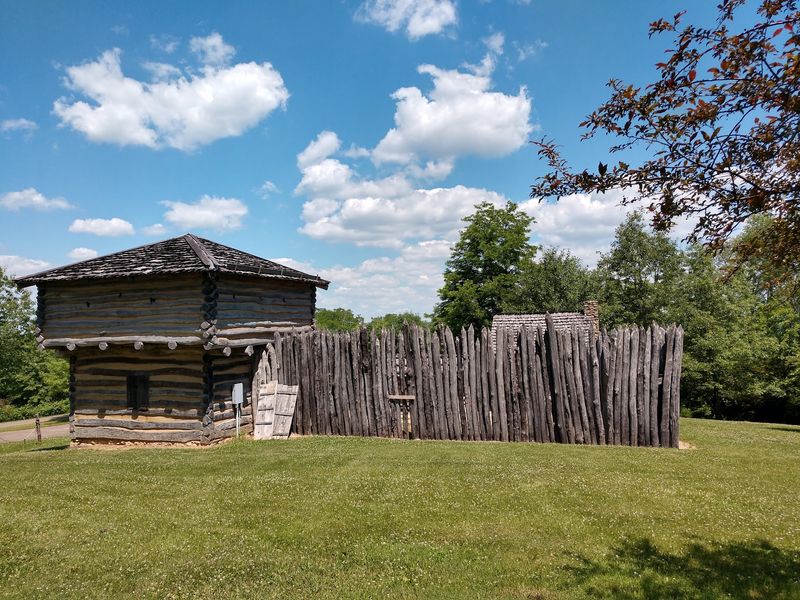
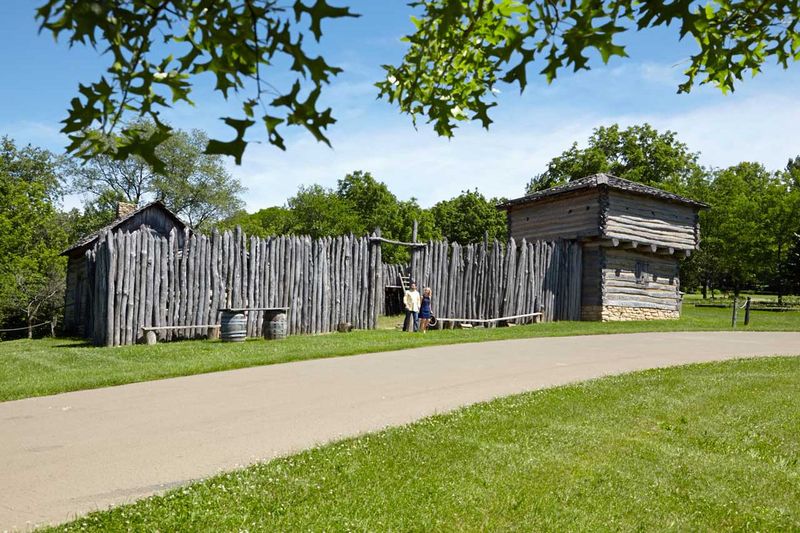
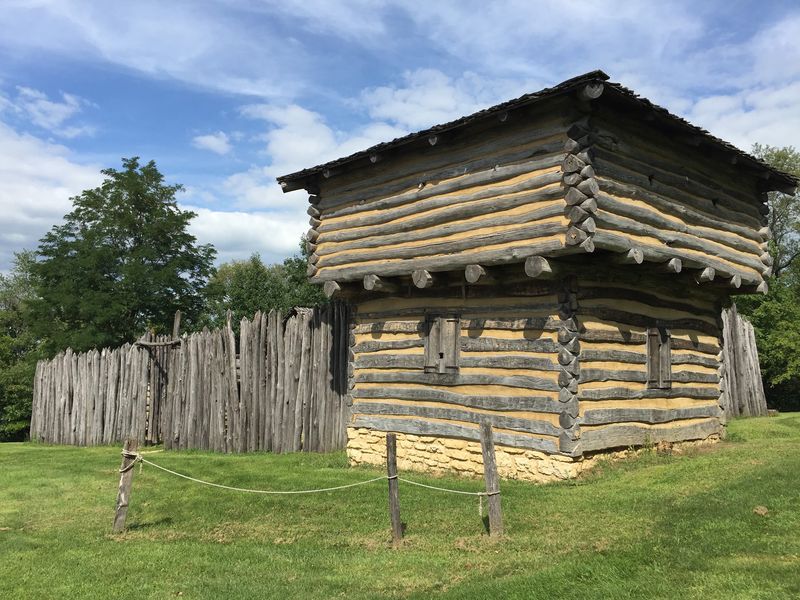
The fort you see today is not the original structure but a carefully researched reconstruction built by dedicated local volunteers and historians. Every log, every wooden stake in the palisade wall was placed to match historical records and archaeological evidence.
The attention to detail is impressive, from the height of the walls to the placement of the buildings inside.
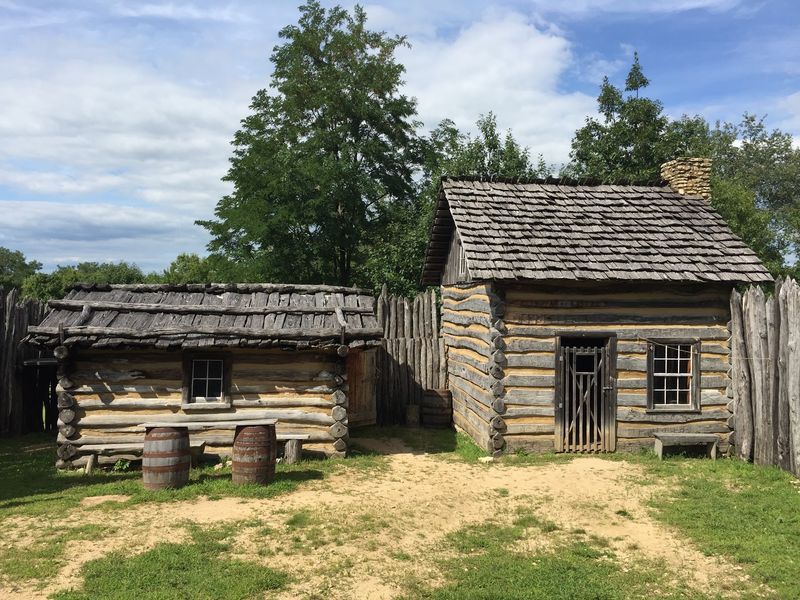
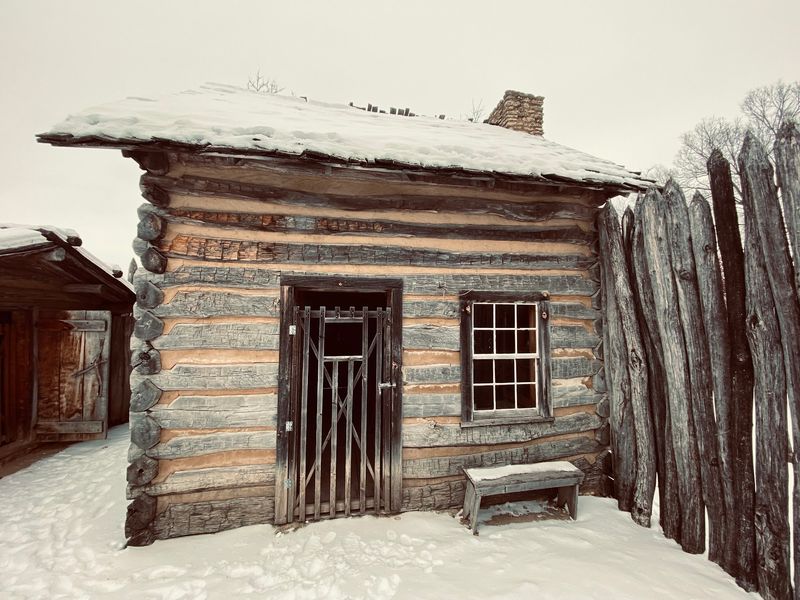
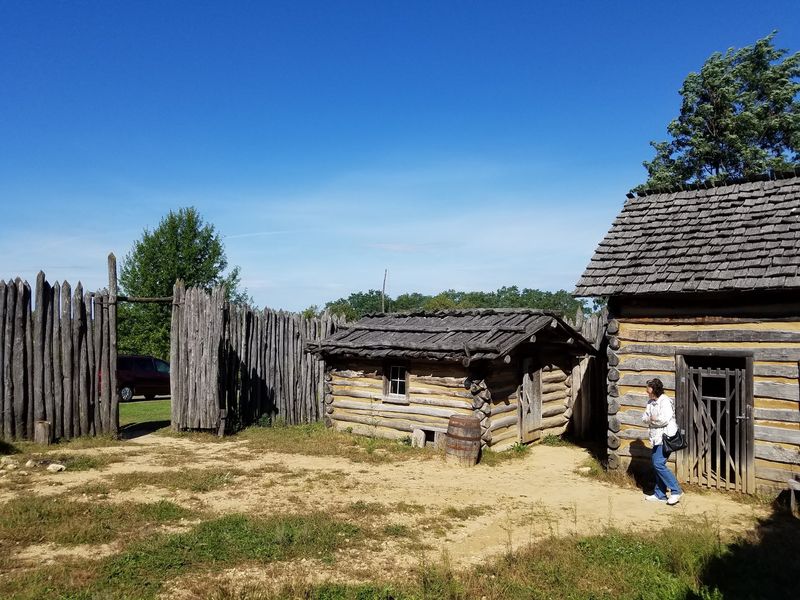
Three main log structures sit within the protective walls, just as they did in 1832. These buildings housed up to 250 people during the attack, which gives you a real sense of how crowded and uncomfortable frontier life could be during times of danger.
Visitors often comment on how the fort resembles early medieval castles with its wooden fortifications. The comparison is apt since both served the same basic purpose: protecting vulnerable people from attack.
The reconstruction allows you to climb around, peek into buildings, and get a genuine feel for frontier defense.
This is not a sterile museum display behind glass but a place you can actually explore and touch, making history tangible for visitors of all ages.
Free Admission Makes History Accessible to Everyone
One of the best things about Apple River Fort is that it costs absolutely nothing to visit. There are no tickets to buy, no entrance fees, and no hidden charges.
A small donation box sits in the visitor center for those who want to contribute, but even that is completely optional.
This free admission policy means families can explore genuine American history without worrying about budget constraints. School groups, tourists passing through on their way to nearby Galena, and history enthusiasts all have equal access to this remarkable site.
The generosity extends beyond just the fort itself. The museum displays, informative exhibits, and even the knowledgeable staff who answer questions are all available at no cost.
Some visitors mention finding fabric and other historical items for sale, which helps support the site’s maintenance.
In an era when many attractions charge premium prices, Apple River Fort stands out as a community treasure that prioritizes education and preservation over profit. It is a refreshing reminder that important historical sites can remain accessible to everyone regardless of economic status.
The Museum That Sets the Stage
Before heading out to the fort itself, smart visitors stop at the museum and visitor center first. This small but information-packed building provides essential context that makes your fort visit much more meaningful.
Without understanding what happened here and why, the wooden walls are just old-looking structures.
Inside, you will find well-organized displays explaining the Black Hawk War, the people who sought refuge in the fort, and the events of that fateful June day. Artifacts and period items help bring the 1830s to life.
A short video presentation offers visual storytelling that complements the physical exhibits.
The museum is clean, well-maintained, and thoughtfully designed to educate without overwhelming visitors. Gift shop items are available for those who want to take home a memento.
Staff members are typically on hand to answer questions and provide additional historical details.
Several reviewers specifically praised the museum for being informative and well-presented. Taking 20 minutes to explore these displays before walking to the fort transforms your visit from a casual stop into a genuine educational experience that connects you to the past.
The Knowledgeable Staff Who Make It Special
What truly elevates Apple River Fort from good to great is the passionate, knowledgeable staff and volunteers who keep this place running. Multiple visitors rave about the helpful people they encountered, particularly mentioning someone named Skip and a historian named Elizabeth who possess encyclopedic knowledge of the area.
These are not bored employees watching the clock but genuine history enthusiasts who can talk for hours about the Black Hawk War, Native American culture, and frontier life. They point visitors toward additional research resources and share fascinating details you would not find on any sign or display.
The staff’s expertise extends beyond just the fort itself to broader topics like Indian mounds and midwest Native American history. Their friendly, approachable manner makes asking questions easy, even for visitors who know little about the subject.
One reviewer noted they could have talked with the historian for hours.
This human element transforms a static historical site into a dynamic learning experience. The dedication of these volunteers ensures that the fort’s story continues to be told accurately and engagingly to new generations of visitors.
The Pleasant Walk to Reach the Fort
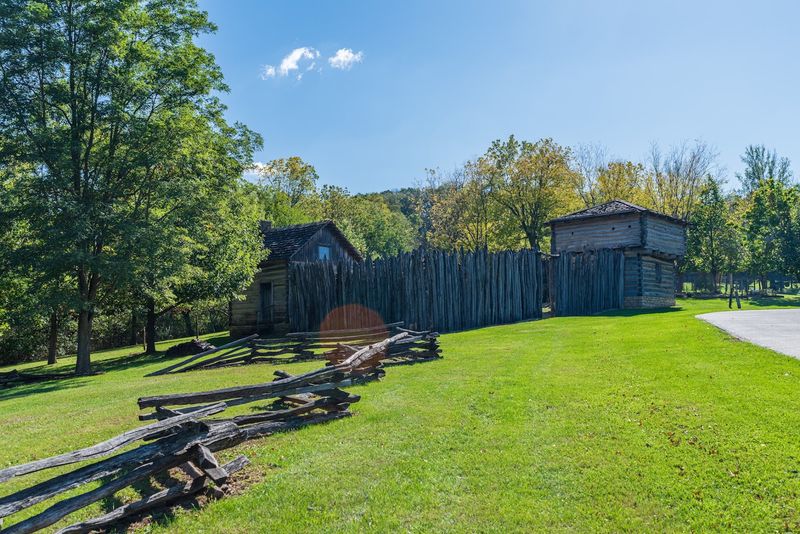
Getting to the fort requires a quarter-mile walk from the parking area, but reviewers consistently describe this short trek as pleasant rather than burdensome. The trail winds through shaded areas, making even summer visits comfortable.
During certain special events, you can drive closer, but most of the time, walking is your only option.
The path is well-maintained and faster than you might expect, according to visitors. It gives you time to transition mentally from the modern world to the historical setting you are about to enter.
Prairie reconstruction areas along the way add natural beauty to your journey.
For families with young children or those with mobility concerns, the quarter-mile distance is manageable for most people. The trail is not particularly challenging and rates as medium difficulty at most.
Some visitors mention enjoying the walking trails so much they wish they had more time to explore additional paths in the area.
This short walk actually enhances the experience by creating a sense of journey and anticipation. By the time you reach the fort, you have left the parking lot and modern conveniences behind, making it easier to imagine yourself in 1832.
The Strategic Hilltop Location
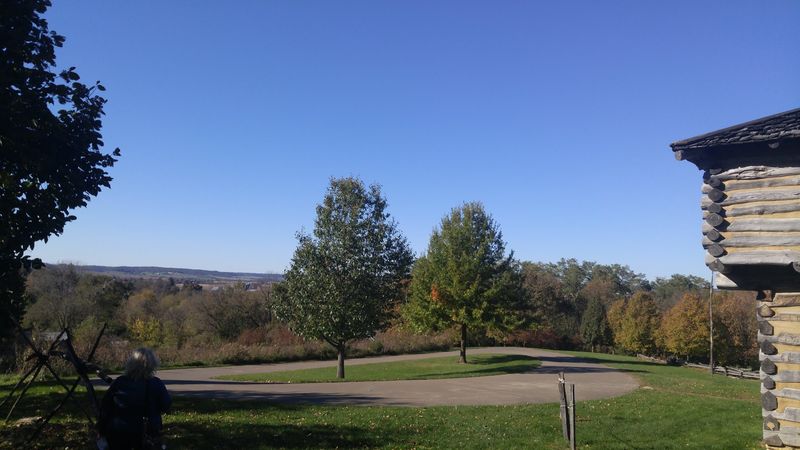
Apple River Fort was not built on its hilltop location by accident. The elevated position provided crucial defensive advantages that proved lifesaving during the attack.
From the higher ground, defenders could see approaching threats and had better firing angles against attackers below.
Standing at the fort today, you can appreciate the magnificent views across hilly northwest Illinois. The landscape stretches out in rolling waves of green, giving you a sense of the beautiful but challenging frontier these settlers tried to tame.
The scenery alone makes the visit worthwhile.
This strategic positioning also helps explain how roughly 250 people managed to defend themselves against 200 attacking warriors. Geography mattered enormously in frontier conflicts, and the settlers chose their defensive position wisely.
The hill gave them what military strategists call the high ground advantage.
Visitors often comment on the site’s beauty and the impressive views. The combination of historical significance and natural scenery creates a memorable experience.
You gain insight into how frontier people thought strategically about survival, choosing locations that offered both resources and protection in a dangerous time.
Understanding the Black Hawk War Context
The attack on Apple River Fort did not happen in isolation but was part of the larger Black Hawk War of 1832. Understanding this conflict helps visitors appreciate why this fort mattered and what the people inside were facing.
The war resulted from complex tensions over land, treaties, and the forced removal of Native Americans from their ancestral territories.
Chief Black Hawk led Sauk and Fox warriors in resistance against settlers moving into lands in Illinois and Wisconsin. The conflict was brief but brutal, marked by battles, raids, and tragic episodes on both sides.
The story weighs heavily when you learn about the desperate attempts to escape and the slaughter of nearly 1,000 followers of Black Hawk.
Apple River Fort represents one moment in this larger tragedy, a day when settlers successfully defended themselves but at great emotional and physical cost. The fort’s story cannot be separated from the painful history of American expansion and Native American displacement.
Educational displays at the site provide balanced information about the war and its causes. Visitors leave with a more nuanced understanding of frontier history, recognizing that these events involved real people facing impossible situations on all sides.
Perfect Stop on the Way to Galena
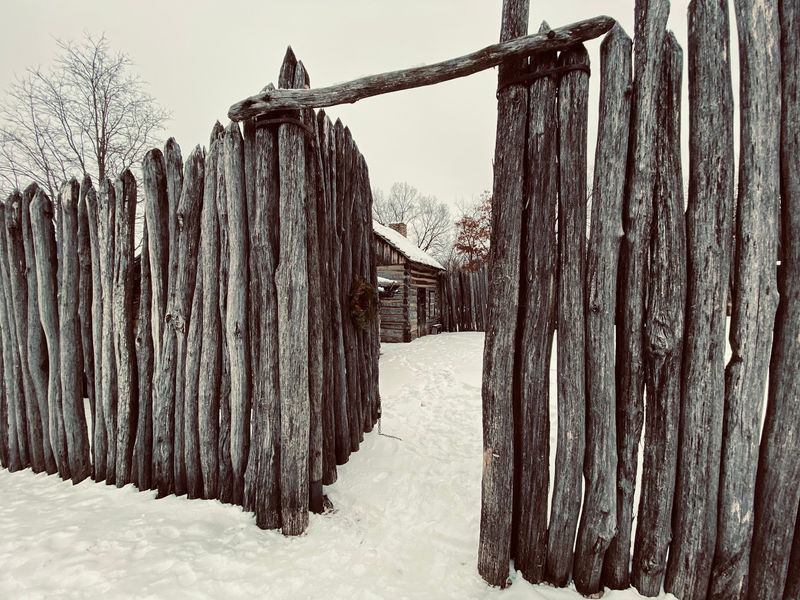
Many visitors discover Apple River Fort while traveling to or from the popular tourist destination of Galena, Illinois. The fort makes an ideal detour, adding historical depth to a vacation focused on shopping, dining, and scenic beauty.
It is close enough to Galena to be convenient but far enough off the beaten path to feel like a discovery.
The combination works perfectly for families who want to mix education with entertainment. After exploring the fort and learning about frontier history, you can head to Galena for its famous Main Street shops and restaurants.
The contrast between the rustic fort and Galena’s Victorian charm gives you two very different slices of Illinois history.
Several reviewers specifically mention stopping at the fort during Galena trips and being pleasantly surprised by what they found. It turns out to be more interesting than expected, adding unexpected value to their vacation.
The fort provides a welcome break from shopping and a chance to stretch your legs.
If you are planning a Galena getaway, building in time for Apple River Fort is smart. The free admission and relatively quick visit make it an easy addition to your itinerary that significantly enriches your understanding of the region.
Special Events Bring the Fort to Life
While the fort is interesting any time you visit, special events transform it into a living history experience. During these occasions, reenactors in period costumes demonstrate frontier skills, fire authentic weapons, and recreate what daily life was like in the 1830s.
The fort truly comes alive when populated by people in historical dress.
One visitor mentioned seeing the sewing area where historical costumes are created and talking shop with a seamstress about period clothing. These behind-the-scenes glimpses add fascinating layers to your understanding of how much work goes into maintaining historical accuracy.
The dedication to authenticity is impressive.
Unfortunately, when events are not happening, some features are less accessible. Ladders to lookout platforms have been removed for safety reasons, and small rooms that were once open are now locked.
This means timing your visit to coincide with a special event can significantly enhance your experience.
Check the fort’s website or call ahead to learn about upcoming events. Whether it is a battle reenactment, a craft demonstration, or a living history day, these special occasions offer the fullest, most immersive way to experience Apple River Fort and connect with the people who once sought shelter within its walls.
Share this story