Most people think brownies have always existed, but that rich, chocolatey square we all love actually has a very specific origin story tied to one of the most famous events in American history. Back in 1893, Chicago hosted the World’s Columbian Exposition, a massive fair that drew millions of visitors from around the globe.
The Palmer House hotel, right in the heart of Chicago, was asked to create a dessert that ladies could easily carry in their boxed lunches while attending the fair. What came out of that kitchen changed dessert history forever, and the original recipe is still being served today at the same historic address.
The Sweet Story Behind the Original Brownie
Before the brownie became a staple in every bakery and household across America, it was born inside a hotel kitchen in downtown Chicago. The year was 1893, and Bertha Palmer, the socially influential wife of hotel owner Potter Palmer, reportedly requested a dessert specifically designed for the ladies attending the World’s Columbian Exposition.
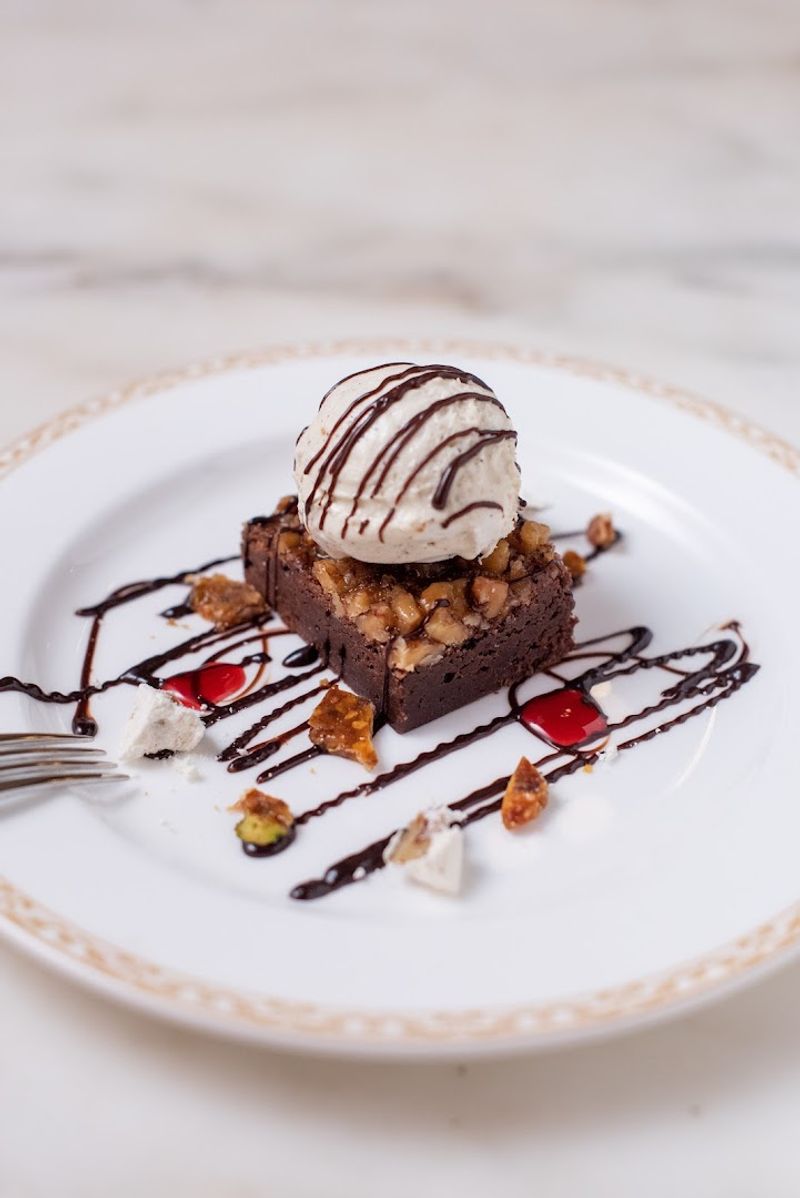
She wanted something smaller than a cake and easier to pack into a boxed lunch. The Palmer House pastry chef answered that challenge with a dense, chocolatey square topped with walnuts and a glossy apricot glaze.
That creation became what the world now calls the brownie. The fact that a single special request led to one of the most beloved desserts on the planet is remarkable.
Today, the Palmer House proudly owns this piece of culinary history, and guests still order the original recipe daily.
It is not just a dessert; it is a legitimate piece of American food history served on a plate.
Where You Can Find It Today
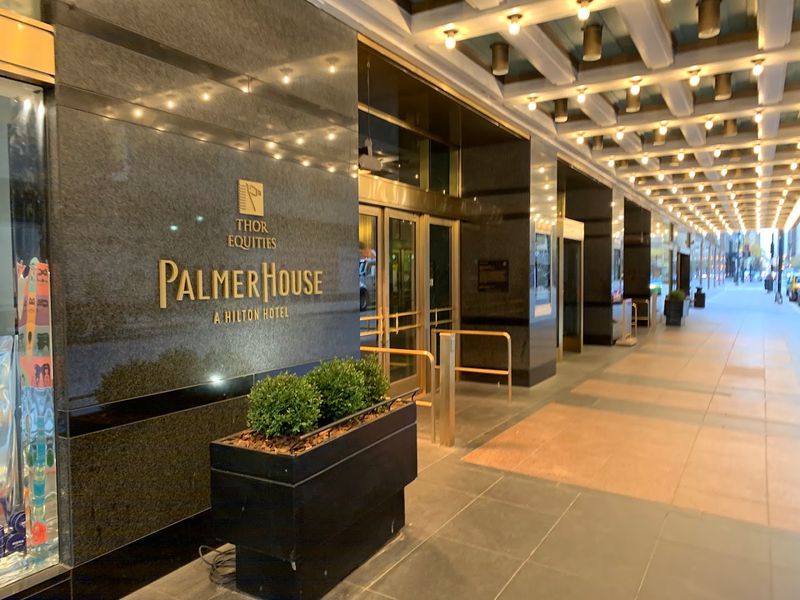
The Palmer House, a Hilton Hotel, sits at 17 E Monroe St, Chicago, IL 60603, right in the heart of the city’s theater and financial district. This location makes it incredibly easy to pair a brownie stop with a visit to nearby attractions like the Art Institute of Chicago, which is just a short three-minute walk away.
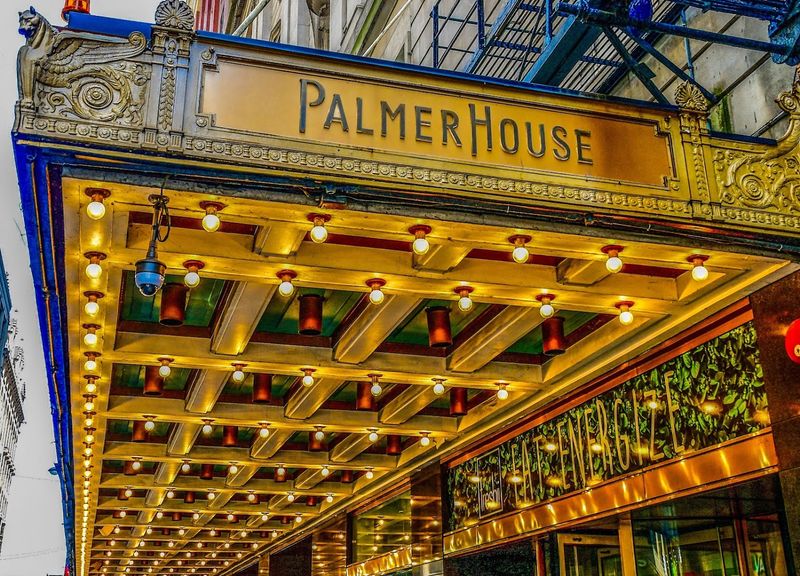
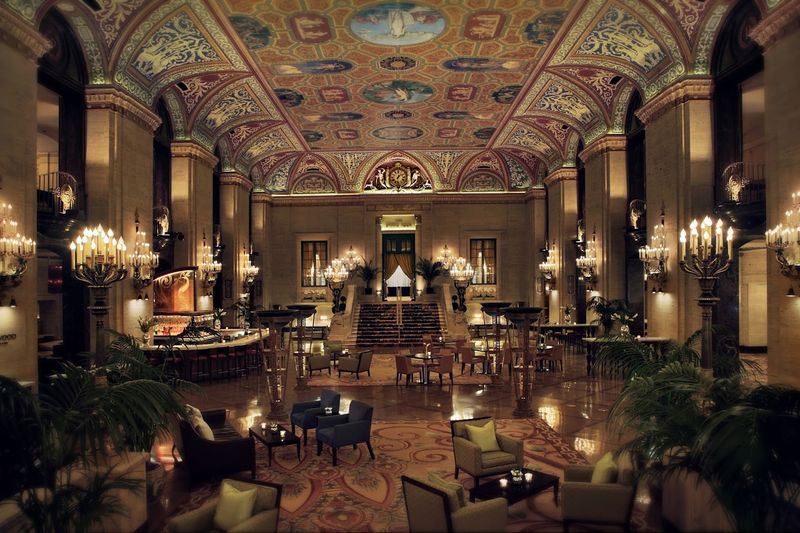
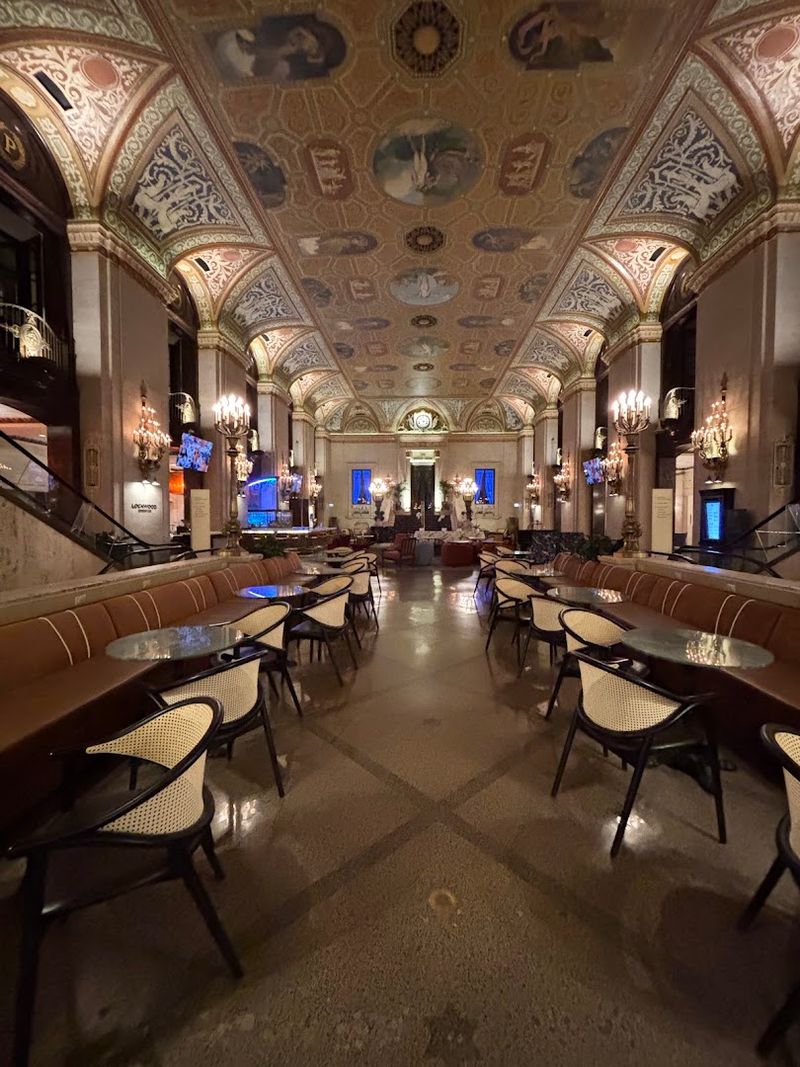
The hotel itself is a landmark. Its lobby alone stops visitors in their tracks with frescoed ceilings, gilded details, and a sense of grandeur that feels almost cinematic.
You do not need to book a room to try the famous brownie.
The grab-and-go market inside the hotel stocks them regularly, and the Starbucks on the property is nearby for those who want coffee alongside their slice of history. Priced at around $8.50, the brownie is one of the most affordable ways to connect with a piece of Chicago’s rich culinary past without spending a fortune.
What Makes the Original Recipe So Unique
Most brownies you find at a grocery store or local bakery are soft, fudgy squares without much decoration. The Palmer House original is a different experience entirely.
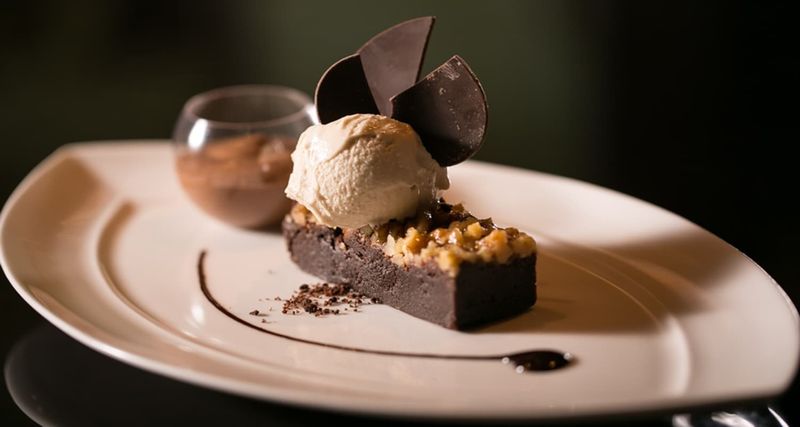
The recipe features a dense, rich chocolate base packed with walnuts, but the defining characteristic is the apricot glaze spread across the top.
That shiny, slightly tangy coating sets it apart from every other brownie you have probably tasted. The glaze adds a layer of sophistication that makes sense when you remember this dessert was designed for elegantly dressed women attending one of the most prestigious events of the 19th century.
The Palmer House has kept this recipe largely intact since 1893, which means every bite connects you directly to the original creation. Some guests find it a touch more formal than a casual homemade brownie, but that is exactly the point.
This is not a gas station snack; it is a carefully preserved culinary artifact with more than 130 years of history baked right into it.
The 1893 World’s Fair Connection
The World’s Columbian Exposition of 1893 was one of the most ambitious events ever organized on American soil. Held in Chicago to celebrate the 400th anniversary of Christopher Columbus’s arrival in the Americas, the fair attracted over 27 million visitors across its six-month run.
It introduced the Ferris wheel to the world, showcased electric lighting on a massive scale, and inspired countless innovations in architecture and design. Tucked into that enormous legacy is a quieter but equally lasting contribution: the brownie.
Bertha Palmer, who served on the fair’s Board of Lady Managers, wanted a portable, elegant dessert for the women’s building luncheon boxes. Her request to the Palmer House kitchen produced a recipe that outlasted almost everything else connected to that fair.
The fairgrounds are mostly gone, but the brownie is still here, still being made at the same hotel, still following the same recipe.
That kind of staying power is genuinely extraordinary.
Bertha Palmer: The Woman Who Inspired It All
Bertha Palmer was not just a wealthy socialite. She was one of the most influential women in late 19th century America, deeply involved in arts philanthropy, women’s rights advocacy, and civic leadership in Chicago.
Her role in shaping the 1893 World’s Fair went far beyond attending events in a beautiful dress.
As president of the Board of Lady Managers for the exposition, she fought hard to ensure women had a meaningful presence at the fair. Her personal tastes and high standards extended to the food served at her events, which is exactly why she pushed the Palmer House kitchen to create something new and refined for the occasion.
Without her specific vision and influence, the brownie as we know it might never have existed. She was essentially the creative director behind one of the most significant dessert inventions in American culinary history.
Recognizing her role adds a completely different layer of appreciation to that small chocolate square sitting on your plate.
The Hotel’s 150-Plus Years of History
The Palmer House has been operating in Chicago for more than 155 years, making it one of the oldest continuously operating hotels in the United States. Potter Palmer opened the original hotel in 1871, just 13 days before the Great Chicago Fire destroyed it completely.
He rebuilt it bigger and more luxurious than before, and the hotel has been a fixture of Chicago’s downtown ever since.
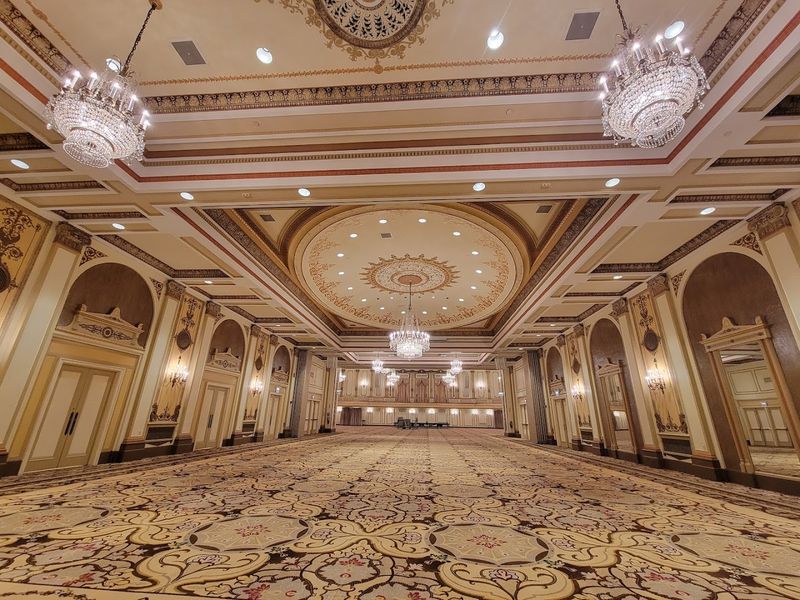
The current building, which dates to 1925, features seven ornate ballrooms, a frescoed lobby ceiling painted by French artist Louis Pierre Rigal, and architectural details that have been carefully preserved across multiple renovations.
Every part of the building carries a sense of accumulated history, from the marble floors underfoot to the gilded archways overhead. The brownie fits naturally into this context because it is not just a menu item; it is part of the hotel’s identity.
Guests who know the story look at that dessert differently once they understand it was created here, in this building, for one of the most celebrated events in American history.
Where to Order the Brownie Inside the Hotel
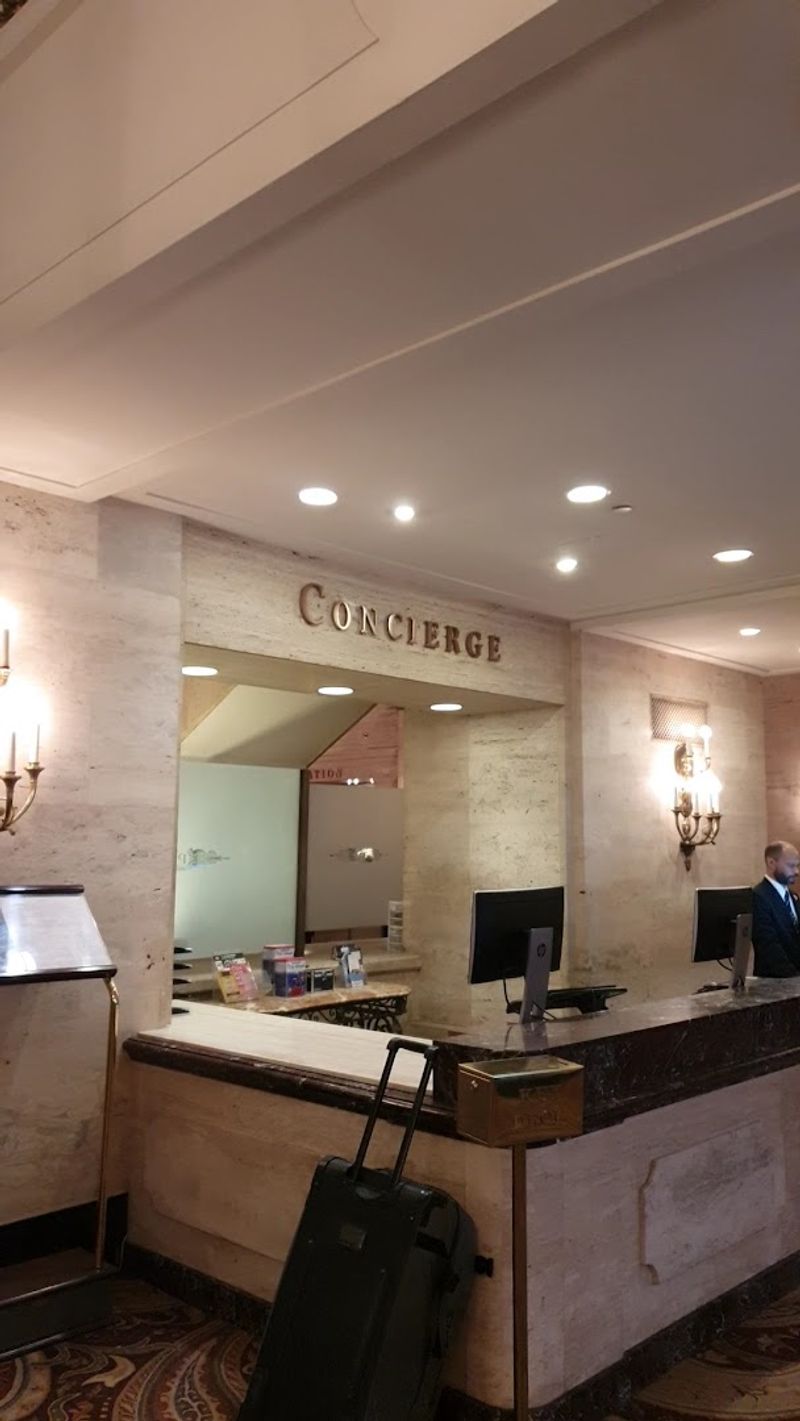
Tracking down the famous brownie inside the Palmer House is easier than you might expect. The hotel’s grab-and-go market is the most straightforward option, stocking individually packaged brownies that guests and visitors can pick up without sitting down for a full meal.
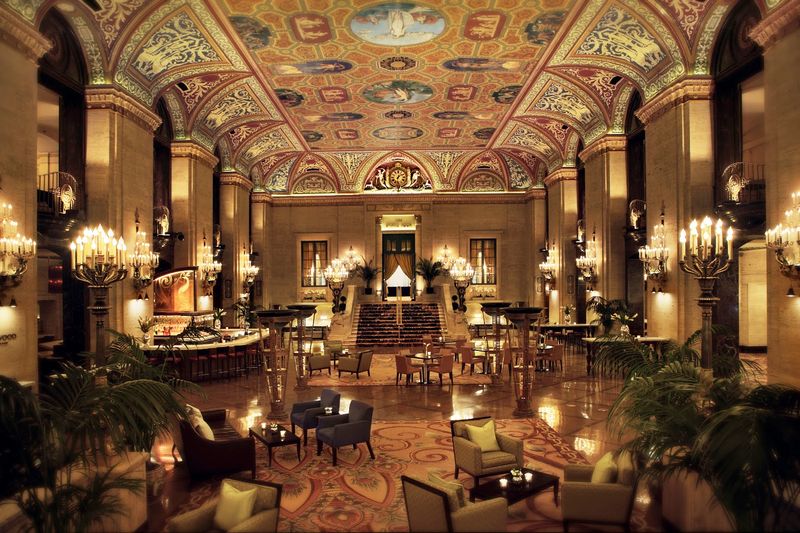
The lobby cafe area, which also houses a Starbucks, makes it convenient to pair your brownie with a coffee and find a seat beneath those spectacular frescoed ceilings. Some guests choose to order through the hotel’s restaurant options, where the brownie occasionally appears as a dessert menu item alongside other Chicago-inspired dishes.
At around $8.50 per brownie, the price reflects both the quality of the ingredients and the historical significance of what you are eating. Reviews are genuinely mixed on whether it lives up to the hype, with some guests calling it a pleasant treat and others expecting something more transcendent.
Either way, trying it inside the original hotel where it was invented is an experience that no bakery version can fully replicate.
How the Brownie Recipe Has Been Preserved
Keeping a recipe consistent for over 130 years is no small achievement, especially for a large hotel that has changed ownership, undergone renovations, and served millions of guests across multiple generations. The Palmer House has made a deliberate effort to maintain the integrity of the original brownie recipe throughout its history.
The core elements remain the same: a dense chocolate base, whole walnuts pressed into the batter, and that signature apricot glaze on top. The hotel has even shared the general recipe publicly over the years, allowing home bakers to attempt their own version.
But there is something about tasting it in the original location that home versions cannot fully capture. The recipe is also part of the hotel’s official identity and marketing, which gives the culinary team extra motivation to protect its authenticity.
Whether every batch tastes exactly as it did in 1893 is impossible to verify, but the commitment to keeping the tradition alive is genuine and well-documented.
That kind of institutional dedication to a single recipe is genuinely rare in the hospitality industry.
Visiting the Palmer House: Tips for Brownie Seekers
You do not need to book a room at the Palmer House to try the original brownie, which is great news for anyone visiting Chicago on a budget. The hotel is open to the public, and the lobby itself is worth a visit even if you never touch a dessert.
The best approach is to arrive during regular business hours when the grab-and-go market is fully stocked. Weekend mornings tend to be busier, so a weekday afternoon visit gives you more breathing room to explore the lobby without crowds pressing in from every direction.
The hotel is a short walk from the Art Institute of Chicago and easily accessible via the CTA train system, which stops nearby. Pair your brownie stop with a stroll through Millennium Park or a visit to Cloud Gate, both within comfortable walking distance.
Parking is available at the hotel with validation offered at check-in for staying guests. For non-guests, street parking and nearby garages are the practical alternatives.
The brownie is the destination, but the entire block delivers a genuinely satisfying slice of Chicago history.
Share this story