There is a spot in the Chicago suburbs where history does not sit behind glass or rope barriers. At this place, you can actually board a vintage trolley car, feel the old wooden seats beneath you, and roll along the Fox River while a knowledgeable guide shares stories from a century ago.
The collection spans vehicles from 1887 to 1959, and every single one has a story worth hearing. Run almost entirely by passionate volunteers, this museum has built a reputation for being one of the most hands-on, family-friendly rail experiences in Illinois.
Keep reading to find out what makes this little riverside museum so worth the trip.
Where the Museum Sits and How to Find It
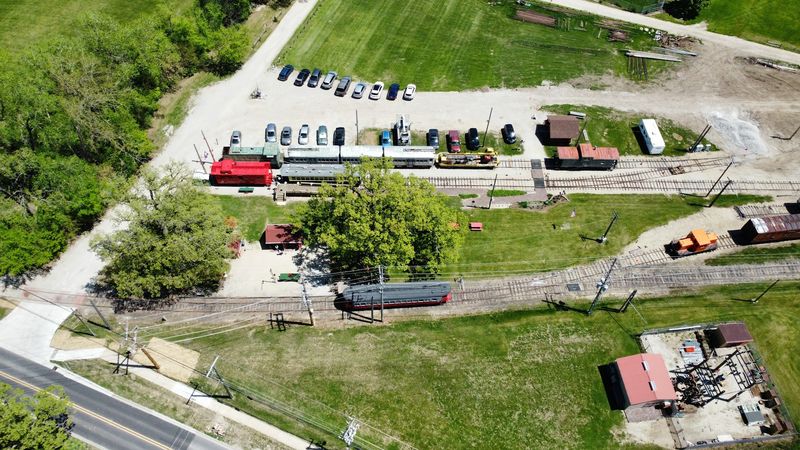
The Fox River Trolley Museum is tucked along the banks of the Fox River at 365 S La Fox St, South Elgin, IL 60177. South Elgin is a quiet village in Kane County, about 35 miles west of downtown Chicago, making it an easy day trip from the city or surrounding suburbs.
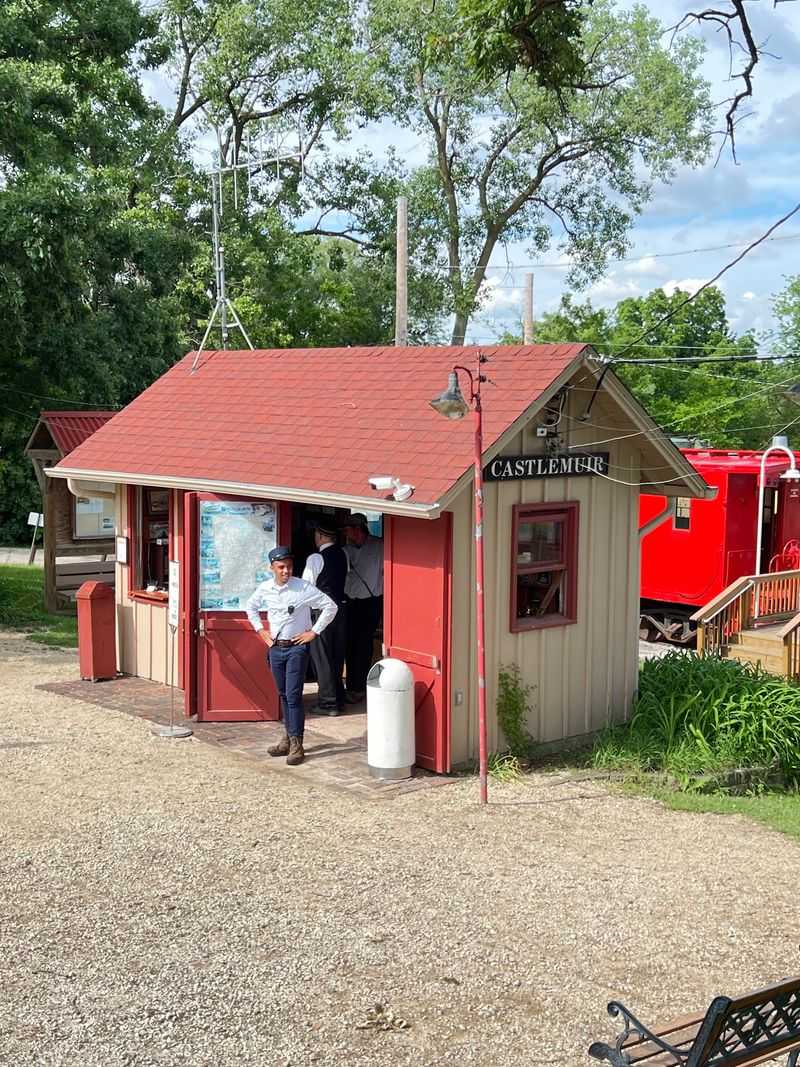
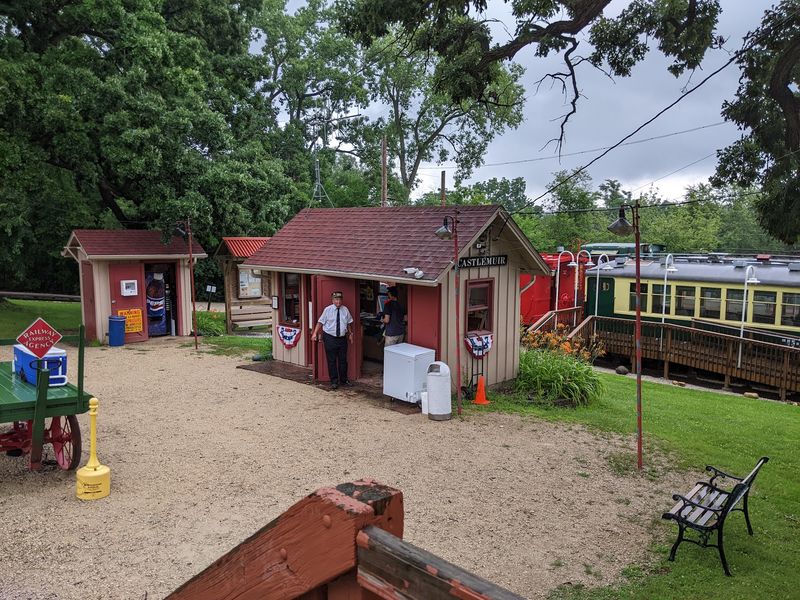
The museum sits on a stretch of land that feels refreshingly unhurried. A small train depot serves as the welcome center, gift shop, and ticket counter all in one compact space.
The grounds around it are open and easy to walk, with several trolley and rail cars parked along the track for visitors to explore up close.
One important tip before you head out: check the museum’s official website at foxtrolley.org for any construction detours in the area. Some visitors have found that GPS navigation leads them astray, so the website posts updated directions during road work periods.
The museum is open Saturdays and Sundays from 11 AM to 5 PM during the operating season. You can also reach the staff by phone at 847-697-4676 if you have questions before your visit.
A Collection That Spans Over Seven Decades of Rail History
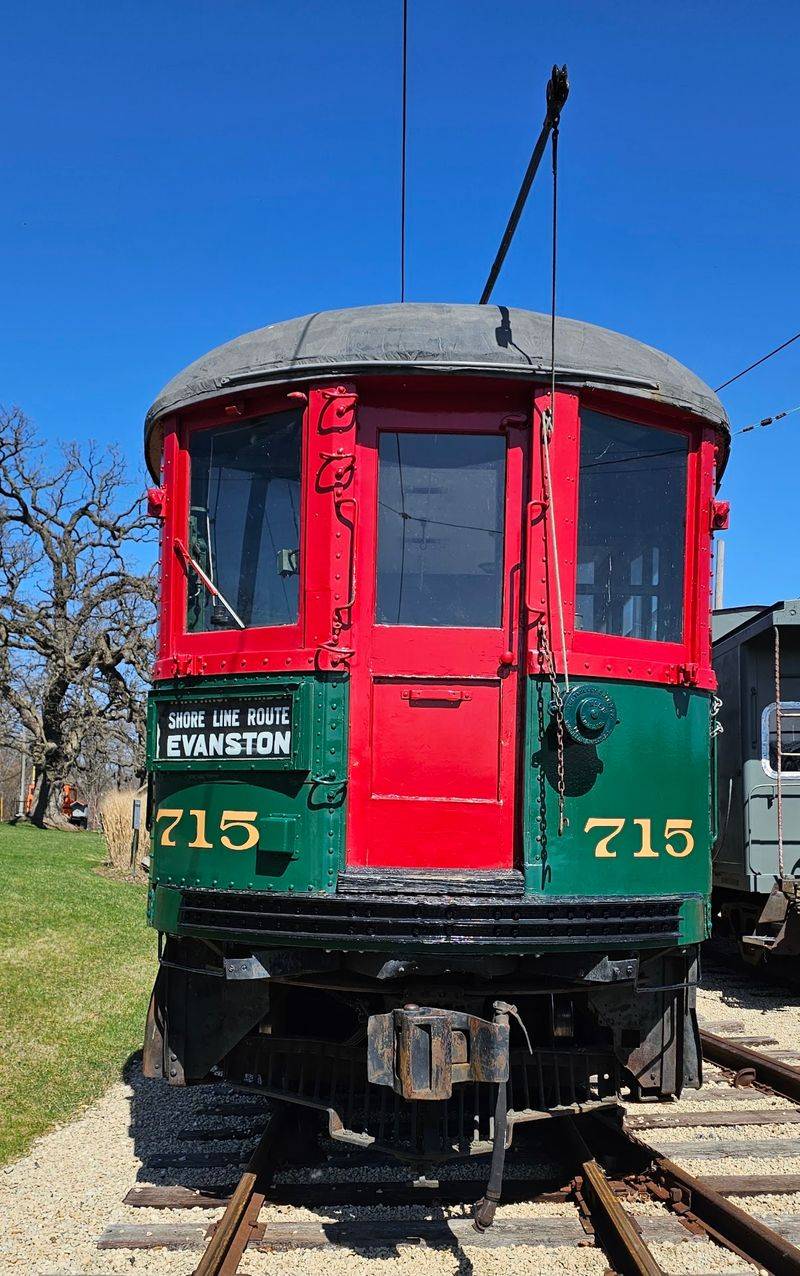
The collection at this museum covers an impressive range, with trolley cars and railroad vehicles dating from 1887 all the way through 1959. That is over seven decades of American rail history gathered in one riverside location, and the variety on display is genuinely surprising for a museum of this size.
Some cars have been fully restored to their original appearance, with polished woodwork, period advertisements lining the interior walls, and working mechanical components. Others are mid-restoration, giving visitors a rare look at the work that goes into preserving these vehicles.
Both types are worth your time, because the volunteers on-site explain the history of each one in detail.
The collection includes streetcars that once carried commuters through busy city streets, as well as heavier rail cars that served longer routes. There is also a World War II-era section of the collection that draws particular interest from history buffs.
Seeing these vehicles up close, rather than through a screen or in a photograph, gives you a real sense of how different daily transportation used to be. Each car tells a specific story about the era it came from, and the museum presents those stories clearly and engagingly.
The Trolley Ride Along the Fox River
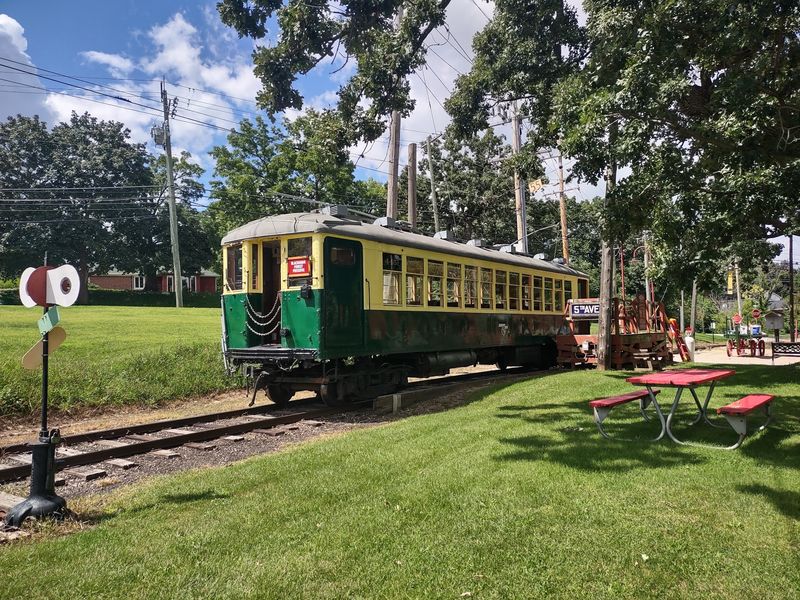
The centerpiece of any visit here is the trolley ride itself, and it delivers exactly the kind of experience the museum promises. Riders board an authentic vintage trolley and travel along a route that runs beside the Fox River, offering calm, scenic views of the water and surrounding forest.
The ride typically lasts around 30 to 45 minutes round trip, which is enough time to settle in, take in the scenery, and absorb the historical commentary from the guide on board. The guide covers both the history of the trolley car you are riding and the broader story of the Fox River Valley’s transportation past.
It never feels like a lecture; it feels more like a conversation with someone who genuinely loves the subject.
Ticket prices are affordable, generally in the range of $8 to $15 per person depending on the event, and children under a certain age often ride free. The route extends into a nearby forest preserve, so some visitors pack a picnic, ride out to the preserve, spend time outdoors, and then catch the trolley back.
That combination of rail history and nature makes the experience feel like two outings in one, and it works beautifully for families.
The Volunteers Who Make It All Work
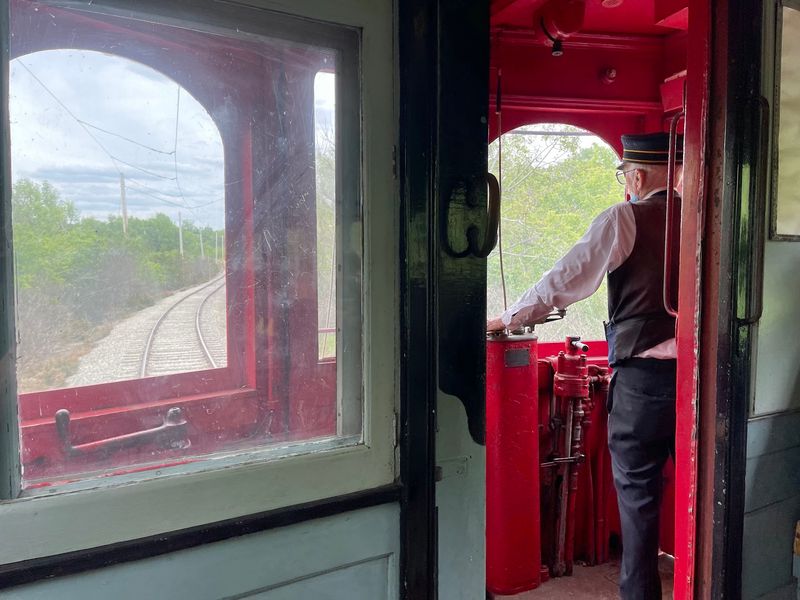
Without volunteers, this museum simply would not exist in its current form. Nearly every aspect of the operation, from restoring the trolley cars to guiding rides to staffing the ticket counter, is carried out by people who give their time because they genuinely care about preserving this history.
The passion these volunteers bring is something visitors notice almost immediately. They do not just hand you a ticket and point you toward the track.
They share detailed histories of individual cars, answer questions enthusiastically, and make the whole experience feel personal rather than transactional. Several visitors have noted that conversations with the volunteers were one of the most memorable parts of the trip.
The volunteers also play a central role during special events, taking on characters and roles that bring seasonal celebrations to life. Their dedication extends to the mechanical side as well, with team members spending countless hours on restoration work that the public rarely sees but absolutely benefits from.
The museum openly credits its volunteers in communications with the public, which speaks to how central they are to everything. For a museum that runs on passion rather than a large institutional budget, the quality of the volunteer team is what sets it apart from more commercial attractions.
Take the Throttle: A Hands-On Locomotive Experience
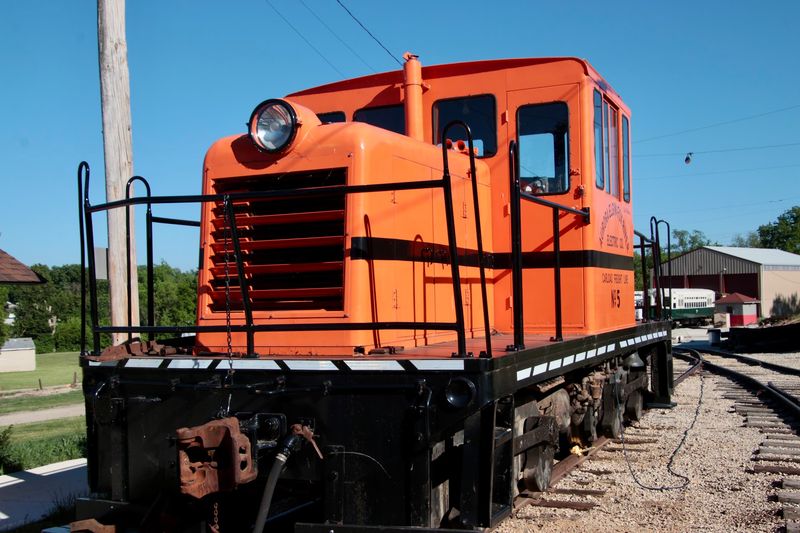
For anyone with a serious love of trains, the museum offers something far beyond a standard ride. The “Take the Throttle” experience lets participants actually operate a diesel locomotive along the museum’s track, with a staff member present to guide the process and ensure safety throughout.
The experience runs for about an hour or more, covering roughly two miles down the track and back. Family members who are not at the controls can ride along in a caboose passenger car being pulled by the locomotive, which adds a fun dynamic to the whole outing.
The river views along this stretch of track make the setting feel even more special.
This experience has become a popular gift option, particularly for Father’s Day and birthdays, and the museum staff go out of their way to make it memorable. They provide background information on the locomotives before the run, so participants arrive at the controls with real context for what they are operating.
Booking in advance is strongly recommended since spots fill up quickly. The combination of hands-on access, historical knowledge, and a scenic riverside setting makes this one of the more distinctive experiences available at any rail museum in the Midwest.
Special Seasonal Events Throughout the Year
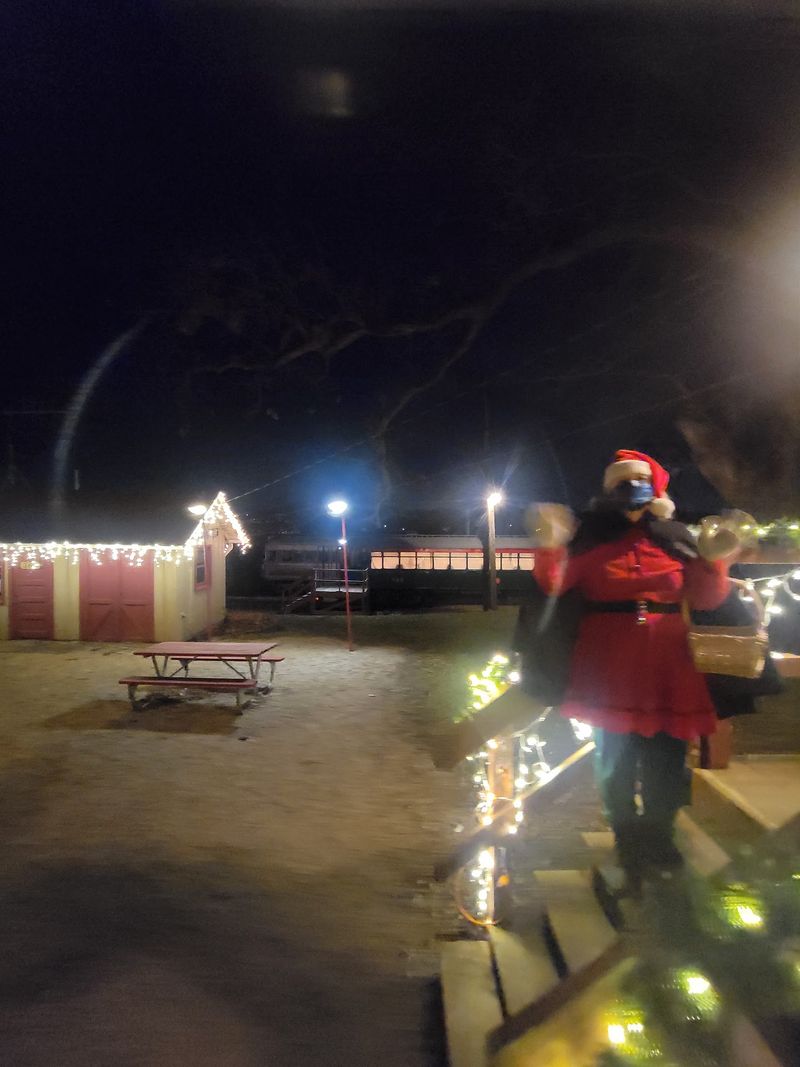
The museum runs a series of special events tied to the seasons, and these have developed strong followings of their own. The Bunny Train around Easter, the Santa Trolley Express in winter, and various summer programming give the museum a reason to visit at multiple points throughout the year rather than just once.
The Bunny Train is particularly popular with younger children, offering a scenic ride and a chance to meet the Easter Bunny in person. Families with kids in the 7-and-under range tend to find it especially well-suited to their crowd.
The Santa Trolley Express runs on winter weekends and includes sing-alongs, character interactions, and a warm, festive atmosphere that leans into the charm of riding a historic trolley through a snowy landscape.
These events are staffed by the same dedicated volunteer team that runs the regular season, and the personal touches they bring, from character interactions to on-board storytelling, consistently make a strong impression. Hot chocolate has been a feature of the winter events, adding to the cozy atmosphere.
The museum continues to refine these events based on visitor feedback, which shows a genuine commitment to improving the experience each year. Checking the website before your visit will show you what is currently scheduled.
The Atmosphere Along the Fox River
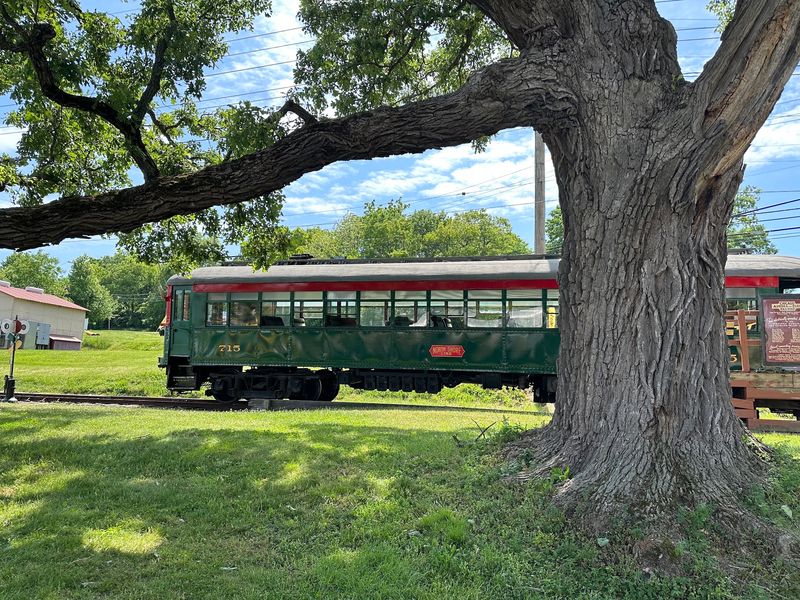
The physical setting of this museum adds something that no exhibit or display can manufacture. The Fox River runs right alongside the trolley route, and the views from the car windows are genuinely lovely, especially during spring and summer when the trees along the bank are full and green.
The grounds themselves have an unhurried, outdoor quality that feels different from indoor museums. You can walk between the parked rail cars at your own pace, stop to look closely at a particular vehicle, and take in the fresh air without feeling rushed or crowded.
On a nice weekend afternoon, the combination of open space, river views, and vintage machinery creates an atmosphere that is hard to replicate anywhere else in the region.
The route into the adjacent forest preserve adds another layer to the setting, giving riders a brief but satisfying stretch of natural scenery between the museum grounds and the preserve stop. Some families use that stop as a base for a picnic before catching the trolley back.
The overall feel of the place is calm, authentic, and refreshingly low-key compared to larger, more commercialized attractions. The river is the quiet backdrop that ties the whole experience together in a way that feels earned rather than staged.
What the Museum Costs and What to Expect on Arrival
The pricing at this museum is one of the things visitors most often mention positively. Regular trolley ride tickets generally run in the $8 to $15 range per adult, and children under a certain age ride free, making it one of the more budget-friendly family outings in the Chicago suburbs.
Parking on-site is free and available in good supply.
The small depot building near the entrance serves as both a gift shop and a ticket window. It is worth arriving a few minutes before your intended ride time to browse the shop and get oriented before boarding.
The staff there are approachable and happy to answer questions about the collection or the ride route before you head out.
One thing to plan for is food: the museum does not have a concession stand or food service on-site, so bringing your own snacks or a packed lunch is a smart move, especially if you plan to spend a few hours exploring. The forest preserve stop along the trolley route is a natural spot for a picnic break.
The overall experience is low-pressure and easy to navigate, even for first-time visitors, and the relaxed pace of the place makes it easy to linger longer than you originally planned.
History Inside the Cars: Ads, Details, and Stories
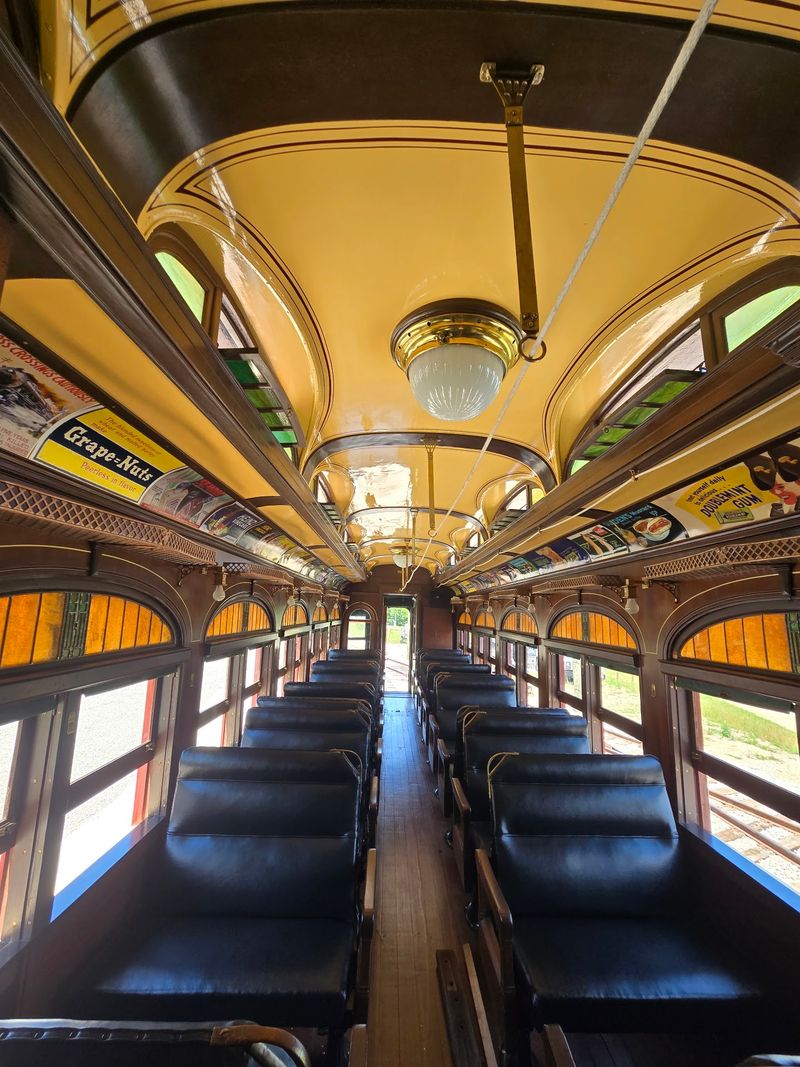
One of the quieter pleasures of visiting this museum is the time you can spend inside the individual cars before or after your ride. The restored vehicles are filled with period details that reward close attention, from original wooden seating and brass hardware to vintage advertisements printed on cards and mounted along the interior walls.
Those old ads are a particular highlight. They advertise products, services, and businesses from decades past, and browsing them feels like flipping through a time capsule of everyday American commercial life.
Some visitors find themselves spending more time reading the ads than looking out the windows, which is a perfectly reasonable way to pass the ride.
The guides on board add verbal context that the physical details alone cannot provide. They share stories about specific routes, notable passengers, and the broader social role that streetcars played in American cities before automobiles took over.
That combination of visual detail and oral history gives the ride a depth that you do not usually get from a static museum exhibit. By the time the trolley returns to the station, most riders have a much richer understanding of why these vehicles matter and why the volunteers work so hard to preserve them.
Tips for Planning Your Visit and Getting the Most Out of It
The museum is open Saturdays and Sundays from 11 AM to 5 PM during its regular operating season, which typically runs from spring through late fall. Arriving earlier in the day gives you more time to explore the grounds, take multiple rides if you want, and catch the staff at their most energetic before the afternoon crowds build up.
If you are planning to visit during a special event like the Bunny Train or the Santa Trolley Express, booking tickets in advance through the museum’s website is strongly recommended. These events sell out, and walk-up availability is not guaranteed.
The website at foxtrolley.org is also the best place to check for current construction detours, seasonal schedules, and any changes to pricing or programming.
Bringing a packed lunch or snacks is a smart move since there is no food service on-site. Comfortable walking shoes are helpful for exploring the outdoor grounds.
A camera or a fully charged phone will get plenty of use, both inside the vintage cars and along the river route. The “Take the Throttle” experience requires a separate reservation and fills up fast, so plan that one well ahead of time if it interests you.
The whole visit, done at a relaxed pace, can easily fill a satisfying half-day outing.
Share this story