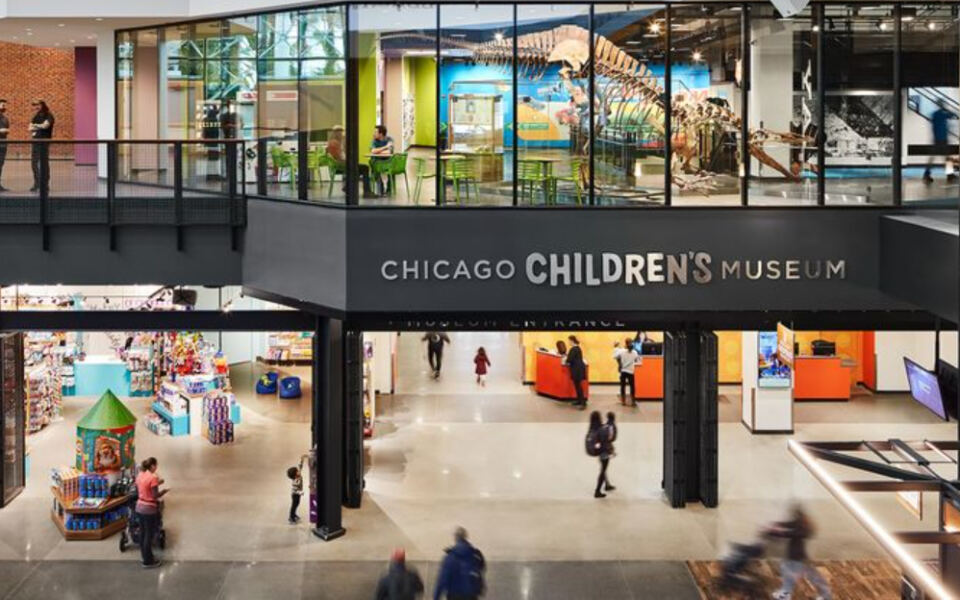
At the Chicago Children’s Museum on Navy Pier, kids don’t just read about paleontology in dusty textbooks. They grab brushes and tools to uncover fossils from an actual Sahara Desert expedition, turning scientific discovery into an adventure they can touch, feel, and experience firsthand.
This unique exhibit transforms real research into interactive play, letting young explorers step into the boots of actual paleontologists who traveled thousands of miles to dig up dinosaur bones.
Real Fossils From an Actual Sahara Expedition
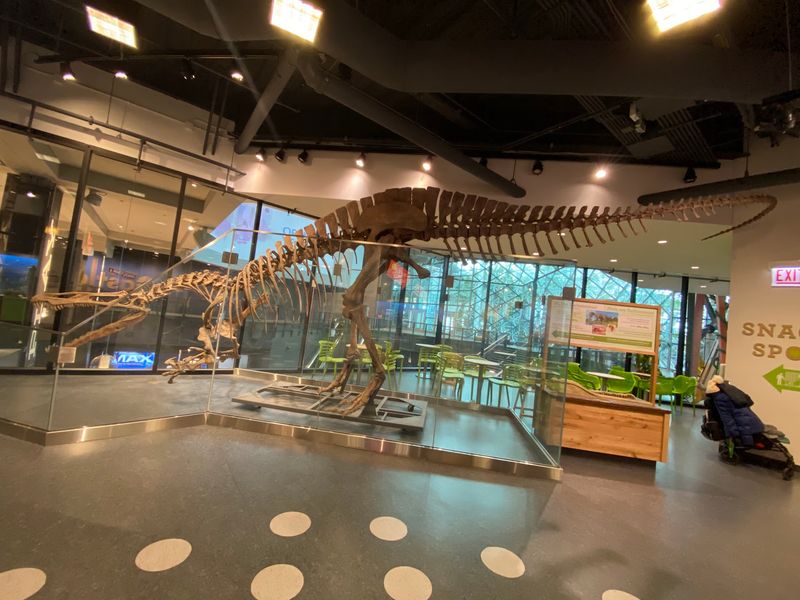
Forget replicas made in a factory somewhere. The dinosaur dig at Chicago Children’s Museum features genuine fossil discoveries from paleontological expeditions to the Sahara Desert, where scientists unearthed remains of creatures that roamed Earth millions of years ago.
Kids get to work with real scientific finds, making the experience feel authentic rather than pretend.
The museum partnered with actual researchers who traveled to Africa’s harsh desert landscapes, enduring extreme heat and sandstorms to locate these prehistoric treasures. Now those same discoveries sit within reach of curious hands in downtown Chicago.
Young visitors use proper paleontology tools to brush away sand and reveal what’s hidden beneath, mimicking the exact techniques scientists employ in the field.
This connection to genuine exploration gives children a tangible link to real science happening around the world. They’re not playing with toys but engaging with actual history pulled from ancient rock formations.
The thrill of uncovering something that once lived and breathed creates an unforgettable spark of wonder that no textbook could ever match.
Hands-On Paleontology Tools Kids Can Actually Use
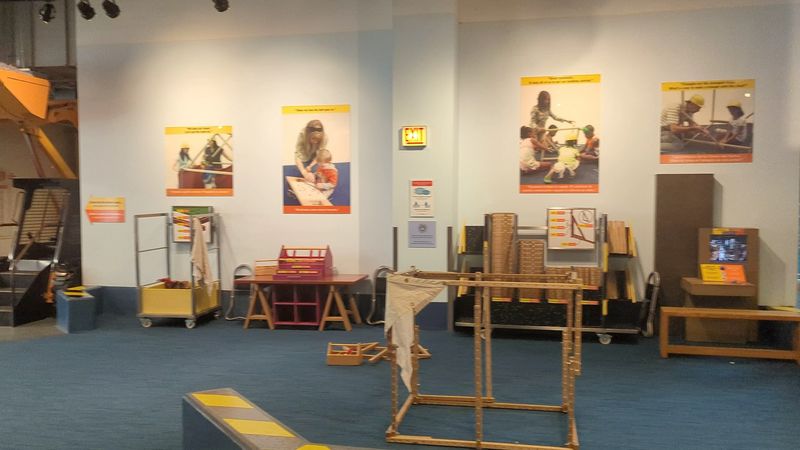
Tiny brushes, miniature picks, and handheld sifters line the dig site, giving kids the same equipment professional paleontologists carry into remote excavation zones. These aren’t flimsy plastic toys that break after five minutes.
The museum provides sturdy, functional tools designed to withstand enthusiastic young archaeologists who take their fossil hunting seriously.
Children learn proper excavation techniques as they carefully sweep away layers of sand grain by grain. Rushing gets you nowhere in paleontology, and kids quickly discover that patience reveals rewards.
The satisfying scrape of a brush against something solid buried below teaches them the methodical nature of scientific discovery.
Parents often find themselves surprised by how focused their normally wiggly children become when handed these tools. Something about the tactile experience of digging, brushing, and uncovering transforms casual museum visitors into dedicated junior scientists.
The physical act of using real equipment creates muscle memory and skills that stick with kids long after they leave the exhibit, potentially sparking lifelong interests in geology, archaeology, or paleontology careers.
Learning What Life Was Like 100 Million Years Ago
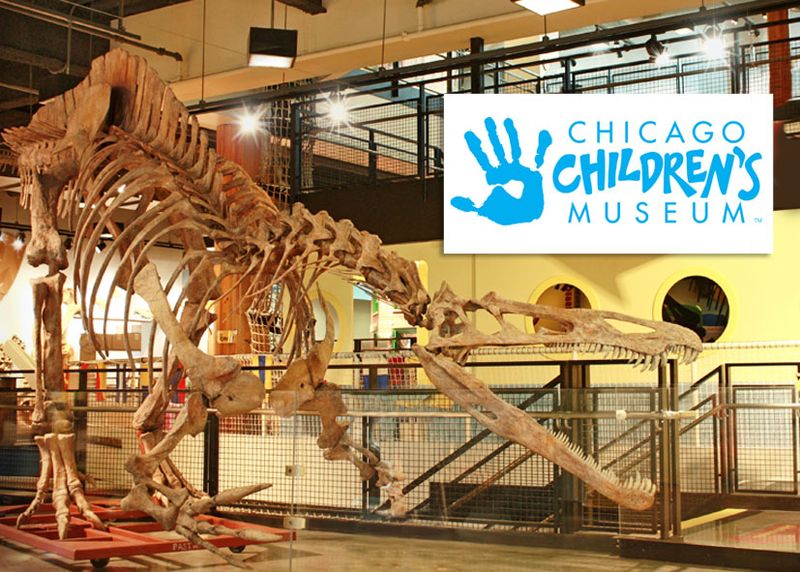
The Sahara Desert wasn’t always an endless sea of sand. During the Cretaceous period, this region teemed with rivers, lush vegetation, and massive dinosaurs that would dwarf today’s elephants.
The museum’s exhibit transports kids back to this radically different world, showing them how dramatically Earth has changed over geological time.
Interactive displays explain how scientists piece together ancient ecosystems from fossil clues. A single tooth reveals diet, bone structure indicates movement patterns, and fossilized plant matter shows what grew nearby.
Kids learn to think like detectives, using evidence to reconstruct vanished worlds they’ll never see with their own eyes.
Understanding deep time challenges young minds in the best possible way. Grasping that 100 million years separates us from these creatures helps children appreciate the vast scale of Earth’s history.
The exhibit doesn’t just teach facts about specific dinosaurs but cultivates critical thinking skills about how we know what we know, turning kids into questioners rather than passive information absorbers.
The Thrill of Making Your Own Discovery
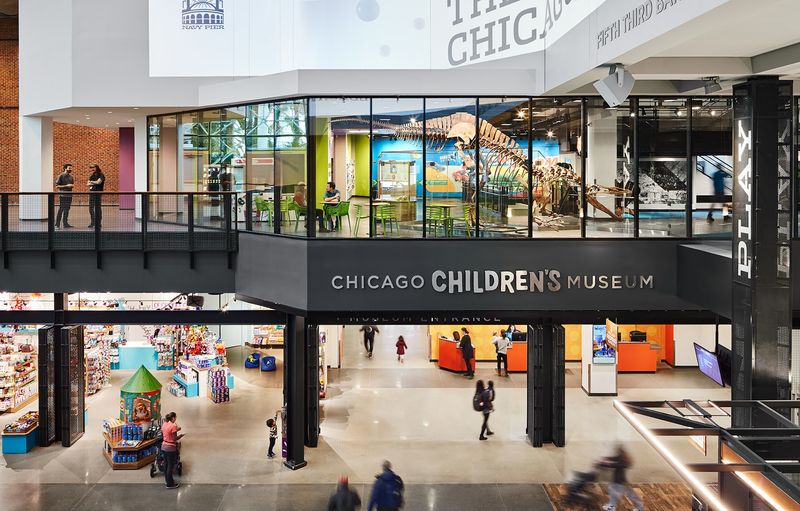
Nothing compares to that electric moment when your brush hits something solid hidden in the sand. Eyes widen, breath catches, and suddenly you’re the first person to see this particular fossil in its resting place.
The museum recreates this experience over and over, giving every child their own chance to feel like the discoverer rather than just hearing about someone else’s find.
Staff members celebrate each uncovering with genuine enthusiasm, reinforcing that every discovery matters. Whether it’s your first fossil or your tenth visit to the dig, the excitement never diminishes.
This positive reinforcement builds confidence and encourages kids to keep exploring, keep questioning, and keep pushing boundaries.
The psychological impact of personal discovery can’t be overstated. Reading about dinosaurs in books feels passive, but physically unearthing evidence of their existence creates an emotional connection to science.
Kids remember experiences far longer than facts, and the feeling of making their own find often becomes a core memory that shapes their relationship with learning and exploration for years afterward.
Understanding How Fossils Form and Preserve
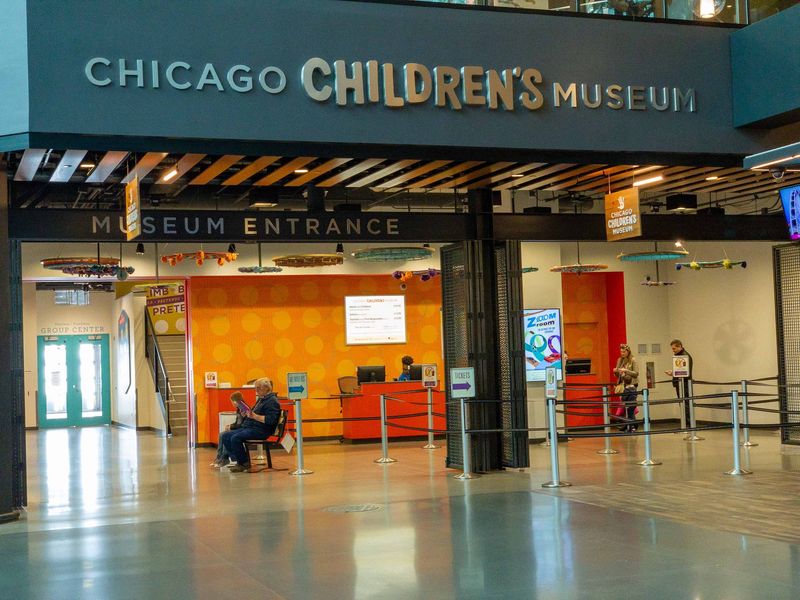
Fossils don’t just appear magically in rocks. The museum walks kids through the incredible chain of events required to preserve ancient life, starting with an animal’s death and ending millions of years later when someone digs up its remains.
Each step in this process had to happen just right, making every fossil a minor miracle of timing and chemistry.
Interactive stations show how minerals slowly replace organic material, turning bone into stone over incomprehensible stretches of time. Kids touch real fossilized bone and compare it to modern animal bones, feeling the difference in weight and texture.
This hands-on comparison makes abstract concepts concrete and memorable.
The rarity of fossilization surprises most young visitors. Learning that only a tiny fraction of creatures that ever lived became fossils helps children appreciate how special each find truly is.
This knowledge transforms the dig experience from casual play into something more meaningful, as kids realize they’re handling evidence of organisms that beat astronomical odds to leave any trace of their existence behind.
Meeting the Scientists Behind the Expedition

Through video presentations and special events, kids meet the actual researchers who braved scorching desert heat to collect the fossils now displayed at the museum. These aren’t actors or cartoon characters but real scientists who share stories of sandstorms, equipment failures, and the persistence required to work in one of Earth’s harshest environments.
Hearing firsthand accounts humanizes science in powerful ways. Children learn that paleontologists are regular people who simply refused to give up on their curiosity about the past.
The scientists discuss both triumphs and setbacks, showing kids that failure is part of discovery rather than something to fear or avoid.
These connections often inspire career dreams that might never have emerged otherwise. Seeing someone passionate about their work, especially when that work involves adventure and discovery, plants seeds in young minds.
The museum facilitates Q&A sessions where kids can ask anything, from “What do you eat in the desert?” to “How do you know where to dig?” Every answer builds a more complete picture of what scientific work actually involves.
Comparing Dinosaur Species Found in the Sahara
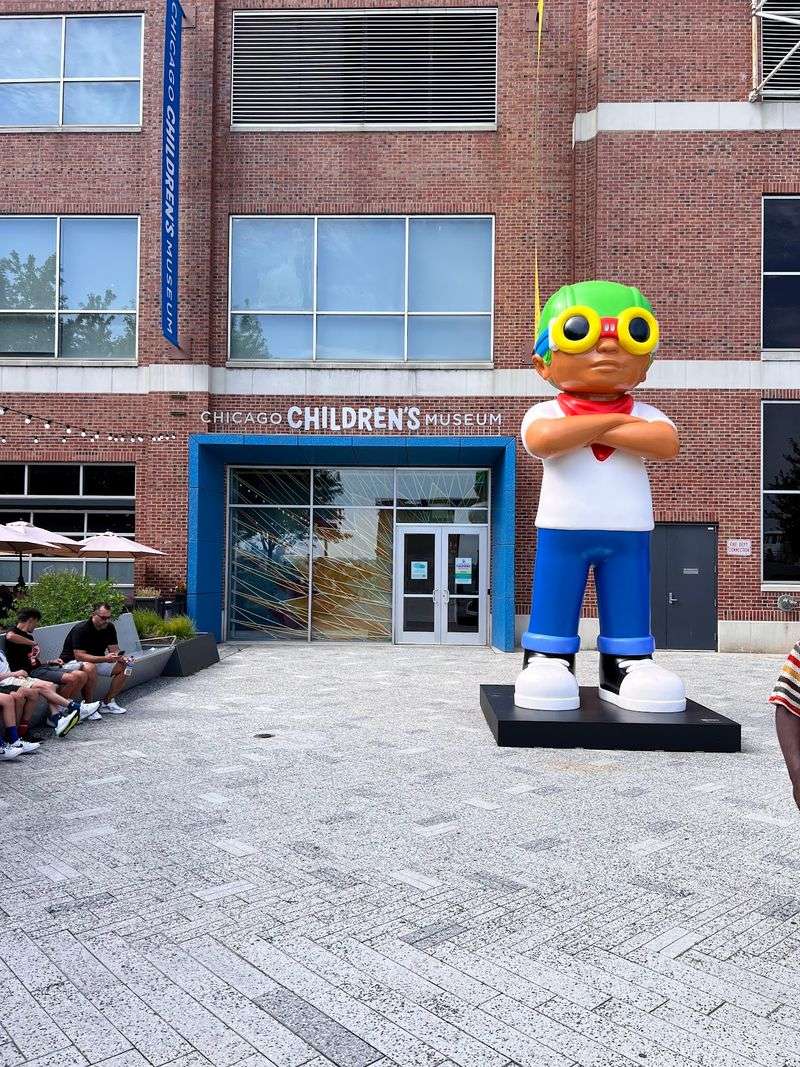
The Sahara yielded multiple dinosaur species, each adapted to different niches in the ancient ecosystem. The exhibit showcases these varied creatures, from massive predators to smaller plant-eaters, helping kids understand that “dinosaur” covers an incredibly diverse range of animals rather than just one type of creature.
Size comparisons blow young minds. Standing next to a life-sized Spinosaurus reconstruction makes kids feel appropriately tiny, while smaller species prove that not every dinosaur towered over modern buildings.
These visual comparisons stick with children far better than abstract measurements written on labels.
The museum encourages kids to think about why different body types evolved and what advantages each provided. Sharp teeth versus flat grinding surfaces, long necks versus compact bodies, armor plating versus speed.
These comparisons introduce evolutionary concepts without overwhelming young learners, planting foundational knowledge that biology classes will build upon later. Kids leave understanding that diversity and adaptation drive survival, lessons that extend far beyond extinct reptiles.
The Connection Between Museum and Navy Pier

Located on iconic Navy Pier, the museum benefits from one of Chicago’s most vibrant tourist destinations. Families can combine dinosaur digging with Ferris wheel rides, lakefront walks, and countless dining options, making it easy to fill an entire day with activities.
This prime location means the museum draws visitors who might never seek out a standalone children’s facility.
The pier setting adds unexpected educational layers. Kids can compare ancient Sahara ecosystems with the current Great Lakes environment visible through nearby windows.
What forces shaped these radically different landscapes? How do water and wind transform terrain over time?
These questions naturally arise when you’re examining desert fossils while looking at a massive freshwater lake.
Parking challenges at Navy Pier are real, but museum members receive discounts that help offset costs. Many families use public transportation or rideshare services to avoid parking fees entirely.
The museum’s central location makes it accessible via multiple transit options, removing barriers that might prevent some families from visiting. Once you’re there, the combination of indoor educational exhibits and outdoor recreational spaces creates an ideal balance for families with varied interests and energy levels.
Beyond Dinosaurs: The Museum’s Other Interactive Exhibits
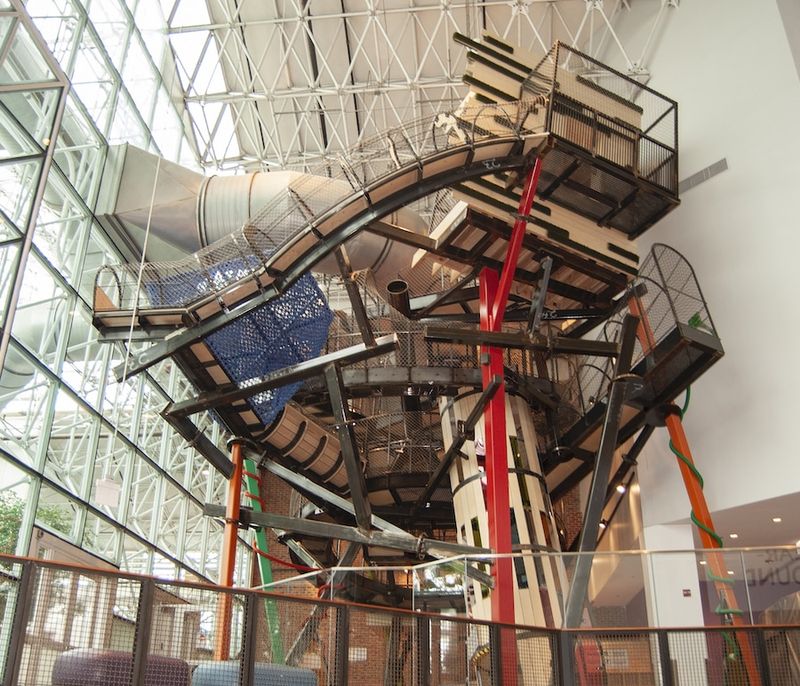
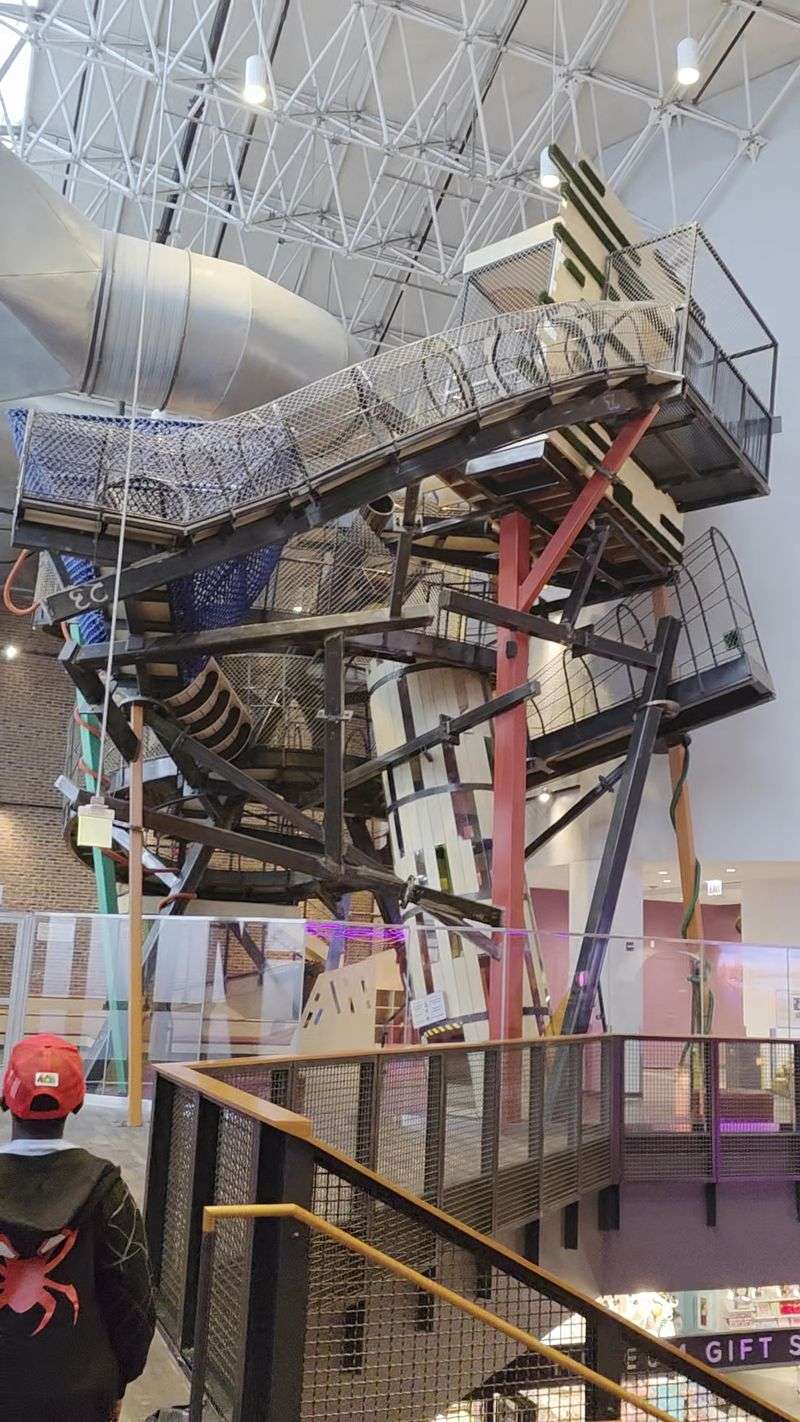
While the dinosaur dig captures headlines, the museum offers floors packed with other hands-on experiences. A massive climbing structure challenges kids physically while building confidence and spatial awareness.
Water play areas let children experiment with flow, pressure, and engineering concepts while getting splashed. The Tinker Lab provides materials for building and inventing, encouraging creative problem-solving without predetermined outcomes.
Firefighter exhibits let kids dress in real gear and pretend to battle blazes, teaching fire safety while feeding imagination. A miniature city with grocery stores and vehicles helps younger children practice social skills and role-playing.
These varied stations ensure that kids with different interests and learning styles find something that speaks to them personally.
The museum’s genius lies in disguising education as pure fun. Children don’t realize they’re developing critical thinking, fine motor skills, and scientific reasoning because they’re too busy playing.
Parents appreciate the multiple visit value since kids rarely experience everything in one trip. Military families receive free admission, making the museum accessible to those who serve.
With operating hours seven days a week and a 4.6-star rating from over 7,000 reviews, the facility clearly delivers consistent quality that keeps families returning.
Practical Tips for Your Dinosaur Dig Visit
Plan for at least three to four hours to properly explore the museum without rushing. The dinosaur dig alone can occupy enthusiastic young paleontologists for extended periods, especially if they’re methodical in their excavation work.
Arriving when doors open at 10 AM means beating afternoon crowds and having more space at popular exhibits.
Dress kids in clothes that can handle sand and dirt. While the museum provides cleanup stations, excavation work inevitably means dusty hands and knees.
Comfortable shoes matter too, since the facility spans multiple floors with plenty of climbing and movement. Bringing water bottles helps keep kids hydrated during active play.
Check the museum’s website before visiting for any special paleontology events or scientist presentations that might enhance your experience. Membership pays for itself if you visit more than twice yearly and includes parking discounts that offset Navy Pier’s notoriously expensive lots.
Consider sending one adult with the kids while others explore the pier, then switching later to maximize both museum time and budget. The museum allows re-entry on the same day, giving families flexibility to grab lunch elsewhere and return refreshed for afternoon exploration.
Share this story