Tucked away in the quiet river bottoms of southern Illinois sits a place where history whispers through rows of white marble headstones. Mound City National Cemetery stands as a solemn reminder of the sacrifices made during America’s bloodiest conflict, the Civil War.
At its heart rises a monument dedicated to 2,637 unknown soldiers and sailors whose names were lost to time but whose service will never be forgotten. This peaceful sanctuary continues to honor veterans from all wars, making it a powerful destination for anyone seeking to understand the true cost of freedom.
A Monument That Speaks for the Silent Thousands
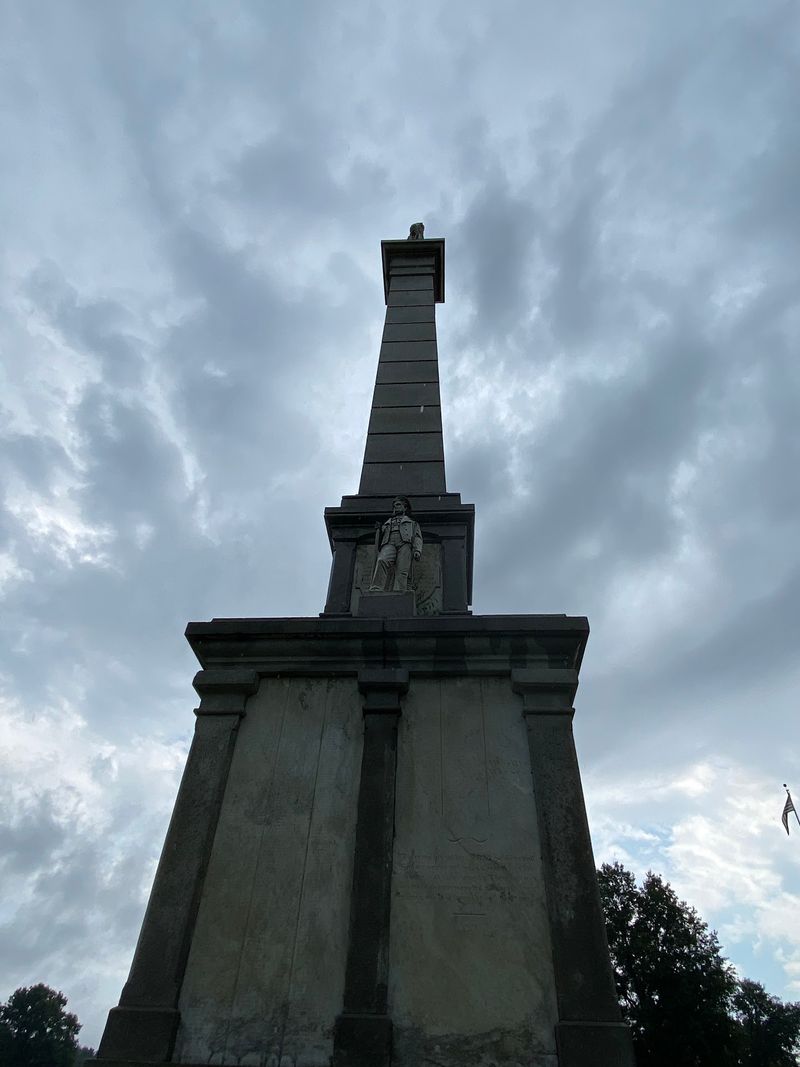
Standing tall in the center of Mound City National Cemetery, the main monument serves as a voice for those who can no longer speak for themselves. This impressive structure lists hundreds of known dead by name while acknowledging the staggering reality that 2,637 soldiers and sailors rest here without identification.
Their names were lost to the chaos of war, poor record-keeping, or the simple tragedy of bodies too damaged to identify.
The monument doesn’t just mark graves. It tells a story of sacrifice that goes beyond individual identity.
These unknown men gave everything for their beliefs, and now they rest together as equals beneath Illinois soil.
Visitors often stand before this monument in reflective silence, contemplating the weight of so many anonymous sacrifices. The weathered stone bears witness to over 150 years of seasons, yet its message remains crystal clear.
Every name matters, but even without names, every life mattered just as much.
Reading the inscriptions becomes an emotional experience for many who visit, connecting them to a past that shaped the nation’s future.
Civil War Origins in the Heart of River Country
Mound City National Cemetery traces its roots back to the darkest days of the American Civil War. Established during the 1860s, it served a critical role when the area functioned as a strategic military location along the Ohio and Mississippi Rivers.
Wounded soldiers arrived by riverboat, hoping for treatment at the military hospital that once stood near the cemetery grounds.
The location wasn’t chosen randomly. River transportation made it accessible for moving the wounded and the dead during an era when roads were primitive at best.
The hospital treated countless Union soldiers, but disease proved as deadly as Confederate bullets.
A measles outbreak swept through in 1863, claiming lives faster than combat ever could. Soldiers like William Wright arrived wounded only to succumb to illness before they could return home.
When weather prevented families from retrieving bodies, the cemetery became their final resting place.
Today, the cemetery’s Civil War origins remain visible in the oldest sections. Weathered headstones mark graves from that bloody conflict, their inscriptions fading but their importance undiminished by time’s passage.
Union and Confederate Dead Rest Side by Side
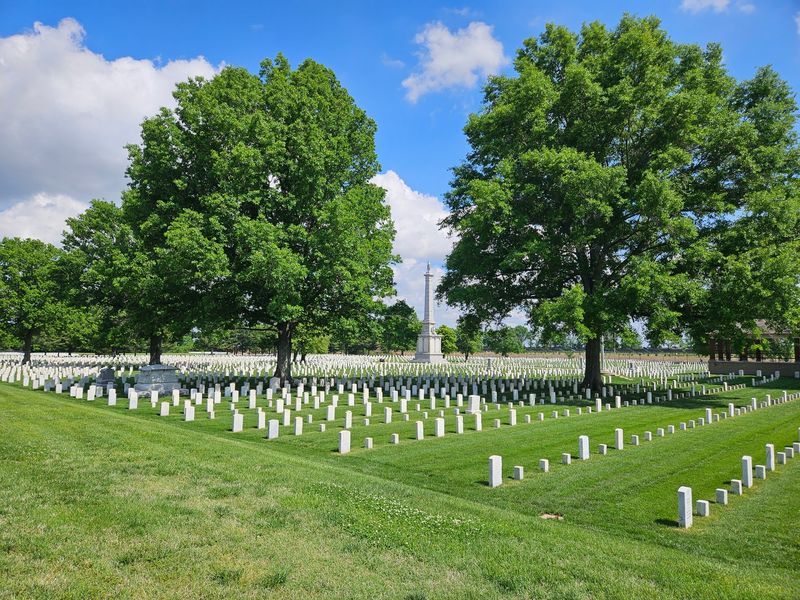
Something remarkable happens at Mound City National Cemetery that sets it apart from many other military burial grounds. Both Union and Confederate soldiers rest here, a powerful symbol of reconciliation that emerged from America’s most divisive war.
A small obelisk stands as a memorial specifically honoring the Confederate dead who share this hallowed ground.
This wasn’t always common practice. Many Civil War cemeteries remained segregated by allegiance long after the conflict ended.
But Mound City chose a different path, recognizing that all soldiers deserve respect regardless of which uniform they wore.
The Confederate memorial doesn’t glorify rebellion. Instead, it acknowledges historical reality while promoting healing.
Families on both sides lost sons, fathers, and brothers to the same brutal war.
Visitors sometimes search for a grave marker labeled “Confederate spy,” mentioned in local lore, though groundskeepers confirm no such specific stone exists. What does exist is a commitment to honoring all who served, creating a space where former enemies now rest in eternal peace beneath the same Illinois sky.
Endless Rows of White Marble Stretching Across Manicured Grounds
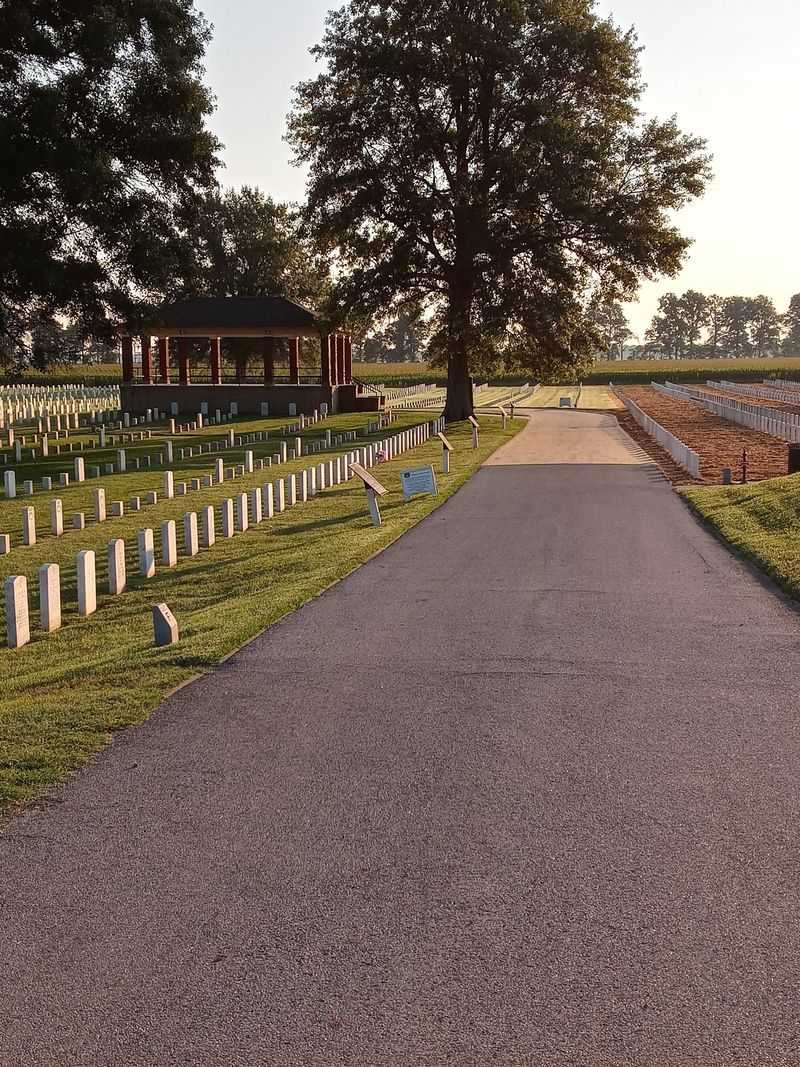
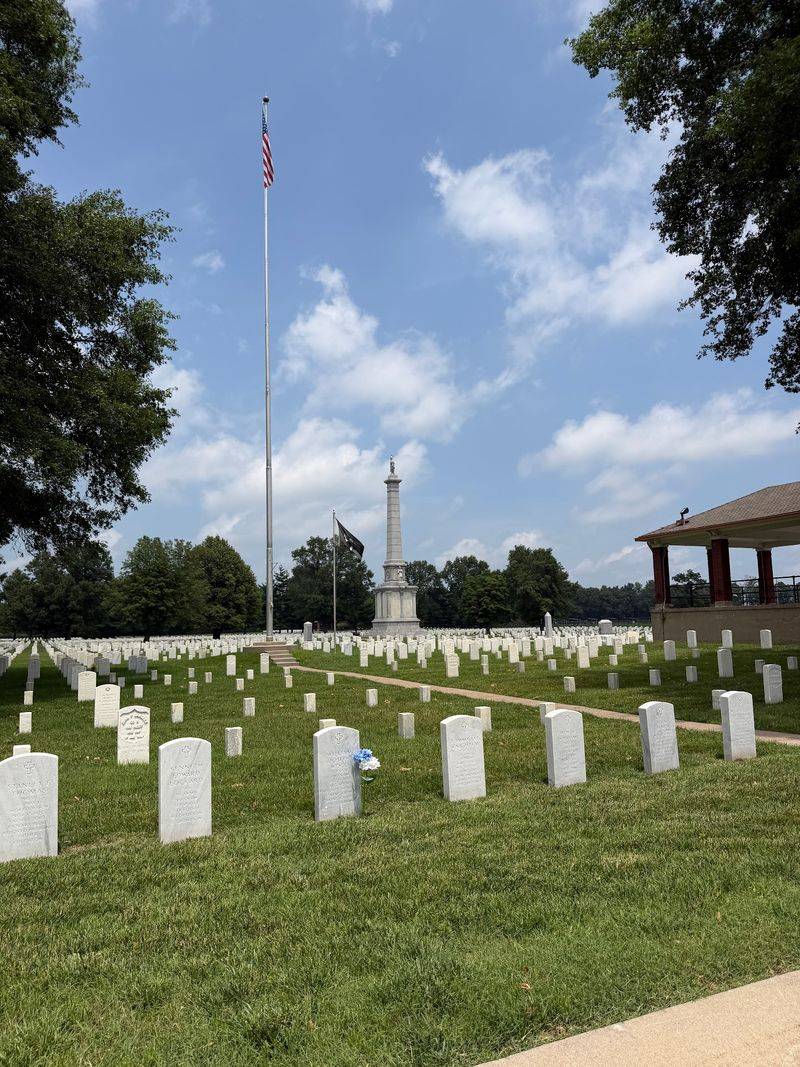
Walking among the seemingly endless headstones at Mound City National Cemetery creates an overwhelming experience that photographs can’t quite capture. Row after precise row of white marble markers stretch across impeccably maintained grounds, each one representing a life given in service.
The visual impact hits visitors immediately, often stopping them in their tracks.
Reviewers consistently compare the cemetery to Arlington National Cemetery, praising the dignified presentation and meticulous care. The grounds crew maintains standards that would make any national cemetery proud.
Every blade of grass seems perfectly trimmed, every stone aligned just so.
The sheer number of graves drives home the human cost of military service in ways that history books never quite manage. Reading statistics about war casualties is one thing, but standing among thousands of individual markers transforms abstract numbers into visceral reality.
Many visitors describe the experience as unforgettable, particularly those with family connections to the area. Local sons, fathers, brothers, and uncles rest here, making the cemetery deeply personal for southern Illinois communities.
The endless white rows command respect while inspiring prayers that future generations won’t need to fill more such spaces.
A Peaceful Sanctuary Surrounded by Cornfields
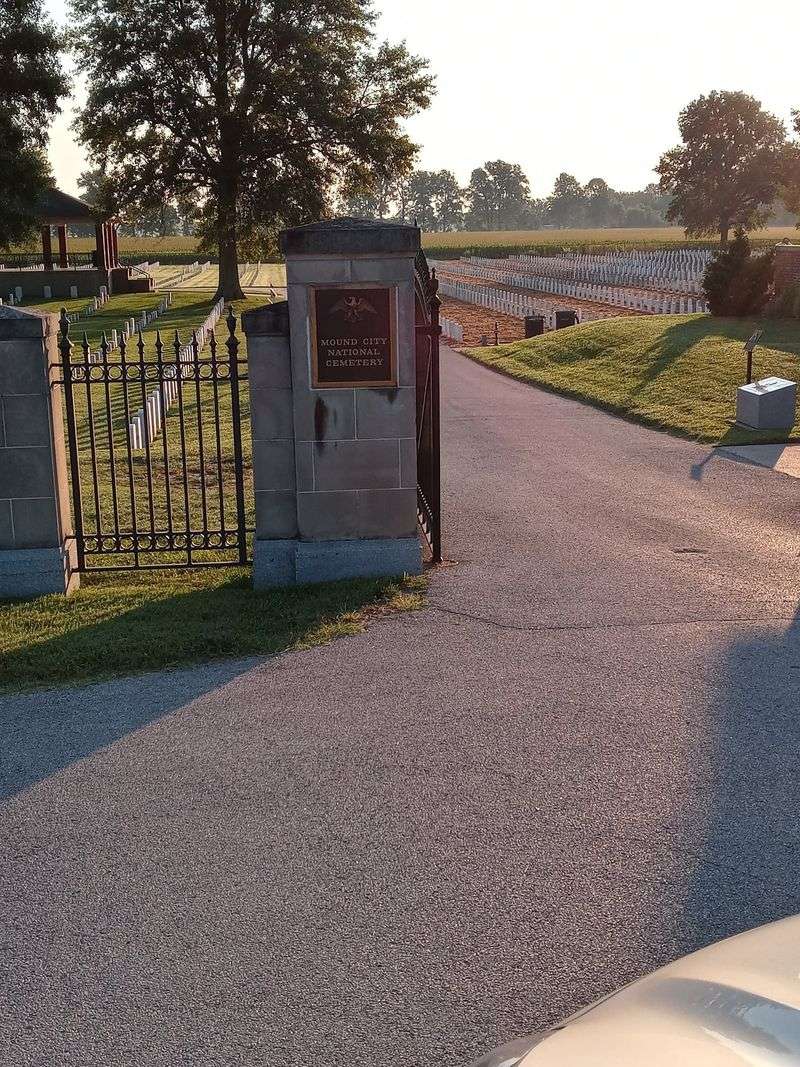
Arriving at Mound City National Cemetery feels like discovering a piece of Arlington, Virginia, transported to the quiet heart of rural Illinois. Cornfields and river bottoms stretch in every direction, creating a pastoral setting that seems worlds away from typical military installations.
Yet here stands this dignified sanctuary, enclosed by brick walls and wrought iron fencing that separate sacred ground from farmland.
The peaceful atmosphere strikes every visitor who passes through the gates. Traffic noise doesn’t intrude here.
Instead, you might hear wind rustling through corn stalks or birds calling across the fields.
This remote location actually enhances the cemetery’s solemn character rather than diminishing it. The quiet allows for genuine reflection without the distractions of urban environments.
Families can visit their loved ones in contemplative silence, paying respects without feeling rushed.
The isolation also means the cemetery remains beautifully preserved, unthreatened by commercial development or suburban sprawl. Centuries from now, veterans will likely still rest peacefully in this same rural setting, their graves tended with the same care that defines the cemetery today.
The cornfields stand as patient witnesses to history.
Weathered Stones That Guard Fading Stories
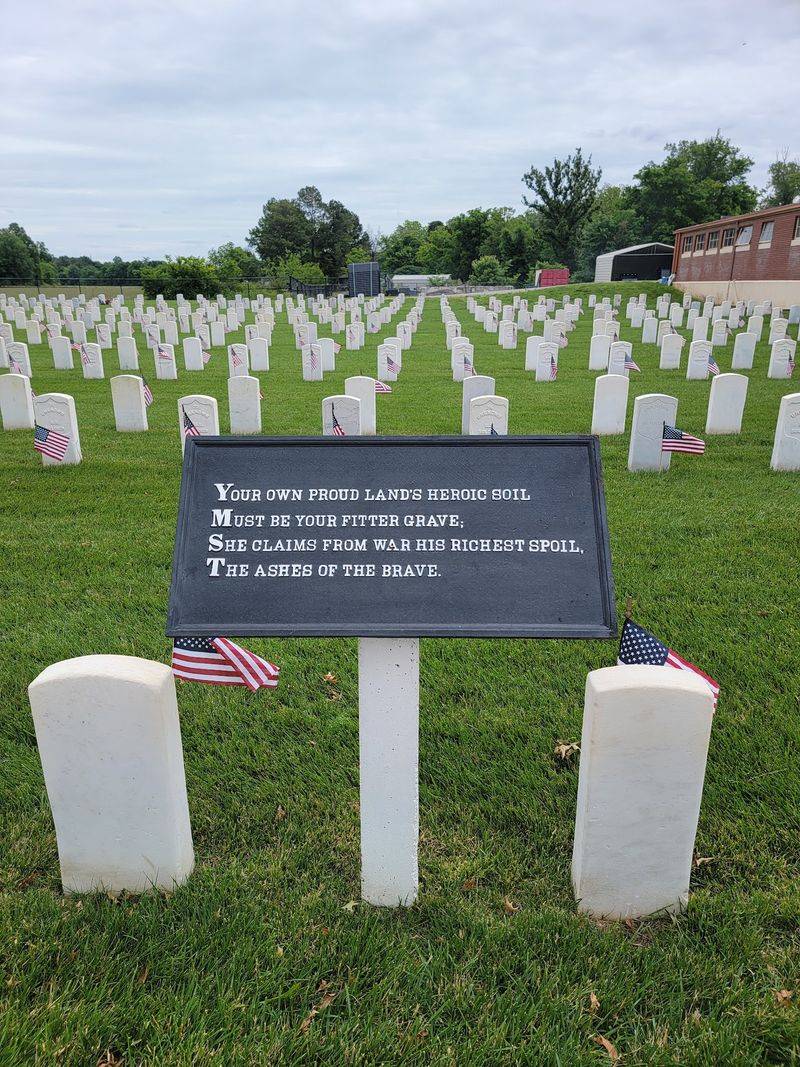
Time takes its toll even on marble and granite meant to last forever. Many of the oldest headstones at Mound City National Cemetery show their age, with inscriptions worn smooth by more than 150 years of Illinois weather.
Rain, snow, heat, and frost have gradually erased names and dates that families once assumed would remain readable for all time.
Visitors often find themselves frustrated trying to read these weathered markers, squinting at stones where letters have faded to barely visible shadows. Some inscriptions are completely impossible to decipher without specialized equipment or historical records.
Each illegible stone represents another story slipping away from living memory.
The weathering process continues despite the cemetery’s excellent maintenance. Groundskeepers can mow grass and trim hedges, but they can’t reverse chemical erosion that dissolves limestone and marble letter by letter.
Preservationists face difficult questions about whether and how to restore these aging monuments.
Yet there’s something poignant about these fading stones. They remind us that even our most permanent memorials eventually succumb to nature’s patient work.
The unknown soldiers honored by the central monument face a different kind of erasure, but time threatens to make all soldiers equally anonymous eventually.
An Active Cemetery Still Serving Veterans Today

Mound City National Cemetery isn’t just a museum preserving Civil War history. It remains an active burial ground that continues accepting veterans and eligible family members to this day.
Modern headstones stand alongside Civil War markers, creating a timeline of American military service that spans more than 150 years.
This ongoing mission gives the cemetery living purpose beyond historical preservation. Veterans from World War II, Korea, Vietnam, and more recent conflicts have found their final resting place here.
Their families visit regularly, maintaining connections that keep the cemetery vital and relevant.
Funeral directors rate Mound City among the best national cemeteries for conducting military burials. The staff handles services with professionalism and dignity, ensuring every veteran receives honors befitting their sacrifice.
Honor guards present flags, rifles fire salutes, and taps echo across the grounds just as they have for generations.
Some veterans even plan years in advance to be buried here, drawn by the cemetery’s beauty, history, and peaceful setting. One reviewer looked forward to centuries of rest in this quiet corner of Illinois.
The cemetery thus serves both past and future, honoring those long gone while preparing to welcome those still serving.
Family Connections That Span Generations

For many families in southern Illinois, Mound City National Cemetery holds deeply personal significance that transcends its historical importance. Multiple generations return year after year to visit parents, grandparents, great-grandparents, and other relatives buried in these hallowed grounds.
Their reviews reveal touching stories of love, loss, and continuing connection.
One woman described finding her great-great-grandfather William Wright’s grave, learning how he died from measles in 1863 after arriving wounded at the military hospital. Her family has visited for years, maintaining bonds across more than 150 years of separation.
Another reviewer mourns parents resting “safe in the arms of the Lord,” finding comfort in the cemetery’s beauty.
These aren’t just historical figures to their descendants. They’re Mom and Dad, beloved uncles, favorite family members who shaped lives and left holes that never quite fill.
The well-maintained grounds provide some consolation, assuring families their loved ones rest in dignity.
Children who grew up passing the cemetery daily on school buses later return as adults, sometimes planning their own eventual burials there. The cemetery thus becomes woven into family identity, a place connecting past, present, and future generations through shared remembrance and respect.
Grounds Maintained to Impeccable Standards
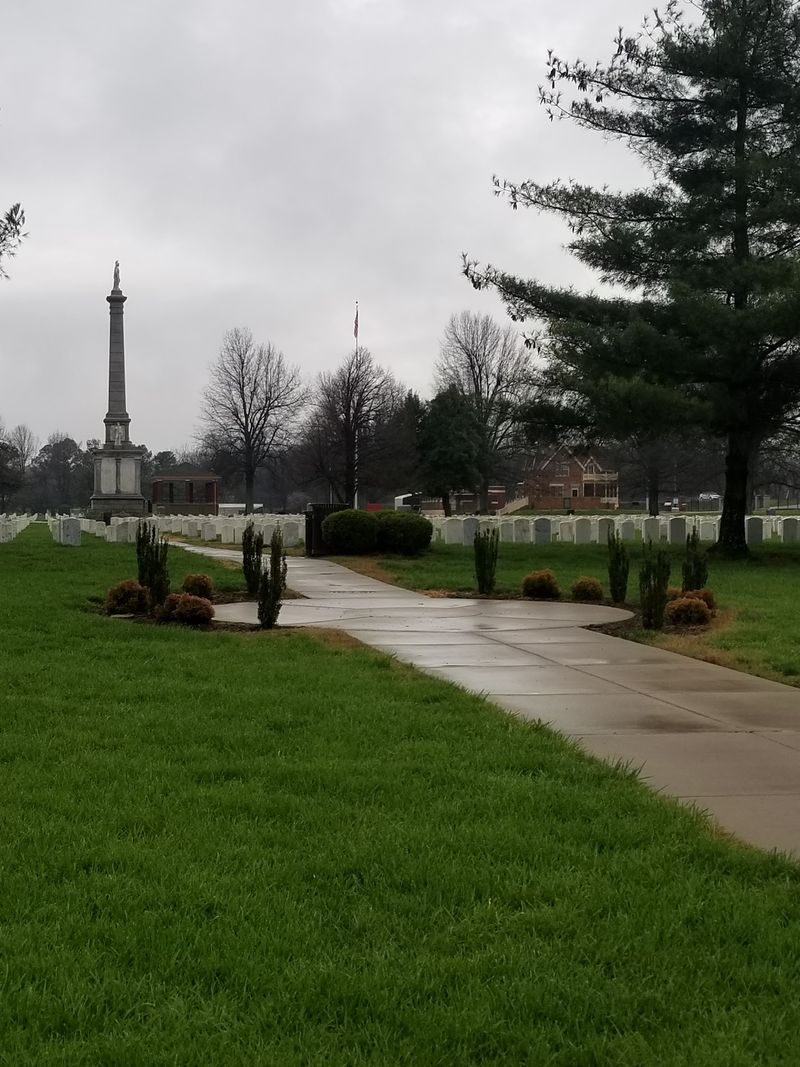
Visitors universally praise the exceptional condition of Mound City National Cemetery’s grounds, often expressing amazement that such a remote location maintains standards rivaling the nation’s most famous military cemeteries. The dedication of caretakers and groundskeepers shines through in every perfectly trimmed hedge and precisely aligned headstone.
Reviewers specifically mention friendly, hardworking caretakers who take obvious pride in their responsibilities. These aren’t just employees punching clocks; they’re guardians of sacred ground who understand the importance of their work.
One caretaker even lived on the property with his family, making the cemetery’s care a full-time commitment.
The meticulous maintenance serves multiple purposes beyond aesthetics. Well-kept grounds show respect for those buried here and comfort for families who visit.
Overgrown cemeteries suggest forgotten sacrifice, but Mound City’s pristine appearance declares that these veterans remain honored and remembered.
The work never ends. Grass grows, leaves fall, weather damages fences and paths.
Yet season after season, year after year, the grounds crew maintains standards that funeral directors rate among the best. Their largely invisible labor ensures that visitors experience the cemetery as it should be: a dignified, peaceful, beautifully maintained final resting place worthy of those who served.
A Destination Worth the Journey for History and Remembrance
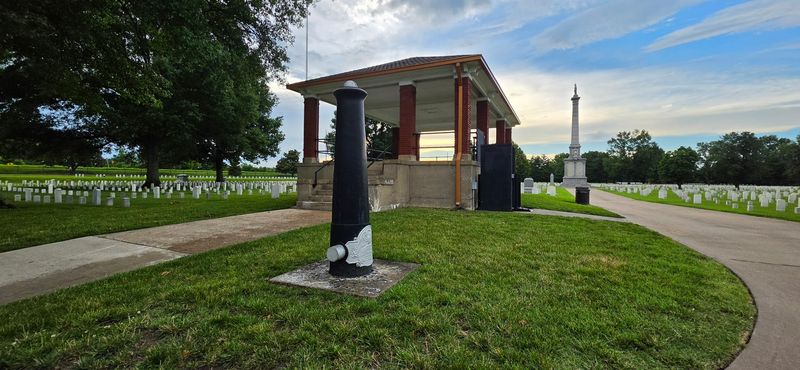
Mound City National Cemetery sits off the beaten path, not convenient to major highways or tourist destinations. Yet people make special trips from across the region and beyond, drawn by the cemetery’s historical significance and the opportunity to pay respects to fallen heroes.
The journey becomes part of the experience, building anticipation as cornfields give way to white marble rows.
First-time visitors often express surprise at finding something so impressive in such a remote location. They expect a small country cemetery and discover grounds comparable to national landmarks.
The contrast between rural surroundings and formal military precision creates memorable impact.
For those interested in Civil War history, the cemetery offers tangible connection to that pivotal era. You can stand where wounded soldiers arrived by riverboat, walk among graves of those who died in the conflict, and contemplate the monument to unknown soldiers who gave everything.
Essential Civil War history happened in this region, though it often gets overlooked in favor of more famous eastern battlefields.
Whether visiting family graves or simply paying respects to strangers, people consistently describe their trips as worthwhile and moving. The cemetery rewards those who make the effort with an experience that educates, inspires, and humbles in equal measure.
Share this story