Hidden in the heart of Illinois lies a remarkable place where the past meets the present. Nachusa Grasslands stretches across more than 4,000 acres of restored prairie, bringing back a landscape that once covered the entire state.
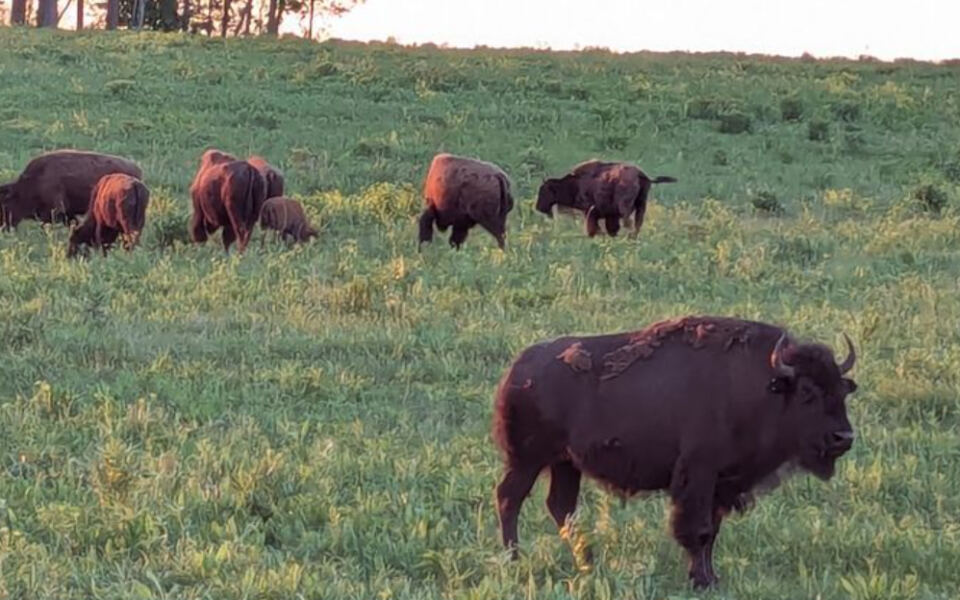
Most exciting of all, bison have returned to roam these grasslands after being gone for nearly two centuries, giving visitors a rare glimpse into what Illinois looked like before cities and farms took over.
Bison Have Made Their Historic Comeback
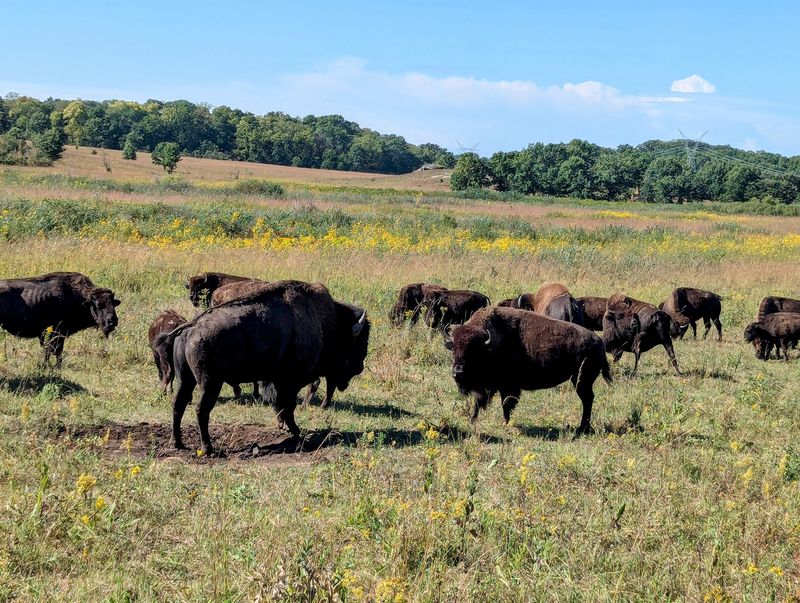
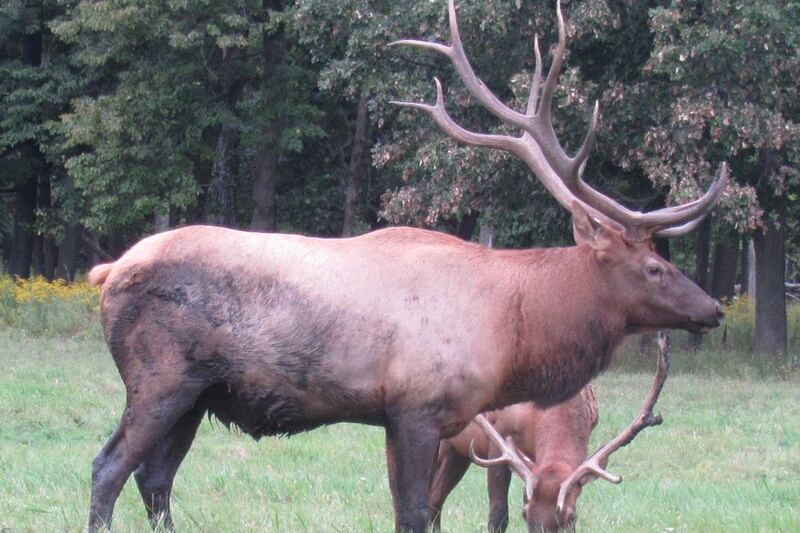
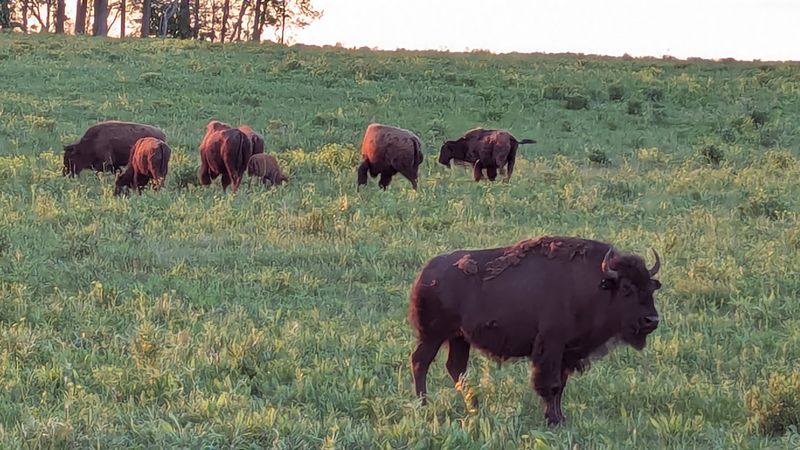
Watching massive bison graze across the prairie feels like stepping back in time. These magnificent animals disappeared from Illinois in the early 1800s, but thanks to careful planning by The Nature Conservancy, they returned to Nachusa in 2014.
The herd started with just a few animals and has grown steadily ever since.
Visitors often gather at designated viewing areas hoping to catch a glimpse of these powerful creatures. Late afternoon tends to be the best time, when the herd moves closer to the fences and you can actually hear them chomping on grass.
Some lucky guests have gotten close enough to hear their deep breathing and watch calves playing.
The bison aren’t just there to look impressive. They play a crucial role in keeping the prairie healthy by grazing, wallowing in the dirt, and spreading seeds.
Their heavy hooves create small disturbances in the soil that help new plants grow. Rangers remind everyone to stay at least 100 feet back from the fence, because despite their calm appearance, bison are wild animals that can move surprisingly fast when startled.
Over 4,000 Acres of Restored Prairie Landscape
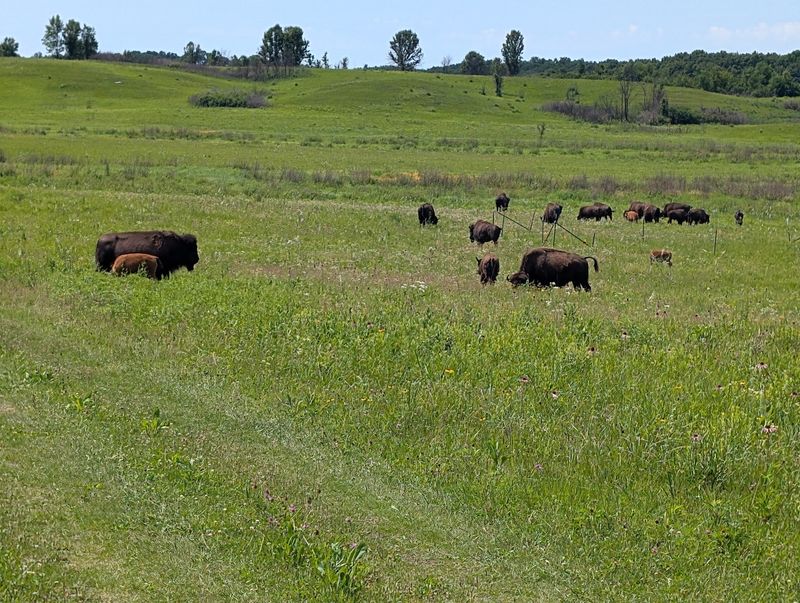
Nachusa Grasslands represents one of the largest prairie restoration projects in the entire state. What you see today didn’t happen overnight.
Thousands of volunteers have spent decades removing invasive plants, collecting native seeds, and carefully burning sections to encourage healthy growth. The result is a stunning patchwork of grasslands, wetlands, and woodlands that looks much like it did 200 years ago.
Walking through different sections of the preserve feels like exploring completely different worlds. Some areas feature grasses that grow taller than your head, while others showcase colorful wildflowers that change with every season.
Wetland areas attract birds and frogs, creating a symphony of natural sounds.
The sheer size means you could visit multiple times and always find something new to explore. Trails wind through various habitats, giving hikers chances to spot everything from butterflies to coyotes.
Spring brings explosive wildflower blooms, summer offers lush green vistas, fall paints the grasses golden brown, and winter reveals the prairie’s stark beauty when snow covers the rolling landscape.
Free Access With Helpful Volunteer Guides
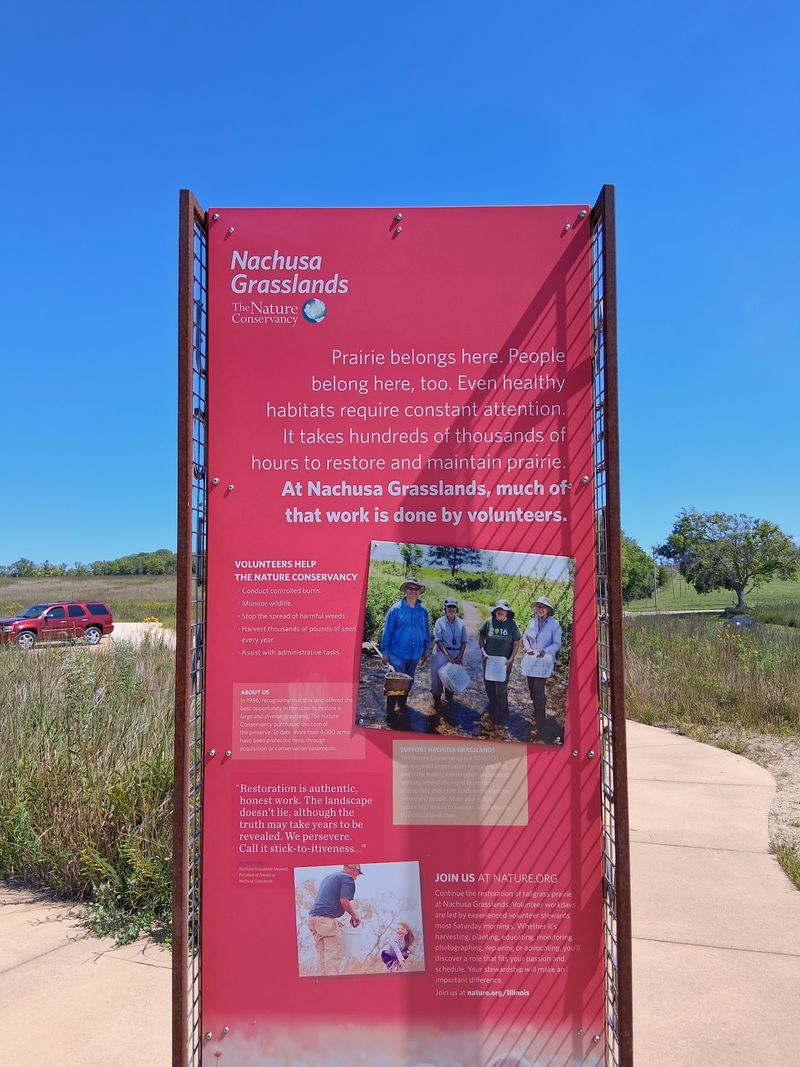
You don’t need to pay admission fees to experience Nachusa Grasslands. The preserve welcomes visitors every day from 6 AM to 8 PM, making it easy to stop by whenever your schedule allows.
A small parking fee of $5 applies during special events, but regular visits are completely free.
What makes visits even better are the knowledgeable volunteers stationed at the visitor center. These passionate folks love sharing stories about the prairie restoration, pointing out interesting plants, and answering questions about bison behavior.
Many reviewers mention how friendly and helpful the volunteers are, making first-time visitors feel welcome and informed.
The volunteers can tell you where the bison were last spotted, which trails offer the best views, and what wildlife has been seen recently. They’re not just information sources but genuine prairie enthusiasts who want everyone to appreciate this special place.
Some even lead guided tours during special events, taking groups into areas not normally accessible to the public. Their dedication shows in every interaction, turning a simple nature visit into an educational adventure.
Multiple Trail Options For Every Ability Level
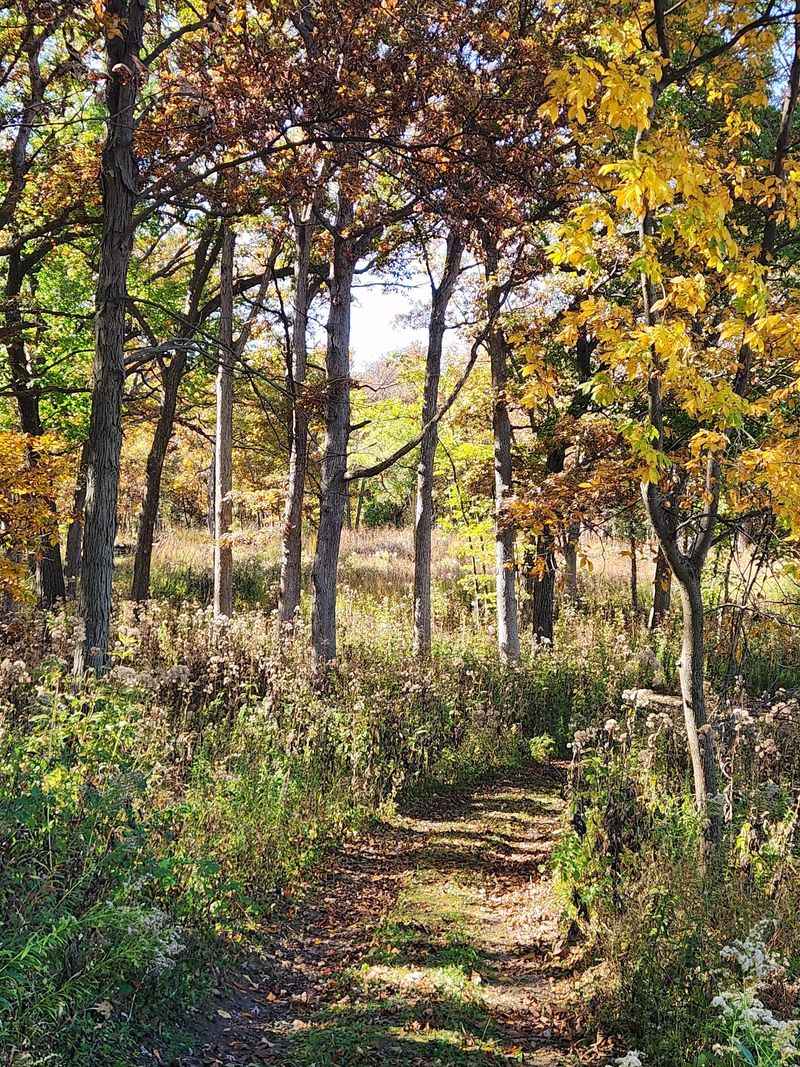
Nachusa offers trails ranging from short strolls to longer hikes through diverse terrain. The visitor center features well-maintained mowed paths perfect for families with young children or anyone wanting an easy walk.
These trails loop through prairie and woodland areas, providing nice views without requiring serious hiking skills.
More adventurous visitors can explore longer trails that require driving to different parking areas around the preserve. These paths take you deeper into the grasslands where you might spot more wildlife and enjoy greater solitude.
Trail conditions vary by season, with some areas getting muddy after rain.
Most trails aren’t paved, so comfortable walking shoes are essential. The terrain is generally flat, making it accessible for many fitness levels, though the distance and sun exposure can be challenging on hot days.
Bring water, wear sunscreen, and consider visiting during cooler morning or evening hours. The trails aren’t heavily marked compared to state parks, so grabbing a map from the visitor center helps you navigate confidently and find the best viewing spots for bison.
Special Events Bring Extra Activities
Autumn on the Prairie Fest stands out as Nachusa’s biggest annual celebration. Held each September, this free event draws hundreds of nature lovers for a full day of activities.
Visitors can take wagon rides across the prairie searching for bison, join guided hiking tours led by experts, and explore discovery tents filled with hands-on learning stations.
Food vendors serve refreshments while live music creates a festive atmosphere. Shuttle services run from parking areas to different activity stations, making it easy for everyone to participate.
You can purchase t-shirts and other merchandise, with proceeds supporting prairie restoration efforts.
Beyond the fall festival, Nachusa hosts monthly truck tours that venture into areas normally closed to the public. These guided experiences let you hear directly from conservationists about how the preserve started and why bison were reintroduced.
Tours fill up quickly, so checking the website and registering early is smart. Special events provide opportunities to see more of the preserve and learn details you’d miss during a regular visit, making them worth planning your trip around.
Educational Opportunities For Homeschoolers And Families
Homeschooling families have discovered Nachusa as an incredible outdoor classroom. Reading about prairies in textbooks can’t compare to actually walking through one, touching native grasses, and watching bison in their natural habitat.
The preserve offers real-world lessons in ecology, conservation, history, and environmental science all rolled into one trip.
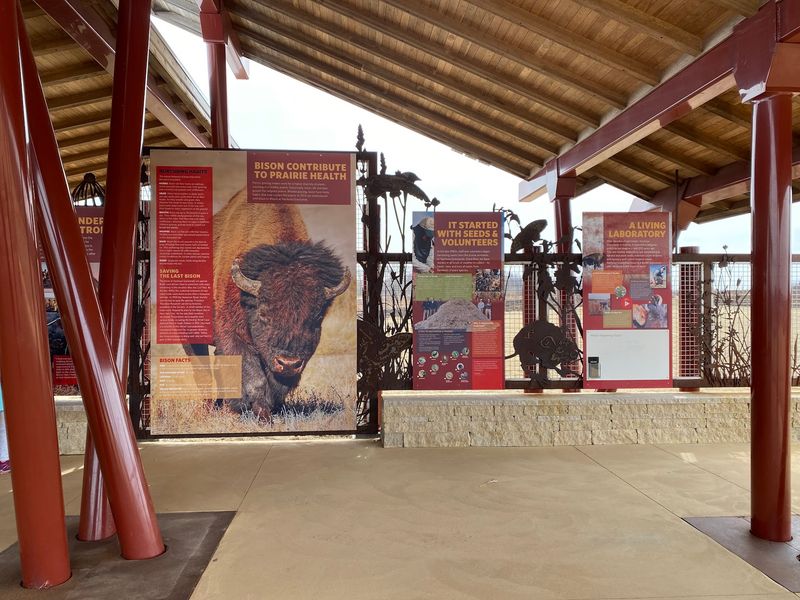
Kids get genuinely excited when they spot the bison herd or identify wildflowers using field guides. The visitor center displays provide age-appropriate information about prairie ecosystems and the animals that depend on them.
Volunteers enjoy working with young learners, often tailoring their explanations to match children’s curiosity levels.
Teachers and parents appreciate that visits can be self-guided or structured around specific learning goals. You might focus on plant identification, animal tracking, or understanding how fire helps prairies thrive.
The hands-on nature of exploring Nachusa helps concepts stick in ways classroom learning sometimes can’t match. Many families return multiple times throughout the year to observe seasonal changes, turning single visits into ongoing science projects that grow deeper with each trip.
Wildlife Watching Beyond The Bison
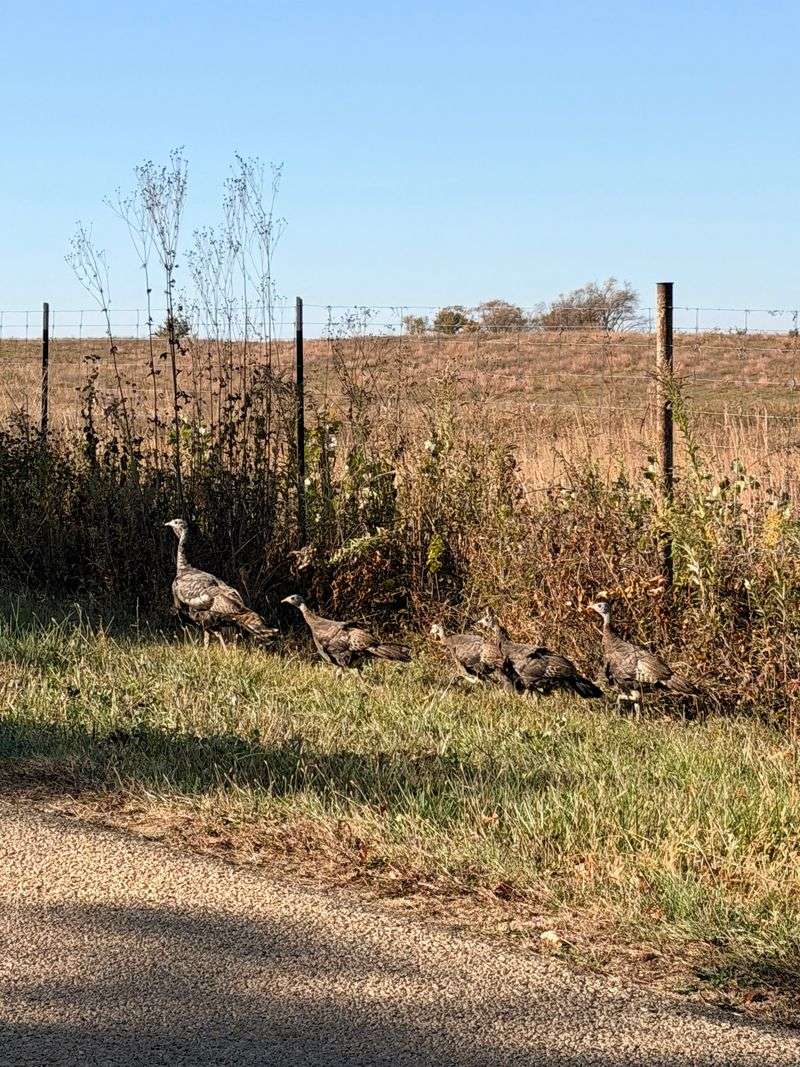
Bison steal the spotlight, but Nachusa supports an impressive variety of other wildlife. Coyotes roam the grasslands, and patient observers sometimes catch glimpses of these clever predators hunting or traveling across open areas.
Bird watchers bring binoculars to spot grassland species that have become rare in Illinois, including bobolinks, upland sandpipers, and several hawk species.
The restored wetlands attract ducks, herons, and other water birds during migration seasons. Butterflies float among wildflowers in summer, including species that depend specifically on prairie plants.
Even small creatures like frogs and turtles thrive in the diverse habitats Nachusa provides.
Spring and fall migrations bring the most bird diversity, while summer offers the best butterfly viewing. Early morning and late afternoon are prime times for spotting mammals before they bed down for the day.
Bringing binoculars and a field guide helps you identify what you’re seeing. The preserve’s size and habitat variety mean every visit offers chances to see something different, making it rewarding for both casual nature lovers and serious wildlife enthusiasts who enjoy keeping detailed observation lists.
Seasonal Changes Create Year-Round Beauty
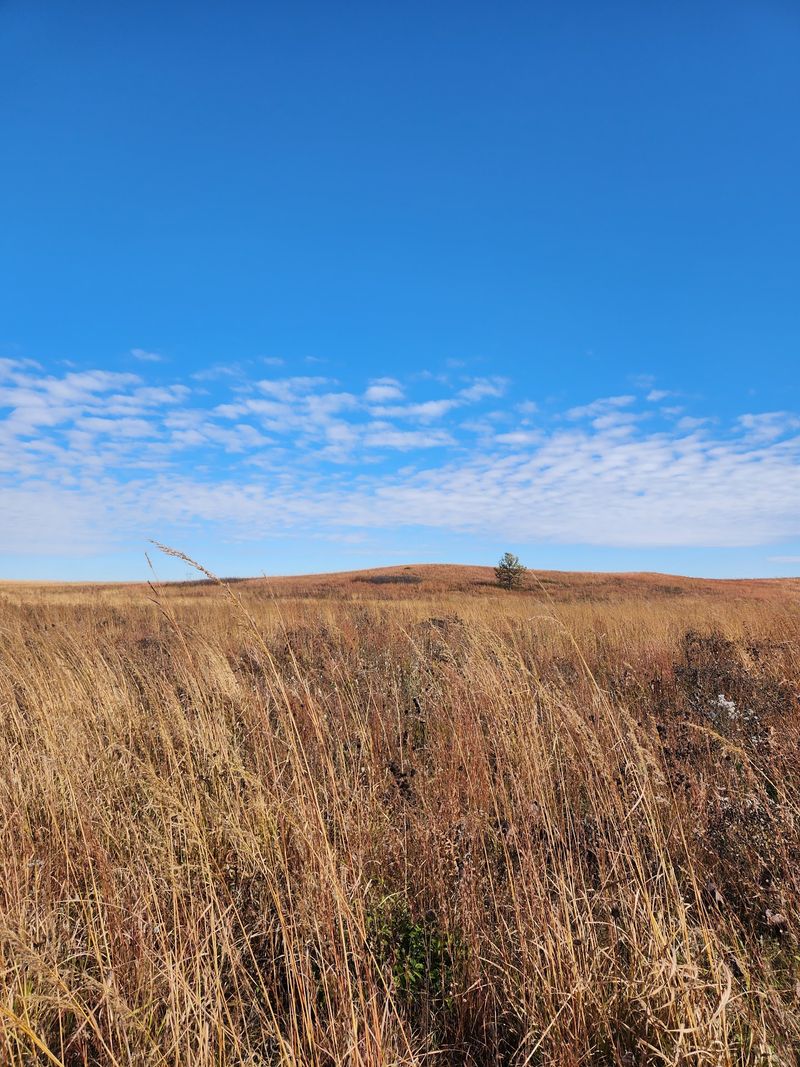
Each season transforms Nachusa into a completely different landscape. Spring explodes with wildflower blooms as purple coneflowers, yellow coreopsis, and white wild indigo paint the prairie in vibrant colors.
Baby bison arrive during this time, adding extra excitement for visitors hoping to spot wobbly calves staying close to their mothers.
Summer turns everything lush and green, with grasses reaching their full height and creating an ocean-like effect when wind sweeps across the prairie. Butterflies become abundant, and morning dew sparkles on spider webs stretched between grass stems.
Fall brings perhaps the most dramatic changes as grasses turn golden brown and seed heads catch the slanting sunlight.
Winter reveals the prairie’s bones, showing its structure without the distraction of flowers and leaves. Snow-covered grasslands offer stark beauty and excellent animal tracking opportunities since footprints show clearly.
Bison grow thick winter coats that make them look even more massive. Photography enthusiasts find every season offers unique opportunities, from macro shots of spring flowers to sweeping winter landscapes that showcase the preserve’s impressive scale and the resilience of its inhabitants.
Conservation Success Story In Action
Nachusa represents what dedicated conservation can accomplish. The Nature Conservancy purchased the first parcels in 1986 when the land was degraded farmland and overgrazed pasture.
What seemed like an impossible dream has become one of the Midwest’s most successful prairie restoration projects through persistence and scientific knowledge.
Volunteers collect seeds from remnant prairies, grow them in nurseries, and plant millions of seedlings across the preserve. Controlled burns mimic natural wildfires that prairies need to stay healthy, clearing out dead material and encouraging native plants while discouraging invasive species.
The reintroduction of bison completed the ecosystem by bringing back the large grazers that shaped these landscapes for thousands of years.
Scientists study Nachusa to understand how restored prairies function and what techniques work best. Their findings help guide conservation efforts across the region.
Visitors witnessing this transformation gain hope that damaged ecosystems can recover when given proper care. The preserve proves that conservation isn’t just about protecting what remains but also about healing what was lost, offering inspiration for similar projects nationwide.
Planning Your Visit For Best Experience
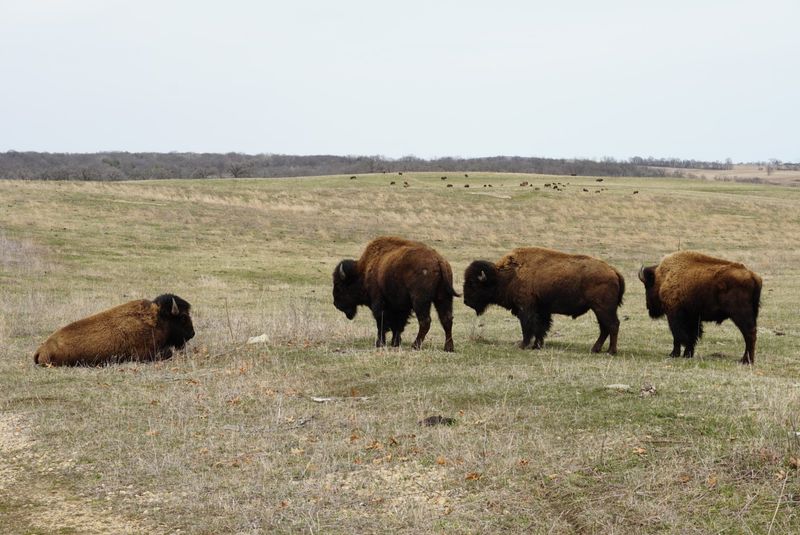
Timing your visit increases your chances of seeing bison and enjoying comfortable conditions. Late afternoon consistently gets mentioned as the best time since the herd tends to move closer to viewing areas as the day cools.
Arriving around 4 or 5 PM gives you a couple hours before the preserve closes at 8 PM.
Check the weather and dress appropriately since the open prairie offers little shade. Sunscreen, hats, and plenty of water are essential during warm months.
Bug spray helps during summer when mosquitoes and ticks become active. Comfortable walking shoes are a must since you’ll likely cover significant distance searching for the best views.
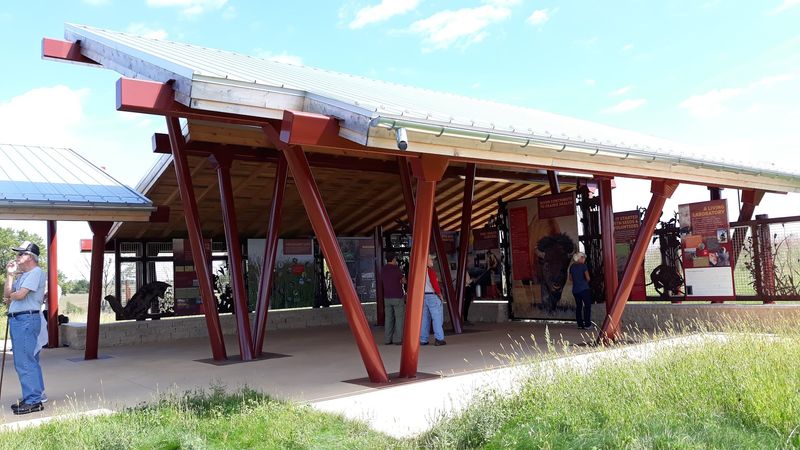
The preserve has basic facilities including compost toilets at the main parking area but no running water or visitor buildings beyond the outdoor information pavilion. Bring snacks if you plan to stay several hours.
Compare the preserve map with viewing area locations before you start exploring, since bison can be anywhere within their large enclosure. Photography equipment with zoom lenses helps capture great shots while maintaining the required safe distance from these magnificent animals that make Nachusa truly special.
Share this story