Standing tall in Joliet, Illinois, this massive stone fortress once held some of the most dangerous criminals in the Midwest for nearly a century and a half. Built in 1858, Old Joliet Prison operated continuously until 2002, housing everyone from Civil War prisoners to death row inmates.
Today, visitors walk freely through the same cell blocks where thousands of convicted men once served their time, and movie cameras capture scenes where guards once patrolled. The transformation from working prison to tourist attraction and film location has given this historic landmark a second life that’s just as fascinating as its original purpose.
The Blues Brothers Made It Famous
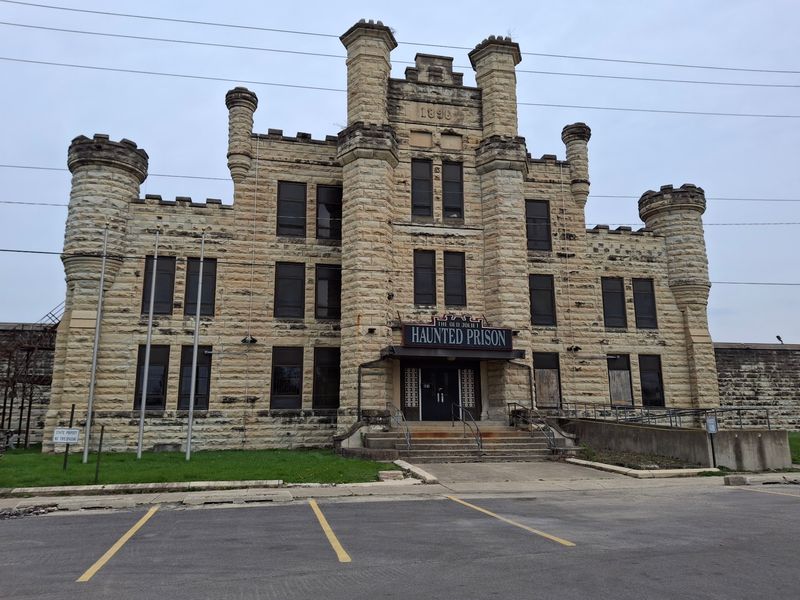
Jake Blues walking out those front gates became one of cinema’s most recognizable prison release scenes. The 1980 film starring John Belushi and Dan Aykroyd chose Old Joliet Prison for its opening sequence, cementing the location in pop culture history forever.
Fans travel from around the world just to stand where Elwood picked up Jake in that beat-up police car.
The prison’s imposing limestone facade and castle-like towers made it perfect for the movie’s gritty Chicago aesthetic. Director John Landis knew the building’s Gothic Revival architecture would instantly communicate institutional authority and confinement.
Those massive walls and guard towers became a character themselves in the film.
Today, Blues Brothers memorabilia fills the gift shop, and special events celebrate the movie’s connection to the site. Visitors recreate photos at the exact spot where Jake emerged into freedom.
The prison even hosts Blues Brothers conventions where fans gather to honor both the film and the historic building that helped make it legendary.
Prison Break Brought Modern Hollywood Attention
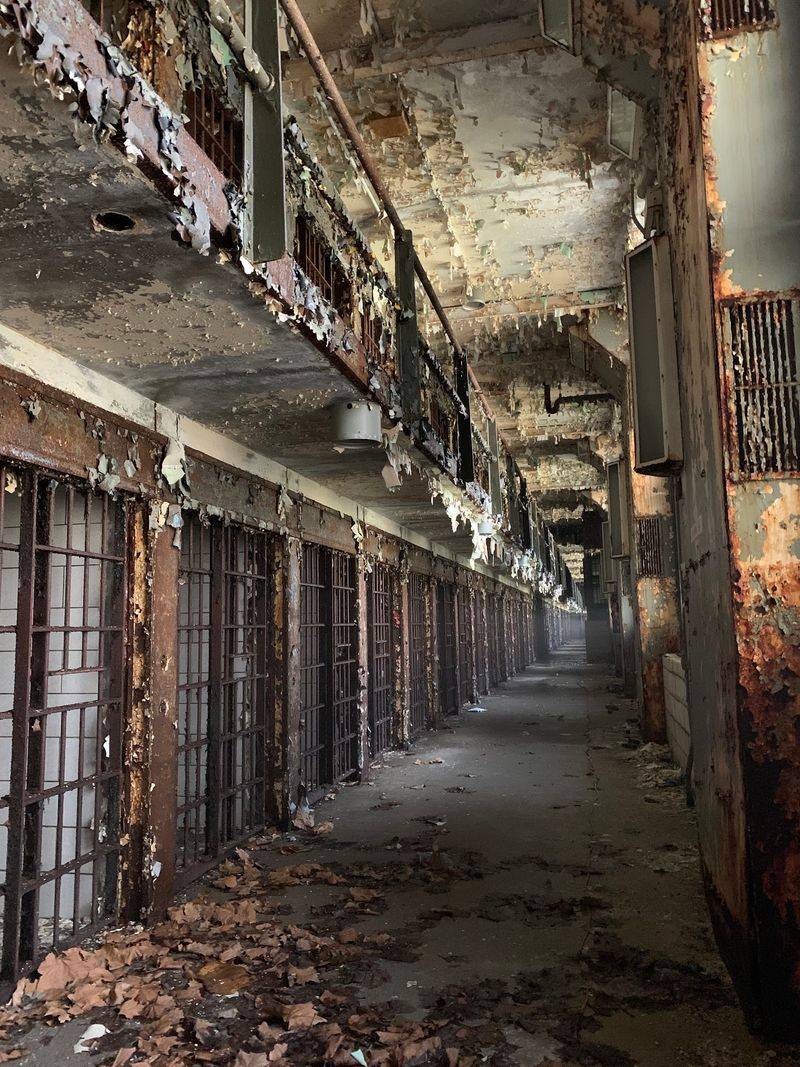
Fox’s hit series Prison Break transformed Old Joliet into the fictional Fox River State Penitentiary starting in 2005. The show’s first season filmed extensively throughout the facility, using real cell blocks, yards, and administrative buildings for authentic prison drama.
Millions of viewers watched Michael Scofield navigate these actual corridors each week without realizing they were seeing a real historic prison.
The production brought Hollywood crews, equipment trucks, and actors to Joliet for months of filming. Staff members still share stories about watching Wentworth Miller and Dominic Purcell work between these walls.
The show’s popularity introduced a whole new generation to the prison’s existence and architectural significance.
Visitors now recognize locations from specific episodes as they tour the grounds. Information plaques point out which cell blocks appeared in which scenes.
The series proved that Old Joliet Prison could still serve a purpose even after closing, just a very different one than originally intended. Film tourism became an unexpected revenue source for preservation efforts.
Self-Guided Tours Let You Explore at Your Own Pace
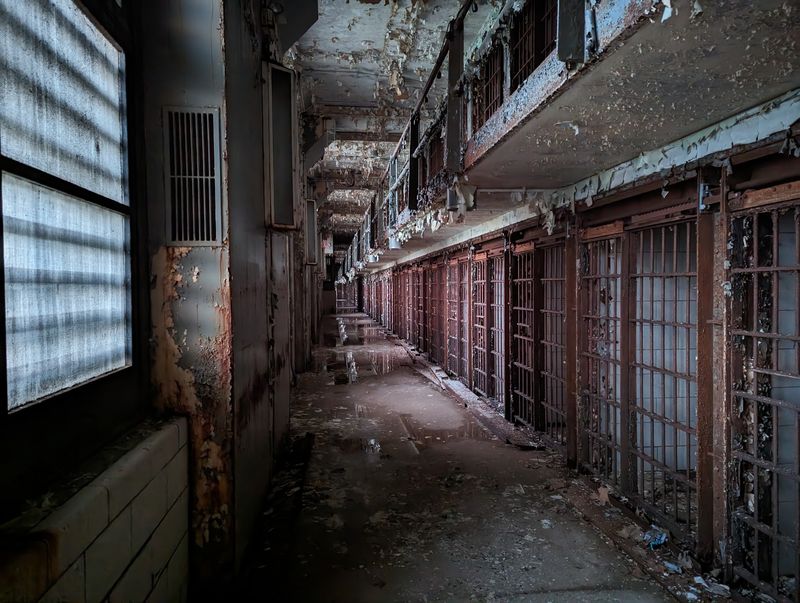
Grab a map at the entrance and wander wherever curiosity leads you through this massive complex. Self-guided tours allow visitors to spend as much time as they want in each building, reading detailed signs that explain the prison’s history and operations.
You control the pace, lingering in areas that fascinate you most or moving quickly past others.
Friendly staff members roam the grounds ready to answer questions and share additional stories not found on the plaques. They know which cells held notable inmates and where the most interesting architectural features hide.
These knowledgeable guides enhance the experience without forcing you into a structured group tour schedule.
The freedom to explore independently appeals to photographers, history buffs, and paranormal investigators alike. Some visitors spend thirty minutes, others stay for three hours until closing time at 4 PM.
The minimal crowds on weekdays mean you might find yourself completely alone in a cell block, imagining what life was like when these buildings buzzed with inmates and guards. Admission fees support ongoing restoration work throughout the deteriorating structures.
The Original Cells Were Shockingly Tiny
Picture two grown men sharing a space just 4 feet wide, 7 feet long, and 7 feet high for years. The original cells built in 1858 were designed for solitary confinement but quickly became double-bunked as the prison population exploded.
Visiting these claustrophobic spaces hits differently than reading about them in history books.
Standing inside one of these original cells makes college dorm rooms look palatial by comparison. The limestone walls feel oppressively close, and the lack of natural light creates an immediate sense of despair.
Guards would lock two inmates in this tiny box for 23 hours a day during certain periods of the prison’s operation.
These cramped quarters housed everyone from petty thieves to murderers throughout the prison’s 144-year run. The cells had no plumbing, no electricity, and barely enough room to turn around.
Walking through them today provides visceral understanding of what incarceration meant in the 19th and early 20th centuries. The experience stays with visitors long after they leave, prompting conversations about criminal justice reform and human dignity.
Gothic Architecture Makes It Look Like a Castle
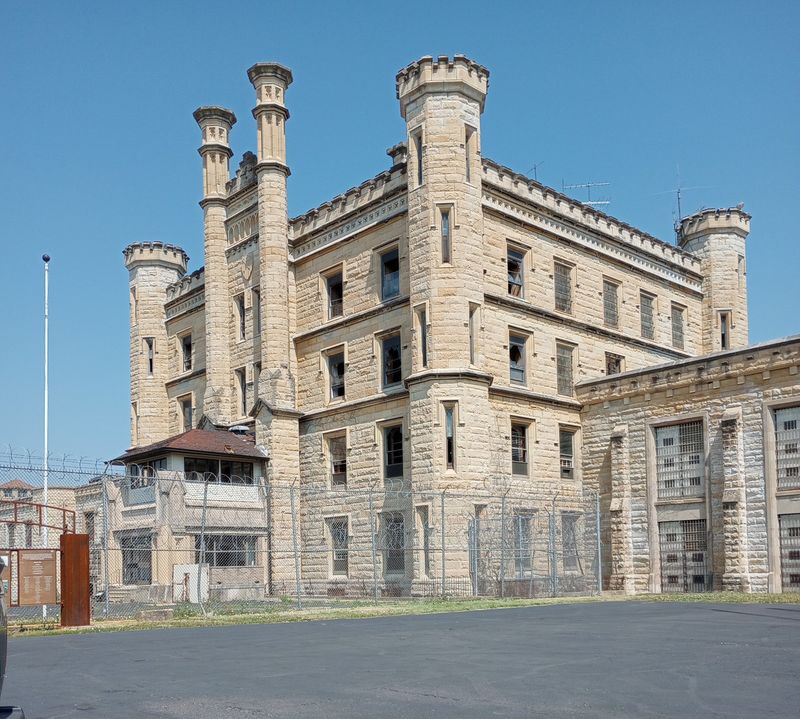
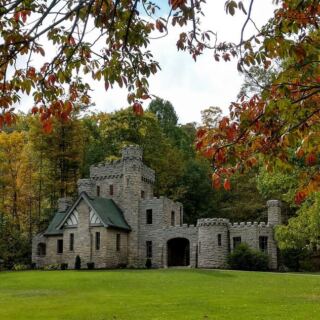
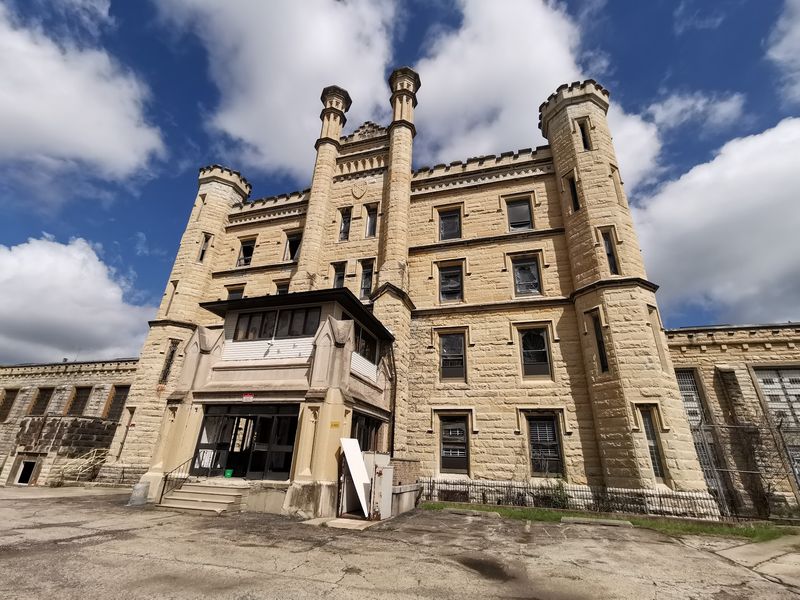
Massive limestone blocks stacked into towers and castellated walls give Old Joliet Prison the appearance of a medieval fortress. The Gothic Revival style was intentionally chosen to project power and permanence when construction began in 1858.
Architect William Boyington designed a building that would intimidate would-be criminals and reassure law-abiding citizens that justice was secure behind those walls.
The castle aesthetic wasn’t just for show but served psychological purposes in the prison reform movement of that era. Reformers believed impressive architecture would inspire inmates toward moral improvement while also making escape seem impossible.
The thick limestone walls, narrow windows, and imposing towers certainly achieved the intimidation factor.
Today, architecture enthusiasts visit specifically to study the building’s design and construction techniques. The craftsmanship in the stonework remains impressive despite decades of neglect and weather damage.
Photographers love the dramatic silhouette against Illinois skies. The Gothic elements make Old Joliet Prison one of the most visually striking correctional facilities ever built in America, which partly explains Hollywood’s continued interest in using it as a filming location.
Paranormal Investigators Seek Out the Hotspots
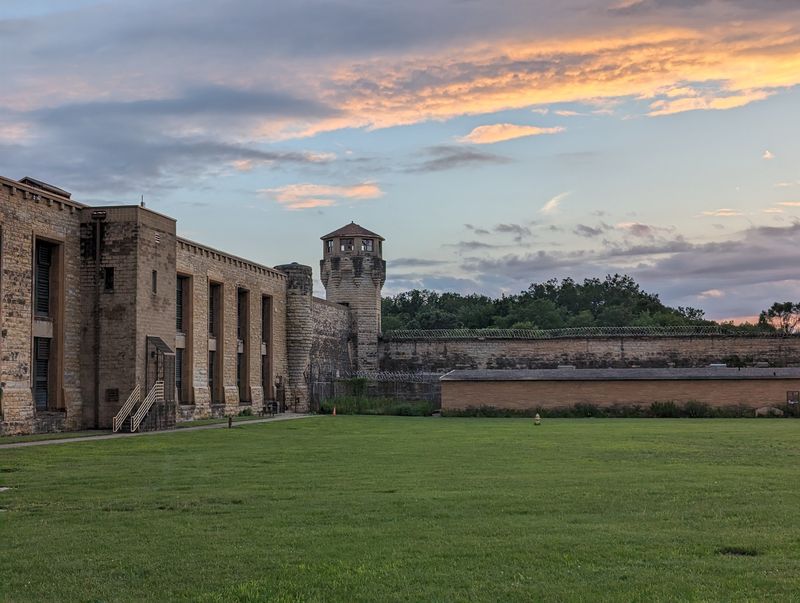
Staff members will point you toward the most actively haunted areas if you ask about paranormal activity. Death row, certain cell blocks, and the chapel regularly produce unexplained phenomena according to visitors and investigators.
The prison’s dark history of executions, riots, and deaths creates perfect conditions for those seeking supernatural experiences.
Many guests report overwhelming feelings of sadness or anxiety when entering specific cells. Some capture unexplained sounds on recording equipment or notice temperature drops in particular corridors.
The staff doesn’t dismiss these experiences but instead shares which locations generate the most consistent reports from independent visitors.
Unlike some historic sites, Old Joliet Prison acknowledges its paranormal reputation without sensationalizing it. Investigators wish the facility offered year-round overnight access like other former prisons do.
The combination of violent history, human suffering, and deteriorating buildings creates an atmosphere that feels heavy even to skeptics. Whether you believe in ghosts or not, spending time alone in these abandoned cell blocks definitely produces an eerie sensation that’s hard to shake.
Special Events Transform the Prison Grounds
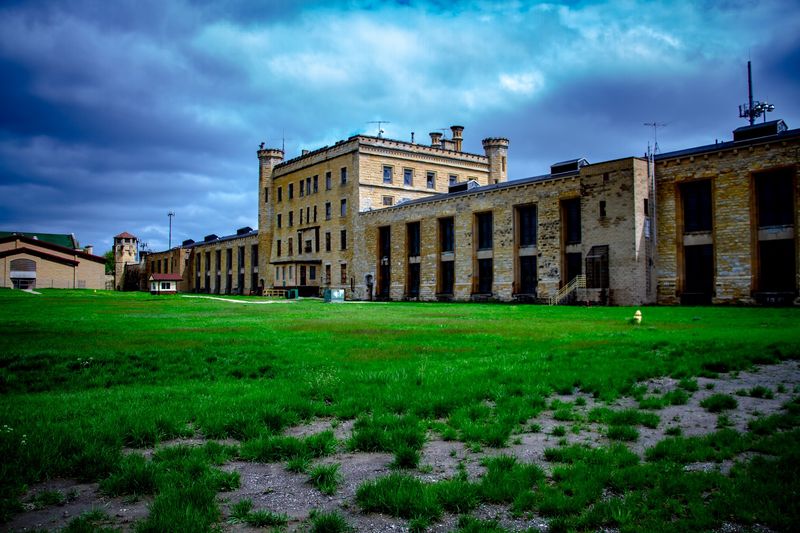
Classic cars gleam in the prison yard during the annual Cars Behind Bars event, creating surreal juxtaposition with the grim surroundings. The prison hosts multiple special events throughout the year, from Blues Brothers conventions to disc golf tournaments.
These gatherings bring hundreds of people to a place once designed to keep people locked away.
Baseball games played on a miniature field inside the walls offer another unique experience. The Joliet Slammers set up a temporary diamond where baseballs fly out of bounds constantly due to the compressed playing area.
Fans wander through cell blocks between innings, combining sports entertainment with historical exploration.
These events provide funding for ongoing preservation while introducing the prison to people who might not otherwise visit. Families attend together, making memories in a space once filled with isolation and punishment.
The transformation from place of confinement to community gathering spot represents adaptive reuse at its most creative. Event attendees often return later for quieter self-guided tours after experiencing the prison’s atmosphere during festivals.
The special events calendar keeps growing as organizers discover new ways to activate the historic space.
Vandalism and Fire Have Damaged Parts of the Complex
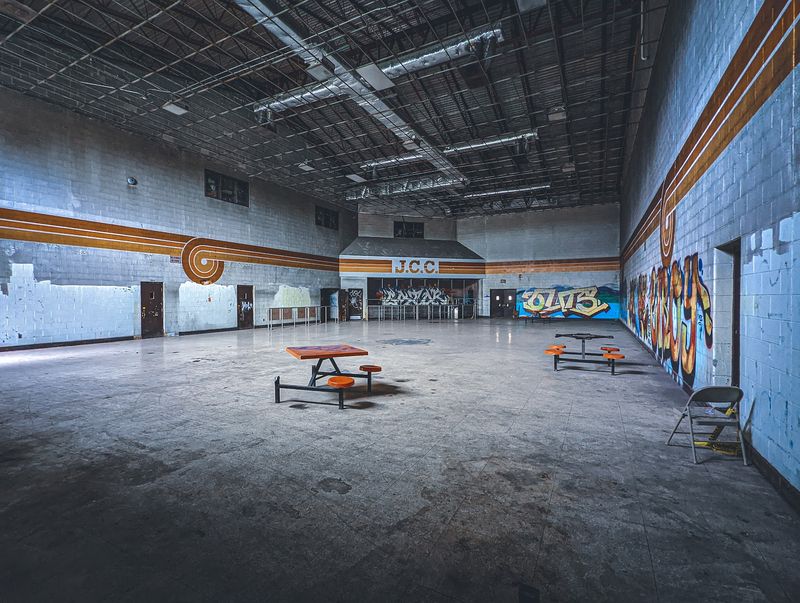
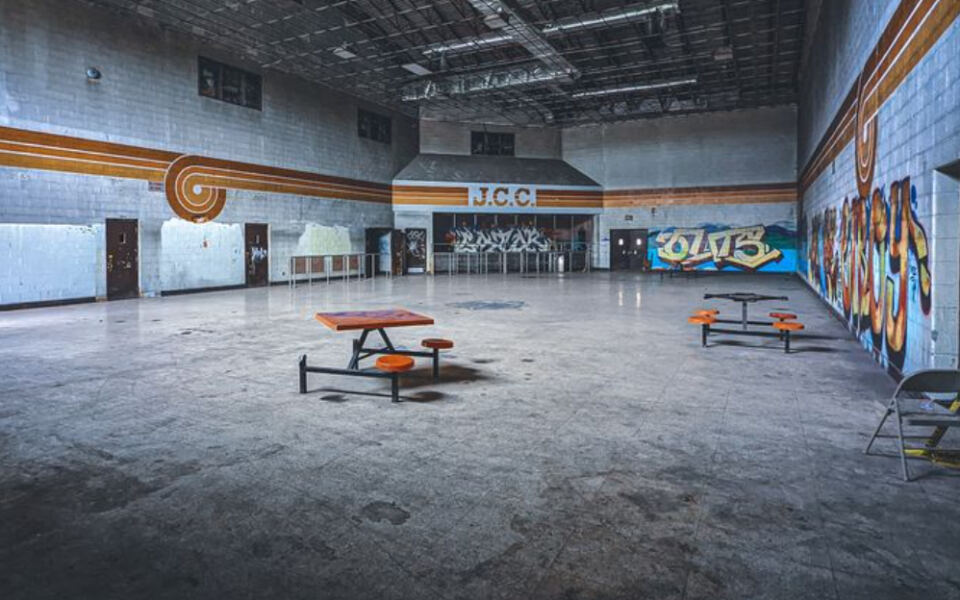
Urban explorers breaking in before the prison opened to the public set fires that destroyed portions of several buildings. Graffiti covers walls in areas once pristine, and thieves have stolen architectural elements and fixtures.
The damage frustrates preservationists working to maintain this irreplaceable historic site for future generations.
Staff members openly discuss the vandalism problem with visitors, hoping to build respect for the property. Some buildings remain closed to the public due to safety hazards created by deliberate destruction.
The lost architectural details and historical artifacts can never be replaced, representing permanent damage to Illinois’s cultural heritage.
Despite the setbacks, restoration continues on accessible areas while security measures improve. Visitors who appreciate historical sites feel genuine anger when seeing the senseless destruction firsthand.
The contrast between carefully preserved sections and vandalized areas highlights why public access and proper funding matter for historic preservation. Every admission fee helps repair damage and prevent future losses.
The prison’s story now includes this unfortunate chapter of neglect and disrespect, making the preservation efforts even more critical and urgent.
It Operated for 144 Years Before Closing
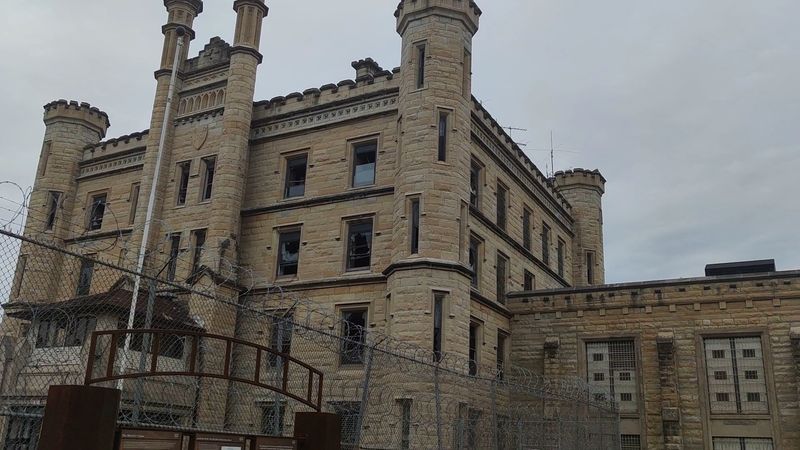
From the Civil War era through the beginning of the 21st century, Old Joliet Prison continuously housed inmates. Opening in 1858, it witnessed massive changes in American society, criminal justice, and corrections philosophy.
The prison survived wars, depressions, social movements, and technological revolutions while maintaining its core function of incarceration.
Generations of families worked as guards and administrators, making the prison central to Joliet’s economy and identity. Thousands of men passed through those gates as inmates, some serving short sentences for minor crimes, others spending decades or dying within the walls.
The continuity of operation for nearly a century and a half makes it historically significant beyond its architectural merits.
When the prison finally closed in 2002, it marked the end of an era for Illinois corrections. Overcrowding, outdated facilities, and changing standards made the old fortress obsolete.
Rather than demolishing it, the decision to preserve and open it to the public allows the prison’s story to continue. The 144-year operational period represents multiple lifetimes of human experience concentrated in one location.
Informational Plaques Tell Stories Throughout the Grounds
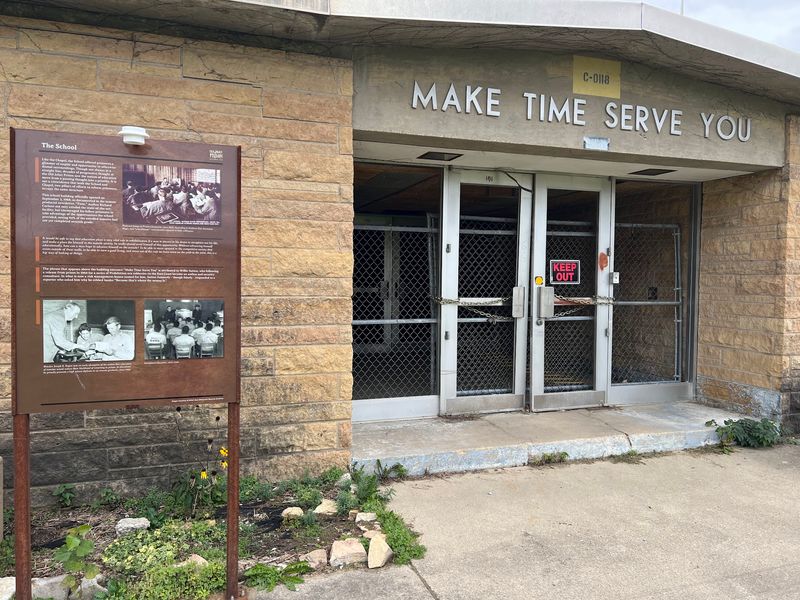
Well-designed signs at each building provide context about its original function and notable events that occurred there. The plaques don’t shy away from difficult topics, addressing the realities of incarceration, punishment, and the evolution of the American prison system.
Visitors leave with genuine education rather than just entertainment.
The signage emphasizes both individual stories and broader historical patterns in criminal justice. You’ll learn about specific inmates, guard procedures, daily routines, and how conditions changed over the decades.
The information density rewards careful reading and multiple visits to absorb everything offered.
These detailed plaques make self-guided tours genuinely informative even without a human guide. The prison’s commitment to honest historical interpretation sets it apart from attractions that sanitize difficult pasts.
Reading about the harsh realities of 19th-century incarceration while standing in the actual spaces adds emotional weight to the facts. The educational approach appeals to students, teachers, and anyone interested in understanding how society has dealt with crime and punishment throughout American history.
The investment in quality signage demonstrates respect for both the site’s history and visitors’ intelligence.
Share this story