There is a spot on the northwest side of Chicago where the sandwich bread has been swapped out for something far more interesting: crispy, golden-fried plantains. That single menu decision tells you everything you need to know about how seriously this place takes Puerto Rican cooking.
The walls are covered in vivid murals, the speakers pump classic salsa, and the kitchen turns out food that makes you forget you are a thousand miles from San Juan. If you have never tried a jibarito, consider this your personal invitation to fix that immediately.
Where to Find La Bomba in Chicago
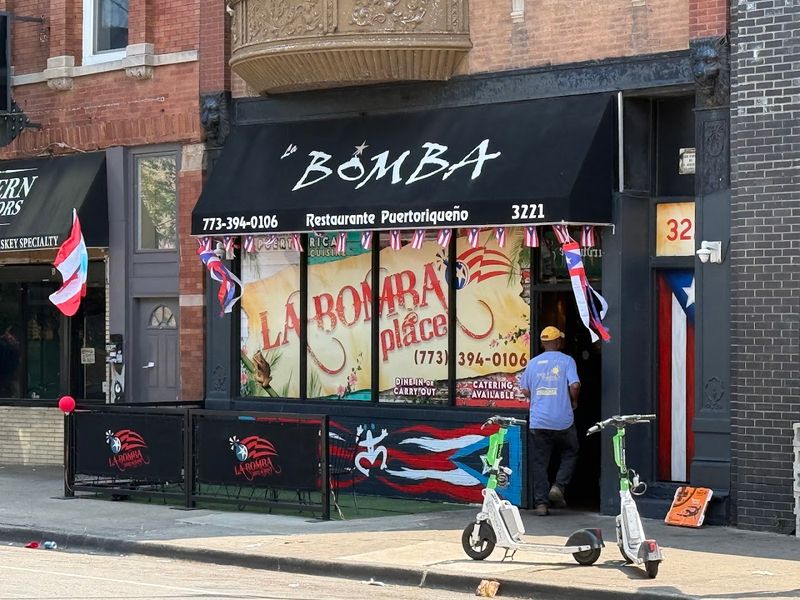
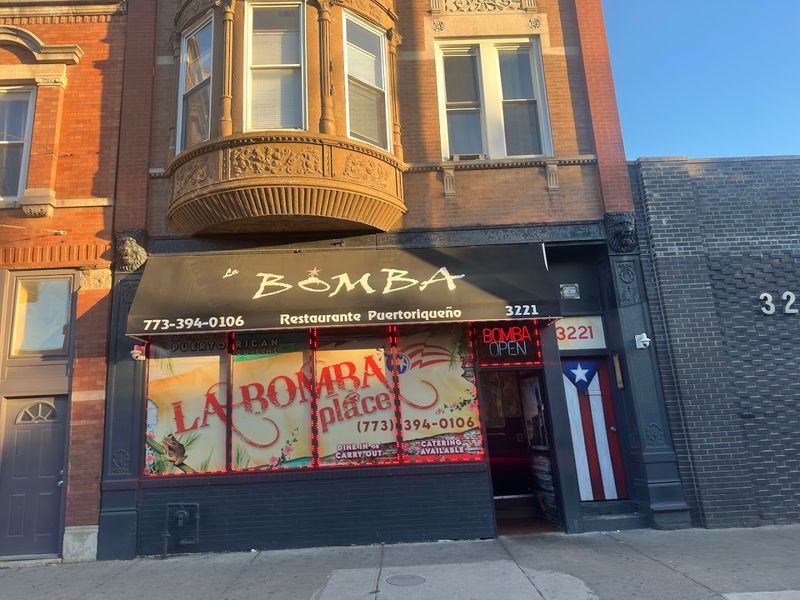
Tucked into the Logan Square neighborhood, La Bomba sits at 3221 W Armitage Ave, Chicago, IL 60647, right in the heart of a block that hums with everyday city energy. The restaurant is easy to spot once you know what you are looking for, and the moment you get close, the smell of seasoned meat and fried plantains starts doing the advertising for it.
This is not a hidden, hard-to-find kind of place. It is a neighborhood fixture that has earned its reputation one jibarito at a time.
The address puts it within a short drive or ride from most parts of the city, and the surrounding area has plenty of street parking for those coming from farther out.
Hours run from 10 AM to 8 PM most days of the week, with extended hours until 9 PM on Fridays and Saturdays. Tuesday is the one day the kitchen takes a rest.
You can reach them at +1 773-394-0106 or place an order ahead of time through their website at orderlabombatogo.com, which makes weekday lunch runs a whole lot smoother.
The Story Behind the Restaurant
La Bomba did not start as a sit-down restaurant. It grew from a food truck operation, which means its roots are in feeding people quickly, affordably, and with real flavor.
That street-food origin story is baked into the menu’s DNA, where bold seasoning and generous portions are the standard, not the exception.
The transition from food truck to brick-and-mortar brought something the truck never could: a full dining room where guests can sit under Puerto Rican murals, listen to salsa, and actually settle in for a proper meal. The owner made that leap without losing what made the truck worth following in the first place.
What stands out most about the ownership style is how hands-on it is. The owner regularly walks the floor, checks in with tables, and makes sure every guest feels taken care of.
That personal investment in the dining experience is rare, and it shows in the way regulars talk about the place. Some guests have been coming back for fifteen years, and that kind of loyalty does not happen by accident.
The Jibarito: Chicago’s Most Iconic Puerto Rican Sandwich
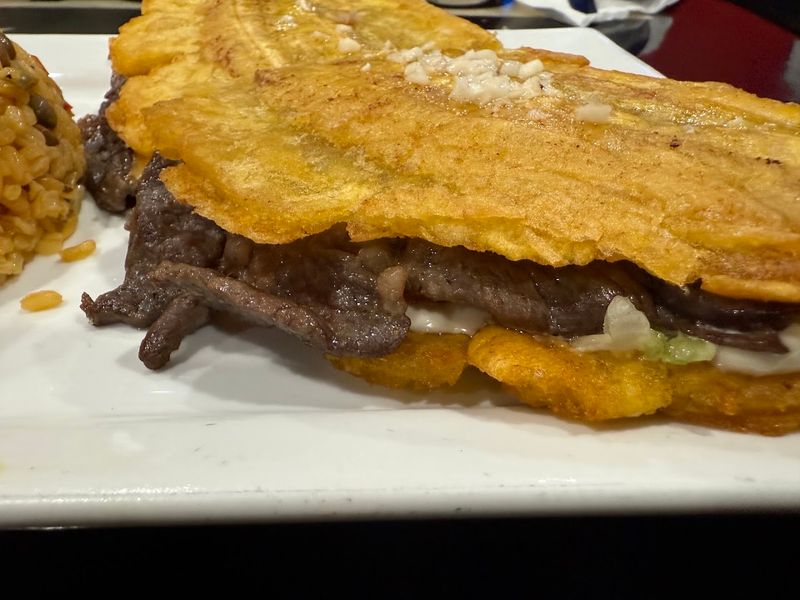
Chicago has a unique claim to fame in the food world, and it has nothing to do with deep-dish pizza. The jibarito is a sandwich invented right here in the city, and it swaps out the bread entirely in favor of two flattened, fried green plantains pressed together like a bun.
The result is crunchy on the outside, savory all the way through, and absolutely unlike anything else you have eaten before.
At La Bomba, the jibarito comes loaded with your choice of protein. The steak version is the crowd favorite, cooked to a tender finish and layered with lettuce, tomato, and a garlic-heavy mayo that ties every bite together.
The chicken option is equally solid, with seasoning that soaks all the way through rather than sitting on the surface.
The plantain shells hold their crunch surprisingly well, even as the fillings pile up. First-timers often order one thinking they can save half for later, then find themselves eating the whole thing in one sitting without a single regret.
That is the jibarito effect, and La Bomba executes it as well as anyone in the city.
Arroz con Gandules: The Side Dish That Steals the Show
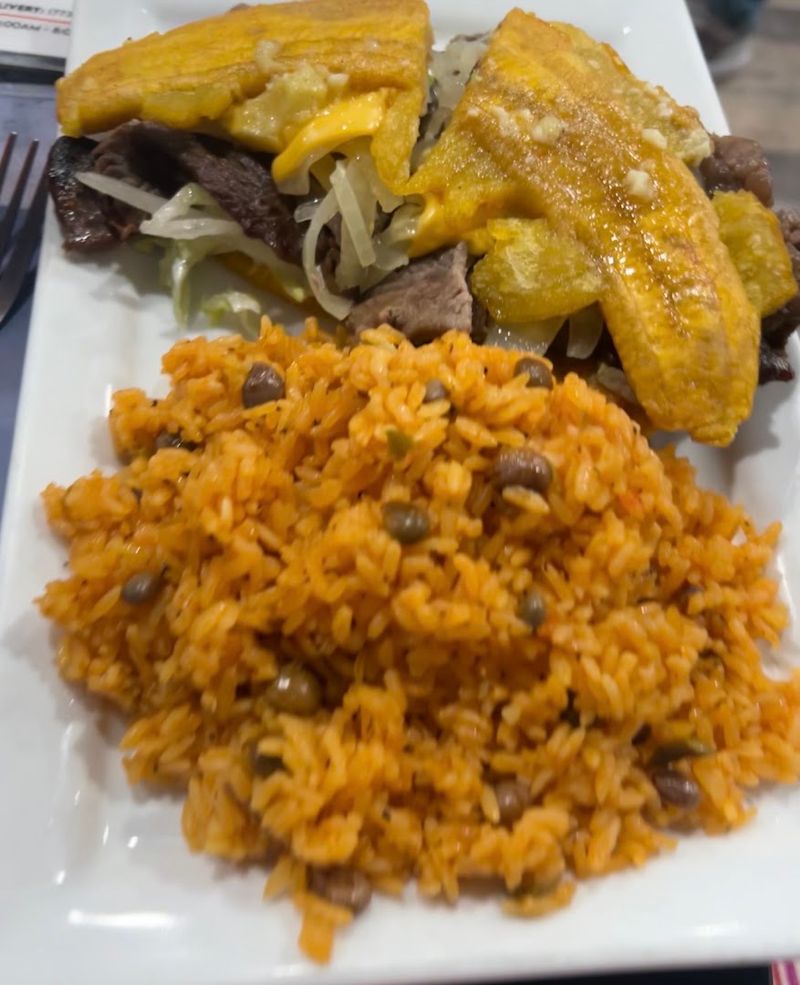
Ordering a jibarito without getting the arroz con gandules on the side would be like going to a concert and leaving before the main act. This Puerto Rican rice dish, made with pigeon peas and seasoned with sofrito, is the kind of side that quietly becomes the thing you are craving the next day.
La Bomba’s version hits all the right notes. The rice is fluffy without being mushy, the peas are tender, and the seasoning is layered rather than one-dimensional.
It is the sort of rice that makes you realize how bland most restaurant rice actually is by comparison. The portions are generous, and the kitchen does not treat it as an afterthought.
Guests who come back regularly often mention the rice as one of the main reasons they keep returning. Paired with a steak jibarito, it creates a meal that feels complete in a way that is hard to explain until you have tried it yourself.
Some dishes just belong together, and this pairing is a textbook example of two things that make each other better on the plate.
Tostones and Appetizers Worth Ordering First
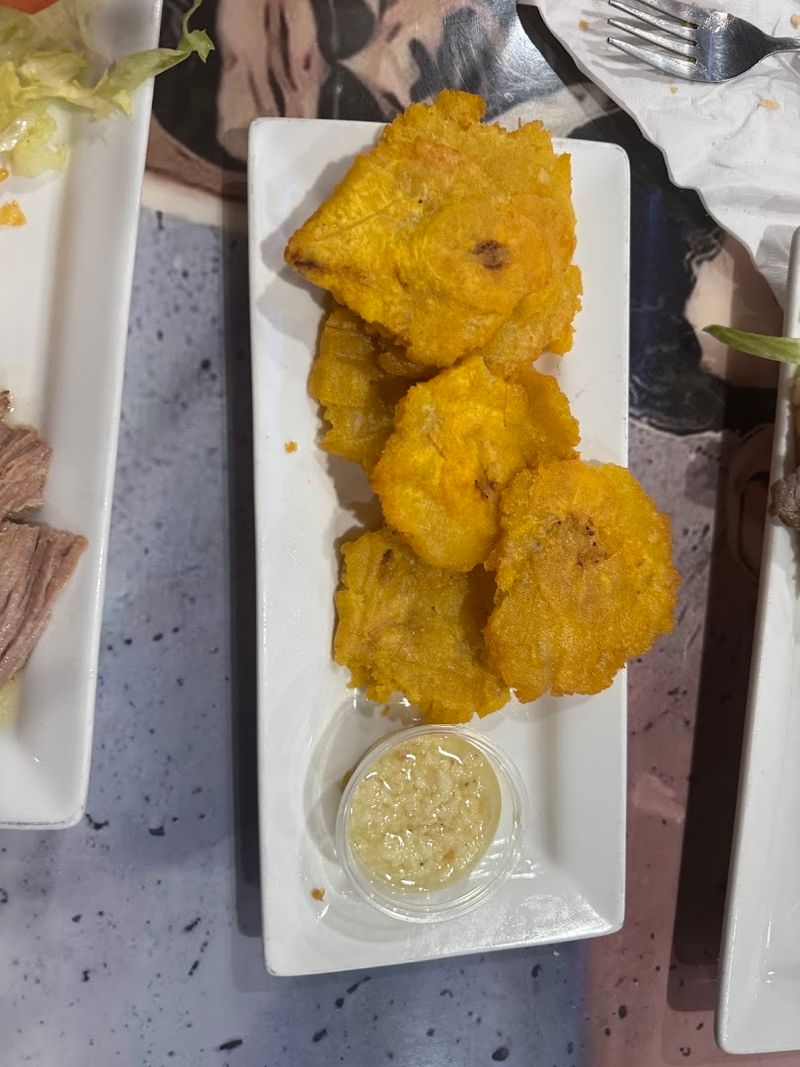
Before the main event arrives, the appetizer menu at La Bomba deserves some serious attention. Tostones, those twice-fried green plantain rounds that come out golden and satisfyingly crunchy, are a must-order for anyone at the table.
They are simple in concept but require a careful hand to get right, and the kitchen here clearly has that technique locked in.
Alcapurrias are another highlight from the starter lineup. These are fritters made from a green banana and taro root dough, stuffed with seasoned meat and fried until the outside develops a crispy shell.
They are dense, flavorful, and the kind of snack that makes you wish you had ordered two portions from the start.
Rellenos de papa, which are mashed potato balls filled with ground beef and fried, round out the appetizer options nicely. Each of these dishes reflects a different corner of Puerto Rican street food culture, and trying them together gives you a solid overview of what the cuisine is all about before the entrees even arrive.
Starting with a spread of small plates here is a strategy that pays off every time.
The Atmosphere Inside the Dining Room
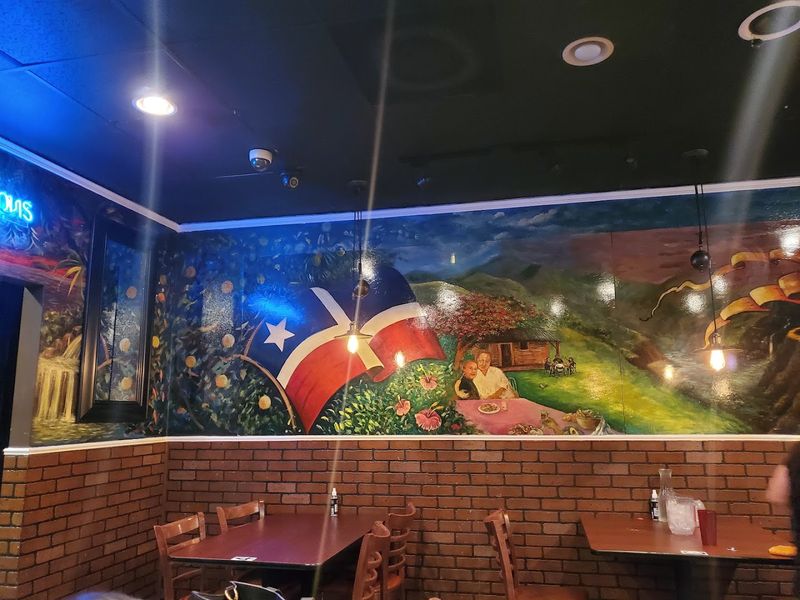
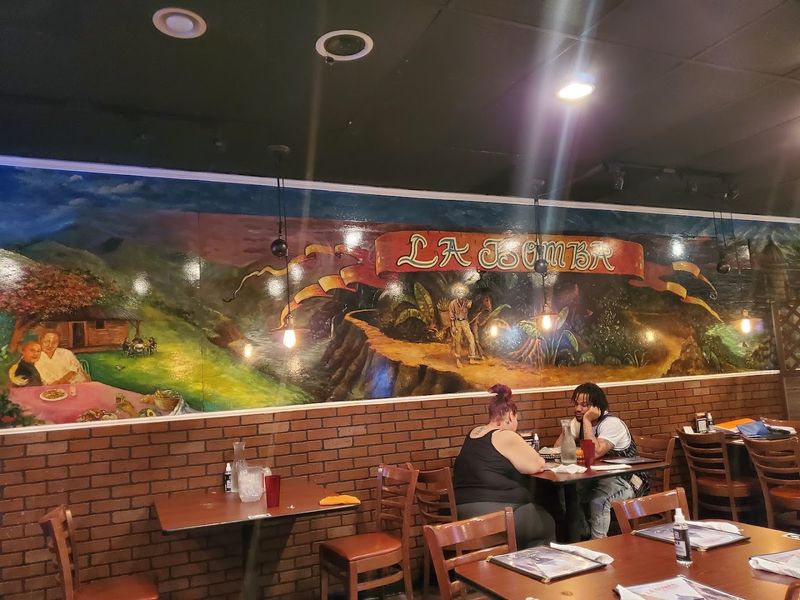
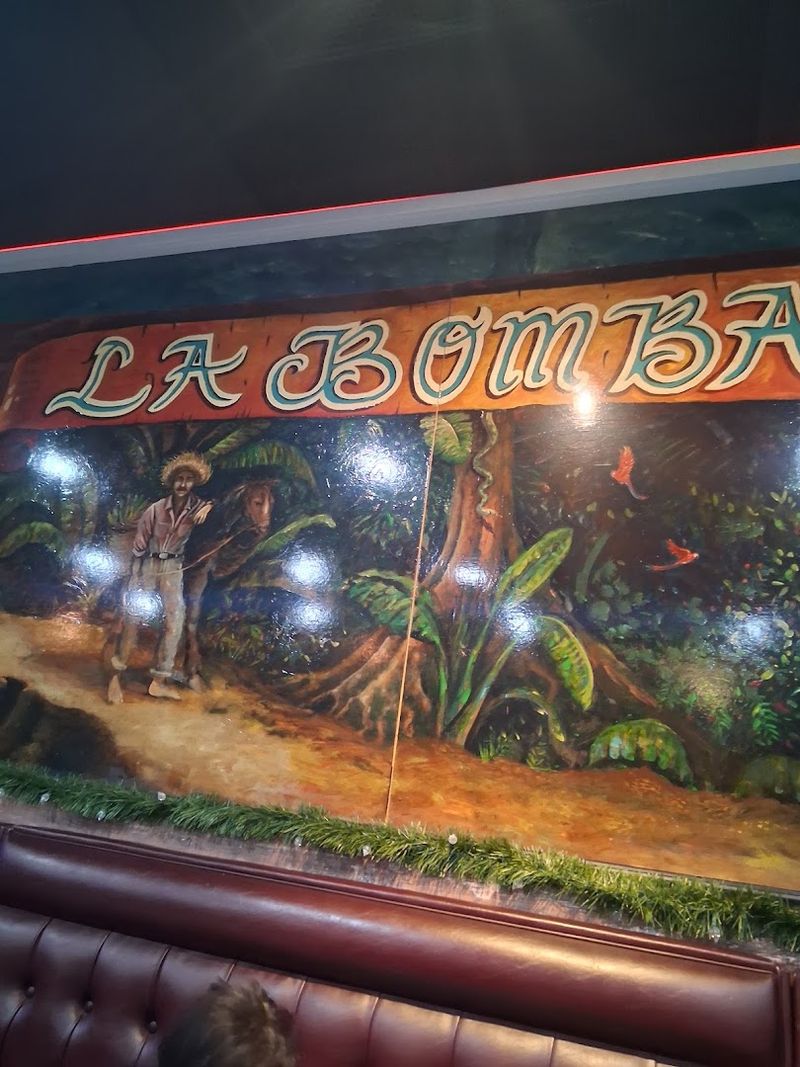
The moment you walk through the door, the dining room announces itself loudly and proudly. Colorful murals cover the walls from floor to ceiling, each one packed with imagery that ties directly to Puerto Rican culture and identity.
The TVs mounted around the room add to the lively feel, and the music playing in the background is never background noise in the forgettable sense. It is salsa, and it is always on.
The seating extends further back than the entrance suggests, which means the restaurant can comfortably handle larger groups without feeling cramped. The tables are well-spaced enough that conversations stay private, but the overall energy of the room keeps things feeling social and warm rather than isolated.
There are also dedicated spots around the dining area that guests use for photos, which the restaurant has clearly set up with that purpose in mind. The murals alone make for a striking backdrop, and the overall aesthetic is cohesive enough that every corner of the room feels intentional.
This is a place that put real thought into making the experience feel like more than just a meal, and that effort is visible the moment you look around.
The Carne Guisada and Other Protein Options
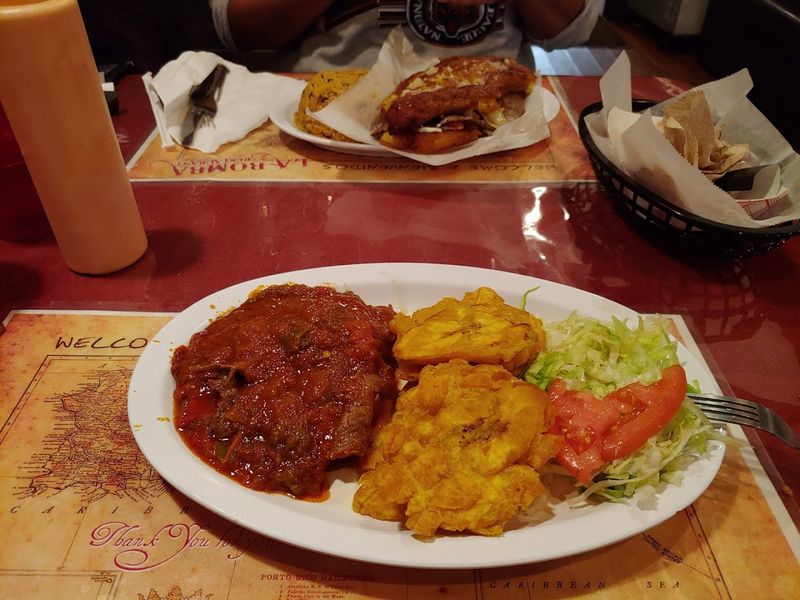
Beyond the jibarito fillings, the menu at La Bomba features proteins that deserve their own spotlight. Carne guisada is a Puerto Rican braised beef stew that arrives tender and deeply seasoned, with the kind of slow-cooked richness that takes hours to develop.
It is the dish that reminds you why braising exists as a cooking technique in the first place.
The bistec sandwich is another fan favorite, featuring thinly sliced steak that comes out flavorful and soft enough to pull apart with a fork. The seasoning on the beef is straightforward but confident, relying on traditional Puerto Rican spice combinations rather than anything overly complicated or trendy.
Lechon, the classic roasted pork that anchors so many Puerto Rican celebrations, also makes an appearance on the menu as a jibarito filling option. It brings a smoky, fatty richness to the crispy plantain shell that works remarkably well.
The protein options here are varied enough that regular visitors can rotate through the menu over multiple visits without feeling like they are eating the same meal twice. That kind of variety keeps people coming back.
Pricing and Value at La Bomba
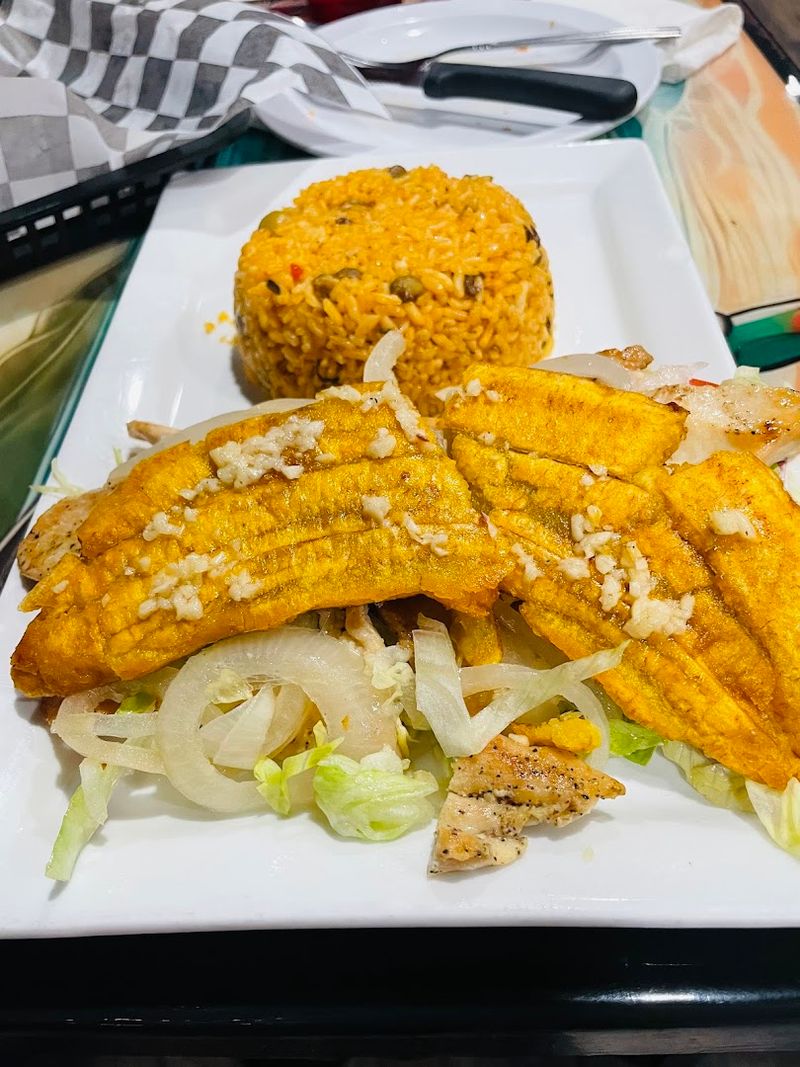
One of the quieter selling points of La Bomba is how far your money goes here. A jibarito with a side of arroz con gandules can come in around ten dollars, which, in a city where lunch spots routinely charge fifteen to eighteen for far less interesting food, feels almost unreasonably fair.
The portions are substantial enough that finishing everything in one sitting takes some commitment.
The pricing structure reflects the restaurant’s roots as a food truck operation, where keeping things accessible was part of the mission from day one. That philosophy carried over into the brick-and-mortar location without any noticeable inflation.
Guests who come in expecting to spend a lot often leave pleasantly surprised by how much they got for what they paid.
For groups, the value becomes even more apparent. Ordering a spread of appetizers, entrees, and soft drinks for a table of four or five people rarely results in a bill that causes anyone to wince.
The restaurant also handles large group events and private gatherings, as evidenced by the International Women’s Day celebration hosted for twenty guests, which speaks to how well the kitchen scales up when needed.
Service and the Ownership Experience
The service at La Bomba is one of those things that guests bring up unprompted, which tells you it is genuinely good rather than just adequate. The waitstaff is described consistently as friendly, attentive, and quick to make first-time visitors feel comfortable, especially those who are unfamiliar with the menu.
The owner’s presence on the floor is a defining feature of the experience. Rather than staying behind the scenes, he moves through the dining room regularly, checking in with tables and making sure the food is landing the way it should.
That kind of visible ownership involvement creates a sense of accountability that filters through the entire staff.
For guests traveling from out of town, that personal touch often becomes the detail they remember most. Visitors from Connecticut and other distant states have noted that the welcome they received felt immediate and genuine, more like being greeted at someone’s home than at a restaurant.
The music, the murals, and the food all contribute to that feeling, but the human element is what makes it stick. A great meal is memorable, but a great meal served by people who clearly care is the kind of thing you tell your friends about.
Tips for Planning Your Visit
A few practical notes can make your visit to La Bomba go a lot more smoothly. Tuesday is the one day the restaurant is closed, so plan around that if you are coming from out of the area.
The kitchen opens at 10 AM every other day, which makes it an option for an early lunch if your schedule runs ahead of the typical noon crowd.
Friday and Saturday hours extend to 9 PM, which gives those evenings a bit more flexibility for dinner plans. If you are coming with a larger group, calling ahead at +1 773-394-0106 or checking the ordering site at orderlabombatogo.com is a smart move.
The restaurant has hosted events for groups of twenty or more, but a heads-up always helps the kitchen prepare.
First-time visitors should absolutely order a jibarito as their main, add the arroz con gandules on the side, and grab at least one appetizer to share. That combination gives you a solid introduction to what the kitchen does best.
Regulars who have been coming for years tend to stick with that same formula, which is usually a reliable sign that the formula works. Come hungry, and give yourself time to enjoy the room.
Share this story