There is a restaurant in Chicago where the menu changes daily, the chefs cook right in front of you, and every single bite traces back to a local farm somewhere in the Midwest. The whole evening feels less like a dinner reservation and more like a front-row seat to a live culinary performance.
Twenty-plus courses arrive in a steady, thoughtful rhythm, each one built around whatever the season is actually producing at that exact moment. This place earned both a Michelin Star and a Michelin Green Star in the same year, and once you hear the full story, that achievement makes complete sense.
A West Town Address With a Nearly Unmarked Door
The first clue that something special is happening here is how easy it is to walk right past the front door. Feld sits at 2018 W Chicago Ave, Chicago, IL 60622, in the West Town neighborhood, tucked behind what looks like an ordinary storefront on a busy city street.
There is no flashy sign competing for your attention. The entrance is intentionally understated, which sets the tone for everything that follows inside.
The neighborhood itself is relaxed and residential, with plenty of street parking available on most nights. Guests arriving for the 7 PM seating on Wednesdays and Thursdays, or the 5 PM Friday and Saturday sessions, often find spots right out front.
That quiet exterior is part of the design philosophy. Chef Jake and his team believe the food and the experience should do all the talking, not the curb appeal.
Once the door swings open before you even reach for the handle, the warmth hits you immediately, and the evening begins in a way that feels genuinely personal from the very first second.
The Story Behind the Restaurant and Chef Jake’s Vision
Chef Jake Bautomista built Feld around a single guiding idea: serve only what the land around Chicago is actually producing right now, today, not last week and not from a warehouse across the country.
The restaurant went through an early period of buzz, a reboot, and some growing pains before finding its footing. That process of refinement clearly paid off, because the version of Feld that exists today operates with remarkable precision and confidence.
The name itself reflects the concept. “Feld” is a word rooted in the idea of open fields and farmland, which is exactly where the inspiration for every menu originates. The restaurant works directly with small local farms, building relationships with growers rather than simply placing orders with suppliers.
Chef Jake has spoken openly about knowing exactly where each ingredient comes from and understanding the story behind it. That knowledge gets passed on to every guest during the meal, with the team sharing context about farms, regions, and growing conditions as each course arrives.
The result is a dining experience that feels genuinely connected to the land in a way that most restaurants, even very good ones, rarely achieve.
The Open Kitchen Layout That Turns Dinner Into a Show
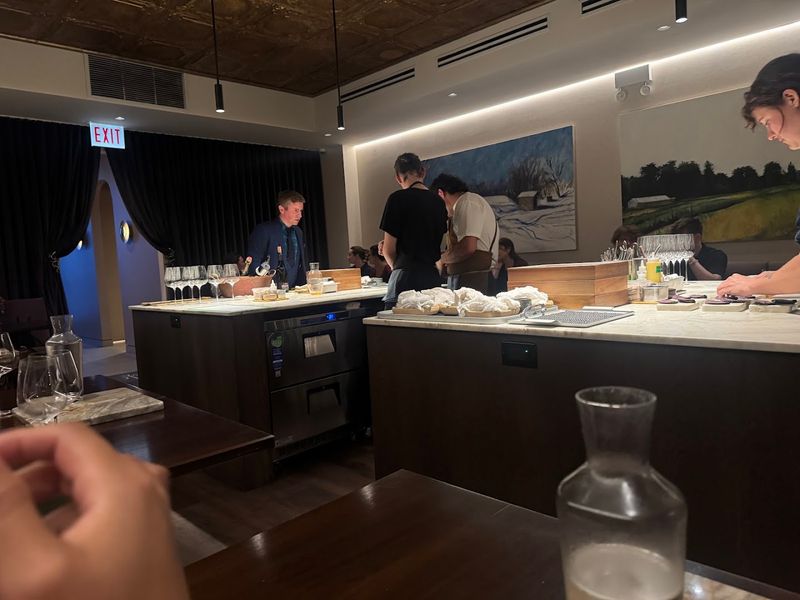
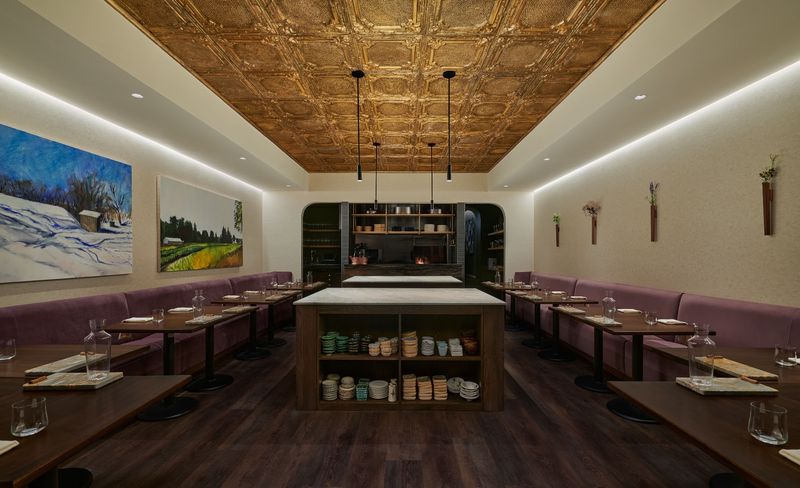
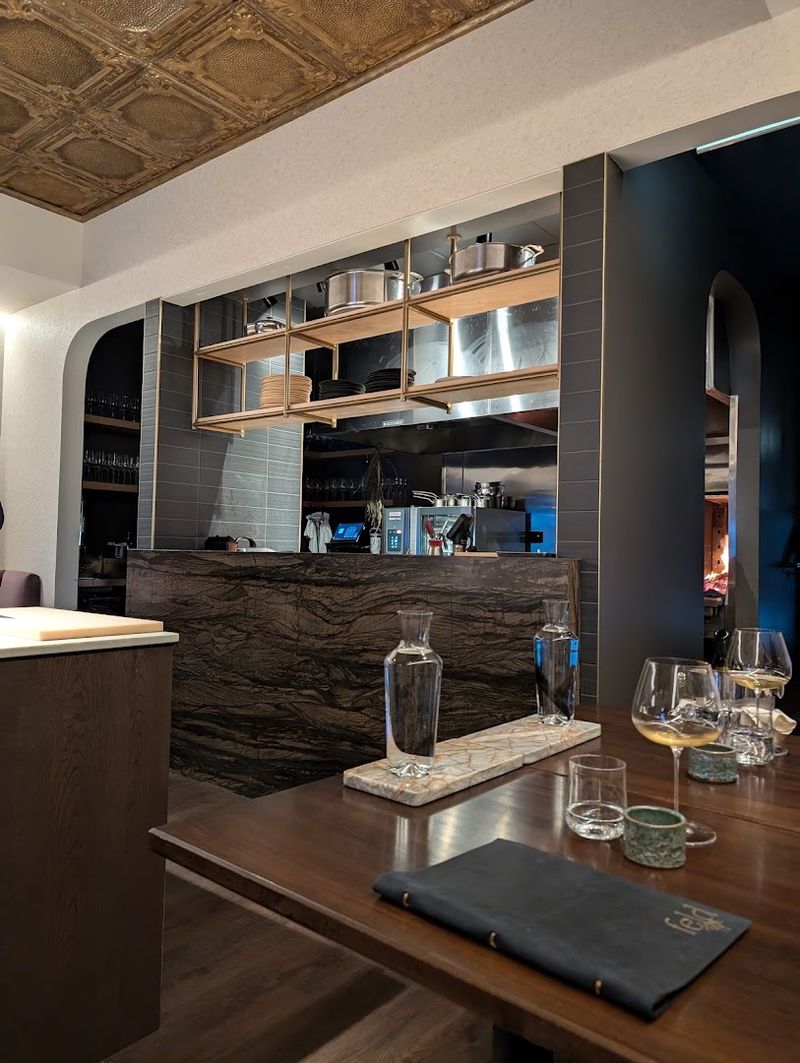
The layout of the dining room at Feld is one of the most talked-about details among people who have visited, and for good reason. Tables are arranged in a U-shape around the perimeter of the room, with two central prep islands positioned in the middle where the entire team plates every course.
Every seat in the house has a clear view of what is happening at those islands. Watching the chefs work in coordinated silence, passing plates and finishing garnishes with quiet efficiency, is genuinely fascinating to observe.
The restaurant seats only about 20 guests per seating, which keeps the atmosphere intimate rather than theatrical. All guests are seated at the same time and courses begin in unison, so the rhythm of the evening is shared across the whole room.
There is something unexpectedly communal about that structure. Strangers seated nearby end up experiencing the same moments together, reacting to the same surprising flavors, and occasionally catching each other’s eye when a particularly stunning plate arrives.
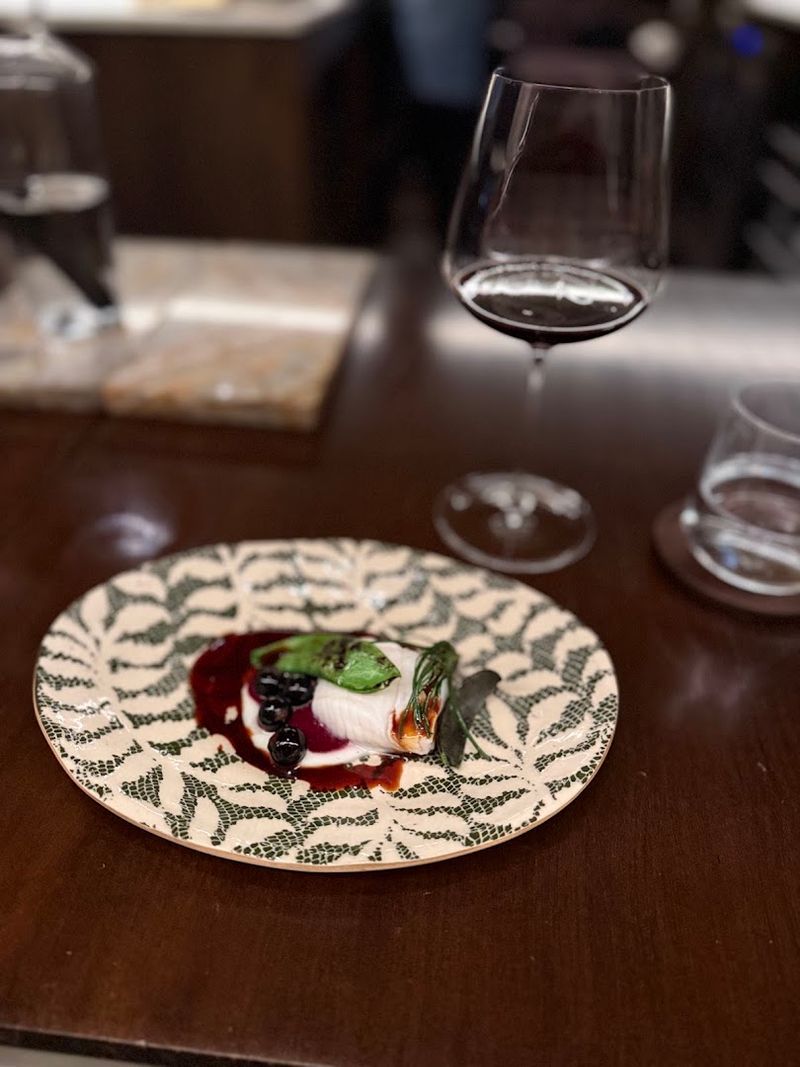
The space itself is earthy and warm, with thoughtful details in the dishware and decor that signal how much care went into every single element of the environment.
What a 20-Plus-Course Tasting Menu Actually Looks Like Here
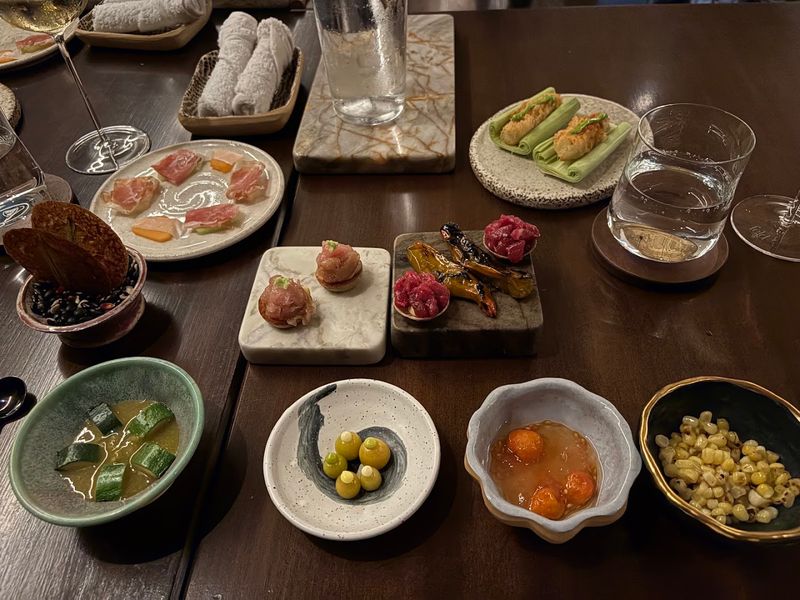
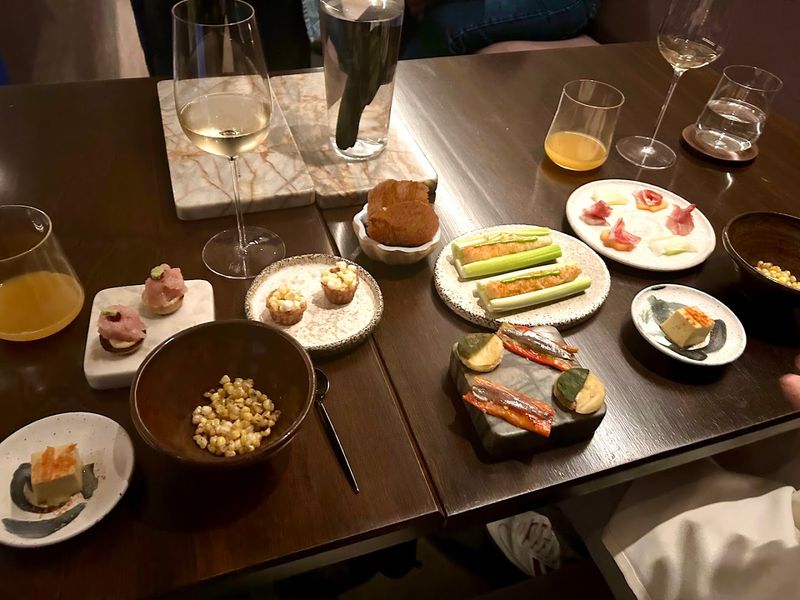
Twenty courses sounds like an overwhelming number, but the pacing at Feld makes it feel natural rather than exhausting. The meal builds gradually, starting with lighter bites and finger foods before moving into more substantial plates, and finishing with a series of refined desserts that feel like a continuation of the savory courses rather than a sharp pivot.
Each course often features multiple small plates built around a single featured ingredient, presented in different preparations. A spring evening might mean asparagus arriving three or four different ways across separate courses, each one revealing a completely different quality of that ingredient.
The menu changes daily based on what farms are delivering that morning. Two visits in the same season can produce entirely different experiences, which is part of why regulars return multiple times a year.
Around 25 to 30 bites across the full evening is common, and the pace moves quickly enough that the meal never drags. Portions are calibrated so that guests leave genuinely satisfied without feeling weighed down.
Printed menus are sent home with guests as a keepsake, which turns out to be a thoughtful touch that many people appreciate long after the evening ends.
The Seasonal Ingredient Philosophy That Drives Everything
Most restaurants describe themselves as farm-to-table, but what happens at Feld goes a step further in a way that actually changes how the food tastes and how the menu is structured each night.
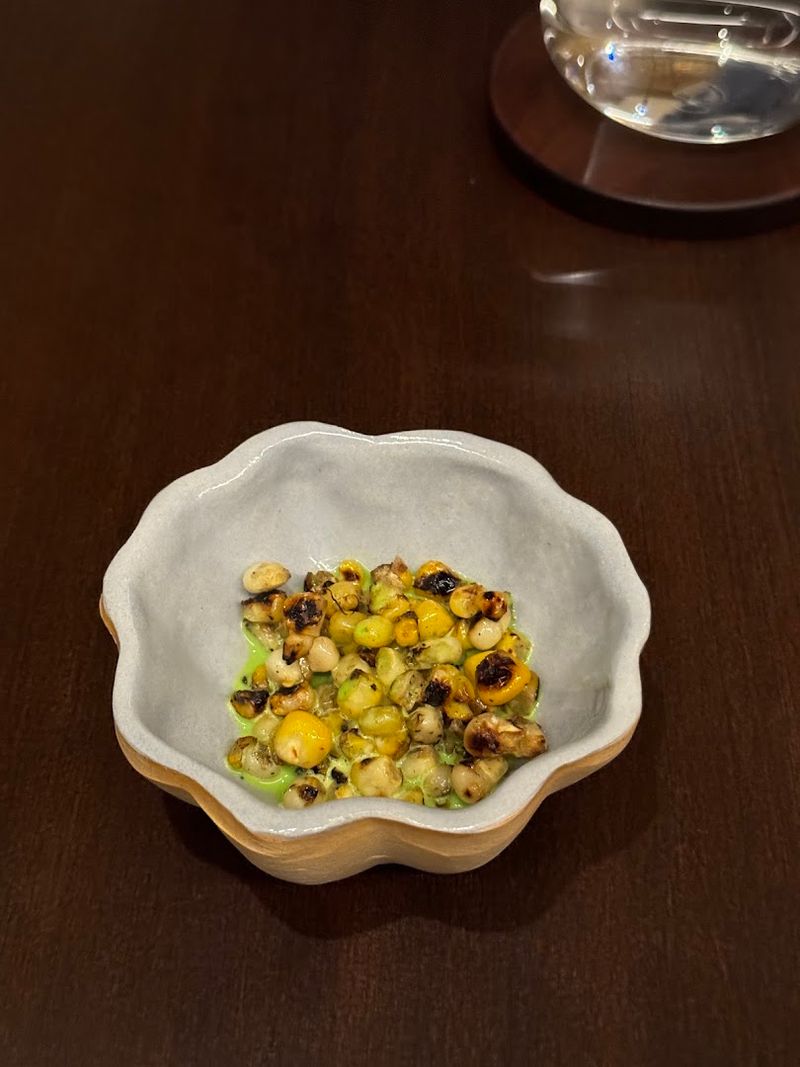
The kitchen builds its entire concept around a featured ingredient for each service. A July dinner might center on corn, exploring it through broth, as a raw element, charred, fermented, and folded into dessert.
A spring menu might follow asparagus or ramps through a similar arc of preparations.
This approach forces creativity in a productive way. The team cannot rely on a static menu or repeat the same dishes week after week.
Every service requires fresh thinking about how to highlight what is actually at its peak right now.
Guests have described biting into asparagus at Feld and feeling like they were tasting it for the first time. That reaction says something real about what happens when an ingredient is sourced at its absolute best and handled by a kitchen that genuinely understands it.
The philosophy also creates a natural connection between the diner and the agricultural calendar of the Midwest, which is something most city restaurants never even attempt to build.
The Two Michelin Honors That Validated the Concept
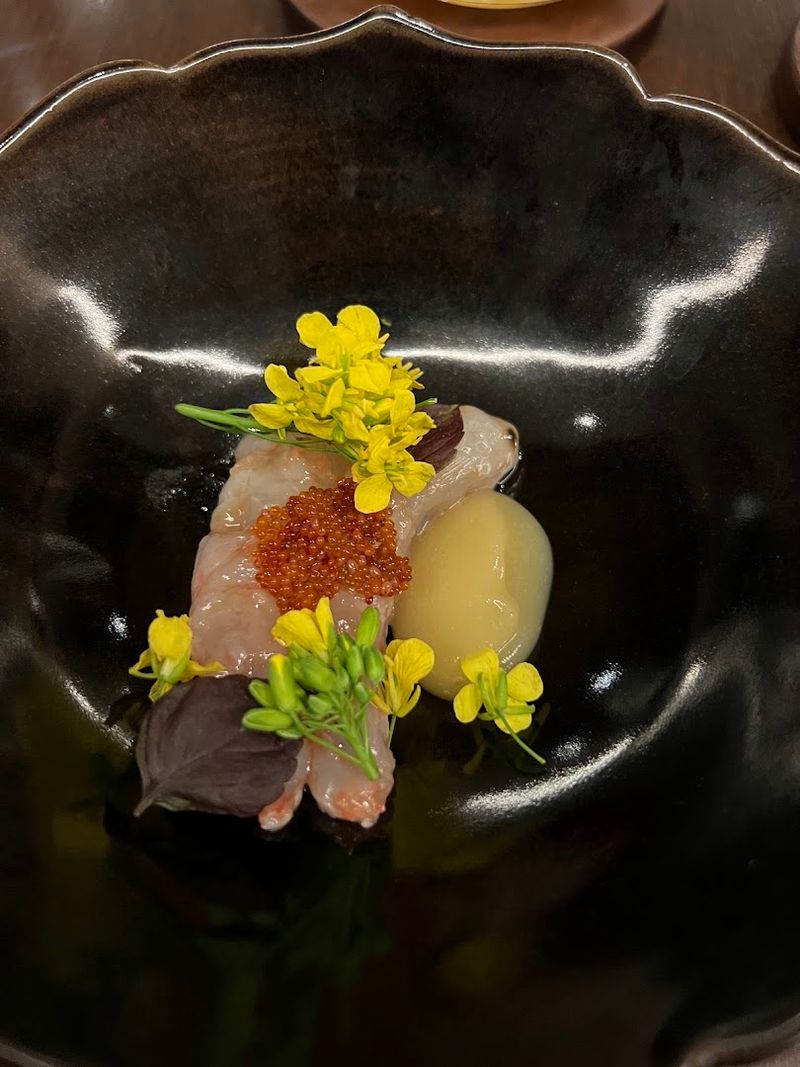
Earning one Michelin recognition in a single year is a significant achievement for any restaurant. Earning two in the same year is the kind of thing that makes the broader culinary world pay attention.
Feld received both a Michelin Star, awarded for exceptional cooking quality, and a Michelin Green Star, which specifically recognizes restaurants leading the way in sustainable gastronomy. Both honors arrived in the same annual guide cycle, which reflects how thoroughly the restaurant’s values are expressed through its actual food and operations.
The Green Star is particularly meaningful given the restaurant’s sourcing model. Working directly with small local farms, minimizing waste by using whole animals and every part of a vegetable, and building menus around what is naturally available rather than forcing ingredients out of season are all practices that align directly with what the Green Star is designed to celebrate.
Chef Jake acknowledged the recognition with characteristic focus on the team rather than personal credit. The awards validated not just the cooking but the entire philosophy that Feld was built around from the beginning.
For guests, the Michelin honors serve as confirmation of what many had already sensed after a single visit: this restaurant is doing something genuinely different.
Service That Feels Personal Rather Than Formal
Fine dining service can sometimes feel stiff and performative, as if the staff is following a script rather than actually paying attention to the people in front of them. At Feld, the approach is noticeably different in a way that guests consistently mention as one of the highlights of the evening.
The service is entirely chef-led. The same people who cooked your food are the ones who bring it to your table, explain what is on the plate, and answer questions about the farms or techniques involved.
That direct connection between creator and guest changes the dynamic in a meaningful way.
Small details accumulate over the course of the evening in ways that signal genuine attentiveness. The team notices left-handed guests and adjusts place settings accordingly.
They open hallway curtains when anyone walks to the restroom. Stain remover wipes appear on the table without anyone asking.
Special occasions are acknowledged and personalized, with take-home menus sometimes customized to mark the event. The atmosphere strikes a balance that is genuinely hard to achieve: refined enough to feel special, relaxed enough that no one is anxious about using the wrong fork.
That combination of skill and warmth is what separates a great meal from a truly memorable one.
Desserts and the Fire Pit Finale
The dessert sequence at Feld does not arrive as a single sweet course dropped at the end of a long meal. It unfolds across several plates, each one refined and precisely calibrated so that nothing tips into cloying territory.
Past highlights have included an eggshell filled with meringue, fresh cheese made just two hours before service paired with praline, a chestnut ice cream soup, and a caramel doughnut that manages to feel elegant rather than indulgent. The desserts read as a continuation of the savory courses rather than a departure from them.
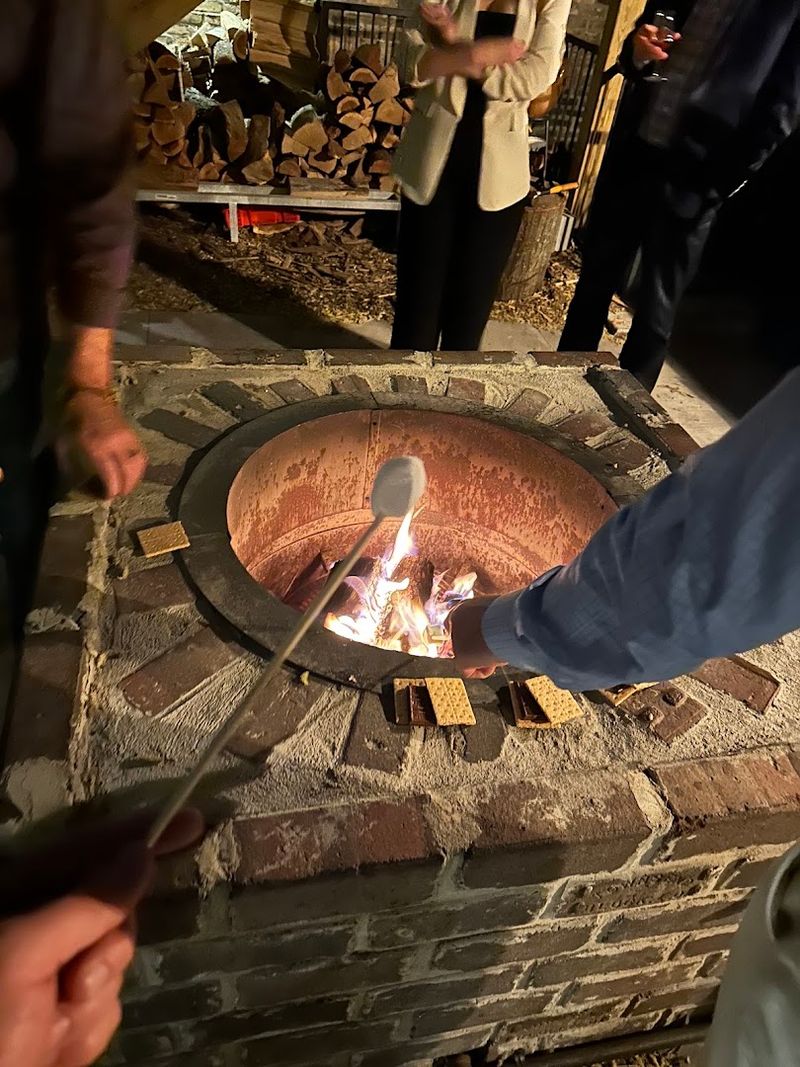
After the final plated dessert, the evening takes an unexpected and genuinely charming turn. Guests are invited out to the back patio, where a fire pit is lit and the makings for s’mores are waiting.
The head chef often joins the group outside, and the communal energy from the dining room extends naturally into this final chapter.
What could feel like a gimmick lands instead as a warm and unforced conclusion to the evening. Strangers who spent two hours watching the same courses arrive end up roasting marshmallows together in the dark, which is honestly a better ending than most restaurants even attempt to provide.
Beverage Pairings That Match the Ambition of the Food
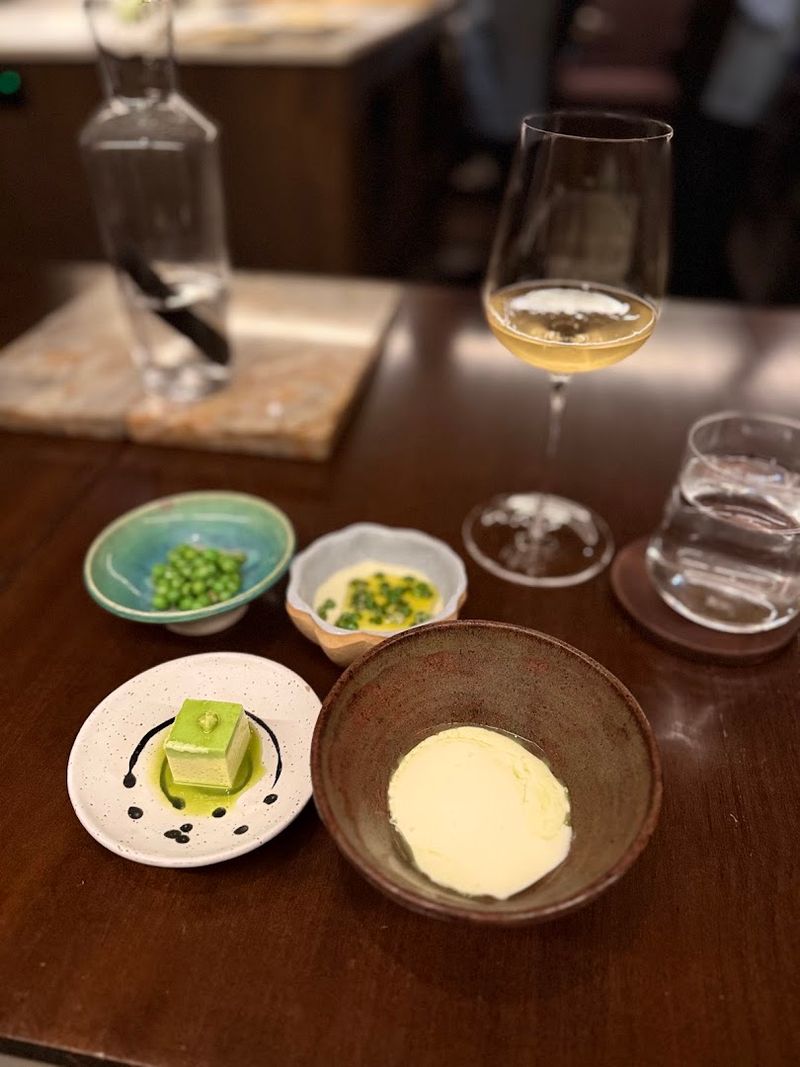
The beverage program at Feld takes the same thoughtful approach as the food, with pairings selected to complement the progression of flavors across the full meal rather than simply matching individual courses in isolation.
Wine pairings are available and have earned consistent praise for their creativity and range. The sommelier, Nathan, brings genuine enthusiasm and expertise to the selection process, introducing guests to bottles and styles they may not have encountered before.
Non-alcoholic pairings are also offered and treated with the same level of care as the wine program. Guests who opt for the non-alcoholic route report that the selections are inventive, well-constructed, and genuinely interesting rather than being an afterthought.
Featured cocktails rotate with the season and the menu. Past options have included a strawberry Manhattan and a seafood martini, both of which reflect the kitchen’s commitment to using seasonal and local ingredients beyond just the food.
The beverage pairings are priced separately from the tasting menu and represent a meaningful additional investment, but the consensus among guests who have tried them is that the experience is substantially richer with the pairings than without.
Practical Tips for Booking and What to Expect
Getting a table at Feld requires planning well ahead. Reservations currently book out roughly two and a half months in advance, and that window may extend as the restaurant’s profile continues to grow following its Michelin recognition.
The restaurant operates on a limited weekly schedule: Wednesday and Thursday evenings from 7 to 10 PM, and Friday and Saturday from 5 to 11 PM. Sunday through Tuesday the restaurant is closed.
The small seating capacity of around 20 guests per service means availability is genuinely limited, not just made to seem that way.
A deposit is required at the time of booking. The cancellation policy asks for notice at least eight days in advance, so guests should confirm that window carefully rather than assuming a standard one-week cutoff applies.
Street parking in the surrounding neighborhood is generally available and not subject to permit restrictions, so driving is a reasonable option. The restaurant’s website at feldrestaurant.com is the best source for current availability and any updates to the schedule.
Dietary restrictions including dairy-free and egg-free can be accommodated with advance notice, which speaks to the kitchen’s flexibility and genuine commitment to making the experience work for every guest at the table.
Share this story