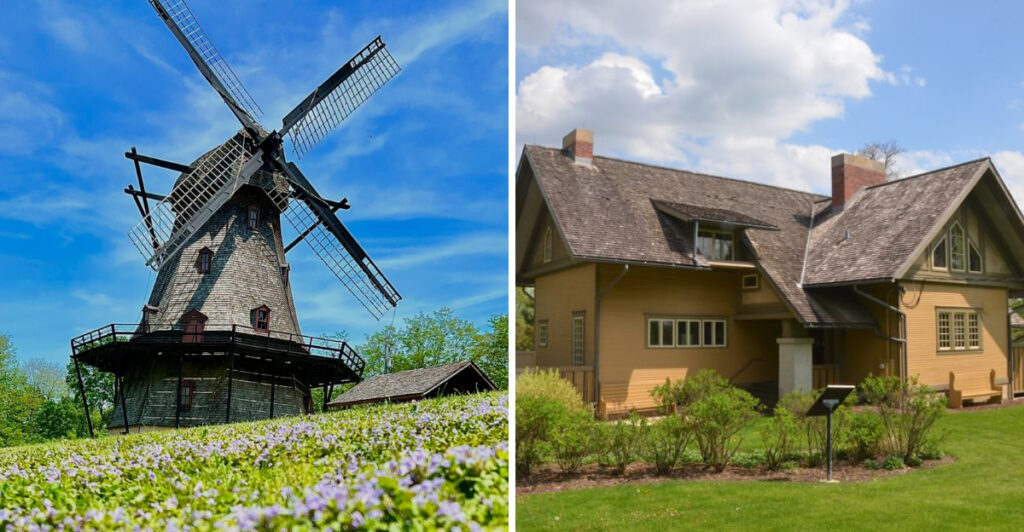
There is a place along the Fox River in Illinois where a Victorian-era estate, a Japanese garden, and a Dutch windmill all share the same stretch of land, and somehow it works beautifully. Colonel George Fabyan was not your average wealthy landowner.
He collected everything from Japanese artifacts to cryptography equipment, hired Frank Lloyd Wright to reshape his home, and built a world that felt entirely his own. The Fabyan Villa Museum and Japanese Garden in Geneva, Illinois, sits at 1925 S Batavia Ave and draws visitors who appreciate history, architecture, and natural beauty in equal measure.
This place rewards curiosity, and every corner of the property has a story worth hearing.
The Fabyan Estate: A Riverfront World of Its Own
Colonel George Fabyan had a vision that most people of his era could barely picture. He took a stretch of Fox River land in Geneva, Illinois, and turned it into a private world filled with scientific research, exotic artifacts, and carefully designed landscapes.
The estate spans roughly 300 acres on both sides of the river, which makes it feel more like a small kingdom than a personal property. Fabyan was a textile millionaire with an insatiable curiosity, and he used his fortune to fund everything from codebreaking research to agricultural experiments.
Historical plaques are scattered across the grounds, giving visitors a clear sense of how the property evolved from the late 1800s into the early 1900s. The Fox River adds a natural backdrop that ties everything together, and the trails that wind along its banks connect to both Batavia and St. Charles.
Plan to spend at least three hours here if you want to take in the villa, the Japanese garden, and the windmill. The grounds are open even when the buildings are closed, making any season a reasonable time to visit.
Frank Lloyd Wright’s Touch on the Villa
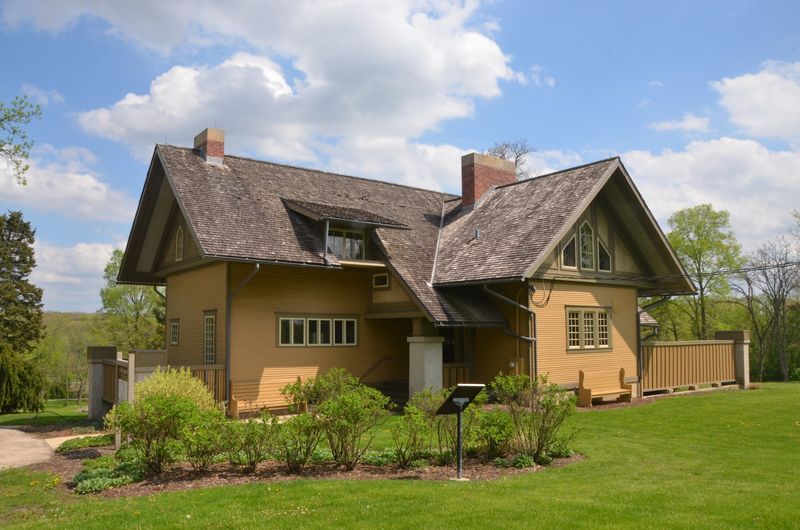
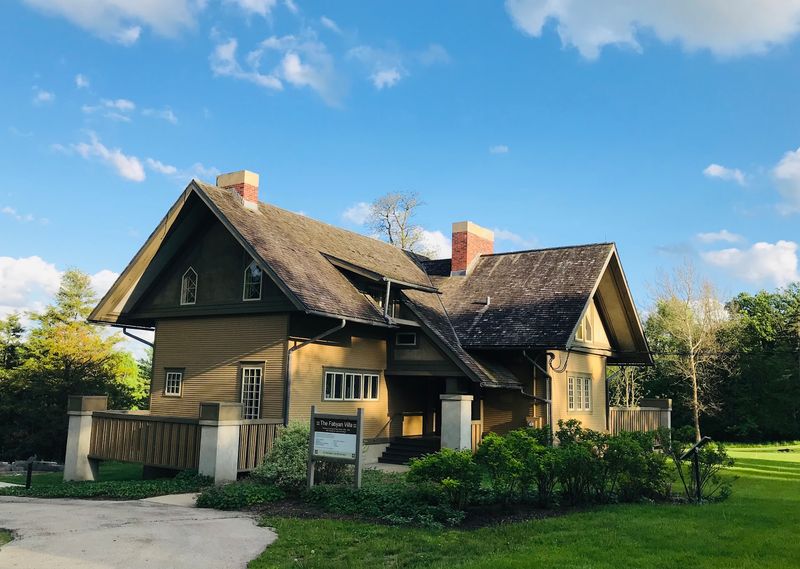
Frank Lloyd Wright is usually celebrated for buildings he designed from the ground up, so his work at the Fabyan Villa is a bit of a curveball in his storied career. Colonel Fabyan hired Wright around 1907 to renovate and expand the existing home, and Wright accepted the challenge with his signature confidence.
The result blends Wright’s Prairie Style sensibility with the bones of an older Victorian structure. You can spot his influence in the horizontal lines, the way the spaces open into each other, and the careful attention to how natural light moves through the rooms.
The villa still contains original furnishings and artifacts that belonged to the Fabyan family, which gives the interior a lived-in quality that many historic house museums lack. A guided tour costs just five dollars, and the docents are genuinely knowledgeable about both the architectural details and the family history.
Wright reportedly did not advertise this project prominently in his own records, possibly because it involved working within someone else’s existing structure. That quiet chapter in his career makes the villa feel like a small, rewarding discovery for architecture enthusiasts.
Colonel Fabyan: The Eccentric Mind Behind It All
George Fabyan was the kind of person who made neighbors wonder what exactly was going on behind the fence. Born in 1867, he inherited a textile business and grew it into a considerable fortune, but making money was never his real passion.
His true interests leaned toward the unusual. He funded a private research laboratory on the estate called Riverbank Laboratories, which became one of the first privately operated scientific research facilities in the United States.
The lab worked on acoustics, genetics, and most famously, cryptography.
During World War I, Fabyan’s team of codebreakers assisted the U.S. government in deciphering enemy messages. Among the people who worked at Riverbank was William Friedman, who later became one of the most important cryptologists in American history.
Fabyan also believed, with great enthusiasm, that Francis Bacon had secretly authored Shakespeare’s plays and embedded hidden codes in the text. He funded research into this theory for years.
Whether or not you agree with his conclusions, the sheer range of his intellectual obsessions makes him one of Illinois history’s most fascinating characters.
The Japanese Garden: A Tranquil Corner of the Property
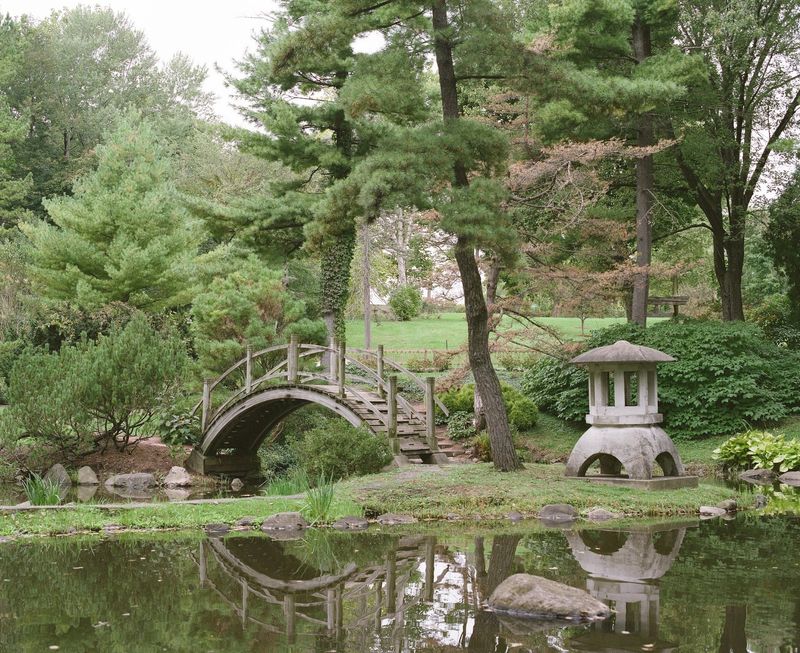
After the 1893 World’s Columbian Exposition in Chicago, Japanese garden design captured the imagination of many wealthy Americans. Colonel Fabyan was among them, and he commissioned a one-acre Japanese garden on his estate not long after.
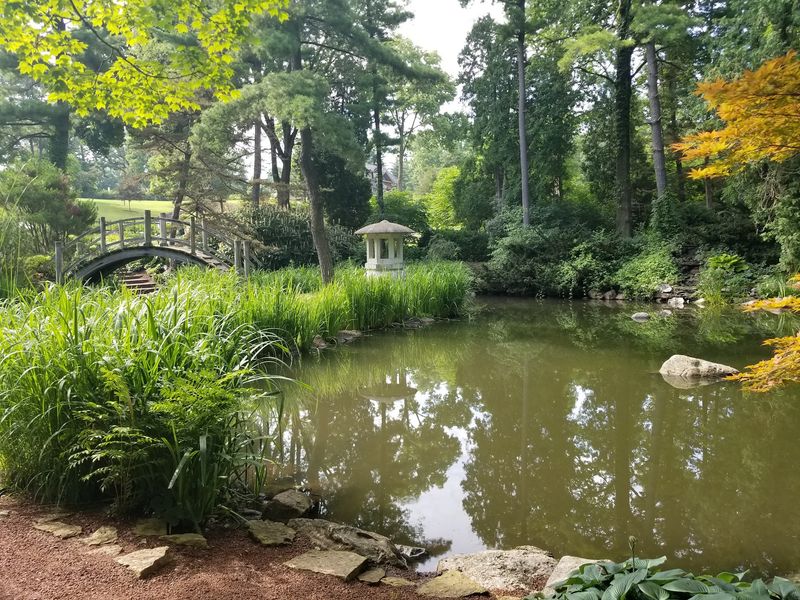
The garden features traditional elements that have been carefully maintained over more than a century. Stone lanterns, ornamental plantings, a small pond, and pruned shrubs create a compact but deeply peaceful space that feels genuinely removed from the surrounding Illinois landscape.
A tea master has served as a docent during certain tours, sharing the cultural and historical meaning behind the garden’s layout and features. That kind of firsthand knowledge turns a simple walk through the space into something much more memorable.
The garden is open on Wednesdays and Sundays from 1 to 4 PM, from May through September, and entry is free, though donations are appreciated. The gate is locked outside of those hours, so checking the schedule before you go is worth the extra minute of planning.
Visiting on a quiet weekday morning, with dew still on the plants and few other visitors around, gives the garden a stillness that feels almost rare in today’s busy world.
The Dutch Windmill: An Unexpected Landmark
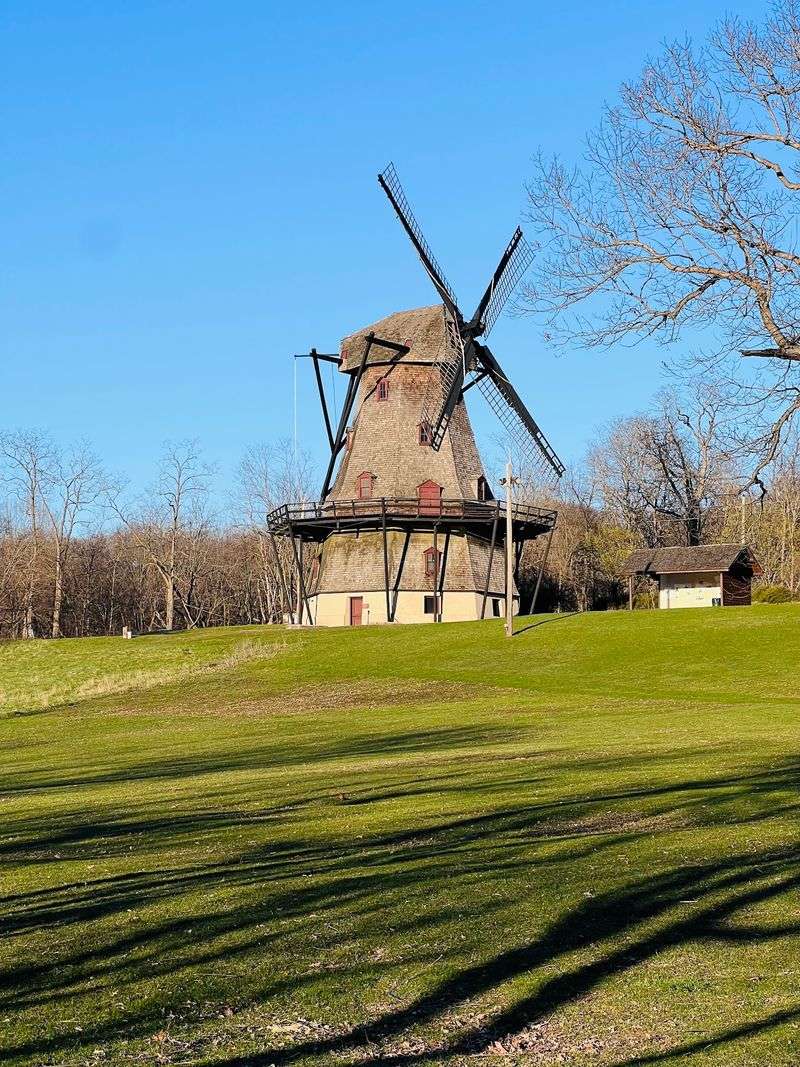
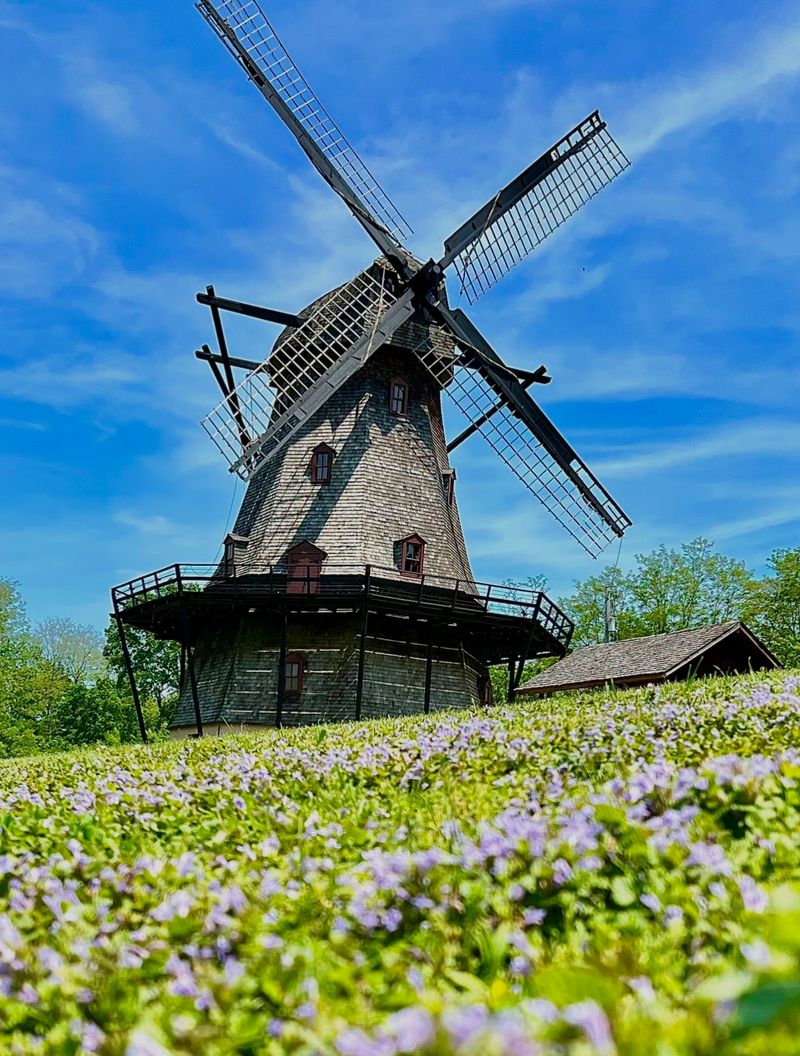
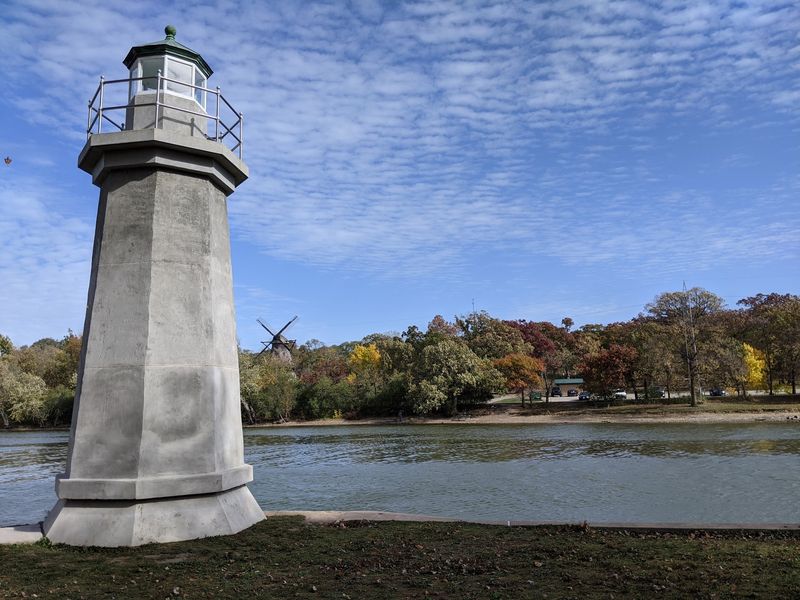
Few things are more surprising to spot along an Illinois riverbank than a full-sized Dutch windmill, and yet there it stands on the west side of the Fox River, just a short walk from the villa and gardens.
The windmill was originally built in the Netherlands and dates back to the 1850s. Colonel Fabyan had it transported and reassembled on the estate, which was exactly the kind of grand, impractical gesture he seemed to enjoy.
The structure is surprisingly well-preserved and still has its original wooden gearing mechanisms inside.
The Kane County Forest Preserve District, which manages the Fabyan Forest Preserve, has worked to maintain the windmill as a functioning historic structure. On certain open days, visitors can go inside and see how the machinery operates, which is a genuinely engaging experience for kids and adults alike.
The windmill sits across the river from the villa, so reaching it involves a short walk across a bridge, which adds a bit of adventure to the visit. The view from near the windmill, looking back across the river toward the estate, is one of the better photo opportunities on the entire property.
The Villa Museum Interior: Artifacts and Family History
The inside of the Fabyan Villa Museum is not a stuffy, roped-off historic home where you peer at furniture from a distance. The rooms feel genuinely inhabited, filled with original pieces that the Fabyan family actually used and collected.
Colonel Fabyan had a strong interest in Asian art and culture, and his collection of artifacts from Japan and other parts of Asia is displayed throughout the villa. The pieces range from decorative objects to functional items, and together they tell a story about a man whose curiosity crossed continents.
The tour takes visitors through rooms that show Frank Lloyd Wright’s design influence alongside the older Victorian bones of the structure. Seeing both architectural sensibilities in the same space is a bit like reading two chapters of the same book written by very different authors.
Admission for the house tour is five dollars per person, which feels like a genuine bargain given the depth of history packed into the space. The museum is open on Wednesdays, Saturdays, and Sundays from 12 to 3 PM, from May through September, so timing your visit around those hours is essential.
The Grounds: Trails, Nature, and Quiet Discoveries
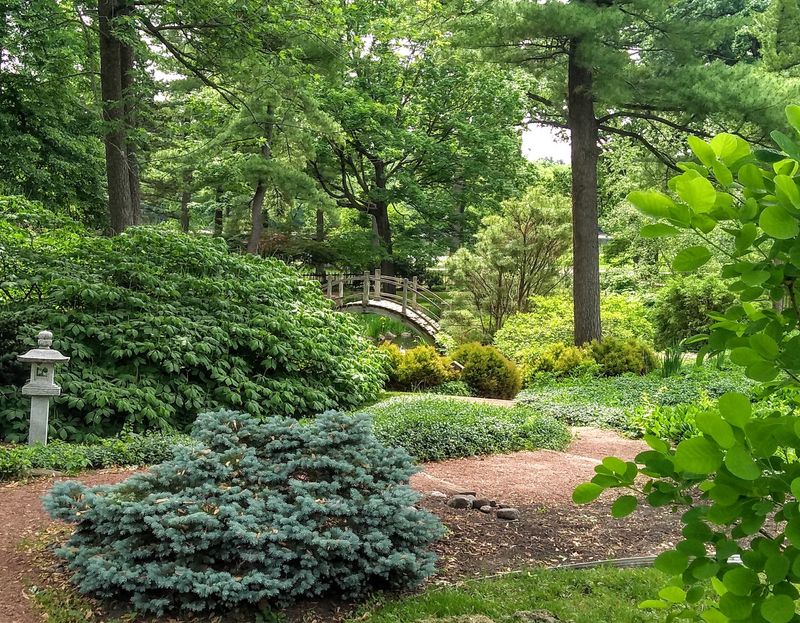
Even when the villa and Japanese garden are closed, the grounds of the Fabyan Forest Preserve offer more than enough to fill a few pleasant hours. The trail system connects to the Fox River Trail, a paved multi-use path that runs through several towns and offers some of the best river scenery in the Chicago suburbs.
Along the way, you will pass old statues, stone bridges, and remnants of the estate’s more eccentric features, including what remains of an Egyptian Revival outdoor seating area and a bear cage that dates back to Fabyan’s time. These unexpected details make a simple walk feel more like a treasure hunt.
The property is part of the Kane County Forest Preserve, which means it is well maintained and free to access year-round. Parking is plentiful, and the trails are mostly paved and accessible to a wide range of visitors, including those with strollers or mobility considerations.
Fishing spots and a kayak launch are available along the river, and picnic areas are scattered throughout the preserve. The combination of history, nature, and recreational options makes this one of the more versatile outdoor destinations in the greater Chicago area.
Egyptian Revival Remnants: The Estate’s Hidden Surprise
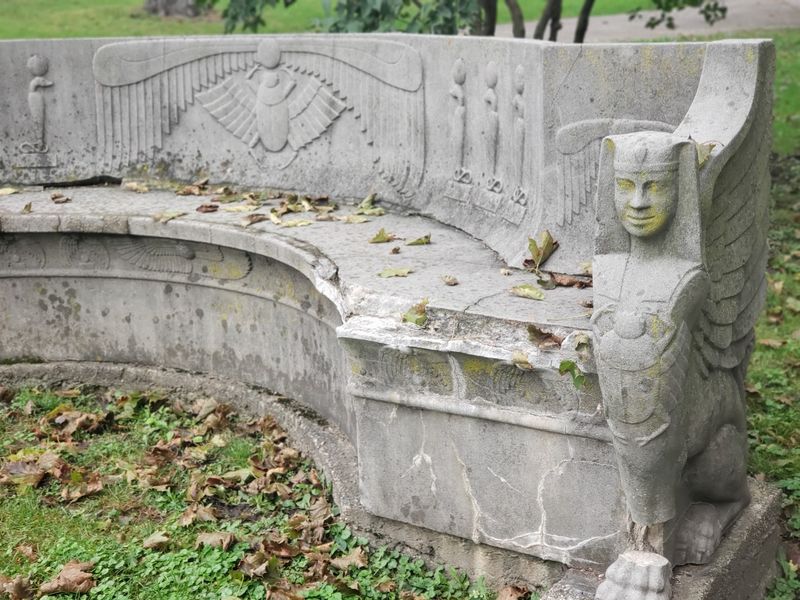
Most visitors come to the Fabyan estate expecting Japanese gardens and Prairie Style architecture, and they get both. What catches many people off guard is the presence of Egyptian Revival elements scattered across the grounds, a reminder that Colonel Fabyan’s aesthetic interests had no clear boundaries.
The remnants include decorative stonework, monumental seating, and fountain structures that reflect the Egyptian Revival style popular in the late 19th and early 20th centuries. These pieces are weathered and in need of restoration, and some reviews from recent visitors have noted that funding for their preservation is genuinely needed before further deterioration occurs.
The contrast between the Japanese garden’s careful order and the slightly overgrown drama of the Egyptian Revival features gives the estate a layered, almost surreal quality. You get the sense that Fabyan was less interested in consistency than in collecting experiences and aesthetics from around the world and placing them all on his Illinois riverfront.
These elements are best explored with a bit of patience and a willingness to wander off the main path. They reward visitors who take their time rather than rushing from one major attraction to the next.
Riverbank Laboratories: Where Science Met Secrecy
The name Riverbank Laboratories might not ring a bell for most visitors, but its legacy is genuinely significant in the history of American science and national security. Colonel Fabyan established the facility on his estate in the early 1900s, making it one of the first privately funded research centers in the country.
The lab attracted serious researchers across multiple disciplines. Acoustic scientist Wallace Sabine consulted there, and the facility conducted early work in genetics and structural engineering.
The most consequential work, though, was in cryptology.
William Friedman, who would go on to found the U.S. Army’s Signal Intelligence Service and help crack Japanese military codes during World War II, began his career at Riverbank.
He met his wife, Elizebeth Smith, there as well, and she became one of the most accomplished codebreakers in American history in her own right.
The story of Riverbank Laboratories adds a layer of historical weight to the estate that goes well beyond architecture and gardens. Knowing that some of the most sensitive intelligence work of the early 20th century happened in this quiet Illinois setting makes the whole property feel unexpectedly momentous.
Visiting Tips: Making the Most of Your Trip
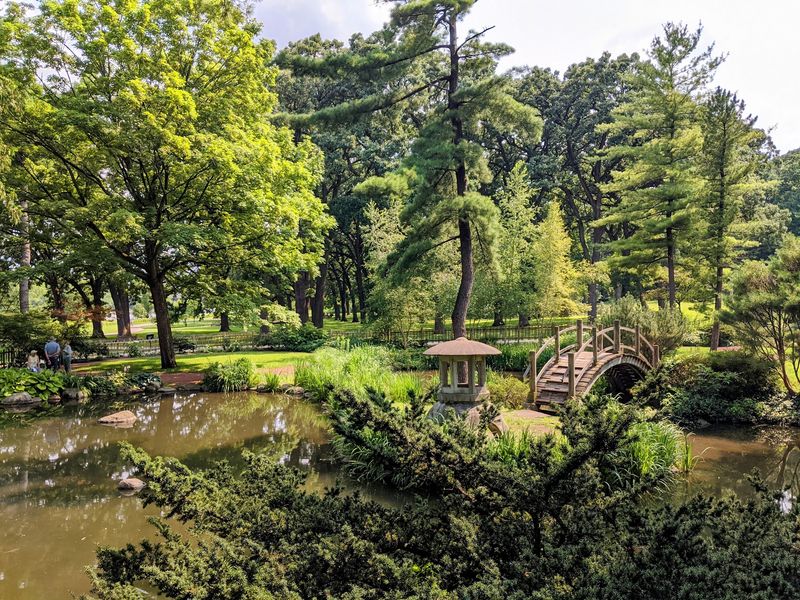
A little preparation goes a long way at the Fabyan estate, mostly because the villa and Japanese garden keep limited hours. The villa museum is open on Wednesdays, Saturdays, and Sundays from 12 to 3 PM, and the Japanese garden is open on Wednesdays and Sundays from 1 to 4 PM, both from May through September only.
Arriving early on a Wednesday or Sunday gives you the best chance of enjoying both the garden and the museum without feeling rushed. The grounds are free to access any day, and the five-dollar villa tour fee is one of the better value propositions in the Chicago suburbs.
There are no public restrooms inside the museum, so using the facilities at the forest preserve before entering is a practical move worth noting. Parking is free and ample, which is a relief compared to many suburban attractions.
Dogs are welcome on the trails, and the property has become a favorite spot for dog owners looking for a scenic and historically interesting walk. The Fox River Trail connection means you can extend your outing considerably if you have the energy and the footwear for it.
Reach the museum by phone at 630-377-6424 or visit ppfv.org for current seasonal hours.
Seasonal Beauty: How the Estate Changes Through the Year
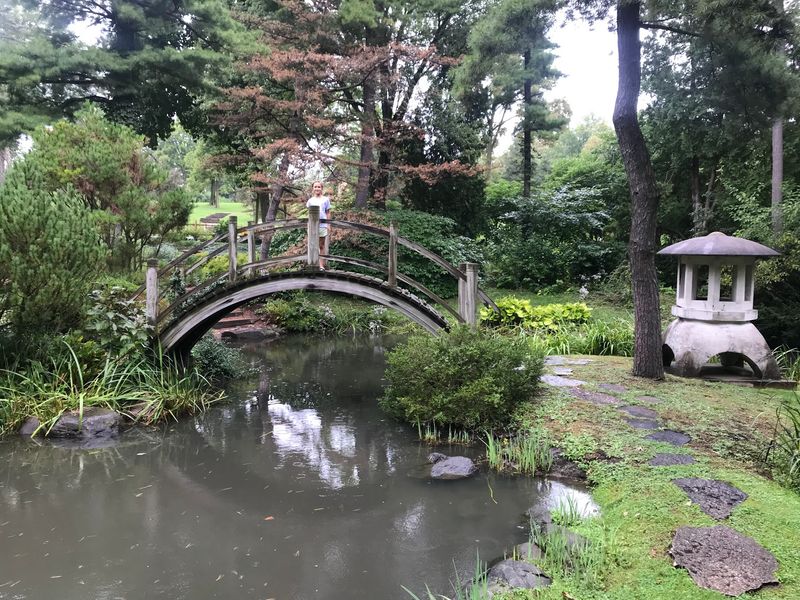
The Fabyan estate has a different personality depending on when you visit, and that variety is part of what keeps people coming back across decades. Spring brings fresh green growth to the Japanese garden and wildflowers along the river trails, making May one of the most popular months to visit.
Summer offers the full experience, with the villa, garden, and windmill all accessible during their regular hours. The shade from the mature trees makes even a warm afternoon on the grounds surprisingly comfortable.
Autumn turns the forest preserve into a canvas of orange and gold, and the contrast between the warm foliage and the cool stone of the garden lanterns creates some genuinely striking visual moments. The trails are less crowded in October than in summer, which makes for a more peaceful visit.
Winter closes the buildings but not the grounds, and visitors who have come during frozen fog or light snow report that the garden has a quiet, contemplative beauty even when the gate is locked. The holiday lights display that has been held at the Japanese garden in past years adds a festive reason to visit outside the regular season.
Why This Place Deserves a Spot on Your Illinois Itinerary
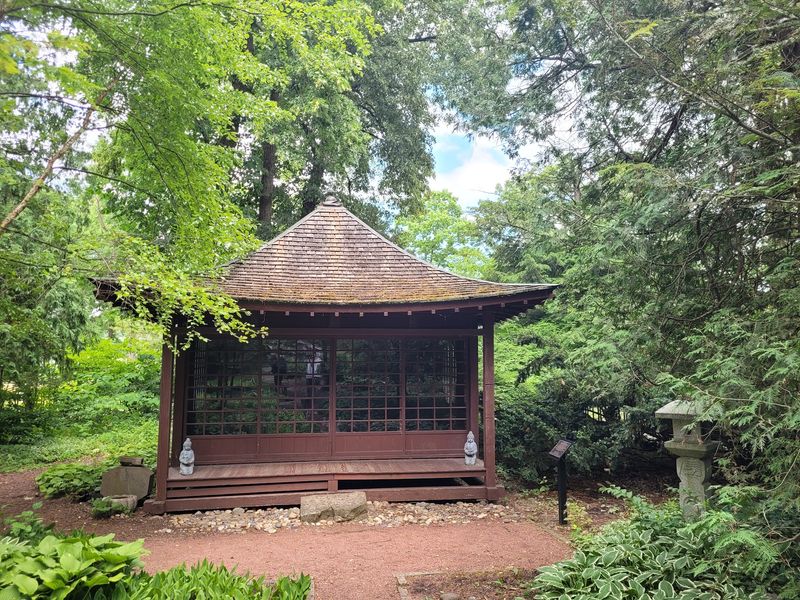
Not many places in the Chicago suburbs pack this much variety into a single visit. The Fabyan estate offers architecture, cultural history, natural beauty, and recreational trails all within one property, and it does so without charging a significant admission fee.
The Frank Lloyd Wright connection alone draws architecture enthusiasts who might not otherwise venture to Geneva. Add the Japanese garden, the Dutch windmill, the cryptology history, and the Egyptian Revival stonework, and you have a destination that rewards visitors with very different interests.
The community connection to this place runs deep. Visitors who have been coming since childhood describe it as a place that holds a kind of quiet magic, and it is easy to understand why after even a single afternoon on the grounds.
The estate is located at 1925 S Batavia Ave in Geneva, Illinois, within the Fabyan Forest Preserve along the Fox River. Whether you are a history reader, a nature lover, a photography enthusiast, or simply someone looking for a genuinely interesting afternoon outside, this riverfront estate has something that will make the drive worthwhile.
Some places earn their reputation quietly, and this is one of them.
Share this story