There is a stretch of southern Illinois where the land holds more than just trees and trails. A state forest of more than 5,000 acres sits quietly in Union County, carrying a name that points directly to one of the most painful chapters in American history.
The Cherokee people passed through this region during the forced relocation of 1838 and 1839, and the brutal winter they faced left a mark that time has not erased. Today, the forest stands as both a natural retreat and a living reminder of that journey.
Towering ridgelines, primitive campsites, and a historic fire tower draw visitors who want more than a casual walk in the woods. Keep reading to find out what makes this place unlike any other state forest in Illinois.
Where the Forest Begins: Location and Access
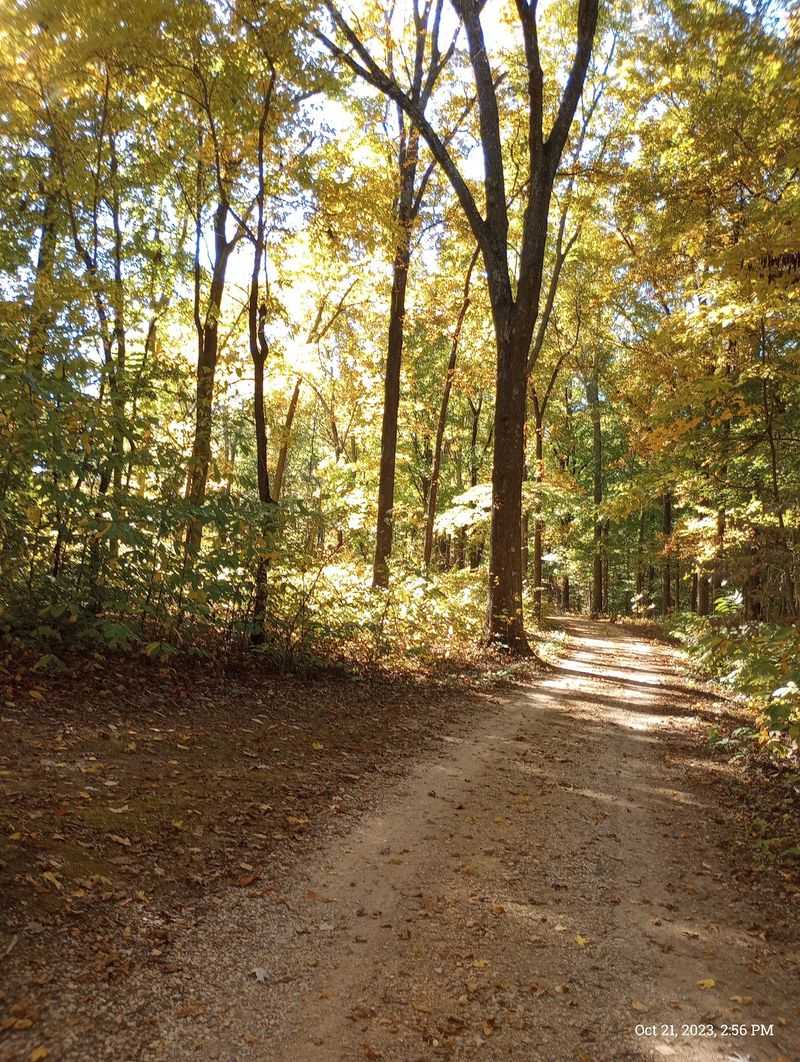
Trail of Tears State Forest is located in Alto Pass Precinct, IL 62905, in Union County in the far southern tip of Illinois. The forest sits within a region sometimes called “Little Egypt,” where the land shifts from flat farmland into rolling, forested ridges that feel more like the Ozarks than the Midwest.
Getting there requires a bit of planning. The forest is roughly 120 miles southeast of St. Louis and about 90 miles south of Carbondale.
The roads leading in are rural and scenic, winding through small towns and past quiet farmsteads.
The Illinois Department of Natural Resources manages the property, and there is no admission fee to enter. The main access points are clearly marked, and a network of gravel and dirt roads runs through the interior.
Cell service is limited once you get deep into the forest, so downloading an offline map before your trip is a smart move. The forest covers terrain that rewards those who come prepared, and the drive in alone sets the tone for everything that follows.
The History Behind the Name
The name Trail of Tears is not a metaphor or a marketing choice. The Cherokee people were forcibly removed from their homelands in the southeastern United States between 1838 and 1839, under a federal policy that displaced tens of thousands of Native Americans from their ancestral lands.
Several detachments of Cherokee crossed through this part of Illinois during the winter months. The conditions were severe, with freezing temperatures, inadequate supplies, and little shelter.
Many people in those groups did not survive the crossing.
The forest was named to honor and acknowledge that history. Union County sits along the route those groups traveled, making the land itself a kind of memorial.
Visitors who know the backstory tend to walk a little more quietly here.
The Illinois Department of Natural Resources has worked to preserve both the natural landscape and the historical significance of the area. Interpretive information is available at the forest headquarters.
Understanding why this place carries its name adds a layer of meaning to every trail you walk and every ridge you climb.
More Than 5,000 Acres of Forested Ridgelines
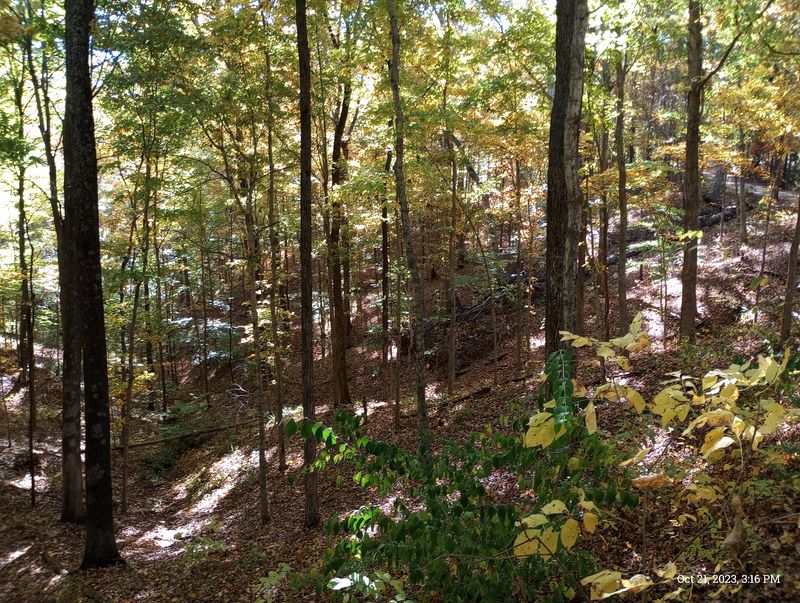
The sheer size of this forest is one of the first things that surprises first-time visitors. At more than 5,000 acres, the property offers enough space to spend a full weekend without retracing your steps.
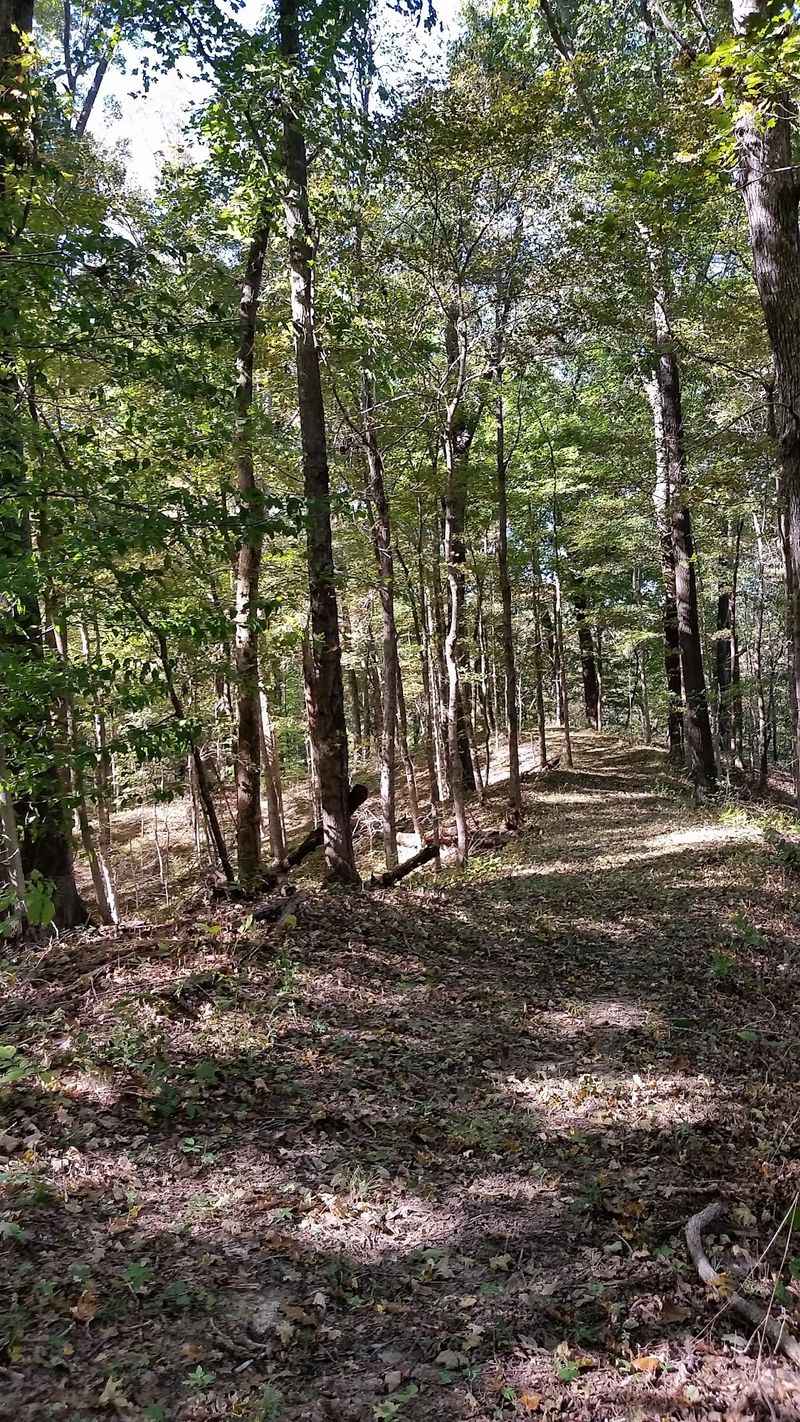
The terrain is defined by steep ridges, wooded hollows, and seasonal streams that cut through the lower elevations.
Oak, hickory, and shortleaf pine dominate the canopy, giving the forest a rugged, layered look that changes dramatically with the seasons. Spring brings wildflowers to the forest floor, summer fills the canopy with dense green shade, fall turns the ridges into a patchwork of orange and red, and winter strips the trees back to reveal the bones of the landscape.
The south ridge is particularly popular with visitors who want long views across the surrounding hills. On a clear day, you can see well beyond the forest boundary from certain points along the ridge road.
The forest does not feel crowded, even on weekends, because the acreage absorbs visitors easily. That sense of having the woods mostly to yourself is one of the most consistent things people mention after their first visit here.
The Union County Fire Tower
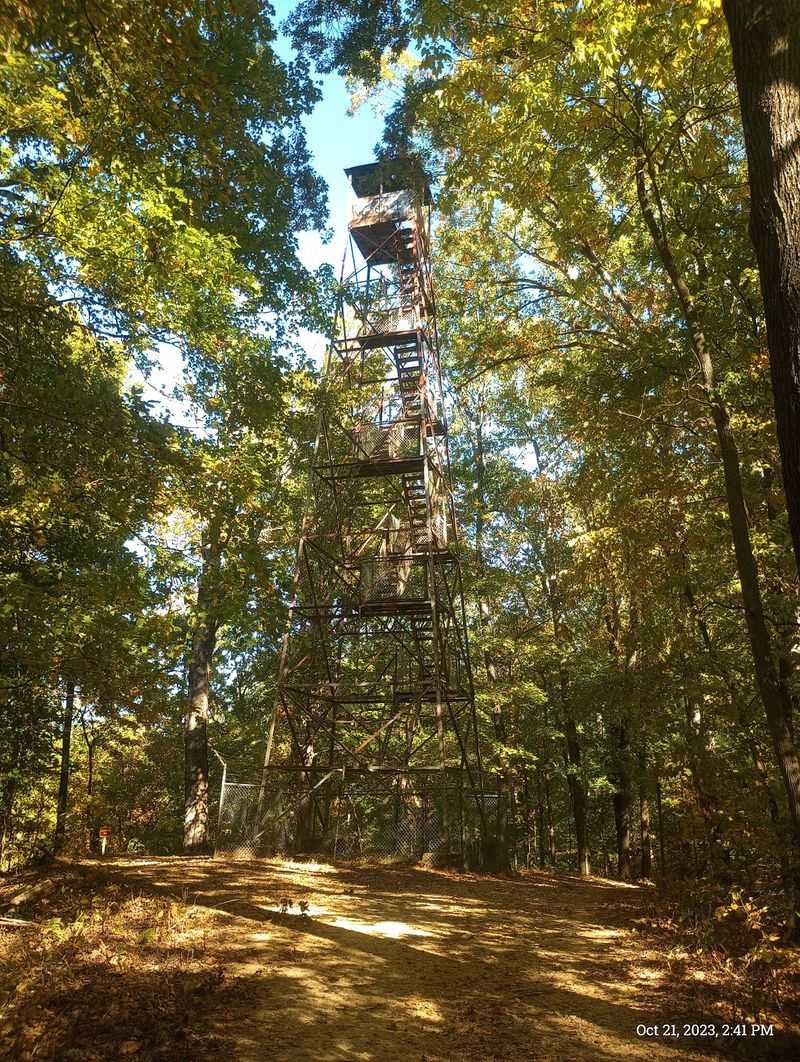
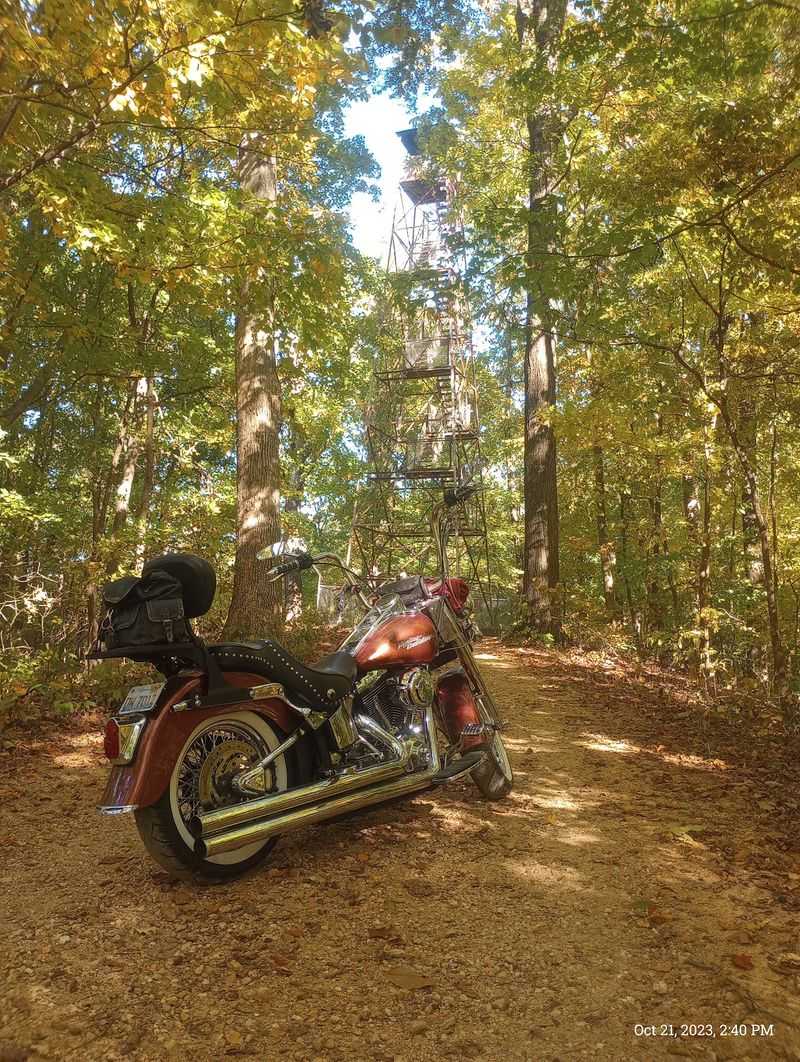
One of the most talked-about features in the forest is the Union County Fire Tower, also known as the South Ridge Fire Tower. Fire towers like this one were built across the country during the early to mid-twentieth century as a way to spot and report wildfires before they could spread out of control.
The tower at Trail of Tears State Forest is a classic example of that era. It rises above the surrounding canopy and offers a commanding view of the ridge and the valleys below.
Climbing it gives you a perspective on the forest that you simply cannot get from the ground.
The Civilian Conservation Corps, or CCC, played a major role in developing infrastructure throughout the forest during the 1930s, and the area carries visible signs of that work. The fire tower is one of the most photogenic landmarks in southern Illinois and a genuine piece of conservation history.
Visitors who make the climb on a clear day are rewarded with views that stretch far beyond the forest. Bring a camera, because the tower offers the kind of shot that makes people ask where on earth you were standing when you took it.
Primitive Camping in the Deep Woods
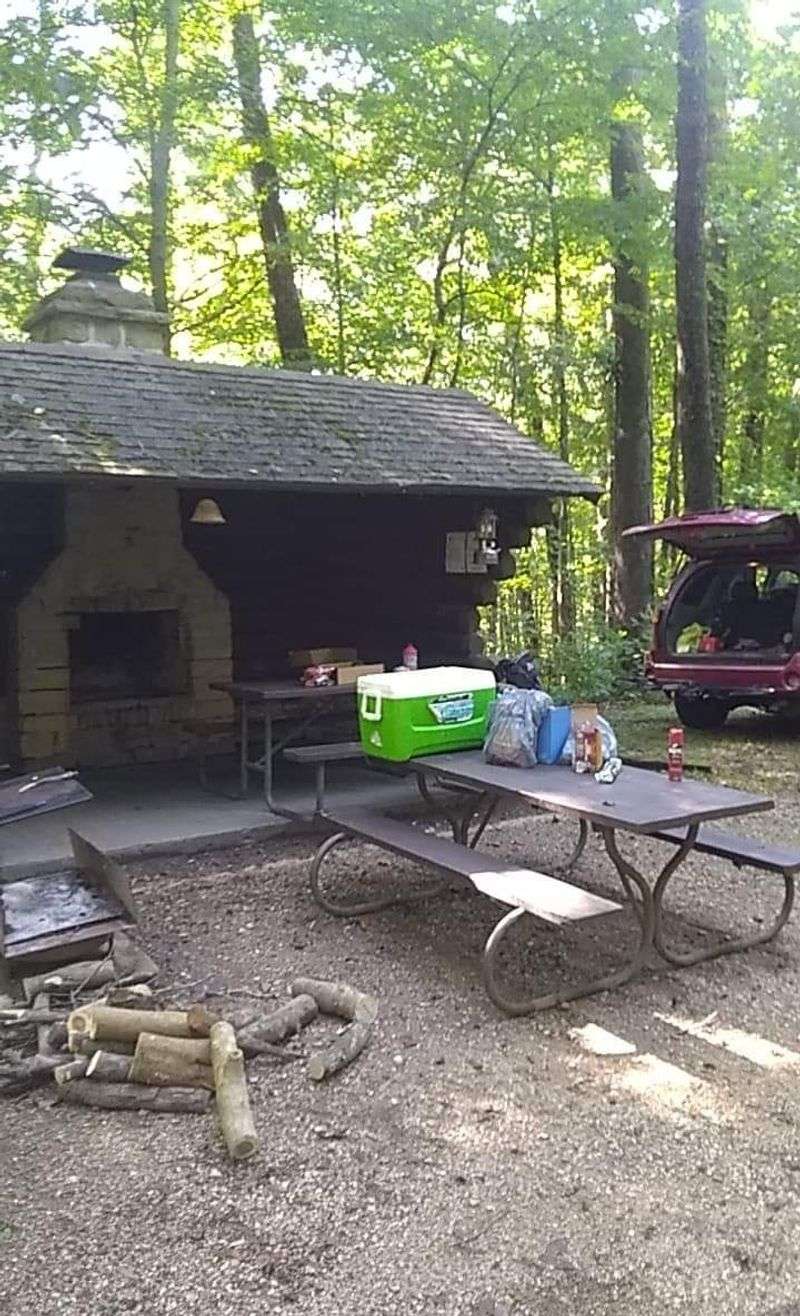
Car campers who want hookups and neighbors a few feet away should probably look elsewhere. Trail of Tears State Forest is designed for people who want to actually get away from things, and the camping reflects that philosophy completely.
The primitive campsites are spread far apart across the forest, giving each group a genuine sense of solitude. There are no electrical hookups, no shower facilities, and no camp store.
What you bring in is what you have, and what you pack out is your responsibility.
Several designated camping areas are scattered throughout the forest, and a fire permit is required during certain times of year. The sites are free to use, which makes them especially popular with backpackers and budget-conscious outdoor enthusiasts.
Waking up in one of these sites with nothing but birdsong and wind in the oaks overhead is the kind of experience that reminds you why people started camping in the first place. The forest is quiet enough at night that you can hear the difference between a white-tailed deer moving through the underbrush and a raccoon investigating your cooler lid.
Trails for Hikers and Equestrians
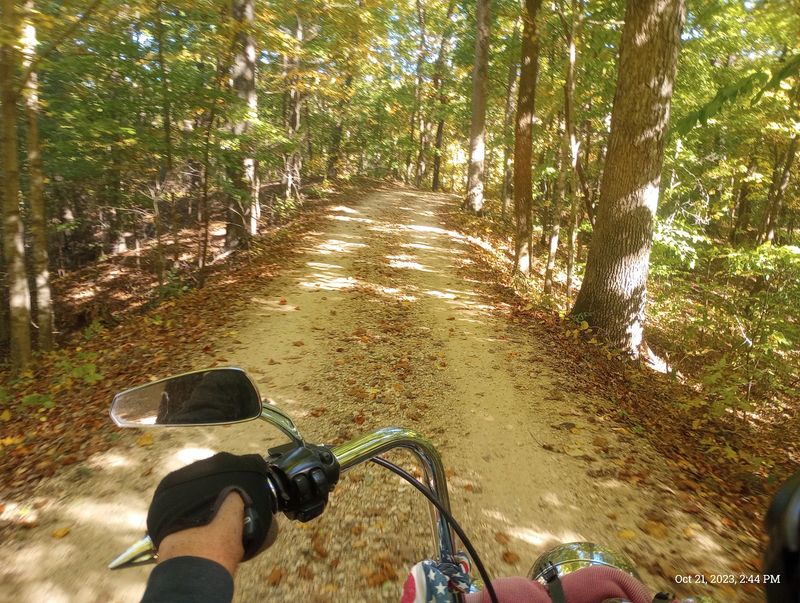
The trail network at Trail of Tears State Forest serves both hikers and horseback riders, which is not something every Illinois state forest can claim. The trails range from relatively flat stretches along the forest roads to more demanding routes that climb the ridges and dip into the hollows below.
Equestrian use is a long-standing tradition here, and riders often come specifically to travel the south ridge road on horseback. The road is maintained well enough for trail riding while still feeling appropriately rustic.
Hikers and riders generally share the space without issue, though a little trail etiquette goes a long way.
Hikers who prefer a challenge will find the ridge routes rewarding. The elevation changes are real, and the footing can be uneven in places, so sturdy footwear matters more here than on a groomed park path.
The River to River Trail, a long-distance hiking route that crosses southern Illinois, passes through the forest once a year during a popular relay event. Outside of that event, the trails stay quiet and largely uncrowded, which is exactly the kind of thing serious hikers travel hours to find.
CCC History Written Into the Land
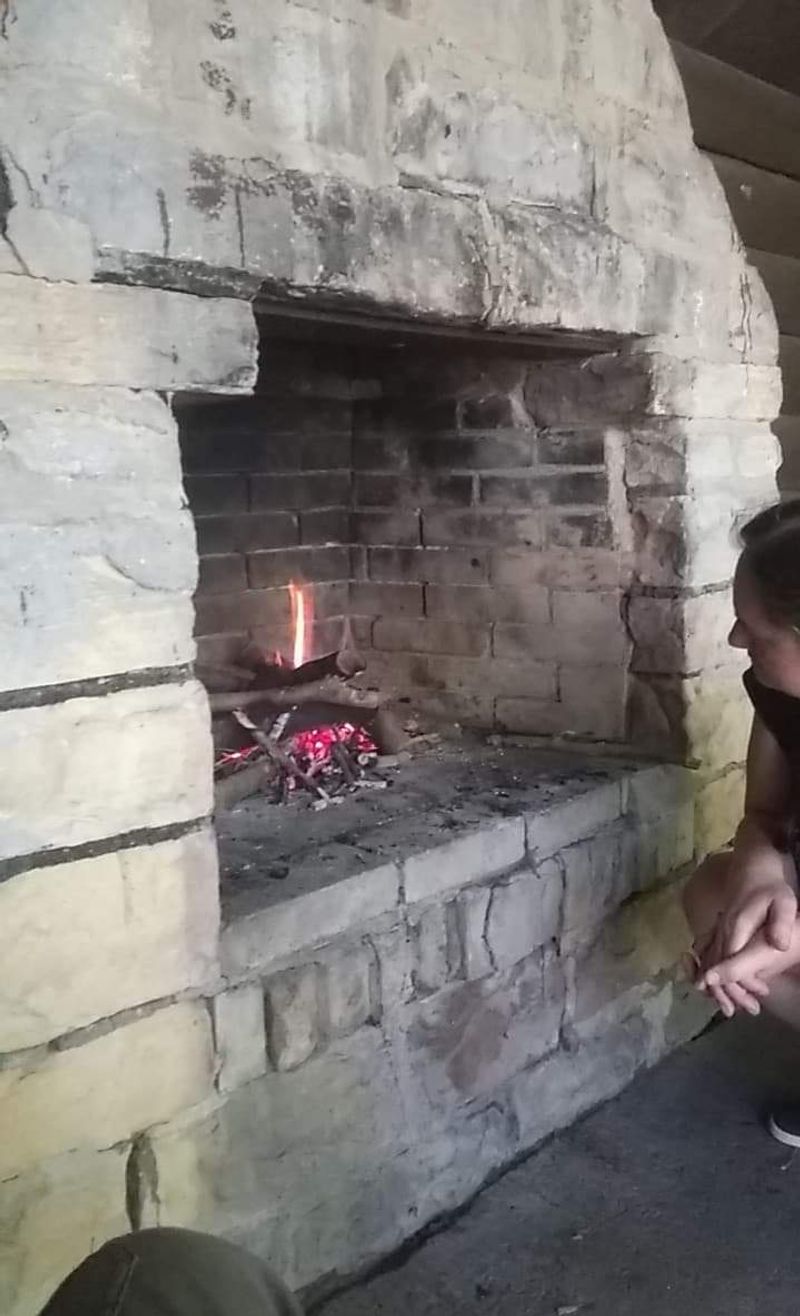
The Civilian Conservation Corps left fingerprints all over this forest, and knowing what to look for makes a visit here feel like a history lesson as much as an outdoor adventure. The CCC was a New Deal program that employed young men during the Great Depression to build and improve public lands across the country.
At Trail of Tears State Forest, CCC crews worked during the 1930s to construct roads, picnic shelters, and infrastructure that still serves visitors today. The craftsmanship from that era has a durability that modern construction rarely matches.
Stone and timber structures built nine decades ago are still standing and still in use.
The forest headquarters area shows some of the clearest evidence of CCC work. The layout and design of the grounds reflect the careful, deliberate approach those crews brought to every project they tackled.
For anyone interested in Depression-era history or the conservation movement in America, this forest is a living archive. The trees themselves are part of that story, since many of the stands were planted or managed by CCC workers who understood that they were building something meant to last far longer than their own lifetimes.
Wildlife Watching Throughout the Seasons
The forest is home to a wide range of wildlife, and quiet visitors are rewarded regularly. White-tailed deer are common throughout the property, and wild turkey are frequently spotted along the forest roads and in the open areas near the ridge tops.
Birdwatching is genuinely excellent here, particularly during spring and fall migration. The forest sits in a corridor that funnels migratory species through southern Illinois, and the mix of mature hardwoods and open edges creates good habitat for warblers, thrushes, and raptors alike.
Reptiles, including several snake species, are present in the forest. Most are harmless, but the timber rattlesnake does live in this part of Illinois, so watching where you step in rocky areas is sensible rather than paranoid.
Hunting is permitted in Trail of Tears State Forest during designated seasons and with proper licensing, which means the forest draws a different kind of visitor in autumn than it does in spring. The wildlife population is healthy enough to support both hunting and wildlife watching, and the two uses coexist reasonably well across the property’s more than 5,000 acres.
Picnic Areas and Day-Use Spaces
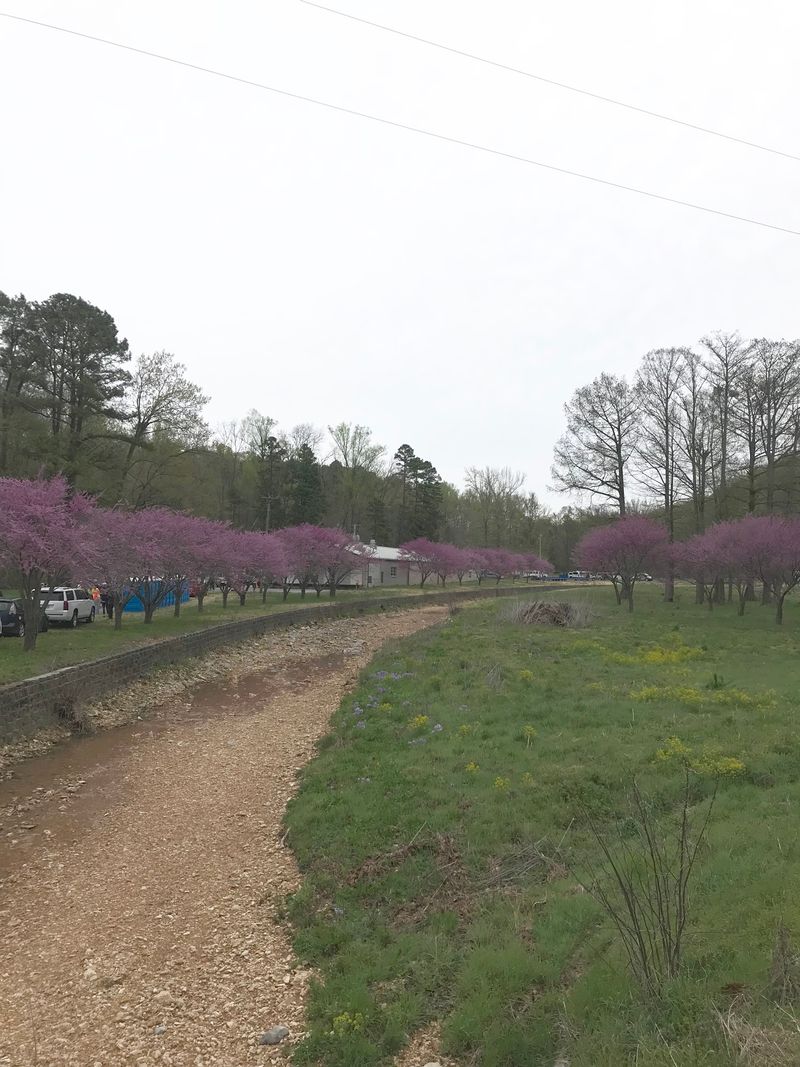
Not every visit to a state forest needs to involve an overnight stay or a strenuous hike. Trail of Tears State Forest has several picnic areas scattered across the property that are well-suited for a relaxed afternoon outdoors.
The spots are shaded, quiet, and far enough from any highway that the only soundtrack is the forest itself.
The picnic areas reflect the same CCC-era construction quality found elsewhere in the forest. Stone grills and wooden tables sit in clearings that feel like they were chosen by someone who actually thought about where a person would want to sit and eat lunch on a warm afternoon.
Day visitors who come without camping gear can still get a full sense of what the forest offers. A picnic followed by a walk along the ridge road gives you a solid read on the landscape without requiring a tent or a sleeping bag.
Families with younger children tend to do well at the picnic areas, where there is enough open space to move around but enough tree cover to keep things comfortable. The no-fee access makes a day trip here an easy and affordable choice for anyone within a reasonable drive of Union County.
Planning Your Visit: Practical Tips
A few logistical details can make the difference between a smooth visit and a frustrating one. The forest is open year-round, but road conditions vary significantly depending on the season.
Gravel and dirt roads can become muddy and difficult after heavy rain, and a vehicle with decent clearance is helpful if you plan to explore the interior roads.
Cell service is unreliable throughout most of the forest, so downloading offline maps through an app like AllTrails or Google Maps before you leave home is worth the two minutes it takes. The Illinois Department of Natural Resources website has current information on fire restrictions, camping permits, and seasonal closures.
Water is not available at the primitive campsites, so bringing more than you think you need is standard practice. A water filter or purification tablets are useful backups if you plan to stay multiple nights.
The best times to visit are generally spring for wildflowers and birding, and October for fall color on the ridges. Summer is warm and humid, but the dense canopy keeps the trails reasonably comfortable.
Winter visits are quiet and stark in a way that has its own appeal, especially for photographers who want the forest without the crowds.
Share this story