There is a state park in central Illinois that most people drive right past without a second glance, and that is honestly their loss. Tucked away in Peoria County, this 3,200-acre stretch of forest, prairie, and creek land packs in 40 miles of trails, a fascinating piece of 19th-century history, sunflower fields that stop traffic every summer, and camping spots dark enough to make stargazers weep with joy.
The college connection alone is worth the trip, and once you hear the story, you will wonder why nobody told you about this place sooner. Read on, because this one is worth every mile of the drive.
Where It All Begins: Location and First Impressions
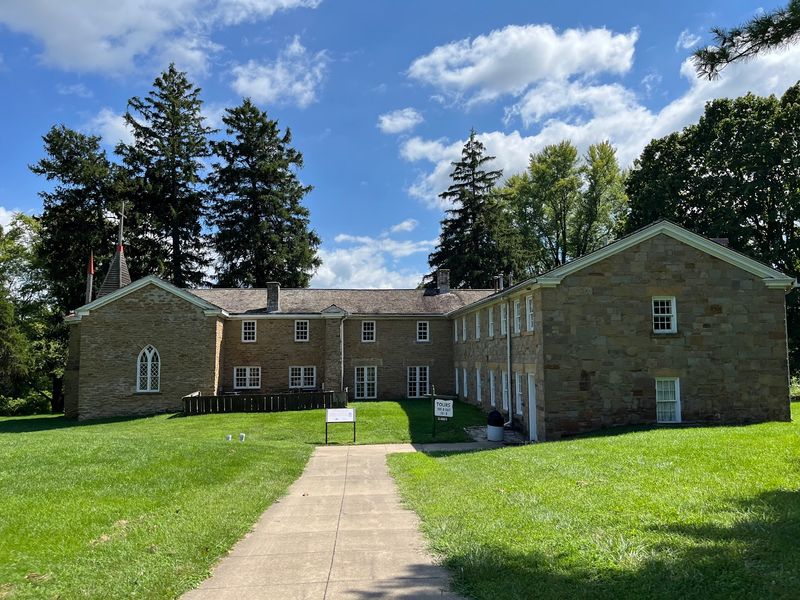
The address on the map reads W Fussner Rd, Brimfield, IL 61517, and if you have never heard of Brimfield before, you are in good company. This small Peoria County town sits in a part of Illinois that most road trips skip entirely, which makes arriving at Jubilee College State Park feel like stumbling onto a well-kept secret.
The park spans a full 3,200 acres, and the size of it does not fully register until you start driving through. Rolling woodland opens up into prairie clearings, creek corridors wind through the lower ground, and the quiet hits you almost immediately.
The park is managed by the Illinois Department of Natural Resources and can be reached at (309) 446-3758. Online reservations are available, and the camp hosts on site are consistently described as friendly and genuinely helpful.
First-time visitors often mention that the rural setting feels completely removed from everyday life. The surrounding area is farmland and small towns, which only adds to the sense that you have traded your regular schedule for something much slower and a lot more worthwhile.
The College That Started It All: A 19th-Century History Lesson
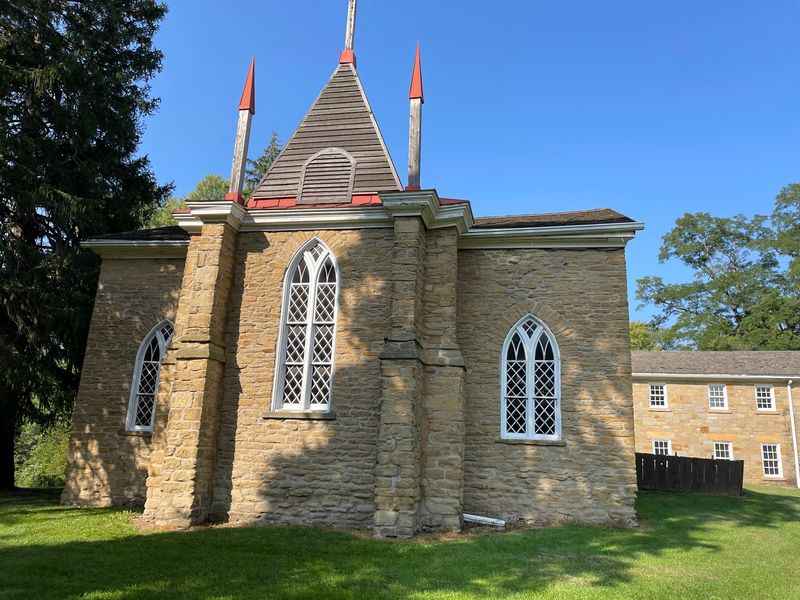
The name of this park is not just a catchy label. Jubilee College was a real institution, founded in 1839 by Philander Chase, the first Episcopal Bishop of Illinois.
Chase had already founded Kenyon College in Ohio before setting his sights on the Illinois frontier, and he brought the same ambitious vision with him when he arrived in Peoria County.
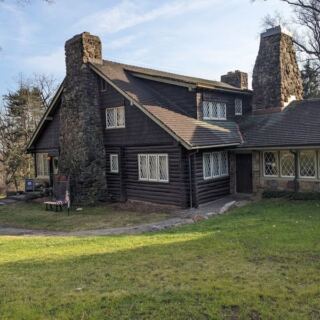
The college operated for several decades and served as one of the first educational institutions in the region. The original stone building still stands inside the park today, and it has been designated a National Historic Landmark, which puts it in genuinely rare company.
Chase himself is buried on the grounds, and visiting the old church and small graveyard nearby gives the whole place a quiet, layered feeling that most state parks simply do not have. History is woven into the landscape here rather than just posted on a sign.
The combination of natural beauty and genuine historical significance is what makes Jubilee College State Park stand out from the dozens of other parks across Illinois. You get the trails and the trees, and then you also get a story that stretches back nearly 200 years.
Forty Miles of Trail and What to Do With Them
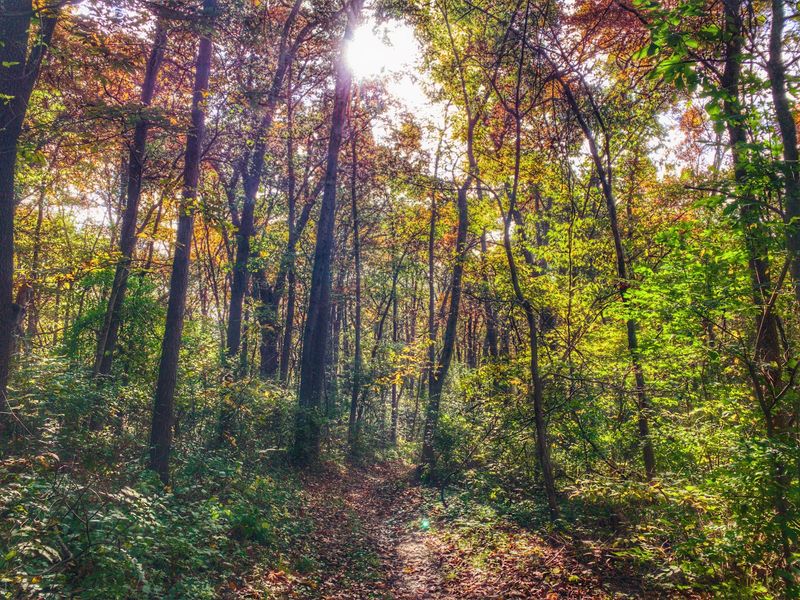
Forty miles of trails is not a small number, and the variety here keeps things interesting no matter how many times you visit. The trail system at Jubilee College State Park accommodates hikers, horseback riders, and mountain bikers, which means the same acreage serves a genuinely diverse crowd of outdoor enthusiasts.
Hiking trails are wide and reasonably easy to navigate, though some sections have uneven terrain that rewards sturdy footwear. The horse trails are well-trimmed and marked, with maps available at the park that are clear and easy to read even for first-time visitors.
Mountain biking has a dedicated following here, and the wooded paths offer enough variation to keep riders engaged without feeling impossibly technical. The creek crossings and natural surface trails give the rides a raw, satisfying quality that paved paths simply cannot replicate.
One practical tip worth remembering: hunting is permitted in certain areas during season, so hikers and bikers should check the seasonal schedule before heading out, especially in spring turkey season when the woods may be restricted until early afternoon.
Camping Options for Every Style of Outdoor Sleeper
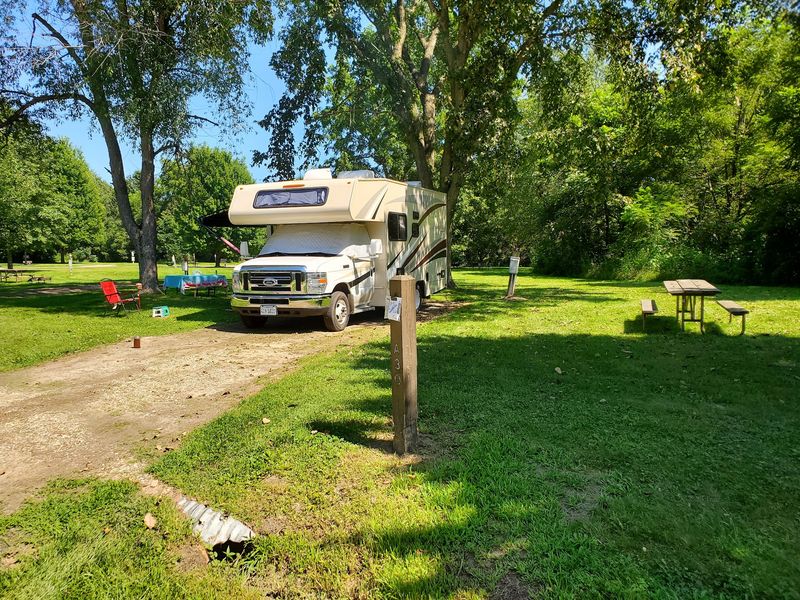
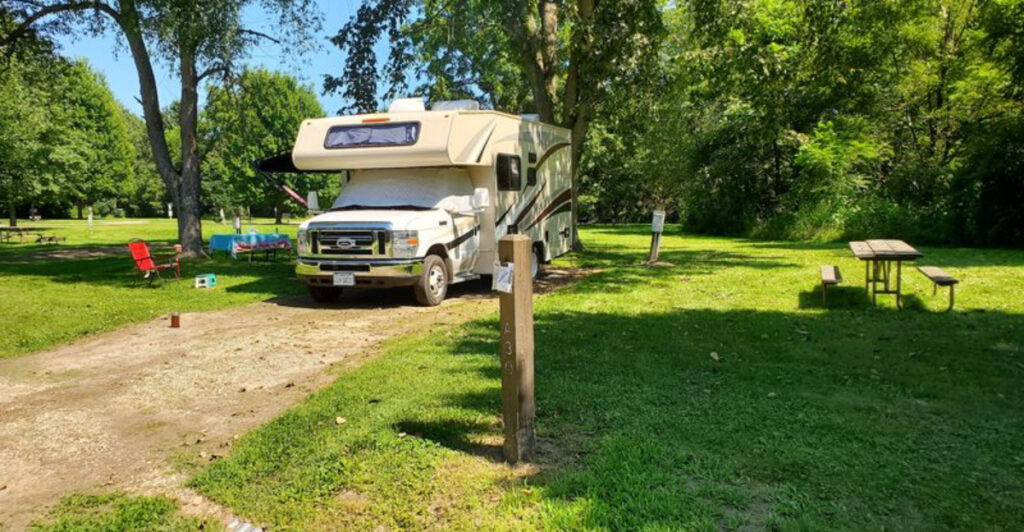
Camping at this park covers a solid range of preferences, from fully self-contained RV setups to basic tent pitching in a quiet loop. Electric hookups are available at most sites, though running water is not always right at your spot, so knowing where the water spigots are scattered around the park is useful information to gather at check-in.
The campsites in Loop C have been praised for their beautiful fall setting, though some spots can be tricky to level, especially for larger rigs. Sites are fairly close together, which works well if you are camping with friends but feels a bit snug when surrounded by strangers.
Weekdays, particularly Monday and Tuesday, bring a noticeably quieter atmosphere, and the dark skies on a clear night are a genuine reward for anyone willing to skip the city lights for a couple of evenings. The absence of light pollution makes the stars genuinely stunning.
The camp hosts receive consistent praise for being welcoming and helpful. Reservations can be made online, and the pricing is considered fair for what you get, which is a peaceful, rural experience without a lot of fuss or unnecessary extras.
The Sunflower Fields That Stop Traffic Every Summer
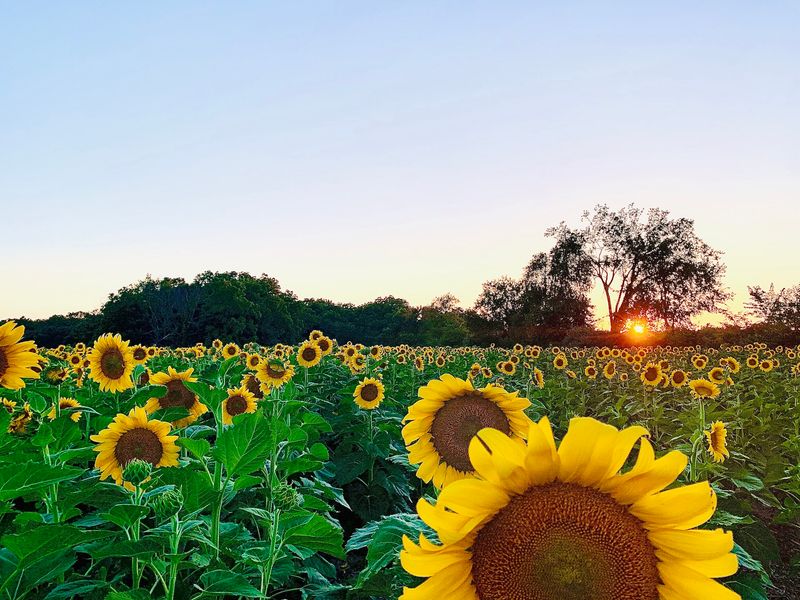
Every summer, something remarkable happens just west of the park along Thousand Dollar Road, and it has nothing to do with the trails or the historic buildings. A sprawling sunflower field bursts into bloom, and the sight of it draws visitors from across the region who line their cars along the road just to get a look.
The fields are not technically inside the park boundary, but they are directly associated with the area and mentioned by nearly every visitor who times their trip right. Signs along Route 150 point the way if you keep your eyes open, and the turnoff is worth every bit of the minor navigation it requires.
Photography enthusiasts treat this spot as a seasonal destination in its own right. The combination of golden sunflower heads stretching to the horizon and the rural Illinois backdrop creates a visual payoff that genuinely earns the drive.
Timing matters here. The bloom is not a year-round event, so checking local reports or the park’s information line before planning a sunflower-specific visit is a smart move.
Show up at the right moment, though, and the scene is the kind that makes people stop the car mid-road without any apology.
Wildlife Encounters Along the Creek
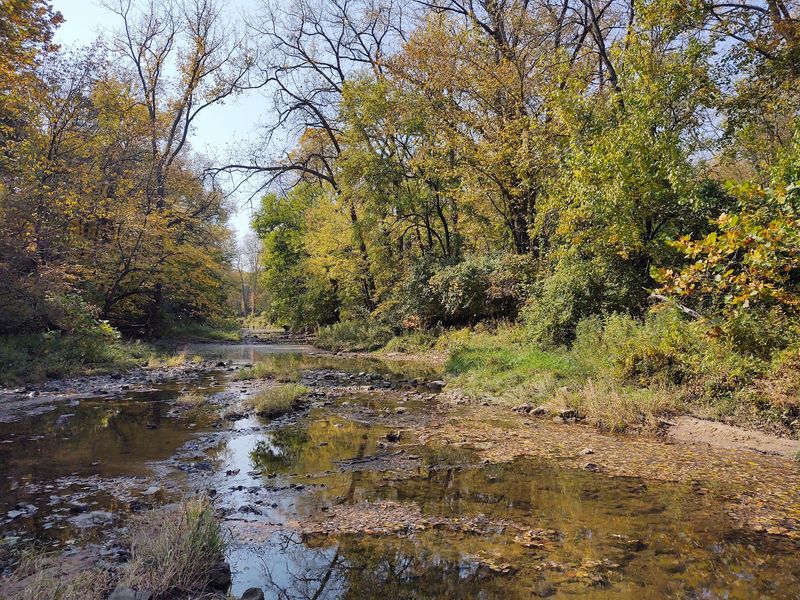
The creek running through the park is one of its most quietly exciting features, and spending even an hour along its banks tends to produce a surprising roster of wildlife sightings. Water snakes, raccoons, crayfish, soft-shelled turtles, tree frogs, and walking sticks have all been spotted by visitors who took the time to slow down and look carefully.
Raccoons, in particular, have a reputation for bold behavior near campsites. One family visiting the creek area watched a raccoon march directly into their camp and make off with hamburger buns in broad daylight, which is funny in retrospect and slightly less funny in the moment.
The creek itself is a natural draw for kids who want to get their feet wet and explore. Crayfish are easy to spot in the shallower sections, and the rocky creek bed makes for satisfying wading on a warm afternoon.
Beyond the creek, the park’s diverse habitat supports a wide range of birds and woodland mammals. The prairie sections attract different species than the forested areas, so moving between habitats during a single visit can yield a genuinely varied wildlife experience without covering an enormous amount of ground.
Fishing, Ponds, and Patient Afternoons
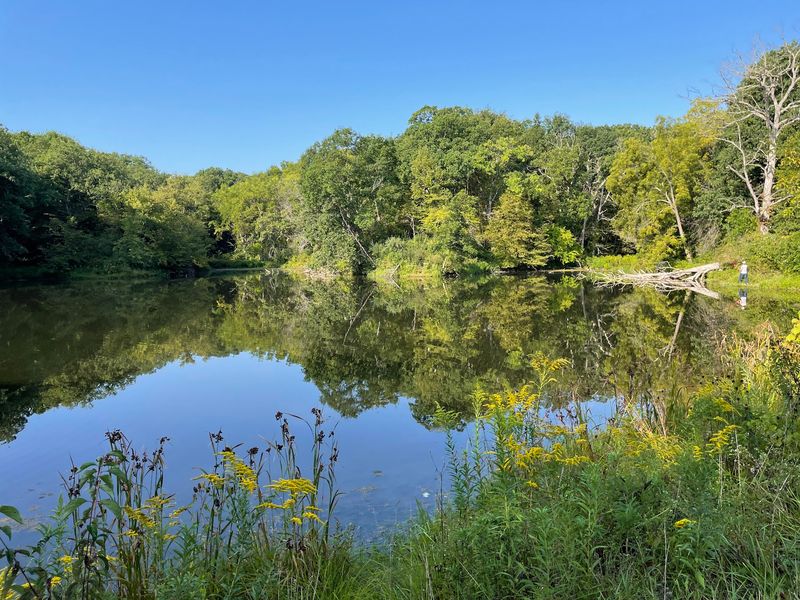
Fishing at Jubilee College State Park is the kind of low-key outdoor activity that rewards patience and punishes hurry. The fishing pond draws anglers who want a quiet spot without the crowds of larger lakes, and the results speak for themselves: families have reported solid catches, with multiple fish landed in a single outing.
The atmosphere around the pond is calm and unhurried. There are no motorboats, no loud music, and no competition for space on a typical weekday.
Just the sound of water, the occasional splash, and whatever wildlife decides to wander through the reeds.
Hot water and good pressure in the shower facilities nearby make the post-fishing cleanup a lot more pleasant than at some comparable parks. That small detail tends to matter more after a long day outdoors than most people expect it to before they arrive.
Fishing here pairs naturally with a broader camping trip rather than standing alone as the main event. Combine a morning at the pond with an afternoon hike and an evening around the campfire, and you have the kind of day that feels genuinely restorative rather than just busy.
The fish are a bonus, but the setting is the real draw.
Horseback Riding and the Trails Built for It
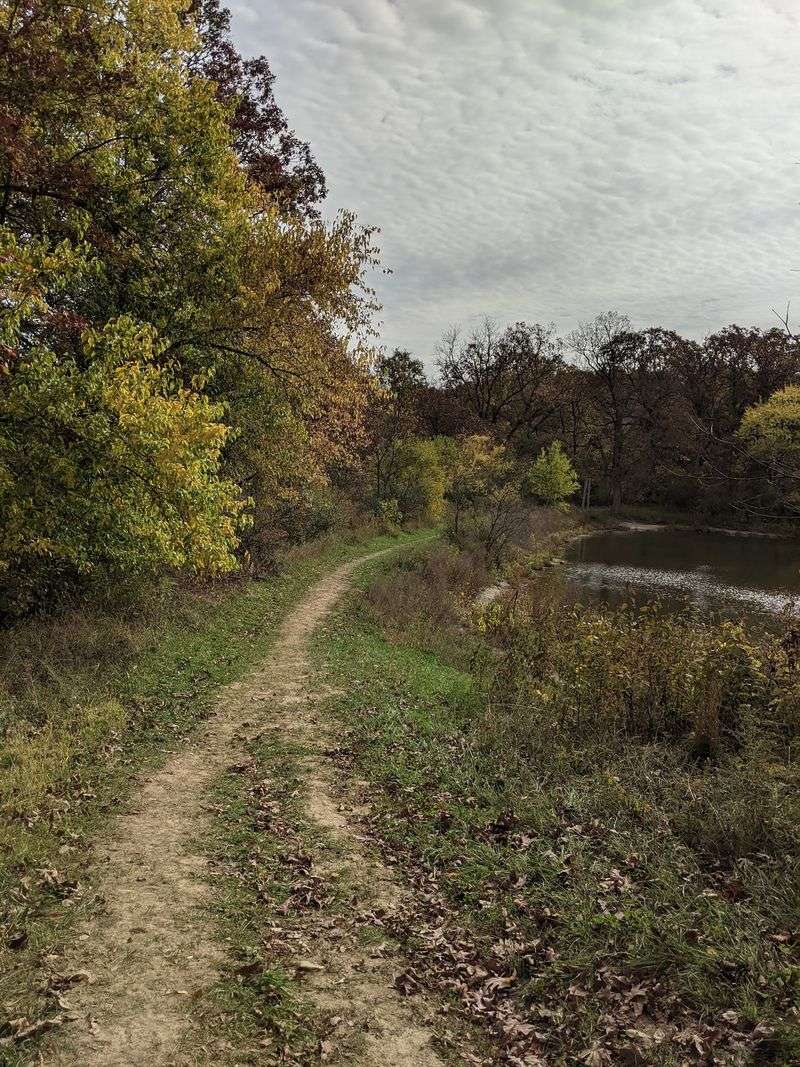
Horseback riding has a dedicated following at this park, and the infrastructure for it is genuinely thoughtful. A mounting area with handicap accessibility makes the trails available to a wider range of riders, and the trail maps are clear enough that navigating without a guide feels completely manageable.
The horse trails are trimmed and marked, which matters more than it might sound after you have spent time on overgrown paths at other parks. Riders report covering several hours of trail without losing their way, which is a quiet but meaningful endorsement of how the system is maintained.
The social atmosphere on the horse trails tends to be warm and welcoming. Riders often cross paths and strike up conversations, and there is a loose community feel among the equestrian visitors that adds a pleasant social layer to an otherwise solitary activity.
Primitive camping with water access makes it possible to bring horses for a multi-day stay, which is a setup that dedicated trail riders genuinely appreciate. Not every state park accommodates equestrian overnight visits, so finding one that does with this much trail mileage available is a real draw for riders across central Illinois and beyond.
Stargazing and the Gift of Dark Skies
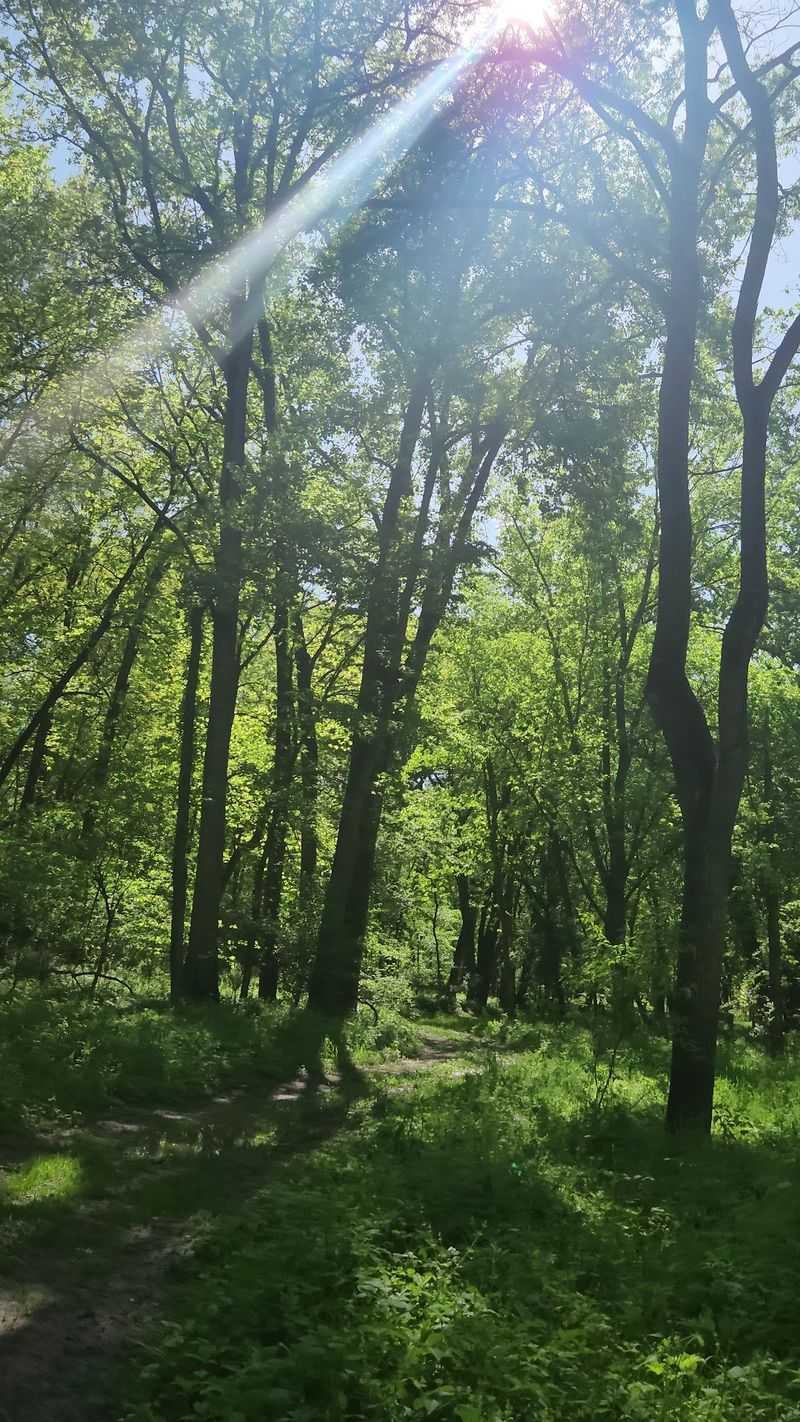
One of the least expected rewards of spending a night at this park is what happens after the sun goes down. The rural location, combined with minimal light pollution from surrounding towns, produces a night sky that genuinely earns the word stunning.
On a clear night, the stars are dense enough to feel almost overwhelming.
Multiple visitors have specifically called out the darkness of the sky as one of the park’s standout qualities, and that is not something you hear about every campground in central Illinois. Most places within driving distance of a mid-sized city carry enough ambient glow to wash out the fainter stars entirely.
The best nights for stargazing here tend to be weeknights in late summer or early fall, when the air is clear and the campground is quieter. Bring a reclining chair or a blanket, skip the flashlight for the first half hour, and let your eyes adjust fully to the dark.
The combination of total quiet and a genuinely dark sky is the kind of experience that feels increasingly rare and increasingly valuable. It is the sort of thing that makes a modest campsite feel like a luxury, and it costs nothing extra beyond the price of a campsite reservation.
Prairie Restoration and Natural Area Management
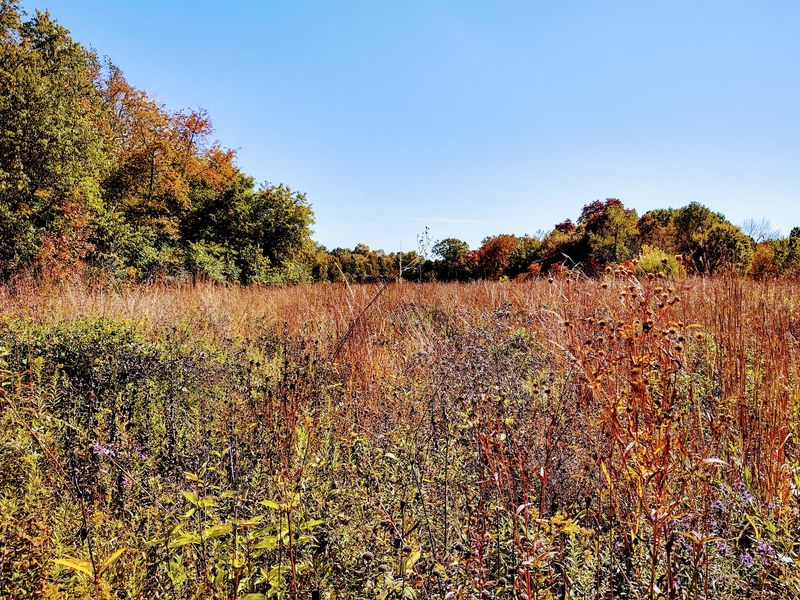
Beyond the trails and the campground, there is an active ecological story unfolding at Jubilee College State Park that does not always get the attention it deserves. The park’s management team has been working on restoring native prairie and natural areas, including the removal of invasive plant species that crowd out the plants and animals that belong here.
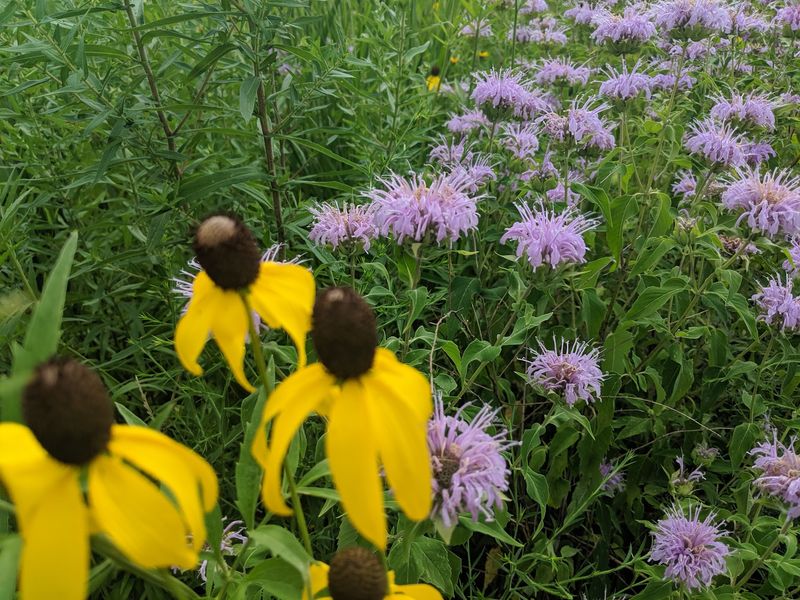
Wildflowers are a notable feature of the landscape during spring and summer, and the variety draws photographers and casual walkers alike. The open pavilion areas and hideaway clearings scattered through the park provide natural backdrops that feel effortlessly photogenic without any staging required.
The fall season transforms the park into a different experience entirely. The tree canopy shifts through a full range of warm colors, and the cooler air makes longer hikes far more comfortable than the humid summer months allow.
Visitors who have seen the park in October describe it as a completely different place worth returning to specifically for the foliage.
The ongoing restoration work reflects a genuine investment in the park’s long-term health. Seeing a state park actively managed for ecological quality rather than just maintained at a minimal level is encouraging, and the results are visible in the diversity of plants and wildlife that reward observant visitors.
Practical Tips Before You Pack the Car
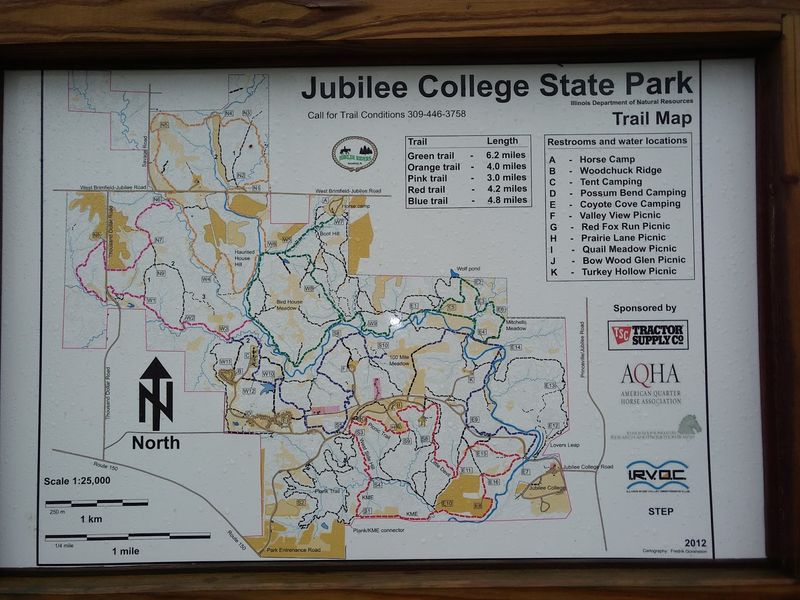
A few pieces of practical knowledge can make the difference between a smooth visit and a frustrating one at this park. Trail signage has been inconsistent in the past, so downloading a map ahead of time or grabbing a paper copy at the entrance is a genuinely good idea rather than optional preparation.
Tick activity is real and worth taking seriously, particularly during warmer months. Long pants, insect repellent, and a thorough check after any trail time are standard precautions that apply here as much as anywhere else in the Midwest woodlands.
Hunting seasons affect trail access in certain areas, so checking the Illinois DNR website at dnr.illinois.gov before visiting during spring turkey season or fall hunting periods will save you the frustration of showing up to a closed section. The park phone number, (309) 446-3758, is also useful for a quick call to confirm current conditions.
Restroom facilities vary across the park. Some are basic pit-style outhouses, while the main shower house offers proper facilities with good water pressure and reliable hot water.
Packing hand sanitizer and a small tablecloth for picnic areas rounds out the kind of low-effort preparation that pays off noticeably once you are on site.
Why This Park Deserves a Spot on Your Illinois Bucket List
There are plenty of state parks in Illinois, but very few of them carry the particular combination of qualities that make Jubilee College State Park worth singling out. The 40 miles of multi-use trails, the 19th-century historic site, the sunflower fields, the creek wildlife, the dark skies, and the active prairie restoration all stack up into something that feels genuinely layered rather than just scenic.
The park holds a 4.4-star rating across nearly 600 reviews, which reflects a real and consistent quality of experience rather than a handful of enthusiastic outliers. The complaints that do appear tend to focus on specific amenities rather than the natural setting, which speaks well of what the land itself offers.
Budget cuts have affected the park in the past, and some infrastructure still reflects that history. But the volunteer efforts and renewed management attention have brought the trails and facilities back to a point where most visitors leave satisfied and many plan a return trip.
Central Illinois has a way of surprising people who expect flat monotony and find rolling woodland instead. Jubilee College State Park is exactly that kind of surprise, and it earns every mile of the drive out to Brimfield without needing any exaggeration to make the case.
Share this story