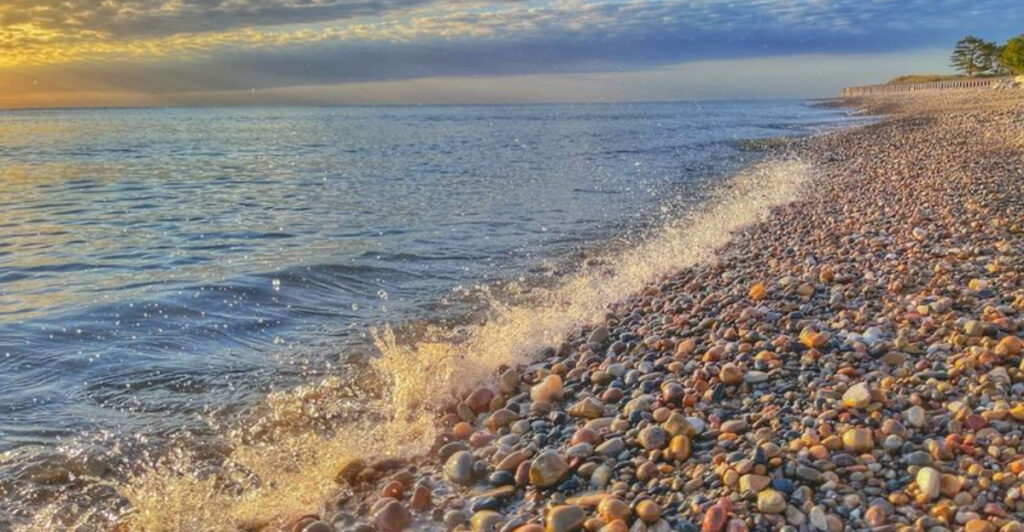
There is a stretch of Lake Michigan shoreline in northern Illinois that most people have never heard of, and honestly, that feels like a well-kept secret worth spilling. Tucked into the city of Zion, this 4,160-acre state park holds something truly rare: the last remaining natural beach-ridge shoreline in the entire state of Illinois.
Sand dunes, oak forests, wetlands, and miles of open beach all exist here in one place. I visited on a late September afternoon, and the sight of that wide, clean shoreline with almost nobody on it genuinely stopped me in my tracks.
Stick with me, because this park has a lot more going on than just a pretty beach.
Where to Find This Hidden Shoreline Treasure
Not every remarkable natural area announces itself with fanfare, and Adeline Jay Geo-Karis Illinois Beach State Park is proof of that. The park sits at 1 Lake Front Dr, Zion, IL 60099, right along the western shore of Lake Michigan in Lake County, just a short drive south of the Wisconsin border.
Getting there is straightforward from Chicago, roughly 40 miles north on Interstate 94 before heading east toward the lake. The address drops you right at the main entrance, where a large parking lot greets you without charging a single dollar for admission.
The park is open daily from 8 AM to 10 PM, so you have plenty of daylight hours to explore. For questions or camping reservations, you can reach the park at (847) 662-4811 or check the official site at dnr.illinois.gov.
The location itself feels surprisingly removed from the suburbs surrounding it, and that contrast makes the first view of the open shoreline feel genuinely rewarding.
The Story Behind the Park’s Unusual Name
The full name of this park is a mouthful, and there is a good reason for every word in it. Adeline Jay Geo-Karis was an Illinois state senator who served for decades and fought hard to protect this stretch of Lake Michigan shoreline from development during a time when real estate pressure was intense.
Her advocacy helped preserve what would otherwise have become condominiums and commercial properties. The state of Illinois honored her efforts by attaching her name to the park permanently, a fitting tribute to someone who understood that natural land, once paved over, does not come back.
Before her involvement, the park was simply known as Illinois Beach State Park, a name it still carries informally. Knowing this history changes how you walk the trails.
Every dune you climb and every wave you hear crashing against the shore exists in part because one determined person refused to let it disappear. That is a story worth remembering on every visit.
The Last Beach-Ridge Shoreline in Illinois
What makes this park scientifically and ecologically remarkable is something most visitors walk right past without realizing it. The beach-ridge topography here consists of a series of parallel sand ridges running along the shoreline, each one representing an ancient shoreline position of Lake Michigan from thousands of years ago.
As the lake receded over time, it left behind these ridges, and in the low areas between them, wetlands and marshes formed. This creates an almost layered landscape where you move through distinct habitat zones in just a short walk.
Nowhere else in Illinois has this geological feature survived intact.
Urban development, agriculture, and erosion have erased similar formations everywhere else in the state. Here, the ridges are protected, studied, and slowly recovering in some areas where invasive species have been cleared.
Standing on one of those ridges and looking back toward the water, you get a real sense of how ancient this landscape actually is, long before any city existed nearby.
Miles of Sand, Stones, and Open Water
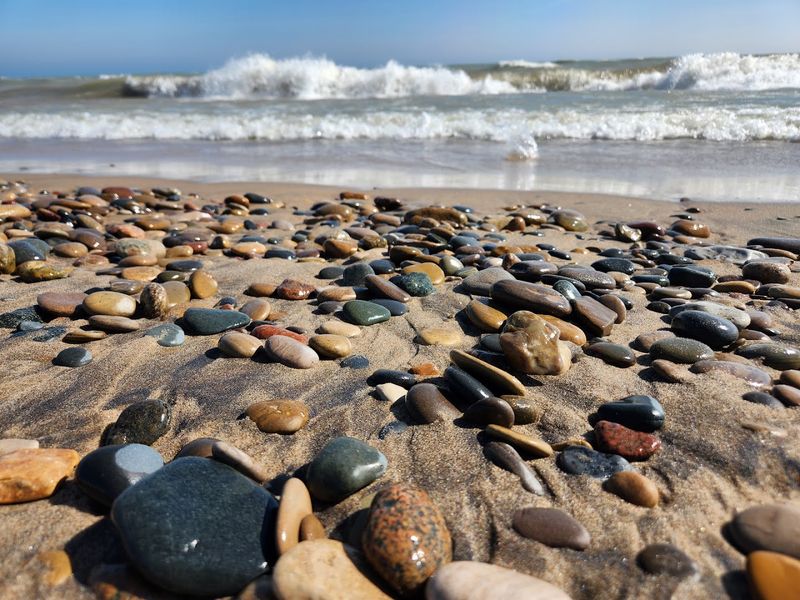
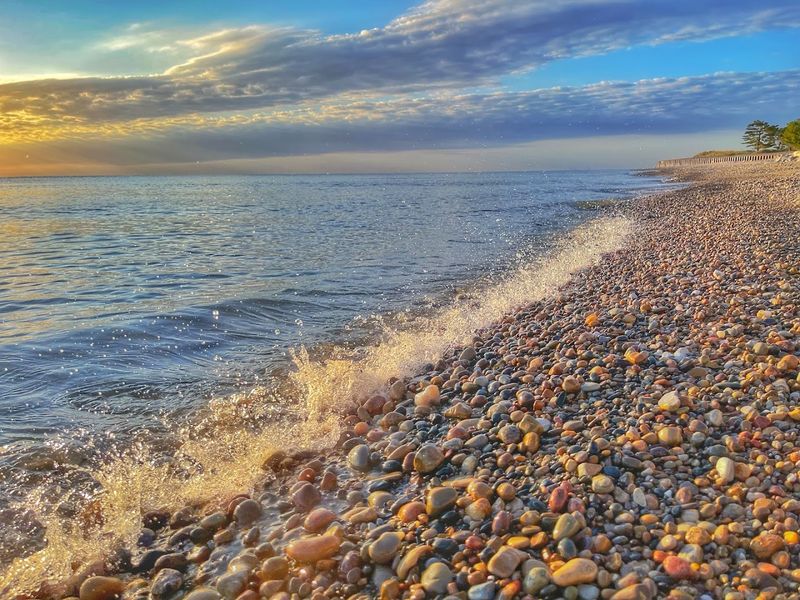
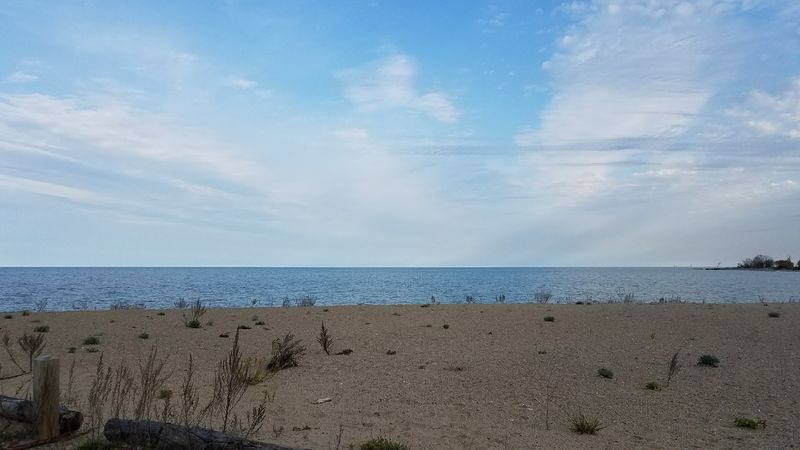
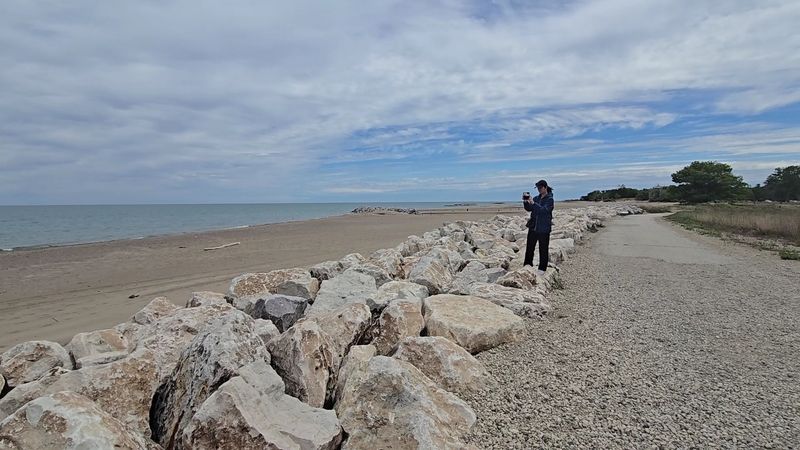
The beach itself runs for about six and a half miles, which is long enough that even on a busy summer weekend you can find a quiet spot if you walk far enough. The sand is soft and pale near the upper beach, while smooth rounded stones appear closer to the waterline, polished by decades of wave action.
Swimming is allowed, though there are no lifeguards on duty, so the park operates on a swim-at-your-own-risk policy. The water in Lake Michigan stays cold for much of the year, but on a hot July afternoon that chill feels like a reward rather than a complaint.
Windsurfers and paddlers also use the beach regularly, and on breezy days the conditions can be surprisingly lively. The sheer size of the lakefront means the beach never feels cramped, and the absence of commercial vendors or loud attractions keeps the atmosphere calm.
Seagulls patrol the shoreline with impressive confidence, so keep a hand on your snacks.
Trails Through Dunes, Wetlands, and Oak Savanna
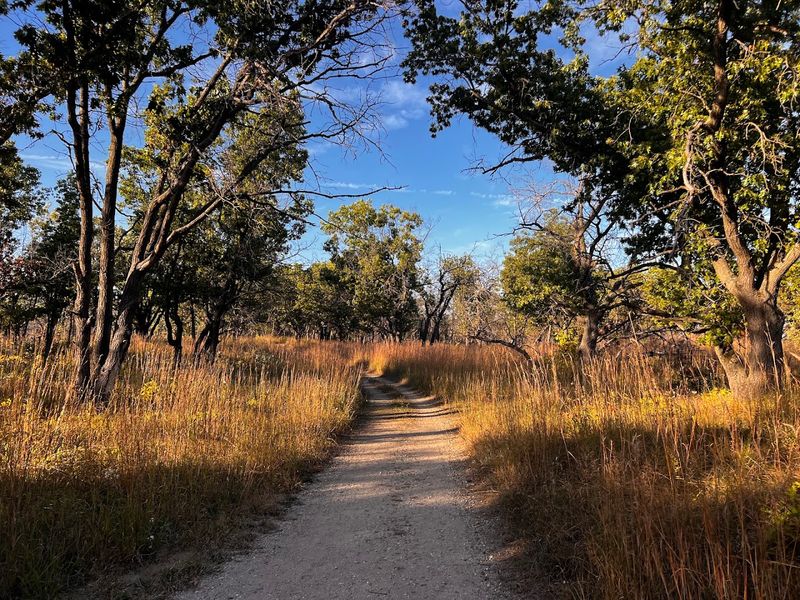
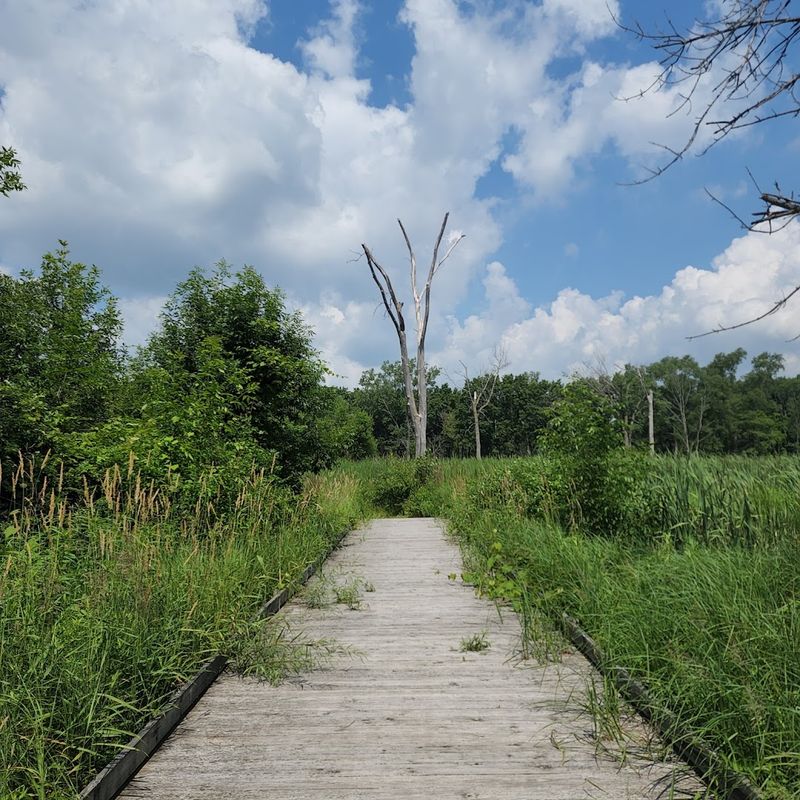
Beyond the beach, the park opens up into a surprisingly diverse trail network that cuts through several distinct ecosystems. Sand dunes covered in beach grass give way to open oak savannas, and those transition into wetland areas where cattails and sedges grow thick along the edges of shallow ponds.
The trails are well-marked and relatively flat, making them accessible for most fitness levels, including families with younger children. The Dead River area, a seasonally connected waterway that flows through the park, is a particularly scenic stretch where the trail runs close to the water and wildlife sightings are common.
White-tailed deer appear frequently along the wooded sections, and birdwatchers will find the park rewarding during spring and fall migration seasons. The combination of lake, dune, forest, and wetland in one relatively compact area is genuinely unusual for the Midwest.
Covering all the main trails takes a few hours at a comfortable pace, and each loop offers a noticeably different feel from the last.
Camping Right Next to the Lake
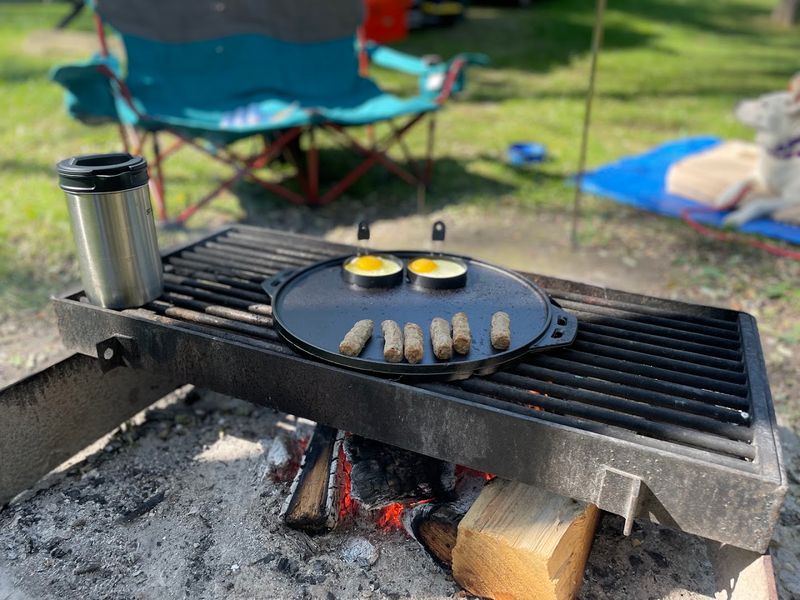
Few campgrounds in Illinois can claim a location this close to a Great Lakes shoreline, and that proximity is a big part of what makes the camping here special. The campground offers both tent and RV sites, with electricity available at many spots, and the beach is close enough to walk to in just a few minutes.
Sites near the bathrooms and shower facilities tend to book up fast, especially around holidays and summer weekends, so reserving early through the Illinois state parks website is strongly recommended. Prices are reasonable compared to private campgrounds in the region, and a three-day stay during peak season typically runs around a hundred dollars depending on your site selection.
The campground also has a fire pit and picnic table at most sites, and a small camp store operates Thursday through Sunday during the warmer months. Campsites vary in size and privacy, so checking the map before booking helps you avoid surprises.
Waking up to the sound of Lake Michigan waves just beyond the tree line is genuinely one of the better alarm clocks available in northern Illinois.
Wildlife and Natural Diversity Worth Slowing Down For
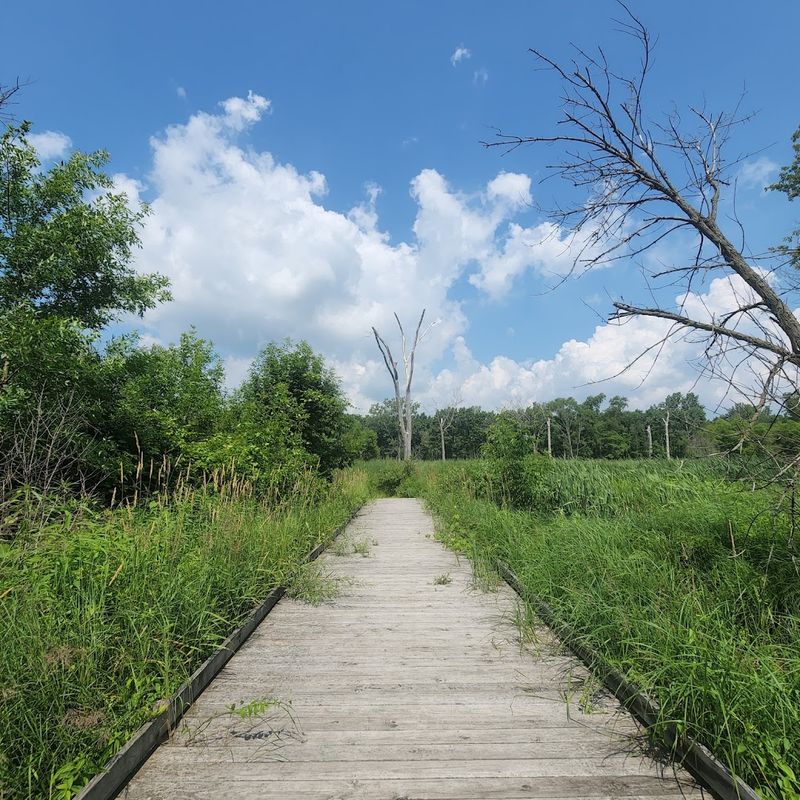
The ecological range packed into this park’s 4,160 acres supports a surprisingly long list of wildlife species. White-tailed deer are nearly guaranteed sightings along the wooded trails, and red foxes have been spotted in the dune areas by patient visitors willing to sit quietly for a few minutes.
Shorebirds and waterfowl use the Dead River corridor and the lake edge throughout the year, and during migration the park becomes a reliable stop for warblers, sandpipers, and other species moving along the Lake Michigan flyway. The wetland zones support frogs, turtles, and a variety of insects that form the base of a healthy food chain.
Rare plant species also grow in the dune and ridge habitats, some of which are found in very few other locations in the state. The Illinois Department of Natural Resources actively manages the park to control invasive plants and restore native species, which means the natural diversity here is not just surviving but gradually improving.
A slow walk with your eyes open rewards you far more than a quick stroll ever would.
Fishing, Boating, and Water Recreation
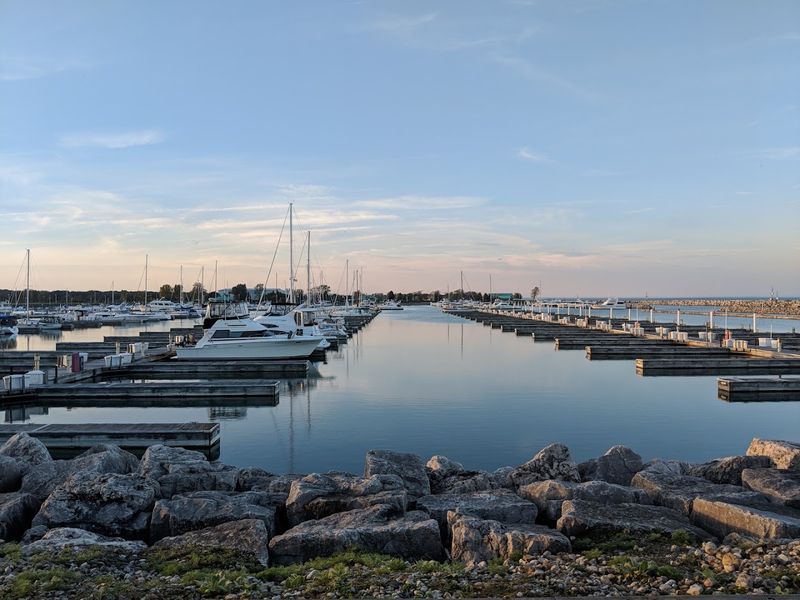
The park draws a steady crowd of anglers who come specifically for the Lake Michigan fishing access, which is both free and productive at the right times of year. Coho salmon, rainbow trout, perch, and smallmouth bass are among the species that bring fishermen back season after season.
No boat launch exists directly at the main beach area, but the park’s northern section provides access points for non-motorized watercraft including kayaks and canoes. Paddling along the shoreline with the dunes on one side and open lake on the other is a perspective that few people get to experience this far north in Illinois.
The Dead River, when connected to the lake during high water periods, also offers a calm paddling route through the interior of the park. Fishing from the beach or the rocky jetty areas is a popular option for those without boats, and the flat sandy bottom near the shore drops off gradually, giving waders a comfortable entry.
The park does not require a state fishing license waiver, so standard Illinois fishing regulations apply to all visitors.
Best Times to Visit and What to Expect Each Season
Summer is the busiest season by a wide margin, with weekends from late June through August drawing large crowds to the beach. Parking fills up by mid-morning on hot days, so arriving before 9 AM gives you a real advantage and a much calmer experience overall.
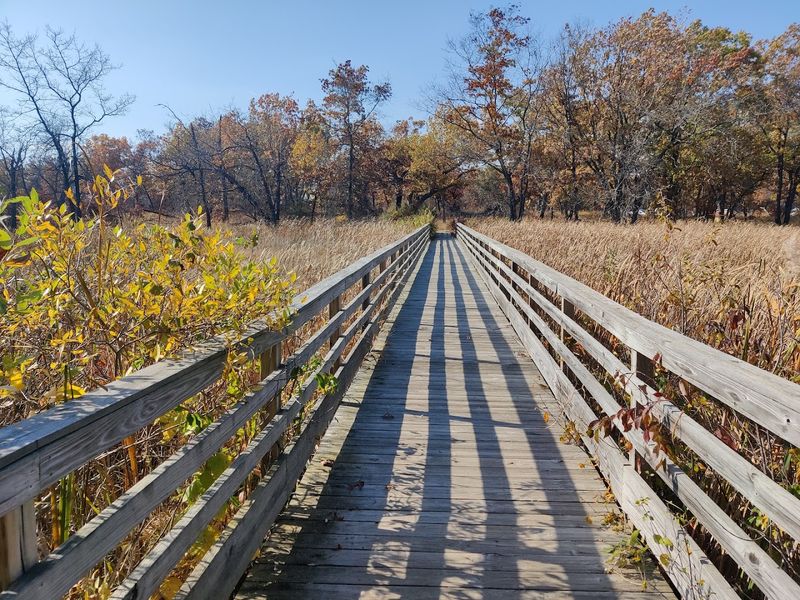
Late September and early October offer some of the most pleasant conditions in the park. The crowds thin out dramatically, the oak trees shift to warm amber and gold, and the lake takes on a deeper blue color that photographs beautifully.
Temperatures stay comfortable for hiking well into October most years.
Winter visits are quiet and stark in the best possible way. Ice formations along the shoreline and snow-dusted dunes create a completely different visual character that feels almost surreal.
Spring brings the return of migrating birds and wildflowers in the savanna areas, making April and May excellent months for nature-focused visits. No matter the season, the park’s open hours remain 8 AM to 10 PM daily, giving you a reliable window to plan around throughout the entire year.
Practical Tips Before You Head Out
Admission to the park is completely free, which makes it one of the better outdoor values anywhere near Chicago. The large parking lot accommodates a significant number of vehicles, and overflow areas handle the busiest summer days reasonably well without major delays.
Restrooms are available near the beach and campground areas, though the facilities are basic and lack showers at the day-use beach area. Bringing your own water is a smart move since the camp and beach store only operates Thursday through Sunday during the season and does not always have full stock.
No food vendors operate on the beach itself, so packing a cooler keeps your options open.
The park has no lifeguards, no designated swim zones with buoys, and no shade structures on the beach, so sun protection and personal safety awareness are fully your responsibility. Dogs are welcome on a leash throughout most of the park, though beach access rules for pets can vary by season.
Checking the Illinois DNR website before your trip takes about two minutes and saves you from any surprises at the gate.
Share this story