There is a small corner of southern Illinois where trees have been standing since before the United States existed, and most people drive right past it without ever knowing. The forest there is not manicured or commercialized.
The trails wind through towering hardwoods that have never been cut, and the silence is the kind you have to earn by getting away from the highway. This place holds a rare piece of natural history that feels almost secret, even though it is a fully functioning state park open to anyone willing to make the trip.
Once you read what is waiting here, you will want to start planning your visit right away.
Where Exactly You Will Find This Hidden Forest
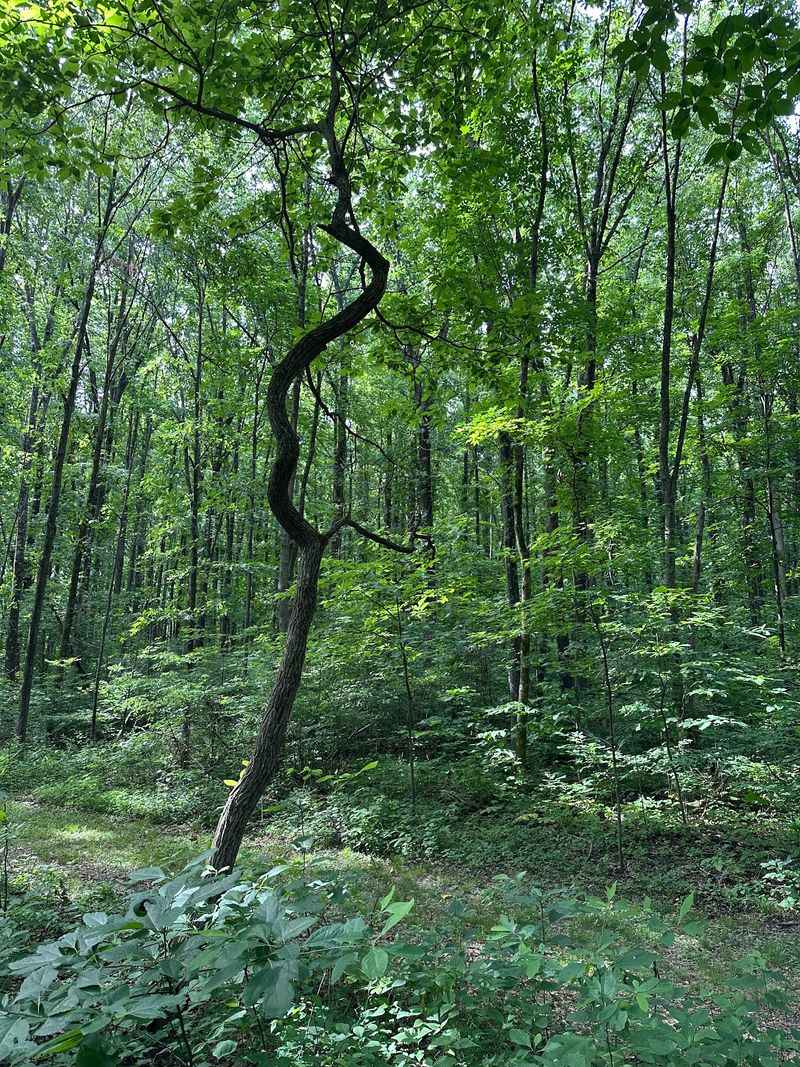
Tucked along the banks of the Wabash River in far southeastern Illinois, Beall Woods State Park sits at 9285 Beall Woods Fire Ln, Mt Carmel, IL 62863. The park is open every day from 8 AM to 10 PM, and you can reach the office by calling +1 618-298-2442.
Getting there requires a bit of a drive from most major Illinois cities, but that remoteness is honestly part of the charm. The roads leading into the park are narrow, so if you are towing a camper or trailer, take that seriously before you head out.
Cell service is limited or nonexistent in parts of the park, so download your maps and directions before you arrive.
The park sits in Wabash County, a region that does not always make the top of Illinois travel lists, which means you are unlikely to deal with crowds. The GPS coordinates place the park at 38.3478709, -87.8358306 if you want to be precise about it.
More details are also available at the official Illinois DNR website.
The Ancient Trees That Make This Place Truly Special
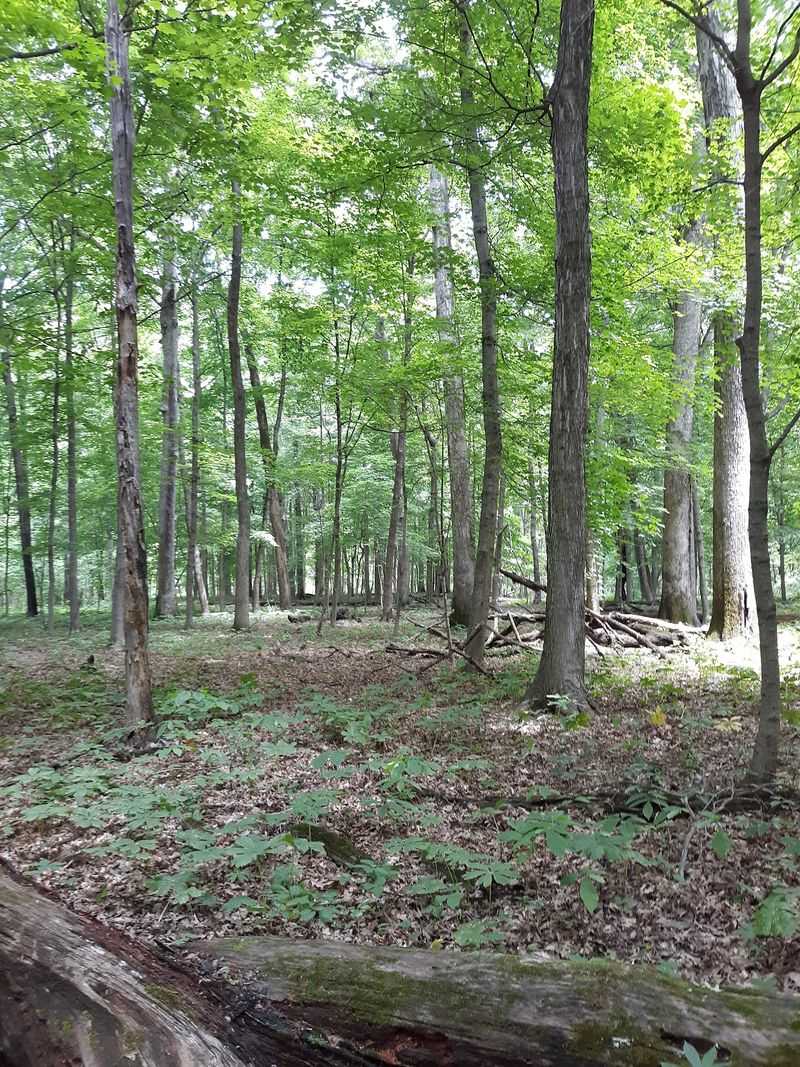
Some forests feel old, but Beall Woods feels ancient in a way that stops you mid-step. The park preserves one of the largest remaining tracts of virgin timber in the entire Midwest, with trees reaching up to 120 feet tall and some estimated to be over 300 years old.
These are not trees that grew back after logging. They were never cut down in the first place, which makes the forest feel genuinely different from anything most people have walked through before.
Species like white oak, bur oak, shellbark hickory, and sycamore dominate the canopy, creating a layered world of bark, branches, and filtered light.
The sheer size of some of these trunks is hard to describe without standing next to one. A few of the largest trees are so wide that two adults stretching their arms out could not reach around them.
That kind of scale puts everything in perspective and makes the everyday world feel a little smaller, in the best possible way.
Hiking Trails Through a Forest That Feels Like a Time Capsule
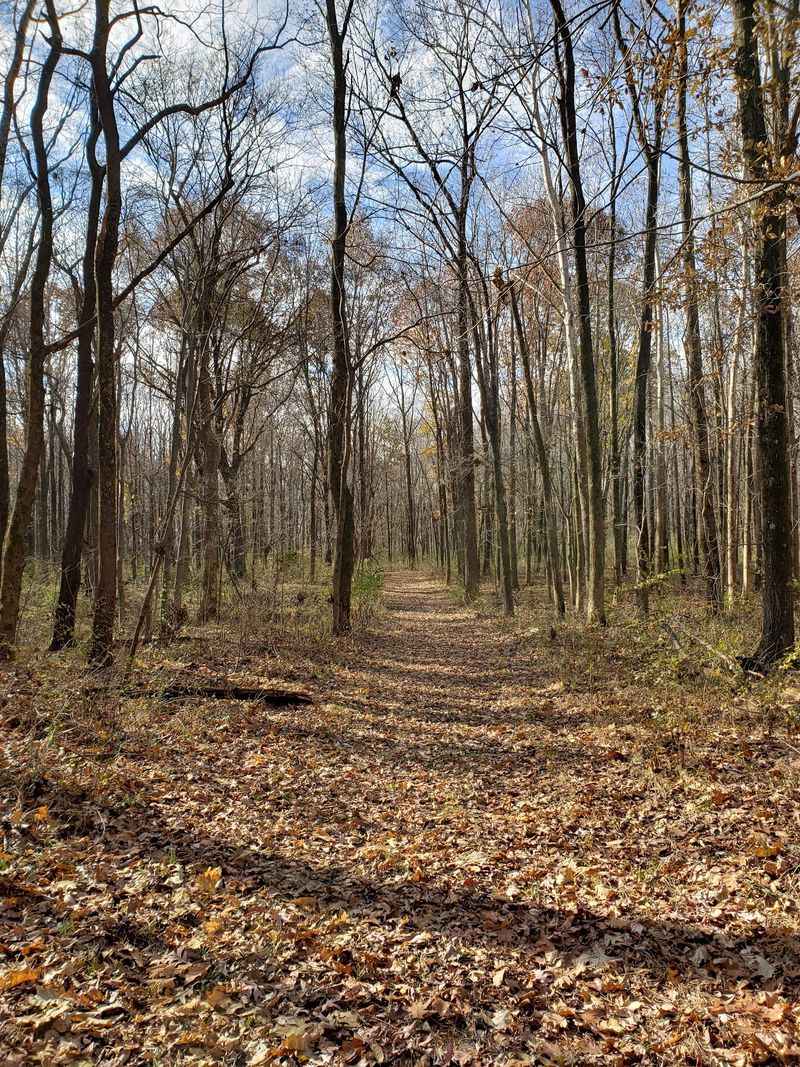
The trail system at Beall Woods is not enormous, but what it offers is quality over quantity. Most of the trails are wide, mostly flat, and well-marked, making them accessible to a broad range of hikers, including families with kids and older visitors who want a peaceful walk without steep climbs.
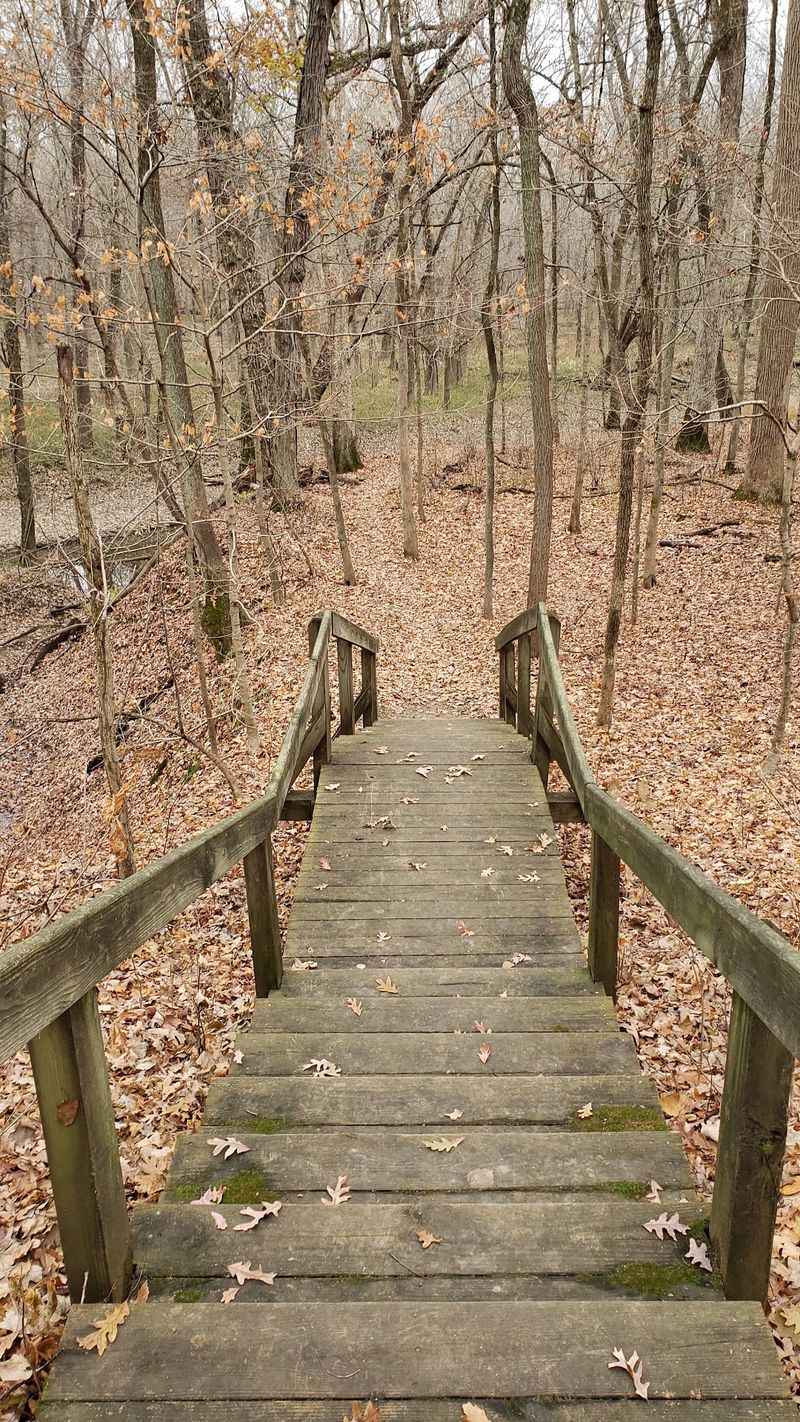
The most popular loop starts near the visitor center and winds through the heart of the old-growth section. Two small wooden bridges cross over narrow creeks along the way, adding a little charm to the route.
The trail surfaces can get wet and muddy after heavy rain, and some sections have been known to flood, so checking conditions before you visit is a smart move.
Dogs are allowed in the park, but only one designated trail permits them, and that trail is not always well-maintained. The trails are best enjoyed in spring and fall when the temperature is comfortable and the forest looks its most dramatic.
Bring solid footwear, plenty of water, and bug spray, because the mosquitoes in warmer months are not shy about making their presence known.
The Visitor Center and What You Will Learn Inside
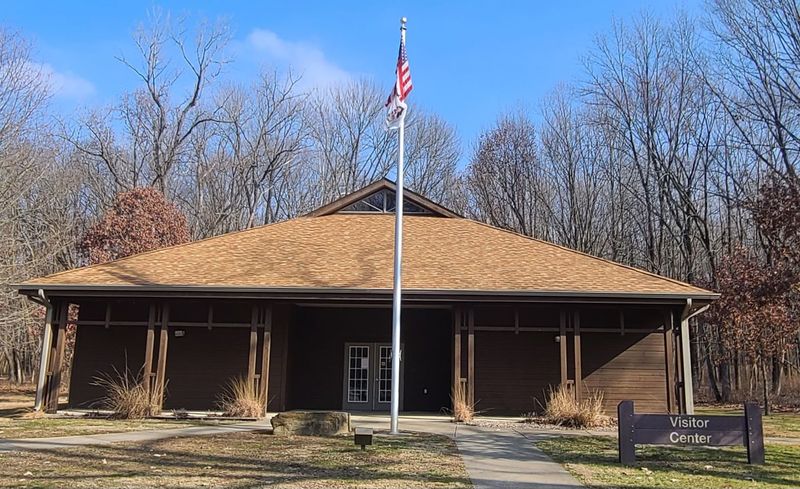
The visitor center at Beall Woods is a genuinely worthwhile stop, not just a place to grab a park map. The interpretive center features displays about the local wildlife, plant species, and the ecological history of this rare old-growth forest.
It gives you context that makes the hike that follows feel more meaningful.
The exhibits are approachable and easy to understand, which makes the center a great starting point for families with curious kids. There is information about the animals that live in and around the forest, including reptiles, amphibians, fish, and insects that call the Wabash River corridor home.
Visitors have noted spotting catfish of impressive size in the water nearby, which tends to make a lasting impression.
The staff at the visitor center can point you toward the best trails for your fitness level and give you up-to-date information about trail conditions. The building itself is clean and well-kept.
A quick visit inside before you hit the trails will absolutely improve the overall experience, especially if this is your first time at the park.
Fishing the Lake and the Wabash River Corridor
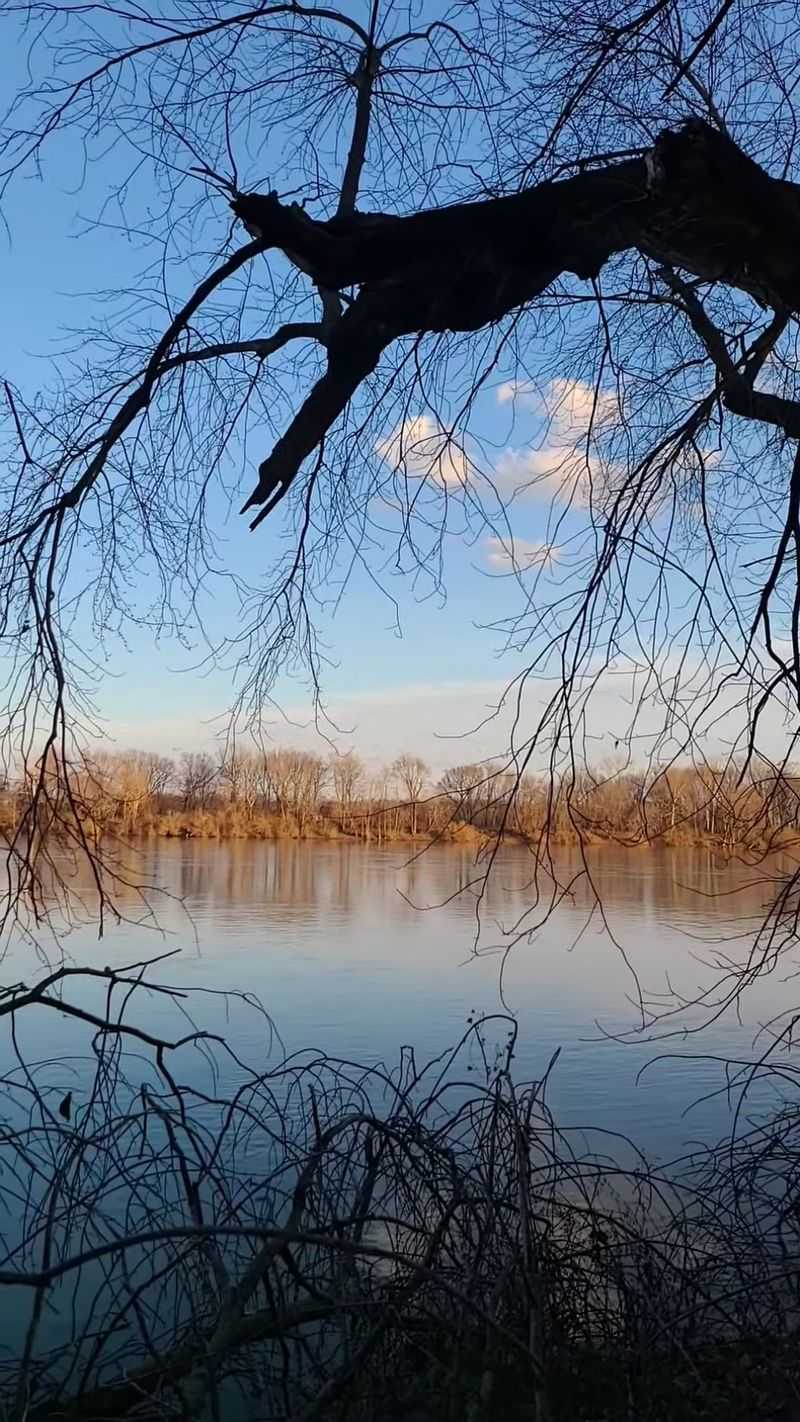
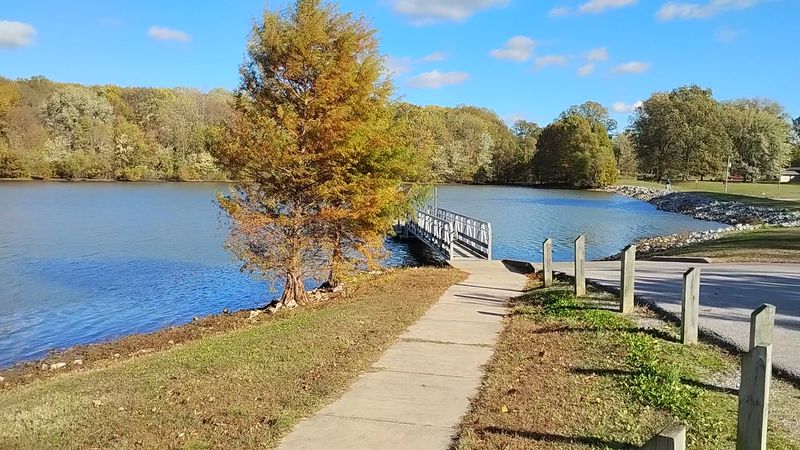
The lake at Beall Woods is a quiet, scenic spot that draws anglers of all skill levels. The water is stocked, and bluegill are particularly plentiful.
Bank fishing is easy and accessible, with the moss kept cleared so you can cast without too much hassle. Five bluegill in under an hour is a realistic expectation on a good day.
Boating is allowed on the lake, but only with electric motors. There is a boat ramp available for those who want to get out on the water, and kayaking is a popular option for visitors who want a peaceful paddle through the tree-lined shoreline.
Swimming is not permitted, so the lake stays calm and undisturbed.
The broader Wabash River corridor surrounding the park adds to the fishing opportunities and the overall sense of wildness. The river views are scenic, though downed trees and overgrown vegetation along the banks can sometimes block sightlines.
Early morning is the best time to be out on the water, when the light is low and the wildlife is most active around the edges of the lake.
Camping Under a Canopy of 300-Year-Old Trees
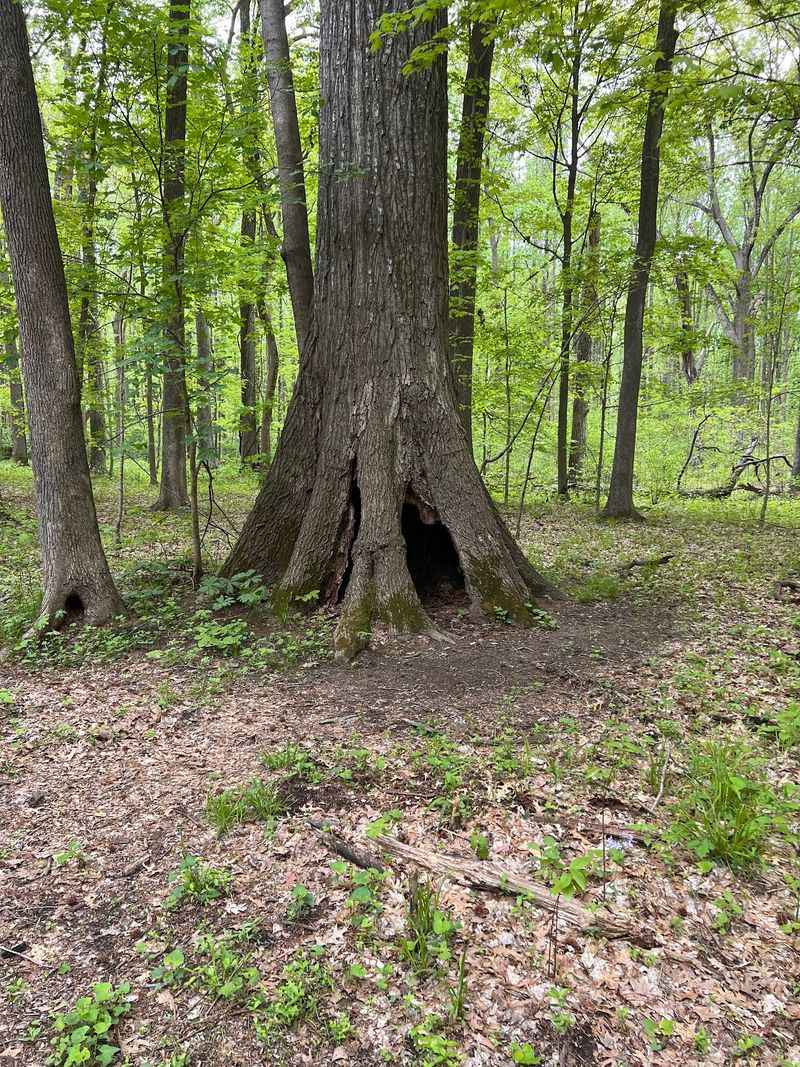
Spending a night at Beall Woods is a completely different experience from a day visit. The campground puts you right in the middle of the forest atmosphere, and once the sun goes down, the sounds of the woods take over completely.
Crickets, frogs, and the occasional owl make for a natural soundtrack that no playlist can replicate.
The park offers camping with hook-ups, though there are no electrical hook-ups at every site, so confirming your specific needs before booking is worth the extra step. The campground is clean and reasonably well-maintained, and the overall vibe is quiet and unhurried.
This is not a campground with a packed activity schedule or a lot of noise from neighboring sites.
Cell service is unreliable or completely absent in the campground, and Starlink users with leaves on the trees above have reported limited connectivity as well. That might sound like a downside, but honestly, a night without screens in a forest this old has a way of resetting your perspective.
The darkness here is genuine, and on a clear night, the stars are worth staying up for.
Picnic Spots, Shelters, and Family-Friendly Facilities
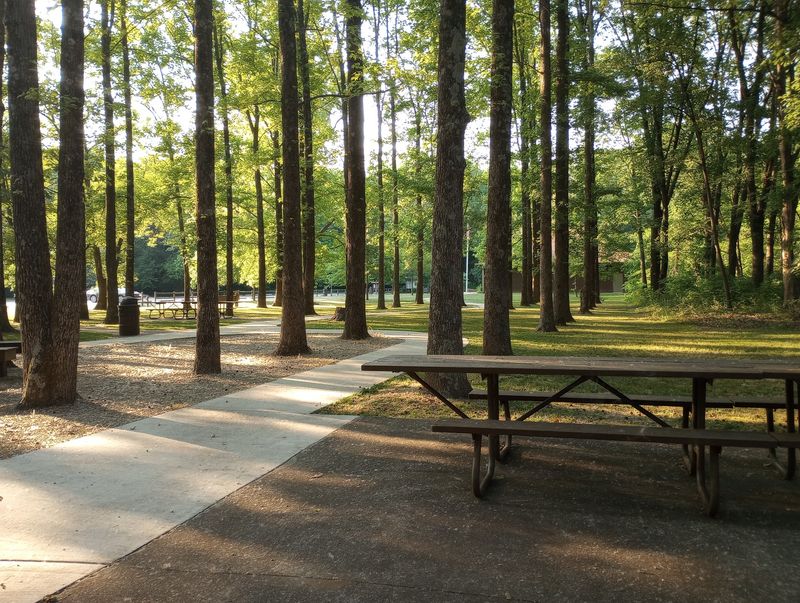
Beall Woods is set up well for a full family day out, with picnic tables and charcoal grills spread throughout the park. Large pavilions with multiple picnic tables are located near each of the two playgrounds, making it easy to set up for a group gathering without feeling cramped or rushed.
The playgrounds feature solid equipment and are kept in good condition, giving younger kids something to burn energy on while the adults settle into the slower pace the park naturally encourages. The picnic shelters near the lake offer shaded seating with a view of the water, which makes lunch feel a little more scenic than the average park visit.
The park also has an amphitheater, which adds a community feel to the space and occasionally hosts interpretive programs. Everything is kept clean and well-organized, which is a detail that might sound small but makes a real difference when you are spending a full day outside with a group.
The overall layout is easy to navigate, and there are restroom facilities available at multiple points throughout the park.
The Best Time of Year to Visit and What to Expect
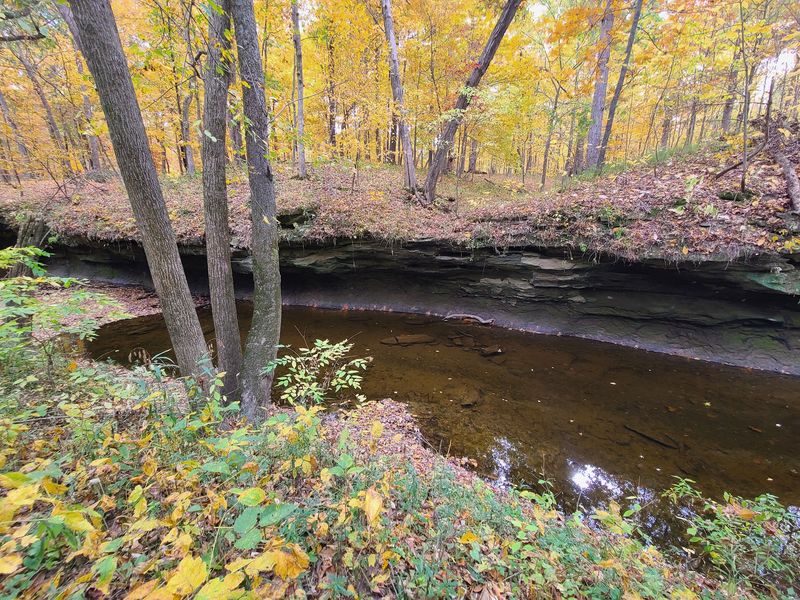
Timing matters more at Beall Woods than at many other parks, mostly because of the trail conditions and the insect situation. Spring brings lush green growth and active wildlife, but heavy rain can flood the lower trails and make them impassable.
Fall is widely considered the best season, when the old-growth canopy turns brilliant shades of gold, orange, and red and the mosquito population finally backs off.
Summer visits are entirely possible and the forest is at its fullest and most dramatic visually, but the heat and humidity of southern Illinois summers combine with dense mosquito activity to make the experience more challenging. Bug spray is not optional in warm months.
The kind that lasts is worth the investment, because lighter formulas tend to lose effectiveness quickly in the thick forest air.
Winter visits are quiet and atmospheric in a stripped-down way. Without leaves on the trees, you can see deeper into the forest and appreciate the scale of the trunks more clearly.
The park stays open year-round, and a winter hike through bare old-growth hardwoods has a stark beauty that is easy to underestimate until you experience it yourself.
Wildlife You Might Spot Along the Trails and Water
The biodiversity around Beall Woods is one of the quieter reasons to visit, but it rewards patient and observant walkers. The Wabash River corridor is a natural travel route for wildlife, and the old-growth forest provides habitat that many species cannot find elsewhere in the region.
White-tailed deer are common and often visible near the forest edges, especially in the early morning or late afternoon. Reptiles and amphibians are well-represented too, with frogs, turtles, and various snake species living near the lake and creek areas.
The visitor center has displays identifying many of the local species, which helps you know what you are looking at when something rustles in the underbrush.
Bird-watching is another understated draw. The tree canopy supports a variety of woodland bird species, and the lake and river attract waterfowl and wading birds.
Large catfish have been spotted in the water near the park, sometimes in broad daylight, which tends to surprise first-time visitors. The wildlife here is not curated or staged.
It is simply present, living in a forest that has been left largely undisturbed for centuries.
Practical Tips to Make the Most of Your Trip
A few practical details can make the difference between a frustrating visit and a genuinely great one at Beall Woods. Bug spray is the single most important thing to pack in warmer months.
The mosquitoes are abundant and persistent, and visitors who skip the repellent tend to spend more time swatting than exploring.
Footwear matters too. The trails are mostly flat, but they can be muddy and wet after rain, and some sections flood entirely.
Waterproof shoes or sturdy hiking boots will keep you comfortable on the trail. Bring more water than you think you need, especially in summer, because the forest humidity makes the heat feel more intense than it looks on a weather app.
Download offline maps before you arrive, since cell service is unreliable throughout the park. If you are planning to bring a dog, check the current trail conditions in advance, since the pet-friendly trail is not always well-maintained.
Arrive early on weekends to secure a good picnic spot or campsite. The park holds a 4.6-star rating from hundreds of visitors, and with a little preparation, it is easy to see why so many people leave genuinely impressed.
Share this story