There is a canyon hiding in northwest Illinois that most people drive right past without ever knowing it exists. Beneath the rolling farmland of Jo Daviess County, the Apple River has spent thousands of years cutting through limestone and sandstone that once sat at the bottom of a prehistoric sea.
The result is a rugged, forested gorge that feels completely out of place in a state better known for its flat prairie. Apple River Canyon State Park covers 1,907 acres of this wild terrain, offering hiking trails, rustic camping, dramatic bluffs, and river views that will genuinely surprise you.
Read on to find out what makes this park worth the trip.
Where the Canyon Begins: Location and Access
Apple River Canyon State Park sits at 8763 E Canyon Rd, Apple River, IL 61001, tucked into the far northwest corner of Illinois near the small town of Stockton in Jo Daviess County. Getting there requires navigating a series of rural roads that wind through farm fields, and the park can be easy to miss if you are not paying close attention.
Cell service drops off quickly once you get close, so downloading an offline map or the AllTrails app before you leave home is a smart move. The park is open 24 hours a day, seven days a week, and there is no admission fee, which already puts it ahead of a lot of other outdoor destinations.
You can reach the park office at +1 815-745-3302, and the Illinois DNR maintains a helpful website at https://dnr.illinois.gov/parks/park.applerivercanyon.html with trail maps and camping details. The drive itself is scenic, passing through gently rolling countryside that gives no hint of the dramatic terrain waiting just around the next bend.
The Ancient Sea Bottom Beneath Your Feet
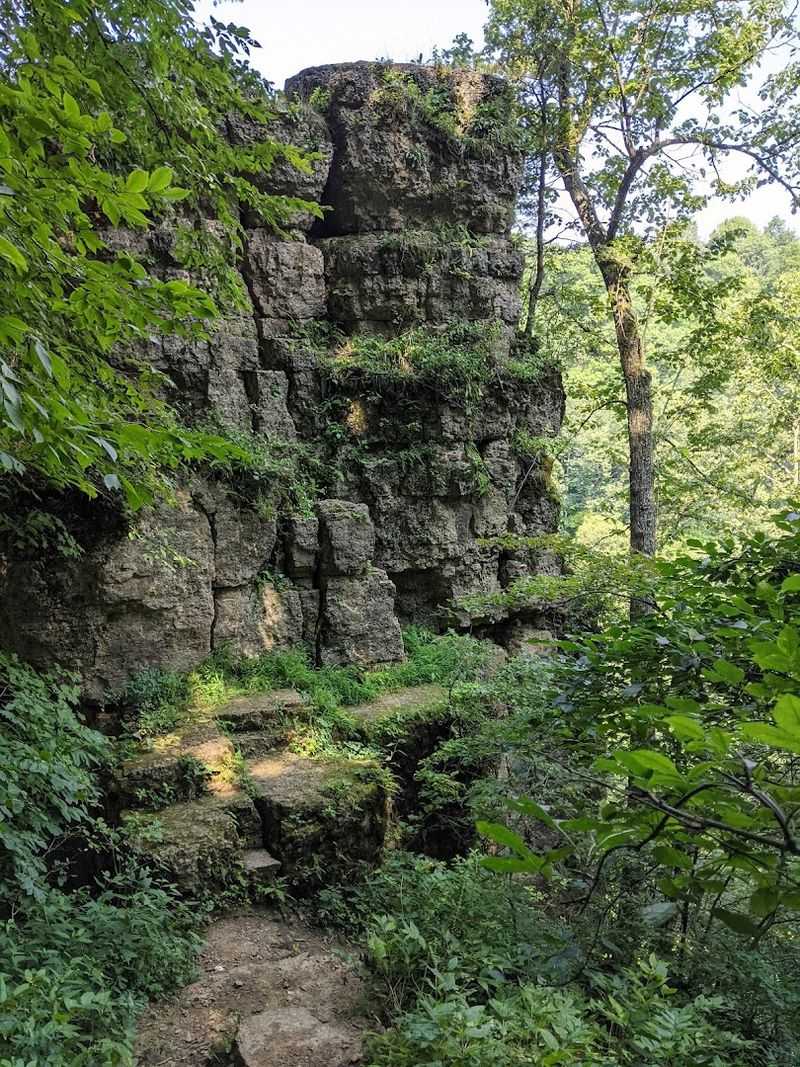
Long before Illinois was farmland or prairie, it was underwater. The bedrock exposed throughout Apple River Canyon is composed largely of limestone and sandstone deposited during the Ordovician and Silurian periods, roughly 400 to 500 million years ago, when a shallow tropical sea covered much of North America.
Over millions of years, the Apple River gradually eroded through these ancient marine sediments, carving the canyon walls you see today. The exposed bluffs reveal layer after layer of compressed seafloor material, and if you look closely at the rock faces, you can sometimes spot fossilized marine organisms embedded in the stone.
This geological history is part of what makes the park feel so unlike the rest of Illinois. The Driftless Area, the region surrounding the park, was never covered by the glaciers that flattened most of the state, so the ancient terrain here has been preserved in a way that is genuinely rare.
Standing at the canyon rim and looking down at the river below, you get a real sense of just how much time has shaped this landscape.
Hiking Trails That Reward the Effort
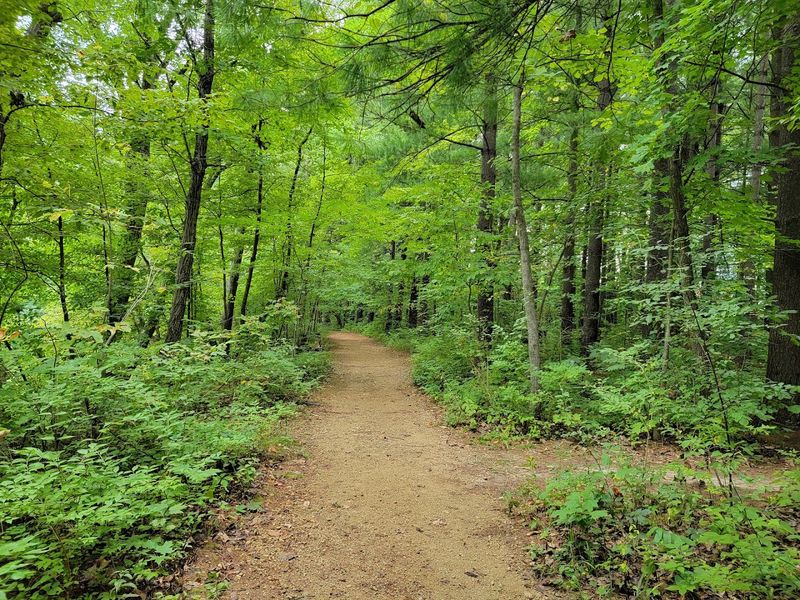
The park has four main trails, and each one offers a different experience of the canyon. The River Route is the most popular, leading hikers down through wooded hillsides to the banks of the Apple River, where the canyon walls rise dramatically on either side.
It is steep and rocky in places, so solid footwear is a real necessity rather than a suggestion.
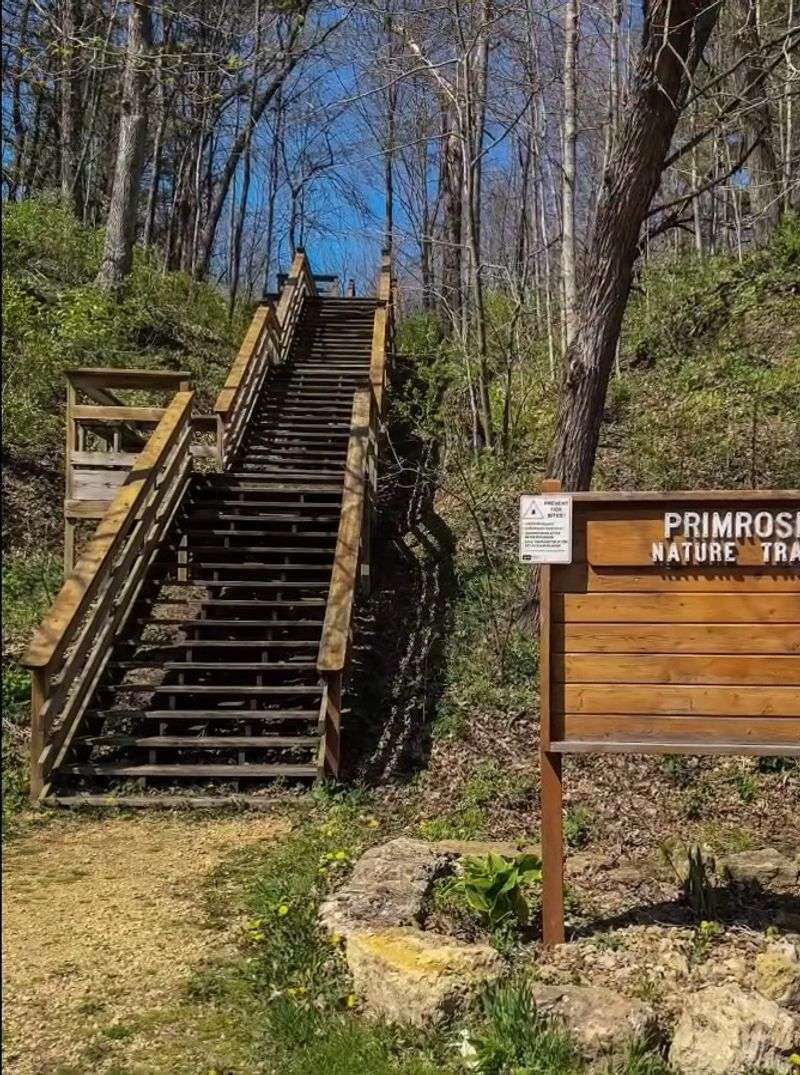
The Primrose Nature Trail is a favorite for its river crossing over stepping stones, which adds a playful element to the walk. The Pine Ridge Trail takes you up along forested ridges with sweeping views through the pines, while the Tower Rock Trail delivers some of the best elevated lookout points in the park.
Each trail runs roughly a mile or less, so you can realistically complete two or three of them in a single afternoon without feeling rushed. The trails are well-marked with clear signage at each entrance, and maps are available at the park office.
The terrain is hilly throughout, so expect your legs to feel it by the time you get back to the trailhead.
Camping in the Canyon: Rustic and Refreshing
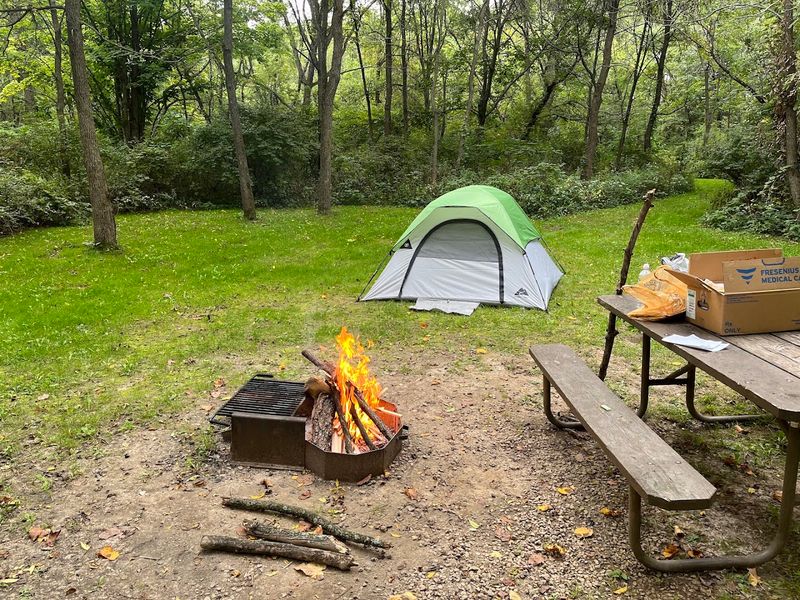
The campground at Apple River Canyon has a character that polished, amenity-heavy campgrounds simply cannot replicate. The sites are well-spaced, with enough trees and natural brush between them to give each camper a genuine sense of privacy.
Waking up in the middle of this canyon, with birdsong and the distant sound of the river, is the kind of morning that makes you wonder why you do not camp more often.
There are two sections to the campground. One loop can be reserved in advance, which is worth doing during busy summer weekends, while the other section operates on a first-come, first-served basis.
Firewood is available on-site for $6 a bundle, payable via QR code or a cash drop box, and the fire pits have built-in grates for cooking over an open flame.
The restrooms are outhouse-style latrines, kept clean and maintained daily by park staff. There are no showers on-site, but a Citgo station in Stockton, about 10 minutes away, offers shower facilities for around $7.50.
Winter campers should note there is no running water in the colder months, though the latrines remain open year-round.
The Apple River: More Than Just a Backdrop
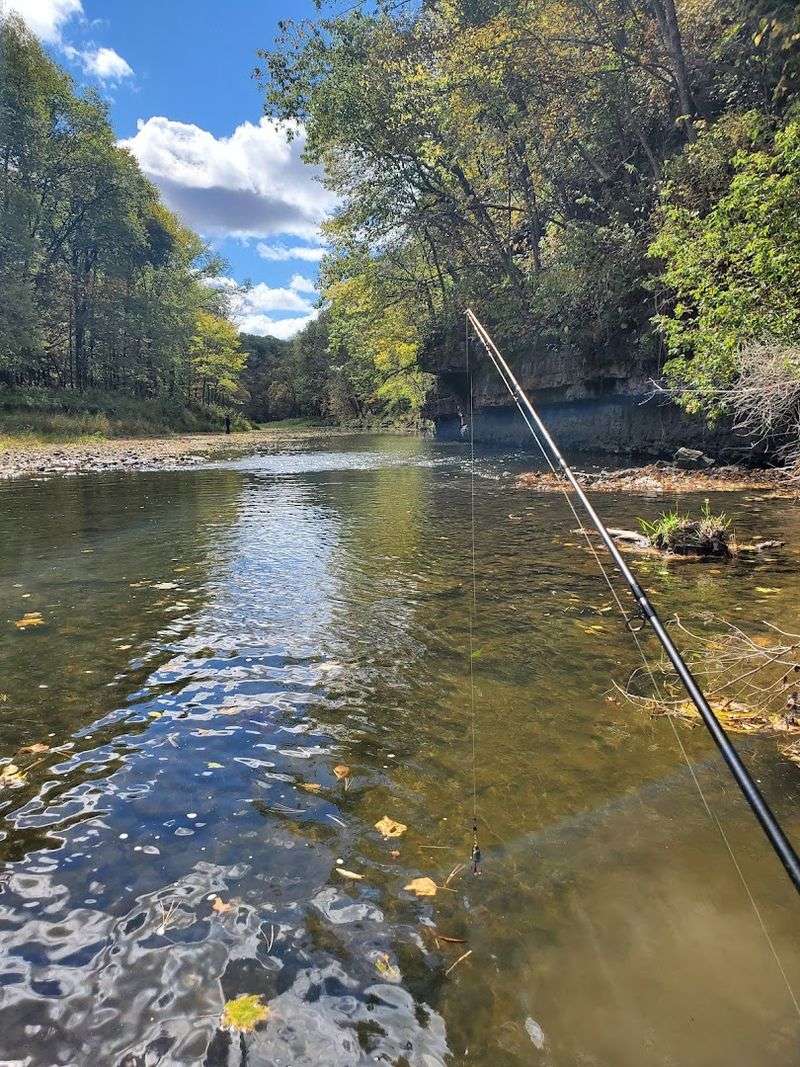
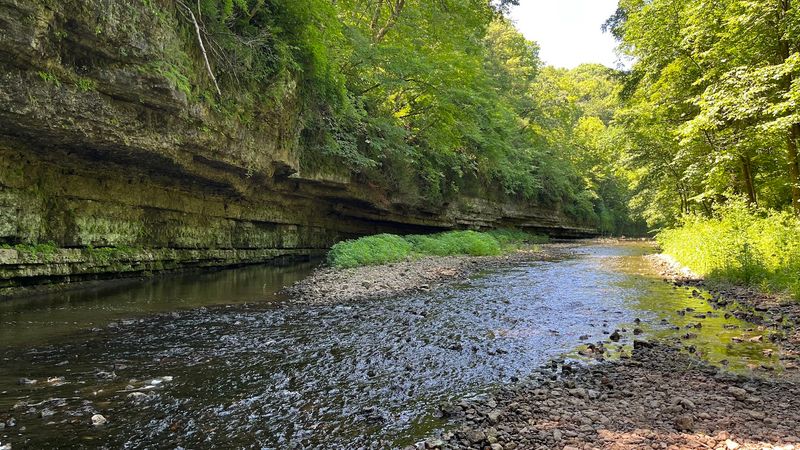
The Apple River is the reason this canyon exists, and getting down to its banks is one of the highlights of any visit to the park. The water runs clear and relatively fast, moving over a rocky streambed that makes wading possible in shallower stretches during warmer months.
Swimming is not recommended given the current and the rocky terrain, but rolling up your pants and cooling your feet in the river after a hike feels like a perfectly reasonable reward.
Fishing is a popular activity along the river, and the calm, quiet atmosphere makes it a genuinely relaxing way to spend a few hours. The canyon walls that frame the river create a sense of enclosure that feels almost theatrical, with layered rock rising on both sides and trees leaning out over the water from above.
Bald eagles have been spotted along this stretch of river, particularly in the cooler months when they are more active near open water. A pair of binoculars tucked into your pack is worth the extra weight here, because the wildlife sightings along the river corridor can be genuinely memorable on the right day.
Wildlife and Nature Photography Opportunities
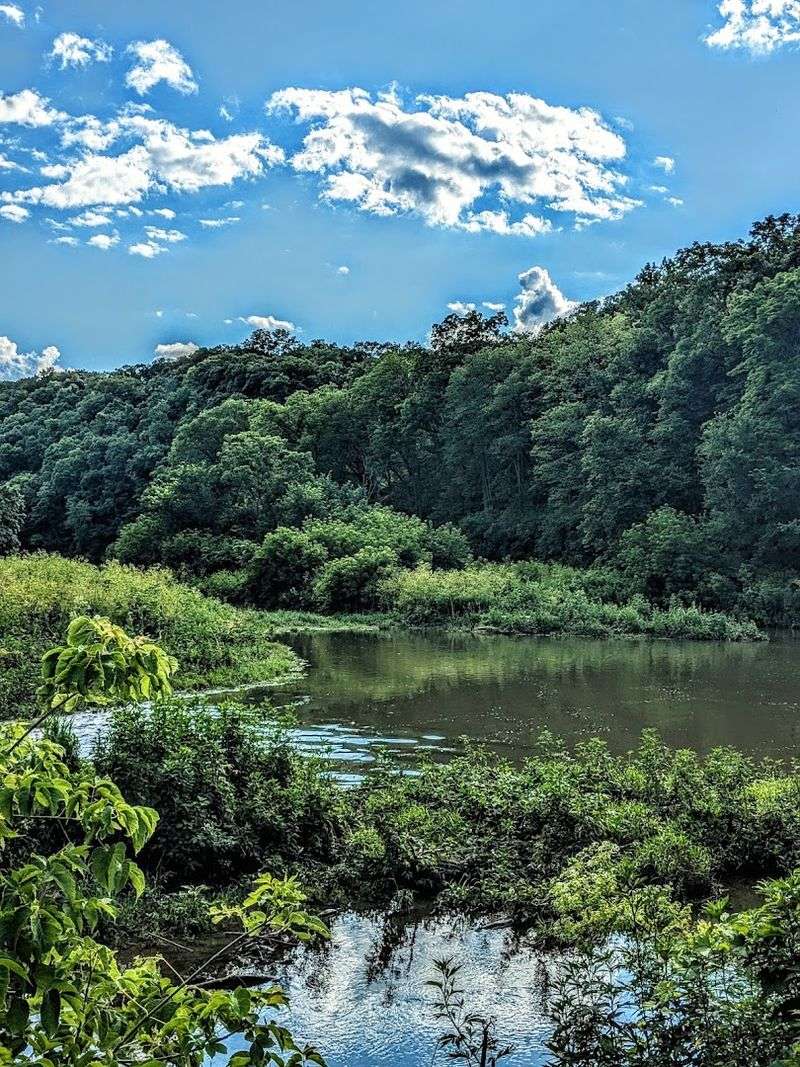
The biological diversity packed into Apple River Canyon State Park is one of its quieter selling points. The park sits within the Driftless Area, a region that escaped glaciation and has therefore supported continuous ecological development for far longer than most of the surrounding landscape.
That history shows up in the variety of plant and animal life found here.
White-tailed deer move through the forest at dusk, wild turkeys pick through the undergrowth, and songbirds fill the canopy with noise from early spring through late fall. The canyon microclimate supports plant species that would not typically survive in this part of Illinois, creating pockets of habitat that feel more like Appalachia than the Midwest.
For photographers, the combination of dramatic rock formations, river reflections, seasonal foliage, and wildlife creates a nearly endless list of subjects. The golden light in the canyon during early morning or late afternoon hits the limestone bluffs at an angle that makes even a smartphone camera produce genuinely beautiful results.
Patience is the main skill required here, because the park rewards those who slow down and actually pay attention to what is happening around them.
Picnicking, Relaxing, and Simply Being Outside
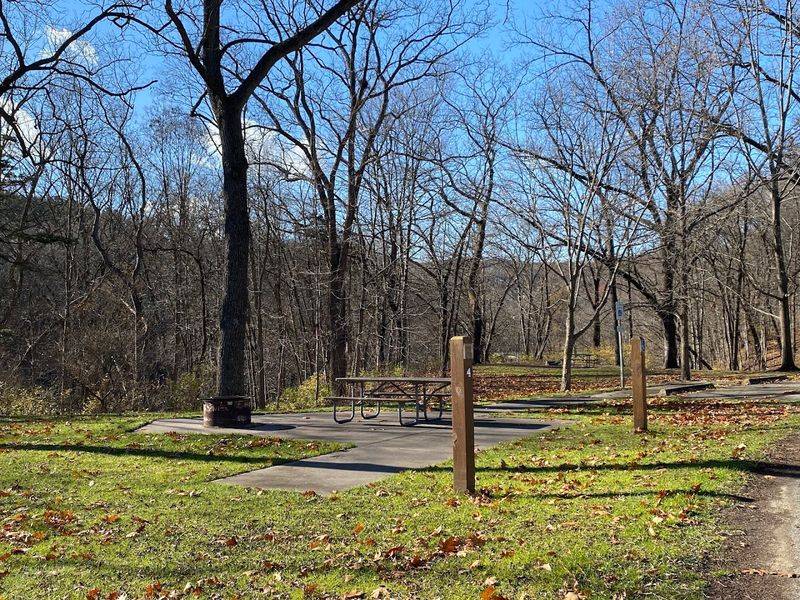
Not every visit to a state park needs to be a grueling endurance test, and Apple River Canyon makes a strong case for the art of doing very little in a beautiful place. There are open grassy areas near the canyon rim where you can spread out a blanket, unpack a lunch, and spend an hour just watching the light move across the bluffs.
That kind of afternoon is surprisingly hard to find close to a major city, and Chicago is only about two and a half hours away.
Picnic tables are scattered throughout the park in shaded spots that catch a breeze on warm days. Families with young children find the park manageable, with shorter trails and flat areas near the campground that work well for little legs that are not quite ready for a steep canyon descent.
There is also a stairwell near the campground that leads down to a small pond, which is a nice spot for fishing or simply sitting quietly near the water. The overall atmosphere of the park leans heavily toward calm and unhurried, which is exactly the point for a lot of the people who make the drive out here.
Best Times to Visit and What to Expect Each Season
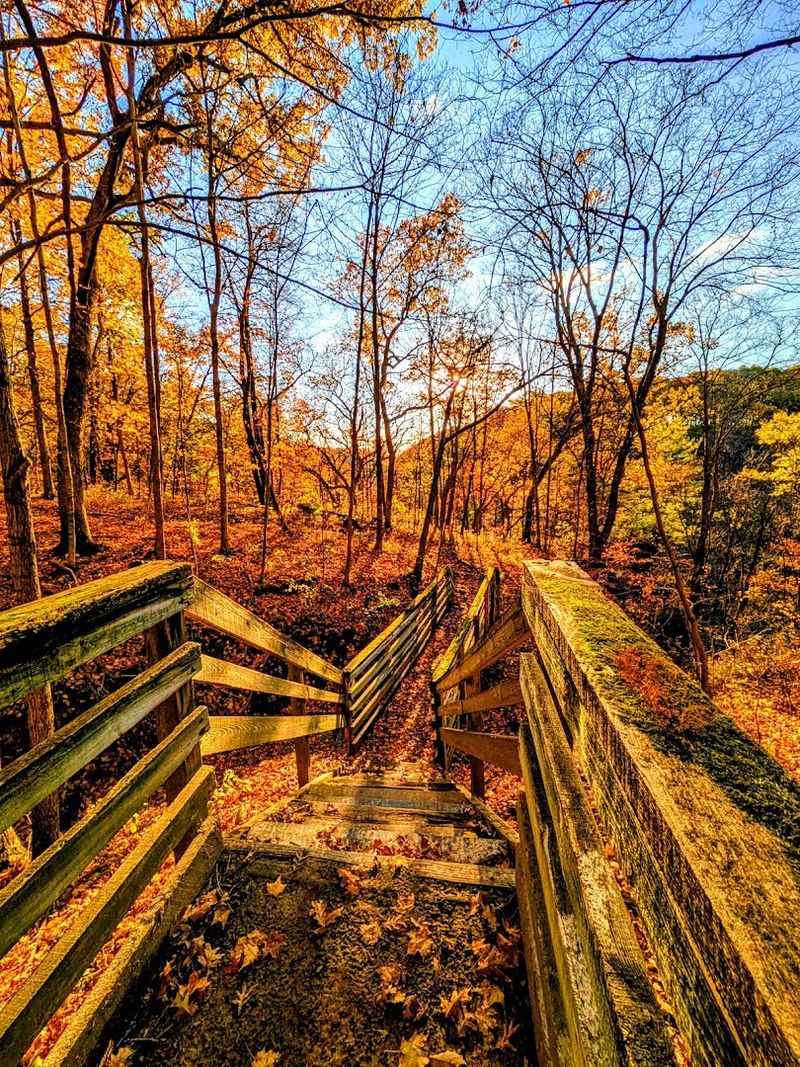
Fall is the season that earns the most enthusiastic reactions from regular visitors to Apple River Canyon. The deciduous forest covering the canyon walls turns a deep mix of orange, red, and gold from mid-October through early November, and the contrast against the pale limestone bluffs is genuinely striking.
Weekend crowds pick up during peak color, so arriving on a weekday gives you a noticeably quieter experience.
Spring brings wildflowers along the trail edges and the sound of rushing water as snowmelt feeds the river. Summer is warm and humid, but the canyon provides shade that makes hiking more comfortable than it might be on an exposed trail.
Ticks are active from spring through early fall, so checking yourself and your pets thoroughly after any time on the trails is a serious habit worth building.
Winter visits are possible and surprisingly peaceful, with snow blanketing the canyon in a way that transforms the entire landscape. The park stays open year-round, though camping in cold weather requires preparation since running water is not available in winter.
Each season here has its own character, and the park holds up well across all of them.
Practical Tips Before You Make the Drive
A few practical details can make the difference between a smooth visit and a frustrating one. Cell service is unreliable throughout the park, so download offline maps before you leave and grab a paper trail map from the park office when you arrive.
The staff is friendly and genuinely helpful, and the office is worth a quick stop even if you think you already know where you are going.
Sturdy hiking shoes with ankle support are strongly recommended, especially for the River Route and Tower Rock trails, where the terrain involves steep inclines and loose rock. Bug spray is essential from late spring through early fall, and long pants help reduce tick exposure on the more overgrown sections of trail.
There is no admission fee to enter the park, which keeps the barrier to entry refreshingly low. Firewood, if you are camping, runs $6 a bundle on-site.
The nearest gas stations and grocery options are in Stockton, about 10 minutes away, so stock up before heading into the canyon.
The park phone number is +1 815-745-3302 if you need to check on conditions or campsite availability before making the trip.
Share this story