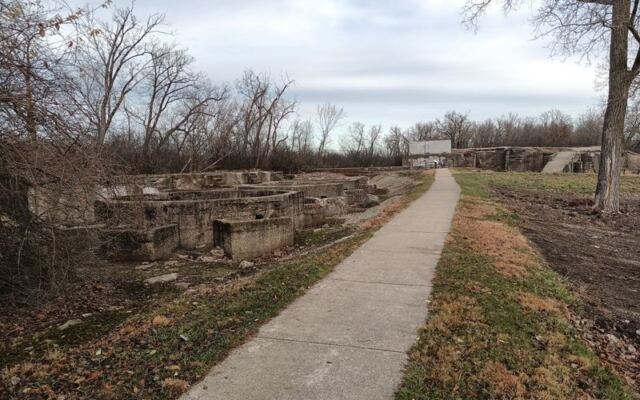
You know that feeling when a quiet gravel lot and a simple trail sign turn out to hold something far bigger than you expected? That happened to me in Illinois, where a free, unassuming path led straight to brick arches, stone walls, and rusted relics from a steel-making giant.
I went for a short stroll and stayed for hours, reading signs and peering into old tunnels. Here is what makes this forgotten corner worth a drive.
A Free Walk Into Joliet’s Industrial Past
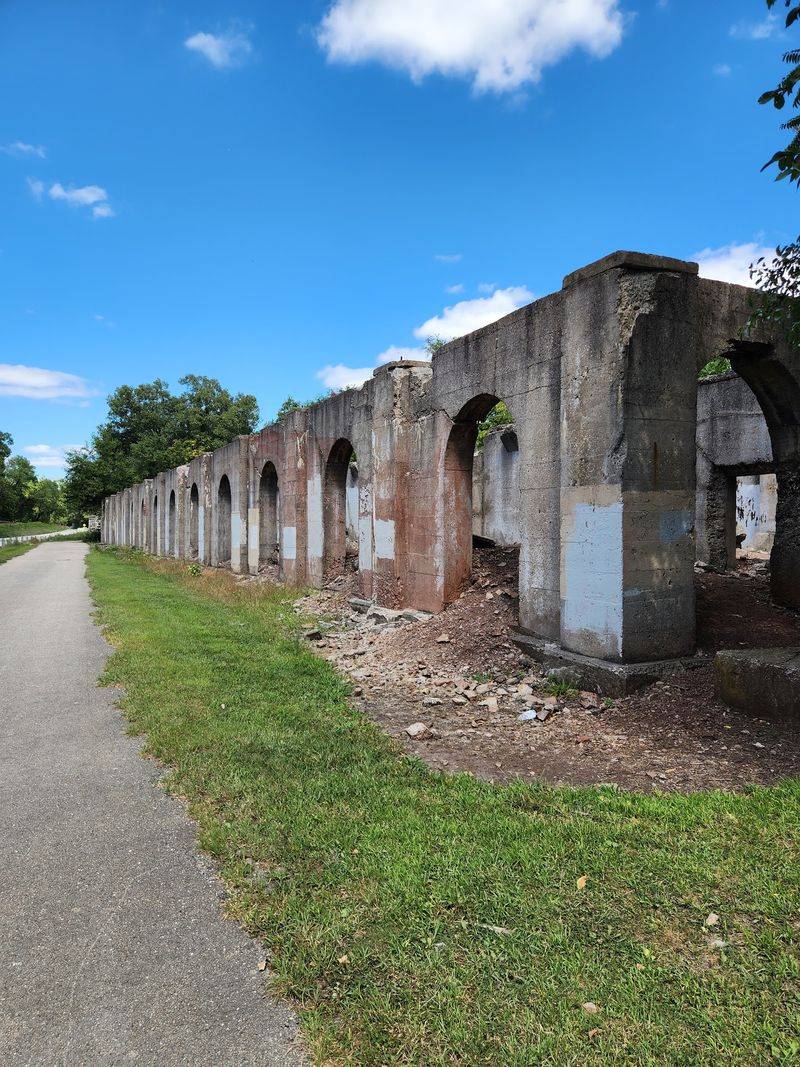
Tucked beside the I&M Canal Trail in Joliet, the Joliet Iron Works Historic Site is an open-air museum built around the remains of a once-busy iron plant. There is no gate to pass and no ticket to buy.
You park, step onto the path, and the past begins to rise around you.
Visitors often call it a self-guided tour, and that fits. Signs along the way explain what workers did here, while the ruins do the rest of the talking.
Managed by the Forest Preserve District of Will County under the Reconnect with Nature banner, the site sits close to the old Joliet prison, which adds to the sense that you have wandered into a neighborhood full of Illinois stories. It feels a little secret, yet it is open to everyone.
The Year the Furnaces Went Quiet
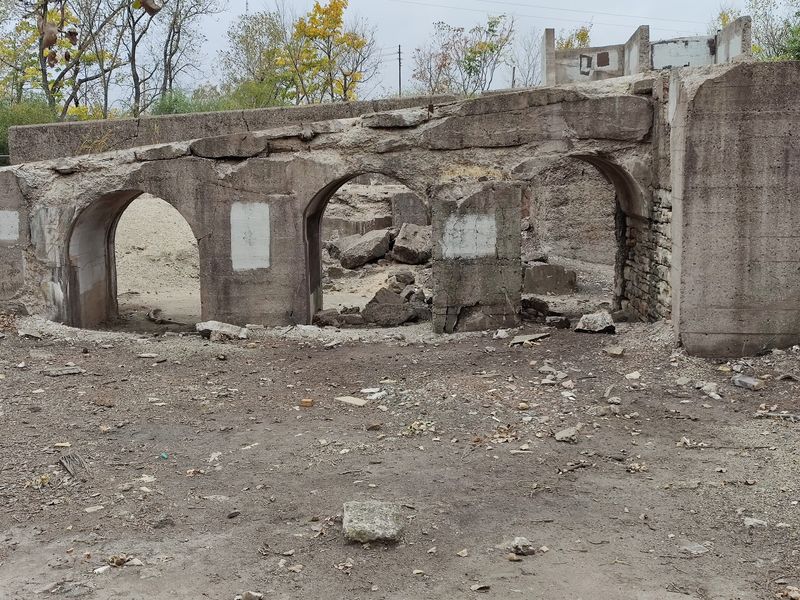
Here is a fact that frames the whole visit: the Joliet Iron Works closed in 1936. Across the way, a large steel plant kept going until the early 1980s.
Together they shaped the working life of this Illinois city for generations.
Walking among the remains, you can picture the heat, the noise, and the long shifts that once filled the air. Signs along the trail tell about job life in those days, which visitors say gives the stone and brick a human face.
Folks who work in labor trades tend to appreciate it most, since the story centers on the people who kept the furnaces running. It is a history lesson with no classroom walls and no lecture, only a path and plenty of curiosity.
Ruins That Steal the Show
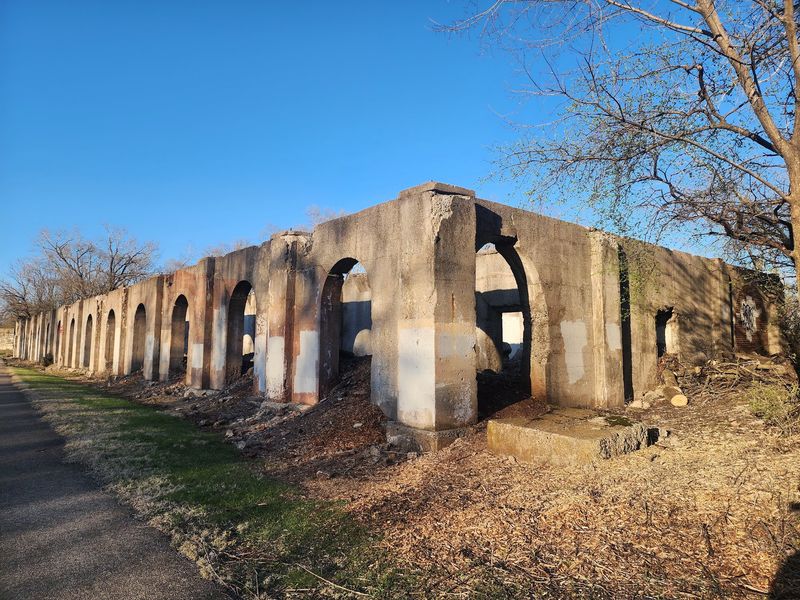
Ruins top the list of what people talk about here, and it is easy to see why. Brick walls, stone foundations, and worn structures rise from the grass like a puzzle with missing pieces.
Some areas feature caverns, tunnels, ramps, and arches, so there is always another corner to peek around. Photographers love the rough textures, and curious wanderers love guessing what each section once did.
A few visitors wish the signs were more specific about individual buildings, which is fair, since the functions can be tricky to figure out. Still, that little mystery keeps the walk lively.
Every turn offers a fresh angle, and the ruins reward slow looking more than quick glances.
Smelting Remains and Foundry Walkways
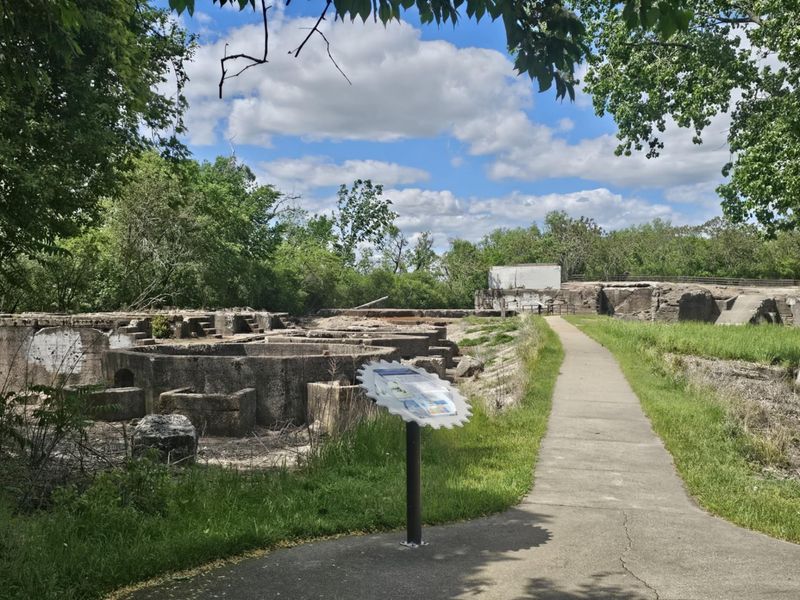
Among the standout sights are the bricked smelting areas, the old heart of the operation. Raised walkways and placards guide you past the foundry remains, explaining how iron was made here.
The finely graveled path keeps the footing pleasant, and the wide lanes give everyone room to stop and read. History buffs tend to linger here longest.
Keep an eye on the ground, though. Some visitors mention nails and uneven surfaces near the ruins, so sturdy shoes are a smart choice.
Some of the rusted buildings are fenced off, which keeps the most fragile parts protected while still letting you study them from a safe distance.
Signs, Placards, and Stories Along the Way
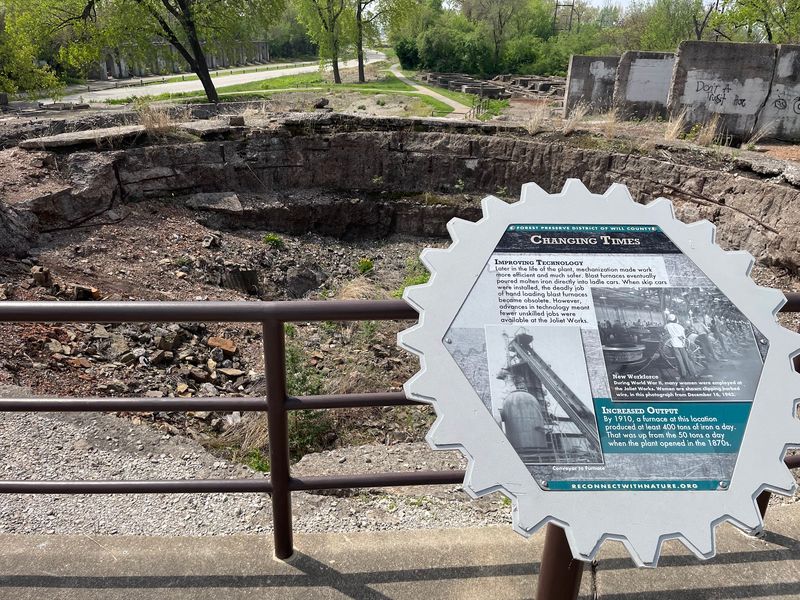
Reading is half the fun. Historic information signs line the route, offering general background on the plant, the workers, and the city they built.
Visitors praise the placards for describing what labor was like long ago, though some would love extra detail about each specific building. A handful of information disks also appear along the way, adding small surprises.
Take your time with them. Matching a sign to the brick wall in front of you turns a pile of old stones into a story.
Bring a friend and trade guesses about what each section might have been. That kind of back-and-forth makes the place stick in your memory long after you leave.
Paved Paths for Walkers, Runners, and Bikers
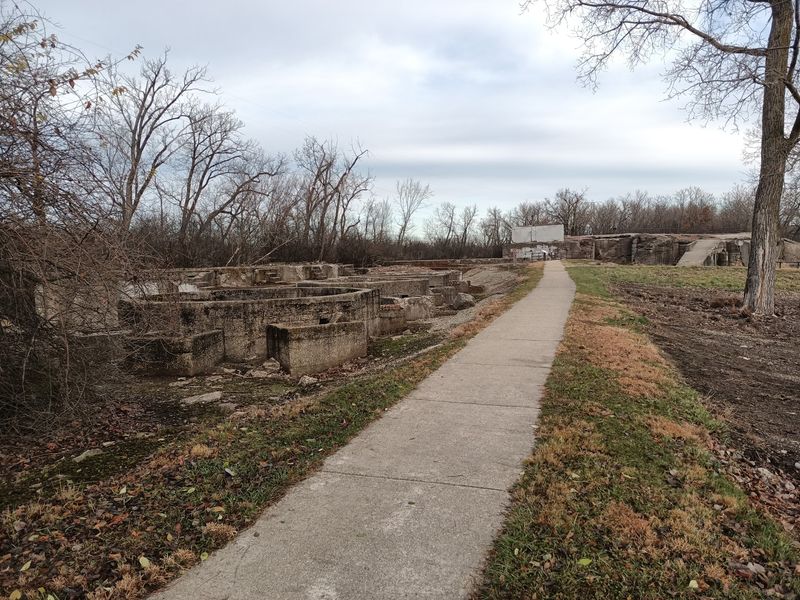
Bike trail and walking trail are the most repeated topics among visitors, and both are easy to appreciate. The path beside the ruins is well kept, so walking, running, or cycling feels effortless.
The site includes separate routes for hikers and cyclists, with clear route markers along the trails. The paved sections are stroller friendly, which opens the experience to families.
Some people simply stroll to the ruins and back, which one visitor measured at just over two miles round trip. Others keep going onto longer trails at the end.
Either way, the terrain is gentle, so nearly anyone can enjoy an outing here without worrying about steep climbs or rough going.
Prairie Grasses and Woodland Ponds
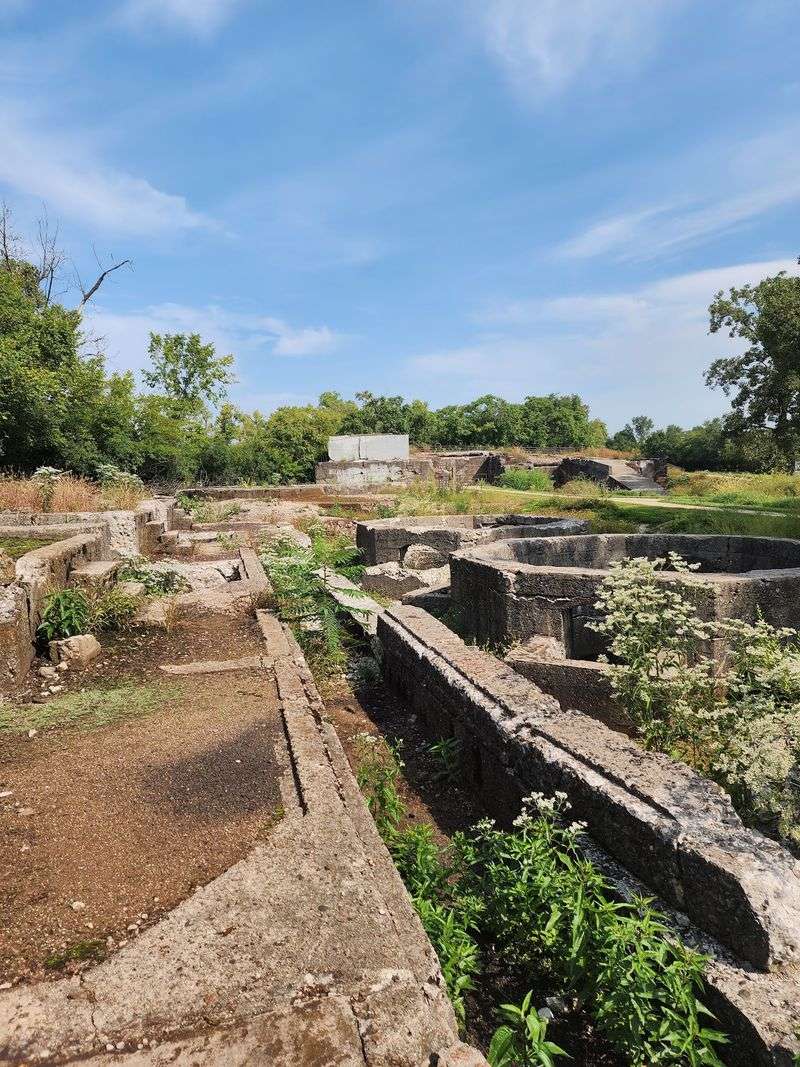
Nature has moved back in, and the contrast is lovely. Prairie grasses and native grasslands sweep across parts of the site, softening the hard edges of brick and metal.
Beyond the main ruins, trails lead through woods, with small ponds alongside the path. Fall brings a golden backdrop that some visitors find especially pretty, though a few say the season can distract from the history.
The grass along the walkway is neatly kept, and natural foliage lines the edges for a burr-free stroll. It is a neat reminder that places can change over time, going from smoke and sparks to quiet breezes and birdsong without losing their story.
A Photographer’s Rusty Playground
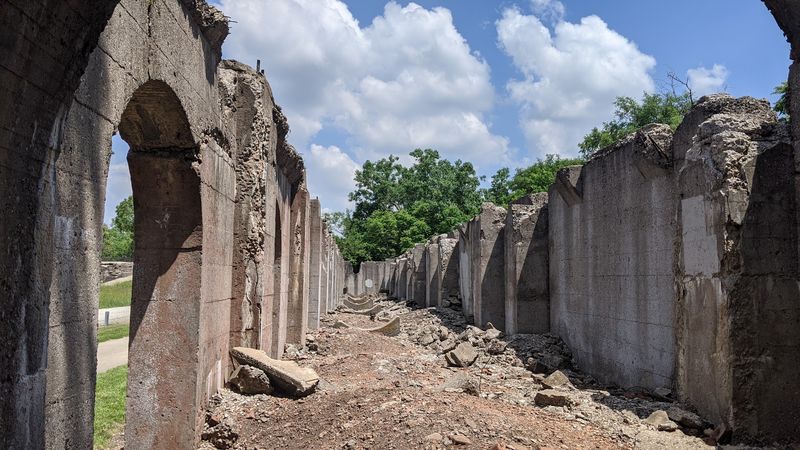
Bring a camera, because this place practically poses for it. Rusted landscapes, deep arches, and weathered brick make dramatic backdrops in nearly any light.
One visitor came home with loads of pictures and videos and planned to return for more. Another described it as a fun place to visit and photograph.
The textures alone could fill a memory card.
Fencing keeps you back from some of the rustiest buildings, but plenty of angles remain open along the trail. Early or late light adds warm tones to the stone, and passing trains sometimes add a bit of motion to the scene.
Just remember the site closes at sundown, so plan your shoot accordingly.
Trains, Old Prison Views, and Big-Sky Quiet
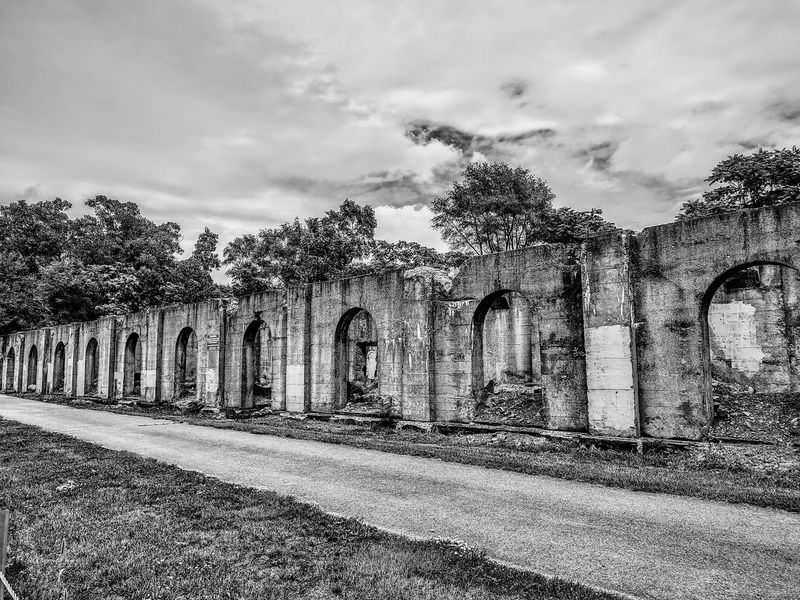
Listen closely and you may hear a train rumbling by. Several visitors mention that passing trains add a fun sound and sight to the walk, a fitting echo of the industrial past.
Look past the ruins and you can spot the old Joliet prison in the distance, another landmark of the area. Fences keep visitors out of that property, so it is a view only.
The mix of rail lines, old walls, and open sky gives the site a mood all its own. Some visitors describe it as an atmosphere with a touch of magic, while others say it suits fans of haunting, apocalyptic-style scenery.
It is quiet, a bit wild, and memorable.
Who Will Love This Place
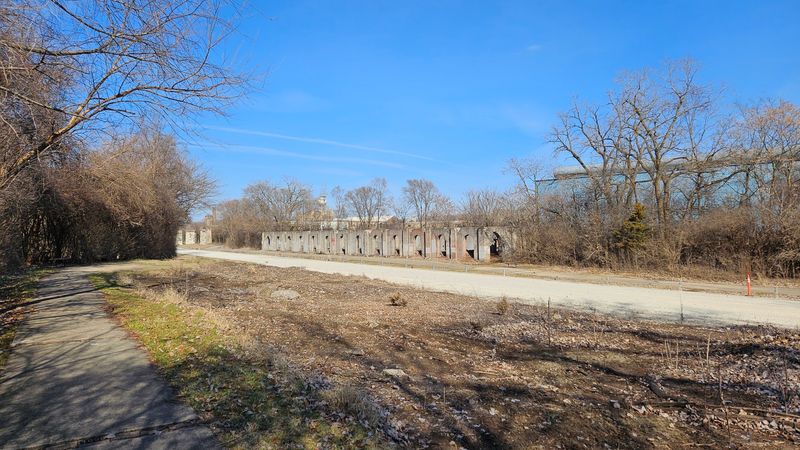
Families, history fans, walkers, and photographers all find something here. The trail is not difficult, so most people can enjoy it, and the free price tag makes it an easy add-on to a weekend.
Budget-minded parents like that they can offer a real history lesson without spending money. Labor history enthusiasts and explorers of old places will feel right at home.
A few cautions come up in visitor comments. Keep small children on the walkway or close by, since the ruins can be a safety concern.
Some people prefer not to visit alone because the area feels isolated, though others mention a police presence in the lot and along the trail that made them more comfortable.
Parking, Picnic Tables, and Restrooms
Logistics are refreshingly simple. Admission is free, parking is free, and the lot on site is roomy, with visitors noting plenty of space and no crowds.
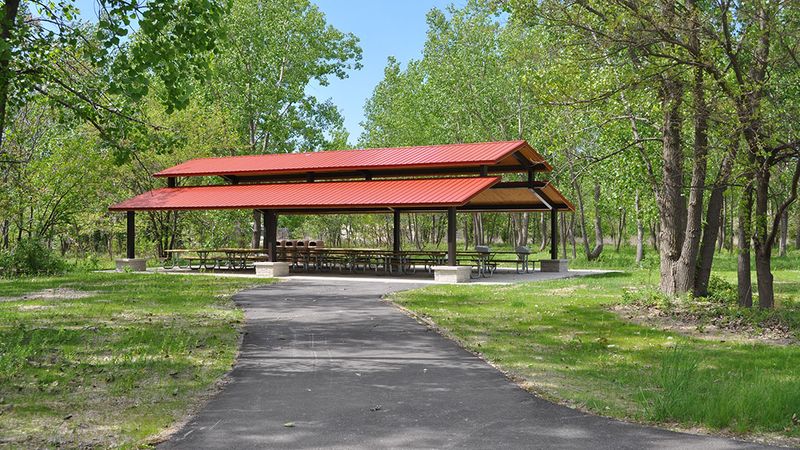
A picnic pavilion, plus benches and tables, makes it easy to pack a lunch and turn the visit into a relaxed outing. Portable restrooms sit near the start of the walkways, and restrooms have been available in the summer months.
One visitor saw a weekly farmers market in the parking lot, which could make for a fun pairing if the timing works out. Since nothing here is guaranteed year-round, it is wise to check the website or call 815-727-8700 before heading out.
Getting There and Timing Your Visit
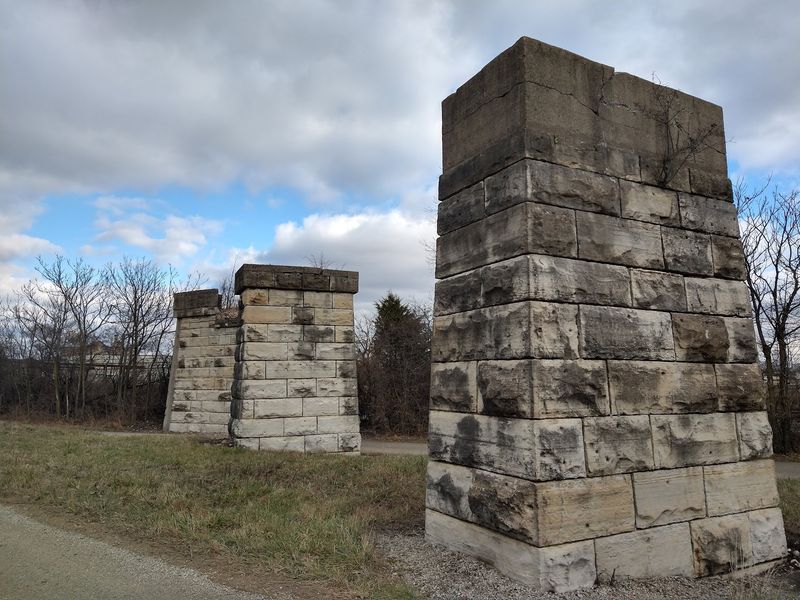
Look for the site at 31 Columbia St in Joliet, Illinois, right along the I&M Canal Trail. It is easy to pair with a visit to other nearby historic spots, including the old prison area.
Plan for a couple of hours if you want to see it all, or stretch it into a full day if you enjoy exploring and reading every sign. The trail closes at sundown, so daylight is your clock.
Wear closed-toe shoes, since nails and uneven ground can turn up near the ruins. Pack water and a camera, and consider bringing a companion.
The website from Reconnect with Nature has current details if you want to double-check before you go.
A Soft Verdict on This Forgotten Factory Town
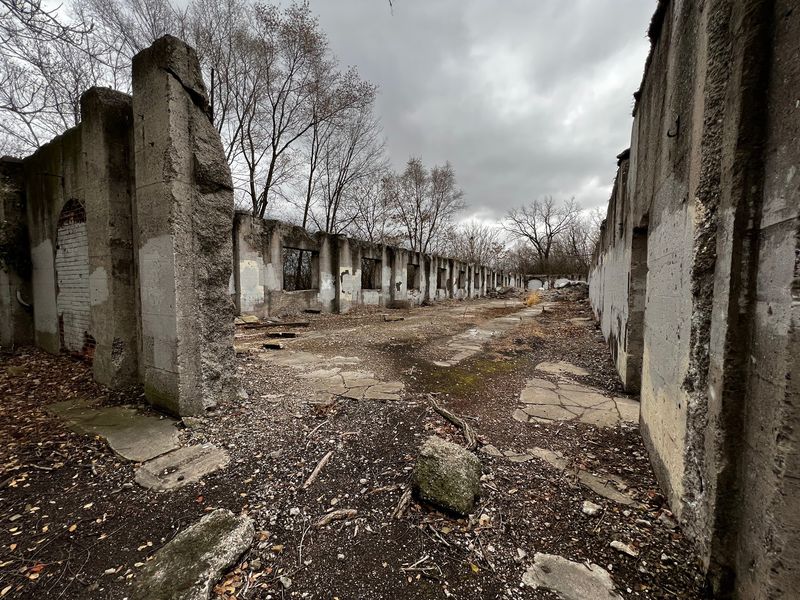
Some spots impress you with polish. This one wins you over with character.
Crumbling brick, quiet trails, and a story about hard work make the Joliet Iron Works Historic Site a satisfying day trip for anyone who enjoys Illinois history.
It is not flawless. Some ruins are fenced or rough, a few signs could say more, and the area can feel isolated at times.
Those honest quirks are part of its personality.
For a free outing that mixes learning, fresh air, and a touch of mystery, it delivers more than most people expect. Go with curiosity, tread carefully, and let the old stones tell you what they remember.
Share this story