At a museum in Dodge City, Kansas, visitors can watch Wild West gunfights, walk through a recreated 1870s frontier town, and stop for sarsaparilla at the famous Long Branch Saloon.
Boot Hill Museum stands on the site of the town’s original Boot Hill Cemetery, where some of Dodge City’s earliest residents were buried. The museum also preserves thousands of historic artifacts and tells the stories of famous lawmen, including Wyatt Earp and Bat Masterson.
During summer, costumed performers bring the old Front Street back to life with staged shootouts and live entertainment. Visitors can also explore a historic jail, recreated businesses, and exhibits about the cattle drives that helped make Dodge City famous.
But one of the museum’s most interesting stories begins on the burial hill that gave it its name.
A Frontier Town Rebuilt on Wyatt Earp Boulevard
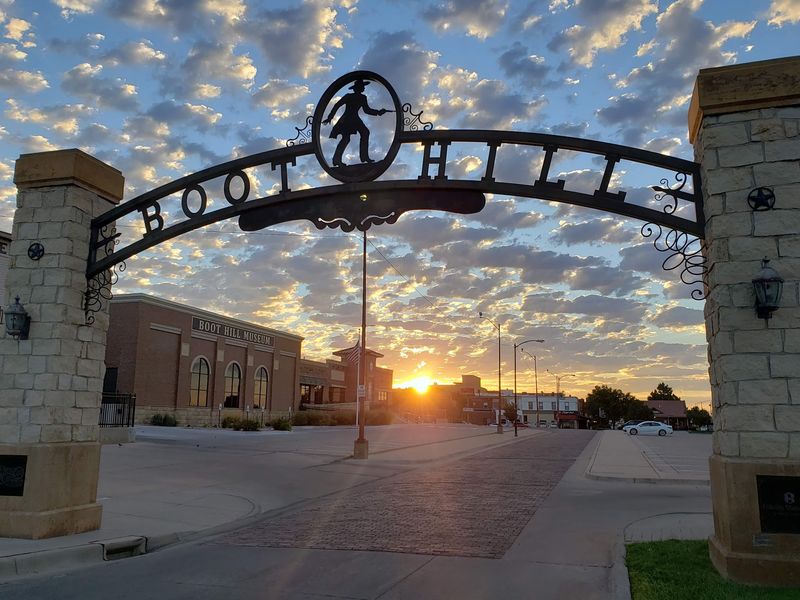
Dodge City earned the nickname Queen of the Cowtowns, and the Boot Hill Museum is where that reputation gets told in full. You will find it at 500 W Wyatt Earp Blvd, Dodge City, Kansas, in the United States, right along a road named after the town’s most famous lawman.
The museum began in 1947, when local residents decided their colorful past deserved a home. Over the years it grew from a small collection into a full campus with indoor galleries and an outdoor street.
That street is a recreation of Front Street as it looked in the 1870s. Wooden storefronts line both sides, and many of them open up so you can step inside and look around.
I find the mix of styles really helpful. Some people like reading every label in a quiet gallery, while others want to walk around outside and see things in three dimensions.
Here you can do both in one stop. The indoor exhibits explain the big picture, and the outdoor buildings let you see how people actually lived and worked.
Before any of that, though, it helps to know why a burial hill became the star of the name.
The Hill Behind the Famous Name
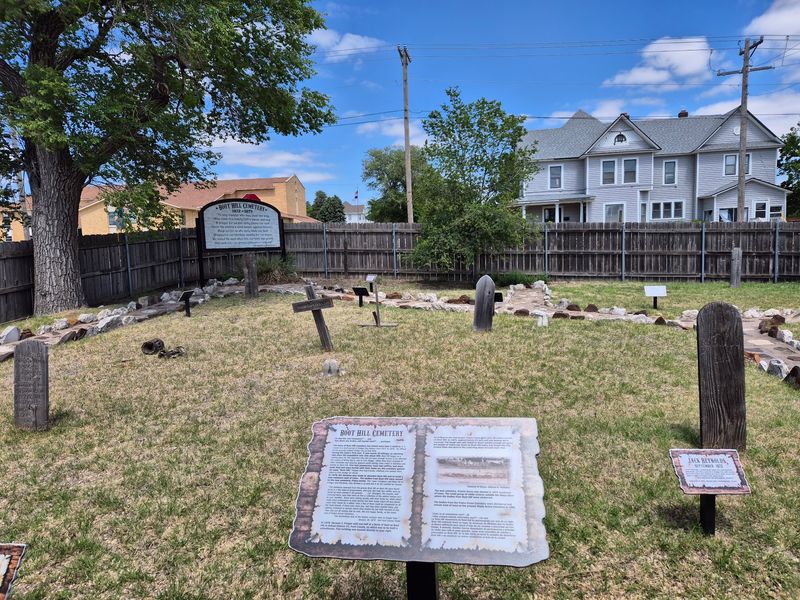
Early Dodge City had no proper town cemetery, so folks used a small hill nearby. Legend says many of the people resting there were buried with their boots on, which is how the name Boot Hill stuck.
The phrase spread across the West. Plenty of frontier towns later had their own Boot Hill, but Dodge City’s version is one of the best known.
Today the museum keeps a recreated burial ground on the hill with simple wooden markers. The original graves were moved to another cemetery in the late 1870s as the town grew, so what you see is a respectful representation.
I would spend a few quiet minutes reading the markers. Some carry short, plain notes that hint at how rough and unpredictable frontier life could be.
It is a calm spot compared to the busy street below. Families often pause here to talk about how different life was for kids and adults back then.
The hill also gives you a nice view of the museum grounds. From up there, the rooftops of Front Street make it easy to plan your next move toward the storefronts.
High Noon on Front Street
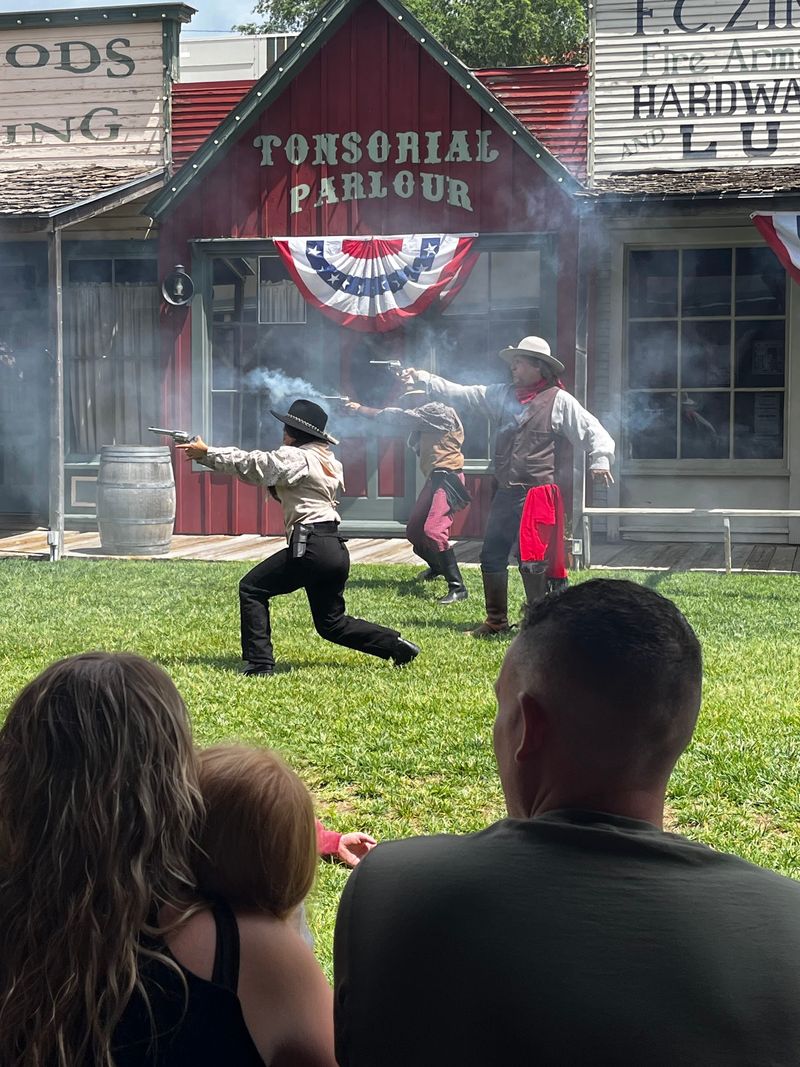
Bang. That sound is a big reason many families plan their trip around summer.
During the warm season, costumed performers stage gunfight reenactments right on Front Street.
The shows usually happen around midday and again in the early evening. Each one tells a short story with a bit of drama, a bit of humor, and plenty of Old West attitude.
Timing matters here. The gunfights do not run all year, and they typically begin in late spring, so check the museum’s schedule before you go.
Since the show happens outdoors, wind and street noise can make lines a little harder to hear. I would grab a spot near the front so you catch the jokes and the plot twists.
Kids tend to love the action, but the performers also slip in real history. You may learn how lawmen tried to keep order in a town full of cowboys and traders.
Bring a hat and some water on hot days. Western Kansas summers can be sunny and dry, and the shady porches along the street fill up quickly once a crowd gathers.
Sarsaparilla at the Long Branch Saloon
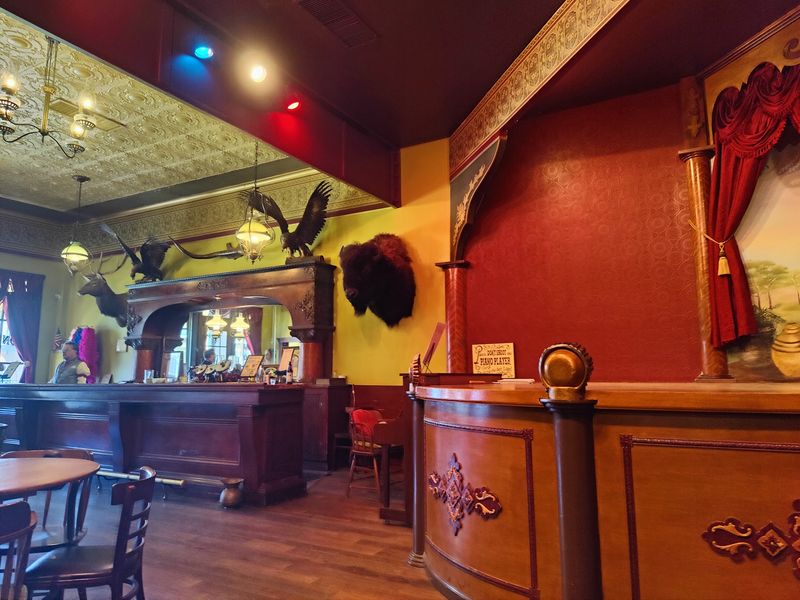
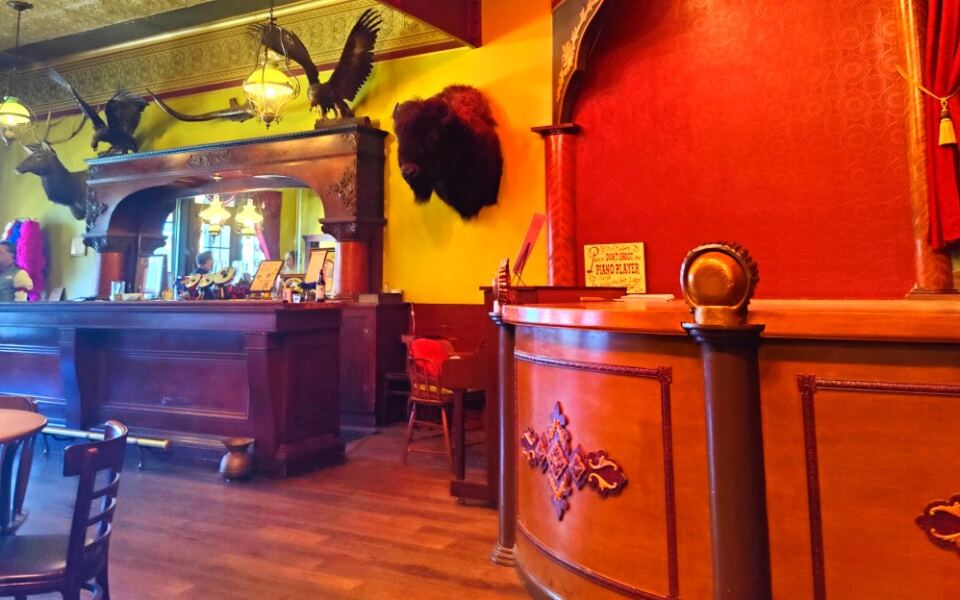
Few saloon names in Western history carry as much fame as the Long Branch. The original stood on Dodge City’s Front Street in the 1870s, and the museum’s recreation brings it back to life.
Inside, you will see a long wooden bar, period decorations, and a piano. On many days, staff in costume work behind the counter and are happy to chat about frontier history.
The drink to try is sarsaparilla. This old-fashioned soda has a root flavor that cowboys would have recognized, and it is a fun treat for kids and grown-ups alike.
The Long Branch also connects to TV history. Fans of the classic show Gunsmoke will remember Miss Kitty and her Long Branch Saloon, which made the name familiar to millions of viewers.
I like that this room is a working space, not just a display. Sitting down with a cold soda helps you picture how busy and loud the original must have been.
Later in the day, this saloon becomes the setting for something bigger. The evening entertainment here has been running for generations.
A Variety Show With Decades of Encores
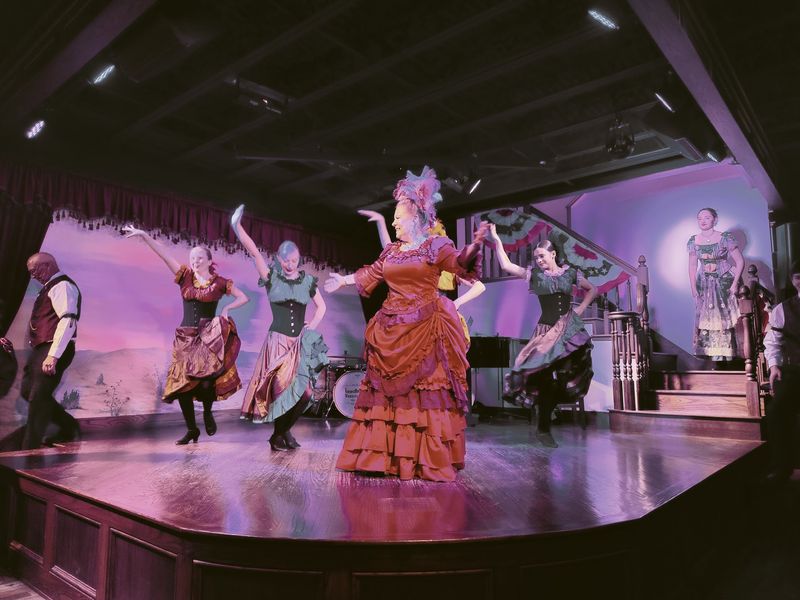
Long before streaming, people in frontier towns got their fun from live performers. The Long Branch Variety Show keeps that tradition going with singing, dancing, and comedy set in the late 1800s.
The show has been part of Dodge City summers since the 1950s. That long run makes it one of the town’s most lasting entertainment traditions.
Performers change from year to year, so each season brings a fresh cast. Expect cheerful songs, playful jokes, and a lively can-can number.
During the summer season, the museum also offers a dinner and show package. A home-style meal is served before the performance, which makes for an easy evening plan.
Tickets for the dinner and show are separate from regular admission. If this sounds fun, I would look into booking ahead, especially on busy summer weekends.
The humor stays family-friendly, so kids can come along. It is a relaxed way to end a day spent walking the grounds, and the costumes alone are worth a close look.
Speaking of looking closely, the indoor galleries hold a different kind of treasure.
Thousands of Artifacts Under One Roof
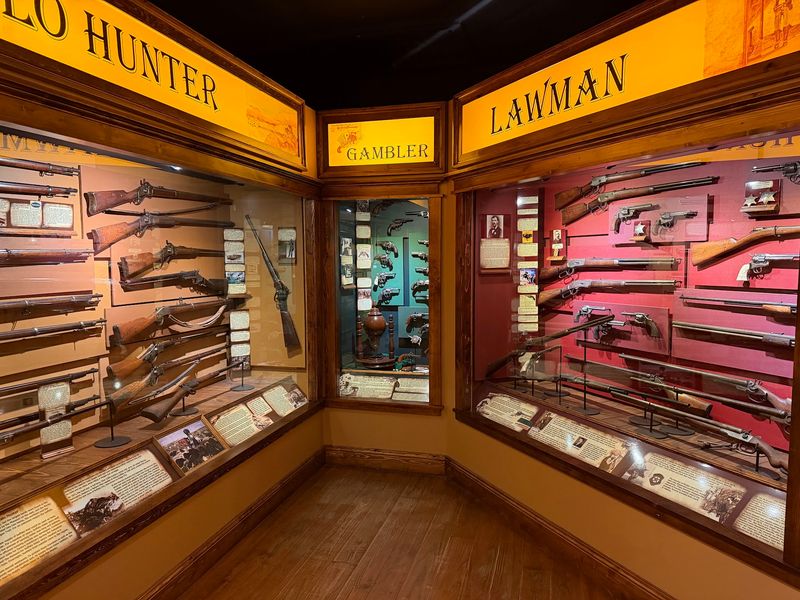
Real objects tell stories in a way that pictures cannot. The museum’s indoor galleries hold thousands of genuine artifacts from Dodge City and the surrounding plains.
The People of the Plains building, which opened after a major renovation in 2021, walks you through the region’s history. Exhibits cover Native American nations, buffalo hunters, soldiers, railroad workers, cattle drives, and lawmen.
A collection of historic firearms draws plenty of attention. You will also see saddles, spurs, clothing, tools, and household items that everyday families used.
Several displays use video and audio, with actors sharing history in the voices of people from that era. These digital exhibits help younger visitors stay interested.
My tip is to give yourself more time than you think. There is a lot of reading here, and rushing through means missing small details that make the stories click.
I would also start indoors before heading outside. Learning the background first makes the Front Street buildings feel more meaningful once you walk through them.
And one creature shows up again and again in these exhibits for good reason.
Buffalo, Cattle, and the Railroad Boom
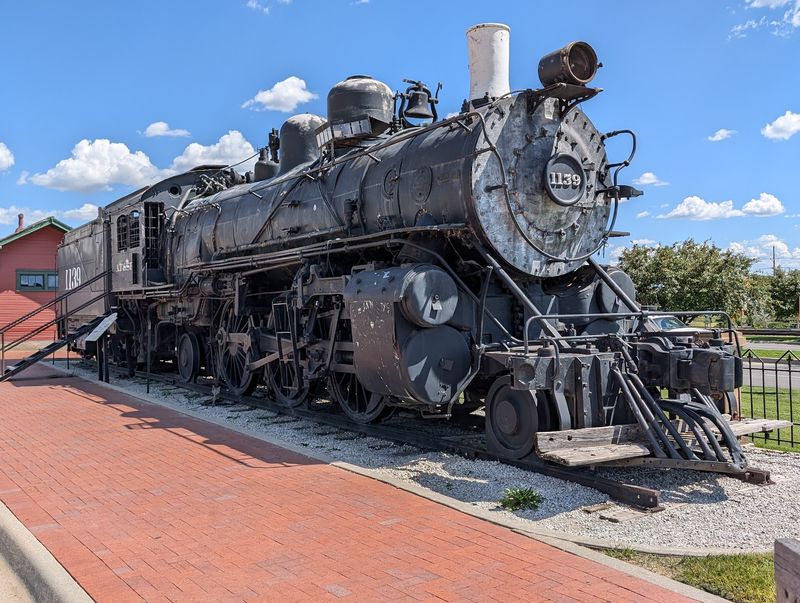
In 1872, the Santa Fe railroad reached the spot that would become Dodge City. Almost overnight, a tiny settlement turned into a busy trading town.
At first, the business was buffalo hides. Hunters brought huge numbers of hides to town, and trains carried them east, which changed life on the plains forever.
Soon after, Texas cattle became the big story. Cowboys drove large herds north to Dodge City so the animals could be shipped to markets by rail.
The museum explains this chain of events clearly. A buffalo exhibit, maps, and photographs help you understand how one railroad line shaped an entire region.
I find this part especially helpful for kids studying American history. It connects money, animals, transportation, and people in a way that makes sense.
The exhibits also share how these changes affected Native American communities who depended on the buffalo. That honest view gives the story more depth than the movie version.
With so many cowboys arriving after long trails, the town needed people to keep the peace. That is where the famous names come in.
Lawmen Who Became Legends
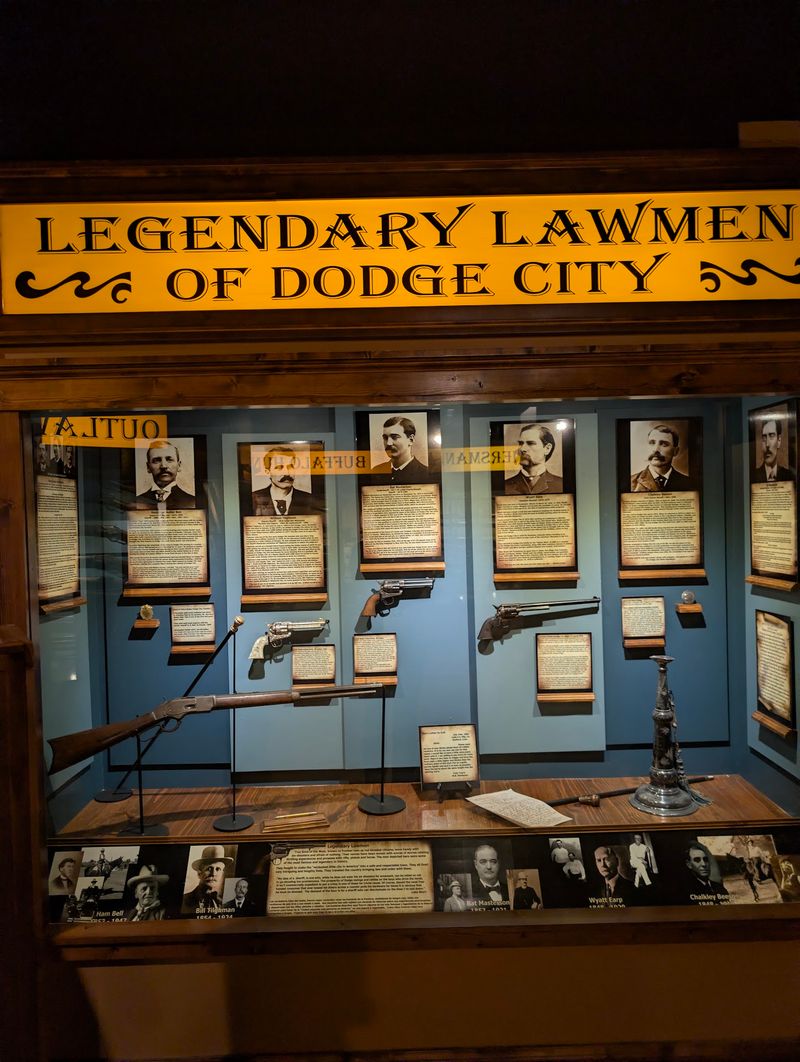
Wyatt Earp and Bat Masterson both wore a badge in Dodge City. Long before Hollywood made them famous, they were working lawmen trying to manage a rowdy cattle town.
The museum shares their stories along with other figures from the era. You will learn about town rules, like the one requiring visitors to check their guns, and how lawmen enforced them.
It is fun to compare real history with the legends. One recent visitor summed it up well by saying the reality and the myth are not so far apart.
The TV series Gunsmoke, set in Dodge City, ran for 20 seasons. Many people visit because they grew up watching Marshal Matt Dillon, and the museum honors that connection too.
I would recommend reading a little before your trip. Books about Dodge City’s lawmen can make the exhibits feel even richer once you are standing in front of them.
These stories also explain why certain buildings mattered so much. A town with lawmen needed a place to hold troublemakers, and one original structure still stands on the grounds.
Original Buildings With Real Stories
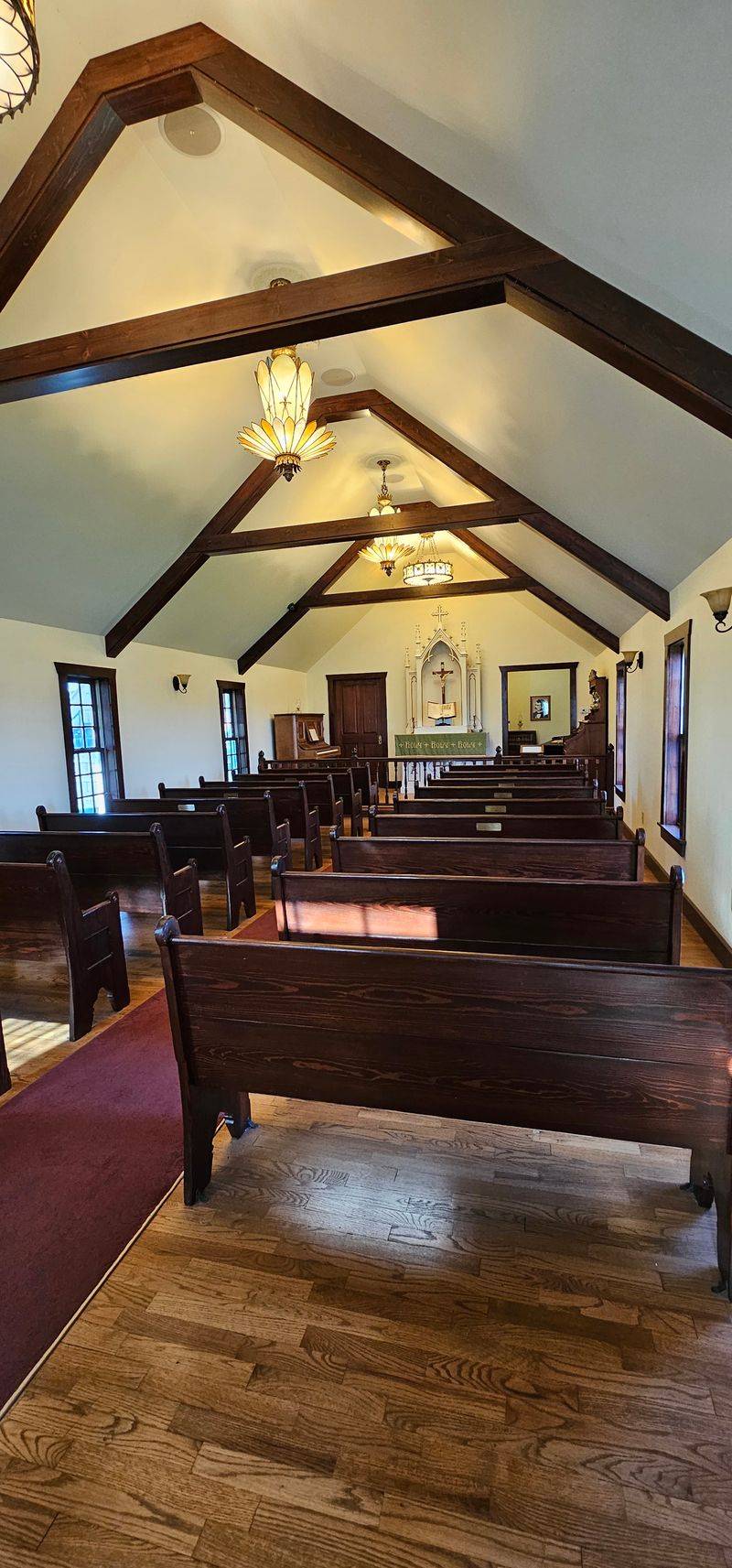
Not everything here is a replica. A few original historic buildings were moved to the museum grounds so they could be preserved.
The Hardesty House, built in the late 1870s, belonged to a successful cattle rancher. Walking past it gives you a look at how a well-off family lived once the town started to settle down.
You can also see an old frontier jail. It is small and plain, which tells you a lot about how simple frontier justice could be.
Back on Front Street, the recreated businesses fill in the rest of daily life. Look for the general store, a blacksmith shop, a church, and other storefronts with period furnishings inside.
The general store is a good stop for snacks and souvenirs. Ice cream and cold sodas make it a popular break on warm afternoons.
I like comparing the fancy house with the tiny jail. Together they show two very different sides of the same town.
Many visitors want to take a little of that era home with them, and the museum has a fun way to do it.
Smart Tips for Planning Your Trip
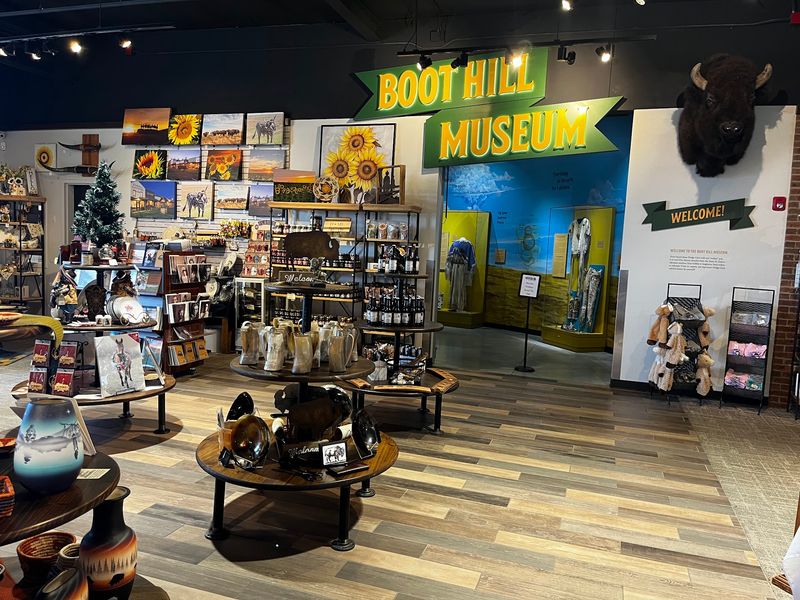
Old-time photo sessions are a favorite souvenir here. You can dress up in Western costumes and pose for a sepia-style picture that looks like it came from the 1880s.
For regular hours, the museum is usually open daily, with shorter hours on Sunday afternoons. Hours and seasonal events can change, so check the official website before you travel.
Summer is the busiest and most active season. That is when live actors, gunfights, and the dinner show are running, while cooler months offer quieter visits focused on exhibits.
Plan for at least a couple of hours. Many people say they wished they had allowed more time to explore both the galleries and the outdoor street.
Comfortable shoes are a smart choice since you will walk indoors and outdoors. A hat and sunscreen help during the hot Kansas summer.
Dodge City also offers a trolley tour that covers other historic spots around town. Pairing it with the museum can turn a short stop into a full day.
Whatever you choose, leave room to linger on Front Street before you head home.
Share this story