Somewhere in the rolling hills of Ohio, tucked about 36 miles southeast of Cincinnati, sits a small town that most people drive past without a second thought. But those who stop long enough to look around tend to stick around a lot longer than planned.
With rent averaging under $600 a month and a community that feels genuinely rooted, this place has quietly built a life that bigger cities can only advertise. Once you know what’s here, the question stops being why people stay and starts being why more people haven’t shown up yet.
Where Georgetown Sits on the Ohio Map
Brown County, Ohio has a quiet confidence about it, and Georgetown sits right at its center as the county seat. Positioned in the southwestern corner of the state, this village of roughly 4,453 residents occupies a stretch of gently rolling terrain that feels genuinely unhurried.
The surrounding landscape shifts between farmland, woodlands, and small creeks depending on which direction you head out of town.
Cincinnati is close enough for a day trip, roughly 36 miles to the northwest, but Georgetown doesn’t lean on its bigger neighbor for identity. The town operates on its own rhythm, shaped by generations of residents who chose this particular patch of Ohio and never felt the need to explain why.
For anyone curious about what small-town life actually looks like in practice, this village offers a clear and honest picture.
The Population That Chose to Stay

Around 4,453 people called Georgetown home at the 2020 census, and what’s notable isn’t just the number but the stability behind it. Small towns across the Midwest have watched their populations thin out over the decades, yet Georgetown has maintained a steady, grounded community.
People here aren’t staying because they have no other options. They’re staying because the math works and the lifestyle suits them.
Neighbors tend to know each other by name. Local events draw real participation rather than polite attendance.
There’s a social fabric here that takes years to build and can’t be replicated simply by adding amenities. For younger residents and families weighing the cost of living against quality of life, Georgetown keeps coming up as a place where both columns look surprisingly good.
That quiet loyalty is one of the town’s most underrated qualities.
Rent Under $600 and What That Actually Means
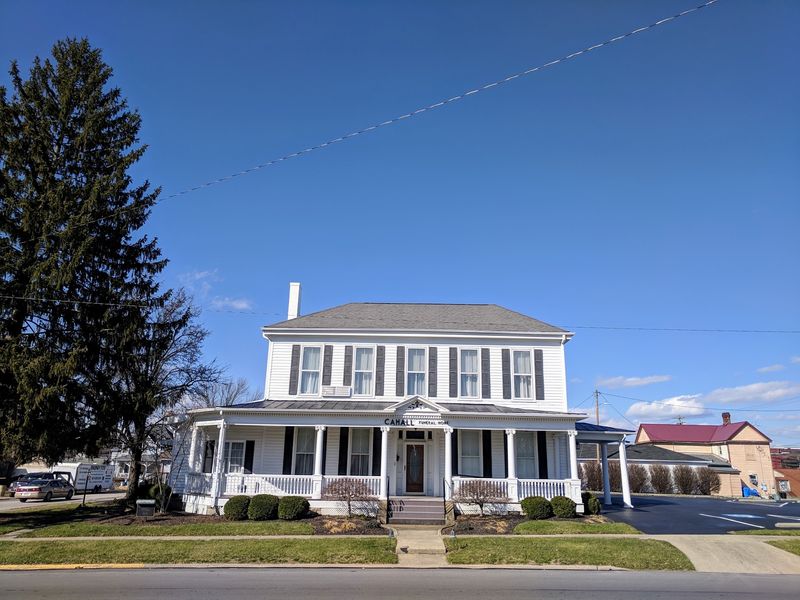
Housing costs have become the defining anxiety of a generation, so finding a place where rent regularly comes in under $600 a month feels almost like discovering a cheat code. Georgetown offers exactly that, and the homes aren’t cramped or crumbling.
Many are older properties with genuine character, front porches, hardwood floors, and yards that actually have room to breathe.
For context, the average one-bedroom apartment in Cincinnati runs considerably higher, often double or more. Choosing Georgetown over a crowded urban rental means the money saved each month can go toward something more meaningful than just keeping the lights on.
Families, young professionals, and retirees have all figured this out. The affordable housing isn’t a temporary deal or a sign of decline.
It reflects a cost structure that has stayed sensible while most of Ohio’s metro areas have moved in the opposite direction.
Ulysses S. Grant and the Childhood He Spent Here
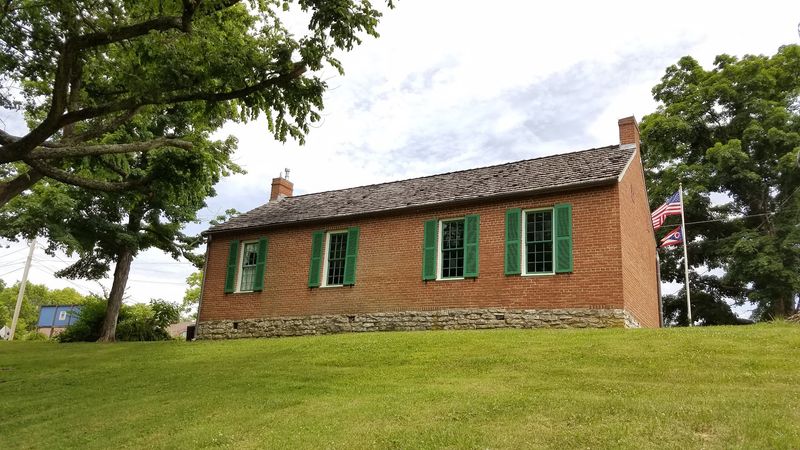
Not every small Ohio town can claim a U.S. president as a former resident, but Georgetown can. Ulysses S.
Grant, the 18th president of the United States and commanding general of the Union Army during the Civil War, spent his formative childhood years right here in Georgetown. His boyhood home still stands and draws visitors who want to connect with that piece of American history in a tangible, unhurried way.
Grant moved to Georgetown as a young child and grew up in the town before heading off to West Point. The modest surroundings of his early life are a big part of what makes the site so compelling.
There’s no grand estate or polished museum experience, just an honest look at the environment that shaped one of the country’s most consequential figures. For history-minded travelers, this alone makes Georgetown worth the drive from anywhere in Ohio.
Brown County’s Role in Georgetown’s Identity
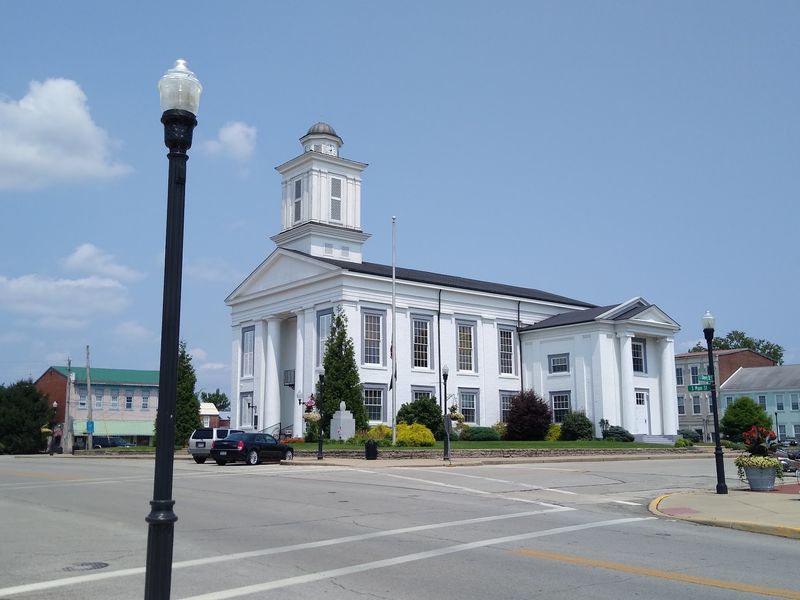
Being the county seat of Brown County gives Georgetown a certain civic weight that smaller villages don’t carry. The courthouse sits near the center of town and has for generations served as the anchor of local government, commerce, and community gathering.
County seats in Ohio often develop a slightly more active downtown than their neighbors, and Georgetown fits that pattern well.
Brown County itself is a place of modest agriculture, small businesses, and tight-knit townships. Georgetown functions as its hub, drawing residents from surrounding areas for services, shopping, and events.
That central role keeps the town from feeling too isolated, even on slower weekdays. There’s always some level of activity connected to county business, which gives Georgetown a steady pulse that purely residential small towns sometimes lack.
It’s a practical advantage that adds real value to everyday life here.
The Pace of Life That Keeps People Grounded

Life moves differently in Georgetown, and most residents would tell you that’s the point. Commutes are short.
Parking is free. Nobody is jostling for a spot at a coffee shop or waiting 45 minutes for a table.
The day has a natural rhythm here that feels sustainable rather than exhausting, and that’s not a small thing when you’re thinking about where to plant roots.
Slower pace doesn’t mean nothing happens. Community events, seasonal activities, and local gatherings fill the calendar in a way that feels organic rather than manufactured.
People show up because they want to, not because an app told them it was trending. For anyone who has spent time in a fast-moving city and found themselves more drained than energized, Georgetown offers a genuine alternative.
The adjustment takes about a week. After that, most people stop checking their phones quite so often.
What the Downtown Area Looks Like Today

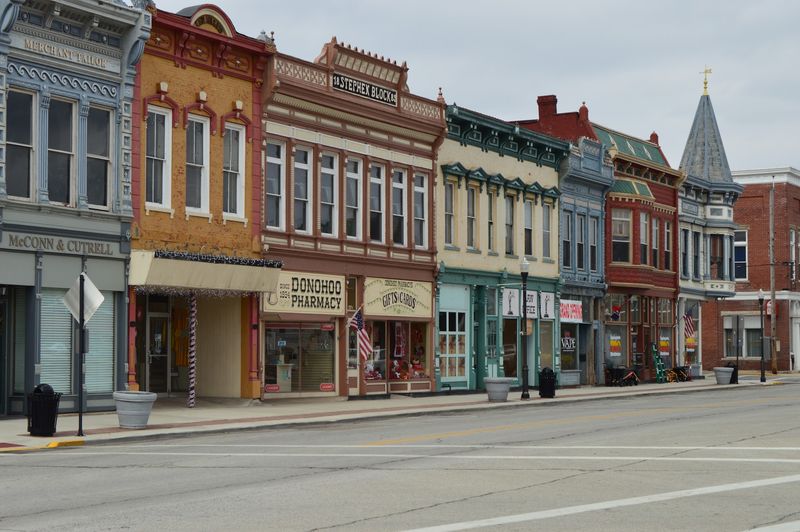
Georgetown’s downtown has the bones of a classic Ohio county seat, brick storefronts, wide sidewalks, and a courthouse square that anchors everything around it. Some of the buildings date back well over a century and have been maintained with enough care to feel historic without feeling neglected.
Walking through the center of town gives a clear sense of what American small-town commercial life looked like before strip malls took over.
Local businesses occupy many of the storefronts, including shops, services, and eateries that cater to residents rather than tourists. The downtown isn’t polished for Instagram, but it has an authenticity that staged destinations can’t replicate.
On a weekday morning, you’ll see regulars stopping to chat on the sidewalk and shop owners who know their customers by name. That kind of commerce, built on relationships rather than foot traffic, is rarer than it used to be and worth noticing when you find it.
Outdoor Space and the Surrounding Landscape

Step outside Georgetown’s town limits in almost any direction and the landscape opens up into something genuinely pretty. Brown County’s terrain is hilly and green in a way that surprises people who assume all of southern Ohio is flat.
The roads wind past farms, creek beds, and patches of mature woodland that feel far removed from any urban pressure.
For residents, that proximity to open land is part of the daily reward. Morning walks, fishing spots, and quiet drives through the county are accessible without planning or expense.
Families with kids find room to roam that simply doesn’t exist in denser communities. The outdoor environment here isn’t a destination you schedule, it’s a backdrop that comes standard with the address.
That kind of easy access to natural space is one of the underappreciated benefits of choosing a place like Georgetown over a larger Ohio city.
Who Georgetown Actually Attracts
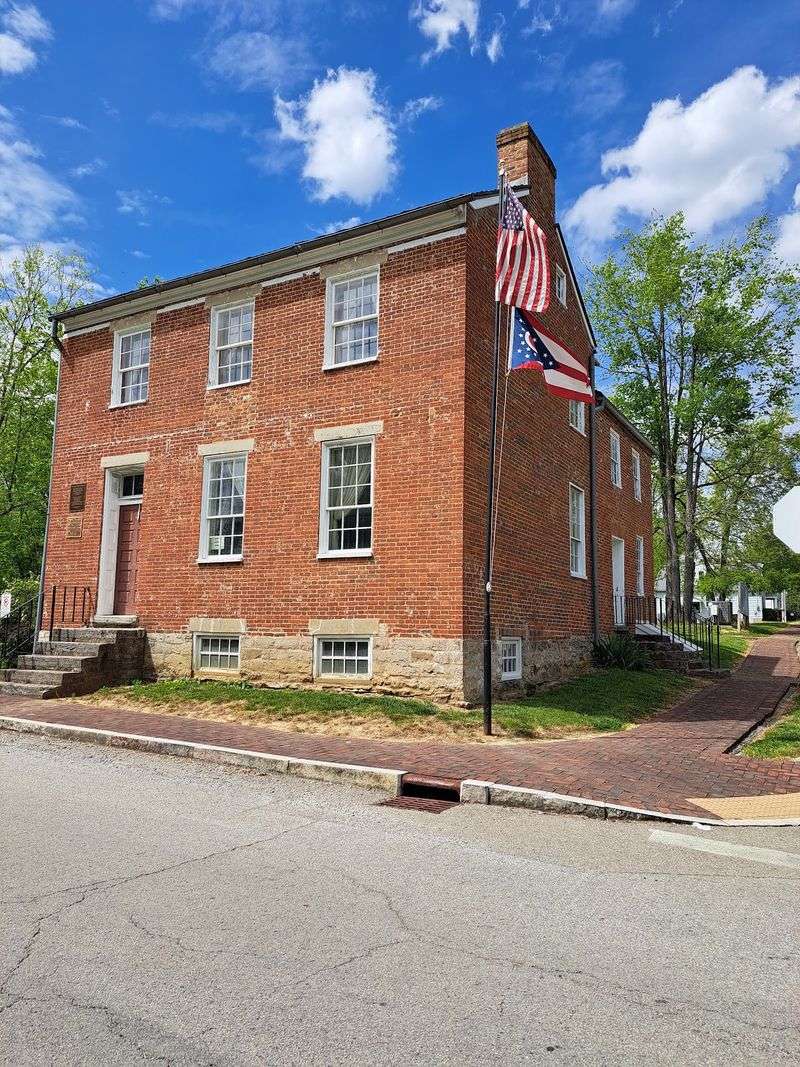
Georgetown pulls in a specific kind of person, someone who has done the math on modern life and decided that square footage, quiet streets, and a lower monthly bill matter more than proximity to a rooftop bar. Young families show up first in that calculation, drawn by affordable housing and the kind of neighborhood where kids can actually play outside without much supervision.
Retirees make up another significant part of the community. Fixed incomes stretch further here, and the slower pace aligns naturally with what that stage of life calls for.
Remote workers have also started appearing in Georgetown as the ability to work from anywhere has made geography feel less limiting. The common thread across all these groups is intentionality.
Nobody lands in Georgetown by accident. People arrive because they’ve looked at their options and decided this particular combination of affordability and community is worth choosing.
The Grant Connection Beyond the History Books
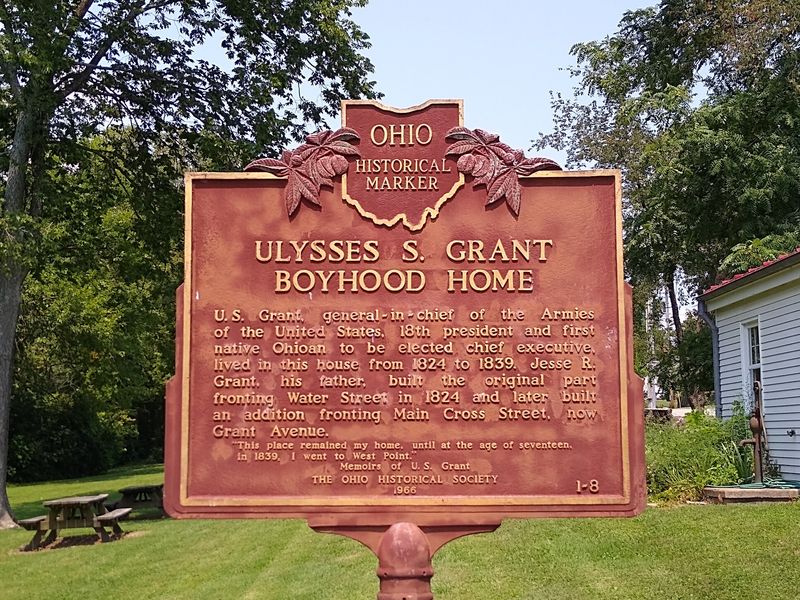
Georgetown’s connection to Ulysses S. Grant goes deeper than a single historic house.
The whole town carries a quiet awareness of its presidential past, and that identity shapes how residents think about their community. Growing up in the same streets where a future president and Civil War general once roamed gives Georgetown a subtle sense of historical gravity that other similarly sized towns don’t always have.
Local events occasionally draw on that heritage, and the Grant connection keeps Georgetown on the radar of history enthusiasts who might otherwise overlook a town of this size. It also adds a layer of civic pride that’s hard to manufacture artificially.
When a community knows it has produced something significant, that knowledge tends to reinforce a sense of worth and permanence. For visitors, the Grant history provides a concrete reason to stop and look around, and most find plenty more to appreciate once they do.
Getting to Georgetown from Cincinnati and Beyond

From Cincinnati, Georgetown is an easy 36-mile drive southeast, taking roughly 45 minutes to an hour depending on traffic leaving the city. State Route 32 handles most of that distance and passes through some genuinely pleasant Ohio countryside along the way.
The drive itself is worth doing on a clear day when the hills of Brown County are showing off.
From Columbus, the trip runs closer to 90 miles but remains entirely manageable as a day trip. Dayton sits roughly 60 miles to the north, making Georgetown accessible from multiple directions without requiring an overnight stay.
There’s no commercial airport nearby, so driving is the practical way to arrive, but the roads are straightforward and the parking situation in town is refreshingly uncomplicated. For Ohio residents looking for a nearby destination that doesn’t involve highway congestion or a crowded parking garage, Georgetown checks both boxes without any fuss.
Community Events and the Social Calendar
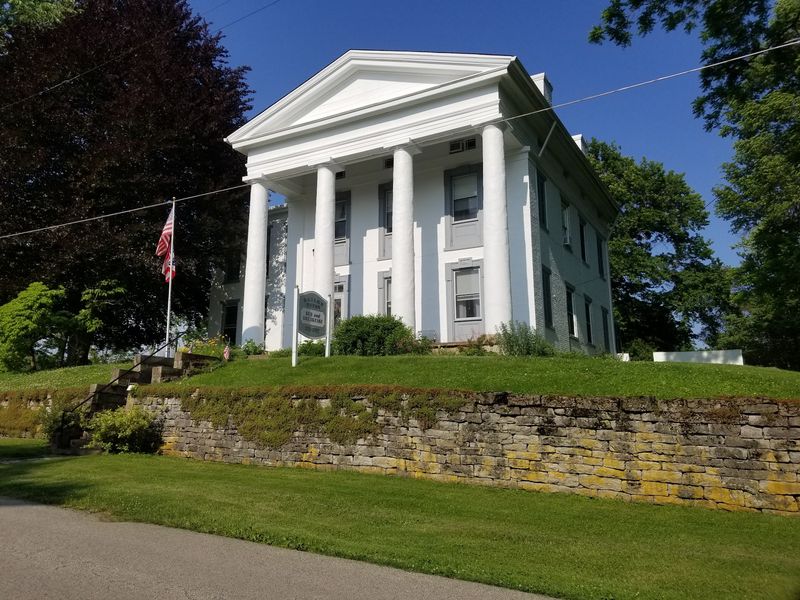
Georgetown keeps its social calendar full in the way that county seats tend to do, through a mix of local festivals, seasonal celebrations, and civic gatherings that bring residents out of their homes and into shared spaces. These aren’t large-scale productions with corporate sponsors.
They’re the kind of events organized by neighbors, supported by local businesses, and attended because people actually want to see each other.
Brown County’s agricultural roots show up in seasonal events tied to harvests and outdoor traditions. The courthouse square serves as a natural gathering point for many of these occasions, giving the town a central stage that feels genuinely communal.
For newcomers, these events are often the fastest path to feeling like a local rather than a visitor. Georgetown’s social life isn’t flashy, but it’s consistent and genuine, which turns out to be exactly what most people are looking for once the novelty of city entertainment wears off.
The Honest Case for Small-Town Ohio Living
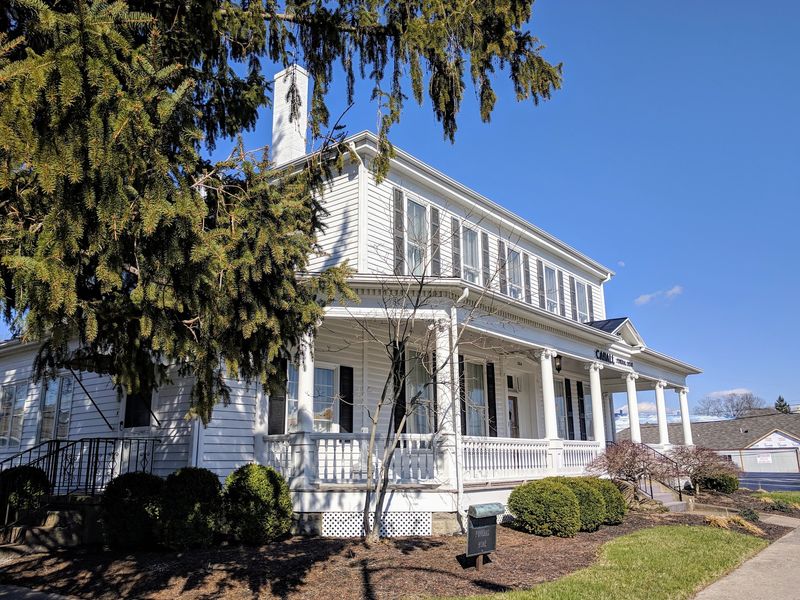
Small-town life in Ohio gets romanticized and dismissed in equal measure, often by people who haven’t actually tried it. Georgetown offers a useful reality check on both extremes.
The town isn’t a postcard fantasy of perfect picket fences, but it’s also not the stagnant backwater that urban transplants sometimes fear. It’s a functioning community where people have built real lives on sensible terms.
The honest case for Georgetown comes down to a few specific things. Affordable housing that doesn’t require a financial sacrifice on every other category.
Neighbors who engage rather than avoid. Outdoor space that’s accessible without a reservation.
History that gives the place a sense of meaning beyond its size. Taken together, those qualities add up to something that’s increasingly difficult to find in Ohio’s growing metro areas.
The town isn’t trying to compete with Columbus or Cincinnati. It’s offering something those places genuinely cannot.
Why Leaving Georgetown Is Harder Than It Sounds

Ask longtime Georgetown residents why they haven’t left and the answers tend to cluster around the same themes. The cost of living makes financial breathing room possible.
The community feels personal rather than transactional. The pace allows for an actual life outside of work.
None of those things sound dramatic, but together they create a stickiness that’s hard to replicate elsewhere.
People who move away for school or career opportunities often find themselves drawn back, sometimes intentionally and sometimes by circumstance. The town has a way of recalibrating expectations about what daily life should feel like.
Once you’ve lived somewhere that doesn’t demand constant hustle just to cover basic expenses, returning to that pressure becomes genuinely unappealing. Georgetown isn’t perfect, but it’s honest, affordable, and rooted in something real.
For a growing number of Ohioans, that combination is proving to be more than enough reason to stay put.
Share this story