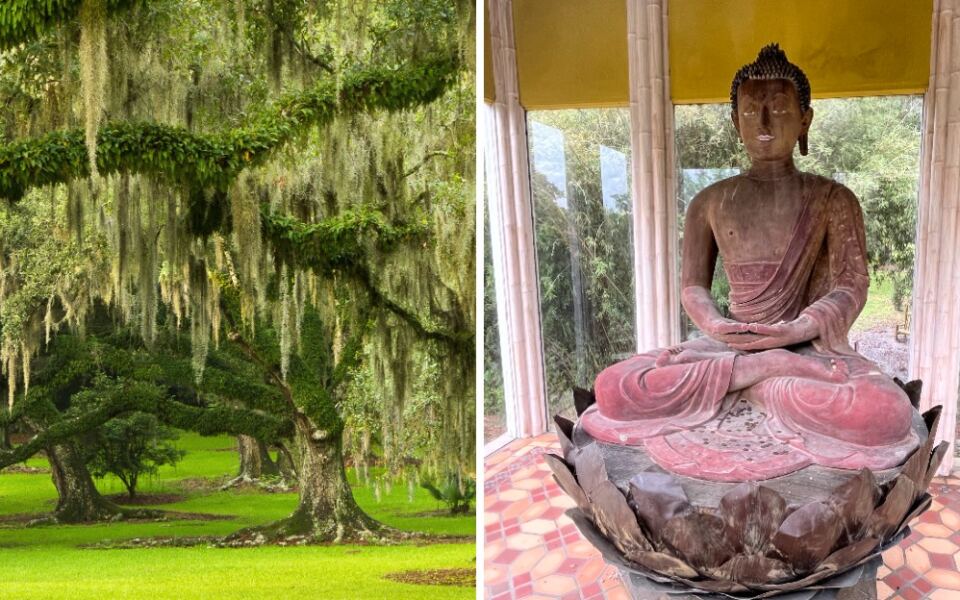
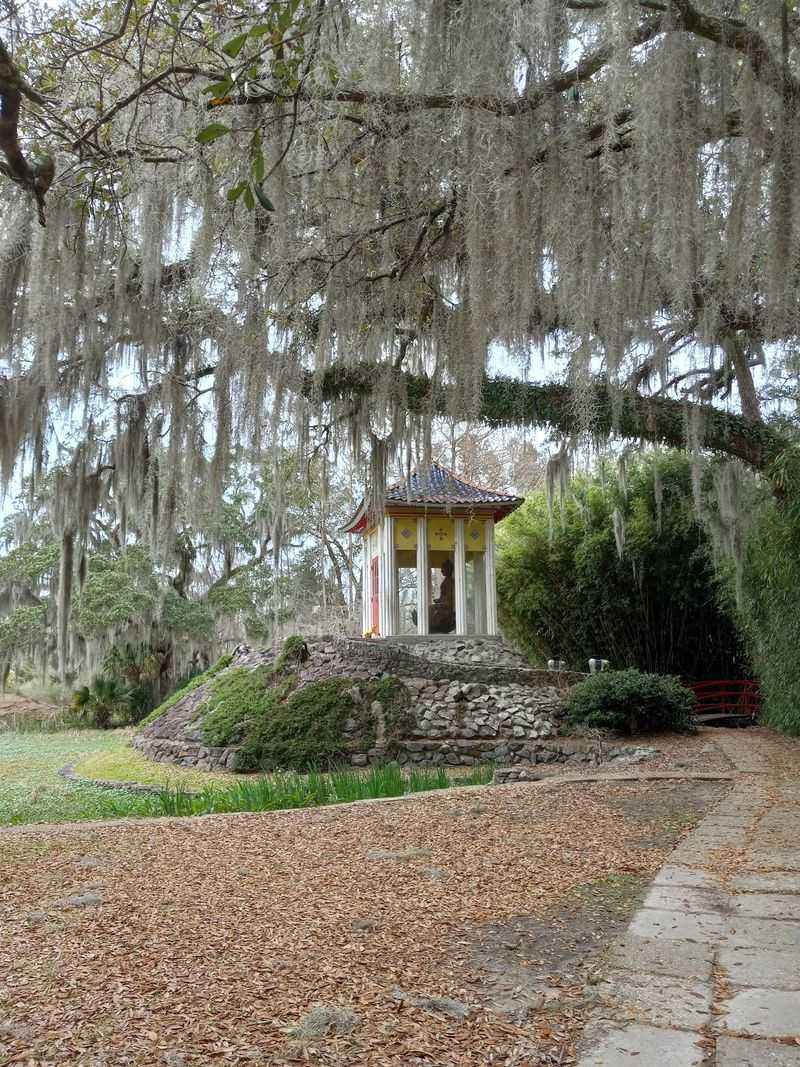
A seated Buddha statue, said to be about 900 years old, sits in a quiet garden pavilion on a salt dome in south Louisiana. It came from Asia and now looks out over camellias, bamboo, and old oaks draped in Spanish moss.
Around it, roughly 170 acres of winding roads, marsh, and wild bayou wait to be explored at your own pace. I drove and walked the loop to find out how a statue like that ended up here, and what else is tucked between the trees.
A Seated Buddha Older Than Most Countries
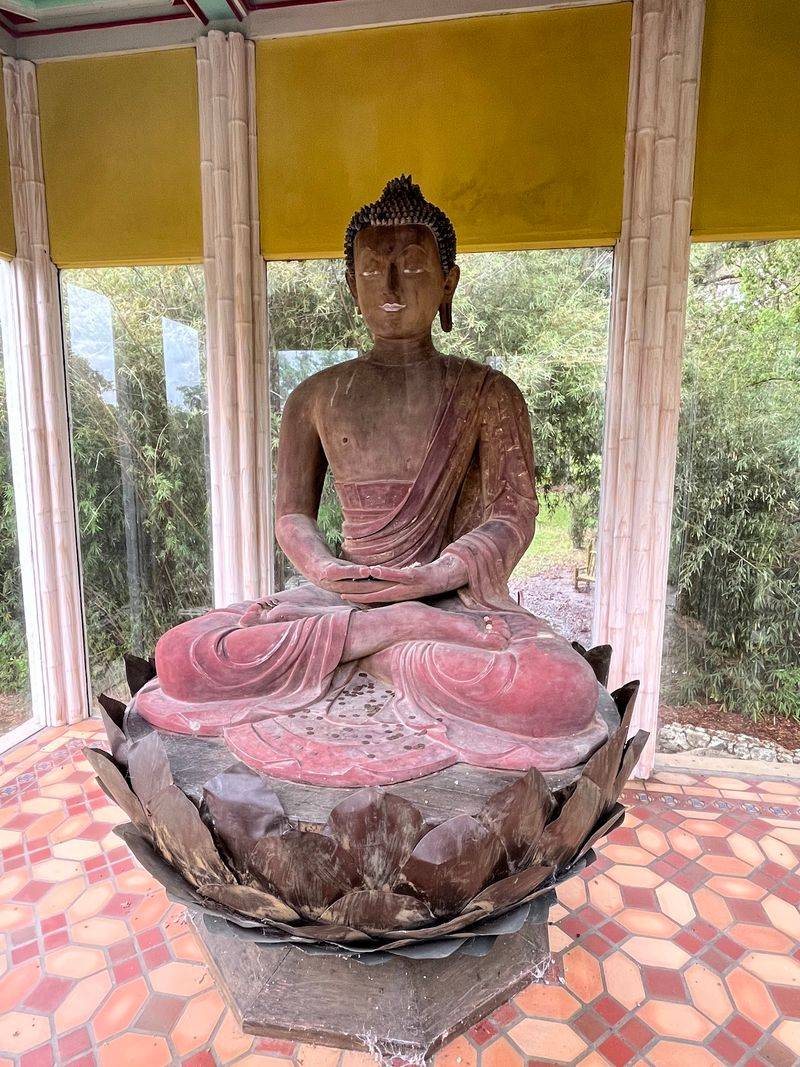
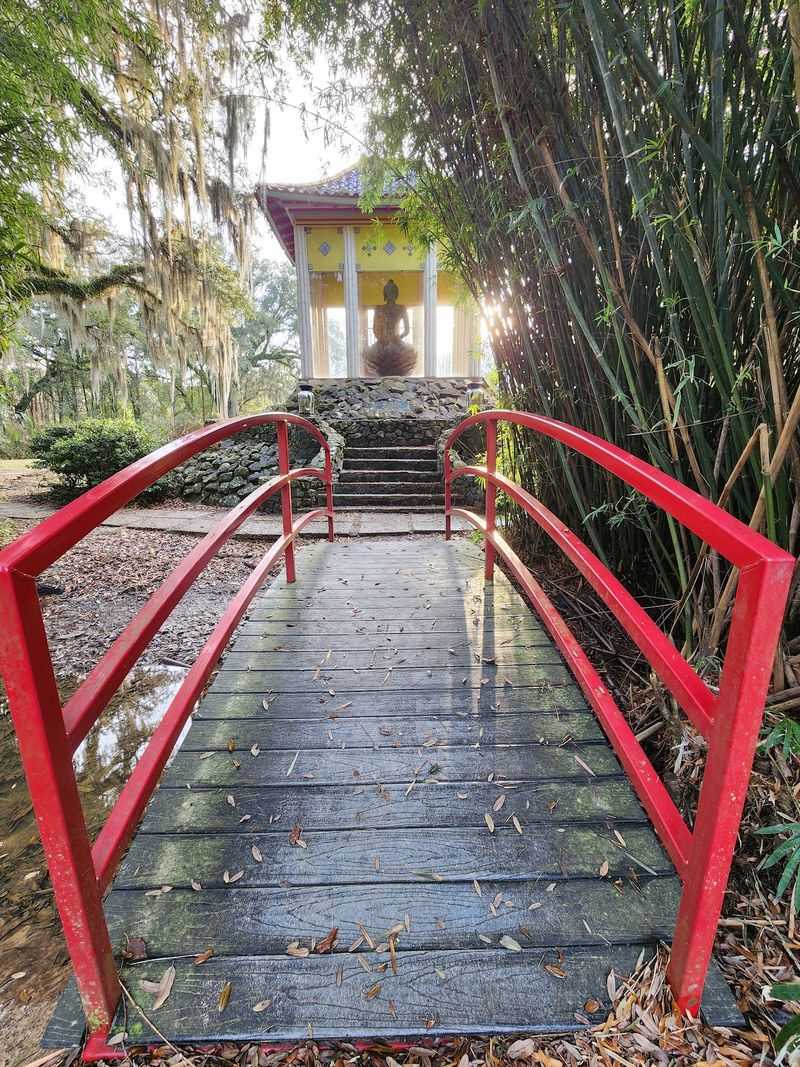
The first thing that stopped me was the Buddha. It sits in a small garden shrine, calm and weathered, with a look that suggests it has seen centuries pass.
The statue is said to be around 900 years old, which makes it older than the state around it by a very long stretch.
Its story starts in Asia, where it was brought to the island and placed in a setting built to honor it. The pavilion gives it shade, and the plantings nearby soften the whole scene with color and texture.
I lingered here longer than planned. A metal bench shaped like bamboo sits close by, so you can rest and simply look.
Behind it, an open lawn spreads out with camellias and azaleas.
Before I explain how the statue got here, you need to know about the land beneath it, because the island itself is strange.
Meet Jungle Gardens on Avery Island
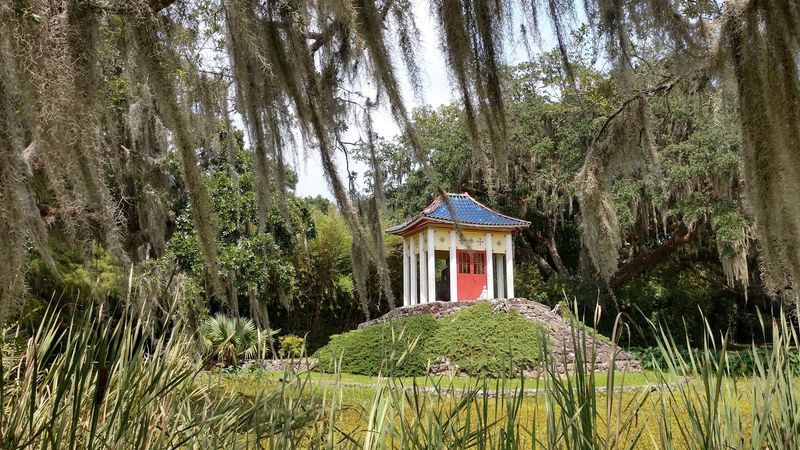
Now for the name of the place that holds all of this. Jungle Gardens sits at Louisiana 329 and Main Road, Avery Island, LA 70513, United States.
The garden covers more than 170 acres and is part of the same island known for the famous hot sauce made there. Most visitors reach it by driving the island road, and a ticket cabin marks the start of the garden loop.
Parking near the cabin is easy, and restrooms are available at the entrance. Hours run from 9 AM to 5 PM most days, though I would check the official website before heading out.
I liked how quickly the busy world faded once I rolled through the gate. The road narrows, the trees close in, and the pace slows down, which is exactly how this garden wants you to travel.
The Salt Dome Under Your Tires
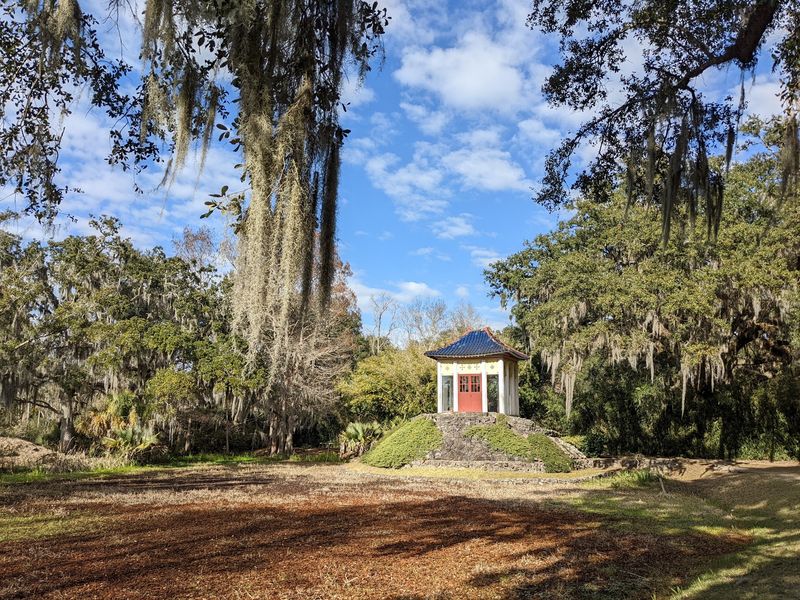
Avery Island is not really an island in the usual sense. It is the top of a salt dome, a huge underground column of salt that pushes the land upward above the surrounding marsh.
That lift is why the ground here feels different. You notice gentle hills in a region famous for flatness, and the higher ground shaped how the garden was planted.
Southern Louisiana has several salt domes, and this one is among the most visible. Standing on it, I could see how the marsh stretches away on all sides.
Knowing this makes the drive more interesting. Each curve follows terrain that exists only because of what lies below.
Next, I want to tell you about the man who saw potential in this ground and started planting.
Edmund McIlhenny’s Love of Plants
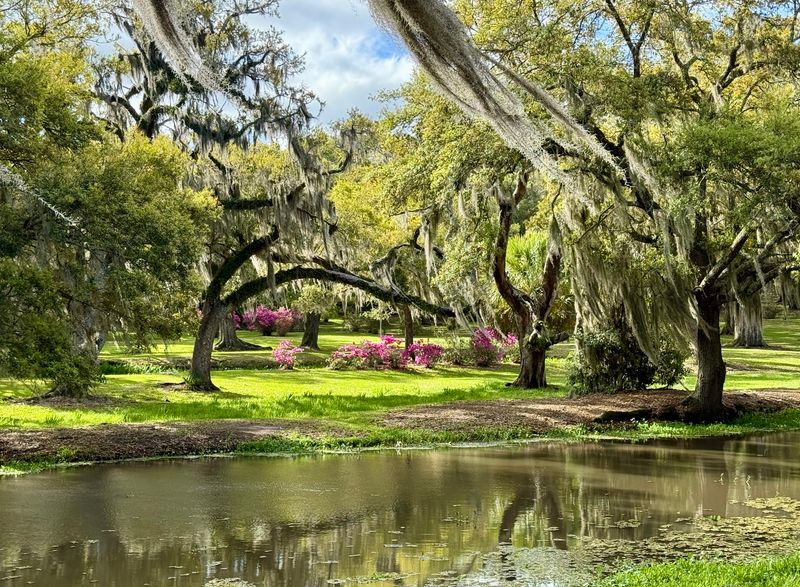
Plenty of gardens grow from a business, but this one grew from a passion. Edmund McIlhenny, the founder of the hot sauce company on the island, loved horticulture and began shaping the grounds with plants he collected.
His interest gave the property its botanical backbone. Camellias, azaleas, and many ornamental varieties from earlier American eras still fill the paths.
The result feels more like a personal collection than a manicured showpiece. Some corners are tidy, while others look pleasantly wild.
The family still owns and cares for the land, which explains the steady feel of the place. Nothing seems rushed or overdone.
That gentle approach continues into the next stop, where a Chinese-inspired area shows how far the collecting stretched.
Driving the Loop at a Slow Roll
Most people see the garden from their car, and I understand why. A one-way loop road winds past numbered stops, so you can park, wander, and drive on.
Plan on at least two hours if you want to get out at several spots. I found that stopping at each marker kept the visit relaxed rather than rushed.
The road can be rough in places. There are potholes, narrow stretches, and a few steep edges, so a higher vehicle is more comfortable than a low sedan.
Bring water too, especially in warm months, since restrooms are only at the entrance.
Driving is handy, but it is not the whole story. Some of the best views are on foot, and one of them involves a wall of moss.
Alligators Sunning in the Bayou
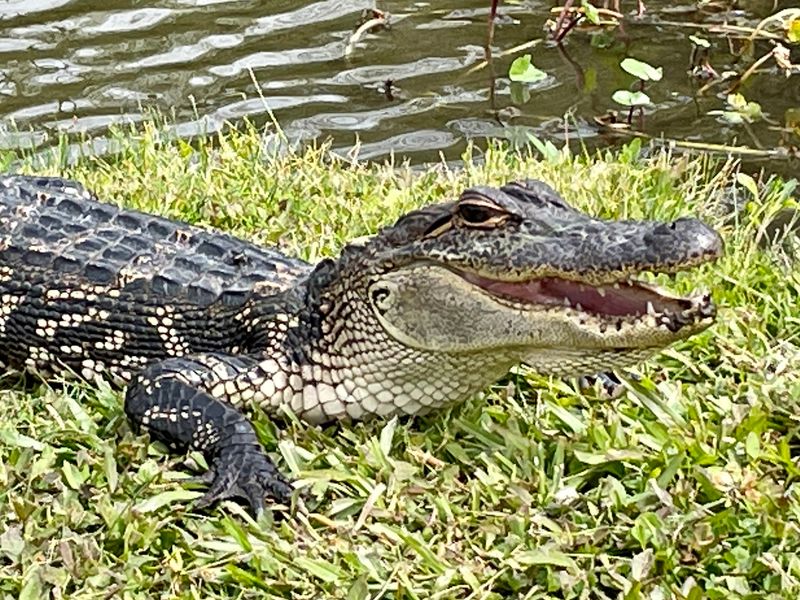
Alligators are the star of nearly every visit, and I spotted several within the first hour. They rest along the banks of ponds and bayou edges, often perfectly still.
Some visitors even see mothers with babies nearby. Turtles share the water too, so keep your eyes on the logs.
These are wild animals, and signs ask visitors not to feed them. Keep a safe distance, use a zoom lens, and let them be.
I found the gators easier to enjoy from the car window or a respectful spot on the path. Their calm looks are deceiving, and the little thrill of knowing that adds to the walk.
Above the water, another group of residents puts on a very different show.
Egrets, Spoonbills, and the Bird Sanctuary
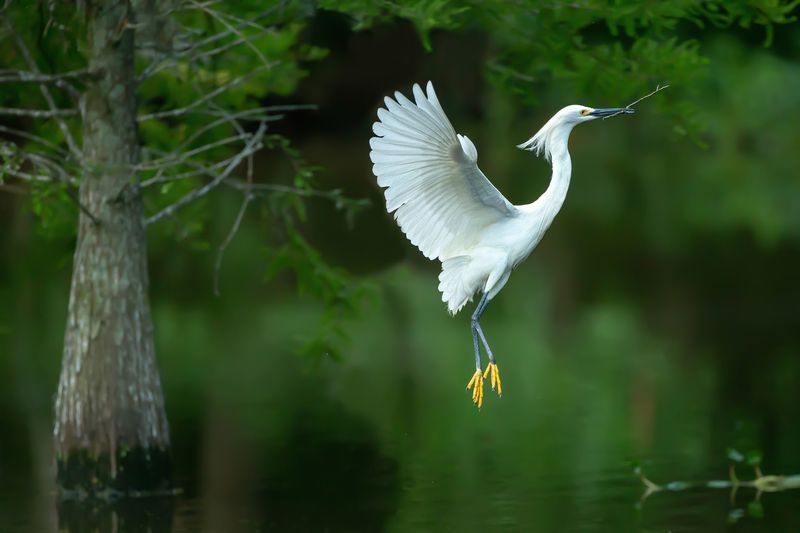
Bird lovers get a real treat here. Egrets crowd the branches over the water, and roseate spoonbills sometimes appear among them with their pink feathers.
The garden includes a bird sanctuary, and it gives the area a lively background of calls and flapping wings. Bring binoculars if you have them.
I stood at one pond for a good while, just watching the shapes settle and lift. Early morning felt best, with softer light and fewer voices.
Photographers will find plenty to work with, but even a phone camera captures the white plumes against dark water.
Once the birds have had their moment, the trail turns toward plants that seem to belong in a different part of the world.
Bamboo, Camellias, and Asian Plantings
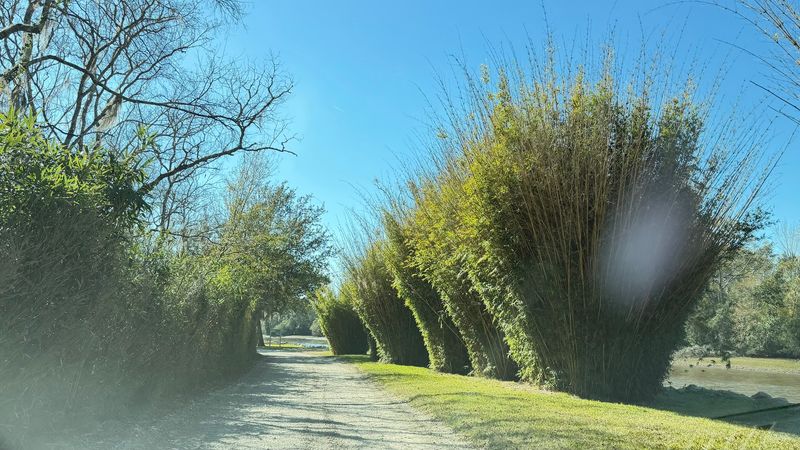
Bamboo rises here in thick green stands that rustle with every breeze. The variety surprised me, since some stalks are slim and others are wide and tall.
These plants tie into the Asian theme that shaped the garden. Plants and statuary were gathered to build an atmosphere that felt far from the Louisiana marsh.
Camellias bloom in a range of shades, and azaleas add bright bursts when the season is right. Winter and spring tend to be the best times for flowers.
Walk slowly here. The layers of leaf shapes and colors reward a second look.
Beyond the plantings, a different kind of scenery opens up, one with a name that sounds like it belongs in Italy.
Live Oaks and Curtains of Spanish Moss
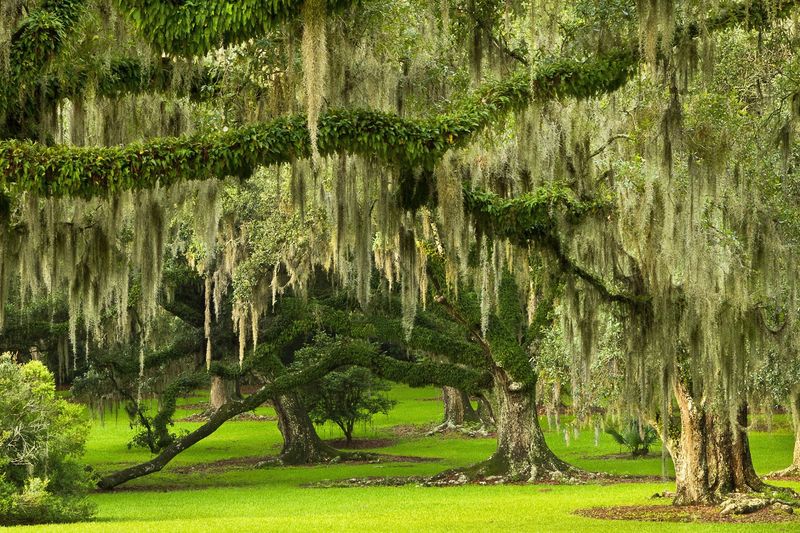
The oaks are the quiet giants of this garden. Their thick limbs reach sideways and dip toward the ground, with Spanish moss draping from nearly every branch.
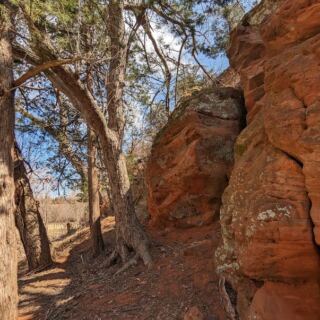
One tree near the Buddha area stands out. Its roots are exposed and it leans to one side, yet it keeps holding on.
Shade under these trees is welcome on hot days. Many stops have room to park and spread out a picnic.
The moss also softens sound, so voices drop naturally. I caught myself whispering without meaning to.
The old growth mixed with marsh and open lawns makes for a landscape that feels very much like south Louisiana, and it hints at how this garden once drew early motorists.
Walking the Trails on Foot
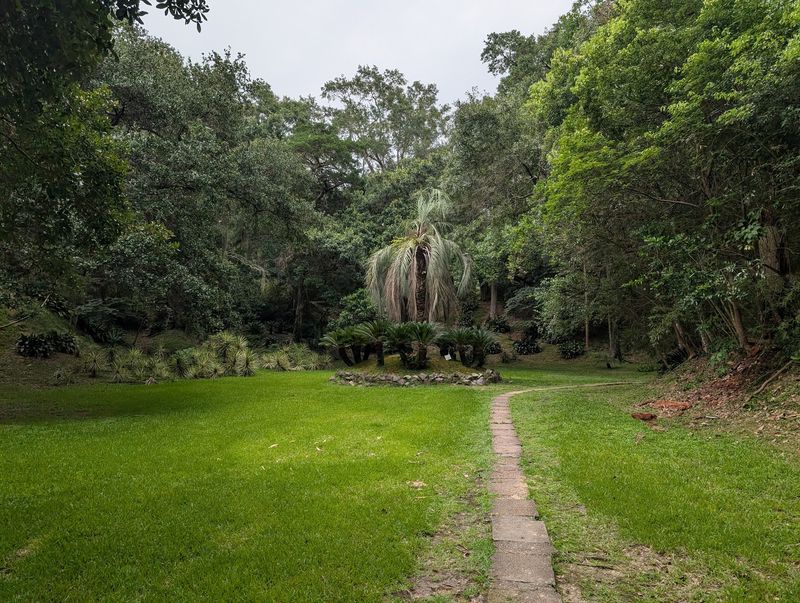
Getting out of the car changes everything. Trails lead past ponds, lawns, and shaded corners that the road only hints at.
Some visitors walk a good portion of the grounds, and a few finish the route in roughly two to three hours. Comfortable shoes and bug spray make the trip easier.
On foot you notice smaller things, like turtles slipping into the water and squirrels darting through leaves. Spiders spin webs across some paths, so watch where you reach.
Crowds are often thin, which means long stretches of quiet. That stillness was my favorite part of the day.
Before you leave, there are a few practical details that will help you plan a smoother visit.
Planning Your Visit and Exploring Nearby
A little planning goes a long way. Check the official website for current hours and ticket details, since they can change.
Bring water, wear sturdy shoes, and consider a cooler day if possible. A gift shop and restrooms are available near the entrance.
An audio tour is available, and it adds helpful background as you move from stop to stop. Give yourself two to three hours so nothing feels squeezed.
The island also holds the famous hot sauce factory, and many visitors pair the two stops in one trip.
If this garden left you curious, consider exploring other Louisiana gardens and historic grounds in the surrounding region. Each one has its own story waiting to be found.
Share this story