There is a place in outer Southeast Portland where the city noise fades completely and the air smells like dense Douglas firs and damp creek stones. Tucked along Johnson Creek, this estate holds over 2,000 plant species, a historic manor house, a stone cabin, and trails that wind through some of the most quietly spectacular scenery in all of Oregon.
For just eight dollars, you get a couple of hours that feel genuinely removed from everyday life. I visited on a sunny Saturday and left wishing I had blocked off the whole afternoon, so keep reading to find out everything you need to know before you go.
Finding the Garden: Address, Location, and Getting There
Not every botanical garden announces itself with fanfare, and Leach Botanical Garden at 6704 SE 122nd Ave, Portland, OR 97236 is very much the quiet, confident type. It sits in outer Southeast Portland, tucked along the edge of Johnson Creek, and you might drive right past it if you are not paying attention.
The surrounding neighborhood feels ordinary at first, which makes the moment you step through the entrance all the more surprising. Parking is available on site, and the approach through the trees gives you an early hint of what is waiting inside.
The garden is open Thursday through Sunday from 10 AM to 4 PM, and it is closed Monday through Wednesday. Before visiting, it is worth calling ahead at 503-208-6030 or checking leachgarden.org for any seasonal updates or special event schedules.
Planning your arrival early in the day gives you the best chance to explore at a comfortable pace without feeling rushed toward closing time.
The Story Behind the Garden: John and Lilla Leach
The whole place started with two people who were genuinely obsessed with plants. John and Lilla Leach purchased this 4.17-acre property in 1936 for the remarkable price of ten dollars, and they spent decades turning it into one of the most personally curated botanical estates in the Pacific Northwest.
Lilla was a trained botanist who is credited with discovering several new plant species in Oregon, which is a level of plant enthusiasm that most of us can only admire from a respectful distance. John was a pharmacist and an equally passionate outdoorsman, and together they built not just a garden but a home and a legacy.
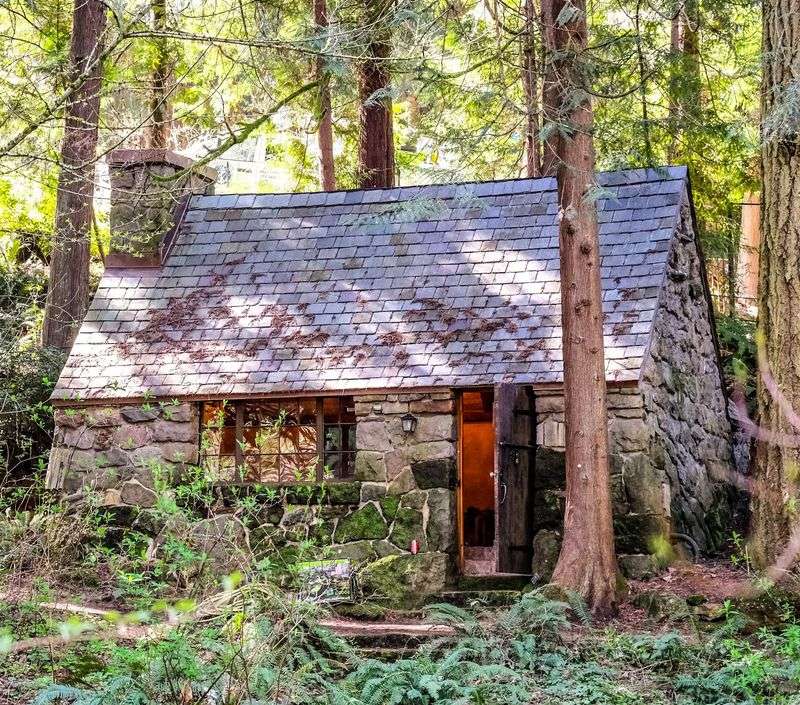
The stone cabin on the property was built by the Leaches themselves, and it still stands today as a quiet reminder of the hands-on spirit that shaped this place. The couple donated the garden to the City of Portland in 1980, ensuring that their life’s work would remain open and accessible to the public.
Walking through knowing that history adds a layer of warmth to every trail and every plant bed you pass.
The Aerial Tree Walk: A Totally Different View of the Forest
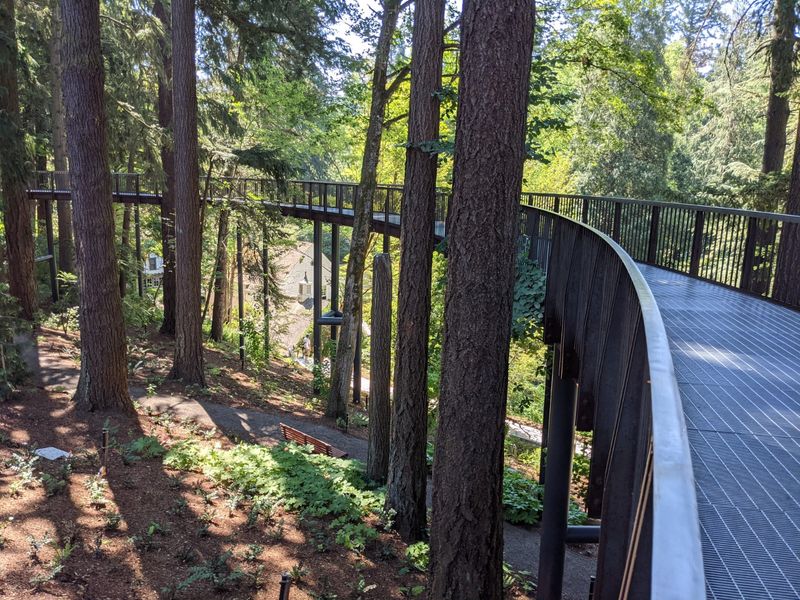
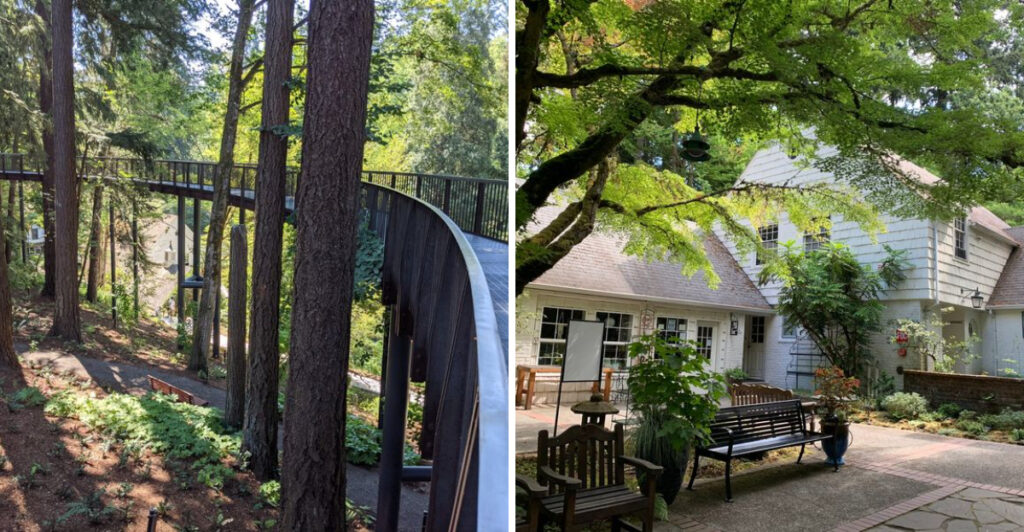
The Upper Garden’s Aerial Tree Walk is the kind of feature that makes you stop and say something embarrassing out loud because you did not expect it to be that cool. A steel walkway lifts you up among towering red cedars, giving you a vantage point that most visitors to any garden never get to experience.
The structure is fully accessible, which is a genuine plus for visitors who might find the steeper trail sections challenging. From up there, the forest canopy surrounds you on all sides, and the light filters through in a way that makes even a simple phone camera look like it knows what it is doing.
The walkway is one of the most photographed spots in the entire garden, and it earns that reputation honestly. After crossing it, the trails wind downward into the lower garden, following the creek and passing through shaded groves that feel nothing like the busy city just a few miles away.
Going early on a weekday means you might have the whole structure to yourself, which is the kind of quiet that is genuinely hard to find in Portland.
Johnson Creek and the Trails Along the Water
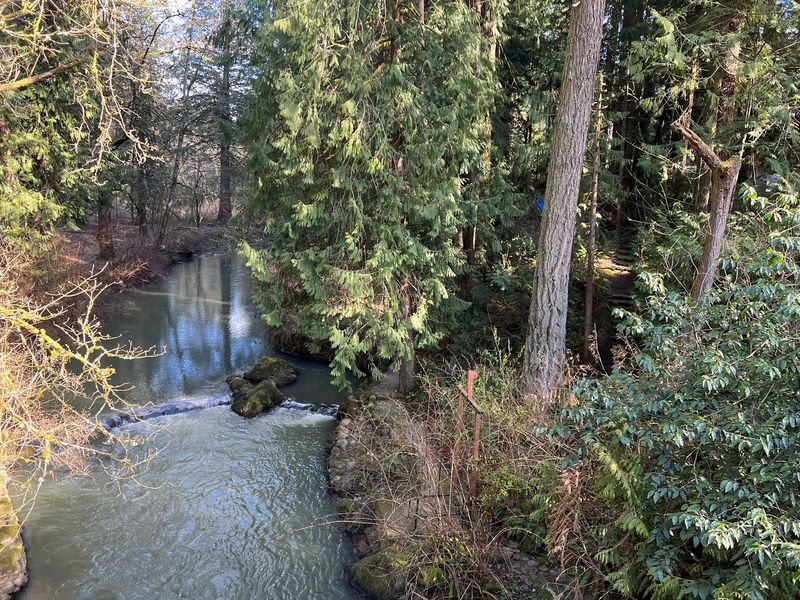
There is something about the sound of moving water that makes a walk feel twice as relaxing, and Johnson Creek delivers that throughout the lower garden section of Leach. The trails along the creek are shaded and relatively flat compared to some of the hillier upper paths, making them a natural resting point during the loop.
A new footbridge spans the creek and connects the south garden to the rest of the property, and crossing it feels like a small adventure even for adults. The water moves clearly over rocks, and the air near the creek has a cool, earthy quality that is especially welcome on warm afternoons.
The creek-side path also passes the historic Leach manor house, which grounds the natural beauty of the water walk in the garden’s human history. Kids tend to slow down here naturally, drawn by the water and the rocks in a way that no amount of parental encouragement could manufacture.
Bring a light jacket if you visit in the morning, because the creek corridor stays noticeably cooler than the sun-exposed sections of the upper garden, and that temperature shift can sneak up on you.
The Historic Manor House and Stone Cabin
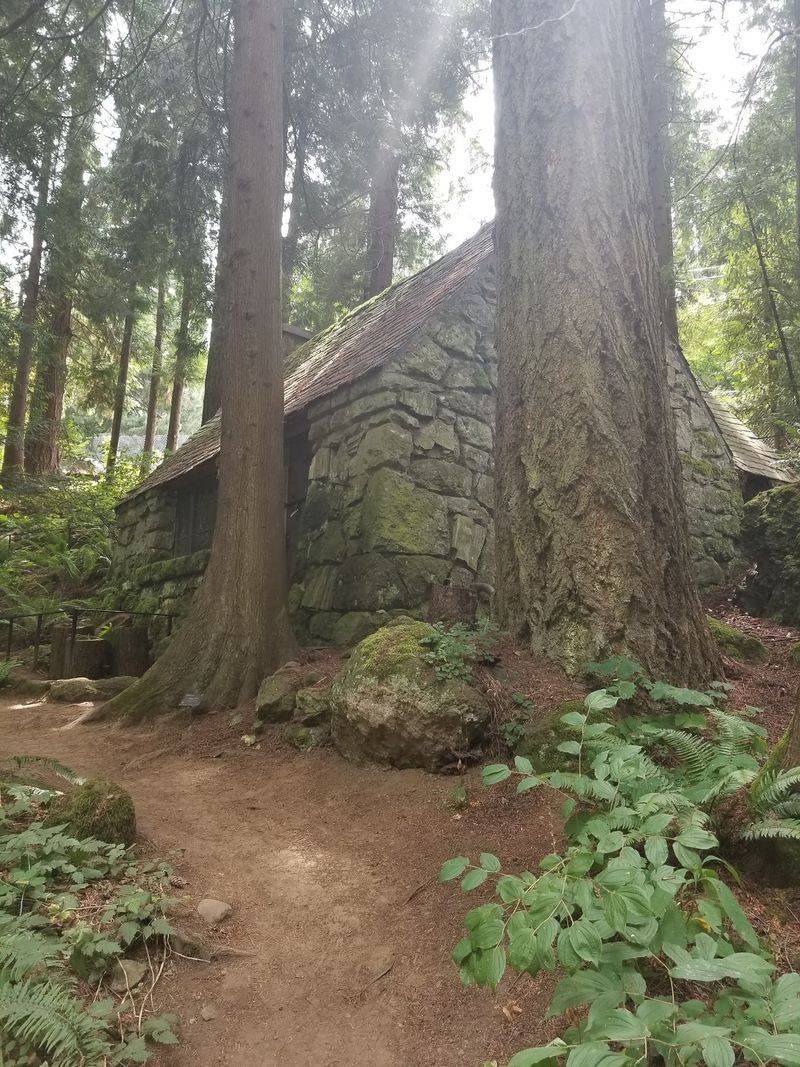
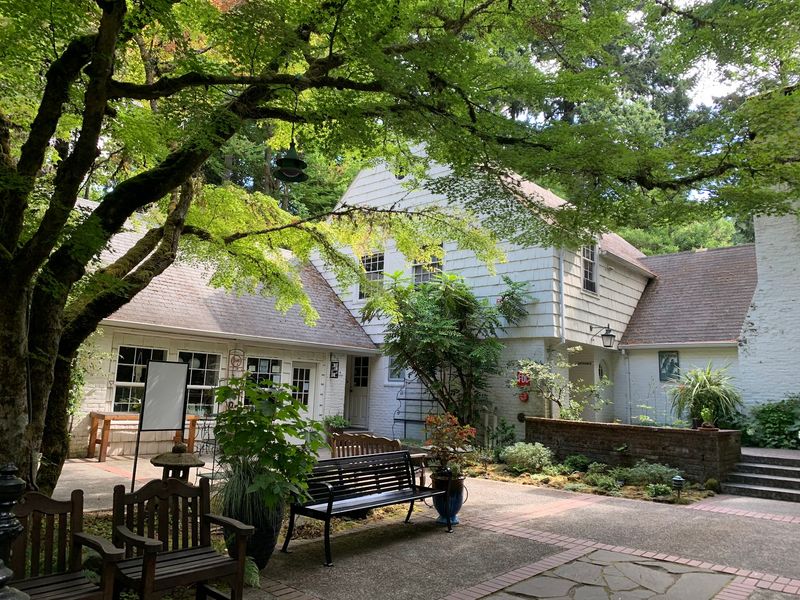
Two structures on the property carry the personality of the Leach family more than anything else, and both are worth slowing down for. The manor house is a charming, modest building that fits naturally into the wooded setting, and guided tours are offered at 11 AM, noon, and 1 PM on open days.
Inside the manor, the terrazzo floor is a detail that gets mentioned again and again by visitors who take the time to look for it. It is a small but beautifully crafted feature that speaks to the care the Leaches put into every corner of their home and property.
The stone cabin nearby was built by John and Lilla themselves, which gives it a rougher, more personal character than anything a contractor would have produced. It is a compact structure that manages to feel both sturdy and intimate at the same time.
Seeing these buildings in the context of the surrounding gardens helps you understand that this was never just a hobby project for the Leaches. This was their life, their research station, and their home, all rolled into one carefully tended piece of Southeast Portland land.
Plant Collections That Change With Every Season
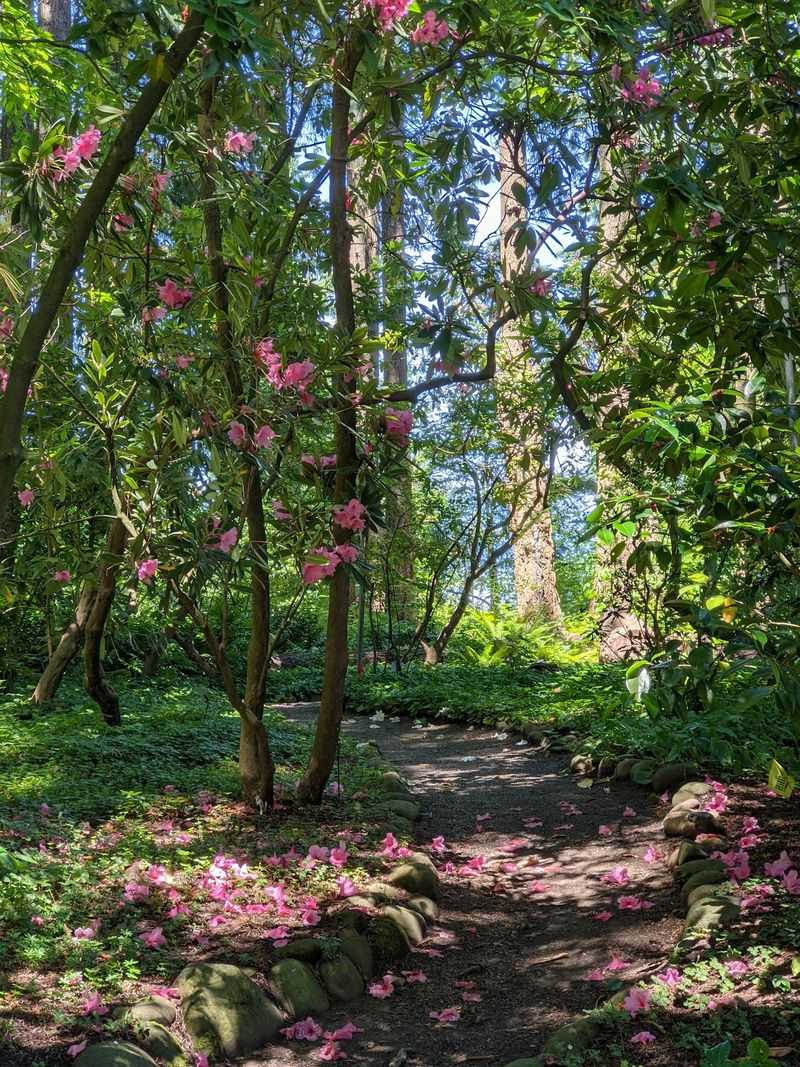
Over 2,000 plant species call this garden home, which means the experience shifts meaningfully depending on when you visit. Spring brings trilliums and early bloomers that carpet the forest floor in color, while summer fills the pollinator garden with buzzing activity and rich textures.
Fall turns the canopy into something worth photographing every few steps, and even winter has a quiet beauty here that rewards visitors who are willing to brave the cooler temperatures. The garden’s team clearly puts real care into the native plant collections, and that attention shows in how healthy and diverse the plantings look across the property.
One standout is the giant ginkgo tree near the manor house, which is genuinely impressive in scale and age. The pollinator garden draws butterflies and bees in warmer months and offers a lively contrast to the shadier trail sections.
Native plants are also available for purchase, so you can bring a small piece of the garden home with you. No matter which season you choose for your visit, something will be in bloom or in striking seasonal color, making repeat visits feel like entirely different experiences each time.
The Children’s Garden and Family-Friendly Features

Bringing young kids to a botanical garden can feel like a gamble, but Leach is genuinely set up to make that bet pay off. The dedicated children’s garden near the Claybourne entrance gives younger visitors their own space to explore, and the upper garden’s relatively flat terrain works well for small legs that are still building stamina.
The guided toddler hikes are a particularly creative touch. Kids are outfitted with small backpacks filled with exploration tools they can actually use during the walk, which turns a nature hike into something that feels more like a mission.
The guides are patient and friendly, which helps enormously when the group includes a four-year-old who has just spotted a particularly interesting stick.
The garden also has benches and sitting areas scattered throughout, so parents and grandparents can rest while the younger ones burn off energy on the trails. The admission price of eight dollars per adult is reasonable for a family outing, and children’s pricing makes it even more accessible.
At a pace suited to small kids, a visit typically runs about one to two hours, which lands right in the sweet spot before anyone gets too tired or hungry.
The Pollinator Garden and Native Plant Focus
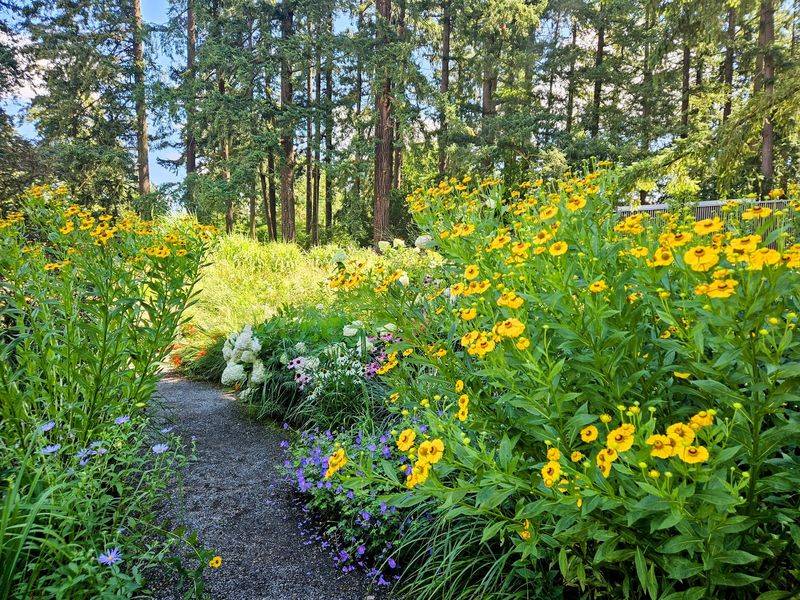
Few sections of the garden feel as alive as the pollinator garden on a warm afternoon. Bees move between flowers with the kind of focused energy that makes you realize how much work is happening in a small space, and the plant selection has been chosen deliberately to support local wildlife through multiple seasons.
The native plant collections throughout the property reinforce this ecological commitment. Rather than filling beds with showy non-native varieties, the garden leans into Oregon’s own botanical heritage, which gives the whole place a grounded, authentic feel that is different from more manicured botanical spaces.
For visitors who are interested in home gardening, the pollinator garden offers real inspiration. Many of the plants on display are also available in the garden’s native plant nursery, so you can pick up something on your way out that will bring the same pollinators to your own yard.
The garden staff is knowledgeable and happy to answer questions about plant care and selection. Connecting a beautiful visual experience to practical gardening knowledge is one of the quieter strengths of Leach, and it is the kind of thing that keeps plant lovers coming back season after season.
Peaceful Atmosphere and the Art of Slowing Down
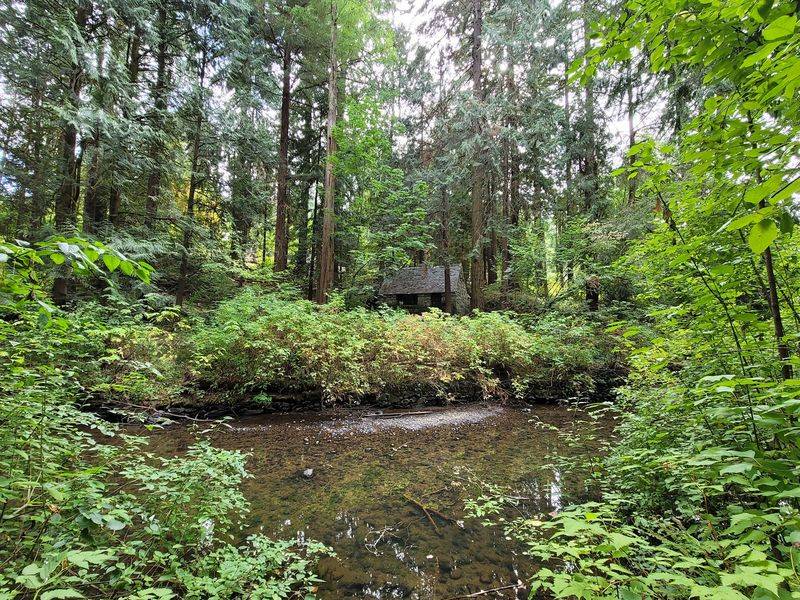
One of the most consistent things visitors mention about Leach is how quiet it feels, even on a busy weekend. The garden’s layout, with its tree cover, creek sounds, and winding trails, creates a natural buffer from the surrounding city that is hard to explain until you experience it yourself.
Benches and sitting areas are placed throughout the property at thoughtful intervals, and they are genuinely inviting rather than just functional. Sitting beside the creek or under a mature tree canopy with a book is a perfectly valid way to spend your visit, and nobody is going to rush you along.
The pace here is self-directed, which is rarer than it should be in public spaces. You can move quickly through the main loop in under an hour, or you can stretch a visit to two hours or more by hitting every trail, pausing at every bench, and spending real time with the plant collections.
That flexibility is one of the garden’s most underrated qualities. For anyone living in Portland who needs a reset without driving to the coast or the mountains, this garden delivers that feeling reliably and affordably.
Accessibility, Terrain, and What to Know Before You Go
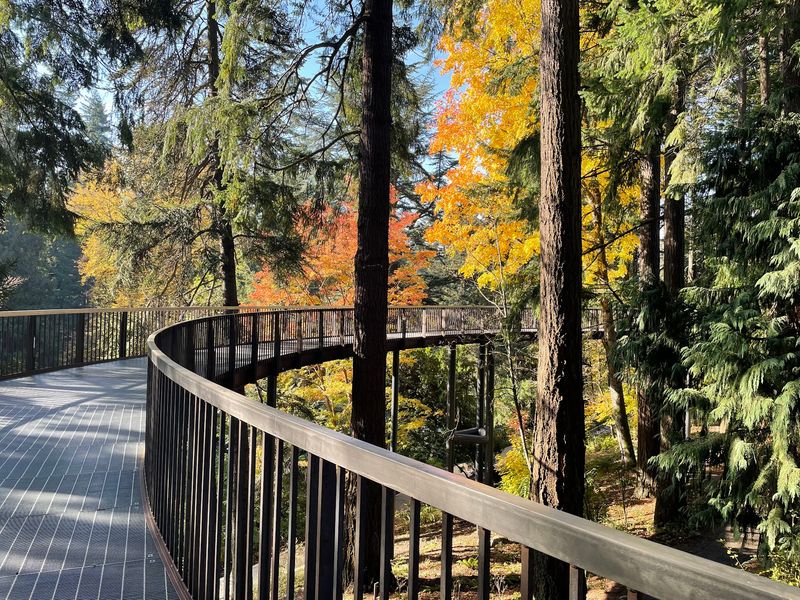
Leach Botanical Garden is honest about its terrain, and that honesty is worth passing along. The property features stone steps, hillside trails, and some uneven surfaces that can be challenging for visitors with mobility limitations or those using strollers.
The Aerial Tree Walk is fully accessible, which is a genuine highlight for visitors who need flatter routes.
The upper garden area tends to be more manageable for younger kids and visitors who prefer gentler terrain. The lower garden and creek trails involve more variation in elevation, and wearing comfortable, closed-toe shoes with decent grip is a smart choice regardless of your fitness level.
The garden is open Thursday through Sunday from 10 AM to 4 PM, with adult admission priced at eight dollars. Tours of the historic manor house run at 11 AM, noon, and 1 PM on open days.
A small gift shop is located on the lower level, and native plants are available for purchase near the entrance. Arriving early gives you the best parking options and the most time to explore before the afternoon crowds arrive.
The garden’s website at leachgarden.org is the best place to check for any schedule changes before your visit.
Supporting the Garden: Why It Matters Right Now
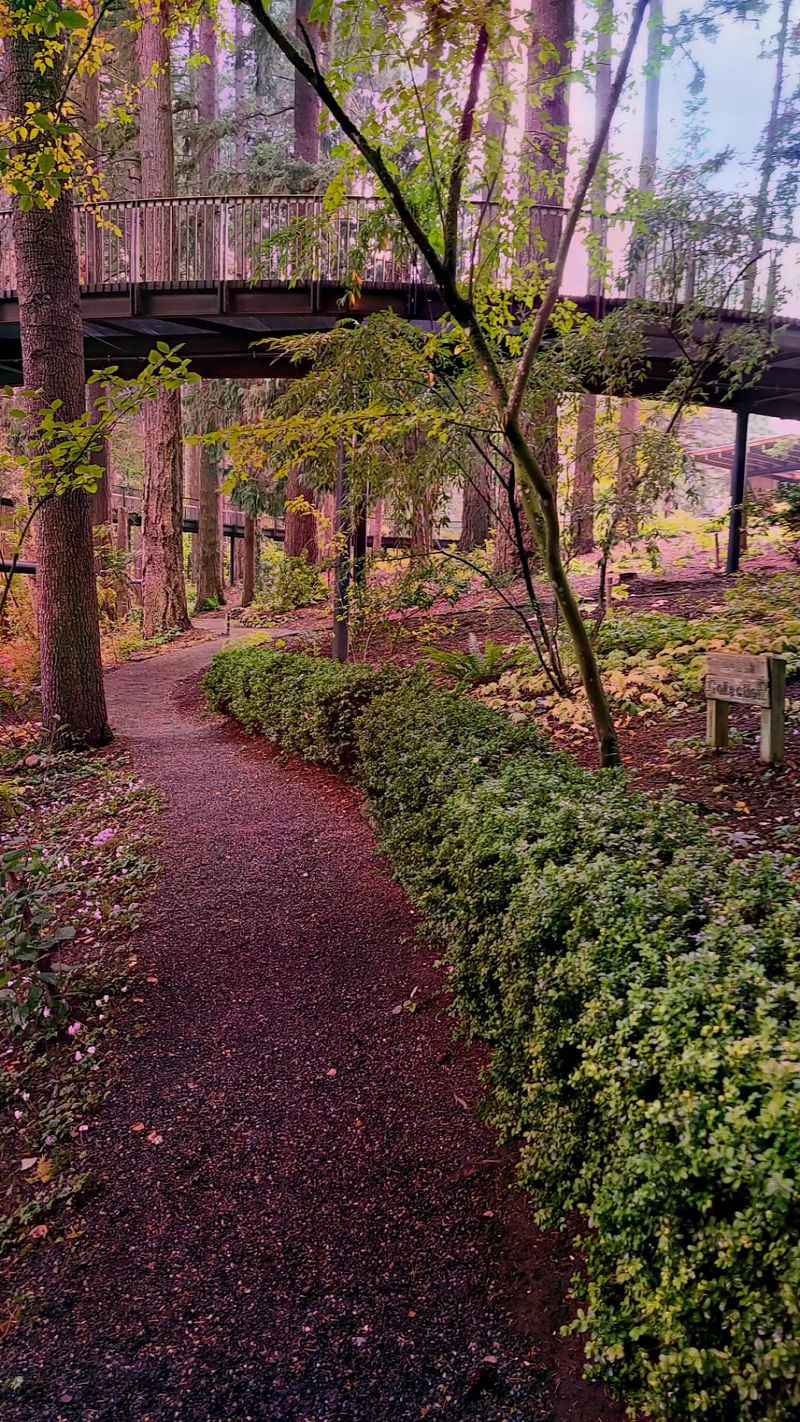
Leach Botanical Garden has faced real financial pressure in recent years, including cuts to city funding and the same inflation challenges affecting organizations everywhere. The garden has responded by trimming staff and services to keep operating, and that reality makes visitor support more meaningful than it might be at a larger, better-funded institution.
An eight-dollar admission fee goes directly toward maintaining the trails, plant collections, and educational programs that make the place worth visiting. Memberships are available for those who plan to return more than once, and they represent a straightforward way to contribute to the garden’s long-term survival while also getting more value out of repeat visits.
Donations are accepted as well, and even small amounts add up when a community rallies around something it values. The garden’s story, a couple’s personal passion project turned public treasure, is exactly the kind of place that deserves to keep going.
Visiting is the most direct form of support, but spreading the word to friends and family runs a close second. Leach is the kind of place that rewards being shared, and every new visitor who discovers it is another person who might become a long-term supporter of this genuinely special corner of Portland.
Why Leach Botanical Garden Deserves a Spot on Your Portland List
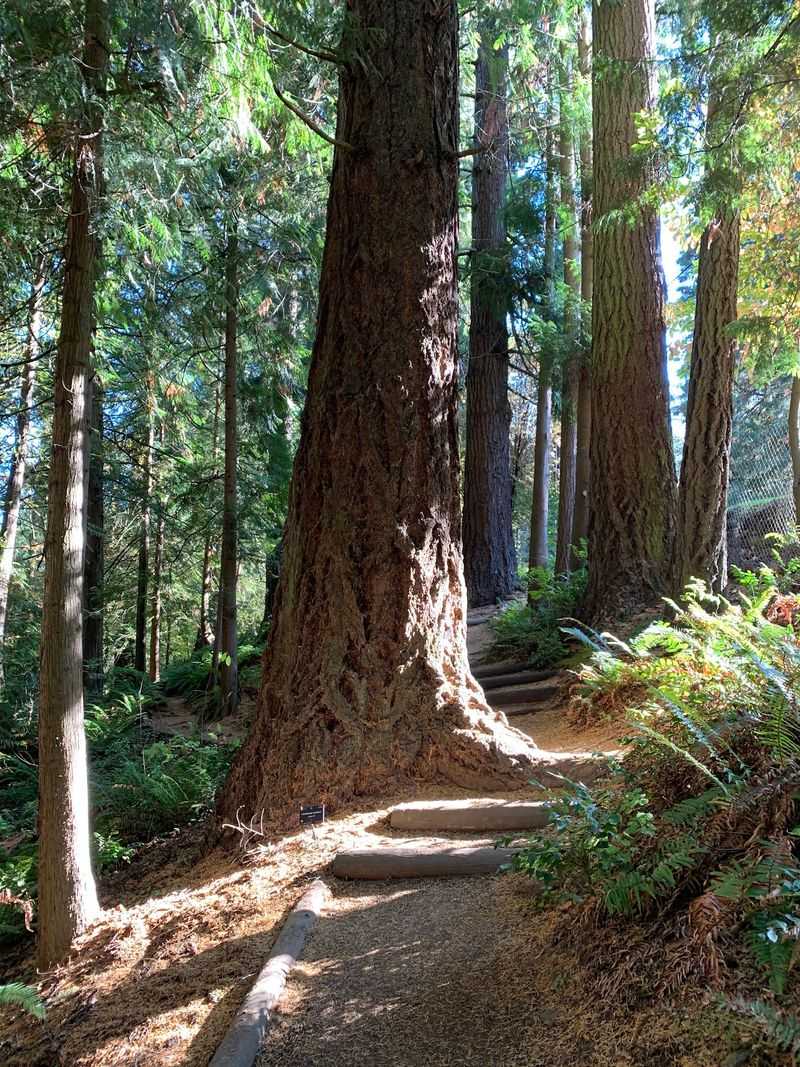
Portland has no shortage of parks and green spaces, but Leach Botanical Garden occupies a category of its own. The combination of genuine botanical depth, personal history, accessible pricing, and a creek-side setting makes it stand out from the city’s more famous outdoor destinations in a way that is hard to replicate.
The garden earns its 4.8-star rating across more than 1,200 reviews not through flashy programming or heavy marketing, but through the quiet consistency of a well-tended, thoughtfully maintained space. First-time visitors tend to leave already planning their next trip, and that kind of response says more than any single review could.
Whether you are a plant enthusiast, a family looking for an outdoor activity that does not involve screens, or someone who simply wants two hours of genuine quiet within city limits, Leach delivers. The trails, the history, the creek, the aerial walkway, and the plant collections all work together to create something that feels cohesive rather than scattered.
Portland is lucky to have it, and anyone who has not visited yet is sitting on a very good afternoon waiting to happen.
Share this story