Worcester, Massachusetts is not the first place most people think of when they picture a vast wildlife sanctuary. Yet tucked right inside this busy New England city is a nature preserve so large, so well-kept, and so full of wildlife that it genuinely surprises first-time visitors.
This place holds the title of the largest urban wildlife sanctuary in all of New England, and it earns that title every single day. From boardwalks over wetlands to trails winding through forested corridors, this place offers something that few cities can claim: a real, living, breathing patch of wild nature right in the middle of an urban landscape.
Whether you are a birder, a hiker, a parent looking for outdoor activities, or just someone who needs a break from city life, this sanctuary delivers far more than expected.
The Record That Sets This Place Apart
Not every city can claim a record like this one. Broad Meadow Brook holds the distinction of being the largest urban wildlife sanctuary in all of New England, a title that carries real weight when you consider how densely developed the region is.
At roughly 430 acres, the sanctuary stretches across a landscape that includes forests, wetlands, meadows, and stream corridors. For context, that is larger than many state parks and considerably larger than most city parks anywhere in New England.
Mass Audubon, the organization behind the sanctuary, has been protecting Massachusetts wildlife and wild places since 1896. Their stewardship of Broad Meadow Brook reflects decades of conservation work focused on keeping natural habitats intact even as urban development expands around them.
The record is not just a marketing point. It reflects a genuine commitment to preserving biodiversity inside a city, which makes Broad Meadow Brook a meaningful outlier in New England conservation history.
A Trail Network Built for Everyone
Few urban nature areas can honestly say their trails work for nearly every type of visitor, but Broad Meadow Brook comes remarkably close. The sanctuary features several miles of well-marked trails that range from flat, easy walks to slightly longer routes through varied terrain.
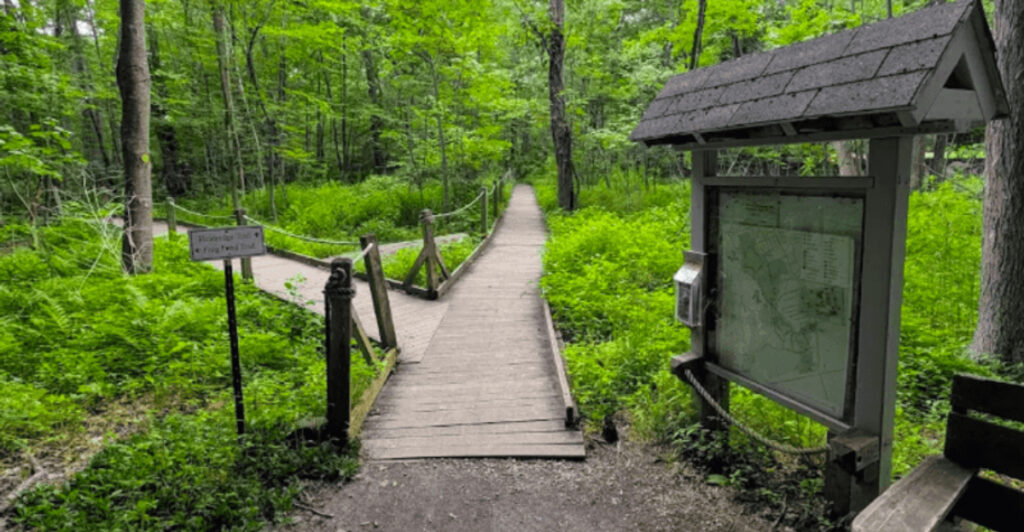
Trail maps are available at the visitor center and posted at trailheads throughout the property. The trails are clearly signed with large markers, making navigation easy even for first-time visitors who are not experienced hikers.
Families with young children will find most of the main trails manageable, though the visitor center staff recommend checking the trail map before heading out with strollers or carriages, as some paths are less suitable for wheels.
The sanctuary also keeps wheelchairs and all-terrain walkers on hand at the visitor center for those who need them, which is a level of accessibility planning that sets Broad Meadow Brook apart from most comparable properties in the region.
Boardwalks Over Wetlands
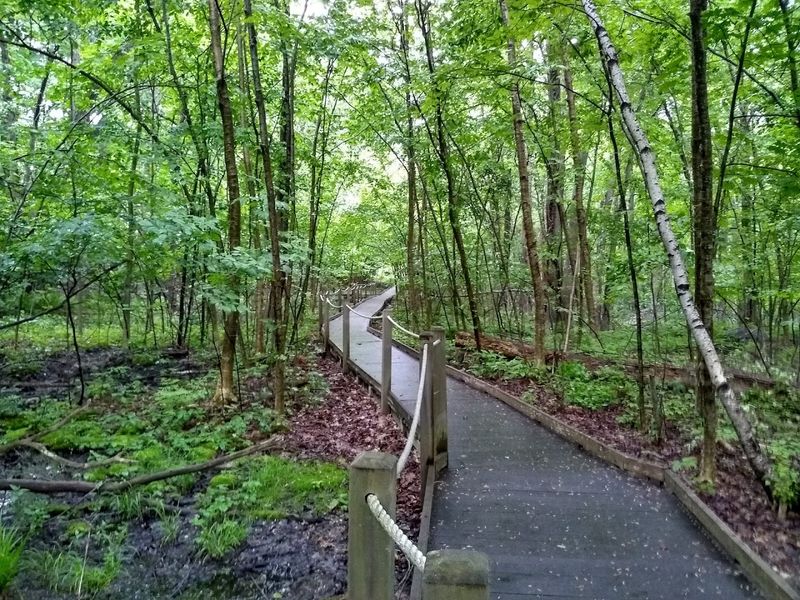
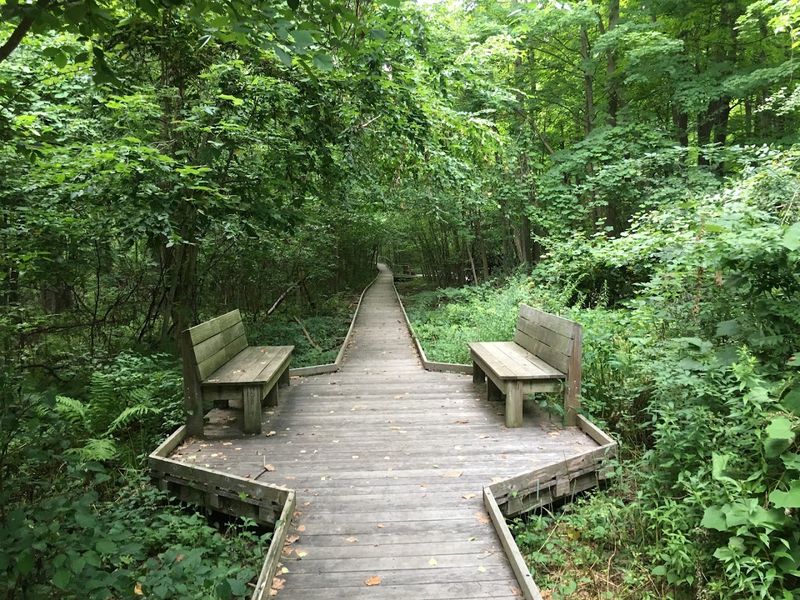
One of the most distinctive features of the trail system at Broad Meadow Brook is the network of boardwalks that carry visitors over the sanctuary’s wetter areas. These elevated wooden walkways allow access to habitats that would otherwise be completely unreachable on foot.
The boardwalks are well-maintained and sturdy, crossing over sections of marsh, seasonal wetlands, and low-lying areas where the brook itself spreads out. They also serve a practical purpose beyond access: they protect the fragile wetland ecosystems below from foot traffic.
Wetlands are among the most productive wildlife habitats in the northeastern United States, supporting amphibians, waterfowl, insects, and dozens of plant species. The boardwalks at Broad Meadow Brook put visitors directly above this activity without disturbing it.
For anyone interested in frogs, turtles, herons, or wetland plants, these sections of trail are where the most rewarding observations tend to happen, especially during spring and early summer months.
Birding Opportunities That Draw Dedicated Watchers
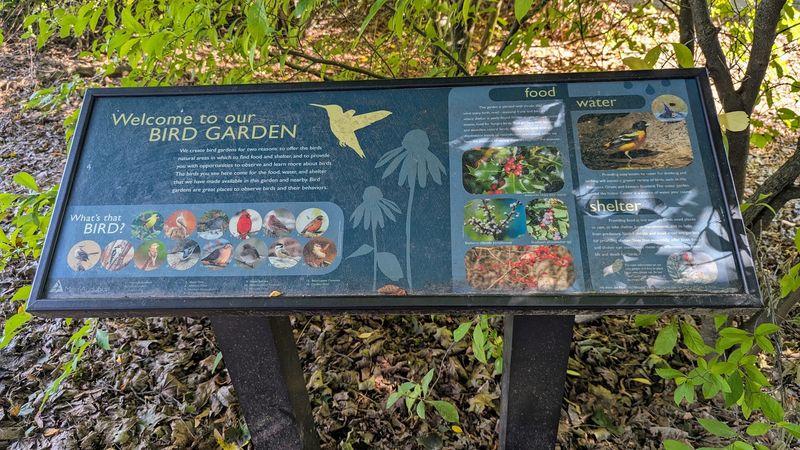
Broad Meadow Brook has built a strong reputation among birding enthusiasts in central Massachusetts, and the diversity of habitats on the property explains why. Forests, wetlands, meadows, and stream edges each attract different bird species, creating a layered birding experience across a single visit.
Common sightings include a wide range of songbirds, woodpeckers, waterfowl, and raptors depending on the season. Spring migration brings an especially impressive variety of warblers and thrushes passing through the sanctuary’s tree canopy.
The flat terrain and well-marked trails make it easy to move quietly through the property, which is a significant advantage for birding. Audio tours are also available for part of the trail system, offering guided listening experiences that help visitors identify what they are hearing as well as what they are seeing.
Early morning visits tend to produce the highest bird activity, and the sanctuary’s proximity to urban Worcester makes it a convenient option for local birders who cannot travel far.
Wildlife Beyond the Birds
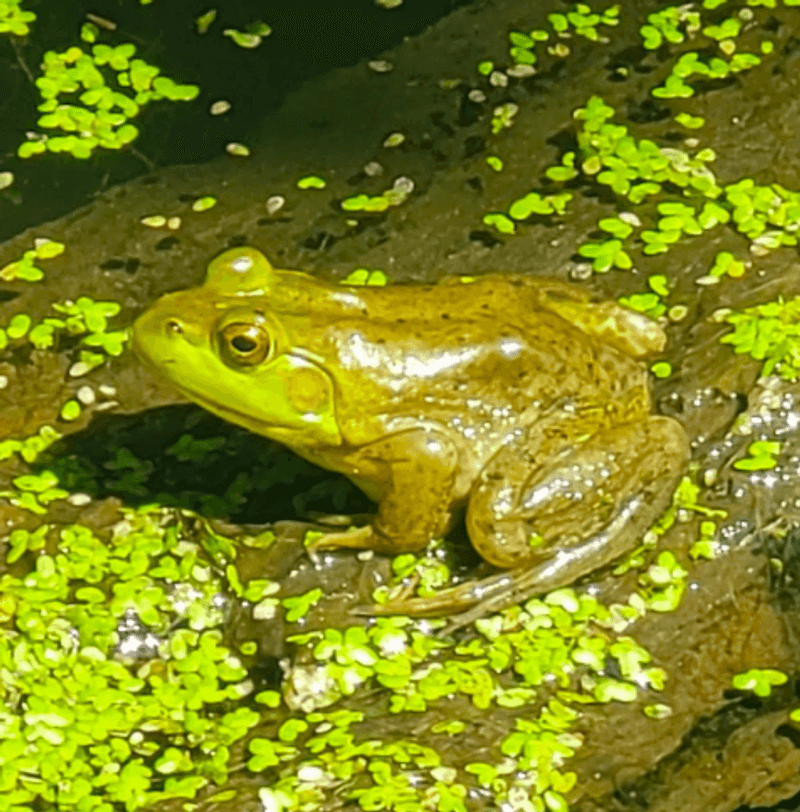
Birds are far from the only wildlife residents at Broad Meadow Brook. The sanctuary’s varied habitats support a broad range of animal life that regularly surprises visitors who expect little more than squirrels and sparrows inside a city.
White-tailed deer are frequently spotted along the trails, sometimes in pairs. Wild turkeys move through the forested sections of the property, and foxes have been observed near the meadow edges.
The frog pond area is particularly active during warmer months, with multiple frog species visible from the trail without any special equipment.
The Blackstone River Watershed location also means the property supports healthy populations of freshwater turtles, salamanders, and other amphibians tied to the brook and its wetland margins.
The fact that a visitor can watch a mother deer and fawn at 11 in the morning just steps off a marked trail, right inside a major Massachusetts city, speaks to how effectively the sanctuary has maintained genuine wildlife habitat over three decades.
The Visitor Center and What It Offers
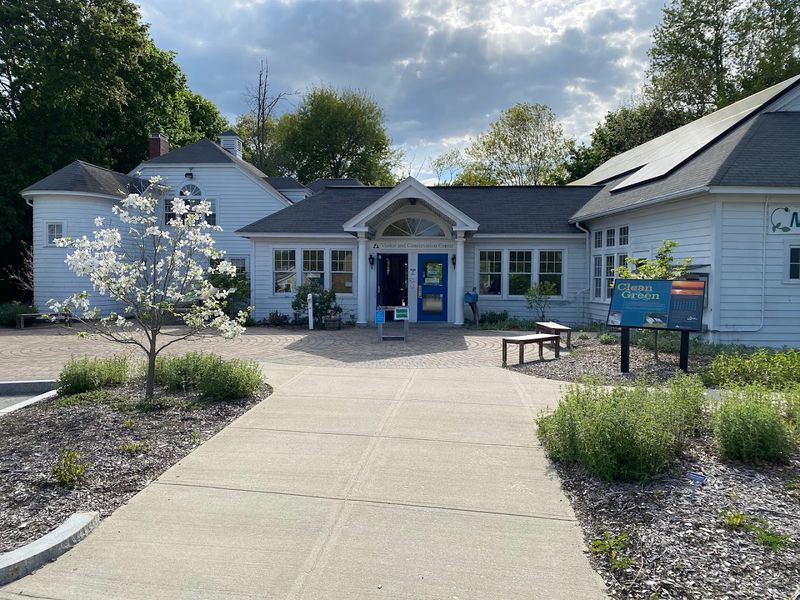
The visitor center at Broad Meadow Brook is considered one of the better-equipped facilities in the entire Mass Audubon network. It serves as the main entry point for the sanctuary and provides trail maps, staff guidance, and a range of practical resources for visitors.
Inside, guests will find nature exhibits designed to orient them to the local ecosystem before they head out on the trails. Staff members are consistently available to answer questions about wildlife, trail conditions, and current closures, which is particularly useful after periods of heavy rain when certain paths may flood.
The center also keeps wheelchairs and all-terrain walkers available for visitors who need mobility support, a practical touch that reflects the sanctuary’s commitment to broad accessibility.
A separate education building sits on the property and hosts school groups, organized programs, and community events throughout the year. Together, the visitor center and education building make Broad Meadow Brook much more than a passive walking trail.
Seasonal Events That Bring the Community In
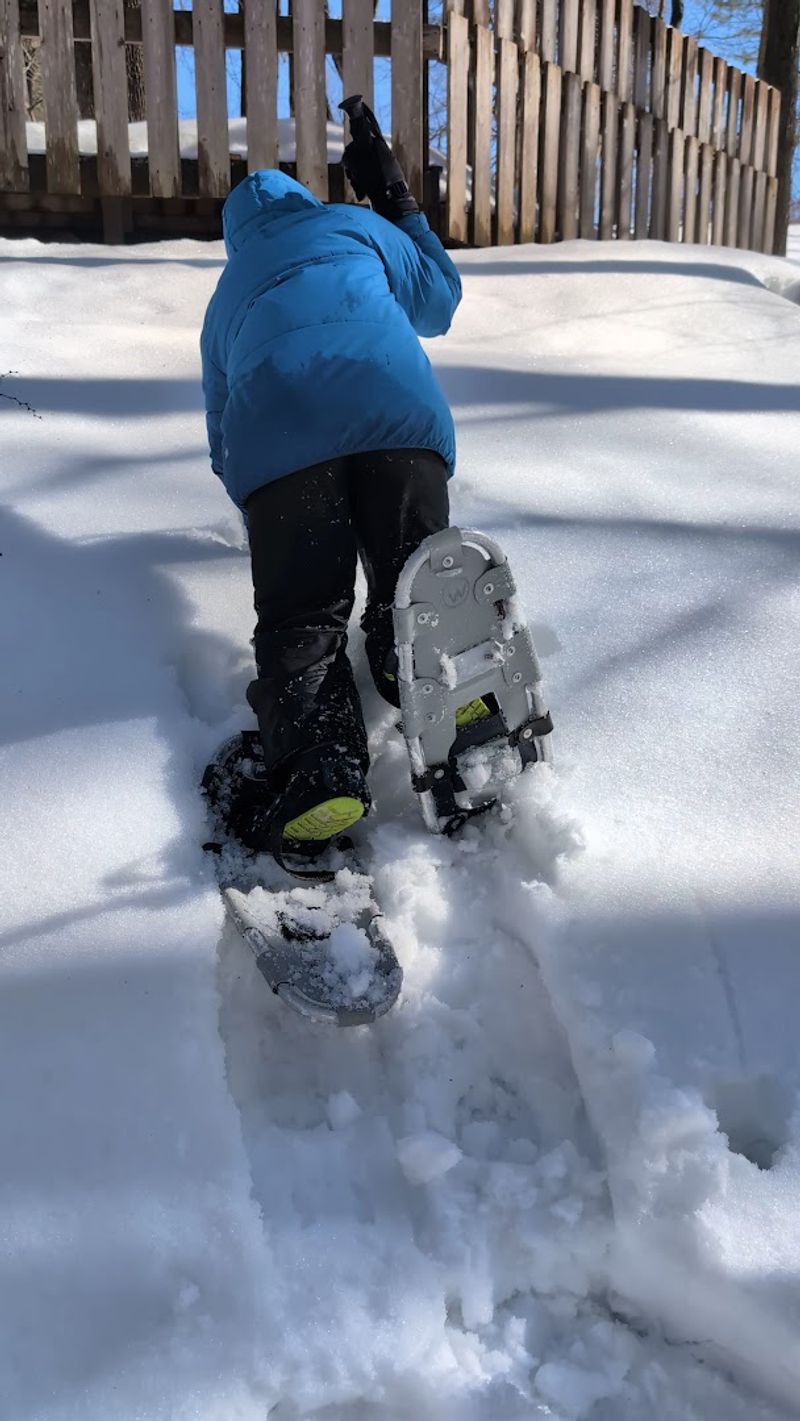
Broad Meadow Brook runs a full calendar of events that draw families, school groups, and nature enthusiasts throughout the year. These programs transform the sanctuary from a passive green space into an active community gathering point.
The annual Barbara J. Walker Butterfly Festival is one of the most popular events on the calendar.
It features live caterpillar displays with identification cards, microscope stations, crafts for children, face painting, and knowledgeable vendors covering topics from gardening to environmentally responsible pest control.
Winter brings snowshoe rentals, allowing visitors to explore the trails even when snow covers the ground. This extends the sanctuary’s usability well beyond the warmer months and gives families a reason to visit in every season.
Birthday parties and private group events can also be hosted at the center’s facilities. The combination of structured programming and open trail access makes Broad Meadow Brook a flexible destination that works for casual visits and organized outings alike.
Nature Play Areas for Younger Visitors
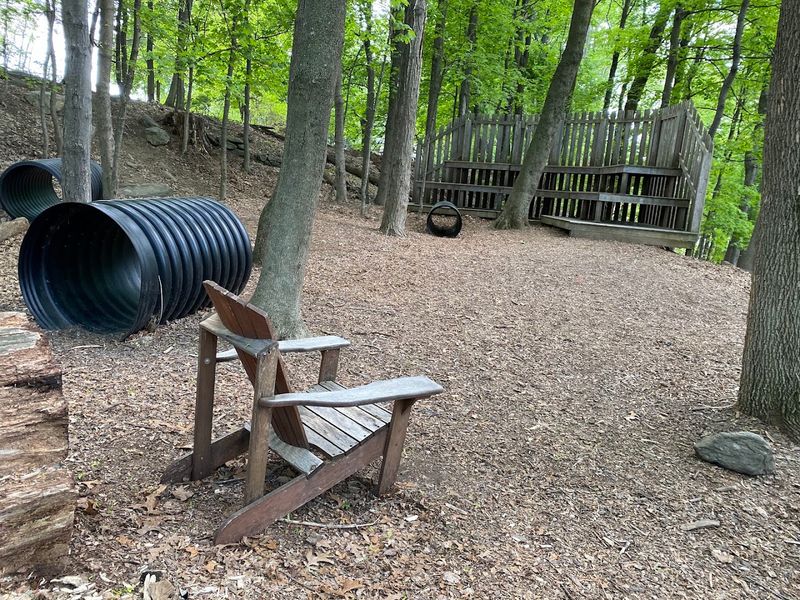
Broad Meadow Brook includes dedicated play areas designed specifically for younger visitors, and these spaces reflect a philosophy of connecting children directly with the natural world rather than standard playground equipment.
The nature play areas feature logs, wooden structures, tunnels, and a bird blind that children can explore and interact with. There is also a wooden swing positioned at a spot that puts the surrounding landscape directly in view, creating a setting that feels removed from urban life.
These areas are scattered thoughtfully along the trail system, giving families natural rest points during longer walks. Benches are placed at regular intervals throughout the property as well, making it easy for adults to sit and observe while children explore nearby.
The design of these play spaces encourages curiosity and free exploration rather than structured activity, which aligns with the sanctuary’s broader mission of building a lasting connection between people, especially children, and the natural environment around them.
Accessibility Features That Stand Out
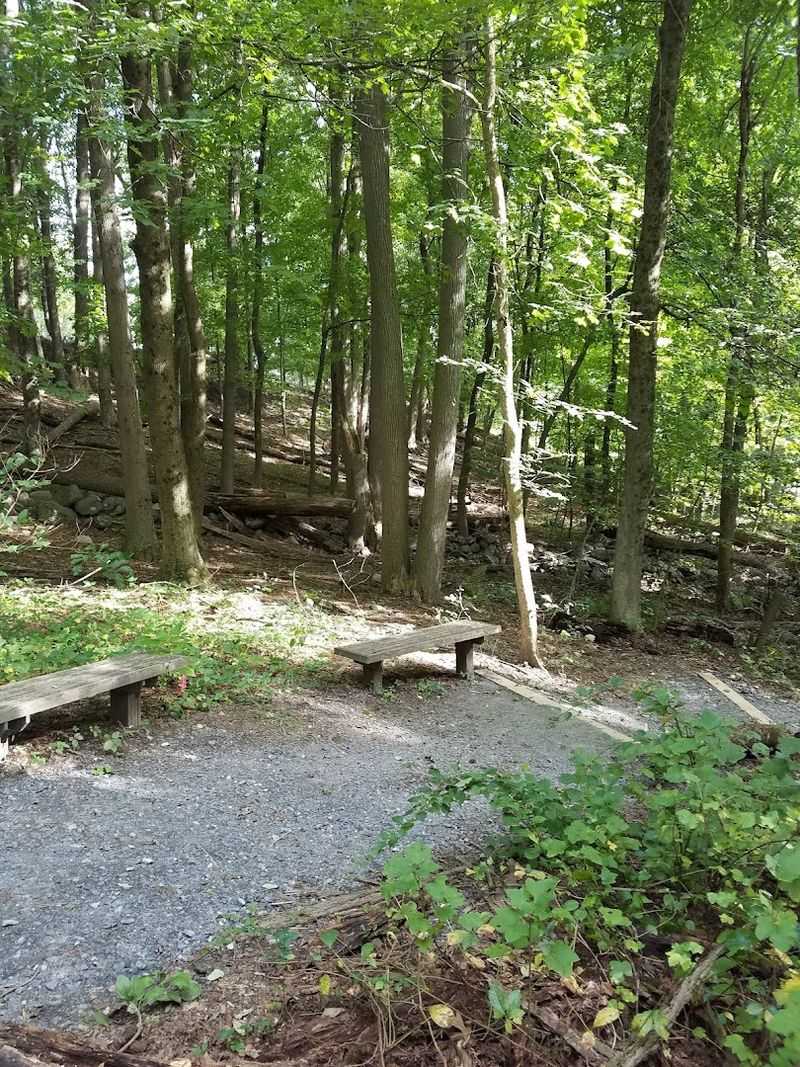
Accessibility at Broad Meadow Brook goes beyond simply having paved parking. The sanctuary has taken deliberate steps to ensure that people with mobility limitations can genuinely participate in the outdoor experience it offers.
The flat terrain throughout most of the property is a natural advantage. Unlike many New England nature areas that involve steep inclines and rocky paths, Broad Meadow Brook’s trails are largely level, which reduces the physical challenge for older adults and those with limited mobility.
The boardwalks over wetland areas are wide and stable, suitable for wheelchair use on the main routes. The visitor center keeps both wheelchairs and all-terrain walkers available on a loan basis, so visitors do not need to bring their own equipment.
Staff members actively help visitors plan their routes based on individual needs, pointing out which sections are most suitable for different physical situations. This kind of hands-on support makes a real practical difference for visitors who might otherwise avoid natural areas entirely.
Membership, Admission, and Free Entry for Worcester Residents
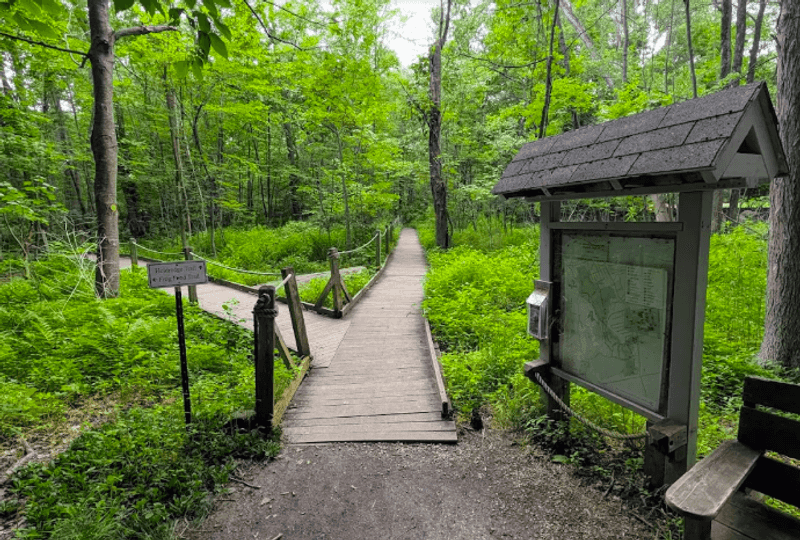
One of the most community-friendly policies at Broad Meadow Brook is its free admission for Worcester residents. Any Worcester resident who presents a valid ID at the entrance can access the sanctuary without paying an admission fee, a policy that makes the property genuinely accessible to the city it sits within.
For non-residents, entry is available either through a Mass Audubon membership or by paying a modest admission fee at the door. Mass Audubon membership is worth considering for frequent visitors, as it provides free access to all properties across the statewide network.
A donation box is also available at the main walking entrance for those who prefer a flexible contribution model. The sanctuary’s funding model reflects a broader goal of keeping the property open and welcoming to as many people as possible.
Given the scale of the facilities, the trail network, and the programming on offer, the admission cost represents strong value for anyone visiting from outside Worcester.
The Blackstone River Watershed Connection
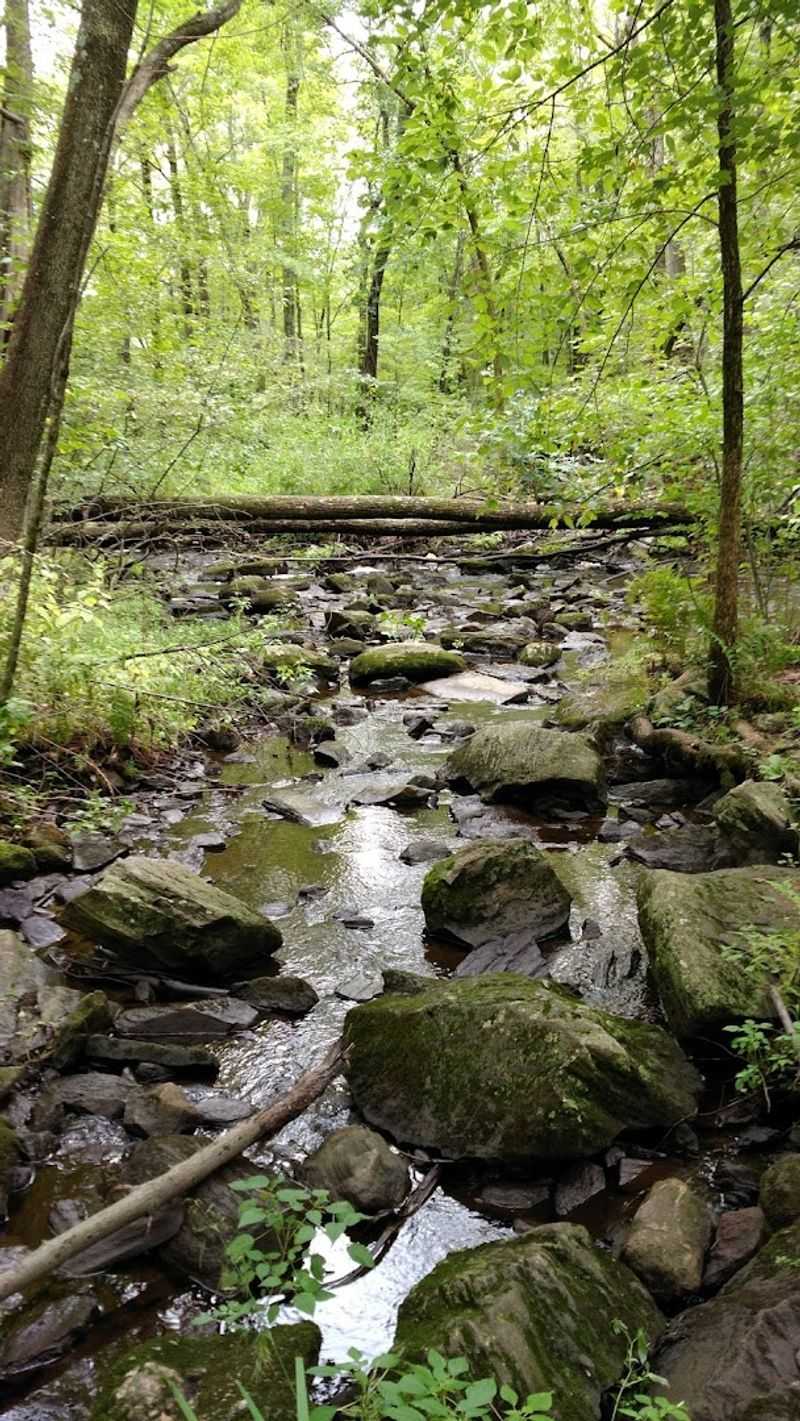
The name Broad Meadow Brook refers to an actual brook, and the waterway is central to understanding why this property supports so much wildlife. The sanctuary sits in the headwater region of the Blackstone River Watershed, one of the most historically significant river systems in New England.
The Blackstone River and its tributaries were at the center of America’s Industrial Revolution, and the watershed today is the focus of ongoing conservation and restoration efforts. Broad Meadow Brook’s location within this watershed means that protecting the sanctuary also helps protect water quality and aquatic habitat downstream.
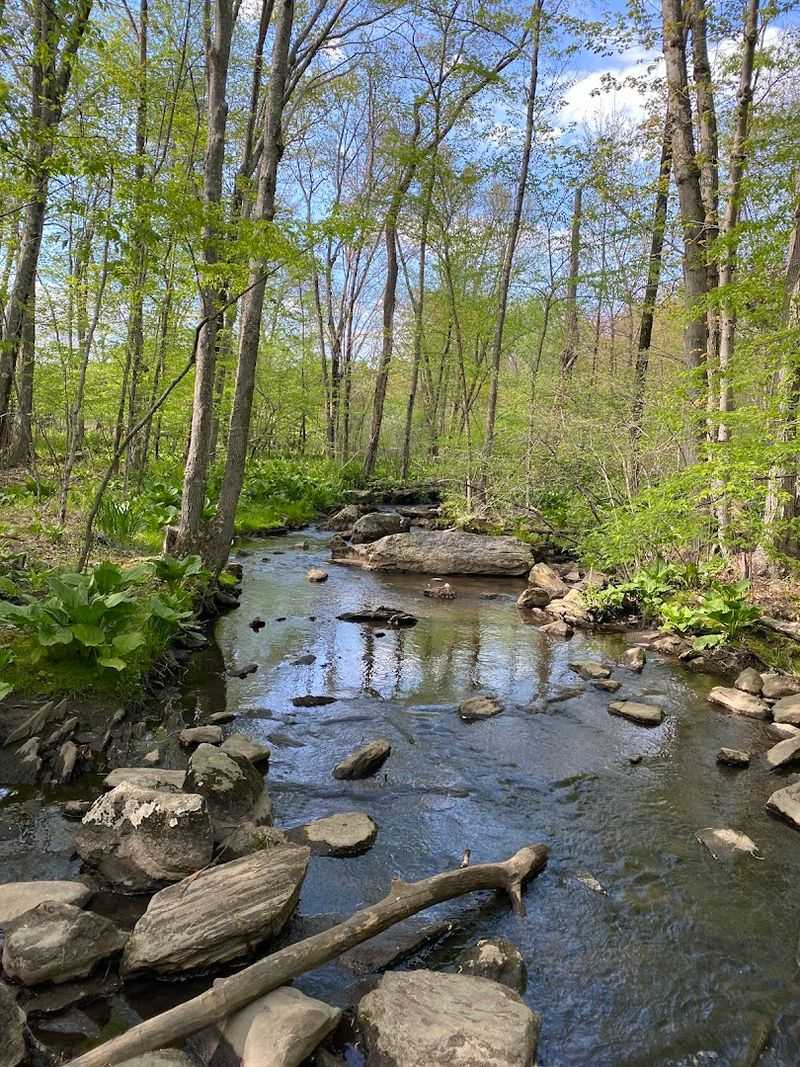
The brook itself runs through the property, creating riparian habitat that supports a different set of species than the upland forests. Stream-side vegetation, fallen logs, and shallow pools along the brook’s course all contribute to the ecological richness of the sanctuary.
For visitors who pay attention to the waterways during their walks, the brook offers a continuous thread connecting the different habitat types found across the property.
Winter at the Sanctuary
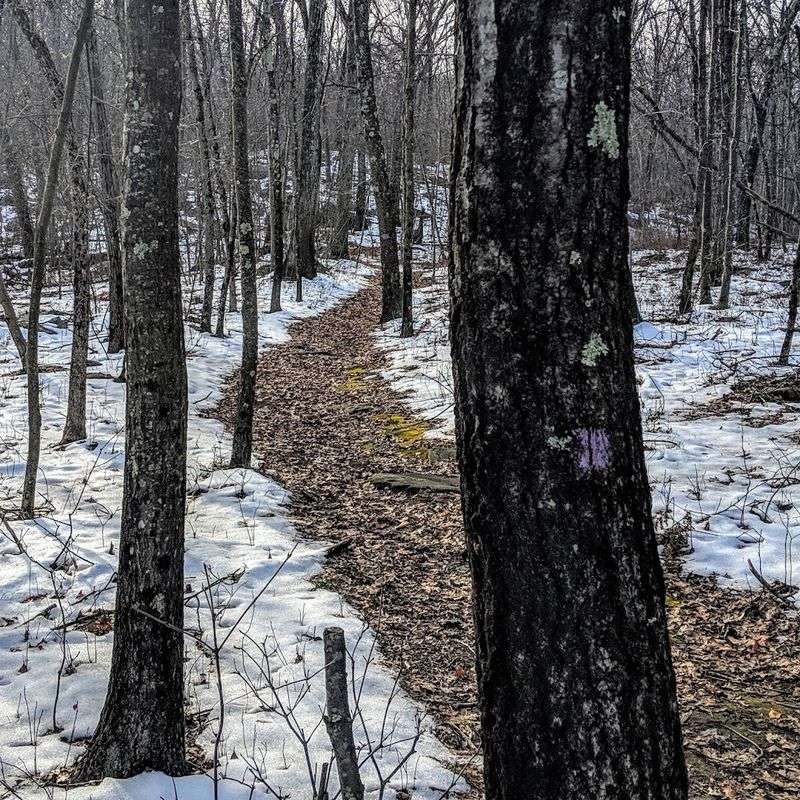
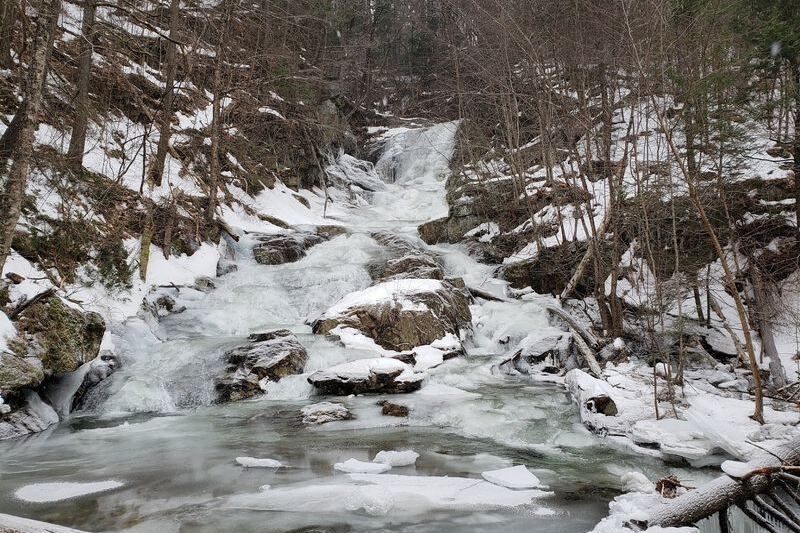
Most people think of wildlife sanctuaries as warm-weather destinations, but Broad Meadow Brook operates year-round and offers a genuinely different experience during the colder months. The winter landscape strips the trees bare, opening up sight lines through the forest that are completely hidden by foliage from May through October.
This makes winter one of the best seasons for spotting wildlife that would otherwise stay concealed. Hawks and owls are easier to spot in leafless trees, and mammals that leave tracks in snow become much easier to follow and identify.
The sanctuary offers snowshoe rentals during winter months, allowing visitors to access the trails even after significant snowfall. This is a practical amenity that removes a common barrier to winter outdoor recreation, particularly for families who do not own their own gear.
The trails are maintained and marked even in winter conditions, and staff at the visitor center can advise on current trail accessibility based on recent weather. Cold-weather visits here tend to be quieter and more peaceful than summer outings.
Practical Tips for Planning Your Visit
A few practical details can make the difference between a smooth visit and a frustrating one at Broad Meadow Brook. The sanctuary is open Tuesday through Saturday from 9 AM to 4 PM, on Sunday from 10 AM to 5 PM, and also on Monday from 9 AM to 4 PM.
Parking is available in a well-marked lot near the visitor center and is generally sufficient for normal visitor volume, though it can fill up during popular events. Arriving early on event days is a reasonable strategy.
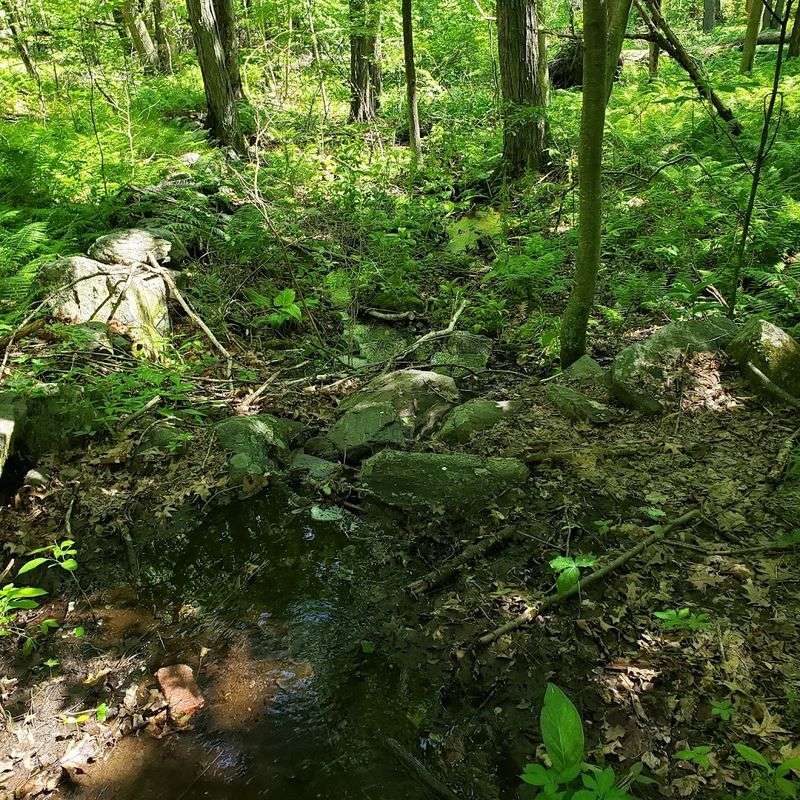
The tree canopy across much of the property is dense, which means the trails can become noticeably darker earlier in the evening than visitors might expect. Checking sunset times before a late-afternoon visit is a good habit, especially in autumn and winter.
Bug spray is worth bringing during late spring and summer, when insects are active along the wetter sections of trail. Trail maps are free at the visitor center and posted at every trailhead, so getting oriented before heading out takes only a few minutes.
Why This Place Matters Beyond Recreation
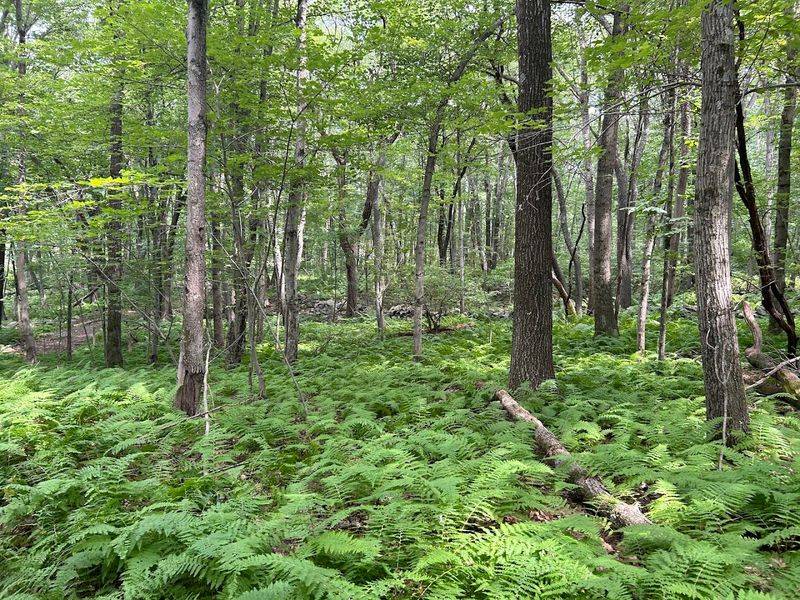
Broad Meadow Brook is more than a place to take a walk. Its existence inside a densely populated city carries real ecological weight, serving as a refuge for species that would otherwise have no habitat corridor within Worcester’s urban fabric.
Urban wildlife sanctuaries like this one play a documented role in supporting biodiversity in regions where natural land is increasingly fragmented. They provide breeding habitat, migration stopovers, and year-round shelter for species that cannot survive in developed areas alone.
The sanctuary also functions as an outdoor classroom for thousands of students and community members each year through its education programs. Building awareness of local ecosystems among urban populations is one of the most effective long-term tools for conservation, and Broad Meadow Brook takes that mission seriously.
Mass Audubon has protected this land for over three decades, and the results are visible in the wildlife populations that thrive here today. For Worcester and for New England, that track record is a genuinely meaningful achievement.
Where Exactly Is This Sanctuary in Worcester
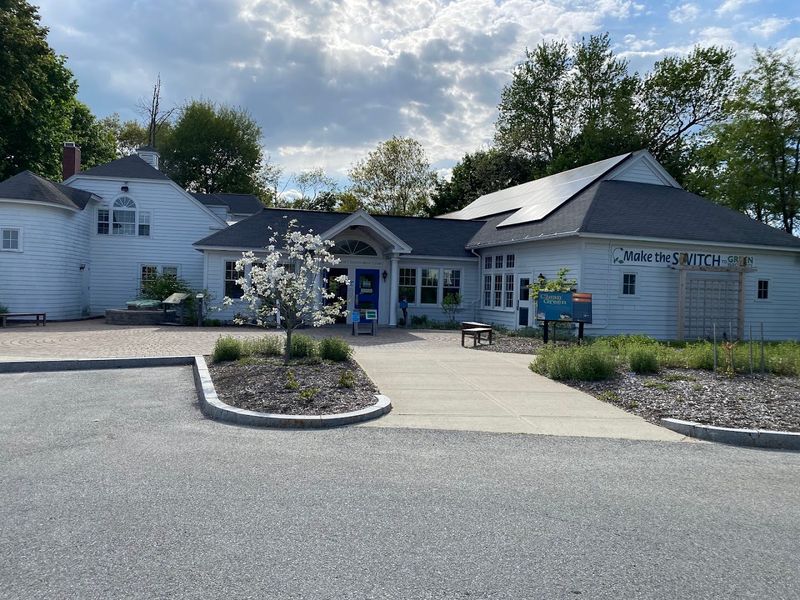
Right in the middle of one of New England’s largest cities, a 430-acre wildlife sanctuary quietly does its job. Mass Audubon’s Broad Meadow Brook Conservation Center and Wildlife Sanctuary is located at 414 Massasoit Rd, Worcester, MA 01604, placing it firmly within city limits while feeling nothing like city life.
The sanctuary sits in the headwater region of the Blackstone River Watershed, a fact that shapes everything from its wetlands to its trail systems. Established in 1990, it has grown into the crown jewel of the Mass Audubon network in terms of sheer urban scale.
Getting there is straightforward, with clear signage and a well-marked parking area near the visitor center. Worcester residents can even visit for free with a valid ID, making this one of the most accessible nature destinations in central Massachusetts.
The sanctuary is open Tuesday through Sunday, with Monday hours also available.
Share this story