Three times a year, a quiet town in western Massachusetts turns into the biggest outdoor treasure hunt in New England. Fields fill with tents, tables, and folks from every state searching for something they never knew they wanted.
You can find furniture, old signs, jewelry, and oddities you cannot name, all in one sprawling stretch of open land. Regulars say a single day is not nearly enough to see it all.
Bring cash, wear comfortable shoes, and get ready to walk. This is the story of a place locals treasure and out-of-towners plan whole weekends around.
Read on to learn where it is, what makes it tick, and how to get the most out of your visit without getting overwhelmed.
Only Three Chances a Year
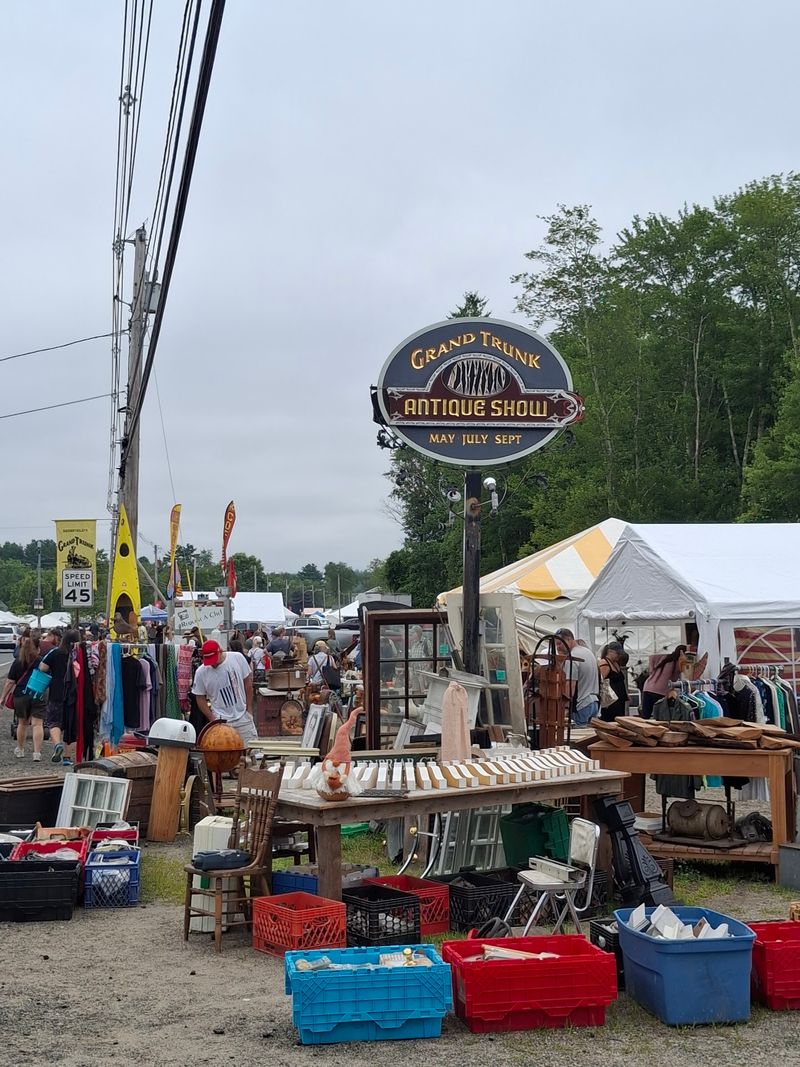
Part of what gives this place its buzz is scarcity. The shows open only three times a year, and that limited schedule turns each one into a genuine event people plan around for months.
Families treat it like a tradition. Some have been coming since childhood, returning year after year with parents and grandparents, then bringing their own kids along.
The three windows fall across the warmer months, with the July show being one of the most talked-about. Fans of the fall shows say they look forward to those cooler-weather visits all year long.
Timing matters more than newcomers expect. Regulars suggest arriving earlier in the week because the best items get picked over quickly once the crowds roll in.
That rhythm of appearing, vanishing, and returning keeps the excitement alive. When the fields go quiet again, there is always a next show to circle on the calendar.
Five Thousand Vendors Under Open Sky
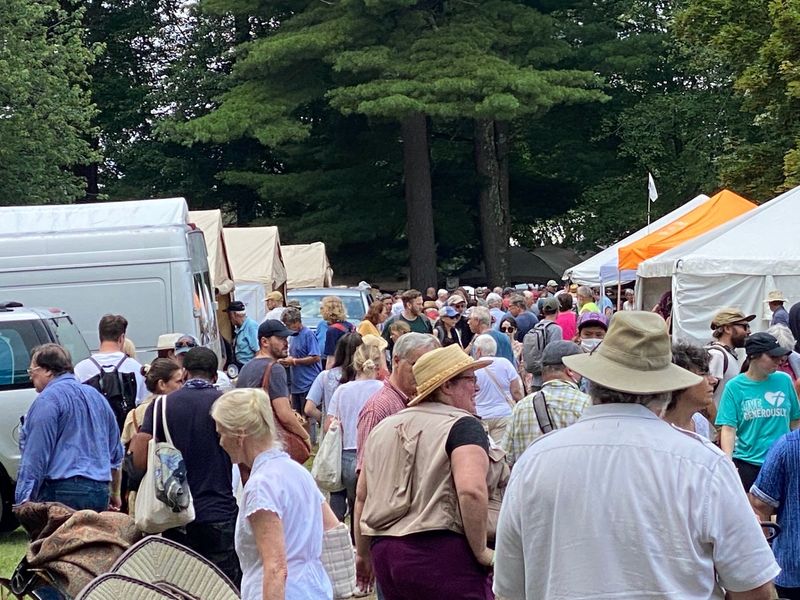
The sheer number of sellers is staggering. Thousands of vendors set up across the combined fields, some under tents, others simply out in the open air with their goods spread across tables and blankets.
Sellers come from all around the world, and the conversations can be as memorable as the merchandise. Chatting with a vendor about where a piece came from is half the fun for many browsers.
On the Brimfield Antique Shows fields alone, hundreds of vendors set up in a wide range of prices and styles. That variety means bargain hunters and serious collectors can both walk away happy.
Loyalty runs deep on both sides of the table. One long-running seller settled into a shady spot after years of moving between fields, and returning customers keep coming back to that same corner.
With so many stalls to explore, no two trips look alike. The stock changes constantly, so even frequent visitors keep finding surprises.
A Million Browsers on the Move
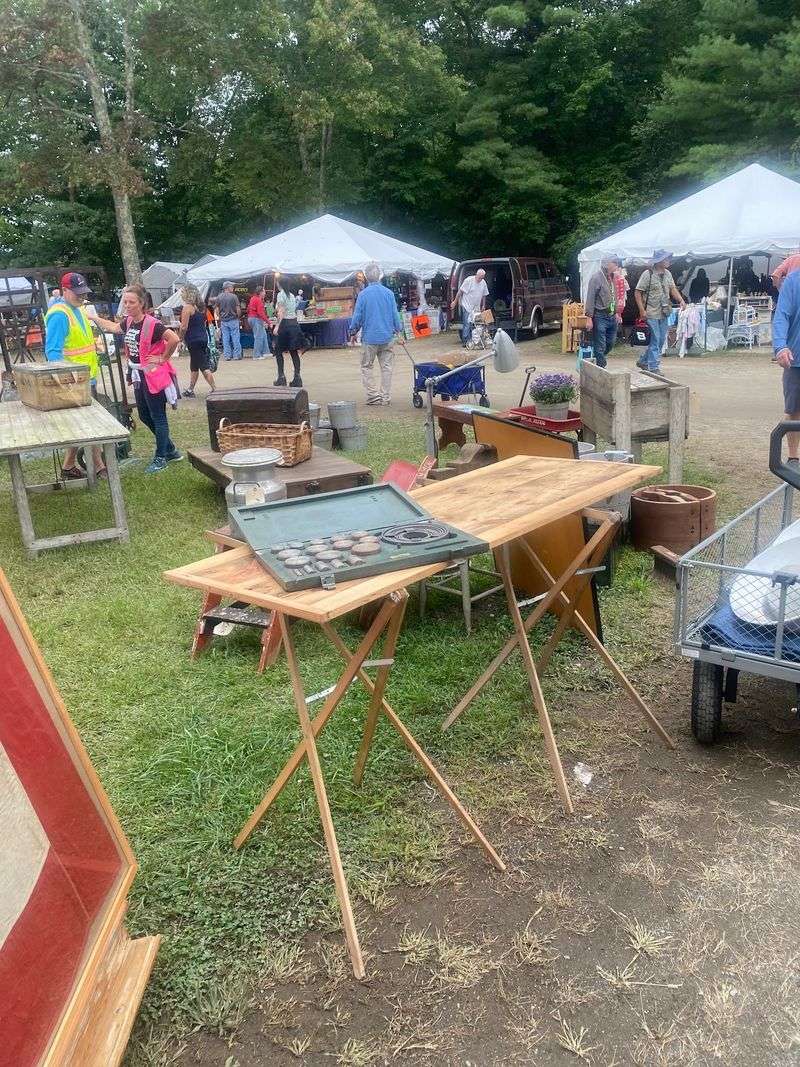
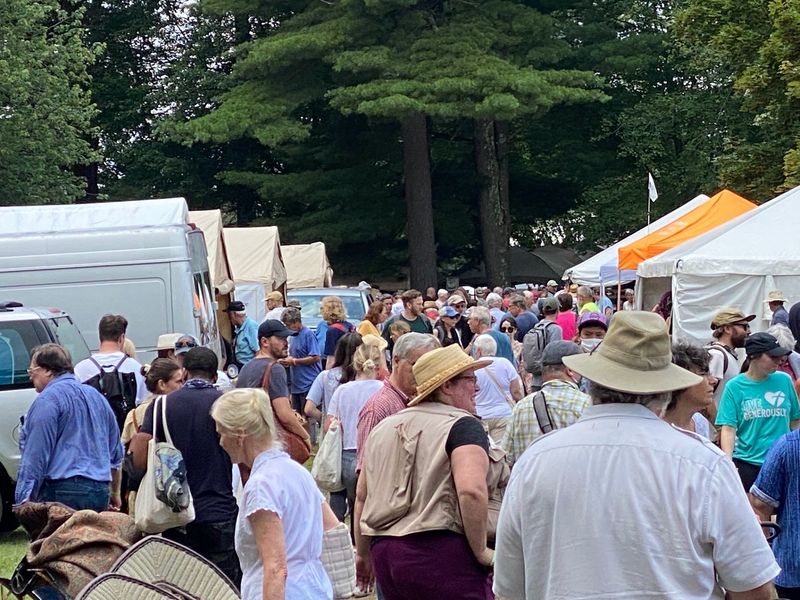
Crowds are a huge part of the experience. Enormous numbers of people flow through the fields during each show, coming from different states and often from across the country.
Even a rainy day does not keep folks away. When the weather turns, the dedicated still show up in force, umbrellas in hand, determined not to miss the finds.
People-watching becomes its own entertainment here. Between the shoppers, the sellers, and the sheer variety of characters, there is always something happening in every aisle.
The energy has been compared to a championship event for treasure hunters. Field after field of one-of-a-kind items keeps everyone moving from one discovery to the next.
Because it draws such a broad crowd, the atmosphere stays friendly and social. Many describe it as relaxed, the kind of place where strangers strike up conversations over a shared interest in a curious old object.
Antiques, Oddities, and Everything Between
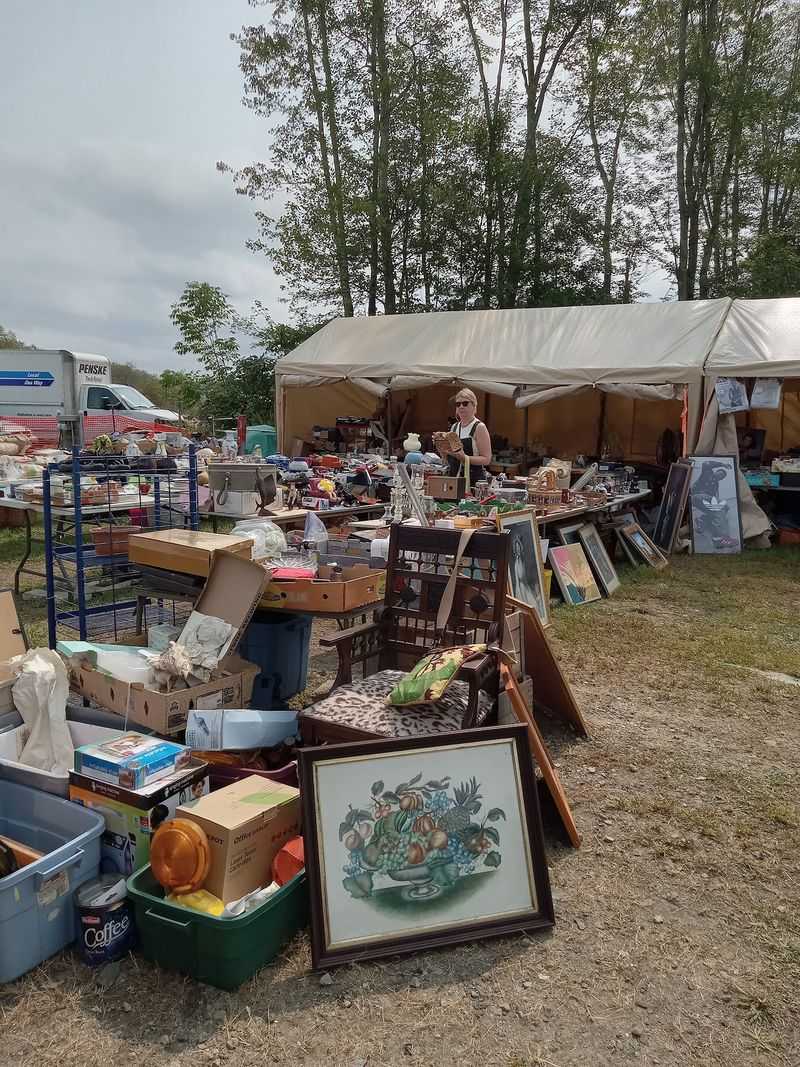
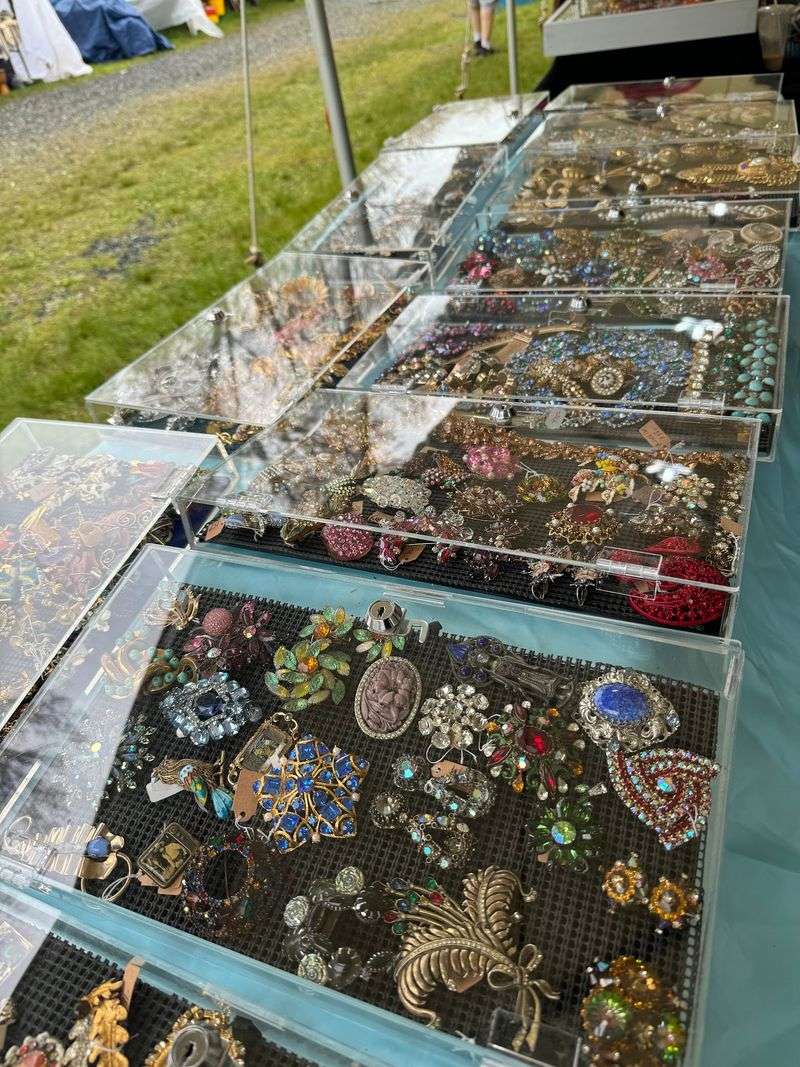
Old furniture, primitives, vintage signs, jewelry, and countless curiosities fill the tables. If you can picture it, chances are it is tucked away somewhere in these fields waiting to be found.
The mix has broadened over the years. Alongside true antiques, there is plenty of newer merchandise, so people decorating a home, apartment, or hobby space have plenty to choose from.
Some browsers show up with a specific item in mind and others simply wander. Either way, the advice from longtime regulars is the same, dig around and ask questions.
Not everything is a dusty relic. The selection leans into things that appeal to a wide audience, which is part of why the crowds keep growing.
Different fields draw different types of buyers. One field might lean toward serious antiques while another mixes in modern decor, so knowing which fields suit your taste pays off.
The Art of the Haggle
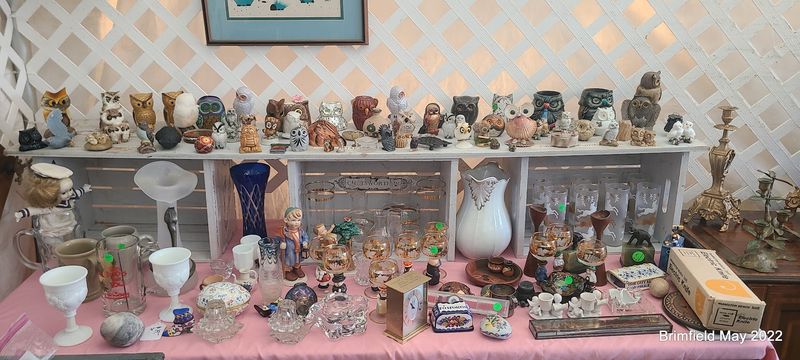
Bargaining is not just allowed here, it is expected. Most sellers welcome a friendly back-and-forth, and offering a few dollars less than the asking price is simply how the game is played.
The key is reasonableness. Regulars suggest naming a price you genuinely think is fair rather than lowballing, which keeps the exchange pleasant for everyone.
A little confidence goes a long way. Asking politely and being willing to walk away often nudges a deal in your favor.
There is a caution worth keeping in mind. Because so many independent sellers set their own prices, a small number may misrepresent what they are selling, so it helps to know your stuff before handing over cash.
Most sellers, though, are honest and eager to talk. Building a bit of rapport can turn a simple purchase into a memorable little story you take home along with your find.
Cash Is King in the Fields
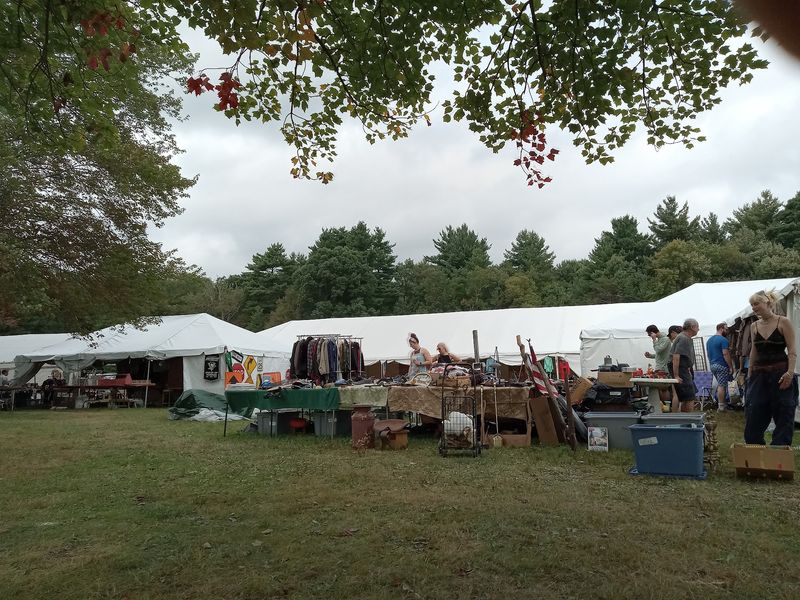
One rule stands above the rest, bring cash. The overwhelming majority of vendors do not accept cards, and few take digital transfers like Zelle or Venmo.
Showing up unprepared can cut a shopping trip short. Some sellers even tack on a small surcharge for card use when they accept it at all, so bills in your pocket keep things simple.
Small denominations help with haggling too. Handing over exact or close amounts makes negotiating smoother and speeds up the whole transaction.
It is a good idea to budget before you arrive. With thousands of vendors and endless temptations, cash on hand doubles as a natural spending limit.
Planning your money ahead means less stress in the moment. Instead of hunting for an ATM, you can keep your focus where it belongs, on the treasures.
Fuel Stops and Food Trucks
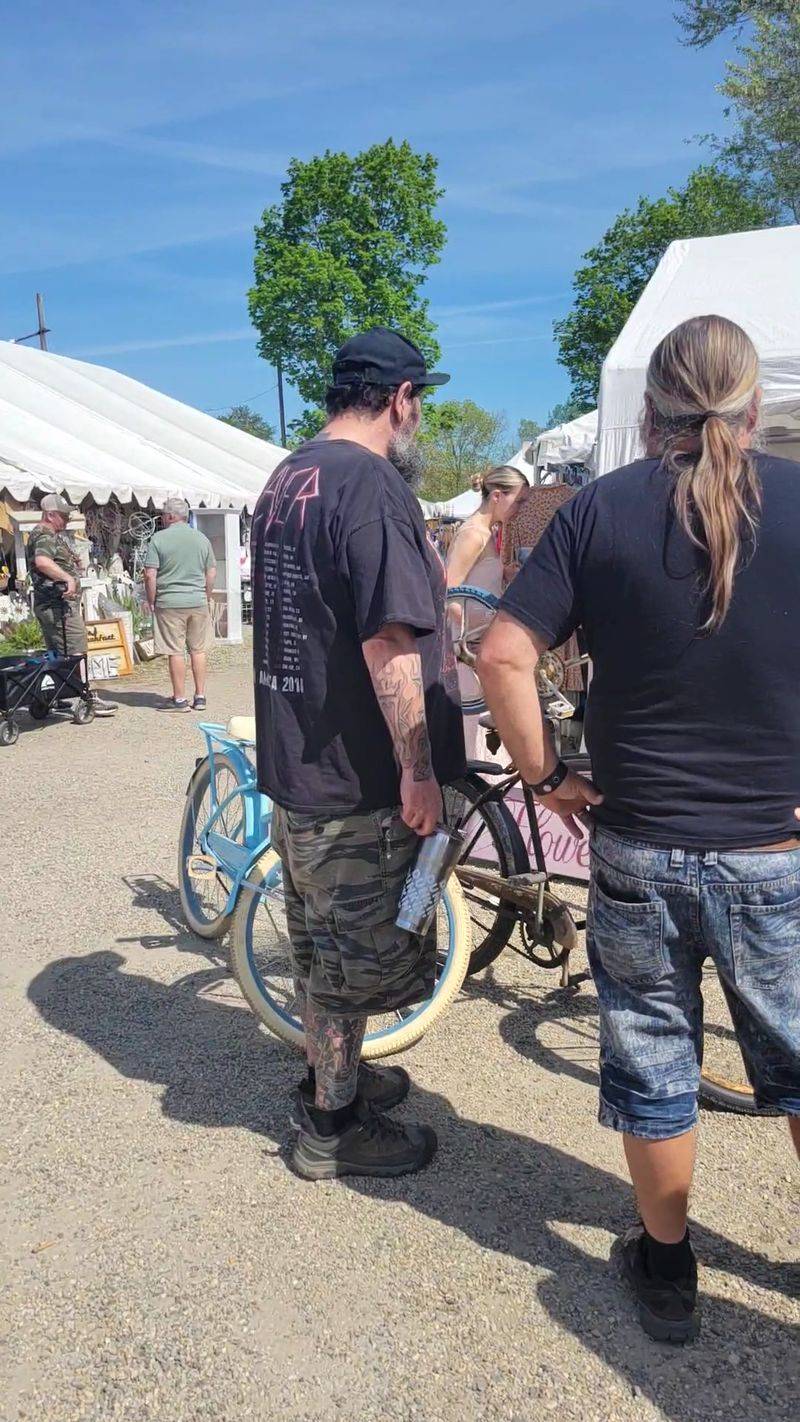
All that walking builds an appetite, and the market has plenty of spots to refuel. Food trucks and drink stands are scattered throughout, offering carnival-style bites to keep energy up.
The food selections earn steady praise. Even folks who grumble about other things tend to agree the eating options hit the spot after hours on your feet.
There are places to grab a drink and take a breather as well. Some fields feature dedicated food courts where you can sit, regroup, and plan the rest of your route.
On the Brimfield Antique Shows fields, a large hospitality tent seats over a hundred people. Add benches, tables, and chairs, and there are genuine spots to rest between rounds of shopping.
Refueling is more than a pit stop here. Pausing for a bite gives you the chance to swap finds with your group and map out which aisles to tackle next.
Comfortable Shoes and Weather Prep
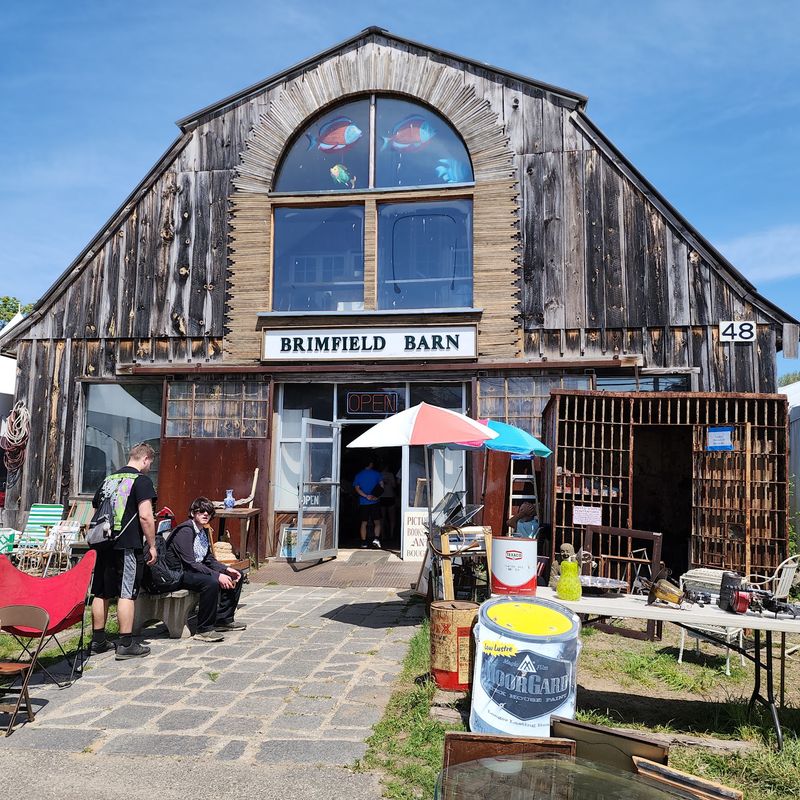
Footwear may be the single most repeated piece of advice. Comfortable walking shoes are practically required, since covering the fields means logging serious mileage over uneven ground.
The weather demands respect too. Most of the shows are outdoors, so sun hats, sunblock, and plenty of water are smart companions during the warmer shows.
Conditions can shift fast. After rain, the fields turn muddy, which makes sturdy shoes even more important and a small umbrella a welcome backup.
Some seasoned browsers bring a foldable seat or a way to carry water so they can pace themselves. A little preparation stretches your stamina across a long day.
Dressing for the elements changes the whole trip. When you are comfortable and shaded, you can wander longer and enjoy the hunt instead of counting down to the parking lot.
Parking, Fees, and Getting There
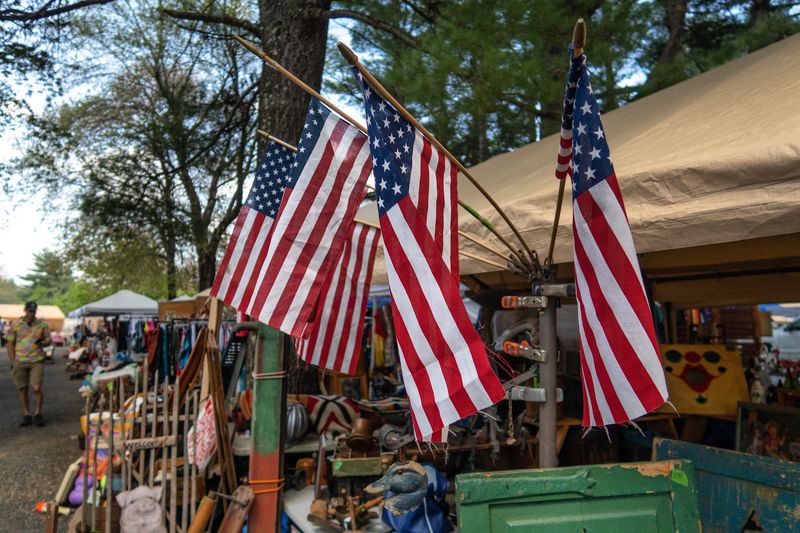
Getting settled starts with parking, and it usually costs money. Rates tend to run around ten to thirteen dollars, though some lots charge more depending on where you land.
Entry varies field by field. Because the shows are independently run, some charge a small entrance fee while others let you wander in for free.
Opening times differ across the grounds too. A few events open early around six in the morning, while others start later at nine or noon.
The address to aim for is 6 Mill Lane Rd in Brimfield, Massachusetts. From there, the fields spread out along the main stretch, so having a rough plan helps you decide where to begin.
Budgeting for the extras keeps surprises to a minimum. Once you factor in parking and the occasional field fee, the rest of your cash is free for the treasures themselves.
Why the Faithful Keep Coming Back
For all its walking, dust, and cash-only quirks, this place earns fierce loyalty. Some have made it a family tradition spanning generations, returning every year without fail.
The pull is easy to understand. Even people who leave without buying much describe the day as an experience worth having, one they eagerly recommend to anyone who will listen.
Vendors feel it too. Repeat sellers talk about being treated like family, with the owners of certain fields including them in events and building real community.
The variety keeps it fresh. Because it is not your ordinary local sale, each visit offers something new to stumble upon, and no single trip ever covers the whole thing.
Set on the fields of Brimfield, Massachusetts, this three-times-a-year gathering has become a treasure hunter’s tradition close to home. Pack cash, lace up your walking shoes, and give yourself more than a day.
The finds, and the memories, tend to follow you out the gate.
Where the Treasure Hunt Unfolds
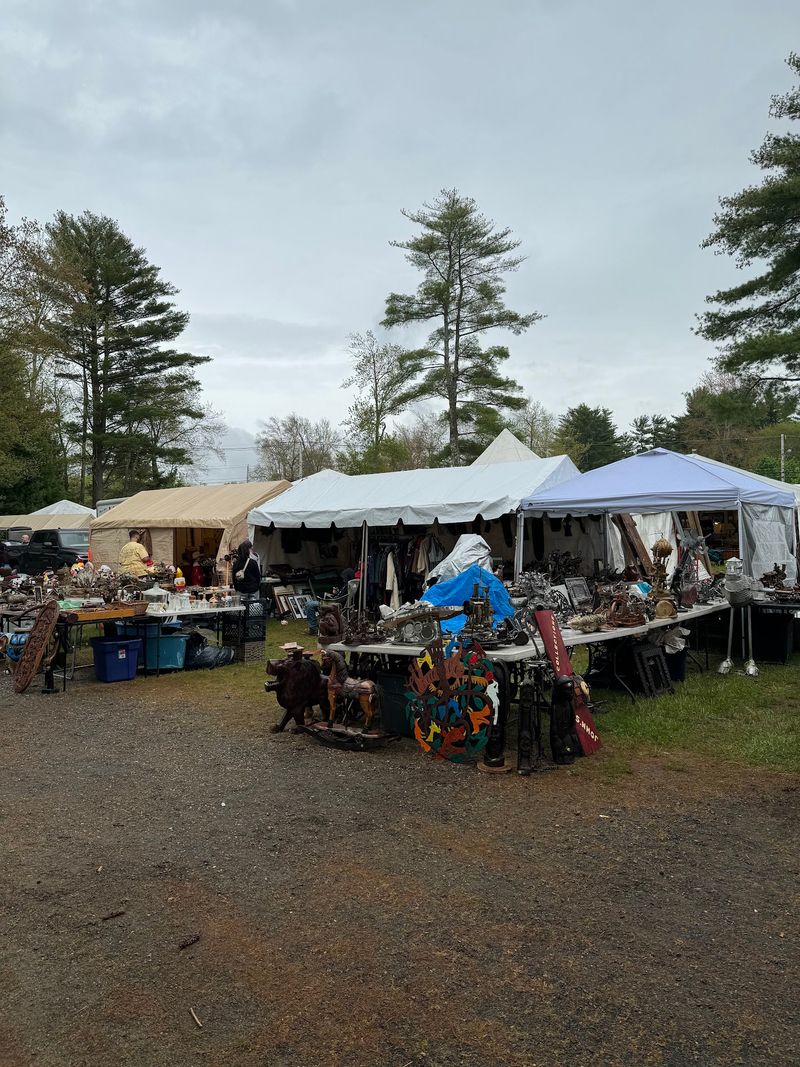
Tucked along a stretch of road in the small town of Brimfield, this legendary market sits at 6 Mill Lane Rd, Brimfield, MA 01010. The setting is pure western Massachusetts countryside, open fields dotted with tents as far as you can see.
What makes it unusual is the scale. Field after field spreads out, each one run independently, so you are really walking through a patchwork of separate shows stitched into one enormous event.
The name most people use covers a much bigger picture. Brimfield Antique Shows operates specific fields including Hertan’s, while roughly twenty other independently owned shows fill out the rest of the grounds.
Because it is spread across so much land, first-timers often underestimate the distance. Regulars mention that knowing the layout beforehand saves a lot of backtracking later.
The market holds a 4.6-star rating across its listings, which speaks to how much people enjoy the hunt. Folks travel from all over the country to be here, and some drive nearly five hours just for a single show.
Share this story