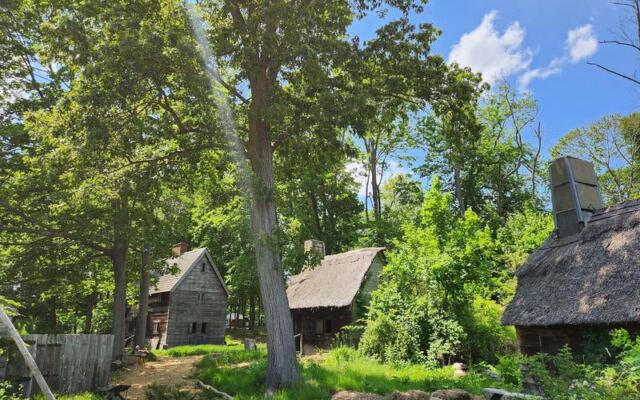
Most people race to Salem for the witch trials and pumpkin-spiced chaos, but tucked behind a little league field sits a quieter piece of the past that hardly anyone talks about. Wooden homes, working gardens, and hand tools sit exactly where a 17th-century settlement would have stood, waiting for the curious to wander through.
It feels frozen in time, peaceful, and shockingly close to home for anyone in Massachusetts who thinks they have seen it all. Best of all, exploring it costs about the price of a coffee.
Keep reading to find out why this overlooked spot might be the most memorable stop on your next trip.
Where History Hides Behind the Ballfield
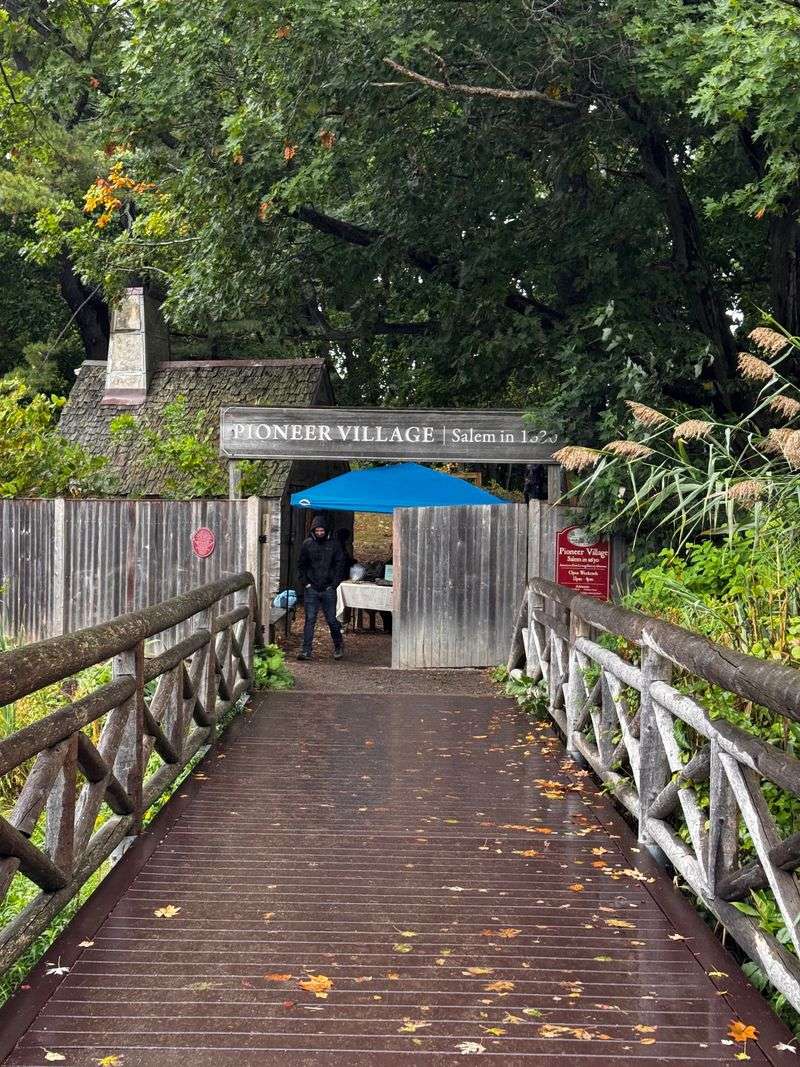
Right off Forest River Park, at 98 West Ave in Salem, Massachusetts, a set of wooden gates opens onto something few travelers expect to find.
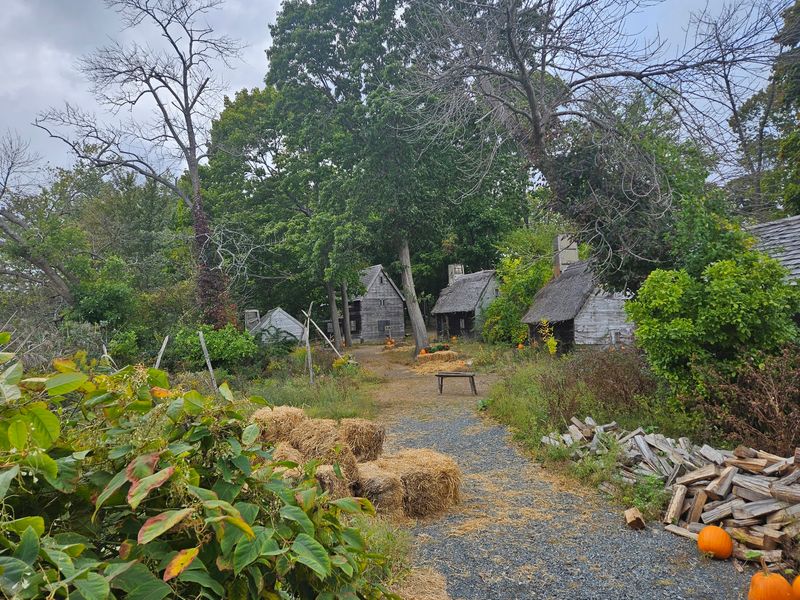
Salem Pioneer Village sits just behind the little league field, and once you pass through the entrance, the modern world seems to fade into the background. Footpaths connect several buildings and garden plots, all arranged the way an early settlement would have been.
The location works in your favor, too. There is a big parking lot on site, a public restroom, and access to a small beach at the end of the village near the water.
Downtown Salem is only about a 13-minute walk away, so it pairs easily with the rest of the town’s attractions. Regulars mention that the setting itself, tucked away and quiet, is half the charm of the whole visit.
America’s Oldest Living-History Museum Origins
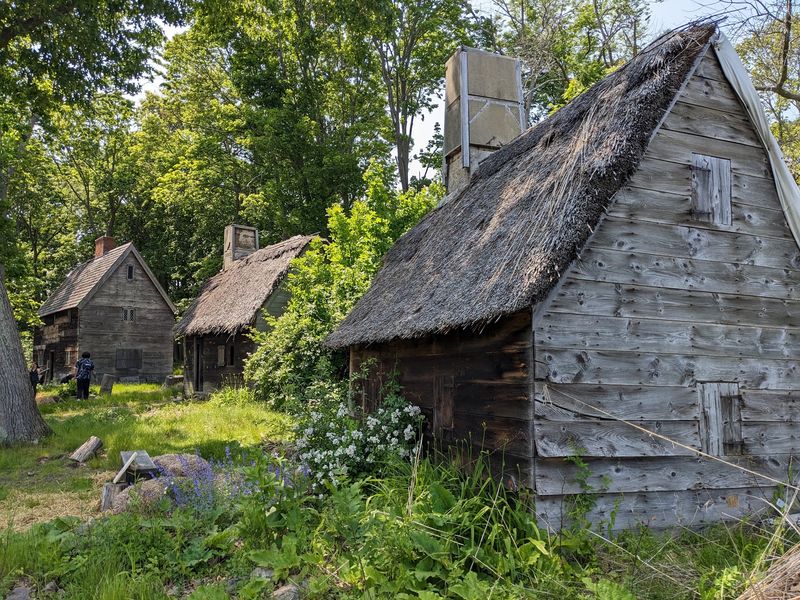
Few people realize just how far back this recreation goes. The village was first built in the 1930s to portray life as it looked in 1630, making it one of the earliest living-history museums in the entire country.
What sits before you today is a careful recreation of a 17th-century colonial settlement, complete with homes, gardens, and tools that reflect how the earliest arrivals in Massachusetts actually lived and worked.
The buildings are not modern reproductions dressed up for photos. They aim to show history as it truly was, in a natural setting rather than a polished theme-park version.
Longtime visitors often say more places like this should exist, praising how it presents the past honestly. That mix of authenticity and age gives the village a depth that flashier attractions nearby simply cannot match.
Homes You Can Actually Walk Inside
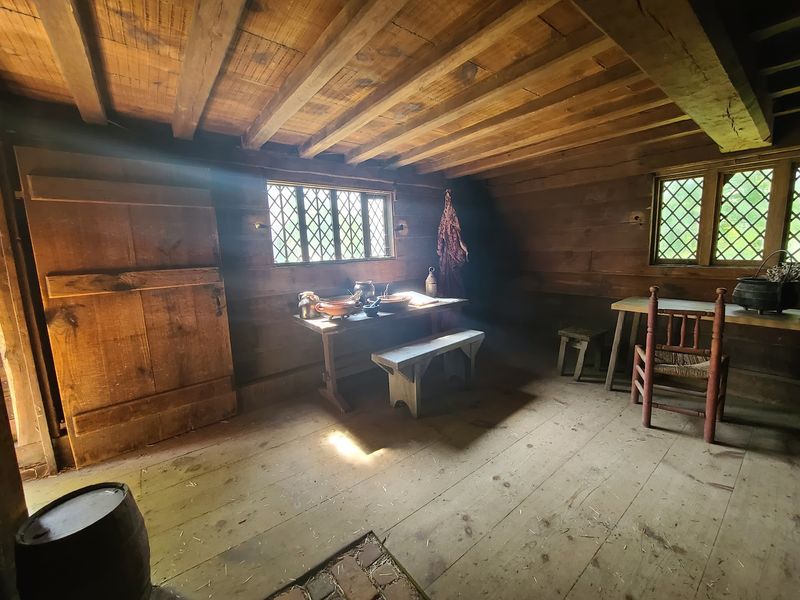
Unlike museums where everything hides behind ropes and glass, here you get to step right through the doorways.
Several of the wooden colonial buildings are open, and you can walk in, look around, and read the signage explaining daily life in the 1600s. The homes are furnished simply, showing exactly how families managed with the tools and space they had.
The signage earns steady praise for being detailed and genuinely educational, laying out plenty of history without overwhelming you.
Peeking inside these structures gives you a real sense of how compact and close-quartered early colonial living truly was. In fact, walking through, you start to understand why neighbors always seemed to know each other’s business.
The tour is self-paced, so you can linger where you like and imagine the rest. That freedom to explore at your own speed makes the whole thing feel personal.
Gardens, Tools, and Everyday Colonial Work
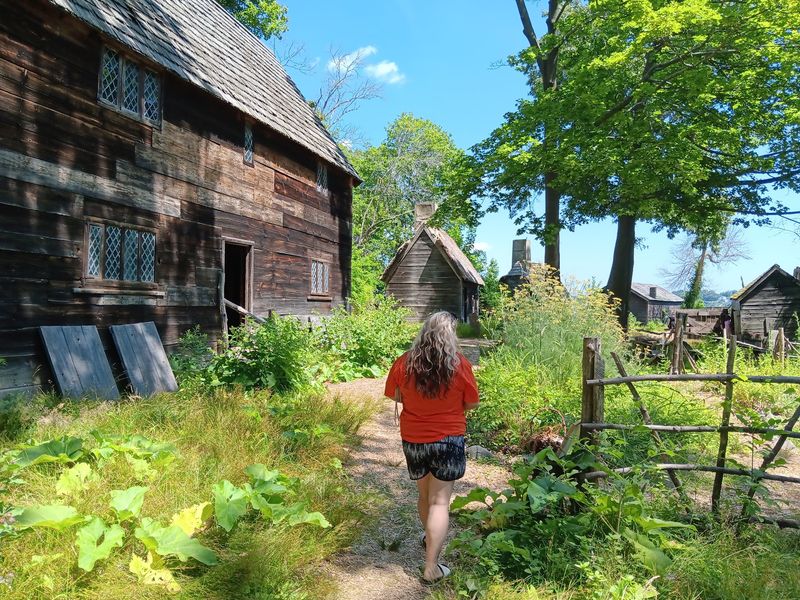
The gardens are where the village really comes to life. Planted plots and period tools sit between the buildings, showing how settlers grew and gathered what they needed to survive.
During the summer season, costumed staff work the grounds and share stories about early colonial life. Guests describe them as friendly and knowledgeable, always ready to answer questions about how the first settlers actually got by.
One highlight regulars remember fondly is a presentation on herbs and plants and how they were used for medicinal purposes back then. It is the kind of hands-on detail that turns a simple walk into a real lesson.
The recreated homes, gardens, and hand tools together bring the era into focus in a way photos never quite capture. That living, working atmosphere is exactly what sets this place apart from static displays.
The Hocus Pocus Connection
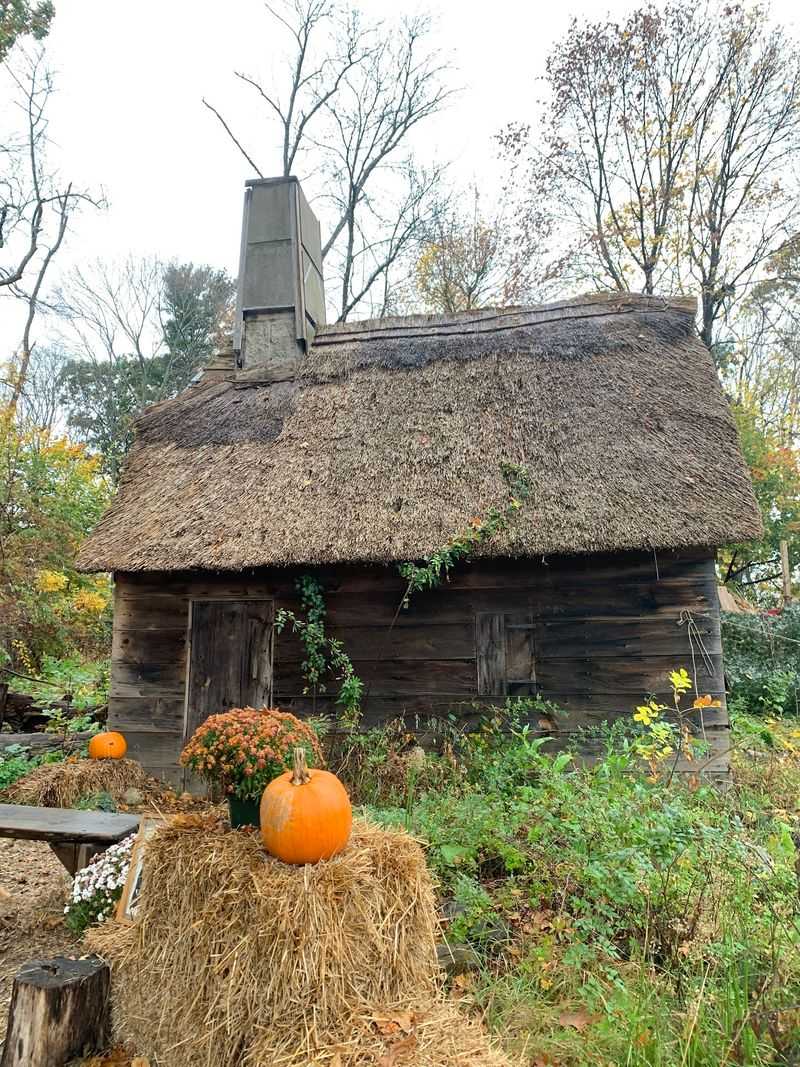
Movie fans have their own reason to make the trip. The village served as a filming location for the beloved Halloween classic Hocus Pocus, and it draws plenty of curious fans each year.
Even so, this is far more than a movie backdrop. Guests who came expecting a quick photo op often leave surprised by how much genuine history the grounds hold, calling it a welcome break from the usual witch-trial tourist stops.
Some fans like to pair the visit with a stop at Max and Dani’s house on nearby Ocean Ave for the full film pilgrimage.
The setting appears in a memorable scene, and photographers love the authentic backdrop it provides. Whether you come for the film or the past, the village manages to satisfy both crowds without feeling like a gimmick.
A Peaceful Spot by the Water
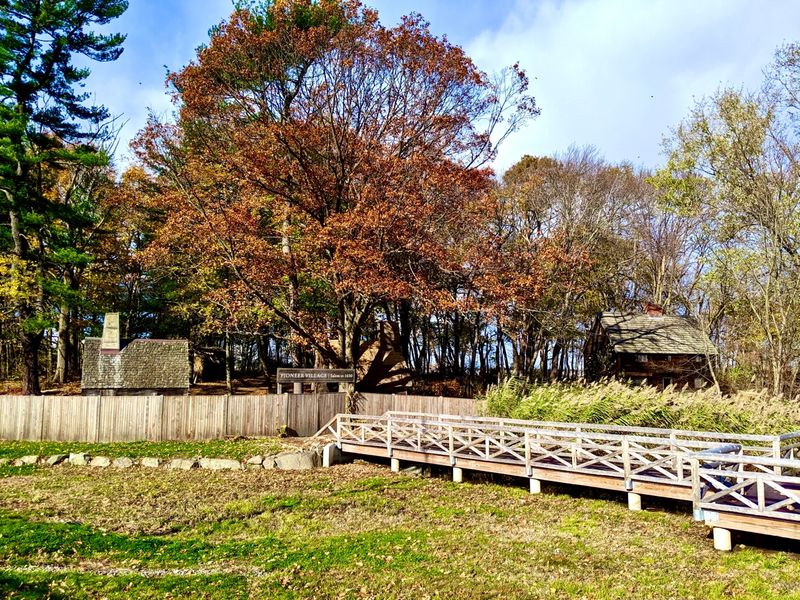
Beyond the buildings, the location itself is a quiet reward. The village sits right on the water, with a small beach at the far end where families have collected shells and enjoyed the view.
Next door, Forest River Park offers a lovely place for a picnic lunch with gorgeous water views, making it easy to stretch a short visit into a relaxed afternoon.
Guests often mention how uncrowded it feels compared to the bustle of downtown Salem. You can wander the footpaths, take photos, and soak up the calm without fighting for elbow room.
The setting is peaceful and tucked away, which only adds to the sense of stepping into another era. For anyone craving a low-key outing close to home, pairing the village with the park makes for a genuinely restful day trip in Massachusetts.
Hours, Fees, and the Weather Warning
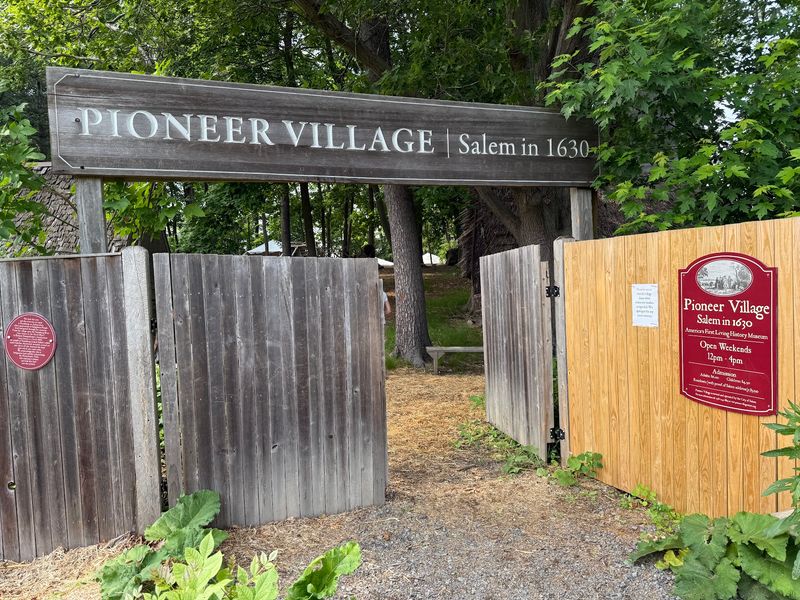
Planning ahead pays off here more than almost anywhere else. The village keeps limited hours, typically open Saturday and Sunday from noon to 4 PM, with guided tours offered June through September.
Entry is famously affordable at around $5 per person, and children under 6 have gotten in free. Bring cash, since guests repeatedly note it is a cash-only operation.
One big heads-up: the village is highly weather dependent. Rain or flooding can shut it down, and some travelers have arrived only to find the gates closed, so checking before you go is wise.
Summer weekdays can also be reserved for youth camps, which occasionally limits public access. A quick look at the official website before setting out saves disappointment.
Plan for roughly 15 to 30 minutes to explore, and time your trip for good weather to be safe.
Is the Visit Worth It?
So does this little village earn its spot on your Salem itinerary? For history lovers, the answer leans strongly yes.
The grounds are compact, and a full walk-through usually takes 15 to 30 minutes, so setting the right expectation matters. Those hoping for a sprawling attraction may wish for more, while those who love authentic history tend to walk away impressed.
Guests describe it as an underrated hidden gem that delivers more genuine history than many of the flashier stops in town. The modest fee, they note, helps keep this living piece of the past alive.
For value-minded Massachusetts locals wanting an affordable, low-effort outing that most people never think to try, it fits the bill nicely. Come on a clear-weather weekend, bring a few dollars in cash, and you will find a quiet slice of 1630 waiting close to home.
Share this story