Somewhere in central Massachusetts sits a place where the clock quietly rolls back nearly two hundred years, and most people driving past never guess how much waits inside the gates. More than 40 restored buildings spread across wide open grounds, staffed by folks in period clothing who actually shape iron, run a working sawmill, and keep farm animals fed like it is still the 1830s.
Families come for a leisurely day trip and end up staying far longer than planned, wandering through homes, shops, and mills that feel genuinely alive. It is affordable, close to home, and easy on the schedule.
Keep reading to learn where it is, what makes each corner special, and the small tips that turn a good visit into a great one.
How a Recreated New England Settlement Came to Be
Every building here tells a story about ordinary life nearly two centuries ago, and that is the whole point. The museum was designed to immerse guests in the early 19th century, gathering authentic structures and everyday objects into one connected community.
Homes, farms, a blacksmith shop, a sawmill, a carding mill, a joinery shop, and a tin smith all sit within walking distance of one another. Together they show how a rural village once functioned as a whole.
What sets it apart is the commitment to authenticity. From the period clothing to the restored artifacts, the details are built to reflect real daily routines rather than a polished fantasy.
Guests often describe it as history coming to life. Wandering the paths where mills once turned and craftspeople shaped their goods makes it easy to understand what village life was actually like in the 1830s.
A Living 1830s Community Just Off the Turnpike
Tucked at 1 Old Sturbridge Village Rd in Sturbridge, Massachusetts, this sprawling outdoor history museum brings the early 19th century back to full working life. The address places it in the middle of the state, an easy reach for locals and just as popular with day-trippers coming up from Connecticut.
The concept is simple but rare. Instead of glass cases and roped-off displays, you get a re-creation of an actual rural New England settlement from the 1830s, complete with homes, farms, stores, meeting houses, and mills.
Costumed staff move through the grounds as if the decade never ended, answering questions and demonstrating trades. With over 40 buildings to explore, there is room to walk and plenty to see.
Regulars mention that it works for every age, from curious little ones to grandparents. It stands as one of the more rewarding history outings you can find so close to home.
Iron, Sparks, and the Blacksmith Shop
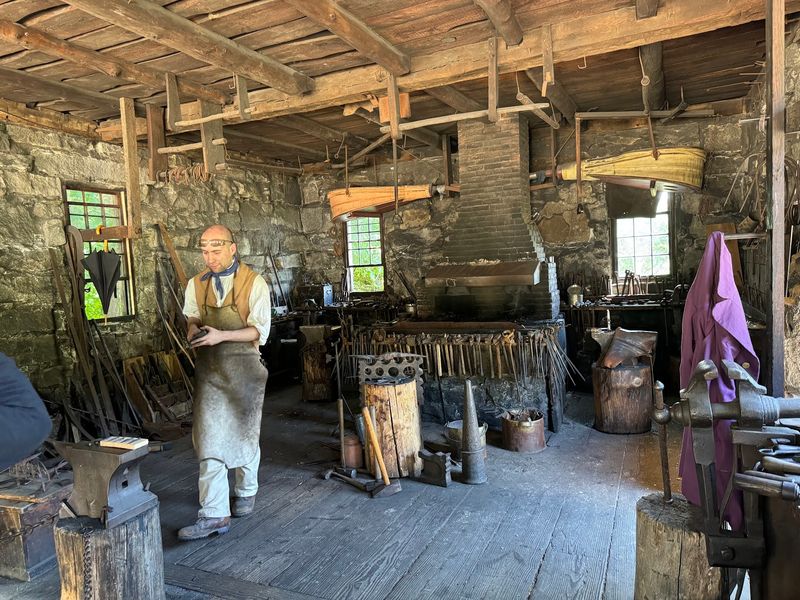
Few stops draw a crowd quite like the forge, and it earns the attention. The blacksmith shop is one of the most talked-about spots in the whole village, mentioned again and again by people who come through.
Inside, a costumed smith shapes iron the old-fashioned way, working metal into tools and hardware while explaining the craft. It is one thing to read about a blacksmith and another to watch one at the anvil.
The demonstration ties directly into the larger village story, since a working community needed its smith for everything from nails to farm equipment. Seeing the trade in action makes that dependence obvious.
Curious visitors are welcome to ask questions, and the staff are known for being both knowledgeable and generous with their time. For anyone fascinated by hands-on history, this shop tends to be a highlight worth lingering at.
The Working Sawmill by the Water
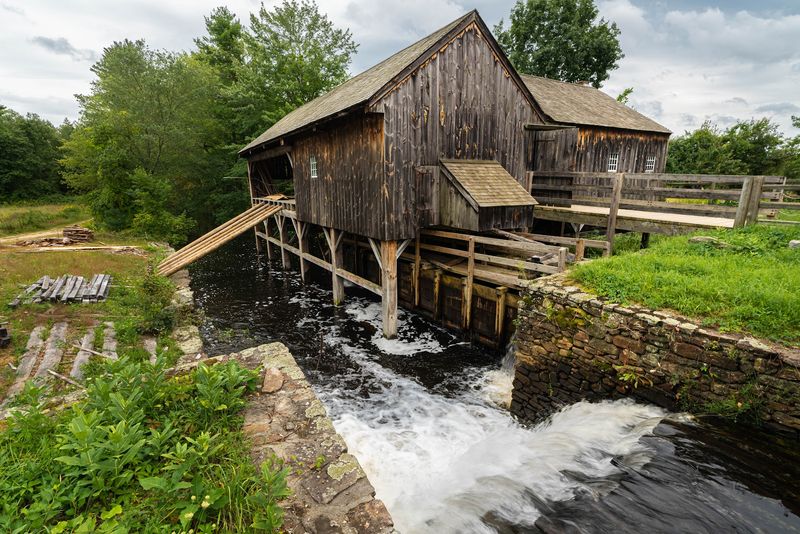
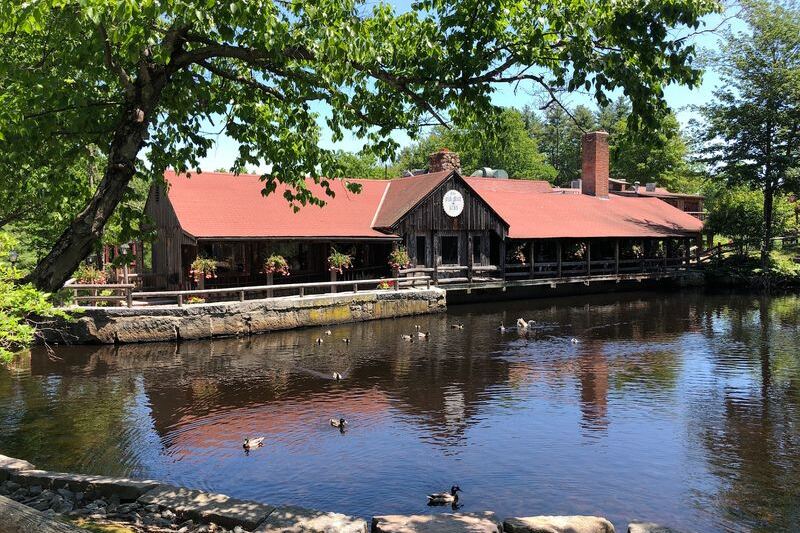
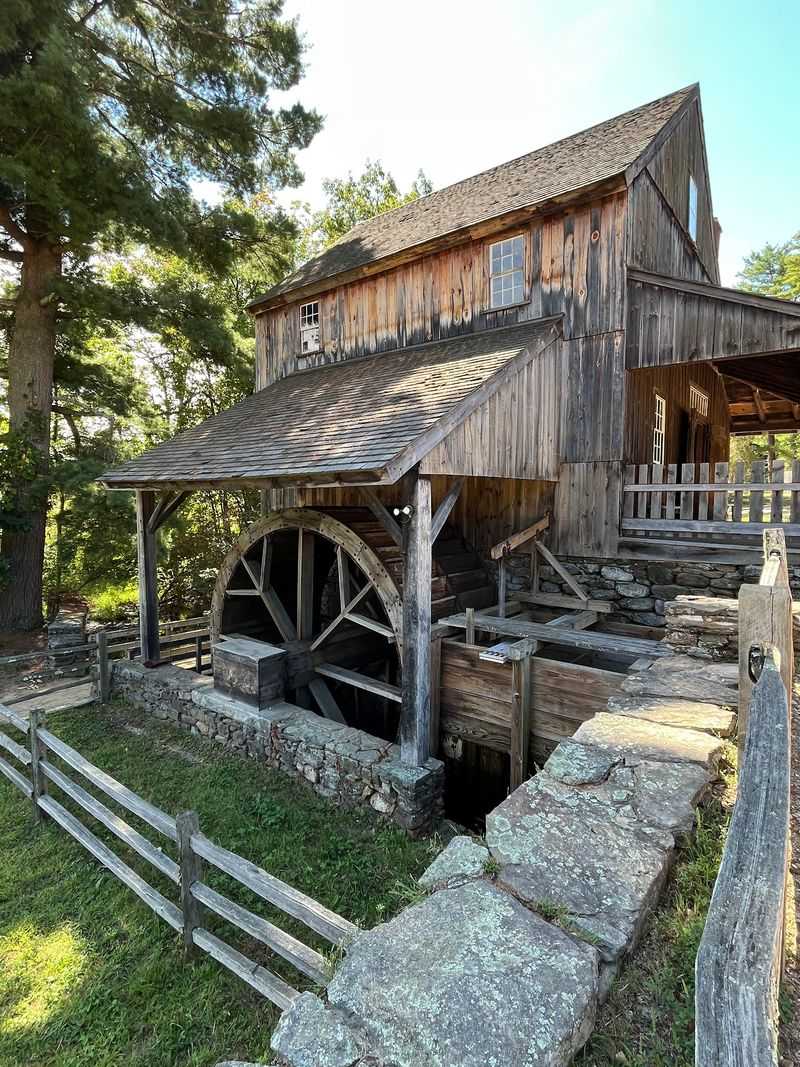
Down near the water, an old-fashioned mill keeps right on cutting, and it is a genuine crowd-pleaser. The sawmill counts among the village favorites, showing up frequently in the list of must-see stops.
Rather than sitting idle as a display, it operates as a working business the way it would have in the 1830s. Watching a log turn into usable lumber gives a real sense of the effort behind early construction.
Alongside it, the carding mill adds another layer to the story of local industry. Both help explain how a village supplied its own needs long before factories and hardware stores.
Guests appreciate that these are not static exhibits but live demonstrations. The sawmill quietly proves how much skill and ingenuity went into everyday village life.
Costumed Interpreters Who Bring the Past Forward
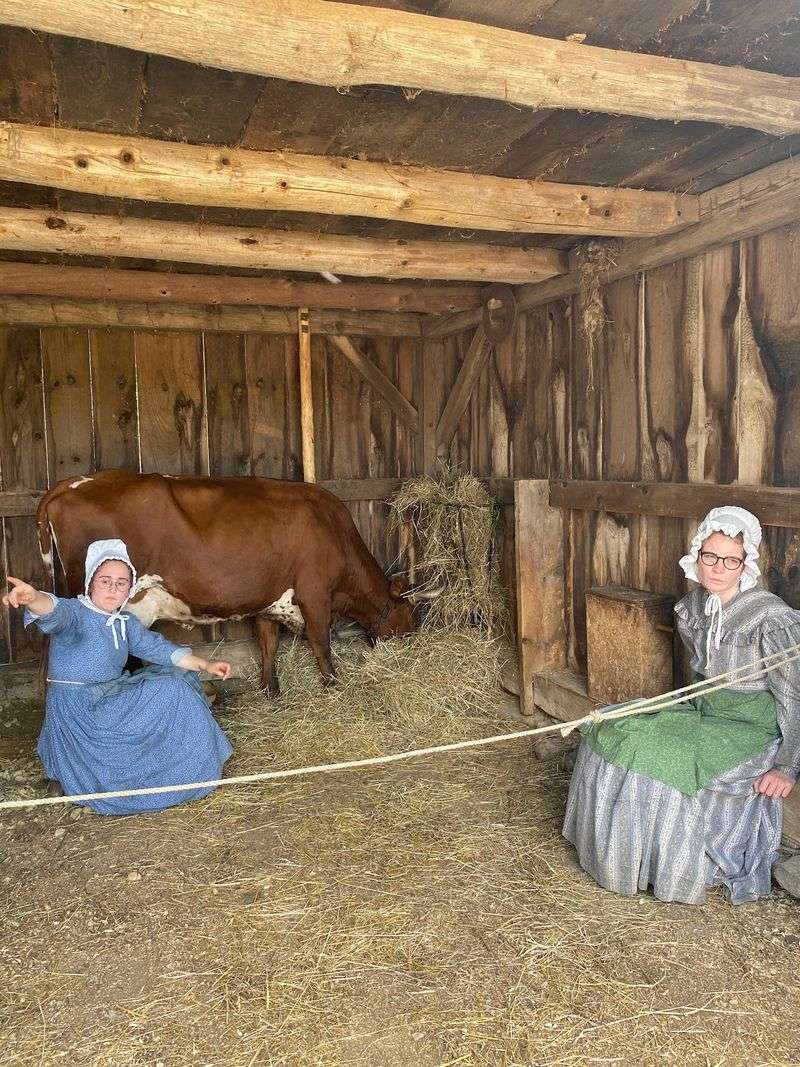
The people in period dress are the heartbeat of the whole place. Costumed interpreters and reenactors staff the buildings, and their knowledge is one of the most praised parts of a visit.
Docents share stories and fun facts about daily life in the 1830s, making the experience feel personal and alive. Many guests say the interaction with staff is what turns a walk through old buildings into a real connection with the past.
Some corners shine brighter than others depending on how animated a given interpreter is, and a few guests note the occasional less enthusiastic character. Still, the overall level of engagement earns steady praise.
Trades like the pottery studio and printshop stand out for the conversations that happen there. The commitment of the staff, even on hot days in full costume, does not go unnoticed.
Farm Animals and the Cow Parade
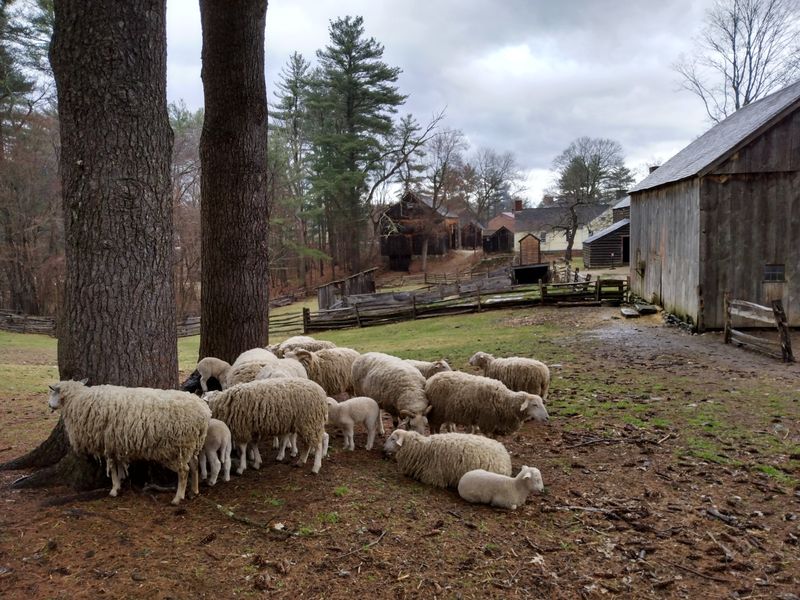
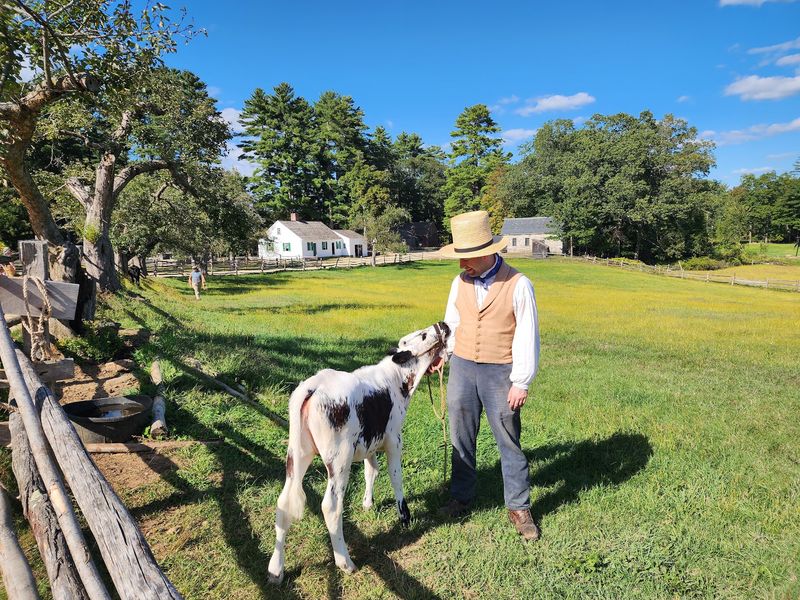
Little ones tend to gravitate straight toward the animals, and the village delivers. Farm animals are part of the working farms scattered throughout the grounds, adding life and movement to the historic scenery.
The farms are not just for show. They reflect how central livestock and agriculture were to a rural community in the 1830s, giving families a chance to see that connection up close.
On certain visits, guests have been lucky enough to catch the CowParade art installation, a colorful and memorable surprise. Timing your trip around special features like this can make the day even more fun.
Between the pastures and the paths, there is plenty of open space for kids to roam. The animals give younger visitors a reason to stay curious from one field to the next.
Horse-Drawn Rides Around the Lake
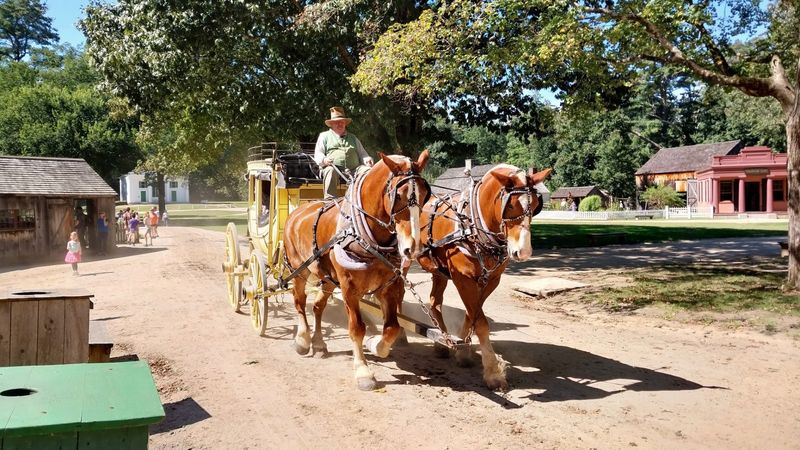
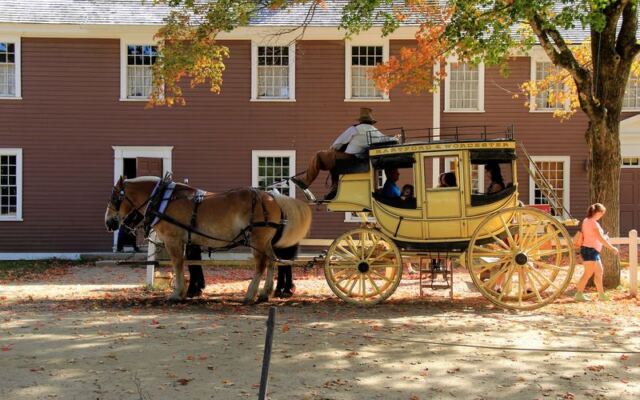
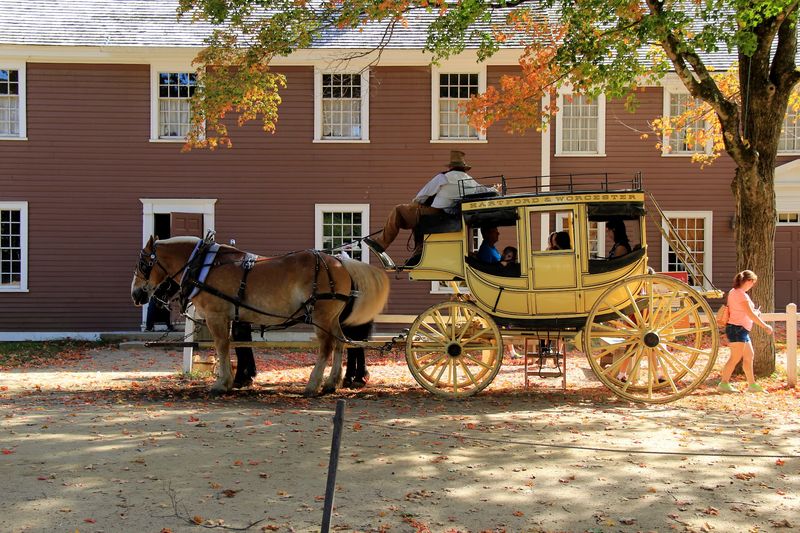
Not everything here has to be done on foot. A horse-drawn carriage ride circles the lake and passes through a covered bridge, and guests regularly call it a highlight worth making time for.
The ride offers a gentle change of pace from all the walking, giving your legs a rest while the scenery drifts by. It also fits the era perfectly, since carriages were once the way people got around.
Families with young children especially enjoy the novelty of the trip. The combination of the horses, the water, and the old covered bridge makes for a memorable loop.
Consider it a small extra that adds a lot of charm to the day. Riders often walk away recommending it as a can’t-miss part of the visit.
Shops, Crafts, and Handmade Goods
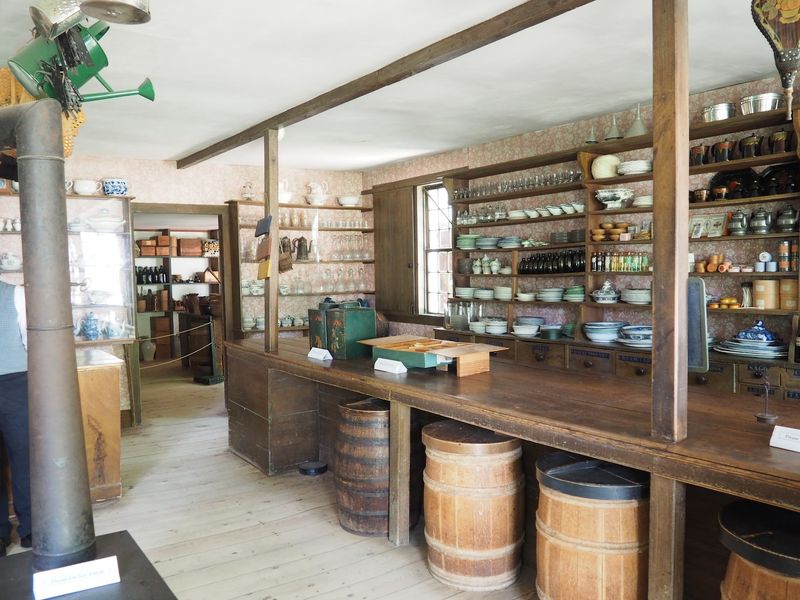
Half the fun is poking around the shops where the goods are actually made on site. The pottery shop and tin shop sell items crafted right there, connecting what you buy to the trades you just watched.
Inside the general store, small details grab attention, like the pigments of paint on the shelves that surprise and delight guests. It is the kind of quirky discovery that sticks in your memory.
The pottery studio and printshop rank among the most beloved spots, largely because of the friendly, knowledgeable staff working them. Conversation flows easily, and the craftsmanship speaks for itself.
A note on the gift shop: some feel the handmade items run a little pricey, though the quality is appreciated. Even so, browsing is part of the experience, whether or not you take something home.
A Calm, Unhurried Atmosphere
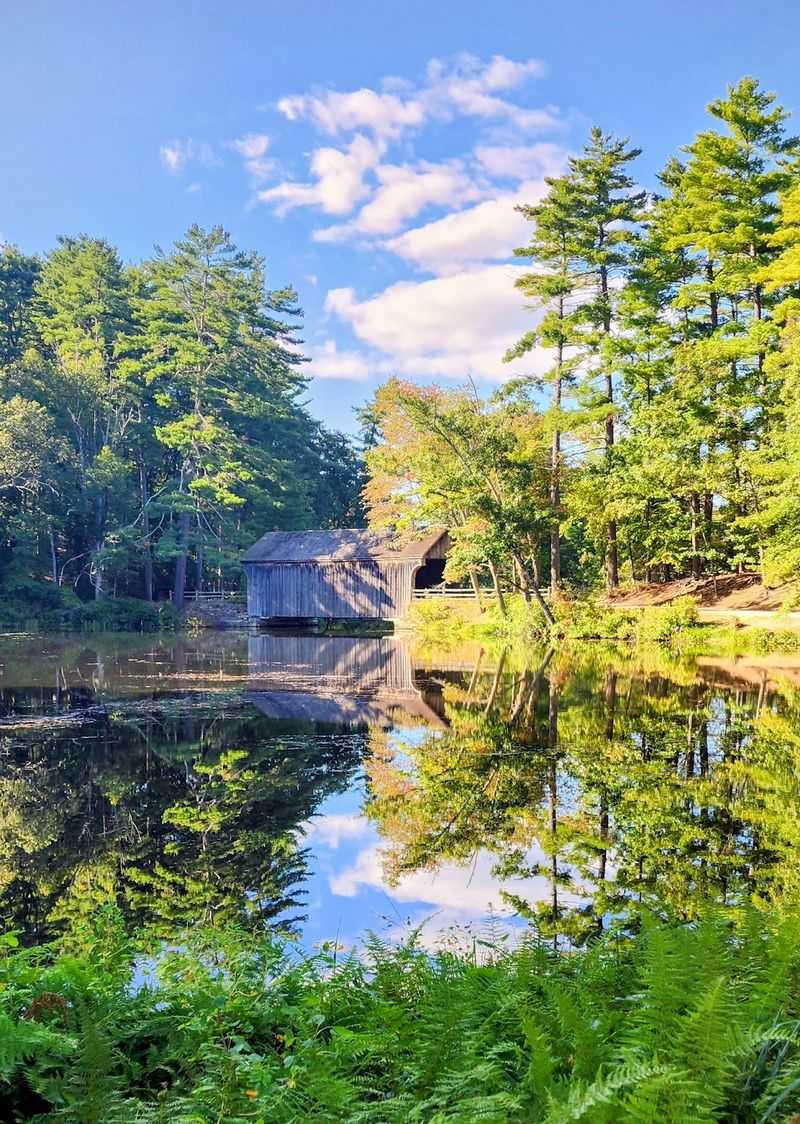
There is a certain stillness here that modern life rarely offers. The atmosphere is relaxed and unhurried, with a sense that life once moved more slowly and intentionally.
Guests describe the mood as nostalgic and calming, an easy place to wander and lose track of time. Plenty of trees offer shade along the wide paths, making warm days more comfortable.
A quiet weekday visit can feel almost private, with each demonstration and conversation becoming more personal. That intimacy is a big part of the charm for many who come.
Between the open grounds and the gentle pace, it works well as a low-effort escape. It is the sort of outing that leaves you feeling refreshed rather than worn out.
Seasonal Events Worth Circling on the Calendar
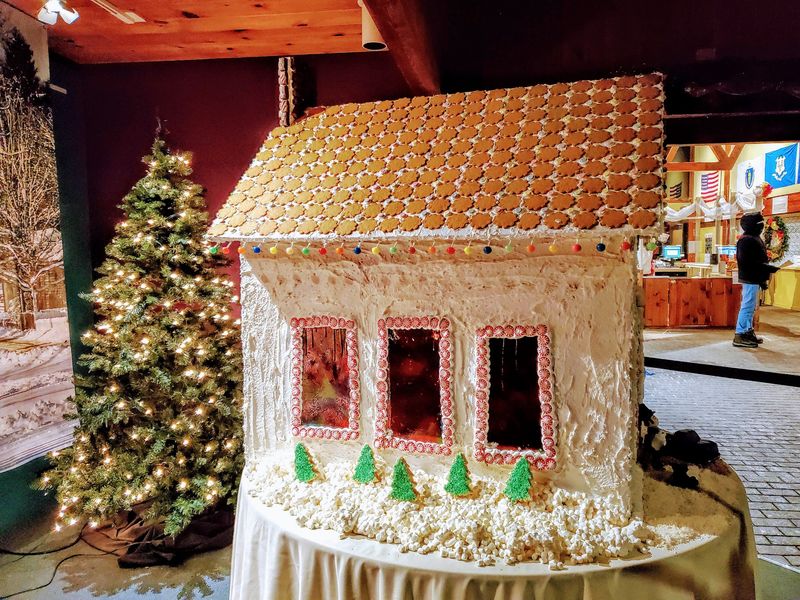
The village really shows off during its special events, which many guests say are the best time to come. Christmas by Candlelight transforms the grounds with holiday lights, decorations, and storytelling about winter life in the 1800s.
That celebration packs in activities like dipping candles, meeting Santa, sampling mulled cider and gingerbread, singing carols, and hearing tales by firelight. Families call it a warm and memorable outing even in cold weather.
Come autumn, the Phantoms by Firelight event runs after regular hours during the Halloween season. It leans into gently spooky themes that stay appropriate to the era, with no jump scares and nothing grotesque.
The village has also hosted special presentations tied to the USA 250 celebration and July 4th festivities. Checking the event schedule before you go can turn a nice day into a standout one.
Hours, Admission, and Getting There
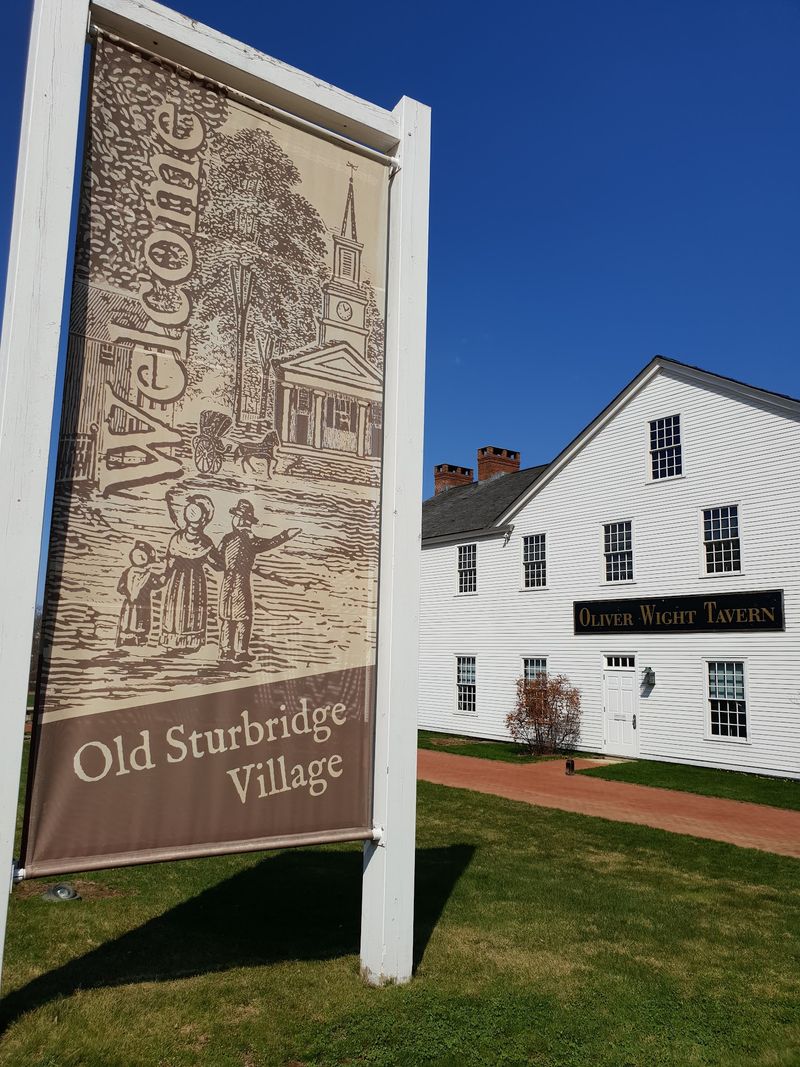
Planning ahead makes the whole trip smoother. The village sits at 1 Old Sturbridge Village Rd in Sturbridge, Massachusetts, and can be reached by phone at 800-733-1830 or online at osv.org.
Doors open at 9:30 AM and close at 5 PM from Wednesday through Monday, with Tuesday being the one day it stays closed. Arriving in the earlier afternoon still leaves time for a leisurely walk through most of the buildings.
Seniors sometimes find half-price admission, a welcome bonus that several guests mention. Many feel the ticket is well worth it once they see how large the grounds are and how many staff are working in full period dress.
A practical heads-up on food: drinks and snacks on site can run on the higher side, so bringing your own frozen water bottles is a smart move. A few buildings occasionally close for maintenance, so a call ahead never hurts.
Best Days to Visit and Who Will Love It
Timing your visit can shape the whole experience. Friday tends to bring smaller crowds, making it easier to enjoy each demonstration, while Saturdays can get very busy.
Summer usually means nearly everything is open and running, aside from the occasional building under maintenance. A quiet Sunday can also feel personal, with more room to connect with the staff.
History lovers and families with younger children get the most out of the visit, since there is so much to touch, watch, and ask about. Homeschool groups have had wonderful experiences here, blending history with a nature walk across the grounds.
Older kids who are not especially into history may need a little more to hold their interest, so knowing your crowd helps. For those who love stepping back in time, this ranks as an easy recommendation and a place well worth returning to across the seasons.
Between the working trades, the friendly interpreters, and the quiet beauty of the grounds, Old Sturbridge Village stands as one of the more rewarding day trips in the region. It is proof that a little slice of the 1830s is waiting closer to home than most people ever expect.
Share this story