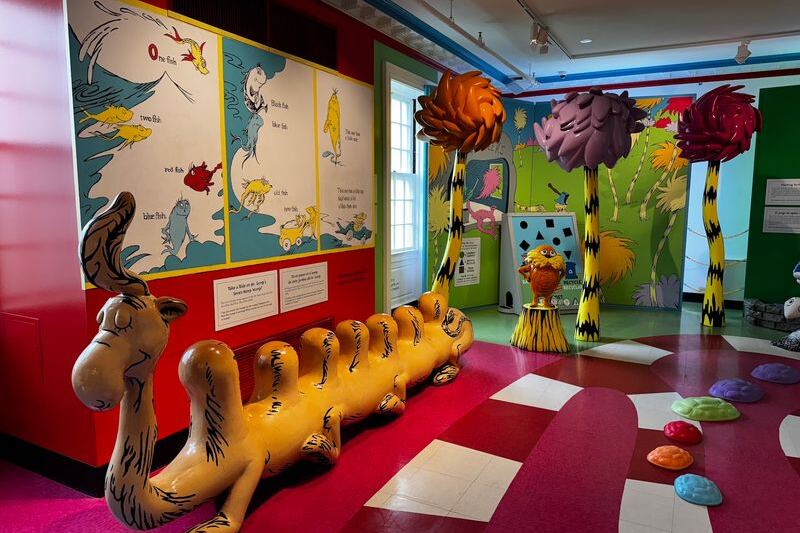
Back in the 1930s, a group of schoolchildren in Attleboro, Massachusetts, did something that most adults would never think to try: they launched a penny drive to fund a zoo. That grassroots effort became the foundation of this zoo, one of the most charming and affordable wildlife destinations in the entire region.
Nearly 90 years later, this place is still standing, still growing, and still drawing families who want to get up close with animals from around the world. This article walks through everything that makes this small but mighty zoo worth a visit, from its remarkable origin story to the rare animals living there today.
A Zoo Born From Pocket Change
Few institutions can claim they were built on the generosity of children, but Capron Park Zoo in Attleboro, Massachusetts can say exactly that. The zoo traces its roots back to 1937, when local schoolchildren organized a penny drive to raise enough money to bring animals to the city.
That campaign reflected a community that genuinely wanted something to share. The city of Attleboro embraced the idea, and what started as a collection of coins turned into a municipal zoo that has served generations of families.
Located at 201 County St, Attleboro, MA 02703, the zoo sits within the larger Capron Park, surrounded by green space, walking paths, and a sizable playground just outside the main entrance. The address is easy to reach, parking is free and plentiful, and the zoo is open every day of the week from 9 AM to 4 PM, making it one of the most accessible wildlife spots in the state.
What a Penny Drive Actually Built
The penny drive did not just fund a few cages and call it a day. Over the decades since 1937, Capron Park Zoo has grown into a fully functioning municipal zoo that houses approximately 100 animals representing species from multiple continents.
The zoo features several indoor exhibit buildings, including a tropical rainforest structure, an animal adaptations building, and a nocturnal creatures space that has since been reimagined to focus on animal skin and armor. Each building was developed with education in mind, giving visitors a reason to slow down and actually learn something.
Outdoor habitats have been designed to reflect the natural environments of the animals living in them. The zoo also includes a pollinator garden with a book walk near the pond, adding a quiet, educational corner that appeals to curious minds of all ages.
What those schoolchildren started has clearly grown well beyond a handful of coins.
The Rare White Lion That Stops Everyone in Their Tracks
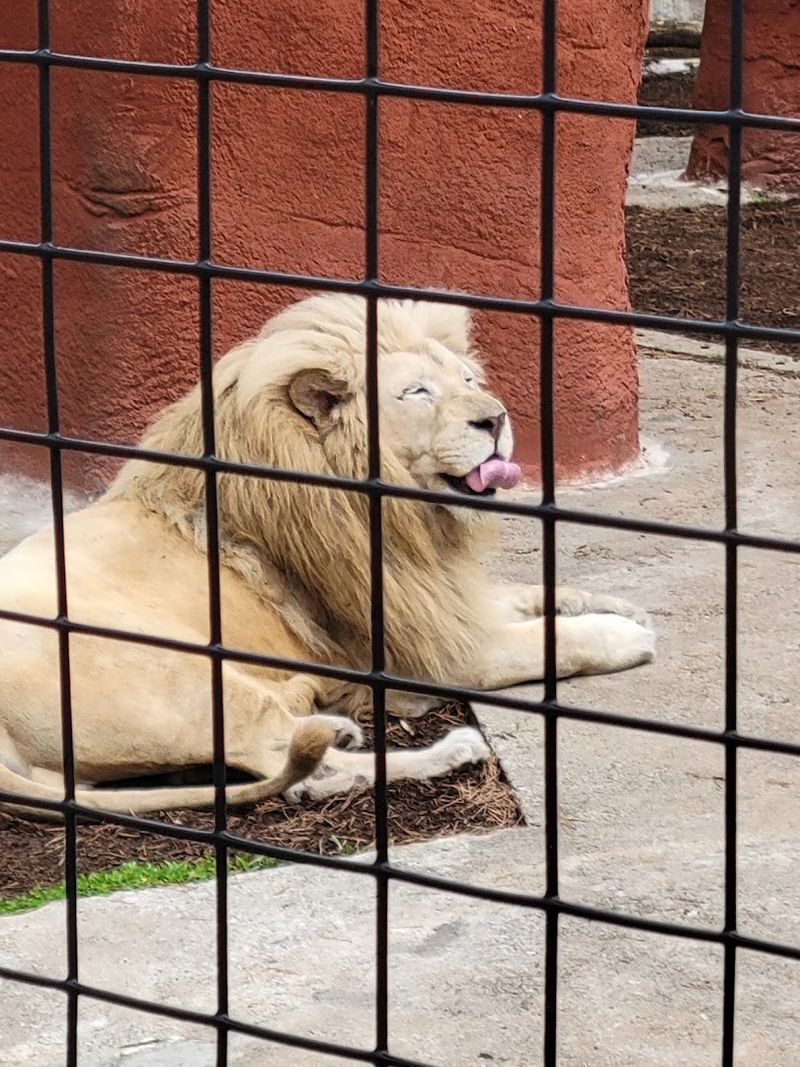
Not every zoo can say it has a white lion, but Capron Park Zoo can. Ramses, the zoo’s rare white lion, is one of the animals that draws the most attention from guests of all ages.
White lions are not albino; they carry a recessive gene that produces their distinctive coloring, making them genuinely uncommon in captivity worldwide.
The lion enclosure is designed to give Ramses space to move, rest, and engage with enrichment activities. Zookeepers do not simply place food in front of the animals; instead, they hide meals in different containers to encourage natural hunting behavior.
That approach keeps the animals mentally active and gives guests a more dynamic experience during their visit.
Hearing the lion roar from across the park is the kind of moment that sticks with a child for years. Ramses has become something of an unofficial mascot for the zoo, and for good reason.
An Endangered Leopard With a Name and a Story
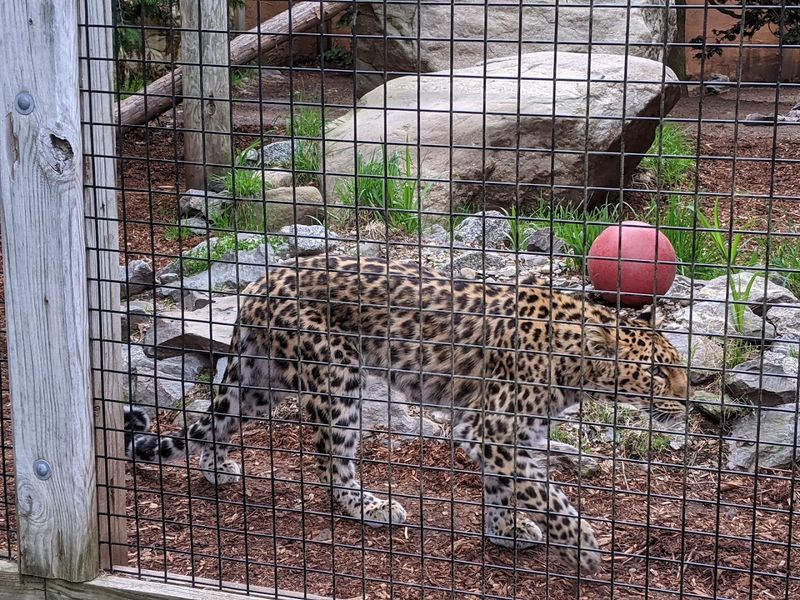
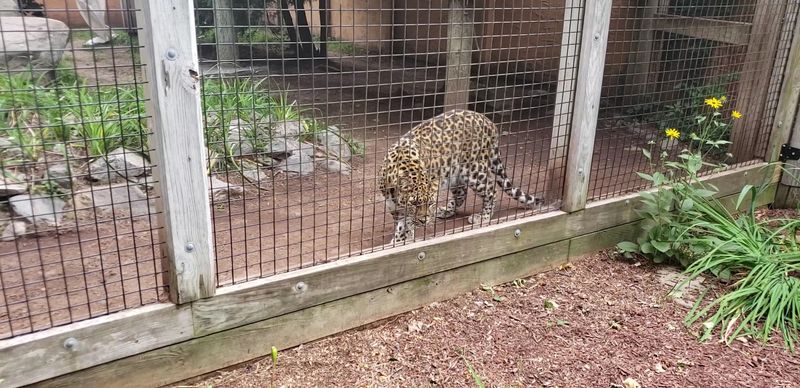
Lacey the Amur Leopard is one of the most significant animals at Capron Park Zoo, and not just because of her striking appearance. Amur Leopards are among the most endangered big cats on the planet, with wild populations critically low.
Having one at a small municipal zoo in Massachusetts is genuinely notable.
Each animal at the zoo comes with a story, displayed on colorful plaques near the enclosures. Some animals arrived because they were injured and could not survive in the wild.
Others came through wildlife programs designed to support conservation breeding. Lacey’s presence at the zoo puts a real face on what it means for a species to be endangered.
The zoo staff knows these animals by name, which reflects the level of personal care that goes into daily operations. That connection between the keepers and the animals is something guests notice quickly, and it changes the entire tone of a visit.
The Tropical Rainforest Building
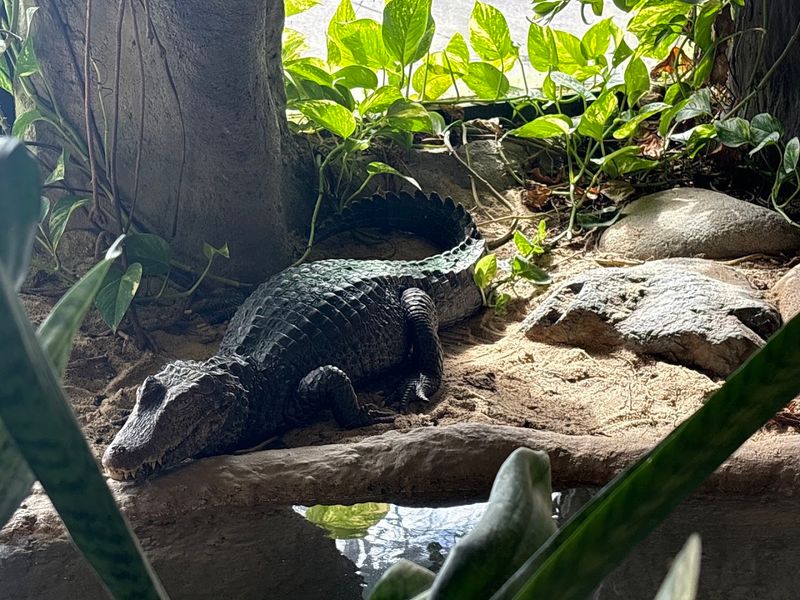
One of the most talked-about features inside Capron Park Zoo is the tropical rainforest building. The structure houses a waterfall, various bird species, and a caiman, which is a reptile closely related to alligators.
The building creates a humid, green environment that feels completely different from the outdoor exhibits.
The caiman is a particularly compelling resident. Reptiles like this are often misunderstood, and having one in an accessible indoor setting gives guests a chance to observe the animal calmly without the barriers that larger zoos typically use.
Educational signage throughout the building explains the caiman’s natural habitat, diet, and behavior.
The birds in the rainforest building add movement and color to the space. Watching them move freely within the enclosure while the waterfall runs in the background creates an atmosphere that feels far removed from a typical zoo visit.
It is one of the more memorable indoor wildlife experiences available in the region at this price point.
Fruit Bats, Sloths, and the Animals You Did Not Expect

Beyond the headliners like the white lion and the Amur Leopard, Capron Park Zoo holds a collection of animals that regularly catch guests off guard. Fruit bats are a consistent favorite, especially among guests who did not expect to find them at a small municipal zoo.
Watching them hang and move in their enclosure tends to generate genuine excitement.
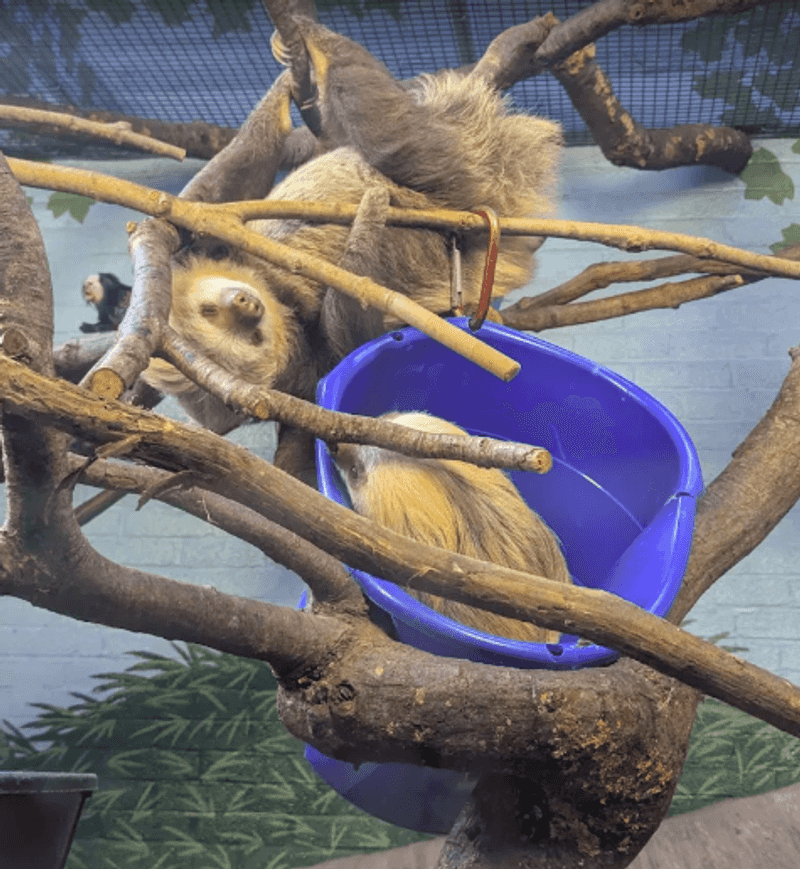
Sloths are another standout. These slow-moving mammals have developed a devoted fan base over the years, and the zoo’s sloth exhibit gives guests a close-up view that larger institutions rarely allow.
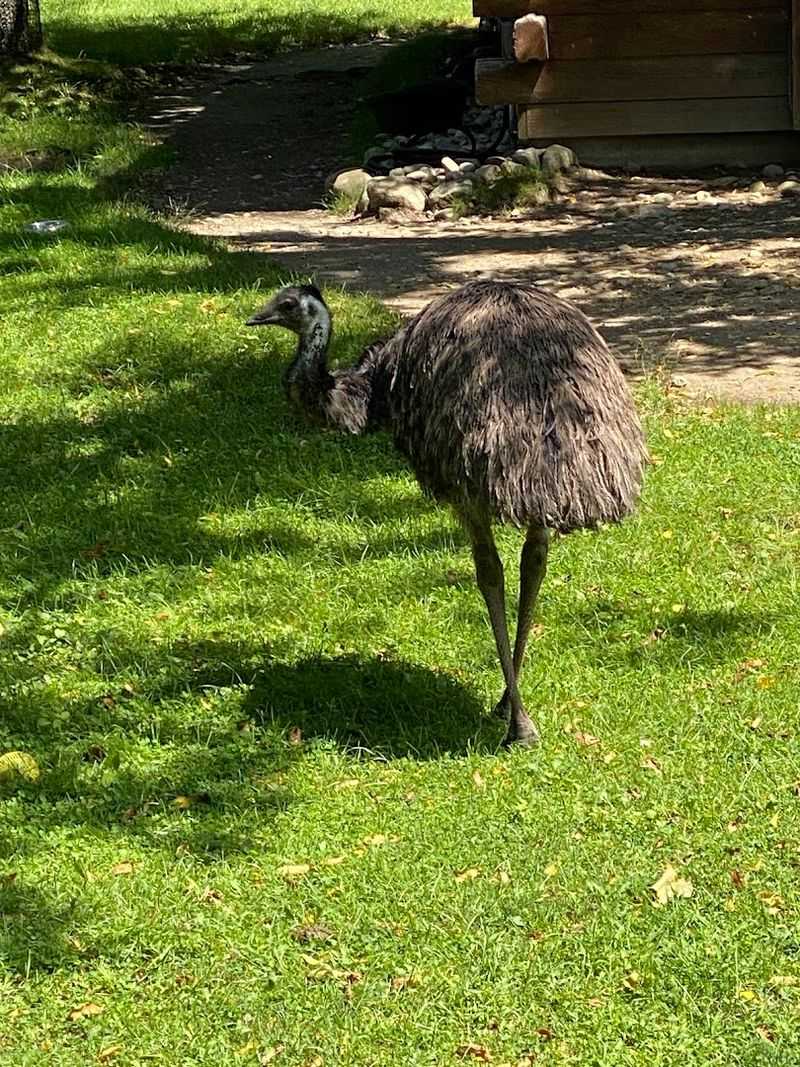
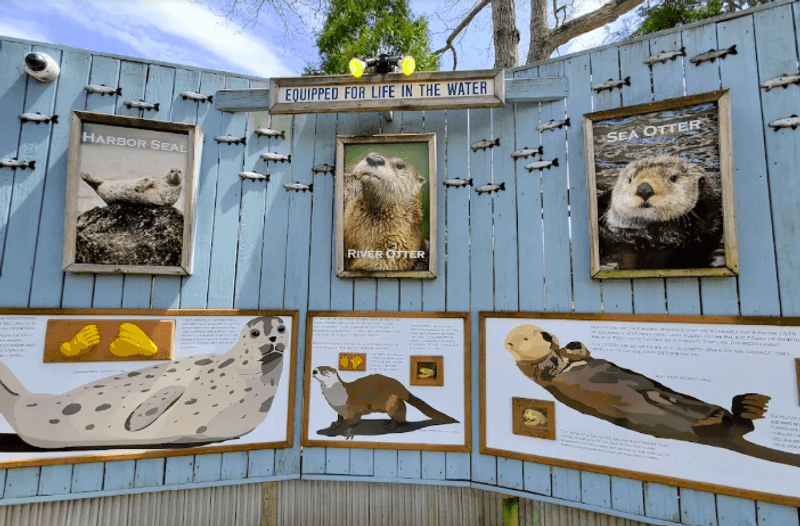
Monkeys, otters, a red panda, an emu, and various reptiles round out a collection that feels much larger than the zoo’s footprint might suggest.
The monitor lizard currently at the zoo was acquired after sustaining an injury, as were several of the owls in residence. The zoo has become a reliable destination for rescued wildlife, giving animals a safe place while offering guests an educational encounter they are unlikely to forget.
A Titi Monkey and the Capron Building
Inside the Capron building, one of the indoor exhibit spaces at the zoo, a baby titi monkey has become one of the most talked-about residents in recent memory. Titi monkeys are small South American primates known for their strong family bonds, and the baby at Capron Park Zoo was spotted by guests nestled under its mother during a visit earlier this year.
The Capron building houses several primate and small mammal exhibits, giving guests a chance to observe animals that are rarely featured at regional zoos. The space is designed to feel educational without being overwhelming, with clear signage explaining each animal’s origin and background.
Watching a baby primate interact with its parent in a zoo setting is the kind of moment that reminds guests why these institutions matter. Conservation, education, and connection all happen in the same room, and the titi monkey exhibit delivers all three without any fanfare.
It is a quiet highlight that rewards the guests who take their time.
The Splash Pad, Playground, and Everything Outside the Zoo Gates
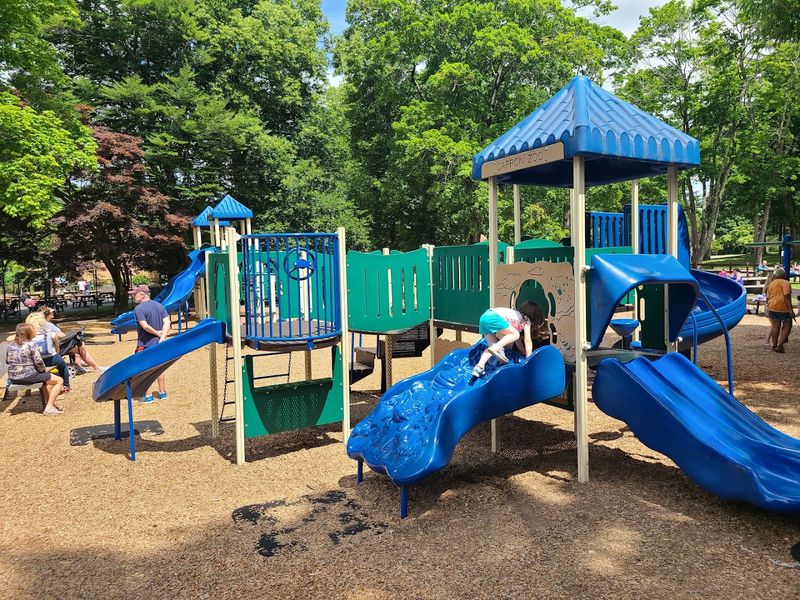
Capron Park Zoo does not end at the zoo gates. Just outside the main exit sits a large playground that draws families even on days when they are not visiting the animals.
The equipment is substantial, shaded by trees, and designed for a range of ages, making it a natural extension of a zoo visit for families with young children.
The splash pad is a seasonal feature that operates during warmer months and has become one of the most popular reasons families return to the park throughout the summer. It is located near the playground and gives children a place to cool off after walking the zoo grounds.
Repairs and maintenance are handled by a dedicated staff that takes the facility seriously.
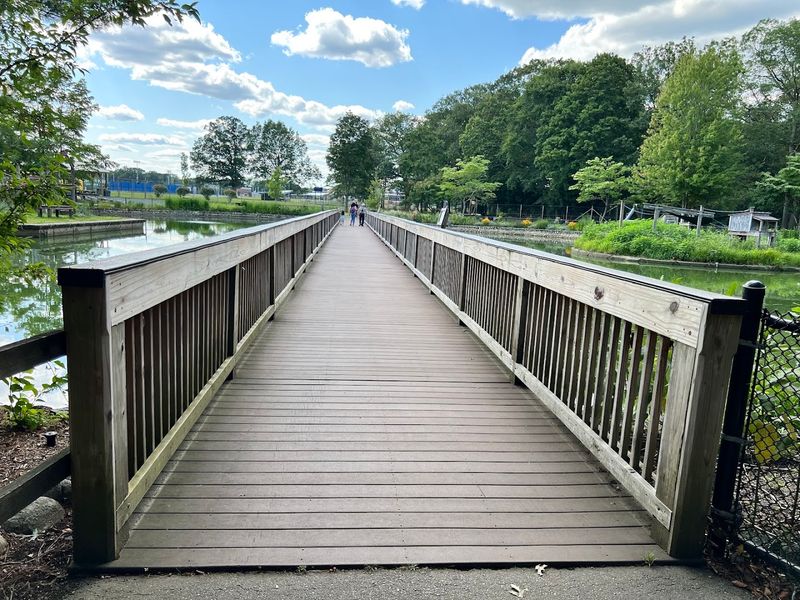
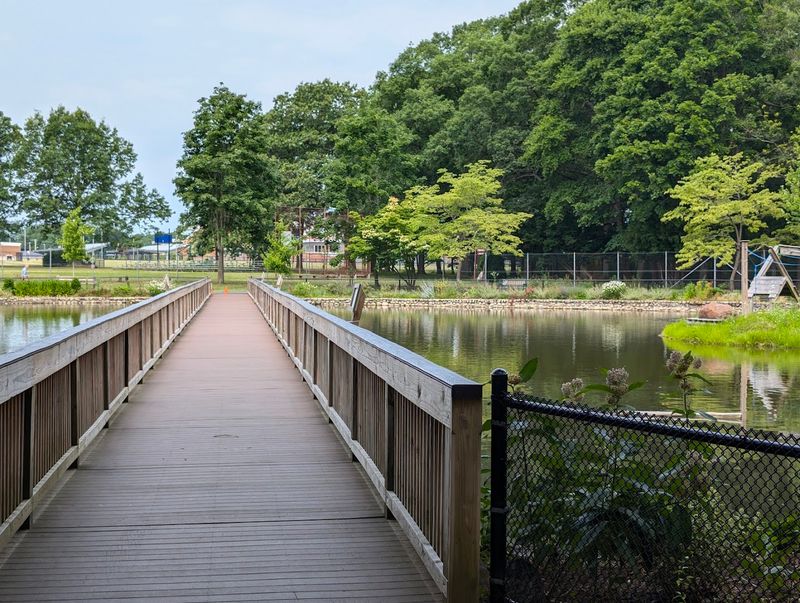
The pond area, with its walking path and pollinator garden, offers a quieter alternative for guests who want to extend their time at the park without heading back into the zoo. The overall layout makes Capron Park a full-day destination rather than just a quick stop.
The Price That Makes It Possible for Everyone
Ten dollars per person is what it costs to walk through the gates at Capron Park Zoo, and that figure consistently surprises first-time guests. For a zoo that houses around 100 animals across multiple indoor and outdoor exhibits, the admission price is genuinely hard to beat anywhere in the region.
Membership options take the value even further. A family of four can become members for approximately $65, and that membership includes entry to several other zoos and museums throughout the season.
For families on a tight budget who still want to give their children regular access to wildlife and educational programming, the membership structure is a practical solution.
Local residents receive additional discounts, which reflects the zoo’s roots as a community institution. The gift shop also keeps its prices reasonable compared to larger attractions, stocking educational books, stuffed animals, toys, and clothing without the markup that typically accompanies zoo retail.
The whole operation is built around accessibility, which is exactly what a penny-funded zoo should be.
The Conservation Mission Behind the Everyday Operations
Conservation is not just a buzzword at Capron Park Zoo; it is woven into the way the zoo operates on a daily basis. Many of the animals in residence arrived because they were injured, rescued, or part of a breeding program for endangered species.
The Amur Leopard, the monitor lizard, and several owls all came to the zoo under circumstances that reflect this broader mission.
Colorful plaques near each enclosure explain where each animal came from and why it is at the zoo. That transparency gives guests a more complete picture of what it actually takes to run a responsible wildlife facility.
It also helps visitors understand the difference between animals kept for entertainment and animals that are genuinely being cared for as part of a conservation effort.
Educational programs and themed tours are available for schools and organized groups, extending the zoo’s reach beyond casual visitors. The zoo has maintained its educational identity since its founding, and that commitment has not faded with time or budget constraints.
What the Community Has to Say About Possible Closure

In recent years, conversations about the potential closure of Capron Park Zoo have circulated within the Attleboro community, and the response has been clear: people do not want to lose it. Long-time supporters who have been visiting since childhood have spoken up loudly in favor of keeping the zoo open, pointing to its role as an affordable, community-anchored institution.
The zoo has served eastern Massachusetts for nearly 90 years, and its closure would leave a gap that no larger, more expensive attraction could fill. The membership model, the educational programming, and the low admission cost are all features that depend on continued municipal and community support.
Calls for local philanthropists and surrounding counties to contribute to the zoo’s sustainability have grown louder as budget discussions continue. The zoo that schoolchildren built with pennies now needs the kind of investment that reflects its true value to the region.
The community response suggests that the will to preserve it is very much alive.
Visiting Tips That Will Actually Improve Your Trip
A few practical details can make the difference between a good visit and a great one at Capron Park Zoo. The zoo is open every day from 9 AM to 4 PM, and arriving early in the day tends to mean smaller crowds and more active animals.
Cooler weather days are also worth considering, as the zoo remains accessible year-round and is noticeably less crowded outside of summer weekends.
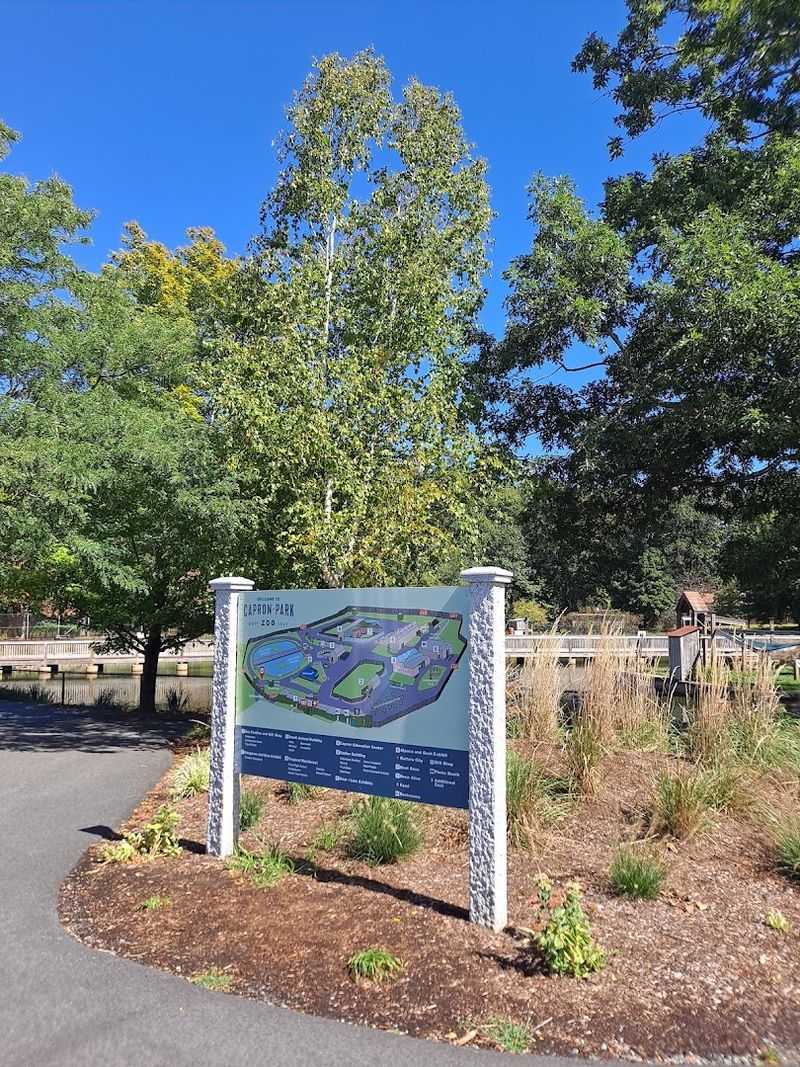
Checking the zoo’s map online before arriving is genuinely helpful. The grounds include multiple indoor buildings that are easy to miss if guests do not know to look for them.
The rainforest building, the adaptations exhibit, and the Capron building each require a deliberate detour, and they are worth every step.
Concessions operate seasonally, so packing snacks for an off-season visit is a smart move. The gift shop carries some food items year-round.
Parking is free, the grounds are stroller-friendly, and the overall layout is manageable even for very young children or guests with mobility considerations.
Why a Small Zoo Can Leave a Lasting Impression
There is something about a small zoo that a massive one cannot replicate. At Capron Park Zoo, the scale works in the visitor’s favor.
The grounds are walkable in about an hour and a half, but there is enough to see that guests rarely feel rushed. The animals are close, the staff is approachable, and the whole experience feels personal rather than institutional.
Families who started bringing their children decades ago are now returning with grandchildren. That kind of multigenerational loyalty does not happen by accident.
It reflects a zoo that has consistently prioritized the animals in its care and the community it serves over flashy expansions or corporate branding.
What began as a penny drive by Attleboro schoolchildren in 1937 has become a living piece of the city’s identity. The animals change, the exhibits get updated, and the staff rotates over the years, but the spirit of the place, built on community investment and genuine care, has remained constant from the very first coin.
Share this story