In Detroit, one massive 1840s fortress was built for a battle that never came, yet it remained part of American military life for more than a century. The star-shaped complex later trained and recruited soldiers and served as an important supply center during World War II.
Today, visitors can explore the grounds, admire limestone barracks and Officers’ Row, and see an Indigenous burial mound that predates the fort by centuries. Guided tours and special events offer opportunities to venture inside historic buildings that are not normally open for casual exploration.
Where the Star-Shaped Secret Hides
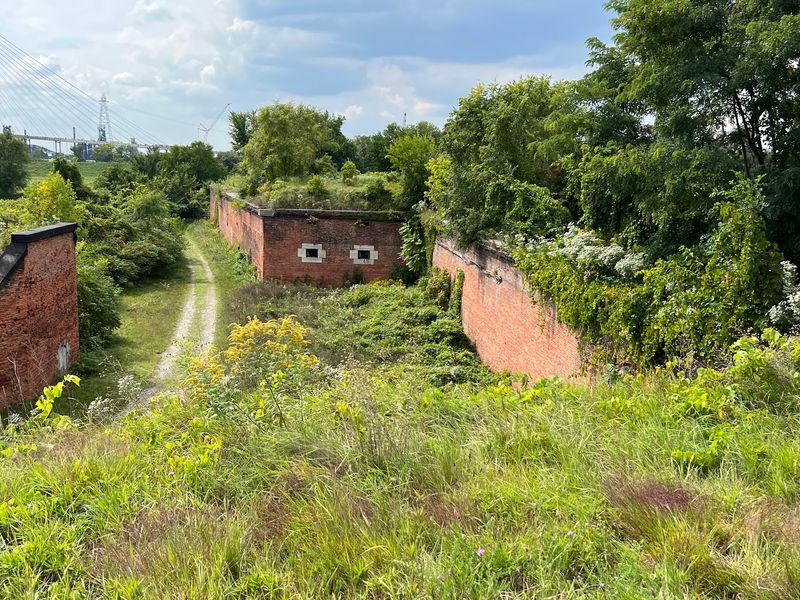
Southwest Detroit keeps one of its biggest surprises tucked right next to the river. I found it at Historic Fort Wayne, 6325 West Jefferson Avenue, Detroit, Michigan 48209.
The City of Detroit runs the grounds as a public park. The gates open every day from 6 AM to 8 PM, and simply walking the grounds costs nothing.
Cars stay in the free visitor lot. After that, it is all feet or bike wheels, which honestly makes the visit better.
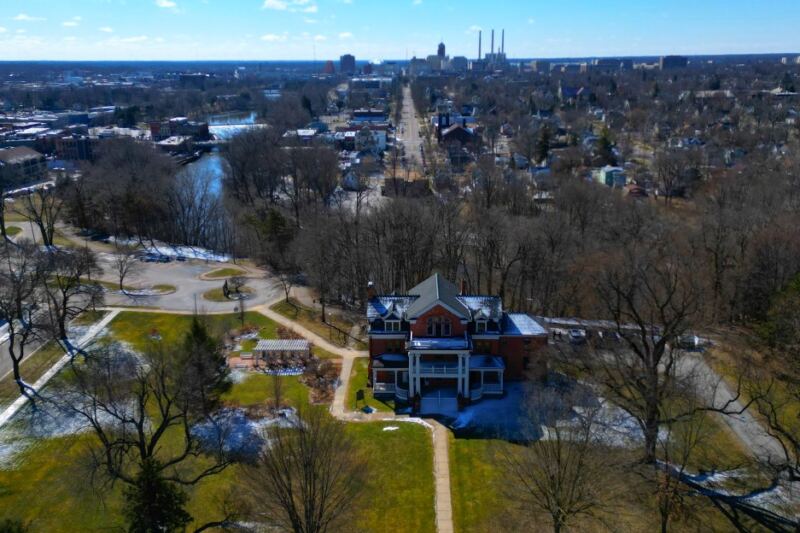
The site covers a lot of ground. There is the original star fort, a huge limestone barracks, officers’ homes, a guardhouse, and plenty of open lawn facing the water.
Getting there without a car is easy too. DDOT Route 30 stops close to the main gate.
My best tip is to wear comfy shoes and bring water. The paths stretch farther than you might expect, and shade can be hard to find on a summer afternoon.
Before any soldier showed up, though, people were honoring this ground for centuries. That story comes next.
A Mound Older Than the Walls
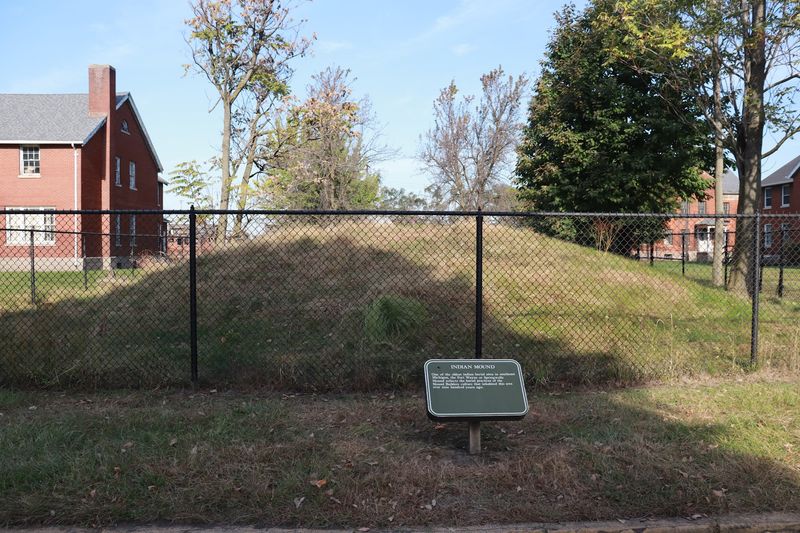
Long before bricks and cannons, this riverbank was sacred. Archaeologists believe the Late Woodland people used it as a burial ground around 1000 AD, maybe even as early as 750 AD.
The low, grassy hill I spotted near the fort is the Fort Wayne Mound. It is the last survivor of a larger cluster called the Springwells Mound Group.
It does not look dramatic at first. Then you realize it is over a thousand years old, and suddenly the grass feels very important.
A Potawatomi village also stood here in the early 1700s. Families traded, fished, and lived along the water long before any fort was planned.
History kept stacking up. The Treaty of Springwells, signed after the War of 1812, was agreed upon near this spot in 1815.
Please treat the mound with respect. Stay off it, keep pets close, and take photos from the path.
Standing there, I felt the fort was really the new kid on the block. So why did the Army choose this exact place?
Built for a Fight That Never Happened
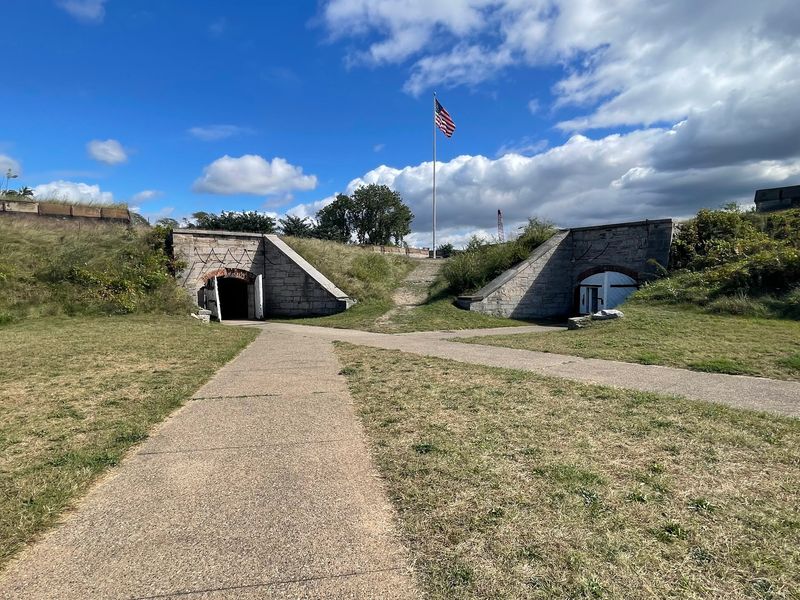
Picture a giant star pressed into the earth. That is the shape of the fort Congress approved in 1841 to protect America’s northern border from British-controlled Canada.
The spot was picked for a smart reason. It sits at the narrowest point of the Detroit River, so cannons here could reach the Canadian shore.
Lieutenant Montgomery C. Meigs oversaw the work.
Construction on the five-point star fort started in 1842.
Here is a fun fact. This was Detroit’s third fort, but the first one actually built by Americans.
The first walls were cedar and earth. Later, sturdier stone and brick replaced them.
Now for the best twist. The fort never fired a shot in combat, not once in its whole life.
I love that about it. It did its job just by standing there and looking tough.
Of course, peace did not mean the place stayed quiet forever. A very different war was about to fill its parade ground with young recruits.
When Michigan Marched Through the Gates
Before 1860, the fort mostly sat empty. Then the Civil War began in 1861, and everything changed fast.
The grounds became a training camp and mustering post for Michigan volunteer regiments. Infantry and artillery troops learned to drill here before heading south.
All that activity meant upgrades. Under Thomas Jefferson Cram, the walls were rebuilt to twenty-two feet high and seven and a half feet thick.
Brick facing about eighteen inches thick was added too. When I ran my hand across it, the craftsmanship really stood out.
The fort kept busy after the war. From 1865 to 1920, it served as Michigan’s main recruiting site and housed regiments returning from the western frontier.
Troops also gathered here before the Spanish-American War. Many shipped out to Cuba and the Philippines.
My advice is to stand in the middle of the parade ground for a minute. It is easy to imagine rows of soldiers lined up in the sun.
But where did all those soldiers sleep? The answer is one giant stone building.
Five Rooms of Stone and Bunk Beds
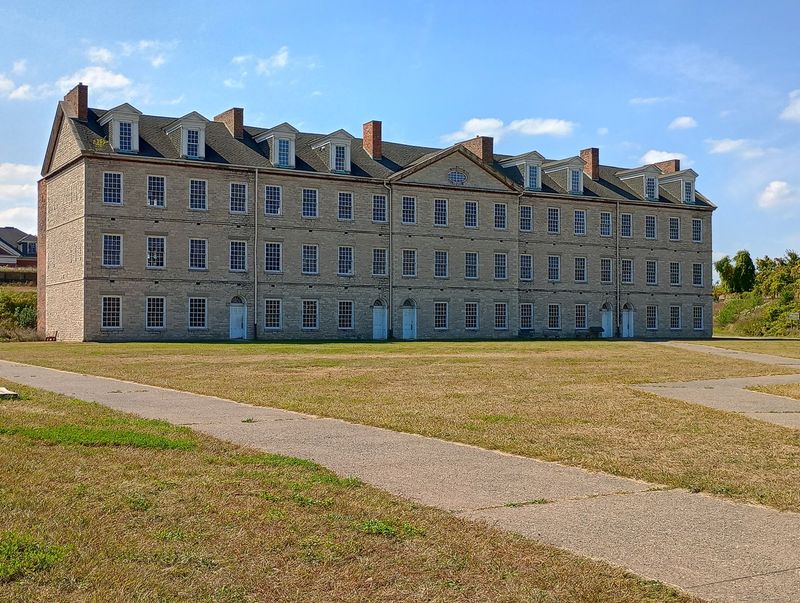
Few buildings in Michigan can match this one for age. The limestone barracks went up in 1848 and still anchor the inner fort.
The building is split into five sections. Thick fire walls divide them, so a blaze in one part would not spread to the rest.
Soldiers slept, ate, and cooked inside. It was basically a giant stone dorm with kitchens attached.
One second-floor room has been restored to look like the Civil War years. Seeing the simple bunks and gear made me grateful for my own mattress.
Here is the catch. You usually cannot wander inside on your own.
Interior access normally comes with a guided tour or special event. During some festivals, a small fee of around five dollars gets you in.
Even from outside, the Georgian style is handsome. The stone glows a warm gray in late afternoon light, which is great for photos.
The officers, however, did not bunk with everyone else. Their homes tell a fancier story just outside the walls.
Life on Officers’ Row
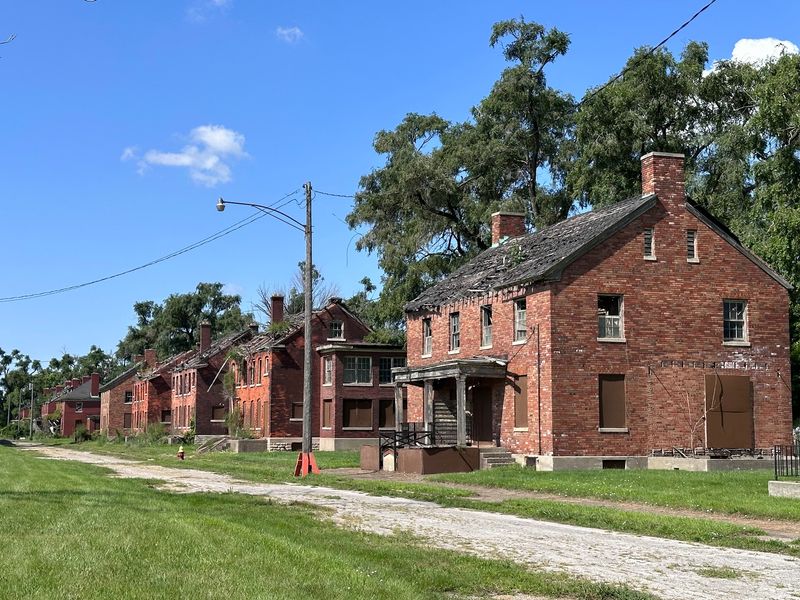
Rank had its perks, and you can see them on Officers’ Row. These houses stand outside the original star fort along a quiet, leafy stretch.
Early officers lived in pretty plain quarters. By the 1880s, though, wooden Victorian-style homes appeared here.
Later, many got brick exteriors. That update gives the street its sturdy, tidy look today.
Around 1905, more buildings joined them. Duplex homes for senior sergeants and new barracks for enlisted men showed how fast the post was growing.
Strolling this street felt like a peek into a small town. I could picture families on the porches and kids racing across the lawns.
Some houses look ready for guests. Others are worn and fragile, so please admire them from the sidewalk and keep off the porches.
Photographers will love this area. The repeating rooflines and old windows make great frames, especially in fall.
These homes saw peaceful years, but the twentieth century had a huge job waiting. Think trucks, tanks, and thousands of workers.
Every Jeep Passed Through Here
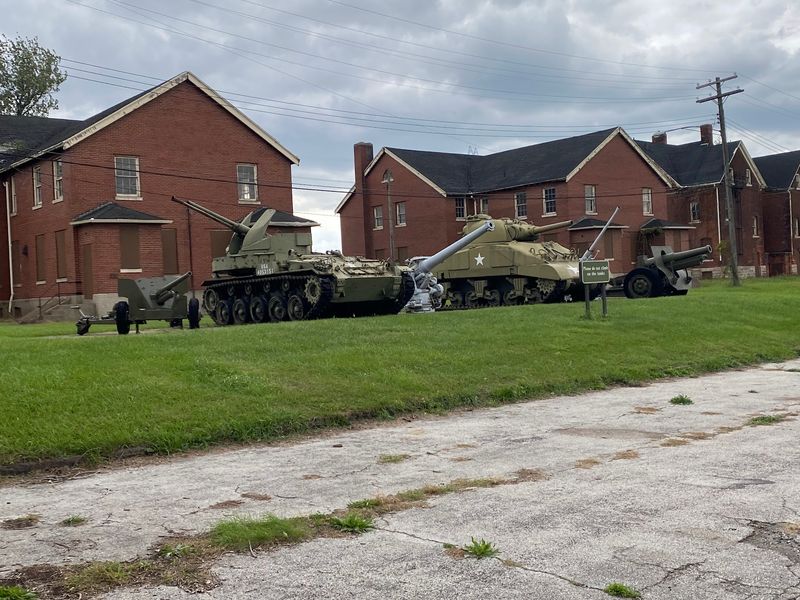
Here is a fact that made me stop in my tracks. During World War II, this was the largest motor supply depot in the world.
Detroit had become the Arsenal of Democracy. Factories pumped out tanks, trucks, jeeps, and parts nonstop.
Much of that equipment, along with tires and spare parts, came through Fort Wayne. From here it was prepared for shipment to battlefronts overseas.
More than 2,000 workers kept things moving. Most were civilian women, and their hard work deserves far more credit than it gets.
World War I had already put the fort to work. It housed troops, including construction battalions and an aero squadron.
The WWII years brought another surprise. Italian prisoners of war captured in North Africa stayed here and worked as cooks, janitors, and helpers.
Many of them later chose to settle in Detroit after Italy surrendered in 1943. That detail stuck with me all day.
The fort’s next chapter brought young faces from across the Midwest. Some veterans still remember it vividly.
The Gateway for a Generation
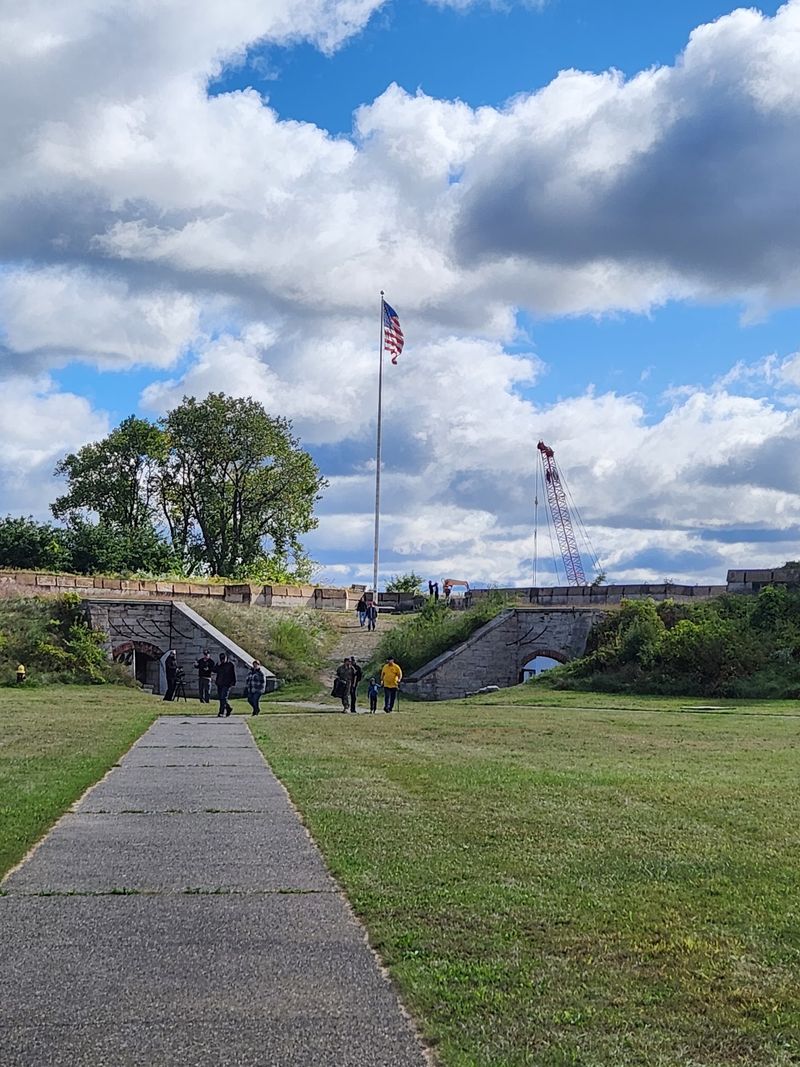
Thousands of young people started their military lives right here. During the Cold War, the fort became one of the biggest induction centers in the Midwest.
Enlistees and draftees arrived for processing during the Korean and Vietnam wars. Many took their oath at this very site.
For plenty of local veterans, this was the first stop. Ask an older Detroiter, and you might hear a personal story about it.
The fort also helped neighbors at home. After the 1967 Detroit Uprising, many families lost their houses.
Fort Wayne offered them temporary housing. Some families stayed until 1971.
I found that part really moving. A place built for defense turned into a shelter for people who needed help.
If you have a veteran in your family, bring them along. Sharing memories on the grounds can make the visit much more personal.
All these chapters left buildings behind. Next, I will point out the ones that stood out most as I walked around, including one that once held a telephone exchange.
Tunnels, Guardhouses, and Powder Secrets
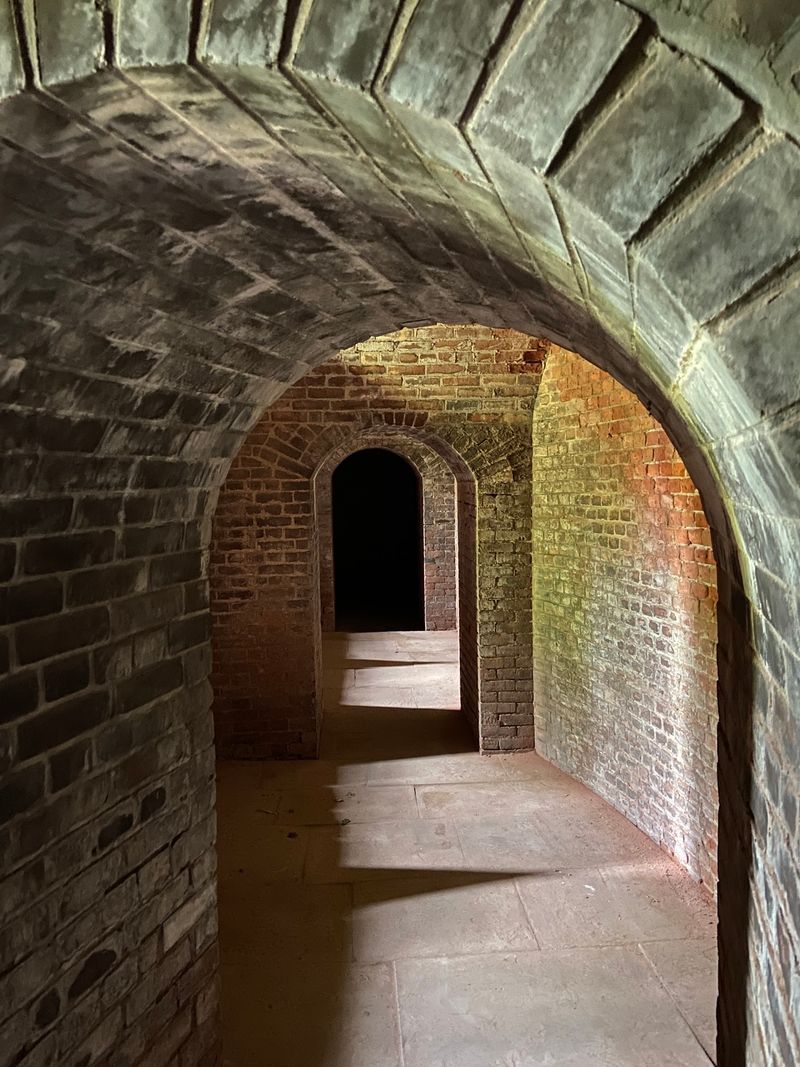
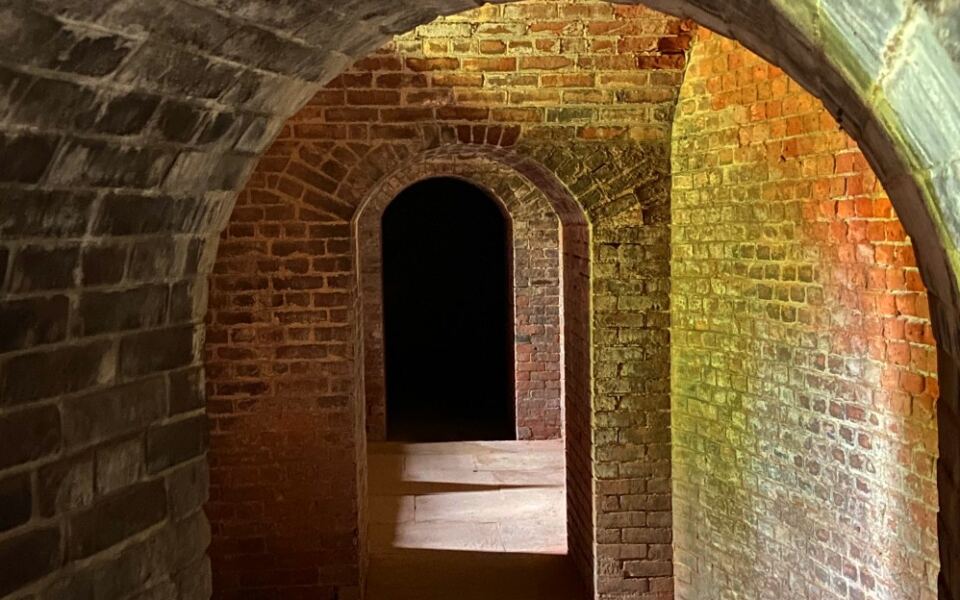
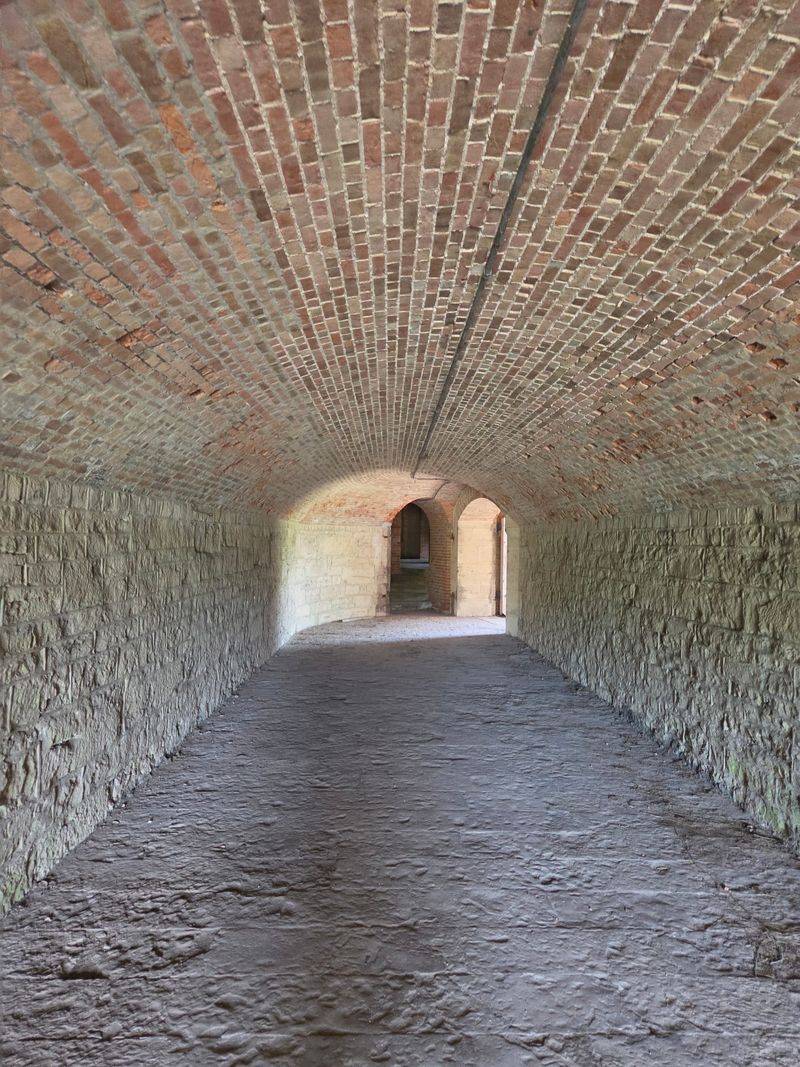
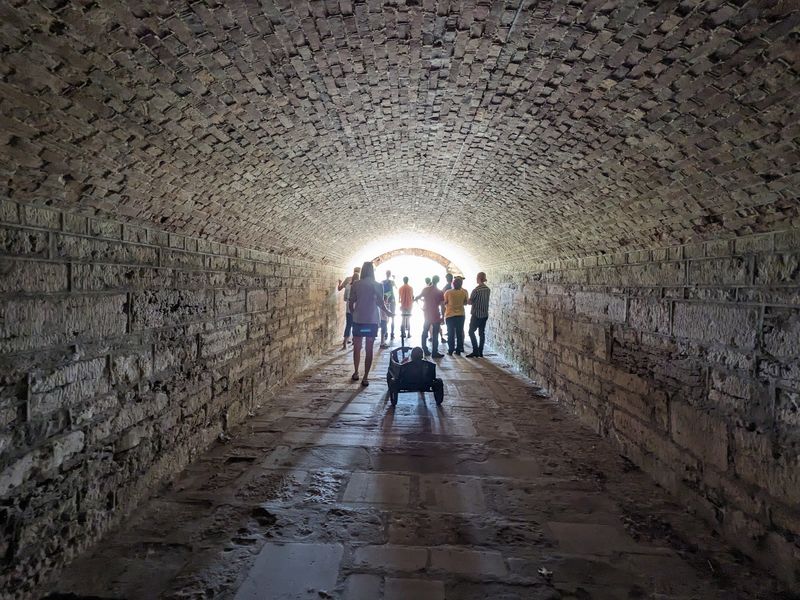
Some of my favorite moments happened underground. The tunnels and artillery rooms inside the star fort show off stunning brickwork that feels cool even on hot days.
The star fort itself is the oldest structure of its kind in the Midwest. Its 1863 brick facing still looks crisp in many spots.
Then there is the Spanish-American War guardhouse. Built in 1889 and restored in 1984, it once held Southwest Detroit’s first telephone exchange.
Talk about a career change. It went from guarding prisoners to connecting phone calls.
A newer guardhouse from 1905 sits near the main gate. It still gets used today.
Do not skip the limestone powder magazine. Soldiers stored gunpowder there, and the thick walls make the reason obvious.
Bring a small flashlight if you join a tour. Some corners are dim, and a light helps you spot details in the brick.
After all that exploring, I needed a break. Luckily, the riverfront lawns offer one of the best breaks in Detroit.
Picnics With a Freighter View
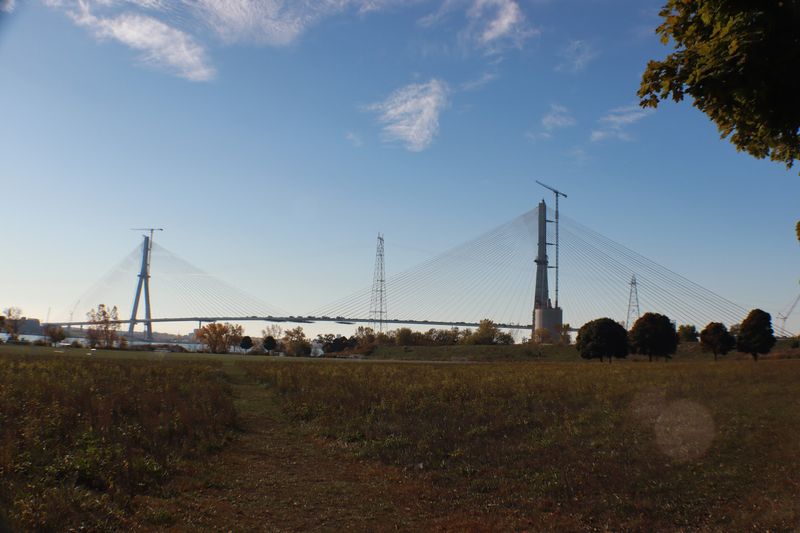
Lunch tastes better with a giant ship drifting by. The riverside lawns here give you front-row views of freighters on the Detroit River.
Across the water, you can see Canada. The Gordie Howe International Bridge also rises nearby, which makes a striking backdrop.
Picnics are welcome, but grilling is not allowed. Pack sandwiches, fruit, and plenty of water instead.
Soccer fields bring a lively energy on weekends. Local teams and families fill the grass with cheering and laughter.
The grounds also host bigger gatherings. Class reunions, camping trainings, and community events all happen here.
Expect some wildlife company. Geese love this lawn just as much as people do, so watch where you spread your blanket.
Grass can get long in some areas. Closed-toe shoes are a smart move, especially after rain.
I spent a slow half hour just watching the water. It felt peaceful in a way I did not expect from a military site.
Still, the real magic happens when a guide unlocks the doors.
Unlocking Doors With a Guide
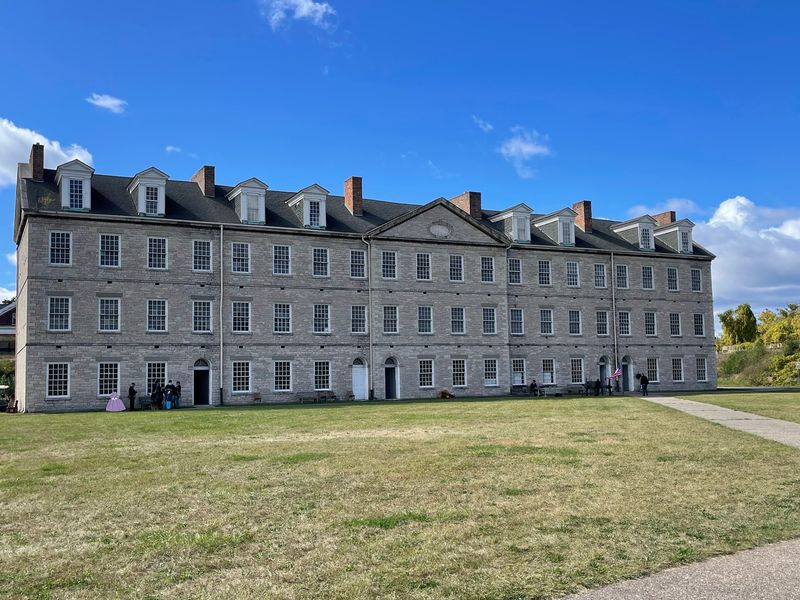
The five dollar tour was the best money I spent all week. Walking tours leave from the Visitor’s Center and last about two hours.
The city often leads tours on Fridays. The Historic Fort Wayne Coalition runs Saturday tours, typically at 11 AM and 2 PM, with some Sunday options.
Reserve online ahead of time. Spots can fill, and walk-ups are not guaranteed.
Guides take you inside buildings that are otherwise closed. That includes barracks rooms and officers’ homes.
My guide knew a jaw-dropping amount. He explained why certain walls were angled, which made the whole design click for me.
Special events add even more fun. Reenactors bring different eras to life, and vintage base ball games sometimes pop up on the field.
Frankenfest, ghost tours, and holiday dinners have also drawn crowds. Check the official website for the current calendar.
Dress for weather, since much of the tour is outdoors. A hat and sunscreen help a lot.
So what lies ahead for this old fort? The future might be its biggest chapter yet.
Volunteers Holding History Together
Honest moment here. Many buildings are worn, cracked, or closed, and that can feel a little sad.
The fort became a Michigan State Historic Site in 1958. It joined the National Register of Historic Places in 1971.
Still, recognition does not pay for repairs. That is where the Historic Fort Wayne Coalition comes in.
This nonprofit formed in 2004. Volunteers work with the city on carpentry, masonry, and community workdays.
Their passion shows everywhere. The friendly folks I met clearly love every brick.
There is real hope on the horizon too. The new Gordie Howe International Bridge has sparked talk about adding the fort to the national park system.
That would make it Michigan’s sixth national park. It could also bring much-needed funding.
Want to help? Book a tour, donate, or sign up for a volunteer day.
I left with sore feet and a full heart. More than 175 years after the first stones went up, this fort is still standing guard, and it is well worth a visit.
Share this story