Most people drive through north-central Minnesota without realizing they are passing one of the largest lakes entirely within the state’s borders. This lake stretches so wide that standing on its shore, you genuinely feel like you are looking out at the ocean.
Its shoreline runs for roughly 140 miles, and the vast majority of it remains wild, wooded, and untouched by development. That combination of sheer size and natural preservation is rare, and it makes this place worth knowing about.
The Fourth Largest Lake Fully Within Minnesota
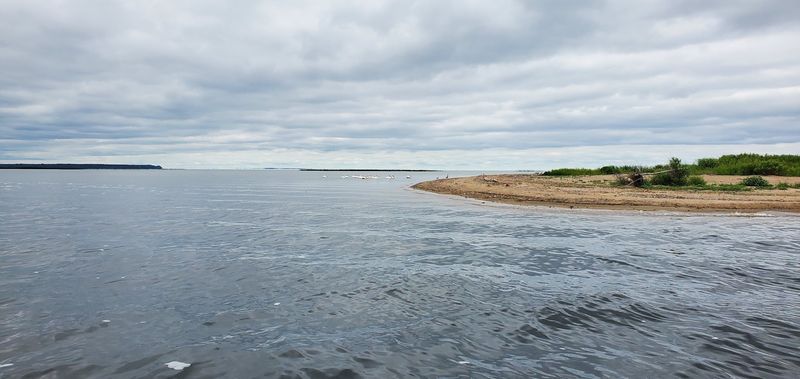
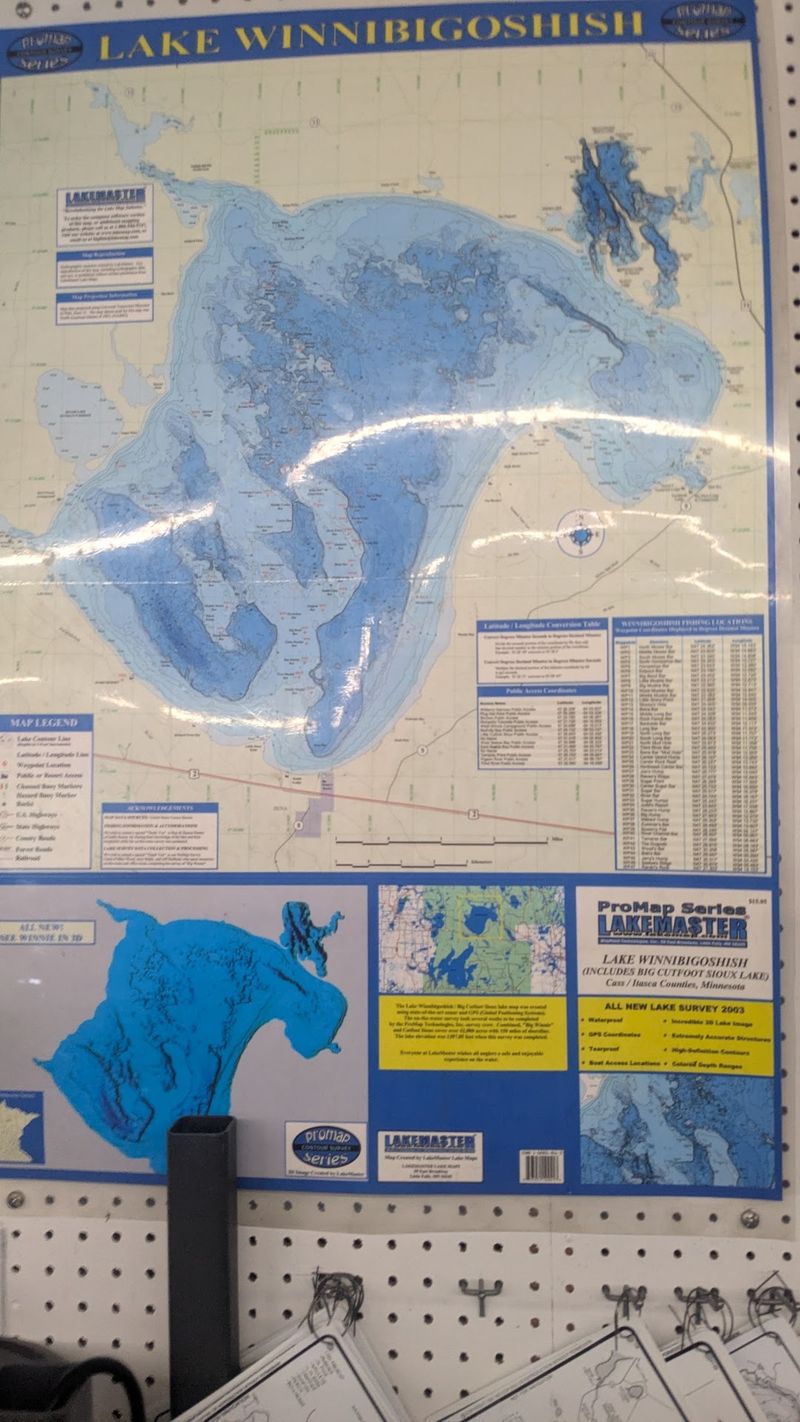
Not every big lake earns a reputation for being genuinely massive, but Lake Winnibigoshish does. Known locally as “Winnie,” it ranks as the fourth largest lake fully contained within Minnesota’s borders, covering roughly 67,000 acres of open water.
That is not a number that is easy to picture until you are standing at the water’s edge looking out toward a horizon that seems impossibly far away. On calm mornings, the surface stretches so flat and so wide that the far shore completely disappears from view.
The lake sits in Cass County in north-central Minnesota, within the Chippewa National Forest. Its coordinates place it near the small town of Bena, Minnesota.
The sheer scale of this lake is the first thing that surprises every first-time visitor, and that sense of awe tends to stick around long after the trip ends.
140 Miles Of Mostly Wild Shoreline
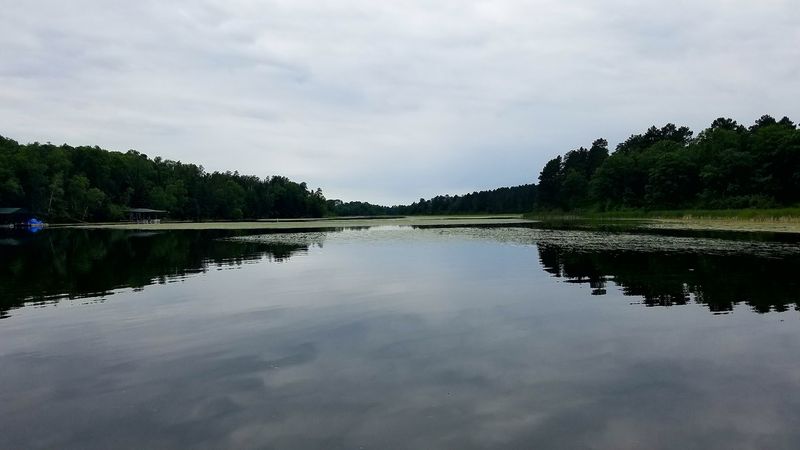
One of the most striking facts about Lake Winnibigoshish is that its shoreline stretches approximately 140 miles, and most of it looks exactly the way it did a century ago. Tall pines press right up to the water’s edge.
Gravel beaches appear and disappear between stretches of marsh grass and fallen logs.
Because much of the lake falls within the Chippewa National Forest, large portions of the shoreline are protected from commercial development. That protection keeps the landscape feeling raw and genuinely wild in a way that is increasingly hard to find in the upper Midwest.
Paddlers and boaters who explore the quieter coves often go long stretches without seeing another person. The undeveloped character of this shoreline is not just a scenic bonus.
It is the defining quality that separates Lake Winnibigoshish from most other large Minnesota lakes.
The Chippewa National Forest Connection
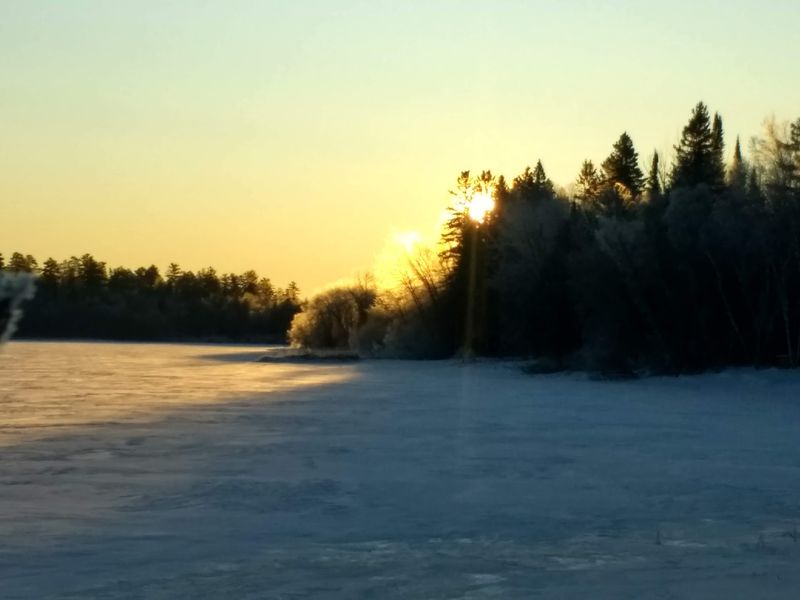
Lake Winnibigoshish owes much of its preserved character to the Chippewa National Forest, which surrounds a significant portion of the lake. Established in 1908, the Chippewa was one of the first national forests created east of the Mississippi River, and it remains one of the most water-rich national forests in the entire country.
The forest manages thousands of acres of land around Winnie, which directly limits how much private development can occur along the shoreline. That management also supports a healthy ecosystem of wildlife, including bald eagles, osprey, black bears, white-tailed deer, and loons.
Walking the forest roads near the lake in early morning, you are almost guaranteed to hear a loon calling across the water before you even reach the shore. The national forest presence is what keeps this lake feeling like a true wilderness destination rather than a resort corridor.
Walleye Fishing And Its Legendary Status
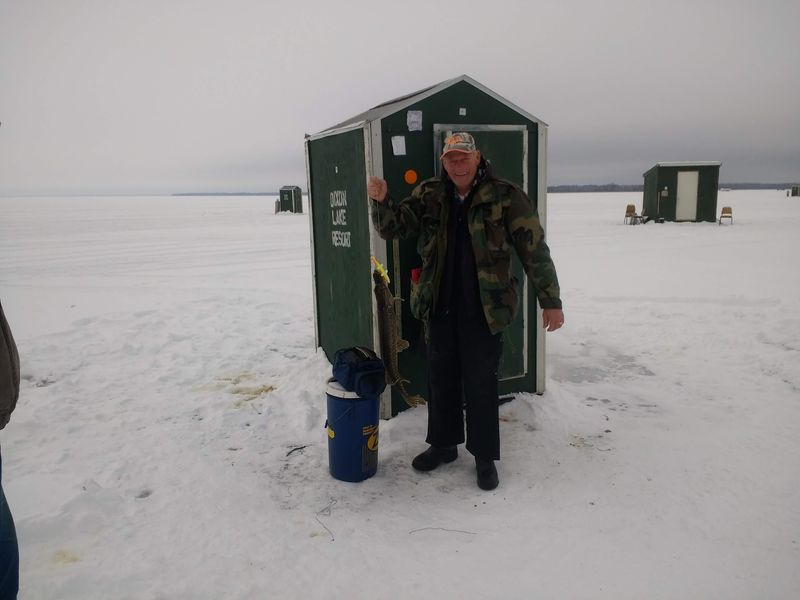
For decades, Lake Winnibigoshish built a reputation as one of Minnesota’s top walleye lakes. Anglers from across the Midwest made the trip specifically to chase walleye on Winnie, and the lake delivered consistently enough to earn a genuine following.
The walleye fishery here has faced challenges in recent years, partly due to environmental changes in the lake’s ecosystem. However, the lake still draws serious anglers every season, and local fishing guides remain active in helping visitors find productive spots.
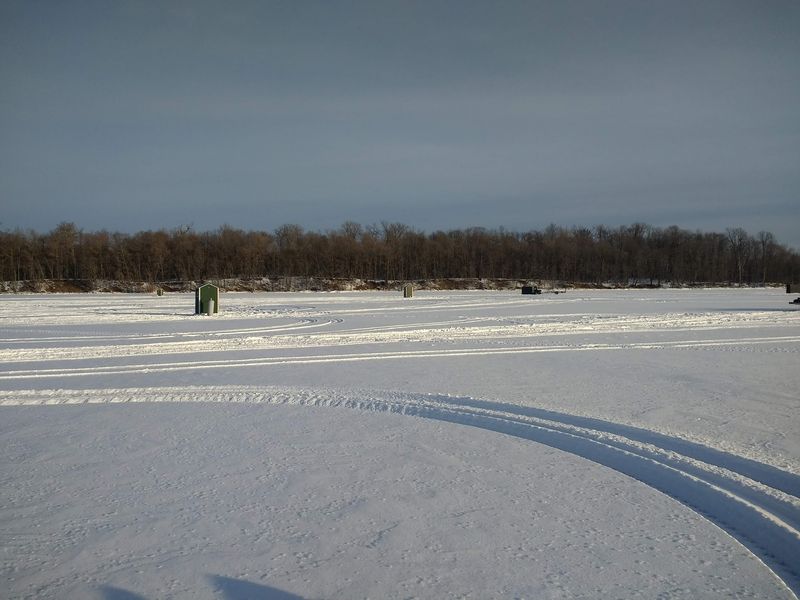
Ice fishing on Winnie is a tradition of its own. When the lake freezes over in winter, a small city of fish houses appears on the ice, and anglers drill holes in search of walleye and perch in the frigid water below.
Whether the bite is hot or slow, spending a day fishing on this lake is an experience that regulars describe as something they simply cannot give up.
Zebra Mussels And The Changing Ecosystem
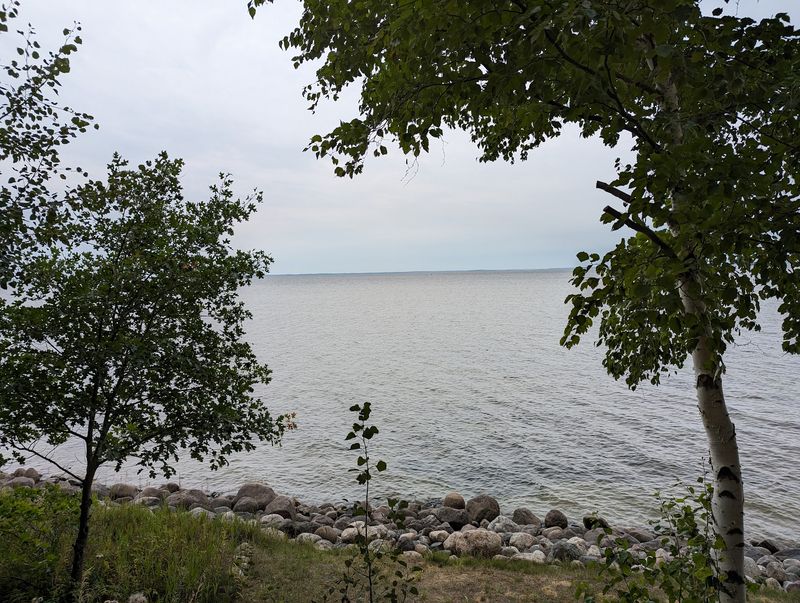
Lake Winnibigoshish has faced a significant environmental challenge over the past couple of decades. Zebra mussels, an invasive species originally from Eastern Europe, have established themselves in the lake and altered the underwater habitat in noticeable ways.
Zebra mussels filter enormous amounts of water, which increases water clarity but removes the plankton that native species depend on. This shift in the food chain affects everything from small baitfish to the walleye population that the lake is famous for.
Visitors who swim or wade in the shallows sometimes encounter clusters of zebra mussels attached to rocks and submerged plants. Water shoes are strongly recommended.
The presence of zebra mussels is a reminder of how quickly an invasive species can reshape an entire lake ecosystem, and resource managers continue to monitor the situation closely. Understanding this challenge gives visitors a fuller picture of what this remarkable lake is currently working through.
The Ocean-Like Views From The Shore
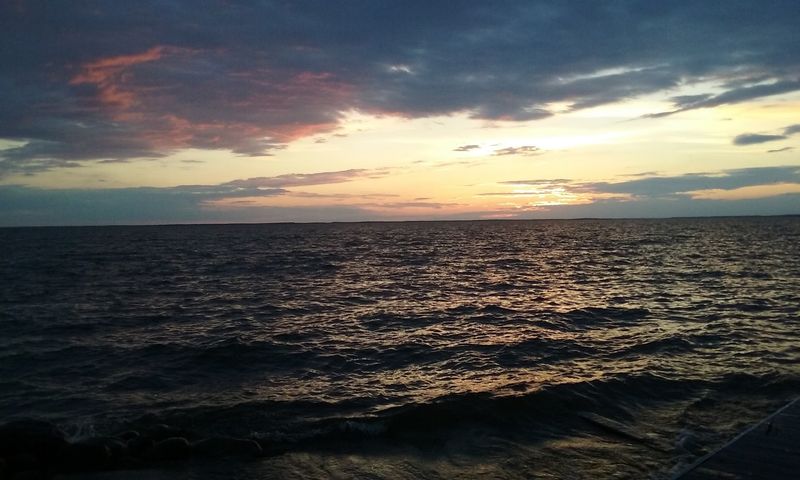
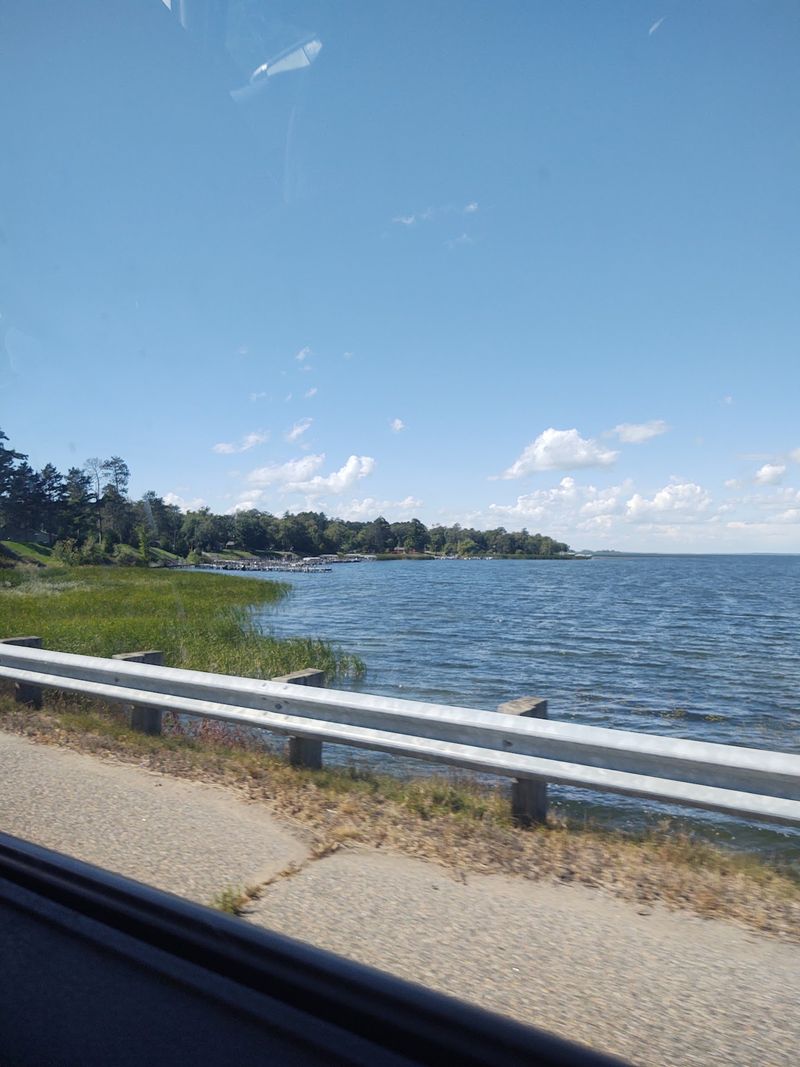
Standing at the edge of Lake Winnibigoshish on a breezy afternoon is one of those experiences that genuinely catches people off guard. The lake is wide enough that the opposite shore vanishes completely, and all you see is water meeting sky in every direction you look.
Several visitors have described the view as looking more like an ocean than a lake, and that comparison makes sense. The waves can build to a surprising height when the wind picks up, and the sound of water rolling across a long fetch of open lake carries a weight that smaller lakes simply cannot produce.
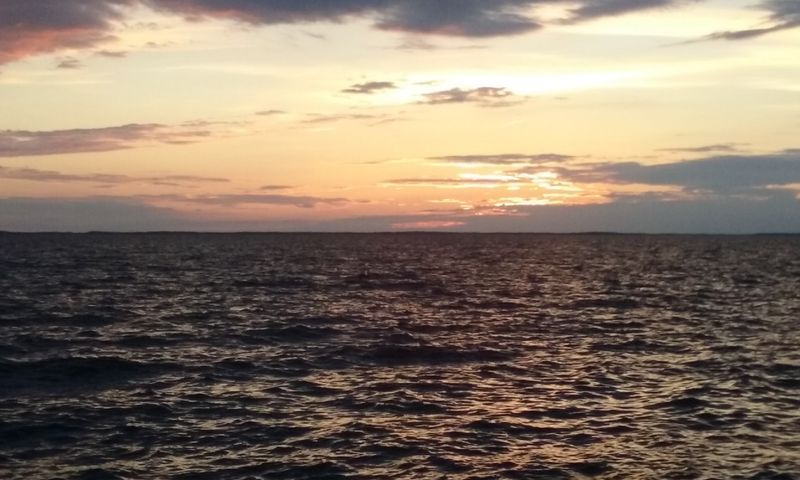
Sunset from the western shore turns the water into a wide canvas of orange and pink that reflects back twice over. Photographers who visit specifically for these views tend to linger well past the golden hour.
The visual scale of this lake is something photographs struggle to fully capture.
Camping Along The Lake
Camping near Lake Winnibigoshish puts you directly inside the Chippewa National Forest experience. The U.S.
Army Corps of Engineers manages a campground at the lake that offers access to the water, wooded sites, and a quieter pace than many of the more commercial campgrounds found elsewhere in Minnesota.
Campers have noted that the forest setting around the lake creates a sense of seclusion that is hard to find at busier state park campgrounds. The sound of wind through the pines and the distant call of loons at night makes for a memorable outdoor experience.
Mornings at the campground tend to start early, with light filtering through the trees and the smell of lake water drifting through the air. Bringing your own firewood from a local source and packing water shoes for the shoreline will make your stay considerably more comfortable from the first day forward.
Boating On A Lake This Large
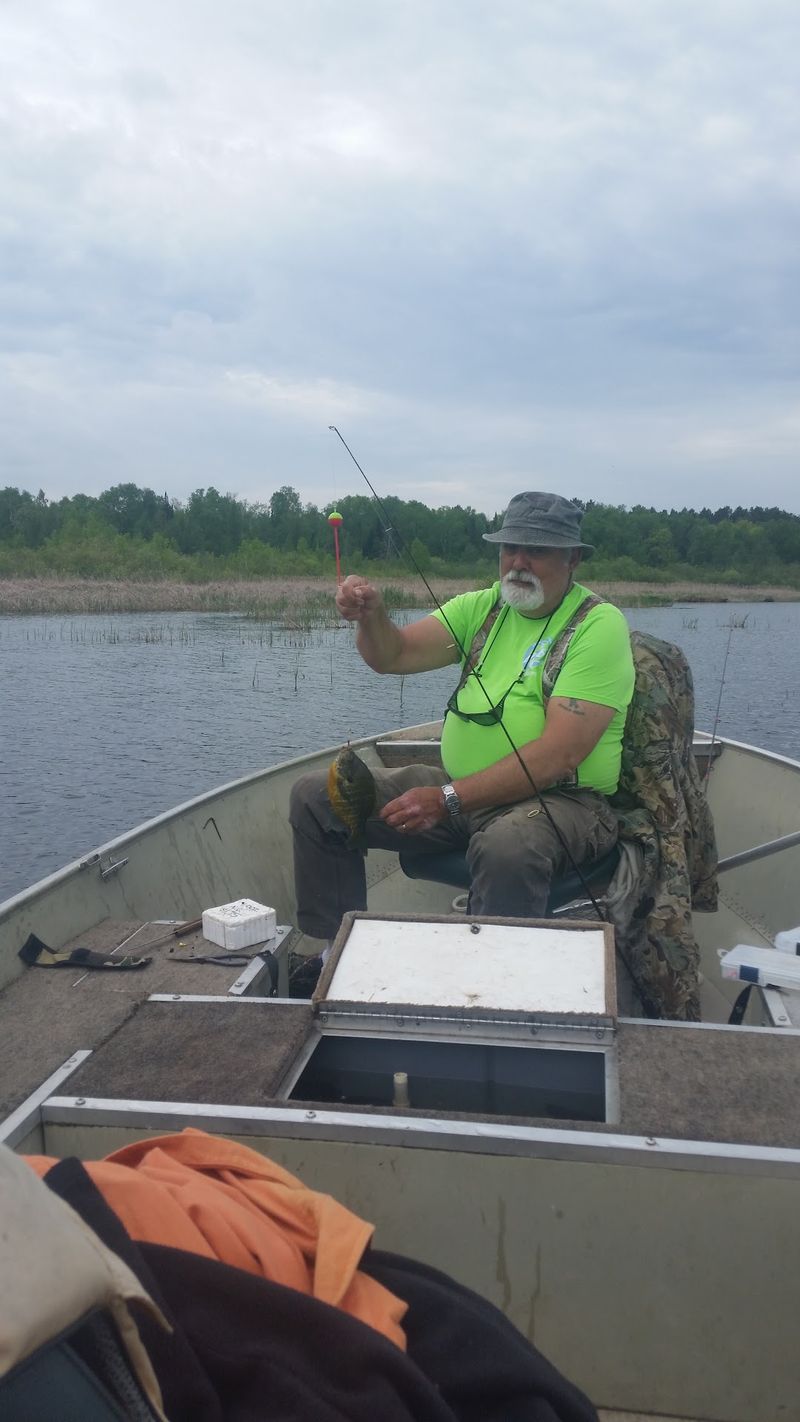
Boating on Lake Winnibigoshish is a completely different experience from boating on a small or mid-sized Minnesota lake. The open water here demands respect.
Wind conditions can change quickly, and waves can build to a size that challenges smaller watercraft unexpectedly.
Experienced boaters love the freedom that comes with this much open water. You can run for miles without needing to navigate around islands or crowded bays.
The lake has multiple public boat launches that provide access to different sections of the shoreline.
Pontoon boats are popular with families looking for a relaxed afternoon on the water, while fishing boats and kayaks fill in the rest of the traffic. One thing to keep in mind is that the lake’s size means you should always check the weather forecast before heading out.
Getting caught in an unexpected storm on open water this wide is an experience best avoided entirely.
Bald Eagles And Wildlife Around The Lake
The Chippewa National Forest holds one of the highest concentrations of nesting bald eagles in the lower 48 states, and Lake Winnibigoshish sits right in the middle of that territory. Seeing a bald eagle here is not a rare event.
On most mornings, you can spot one or two circling above the water or perched on a dead pine snag near the shore.
Osprey are equally common, and watching one dive feet-first into the lake to grab a fish is one of the more thrilling wildlife moments you can witness without any special equipment. Common loons nest along the quieter bays of the lake, and their haunting calls carry across the water on calm evenings.
White-tailed deer, black bears, and river otters also inhabit the surrounding forest. The wildlife viewing around this lake is genuinely world-class, and it costs nothing beyond the effort of paying attention to your surroundings.
Winter Ice Fishing Culture
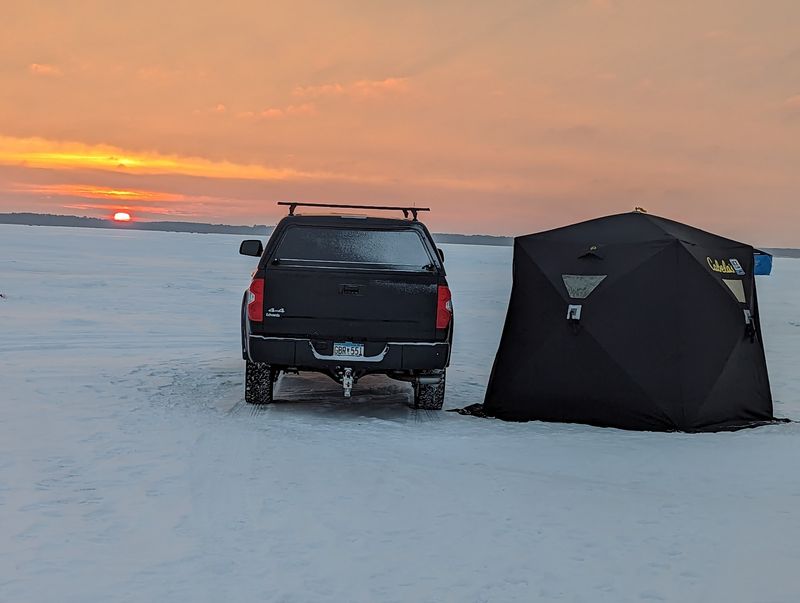
When temperatures drop hard in northern Minnesota and Lake Winnibigoshish freezes solid, a completely different community shows up. Ice fishing on Winnie is a seasonal tradition with deep roots, and the culture around it is genuinely fascinating to witness if you have never seen it before.
Fish houses range from basic portable shelters to fully insulated permanent structures towed out onto the ice by truck. Some of the permanent houses have heaters, lights, and enough space to sleep overnight.
The lake’s size means there is room for hundreds of ice anglers without it feeling crowded.
Local resorts that operate year-round help visitors access the lake safely, providing knowledge about ice conditions and the best areas to set up. Fishing at negative temperatures sounds extreme until you are sitting inside a warm fish house watching your line for a strike.
That particular kind of patience has its own quiet reward.
The History Of The Lake And The Leech Lake Band
Lake Winnibigoshish has a long history connected to the Leech Lake Band of Ojibwe, whose ancestral lands include the region surrounding the lake. The name “Winnibigoshish” itself comes from the Ojibwe language, and the lake has held cultural and practical significance for Indigenous communities in this area for generations.
The construction of a dam on the Mississippi River in the late 1800s raised the water level of Lake Winnibigoshish significantly, flooding lands that had been used by the Ojibwe for centuries. That history adds a layer of complexity to the landscape that is worth understanding before you visit.
The Leech Lake Reservation borders portions of the Chippewa National Forest, and the tribal community remains active in the region today. Learning even a little of this history before arriving gives the landscape around Winnie a meaning that goes well beyond its obvious natural beauty.
Why People Keep Coming Back Year After Year
Some lakes attract visitors once. Lake Winnibigoshish tends to pull people back repeatedly, sometimes for decades.
The reviews and stories shared by long-time visitors paint a consistent picture: families who started coming in the 1970s are still making the trip with their grandchildren today.
Part of the draw is the scale and wildness of the lake, which never quite loses its ability to impress. Part of it is the rhythm of a week spent fishing, paddling, and sitting by a fire at the edge of the forest.
And part of it is simply that northern Minnesota has a way of slowing time down in a way that feels genuinely restorative.
The lake is not perfect. The fishing has its off years, and the zebra mussel situation is real.
But the combination of natural scale, protected shoreline, abundant wildlife, and deep local tradition keeps drawing people back with a consistency that speaks for itself.
Share this story