Most people think you have to travel far to get nose-to-nose with a giraffe, but Ohio has a secret worth knowing about. African Safari Wildlife Park in Port Clinton puts wild animals right outside your car window, no passport required.
With over 6,000 reviews and a 4.3-star rating, this place has earned its reputation as one of the most memorable day trips in the state. Pack some romaine lettuce, hold on tight to your feed bucket, and get ready for a wild afternoon in northern Ohio.
African Safari Wildlife Park and Where to Find It
Port Clinton, Ohio is best known as the “Walleye Capital of the World,” but there is another reason to make the drive up to Erie County. African Safari Wildlife Park sits at 267 S Lightner Rd, Port Clinton, OH 43452, tucked into the rural landscape just south of Lake Erie.
The park is a full-scale wildlife preserve and safari experience that draws families from all over the Midwest.
The property is large enough that the drive-through route alone takes a meaningful chunk of time, especially when the animals decide your car is the most interesting thing on the road. Beyond the drive, a separate walkthrough area adds even more to the visit.
For Ohioans who love the “wait, this is really here?” moment, this park delivers it in a big way.
The phone number is 419-732-3606, and the website at africansafariwildlifepark.com is the best place to check current ticket availability and plan your route from wherever you are in the state.
The Drive-Through Safari Experience
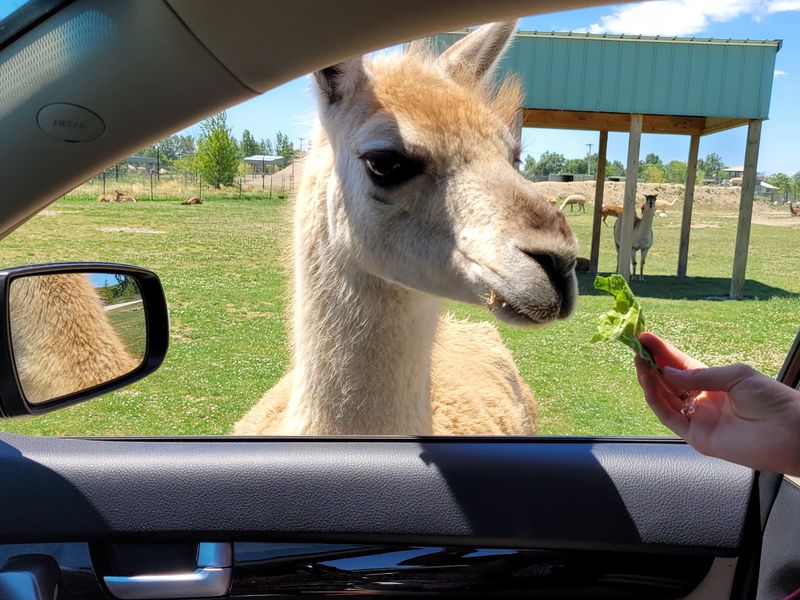
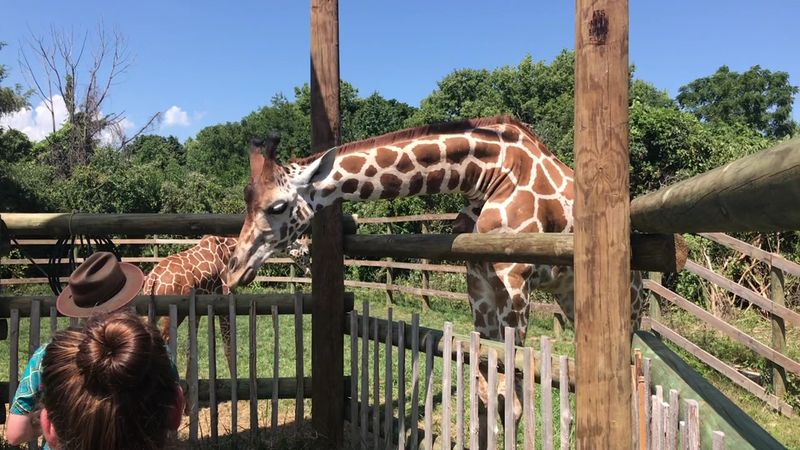
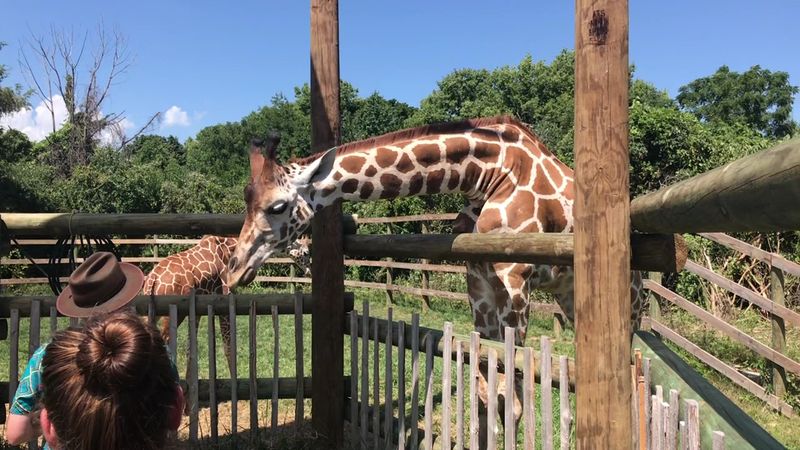
There is something genuinely thrilling about rolling down your car window and having a giraffe crane its long neck right in to investigate. The drive-through safari is the centerpiece of the African Safari Wildlife Park experience, and it lives up to every bit of the hype.
You drive your own vehicle through a sprawling route where the animals roam freely and approach cars on their own terms.
The animals are not behind glass or across a wide moat. They walk right up alongside your doors, press their faces against your windows, and sometimes try to reach inside for whatever snacks you are holding.
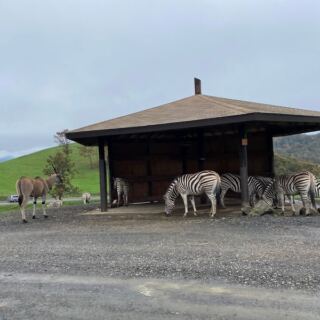
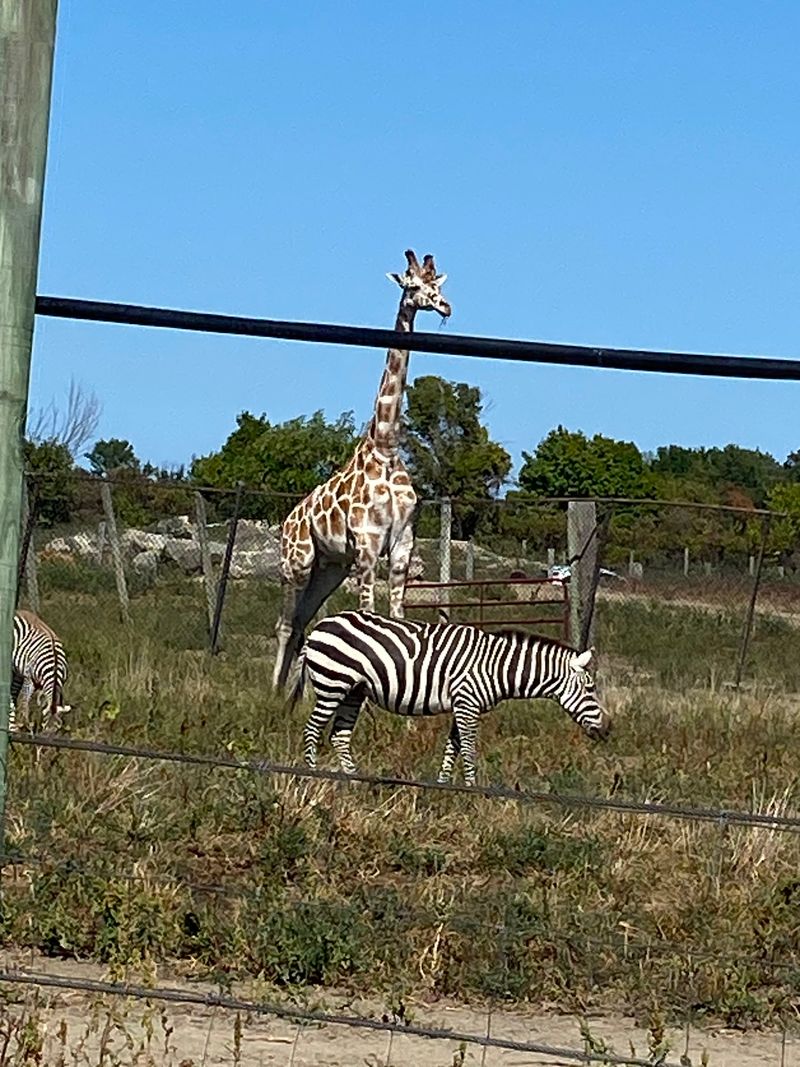
Buffalo, elk, zebras, alpacas, llamas, and deer are among the species you can expect to encounter along the way. Giraffes and zebras tend to appear toward the end of the route, so holding back a bit of feed for that stretch pays off.
One of the more unique perks is that your ticket allows unlimited drive-throughs for the day. That means if the animals are blocking the road or you want another pass at the giraffes, you can simply loop back around without paying again.
A single pass rarely feels like enough anyway.
The Giraffes That Reach Right Into Your Window
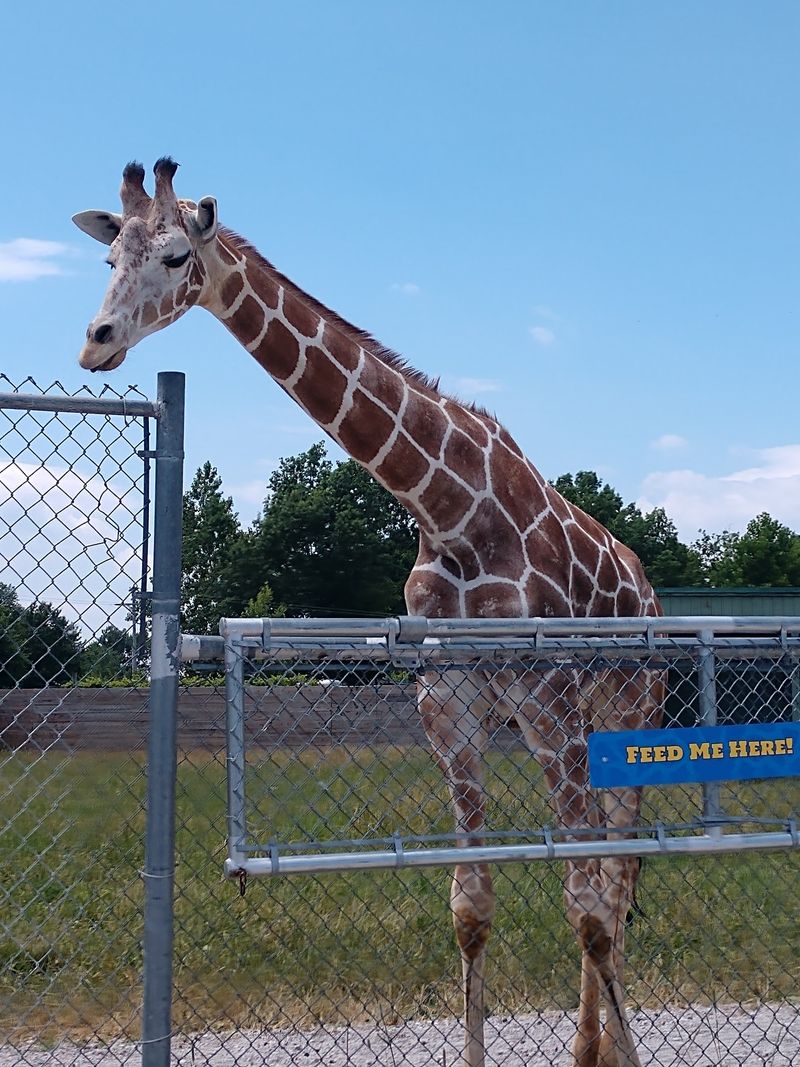
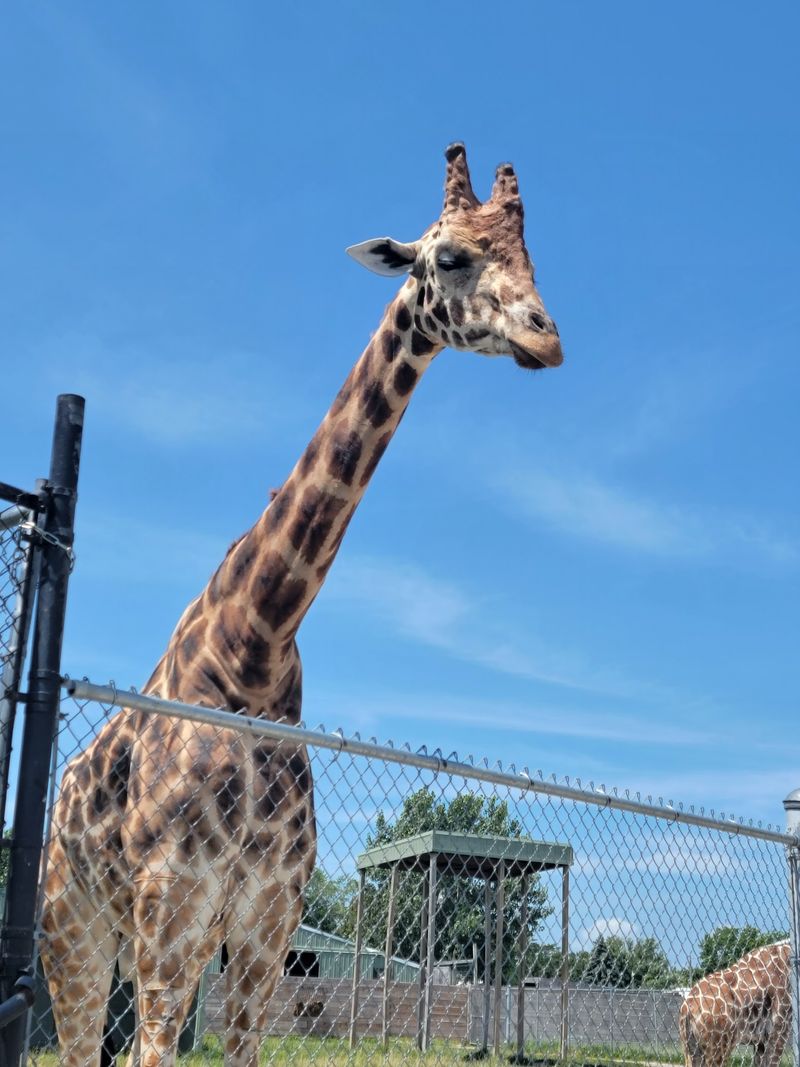
Giraffes are mentioned in over 360 reviews of this park, and once you meet them, the reason is obvious. These animals are not content to stand at a polite distance and let you admire them from afar.
They lean in, stretch their necks with surprising flexibility, and use that long, rough tongue to grab whatever you are offering with zero hesitation.
The experience of having a giraffe push its head through your car window is one of those moments that feels unreal even while it is happening. Their size alone is staggering up close.
Most people have seen giraffes at traditional zoos, but watching one from behind a railing is a completely different thing from having one breathe on your arm.
A practical note worth remembering: the bigger animals, giraffes included, are quick and clever about swiping the entire cup of feed rather than just taking a polite bite. Keeping a firm grip on your container is genuinely important, not just a suggestion.
The park recommends holding on, and plenty of visitors have learned that lesson the entertaining way.
Animal Feed, Lettuce, and the Art of the Safari Snack
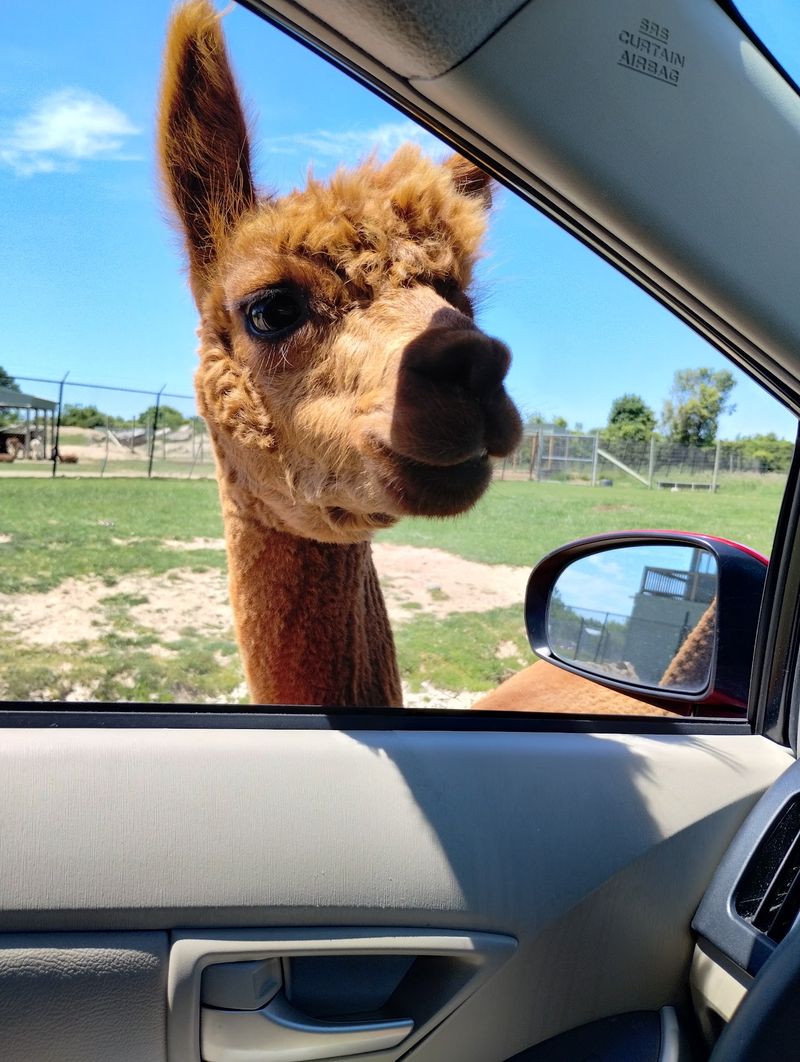
Feed is a central part of the African Safari Wildlife Park experience, and knowing how to handle it makes the whole visit smoother. Each vehicle receives grain and lettuce as part of the standard admission.
The included food is a solid starting point, but most families find they want more before they finish the route.
Additional cups of lettuce run about $5 each inside the park. A popular tip that circulates among regulars is to stop at a grocery store before arriving and pick up a head of romaine lettuce to keep in the car.
The animals respond enthusiastically to the greens, and having a backup supply means you are not rationing every leaf as you get deeper into the drive. The grain and lettuce combo that comes with admission is listed at $18 for two buckets of each.
One thing to keep in mind: the animals are not shy about going after the whole container. Younger kids especially need a steady hand and maybe a little help from an adult when the bigger animals come in close.
The chaos of a buffalo trying to nose its way into the car is funny in hindsight, but staying calm in the moment keeps everyone comfortable.
The Walkthrough Area and What It Adds to the Day
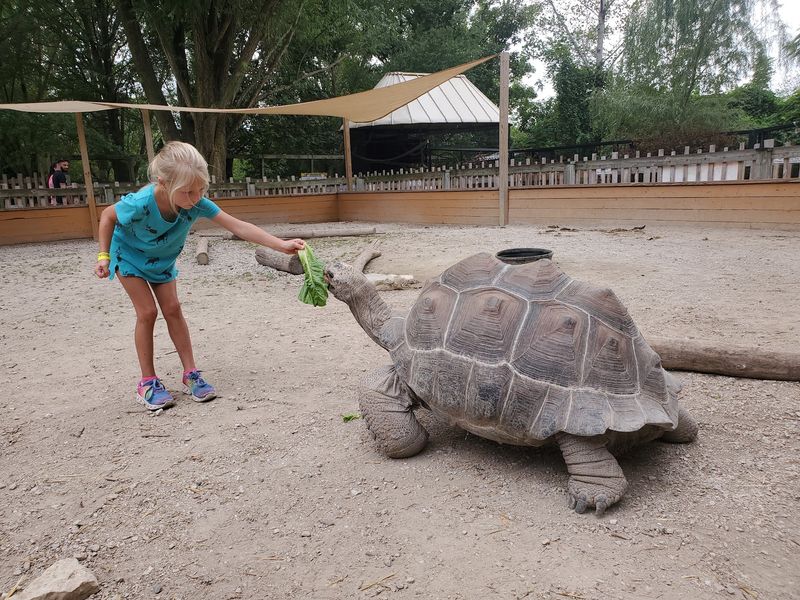
After the drive-through, the walkthrough section of the park gives the visit a second wind. The area is organized and easy to navigate, with several spots where you can get closer to specific animals for an additional small fee.
The overall layout is clean and family-friendly, and the staff throughout this section are described consistently as helpful and approachable.
Several animal encounters are available here beyond just observing from a distance. Visitors can pay to feed parakeets in the aviary, where the birds are entirely comfortable landing on hands and arms.
The monkey viewing area is another highlight, particularly for younger kids who find the primates endlessly entertaining. The walkthrough portion adds real depth to the day and keeps the experience from feeling like a single-note attraction.
The park also hosts an aviary that earns its own fan base. Birds flutter freely around visitors in an enclosed space, and the closeness of the interaction makes it feel far more personal than a standard exhibit.
For families who want to extend their time at the park well beyond the drive, the walkthrough area easily fills another hour or two.
The Capybara Encounter Worth Planning Around
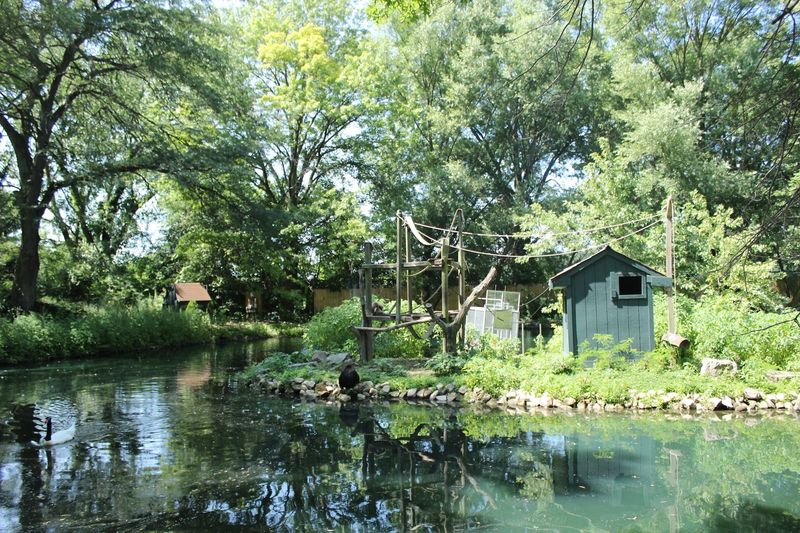
Among the park’s special experiences, the Capybara Encounter stands out as something genuinely worth scheduling a visit around. These are the world’s largest rodents, and they are surprisingly charming up close.
The 30-minute encounter gives small groups an extended, guided session with the capybaras that goes well beyond a quick look through a fence.
During the encounter, participants get to feed the animals and interact with them hands-on, including rubbing their bellies. A knowledgeable guide leads the session, sharing facts about capybara behavior and biology that make the experience feel educational as well as fun.
The encounters are led with obvious enthusiasm, and the quality of information shared makes the time feel well spent.
Booking this in advance is a smart move, especially during peak season when the park draws larger crowds. The encounter is offered as an add-on to general admission, and for animal lovers who want something beyond the standard drive-through, it represents one of the more memorable options the park has developed in recent years.
The capybaras themselves seem thoroughly unbothered by the attention.
Zebras, Bison, Elk, and the Full Animal Roster
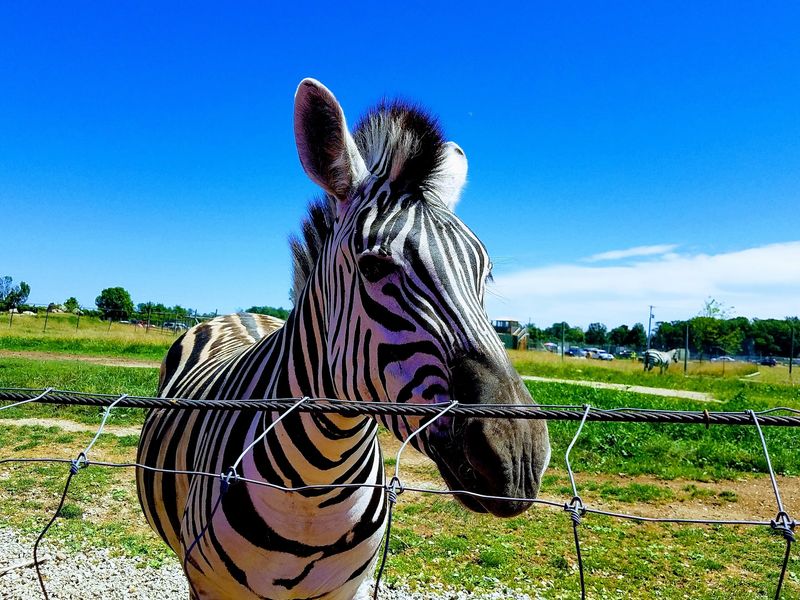
The animal variety at African Safari Wildlife Park covers a lot of ground, both literally and in terms of species. Zebras are among the most popular sightings, mentioned in nearly 100 reviews, and they tend to draw a particular kind of excitement when they appear alongside the car.
Their bold stripes and curious personalities make them easy favorites.
Bison and elk round out the larger animals on the drive, and their sheer size commands attention in a way that is hard to prepare for. Having a buffalo lean its massive head into the car window is the kind of story that gets retold at every family gathering for years.
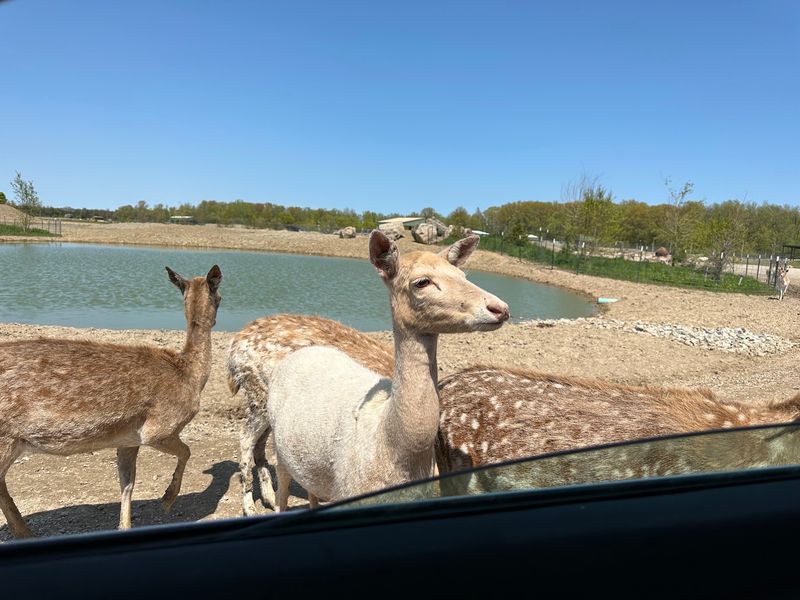
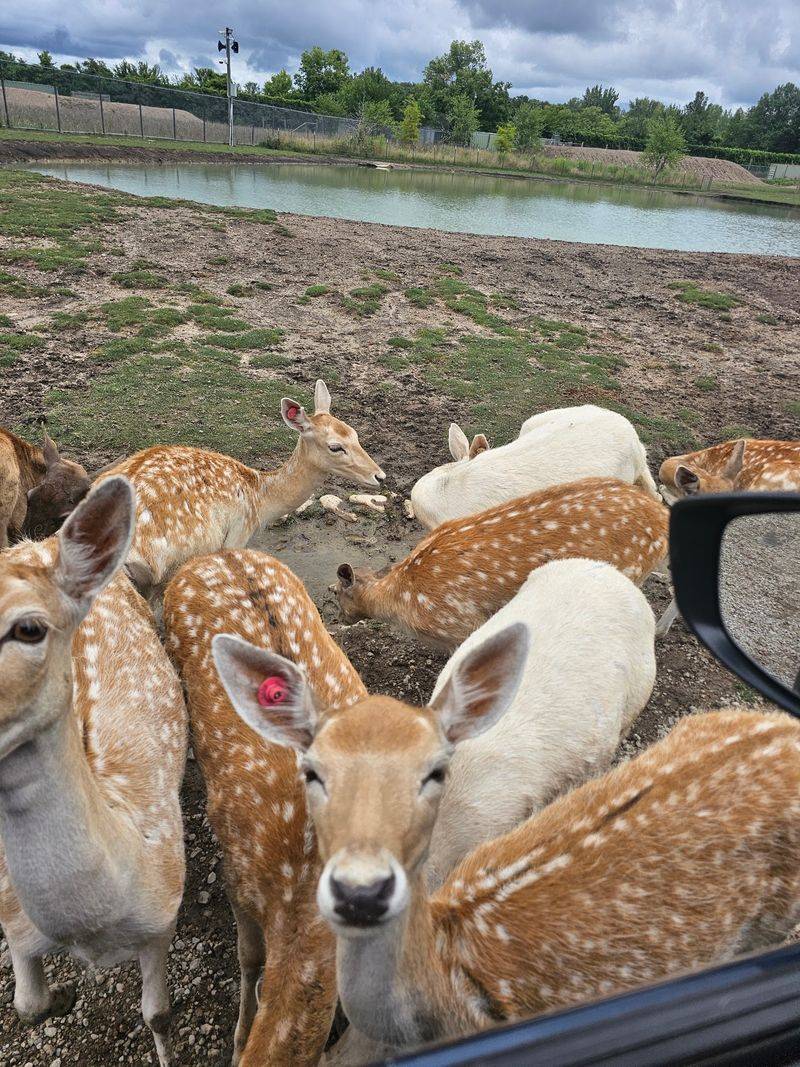
Deer are so abundant throughout the route that they practically surround the car, making it worth watching your mirrors and moving slowly.
Alpacas and llamas add a softer, fluffier counterpoint to the bigger animals, and kids tend to love feeding them. The mix of species keeps the drive interesting from start to finish, with something new appearing around nearly every bend.
The park notes that availability of certain animals, including giraffes, can vary by season, so visiting during peak summer months tends to yield the fullest experience.
The Aviary: Where the Birds Have No Concept of Personal Space
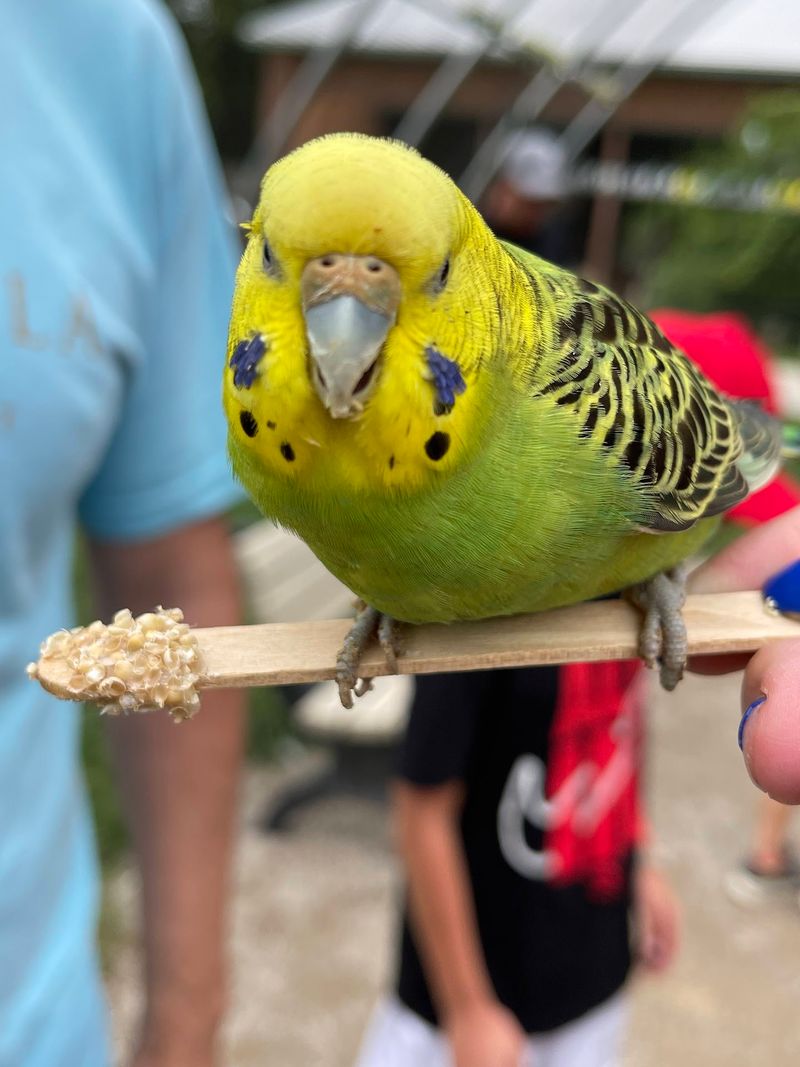
Bird lovers find a particular kind of joy in the park’s aviary, which operates on a refreshingly simple principle: the birds go where they want, and sometimes that means straight onto your shoulder. The enclosed space puts visitors in the middle of a flock of parakeets and other birds that have long since lost any wariness of humans.
For a small additional fee, visitors can purchase seed sticks to attract the birds more directly. The result is a flurry of colorful wings and tiny feet landing wherever the food is, which tends to be all over whoever is holding it.
Children find this absolutely delightful. Adults who are less enthusiastic about birds discover they are actually fine with it once a parakeet decides their head is an acceptable perch.
The aviary is a frequent highlight in family accounts of the visit, often mentioned alongside the drive-through as one of the two standout moments of the day. The walkthrough format, combined with the free-flight birds, creates a genuinely immersive experience that a traditional zoo exhibit with a mesh screen simply cannot replicate.
Plan a solid 20 to 30 minutes here and bring the camera.
Timing Your Visit for the Best Experience
Arriving right when the park opens at 10 AM is consistently the most recommended strategy among people who have visited more than once. The animals are active, hungry, and ready to approach cars from the first moment the drive begins.
Later in the afternoon, particularly around 3 PM on busy days, the crowds increase and the animals may be less engaged after a morning of snacking on visitor offerings.
Weekday visits tend to be noticeably quieter than weekend trips, which is worth factoring in if flexibility allows. During peak summer season, Saturday hours extend to 7 PM, giving afternoon arrivals a bit more breathing room.
The drive-through can take longer on crowded days simply because the animals have a habit of standing in the road and refusing to move, which is charming the first few times and mildly chaotic when there is a line of cars behind you.
Early season visits in spring, around May when the full park opens, offer a less crowded atmosphere and the chance to see animals that may not be out in the colder months. Whatever time of year you go, building in at least three to four hours gives you enough time for multiple drive-through passes and a full walkthrough without feeling rushed.
Ticket Prices, Deals, and What to Expect at the Gate
Admission runs approximately $35 per person, which puts it on the pricier side compared to a standard day out. The ticket covers unlimited drive-through passes for the day, which helps justify the cost if you take advantage of multiple loops.
The included animal feed, two buckets of grain and two of lettuce, is shared per vehicle rather than per person, which is worth knowing before you arrive.
Groupon regularly features discounted tickets for the park, and buying online in advance saves both money and time at the gate. The park’s own website is another place to check for any current pricing or package deals before your visit.
Families visiting with multiple children will want to factor in the per-person cost when budgeting for the day, along with any add-ons like extra feed, special encounters, or gift shop stops.
The gift shop is noted as being on the pricier side, so setting expectations ahead of time helps avoid sticker shock at checkout. The park’s phone number, 419-732-3606, is useful if you have specific questions about group rates or seasonal availability before making the drive to Port Clinton.
Who This Park Is Really Built For
African Safari Wildlife Park works best for families with kids, but calling it exclusively a children’s attraction would sell it short. Adults who arrive expecting a theme-park-lite experience tend to leave surprised by how genuinely thrilling the animal interactions are.
There is something about a zebra walking directly alongside your car that bypasses the cynicism of even the most been-there, done-that traveler.
Younger children, especially those under ten, tend to be completely captivated from the moment the first deer approaches the window. The tactile experience of feeding animals from a cup, watching them reach in, and feeling the weight of a large animal pressing against the car door is the kind of sensory memory that sticks.
Toddlers and preschoolers find the whole thing overwhelming in the best possible way.
Couples without kids also show up in the reviews, often noting that the experience is more entertaining and more genuinely fun than they expected. The park does not require children to be present for adults to have a great time.
Animal lovers of any age find the close access to species like giraffes and bison to be something that a standard zoo visit simply cannot match.
A Northern Ohio Day Trip Worth the Drive
Port Clinton sits along the southern shore of Lake Erie, about an hour west of Cleveland and roughly two hours north of Columbus. The drive up is straightforward on most routes, and the park is easy to find once you are in the area.
Pairing the safari with a stop along the lake or a meal in Port Clinton makes for a full and satisfying day out of the house.
African Safari Wildlife Park earns its 4.3-star rating across more than 6,000 reviews not by being perfect but by delivering a genuinely unusual experience that most people do not expect to find in Ohio. The combination of a drive-through safari, a walkthrough area, special animal encounters, and a free-flight aviary gives the park more depth than a single attraction usually offers.
The animals are the real draw, and they consistently show up ready to make an impression.
For Ohioans looking for a day trip that feels bigger than the distance traveled, this park fits the bill better than most options in the region. The giraffe leaning into your window is the moment everyone talks about afterward, and it turns out that moment is only about two hours from most of the state.
That is a pretty good reason to go.
Share this story