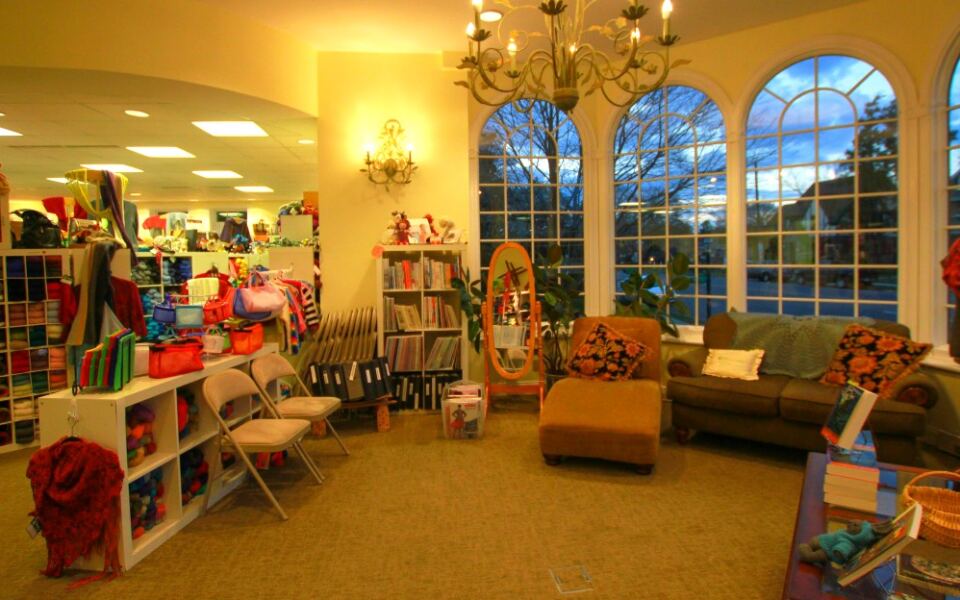
Racks of finished sweaters, shawls, and blankets hang near the yarn walls, and each one is tagged with the pattern name and the exact yarn used. That small detail turns a shopping trip into a hands-on preview of your next project.
It also explains why knitters drive in from other states.
The class calendar here is packed. Beginners, returning crafters, knitters, and crocheters all have a reason to pull up a chair on different days of the week.
I like places where people actually sit down and make things together. This Pennsylvania shop seems built around that idea, with room for lessons, help, and plenty of chatting.
And the staff will do more than ring you up. They wind skeins into balls and print free patterns.
So what does a yarn shop this busy look like on an ordinary weekday?
A Yarn Lover’s Address on West Broad Street
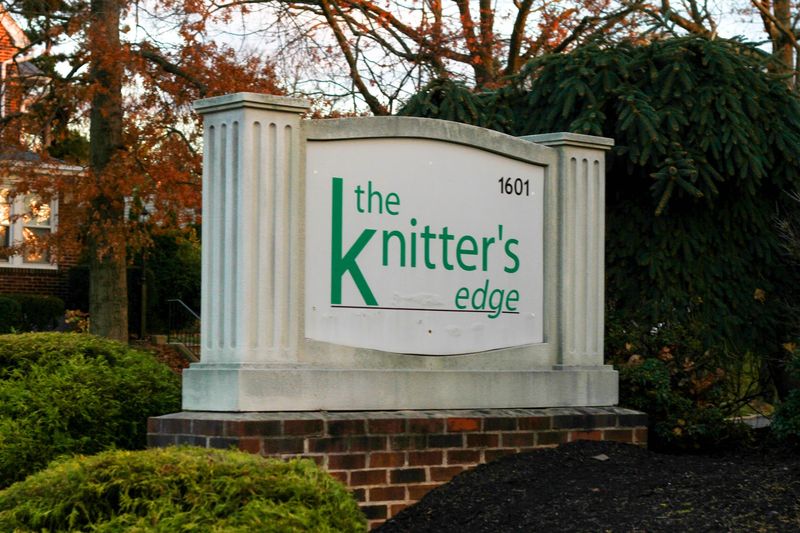
The Knitter’s Edge sits at 1601 W Broad St in Bethlehem, Pennsylvania, in the Lehigh Valley of the United States. It’s a dedicated yarn shop, and the focus is clear the moment you learn what it carries.
Knitting yarn, crochet yarn, tools, patterns, and a busy schedule of lessons all share one roof.
Bethlehem is easy to reach from much of eastern Pennsylvania and western New Jersey. That location helps explain why the store draws shoppers from well beyond town.
Some customers mention driving an hour or more just to browse.
The shop also has a long history with its regulars. One longtime customer wrote about shopping and taking classes there for 20 years.
That kind of loyalty usually comes from more than a good inventory.
Hours are fairly generous for a specialty store. The shop is open Monday through Saturday, with later evening hours on Wednesday and Thursday.
Sunday is a day off, so plan weekend trips for Saturday.
I’d call ahead or check the website before a long drive. Schedules can shift around holidays, and class times can affect how busy the floor feels.
Racks of Samples That Show the Finished Result
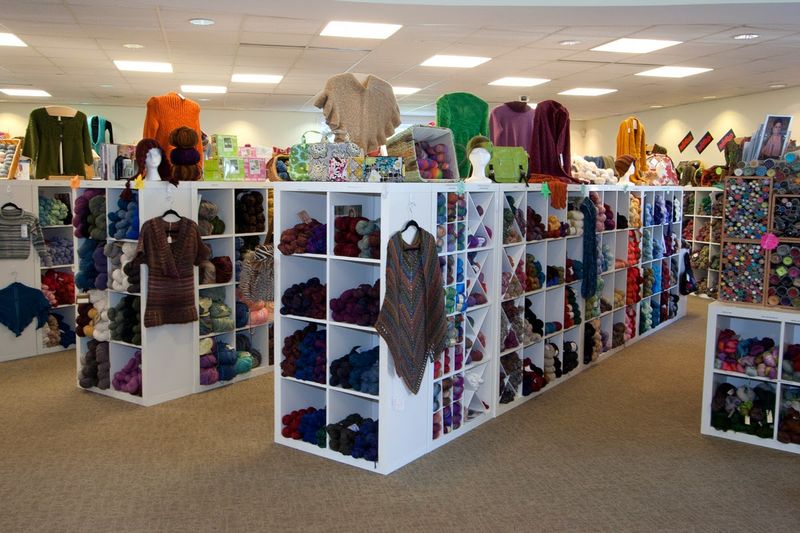
Ever bought yarn that looked great in the skein but strange once knitted? That problem gets a lot smaller here.
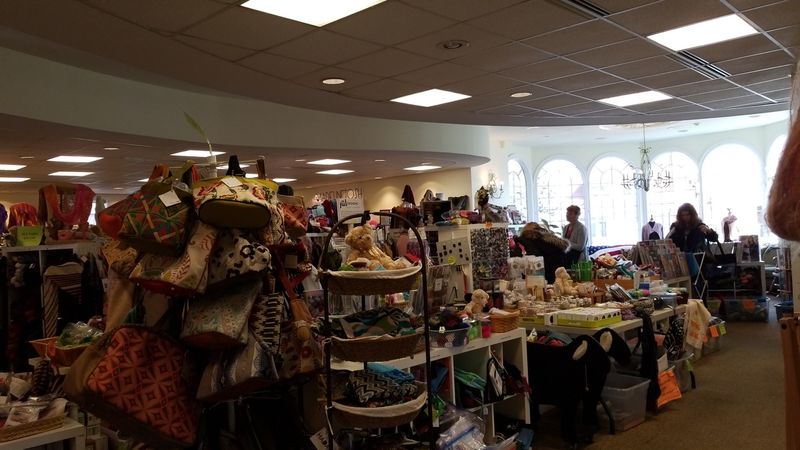
The shop displays racks and racks of finished knitted and crocheted samples.
Each sample is tagged with two key facts. You’ll see the pattern name and the yarn used to make it.
That means you can touch a finished scarf, check the drape, and then go find the same yarn.
More samples sit above the shelves, right over the yarns they were made with. So while you’re browsing a color, you can glance up and see what it becomes.
It’s a smart setup for people who struggle to picture a project.
I find this detail especially useful for beginners. Choosing yarn weight and fiber can feel confusing at first.
A real sweater hanging in front of you answers questions faster than any label.
Experienced makers benefit too. Seeing how stitches look in a certain fiber can spark ideas for changes or swaps.
One shopper even said there was at least one sample, and often more, for every yarn. That leads straight to the shelves themselves.
Walls of Color Sorted With Care
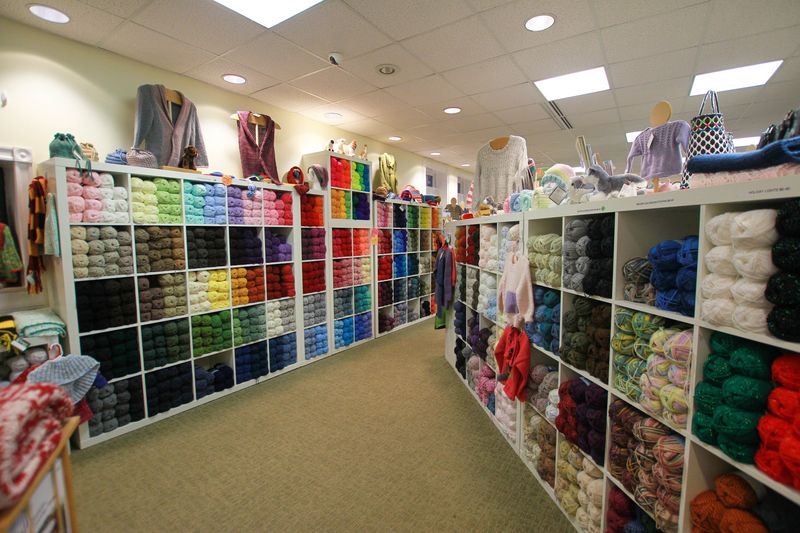
Color is the first thing that hits you in a yarn shop this size. Shelves hold skeins in a wide range of shades and fibers.
One non-knitter reportedly loved visiting just for the colors.
The organization matters as much as the variety. Yarns are grouped so similar types sit near each other.
If you need a certain weight, you can compare options side by side instead of hunting across the room.
Shoppers have pointed out how easy it is to find yarn sizes here. That’s a big help when a pattern calls for a specific weight.
You can match the requirement and then pick your favorite color.
The selection includes some indie-dyed sock yarn alongside well-known brands. Plymouth yarns appear often, so fans of that line will have plenty to choose from.
Most yarns fall in a moderate price range, with some pricier picks.
My advice is simple. Bring your pattern, or at least a photo of it.
Knowing the yarn weight and yardage before you walk in will keep you focused, at least a little, among all those tempting shelves.
More Than 20 Classes Each Week
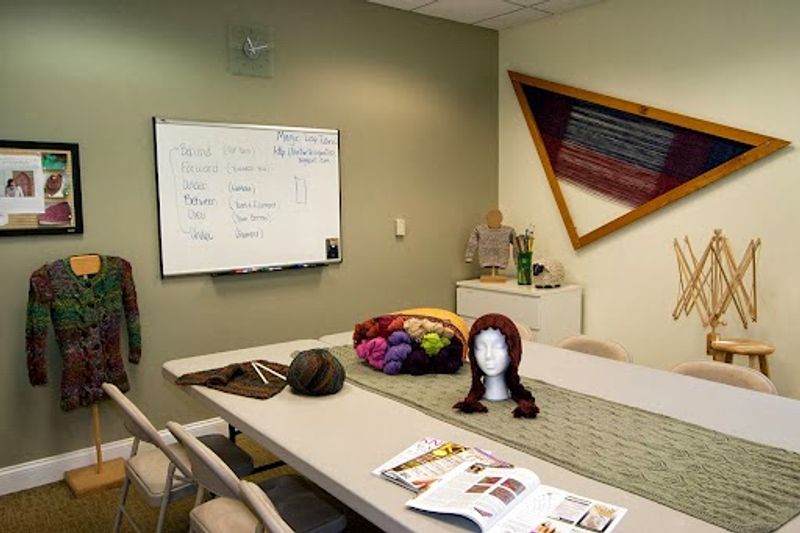
Lessons are the heartbeat of this shop. The class calendar is large, with more than 20 sessions offered each week.
Times are spread across different days, which helps people with work or family schedules.
You can find the schedule on the shop’s website under the Learn section. Beginners can start from scratch with knitting or crochet.
Others drop in for help with a project they’re already working on.
Class sizes vary. One student described small groups of two or three crocheters, plus bigger sessions with a dozen or so knitters and crocheters together.
Teachers handle questions from different skill levels in the same room.
Here’s a practical tip worth remembering. Classes have been cash only, while store purchases can be paid by card or mobile pay.
Bring some cash so you’re not caught short.
The space given to classes is noticeable. Even a less excited reviewer said the shop seems to focus heavily on classes and events.
For learners, that’s good news. Of course, a class is only as good as the people leading it.
Teachers and Staff Who Actually Help
Staff names pop up again and again when people talk about this shop. Customers mention Julia, Jen, Joanne, Amanda, and a crochet teacher named Becky.
That tells you the team is visible and involved.
Help here goes beyond pointing to an aisle. Workers suggest yarns, point out samples, and answer questions about patterns.
They’re known for being helpful without hovering.
Stuck on a project? Staff are willing to help when you hit a snag.
For a newer maker, that support can be the difference between finishing a blanket and stuffing it in a closet.
Amanda is credited with building much of the shop’s experience and selection. The business has been described as family owned and operated.
That personal touch fits the friendly feel people describe.
I like that the staff seems comfortable with both knitters and crocheters. Some crocheters worry a shop like this is knit-only.
It isn’t. One shopper arrived with that fear and left with yarn and a free pattern for a baby blanket.
Free Patterns and Hand-Wound Balls
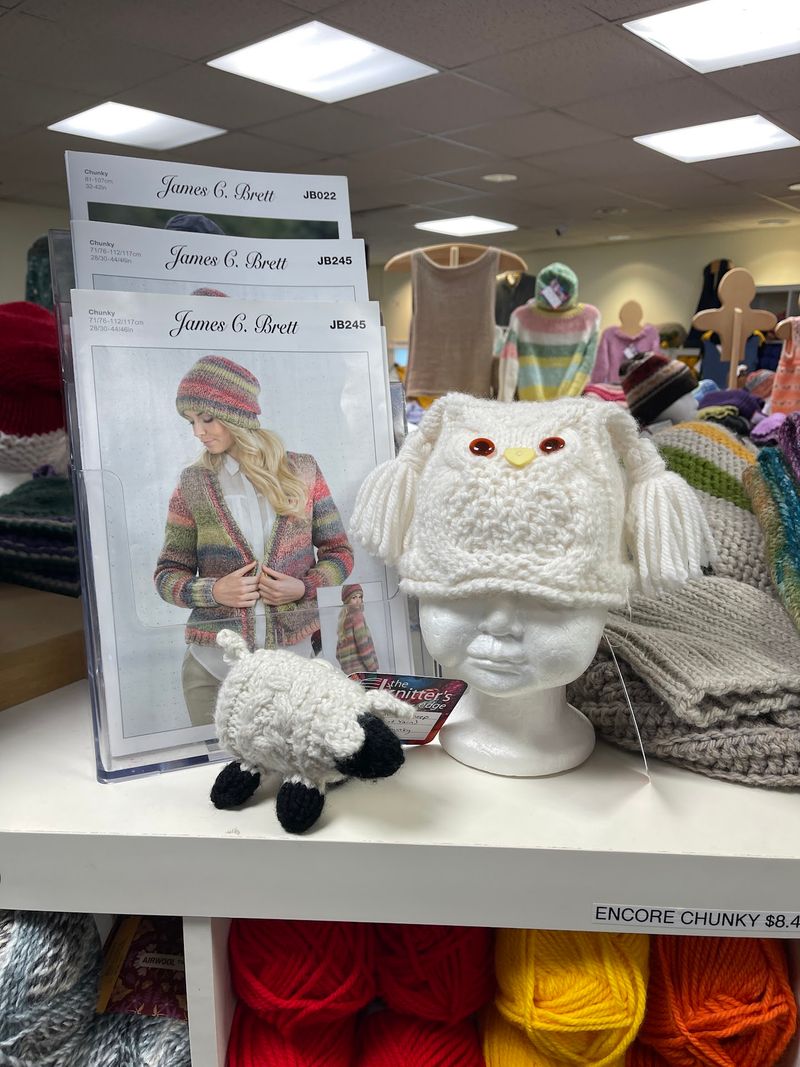
Two small services make a big difference. Staff will wind yarn from skeins into balls for you.
They’ll also print free patterns.
Winding might sound minor until you try it at home. A loose skein can tangle fast without the right tools.
Leaving the shop with neat, ready-to-use balls means you can cast on the same day.
Free patterns come with many purchases, and shoppers have mentioned how many are available. You can match a pattern to a sample you liked, buy the yarn, and walk out with everything in hand.
It removes a lot of guesswork.
This setup is handy for gift projects. One visiting grandmother brought her nine-year-old granddaughter to choose a pattern and yarn for a special present.
Staff guided them through it.
Ask about winding when you check out, especially if you bought several skeins. It may take a few minutes, so I’d browse the accessories while you wait.
Those accessories, it turns out, are a whole category of their own.
Buttons, Bags, and the Little Extras
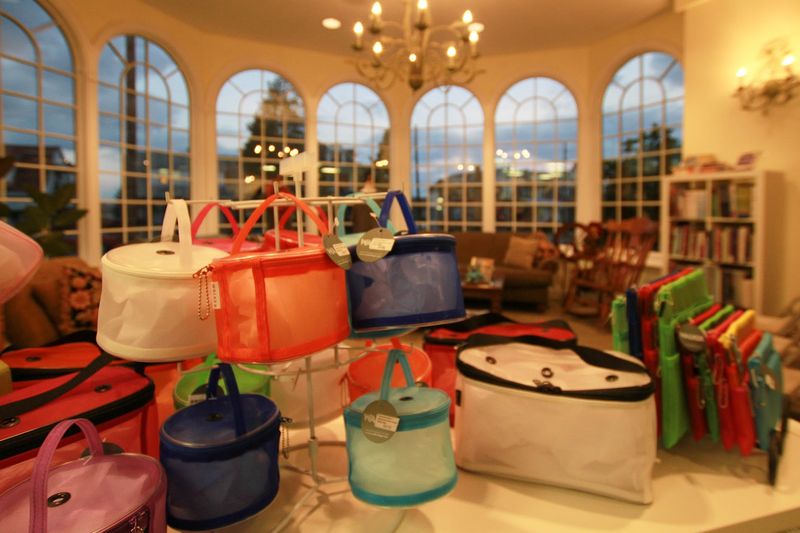
Buttons can make or break a cardigan. The shop keeps a large and varied button selection, which is useful when your finished sweater needs the right final touch.
You can bring your project and test a few options.
Project bags come in many shapes and sizes. They keep yarn clean and needles from poking through your tote.
Some bags are small enough for a sock project, while others fit a whole sweater in progress.
Notions fill out the rest. Stitch markers, needles, hooks, and other small tools are on hand.
One shopper picked up an 8-inch circular sock needle she had never tried before.
Kits are another option. Several were noted as cute picks for a quick project or gift.
A kit can be a nice starting point if you feel unsure about choosing yarn.
Not everything is endless, though. One visitor felt the needle and hook selection was on the slim side.
If you need a very specific tool, it’s smart to call first and confirm it’s in stock.
A Welcoming Space for Knitting and Creativity
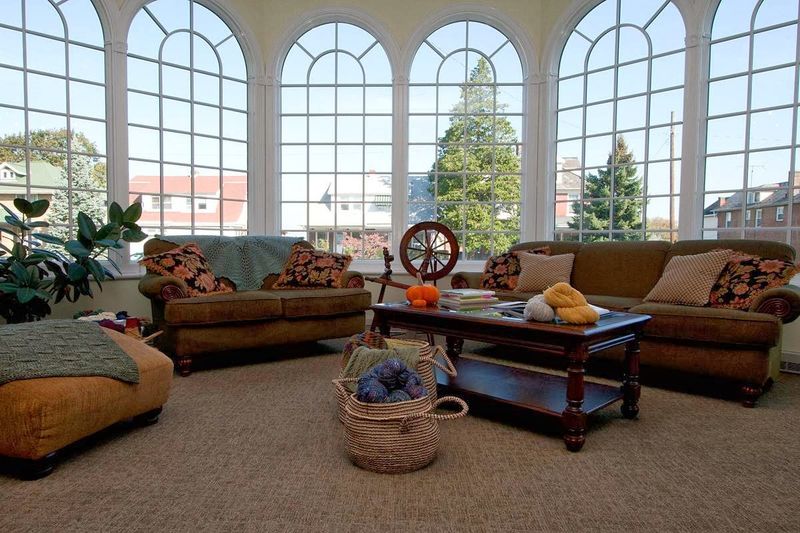
Some shops feel like you should buy and leave. This one seems to invite the opposite.
Shoppers often see customers knitting, crocheting, and socializing right in the store.
That social side shows up in how people describe their visits. One student came for beginner lessons and also hoped to make friends.
Another said classes are a fine excuse to spend a few hours chatting while working on a project.
I like that idea a lot. Crafting at home can feel lonely, especially when you hit a tricky row.
Having other makers nearby turns a mistake into a conversation.
The mix of people adds to the fun. Beginners sit near longtime crafters, and knitters share tables with crocheters.
Everyone brings a different project and a different level of skill.
One person who has lived in several states said she never found another place quite like it. That’s a strong statement about community.
It also explains why some visitors arrive in groups and treat the trip as a planned outing.
Road Trips From New Jersey and Beyond
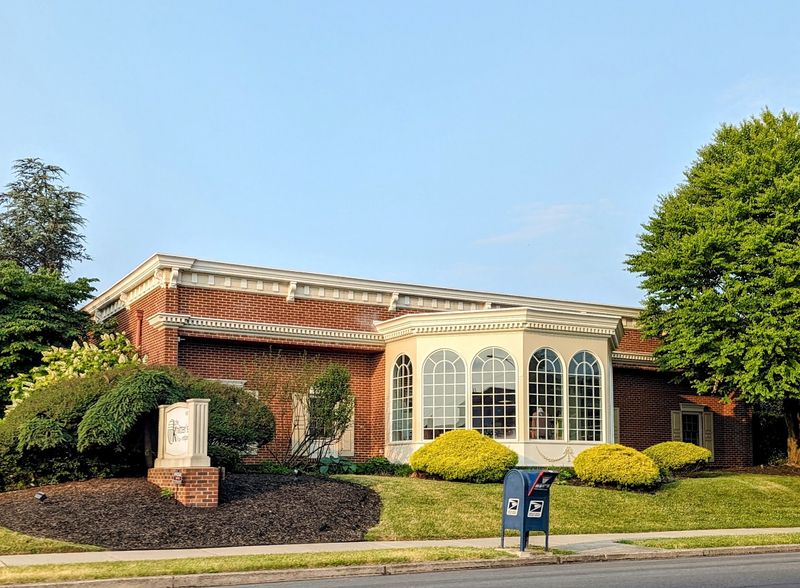
A group of knitters from central New Jersey makes the trip every couple of months. They call it their favorite yarn shop.
That’s quite a commitment to a single store.
They’re not alone. One shopper traveled 70 miles for just one skein.
Another stopped on the way to the big Rhinebeck sheep and wool festival in New York and considered a two-hour drive for future day trips.
Visitors from farther away have found it too. A family from Florida discovered the shop while looking for a boutique yarn store.
They noted that Lehigh Valley International Airport is close by.
If you’re planning a long drive, timing matters. Wednesday and Thursday offer evening hours, which can help if you’re coming after work.
Saturday is the best option for a weekend run.
I’d pair a trip with a class if possible. Making the drive for shopping alone is fun, but sitting in on a lesson gives the day more structure.
Just check the calendar and bring cash for the class fee.
Planning a Smart First Visit
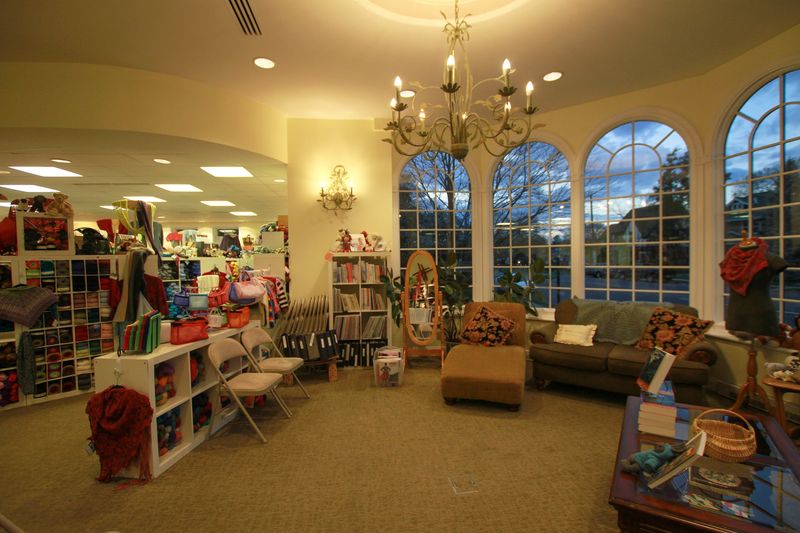
First-timers often feel a little overwhelmed by a big yarn shop. A simple plan helps.
Start by deciding whether you’re shopping, learning, or both.
For shopping, walk the sample racks first. Pick a finished piece you like, note the tag, and then find that yarn.
This saves time and reduces second guessing.
For learning, check the Learn page online before you go. Choose a beginner class if you’ve never picked up needles or a hook.
Remember the cash-only rule for classes.
Bring kids if they’re curious. Families visit together, and one shopper even planned to return with her children for lessons.
A young crafter can pick a color and feel invested from day one.
Finally, ask questions. The staff here is known for answers, not sales pressure.
Tell them what you want to make and your skill level.
A shop like this rewards curiosity. Whether you leave with one skein or a full sweater kit, you’ll probably head home with a plan, a pattern, and a new reason to come back to Bethlehem.
Share this story