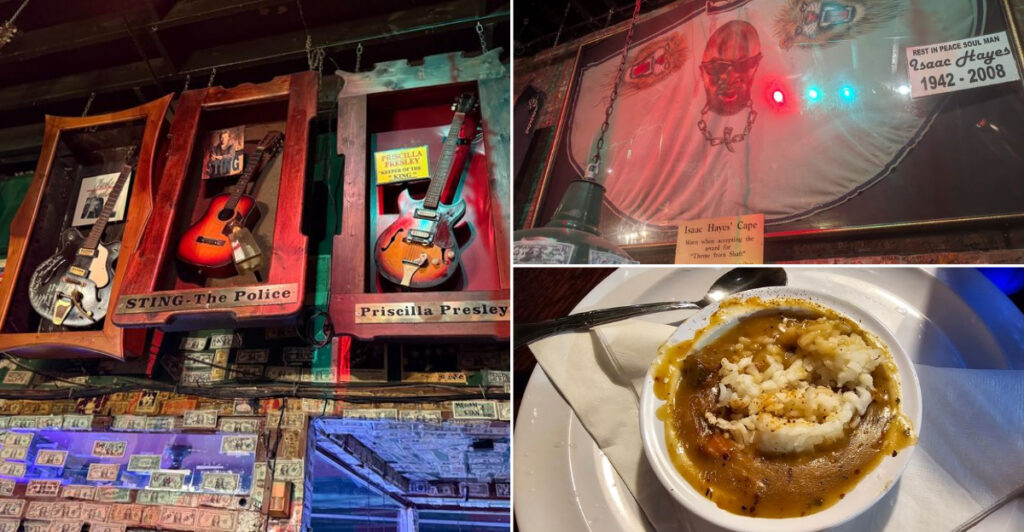
There is a corner on Beale Street in Memphis, Tennessee, where the history of American music practically hangs from the ceiling. At the intersection of BB King Boulevard and Beale Street, one cafe has spent decades collecting the kind of artifacts that belong in a museum but somehow ended up above a bar.
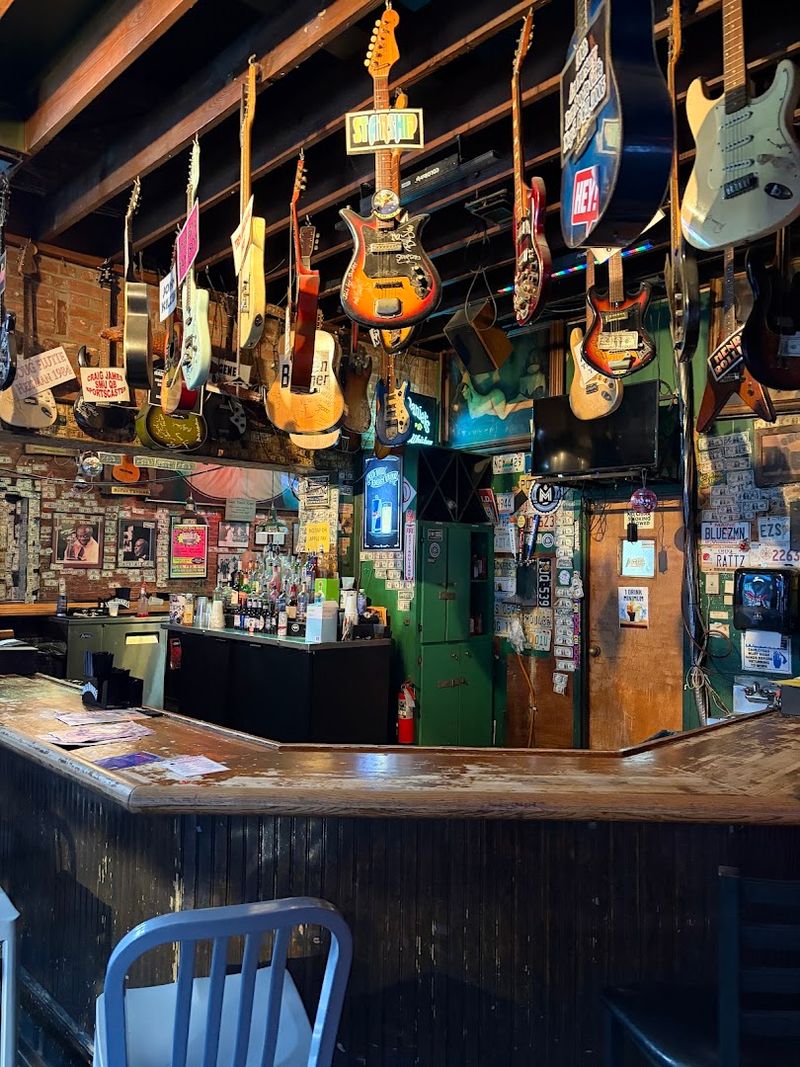
There are roughly 200 celebrity-signed guitars mounted across every available surface, a cape once worn by soul legend Isaac Hayes, and a seafood gumbo that has won the Memphis in May World Championship Barbecue Cooking Contest not once but twice. This is not your average blues bar, and the story behind it is worth every second of your attention.
How Rum Boogie Cafe Became a Beale Street Institution
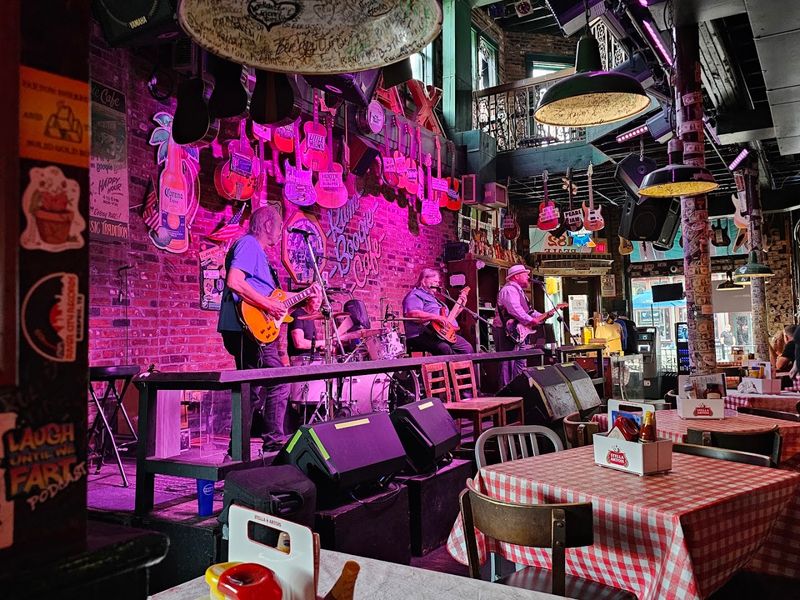
Rum Boogie Cafe has been a fixture on Beale Street long enough to earn the kind of reputation that does not come from marketing, it comes from consistency and history.
The cafe has hosted performances, inductions, and celebrations tied to some of the biggest names in blues, soul, and rock and roll. Events like the Bronze Note induction ceremony for musicians like JM Van Eaton have taken place within its walls, cementing its role as more than just a restaurant.
It functions as a living archive of Memphis music culture. The staff, the layout, and the programming all reflect a genuine commitment to honoring the tradition of Beale Street rather than simply capitalizing on the tourist traffic that flows through the area daily.
That authenticity is what keeps both locals and out-of-town visitors returning year after year to this particular corner of Memphis.
200 Celebrity-Signed Guitars and What They Mean
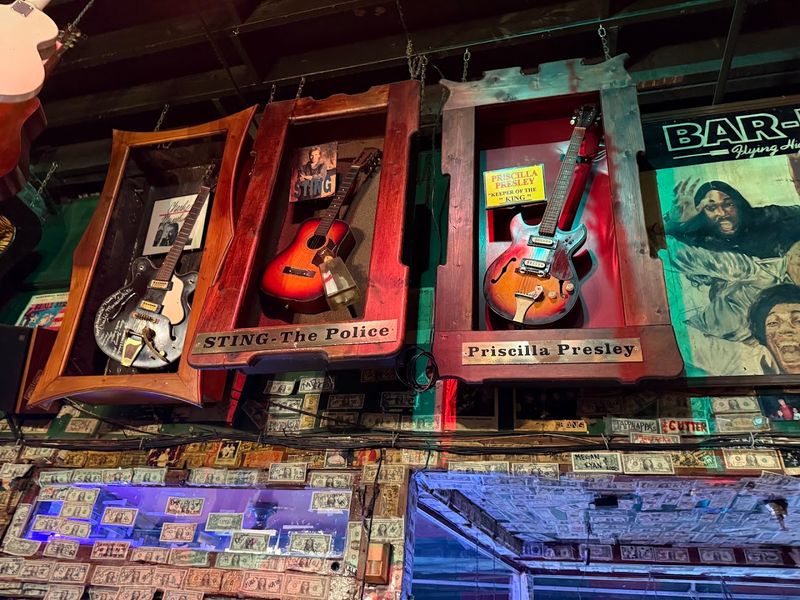
Not many places in the world can claim a collection of roughly 200 celebrity-signed guitars hanging across their walls and ceiling, but Rum Boogie Cafe is not most places.
The guitars represent decades of musical history, with signatures from artists spanning blues, rock, country, and soul. Each one was signed by a performer who passed through Memphis or specifically through the cafe itself, which makes the collection feel personal rather than decorative.
Regular patrons have described the experience of sitting inside as being surrounded by a musical museum that also happens to serve food and host live bands. There is always something new to notice on the walls, a name you recognize, an instrument with an interesting shape, or a piece of memorabilia tucked between two guitar necks.
The collection grows over time, which means the walls of Rum Boogie Cafe are never quite finished telling their story.
Isaac Hayes’ Cape and the Power of One Artifact
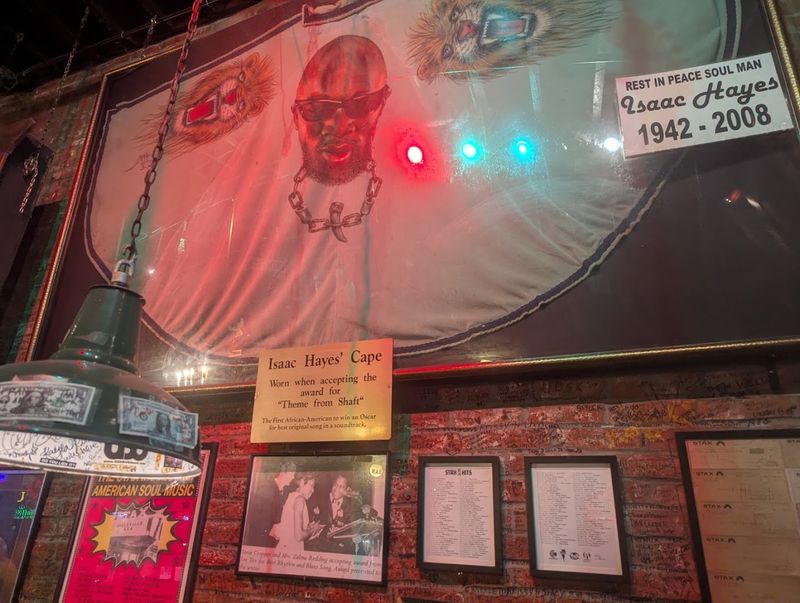
Among all the artifacts packed into Rum Boogie Cafe, few carry the cultural weight of Isaac Hayes’ cape. Hayes was a Memphis-born musician, songwriter, and cultural icon best known for his groundbreaking work in soul music and his Academy Award-winning soundtrack for the film Shaft.
Having one of his performance capes on display at the cafe connects the space directly to one of the most important figures in Memphis music history. It is the kind of artifact that stops people mid-conversation and redirects the entire visit.
The cape is not just a piece of clothing. It represents a specific era of Memphis creativity when the city was producing music that changed popular culture on a global scale.
Rum Boogie Cafe understood the significance of preserving that kind of object, and the result is a display that carries genuine historical resonance for anyone who knows the name Isaac Hayes.
The Seafood Gumbo That Won Twice
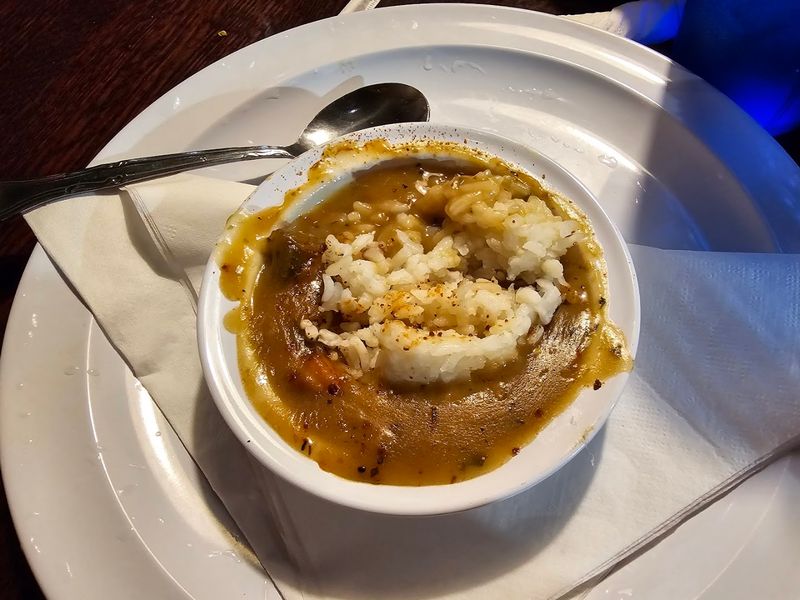
Winning the Memphis in May World Championship Barbecue Cooking Contest once is a serious achievement. Winning it twice with a seafood gumbo puts Rum Boogie Cafe in a category that very few restaurants in the country can claim.
The gumbo has become one of the most talked-about dishes on the menu, drawing people who specifically make the trip to Beale Street just to try it. A two-time championship title in a city as food-competitive as Memphis is not a small thing, and the cafe wears that distinction proudly.
The dish represents the Southern Louisiana influence that runs through much of Memphis cooking, where the Delta meets Gulf Coast tradition in a single bowl. For anyone visiting the cafe for the first time, ordering the gumbo is less of a suggestion and more of a standing instruction from everyone who has already been there and knows what they are talking about.
Live Music Every Single Day
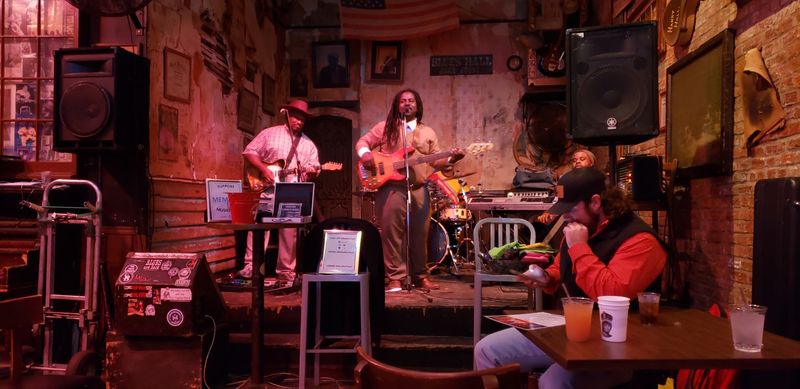
Live music at Rum Boogie Cafe is not a weekend special or a seasonal event. It happens every day, starting in the afternoon on some days and running through the night on others.
The house band Freeworld has developed a strong following for their ability to play across a wide range of styles, supported by a full horn section that adds depth and energy to the performances. The alto saxophone work in particular has become a highlight that regular attendees specifically mention.
Solo performers also take the stage on a rotating basis. Musicians like Red Thomas have performed Sunday afternoon sets that blend original music with storytelling about the history of the blues, turning a casual afternoon visit into something closer to a history lesson with a live soundtrack.
The variety of talent that passes through the stage keeps the programming fresh and gives every visit a different character than the one before it.
The Layout That Makes the Music Work
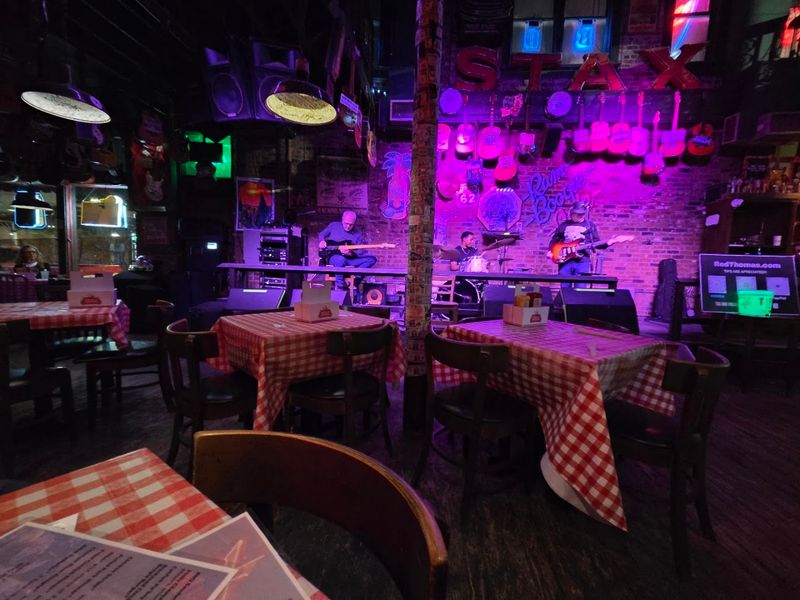
The physical layout of Rum Boogie Cafe is one of its more practical strengths. The space is divided in a way that gives guests real options depending on how close they want to be to the music.
There is a dedicated bar area separate from the dining tables, and the stage is positioned so that different parts of the room offer different levels of sound intensity. For people who want to be right in front of the band, that option exists.
For those who prefer to hold a conversation over a meal while still catching the performance, the layout accommodates that too.
There is also a patio area outside, which adds another dimension to the experience during good weather. Sitting outside on Beale Street while music carries through the open doors of the cafe is a distinctly Memphis moment that is hard to replicate anywhere else in the city.
The Walk of Fame Connection Right at the Door
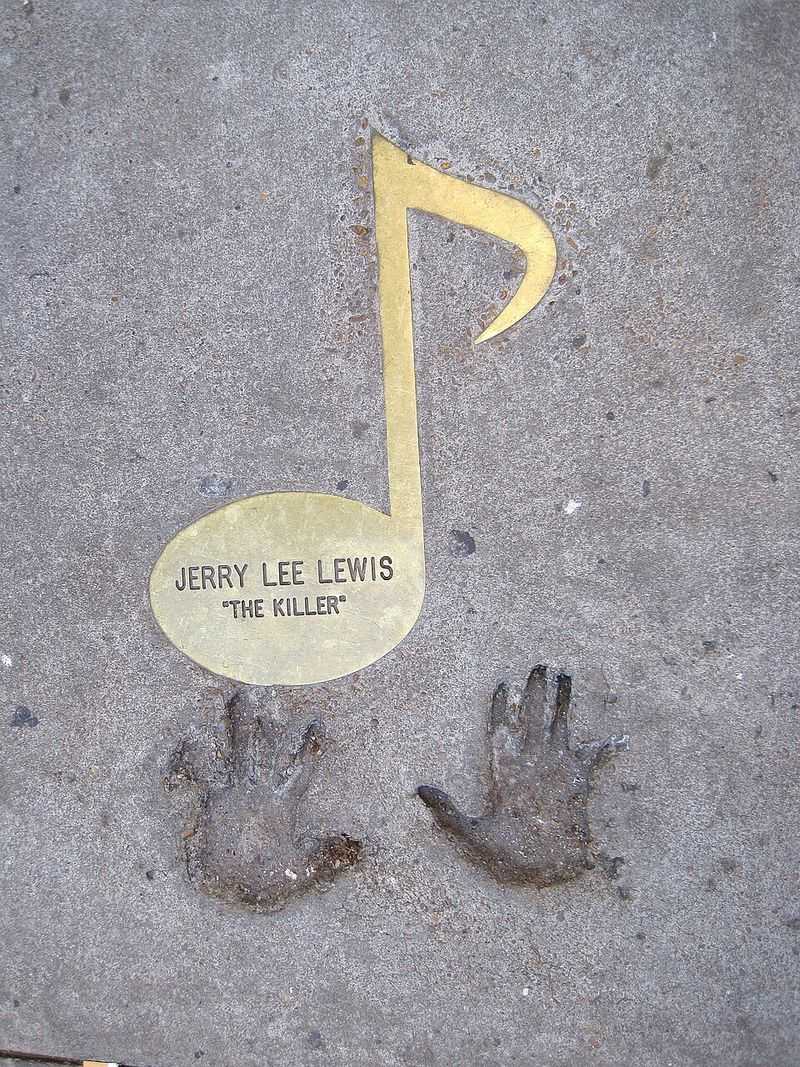
Beale Street has its own version of a Walk of Fame, with bronze musical notes embedded in the sidewalk honoring individuals who have made significant contributions to Memphis music.
Rum Boogie Cafe’s sound engineer, Robbie, has earned one of those notes, which sits right outside the venue on the sidewalk. It is a detail that most people walk right over without noticing, but it speaks to the depth of the cafe’s connection to the Beale Street community.
Having your sound engineer recognized on the city’s official Walk of Fame is not something that happens at every bar. It reflects the level of craft and dedication that goes into the technical side of the live music experience at Rum Boogie Cafe, and it quietly signals to anyone paying attention that the people running this place take their role in Memphis music seriously.
BBQ on Beale Street and Why It Belongs Here
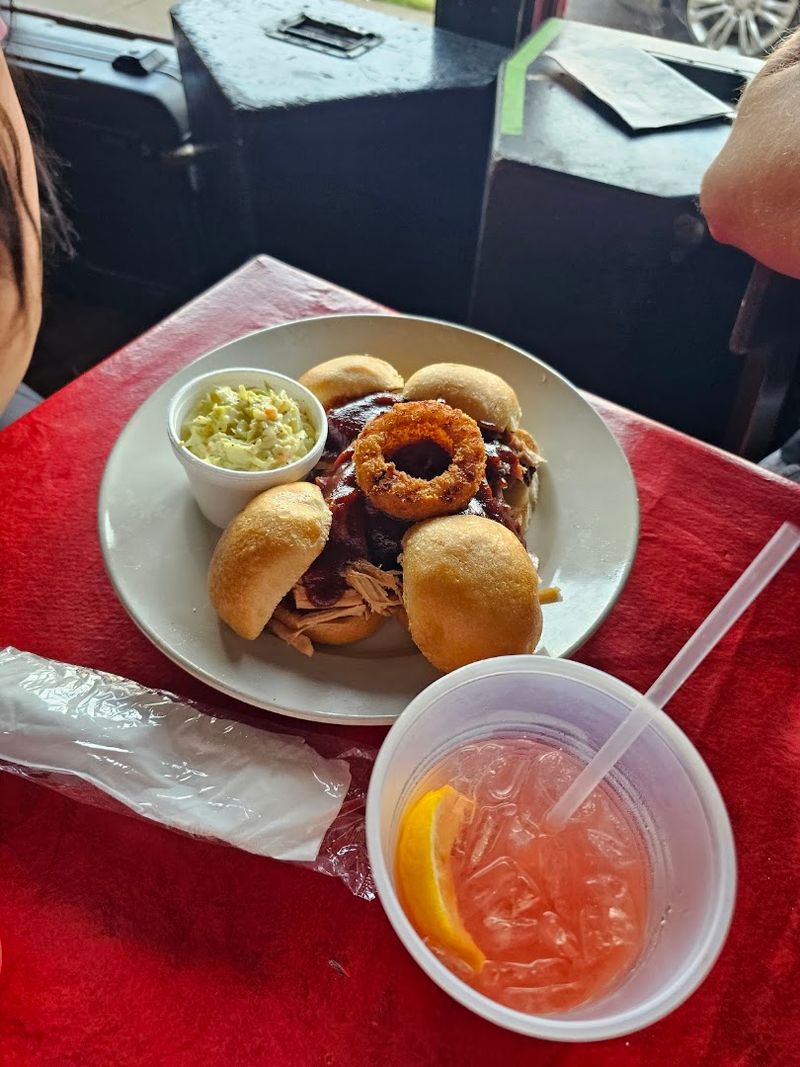
Memphis is one of the most respected barbecue cities in the United States, and Rum Boogie Cafe takes that reputation seriously. The BBQ pulled pork sandwich has drawn consistent praise for its smoky flavor and sweet sauce, which fits squarely within the Memphis style of barbecue that favors dry rubs and slow cooking.
The menu extends beyond the headline items, with sides like fried okra and red beans and rice rounding out a lineup that reflects the broader food culture of the Mid-South. Po’boy sandwiches, including versions with fried green tomatoes, have also made strong impressions on guests who were not expecting that level of Southern cooking in a music bar setting.
The food at Rum Boogie Cafe is not an afterthought to the music programming. It is a genuine part of the experience, rooted in the same regional traditions that produced the blues itself, and that connection makes every plate feel intentional.
Musical History Packed Into Every Corner
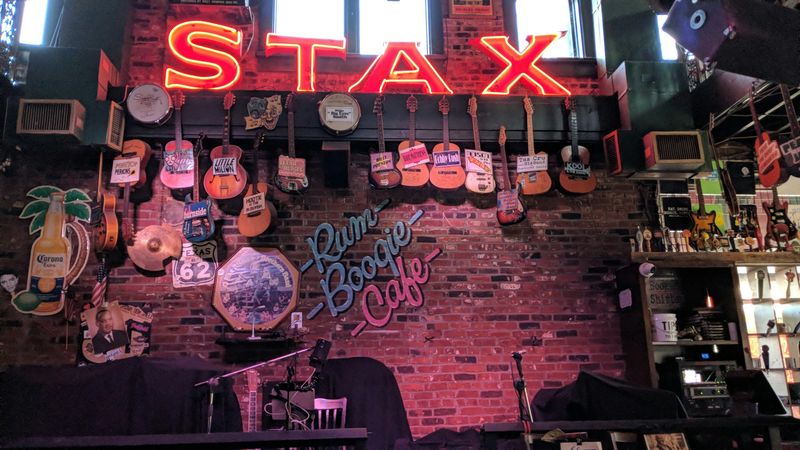
Beyond the guitars and the Isaac Hayes cape, the walls of Rum Boogie Cafe are covered with photographs, posters, and memorabilia that document the broader arc of Memphis music history.
There is enough material on display to keep a first-time visitor occupied for an entire meal without ever looking at their phone. The ceiling, the walls, and even the spaces between tables are filled with artifacts that connect to different chapters of blues, soul, and rock history.
Long-time patrons have compared the experience to sitting inside a musical museum that happens to serve great food and host live bands nightly. That description is not an exaggeration.
The density of historical material in the space is genuinely unusual, even by Beale Street standards, where music history is practically built into the pavement.
Every corner of Rum Boogie Cafe rewards a slow, careful look for anyone willing to take the time.
The Afternoon Visit vs. the Night Show
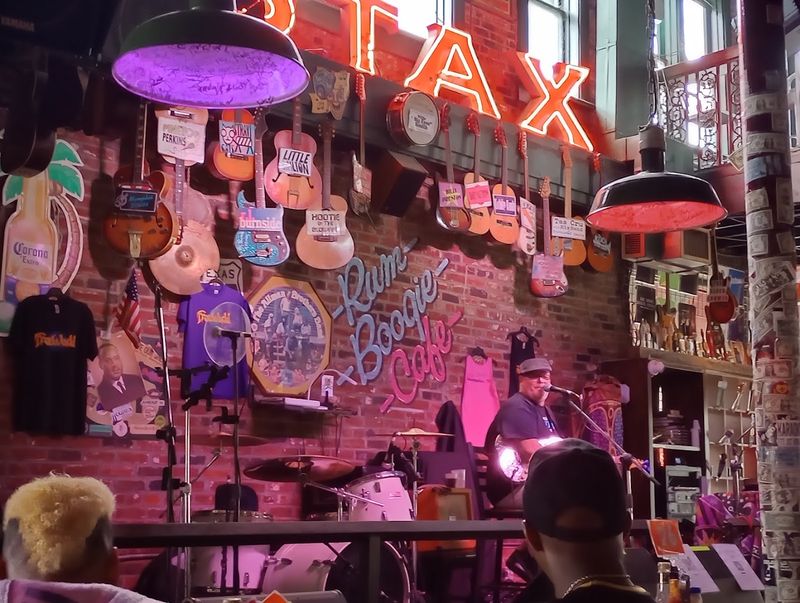
Visiting Rum Boogie Cafe during the day and visiting at night are two genuinely different experiences, and both have their own appeal.
During the afternoon, the space is quieter and easier to explore. The memorabilia on the walls is more accessible, the staff have time to talk, and there is a relaxed quality to the visit that lets you absorb the history of the place without the energy of a full crowd.
At night, especially on weekends, the cafe transforms. The stage comes fully alive, the bar fills up, and the whole space operates at a different frequency.
The layout helps manage the volume, but there is no question that the nighttime version of Rum Boogie Cafe is louder, busier, and more intense than its daytime self.
Neither version is better than the other. They simply serve different moods, and the cafe handles both with the ease of a place that has been doing this for a very long time.
The BB King Boulevard Corner and Its Significance
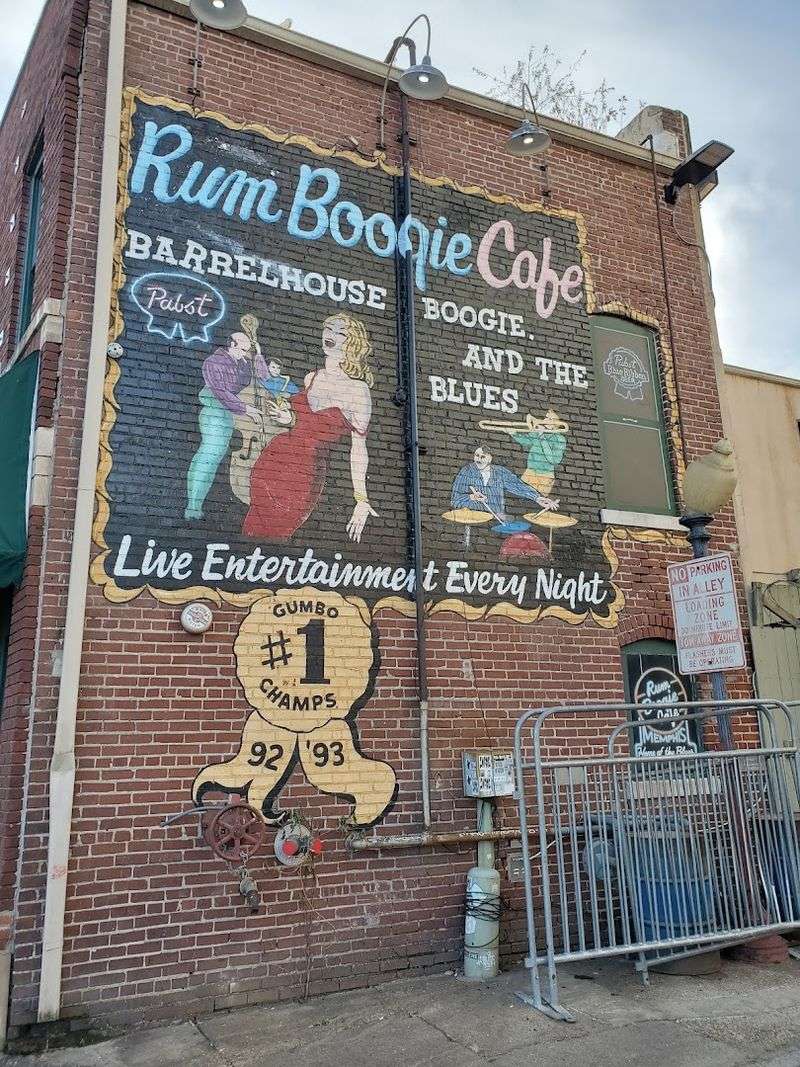
The intersection of BB King Boulevard and Beale Street is not just an address. It is a geographic marker for the center of American blues culture, named after one of the most influential guitarists who ever lived.
Rum Boogie Cafe sits right at that corner, which means its physical location carries symbolic weight that most restaurants could never claim. BB King himself was a fixture of Beale Street for decades, and having a venue anchored at the boulevard that bears his name adds a layer of meaning to every visit.
The surrounding block is dense with music venues, but the corner position of Rum Boogie Cafe makes it one of the most visible and recognizable spots on the strip. For first-time visitors to Memphis who are trying to orient themselves on Beale Street, the cafe serves as both a landmark and a starting point for everything else the street has to offer.
A Space That Functions as a Living Archive
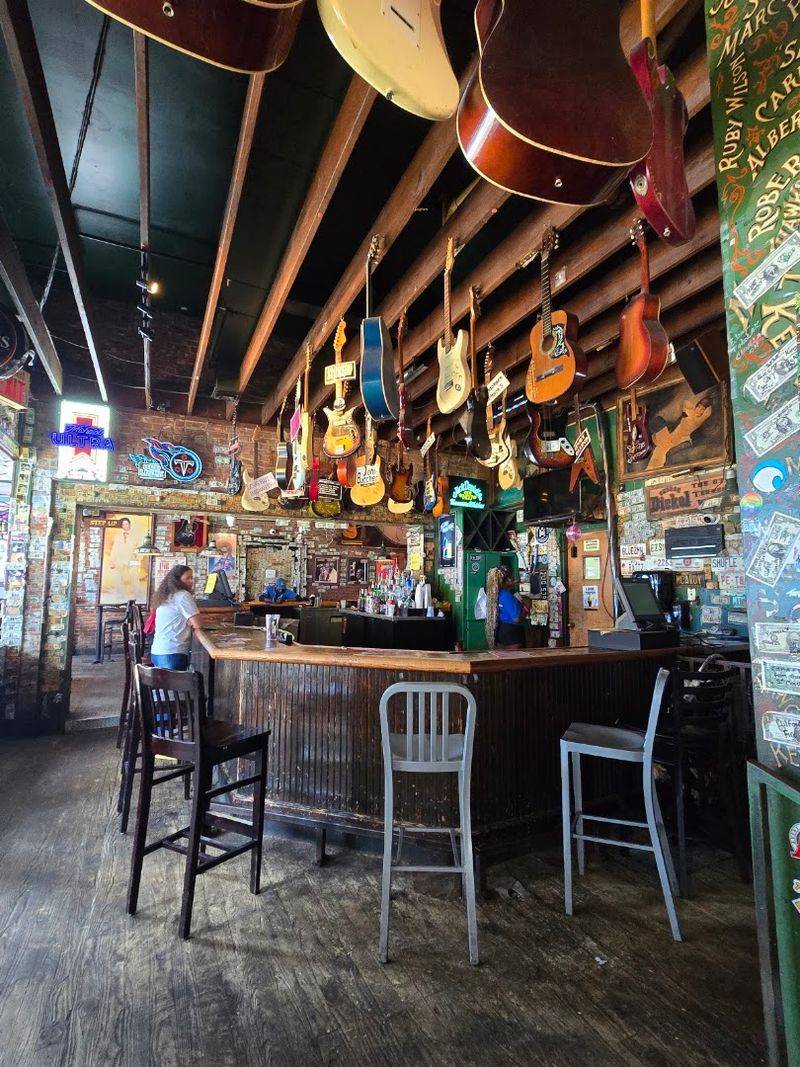
What separates Rum Boogie Cafe from a standard music bar is the intentionality behind its collection. The guitars, the cape, the photographs, and the assorted memorabilia are not random decorations.
They represent a deliberate effort to document and preserve the cultural history of Memphis music in a public, accessible space.
The bright plastic gingham tablecloths that cover the dining tables add a cheerful, casual counterpoint to the serious historical material on the walls, which keeps the space from feeling like a formal archive. The result is a place that manages to be both a working restaurant and a genuine repository of musical history.
That balance is harder to achieve than it looks. Many venues try to lean into music history as a branding tool without actually backing it up with substance.
Rum Boogie Cafe backs it up with roughly 200 signed guitars, a two-time championship gumbo, and an Isaac Hayes cape that needs no further explanation.
Why Rum Boogie Cafe Keeps Drawing People Back
A place on Beale Street has to do more than simply exist to keep drawing crowds year after year. The street is competitive, the options are plentiful, and visitors have limited time and high expectations.
Rum Boogie Cafe keeps people coming back because it delivers on multiple levels simultaneously. The music is real and consistently strong, the food has genuine regional credentials including a two-time championship gumbo, and the historical collection on the walls gives every visit a layer of meaning that goes beyond the meal or the performance.
The staff have built a reputation for friendliness that holds up even during the most demanding nights of the year, including major events like the International Blues Challenge. That consistency across different types of visits and different crowd sizes is what turns a one-time stop into a standing tradition for many people who travel to Memphis regularly.
Beale Street has many options, but this corner has something the others do not quite match.
Where the Address Tells the Whole Story
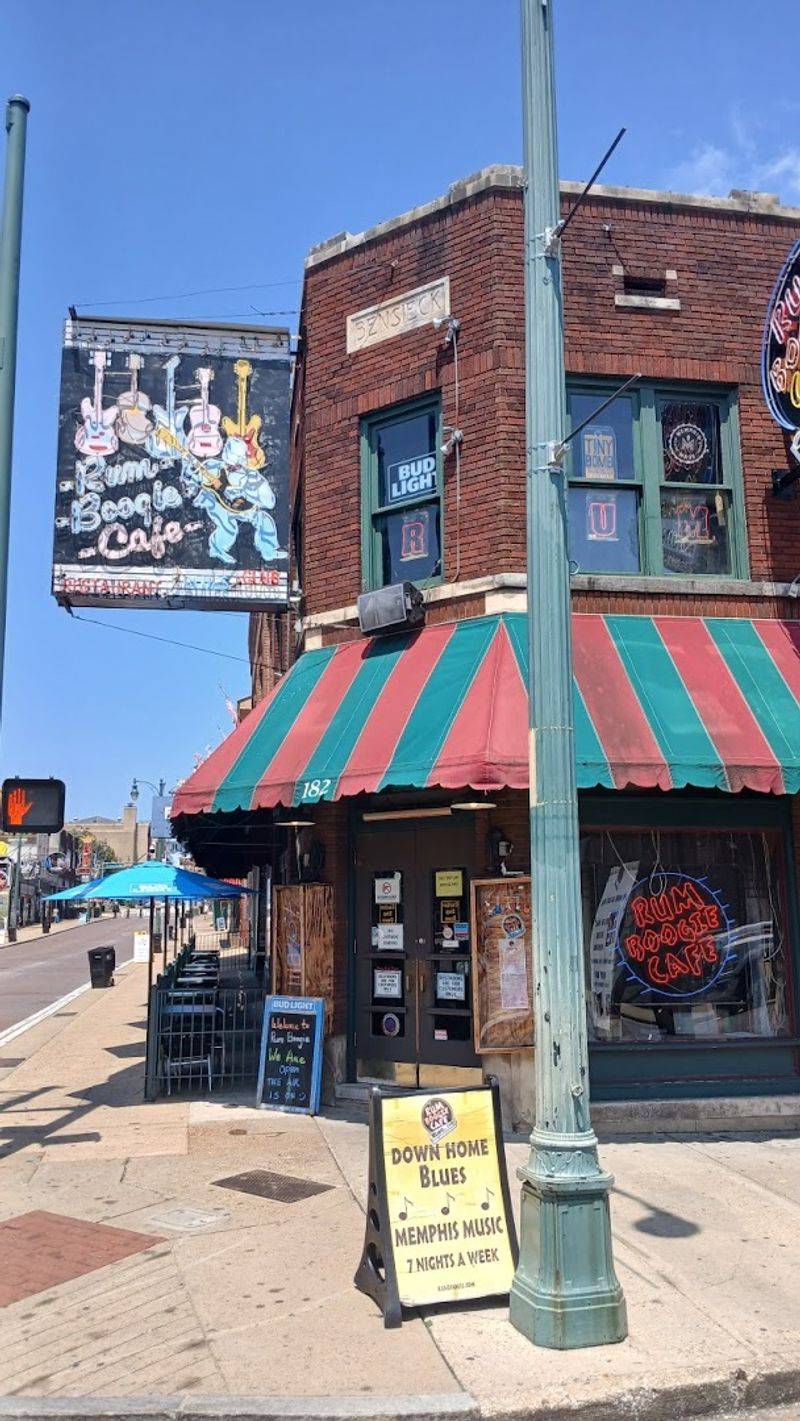
Right at 182 Beale St, Memphis, TN 38103, Rum Boogie Cafe sits at one of the most musically significant intersections in the United States, the corner of Beale Street and BB King Boulevard.
Beale Street itself is the beating heart of Memphis blues culture, and this address has been part of that story for decades. The cafe operates seven days a week, opening at 11 AM every day, with Friday and Saturday nights stretching until midnight and the rest of the week closing at 11 PM.
That schedule alone tells you something about the crowd this place draws. Whether it is a Tuesday afternoon or a packed Saturday night, the doors stay open and the music keeps playing.
The location is walkable from many downtown Memphis hotels, making it a natural first stop for anyone exploring the city’s legendary music district.
Share this story