At a historic copper mine in Michigan’s Upper Peninsula, visitors can rappel 80 feet underground, cross a suspended bridge, and explore passages dating back to the 1800s.
Adventure Mining Company in Greenland offers guided tours through a former copper mine that operated from 1850 to 1920. The easiest tour takes about 90 minutes, while more adventurous options include rappelling, crawling through narrow passages, and exploring deeper sections of the mine.
Underground temperatures stay around 45 degrees, and visitors can see native copper deposits and chambers where miners once worked. Some tours also demonstrate what mining was like with limited lighting.
There’s more than one way to explore this place, and choosing the right tour makes a big difference.
A Real 1800s Copper Mine in Greenland
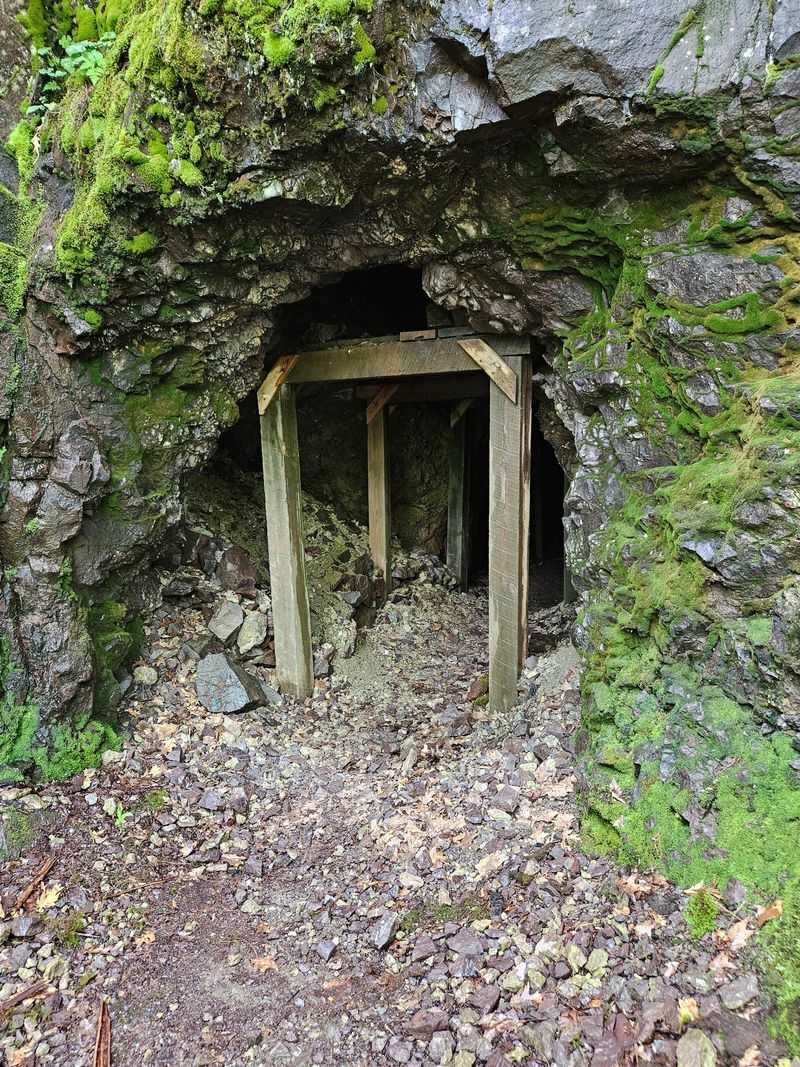
Copper built much of the Upper Peninsula, and this hillside still holds the proof. Adventure Mining Company runs underground tours at 200 Adventure Ave, Greenland, MI 49929, in the United States.
The mine dates back to the copper boom of the 1800s.
Greenland sits in Ontonagon County, near the base of the Keweenaw Peninsula. The area was once full of mines, crews, and busy little towns.
Today, most of those mines are quiet, flooded, or closed for good.
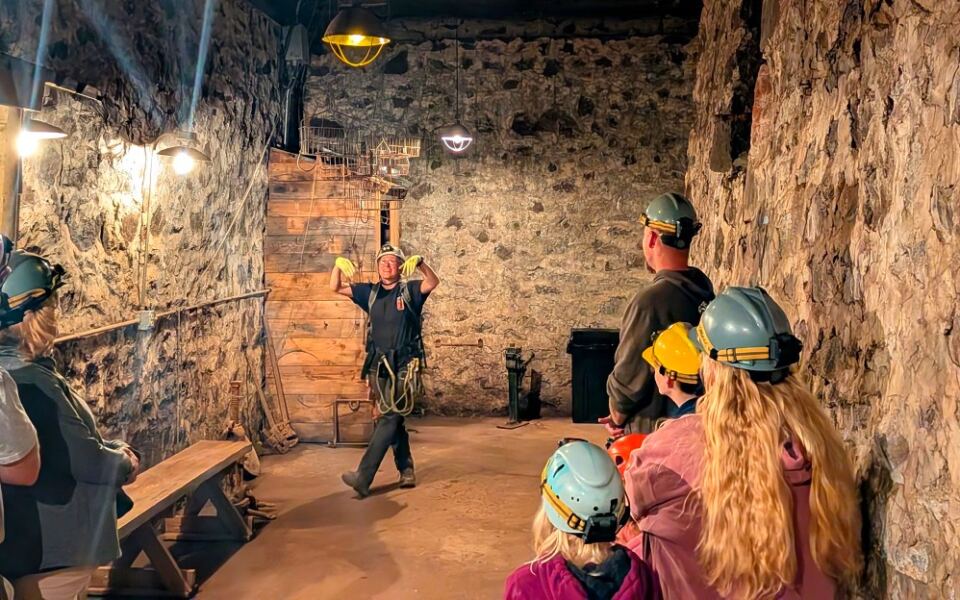
This one is different because you can go inside. Guides lead small groups through tunnels that miners carved by hand and with early drills.
You’ll see the rock up close, along with the spaces left behind after copper was pulled out.
I find it exciting that the tours happen in an actual working-era mine, not a replica built for tourists. The walls are real rock.
The darkness is real darkness.
The tours range from gentle walks to full-on adventures with ropes and harnesses. That range is a big reason families and thrill seekers both end up here.
Choosing the right tour is the first decision, and it shapes your whole day underground.
Picking Your Level: Prospectors, Miners, or Captains
Three main tour names show up again and again: the Prospectors Tour, the Miners Tour, and the Captains Tour. Each one goes a step further in challenge and time underground.
The Prospectors Tour is the easiest starting point. It runs around an hour and a half and works well for younger kids.
Families with children as young as four have taken it, so it’s a friendly first taste of mine life.
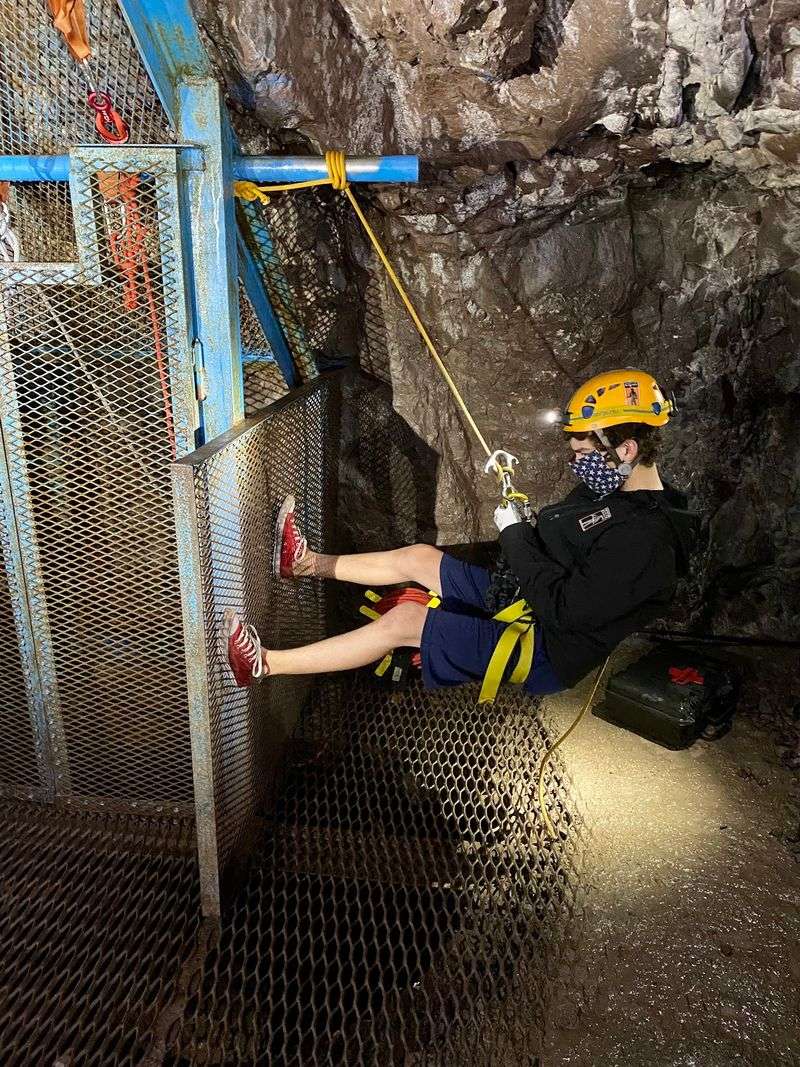
The Miners Tour adds more action. Along with history, it includes rappelling down a shaft and crossing a bridge while clipped in.
Several groups say it’s a sweet spot for preteens, teens, and adults who want some adrenaline.
The Captains Tour sits at the top. It’s longer, more physical, and meant for people ready for a serious underground day.
My advice is simple. Pick the tour that matches the least adventurous person in your group, not the boldest.
You can always come back and level up later, which plenty of people plan to do. Whatever you choose, the trip underground begins with a ride that kids tend to remember most.
Meet Heidi, the Pinzgauer
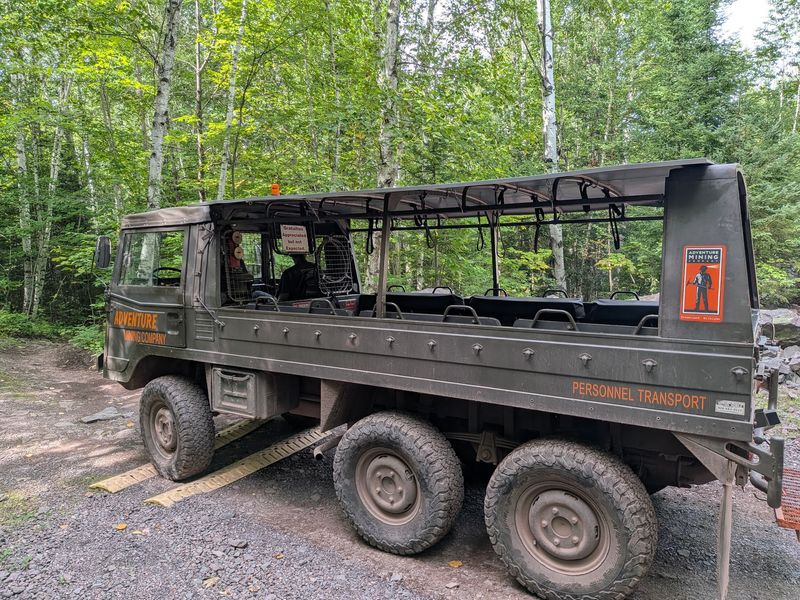
Heidi is not a guide. She’s a Pinzgauer, a tough military-style vehicle built for rough ground, and she carries tour groups across the property.
Pinzgauers were designed in Austria for off-road work. They can handle bumpy trails, steep spots, and mud without much fuss.
That makes them a smart fit for a backwoods mine site in Michigan.
Kids seem to adore this part. One family said their little ones laughed for days about the ride.
Honestly, I get it, because bouncing along in a vehicle with a name feels like a game before the tour even starts.
The ride also has a practical purpose. Mine openings sit in rugged terrain, and walking there would eat up time and energy.
Saving your legs for the tunnels is a good thing.
Hold on, keep phones secure, and enjoy the view of the woods on the way. The Upper Peninsula forest is part of the experience too.
Once Heidi drops you off, though, the sunlight fades fast and the temperature starts to fall.
Cool Air Even in the Middle of July
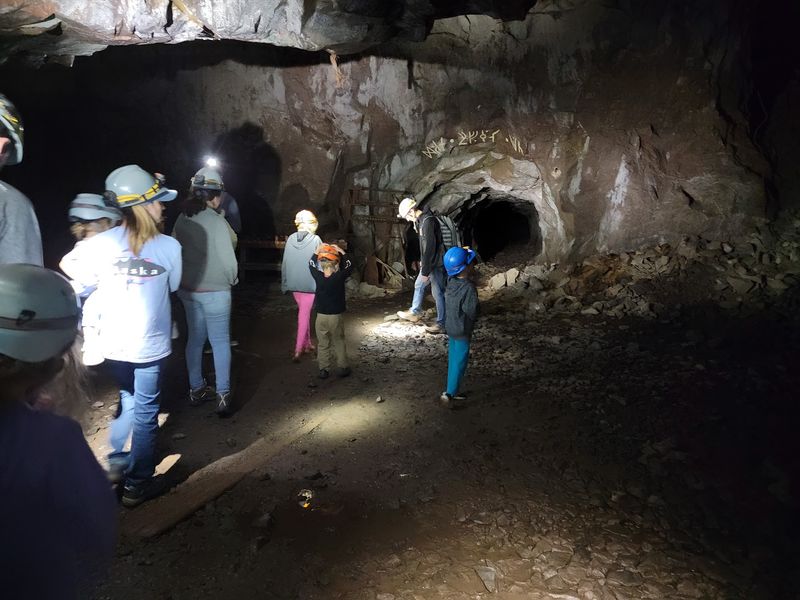
Summer heat stays outside. Once you step into the mine, the air turns cold and stays that way, no matter how steamy the day is above ground.
Mines usually hold a steady chill all year. That’s great news on a hot afternoon, but it catches people off guard.
Several visitors stress one thing above all: wear warm clothes.
A light jacket or fleece is a smart pick, even when it’s sunny. Layers work best because the walk can warm you up, then a long pause by a stope can cool you down again.
Here’s a fun bonus one parent pointed out. There are no flies in the mine.
After a buggy UP summer day, that alone feels like a treat.
Rainy days are good tour days too. One group called it a great way to spend a wet afternoon, since the weather underground doesn’t change.
If your vacation plans get washed out, this is an easy swap.
Staying warm is only half the gear story, though. What you put on your feet may matter even more than your jacket.
Your Shoes Will Thank You
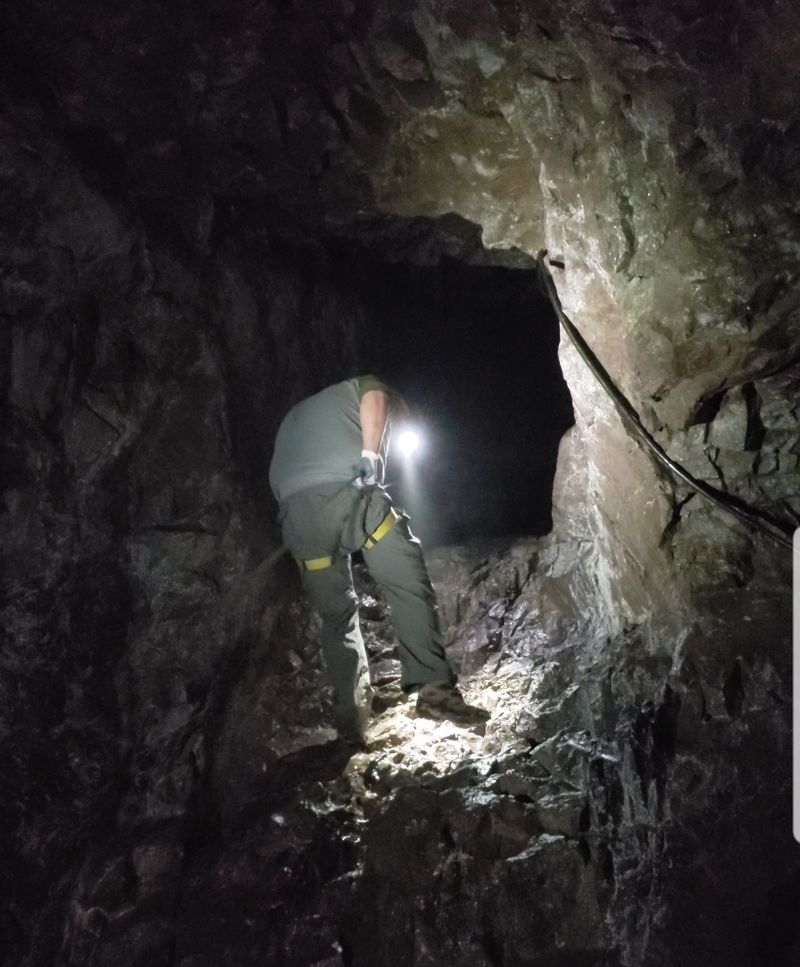
Sandals are a bad idea down here. One visitor felt so strongly about it that their review started with a warning in capital letters.
The mine floor is uneven, rocky, and often wet. You’ll step over loose stones and through damp patches.
Shoes that are both sturdy and water resistant make the whole tour more comfortable.
Hiking boots are the clear favorite. Treat the mine like an old trail, as one guest put it, and dress the way you would for a muddy hike.
Thick socks help with warmth too.
A rock hound who toured the mine suggested something I hadn’t considered. Bringing a walking stick, or even two, can help with balance on the rough ground.
That’s a thoughtful tip for anyone with shaky knees.
Parents should plan ahead for kids as well. Little feet in canvas sneakers get wet and cold fast, and nobody enjoys a grumpy explorer.
Getting the footwear right lets you pay attention to the good stuff. And one of the best moments happens in near silence, with only a tiny flame for company.
One Candle and Total Darkness
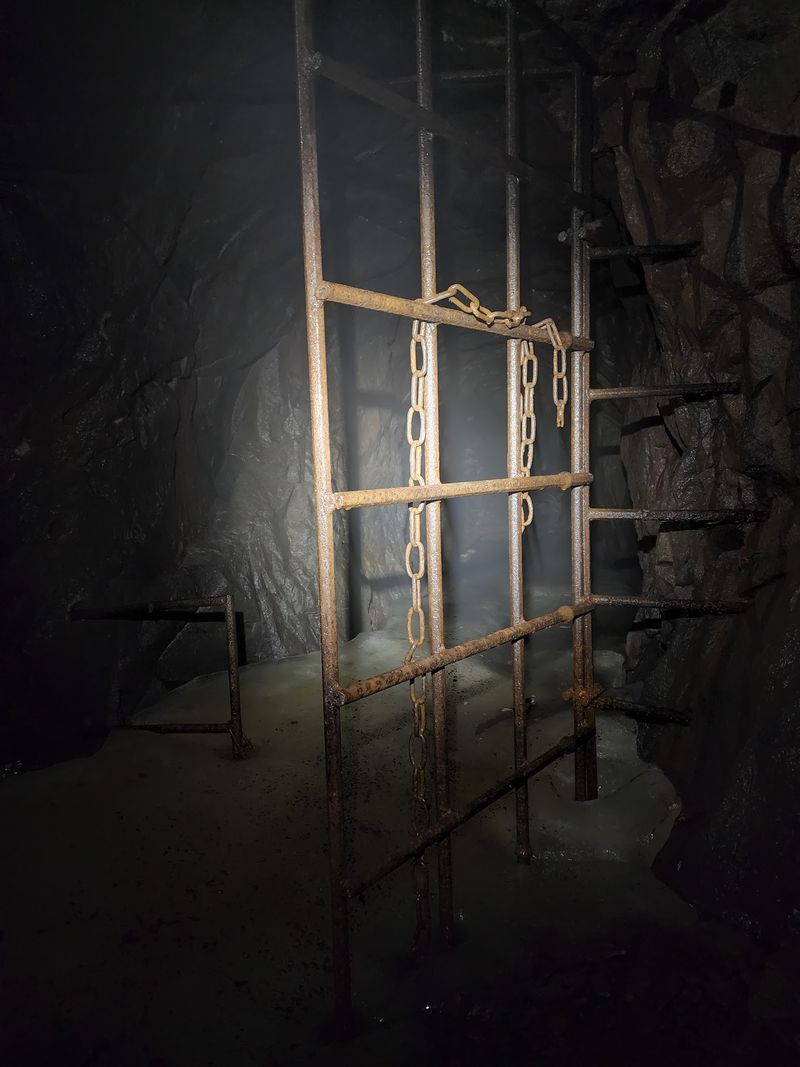
Miners in the 1800s didn’t have bright headlamps. They worked by candlelight, deep inside the rock, for long shifts.
On the Prospectors Tour, guides recreate that moment. With just a candle burning, the copper vein in the wall catches the light and glows.
It’s a small flame, but it shows you exactly what miners were following.
Then the candle goes out. For a brief moment, the darkness is total, the kind you almost never experience in daily life.
You can’t see your hand, your neighbor, or the tunnel ahead.
I think this is the smartest part of the tour. A guide could talk about hard working conditions for an hour.
One minute of real darkness explains it better.
It also makes you respect the people who did this job. They swung tools, set charges, and moved rock with almost no light.
They did it day after day.
Kids usually love this moment, and younger ones may want a hand to hold. When the lights return, you’ll notice the rock around you in a whole new way.
Stopes, Copper, and a Little Silver
Stope is a word you’ll probably learn on this tour. It means the open space left after miners removed ore from the rock.
These chambers show how much material was cut out by hand and machine. Standing inside one gives you a sense of the work that went into every pound of copper.
The scale is easier to understand in person than in any book.
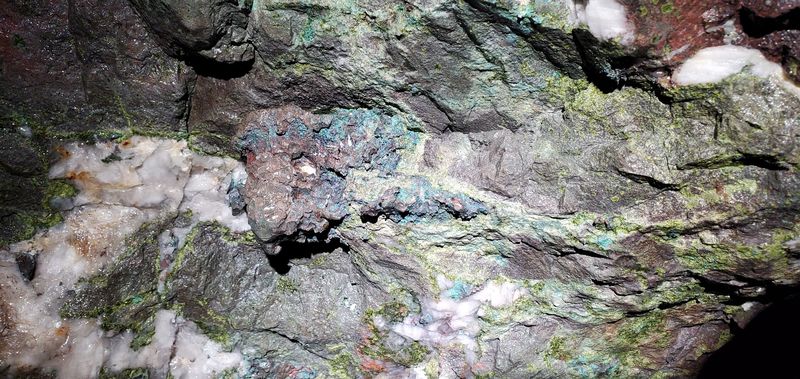
Guides point out native copper in the rock along the way. Michigan’s Keweenaw region is known for copper that formed in pure metal form, which is rare.
That’s why so many mines popped up here.
Silver shows up too, as a by-product of copper mining. Seeing both metals in the wall makes a geology lesson feel like a treasure hunt.
One visitor did wish there were more artifacts on display. That’s fair to know going in.
The focus here is the mine itself, the rock, and the stories, rather than a museum full of old tools.
If you like rocks, bring curiosity and questions. And if you like heights, the next stop gets a lot more exciting.
Rappelling 80 Feet Down a Mine Shaft
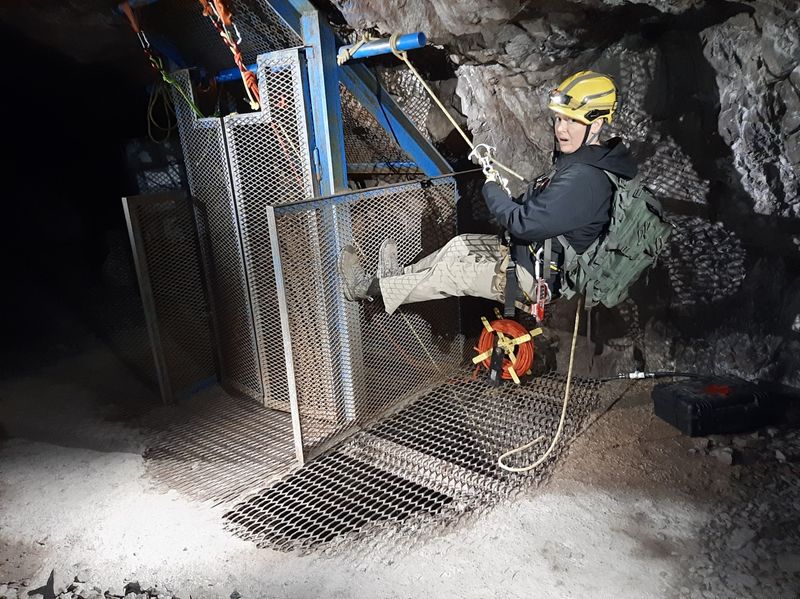
Eighty feet. That’s how far one visitor rappelled down a mineshaft during a three-hour mine and rappelling tour.
Rappelling is the biggest draw for many guests, and it shows up in tons of conversations about this place. You wear a harness, clip into ropes, and lower yourself down rock that miners once worked.
Never done it before? That’s common.
Guides give training and coaching first, and first-timers say they felt ready. Some even left feeling braver than when they arrived.
Safety comes up often. Guides check gear, explain each step, and stay close during the descent.
Extra staff sometimes join to help groups rappel smoothly.
Teens and preteens seem especially hooked on this part. Climbing down a real shaft beats a climbing gym, and it gives them a story nobody else at school has.
Guides also snap photos during the tour, which one guest really appreciated. Your hands will be busy holding rope, after all.
Just remember to empty your pockets first. That tip matters even more for the swaying challenge that comes next.
Rope Bridges and Tethered Plank Walks
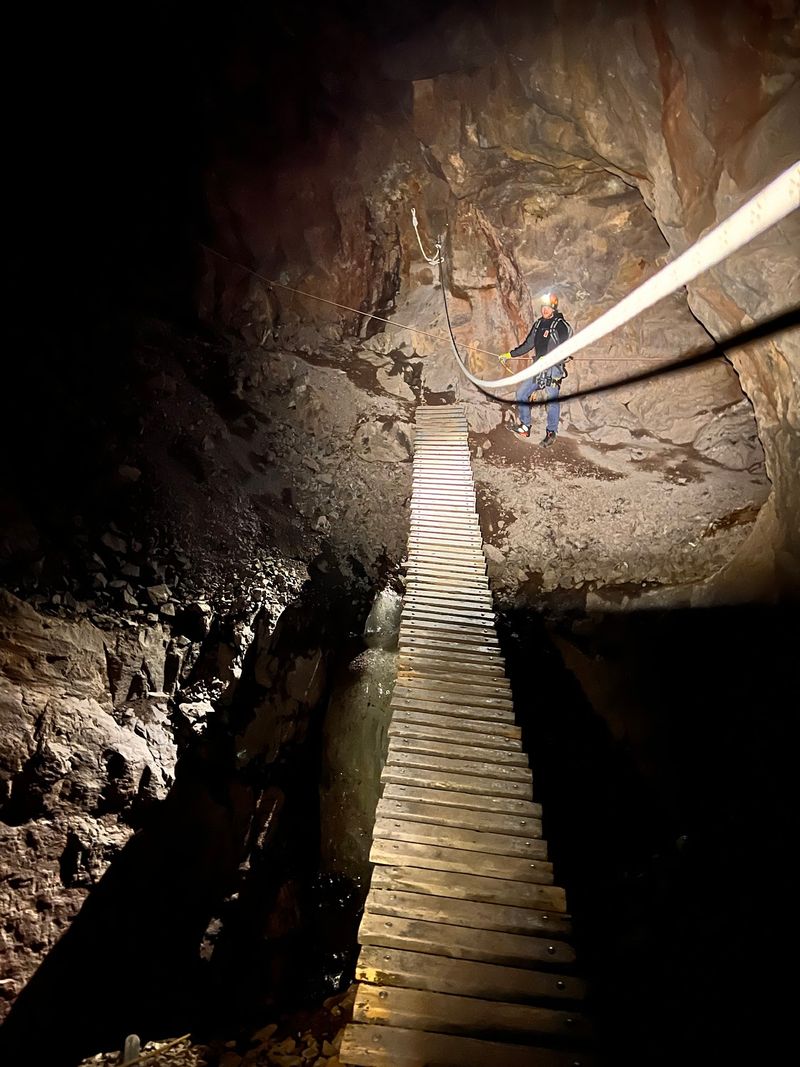
Loose items and open air don’t mix. One guide even demonstrated why you shouldn’t keep stuff in your pockets while rappelling or crossing the bridge.
The more adventurous tours include a rope bridge inside the mine. You stay tethered for safety as you cross, with the dark space of the old mine around you.
Some guests also describe walking a plank while clipped in. It sounds scary, and it’s meant to be a little thrilling.
Still, the tether keeps you secure the whole time.
I like that these challenges fit the setting. Miners had to move across tricky spaces too, often without any of today’s safety gear.
The bridge gives modern visitors a taste of that, minus most of the risk.
Phones, keys, and wallets are best left zipped away or with someone above ground if possible. A dropped phone in a mine is gone for good.
Nervous about heights? Talk to staff before booking.
One caller said the staff took time on the phone to walk through every question, and the experience matched what they described. That kind of care comes from the people running the tours.
Guides With Answers, Patience, and Jokes
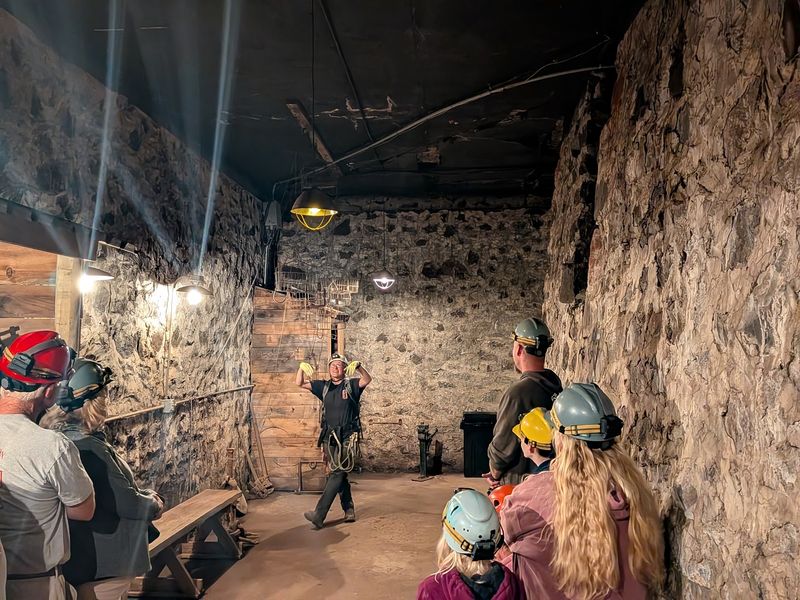
Kids ask big questions underground. What did miners eat for lunch?
Did children work down here? Could I work down here?
The guides at Adventure Mining Company seem ready for all of it. Knowledgeable guides come up more than anything else in visitor feedback, along with a lot of mentions of funny ones.
That mix matters on a long tour. History can get heavy, but a guide with good humor keeps everyone listening, from four-year-olds to grandparents.
Safety stays front and center too. Parents mention guides helping nervous kids feel comfortable with their gear, which makes harder tours possible for younger explorers.
Students sometimes shadow the main guides, and they can answer questions as well. It’s a neat way the mine passes knowledge along.
Captains Tour guests have also mentioned a pasty lunch, a fitting nod to the meal miners in this region often carried. After the tour, the gift shop stocks copper items, including solid copper bars.
A small piece of copper makes a better souvenir than a keychain.
The tours start in the morning most days, and Sunday tours begin later, so check before you drive into the woods.
Share this story