Around 200 rescued animals have found a permanent home at a Michigan farm where they never have to produce anything for profit. Cows, pigs, goats, sheep, horses, and donkeys live out their lives at SASHA Farm Animal Sanctuary in Manchester.
The nonprofit has spent more than 30 years caring for animals rescued from neglect, abuse, and abandonment. Staff and volunteers provide food, veterinary care, shelter, and the chance for animals to live alongside others of their own kind.
Visitors can meet the animals during special events and arranged tours, but the sanctuary isn’t open for everyday drop-ins. There’s a reason for that, and it starts with putting the animals’ needs first.
A Farm Where Nobody Has a Job
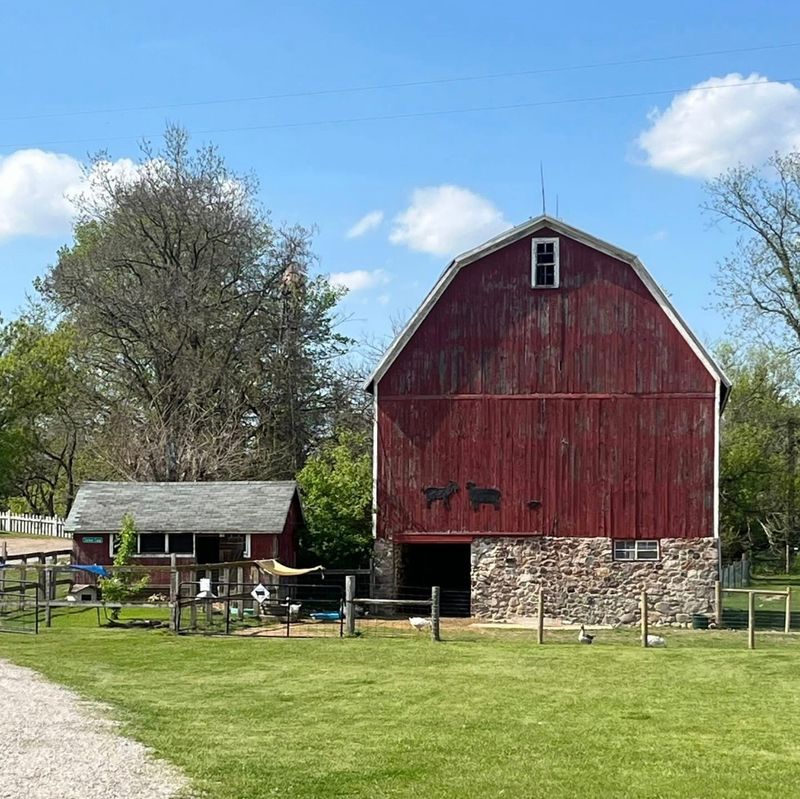
SASHA Farm Animal Sanctuary sits at 17901 Mahrle Rd in Manchester, Michigan, a small village in Washtenaw County southwest of Ann Arbor. On paper, it looks like a regular farm.
In practice, the animals here never have to earn their keep.
The sanctuary is a nonprofit that takes in farm animals who need a safe place to land. Some come from neglect cases.
Others were rescued from abusive homes or other hard situations.
Once they arrive, they stay. Nobody gets milked for profit, sheared for sale, or shipped off.
They eat, rest, roam, and spend time with others of their own kind.
I find that idea simple and kind of powerful. Most of us grew up thinking farm animals exist to produce something.
At SASHA, the animals are the reason the farm exists at all.
The place is run by people who follow a vegan lifestyle, and that belief shapes every choice they make. It explains why the farm feels calm and why the animals are treated more like residents than livestock.
That word, residents, comes up a lot here, and it fits the whole idea of the farm.
Cows, Pigs, Donkeys, and a Whole Barnyard Crew
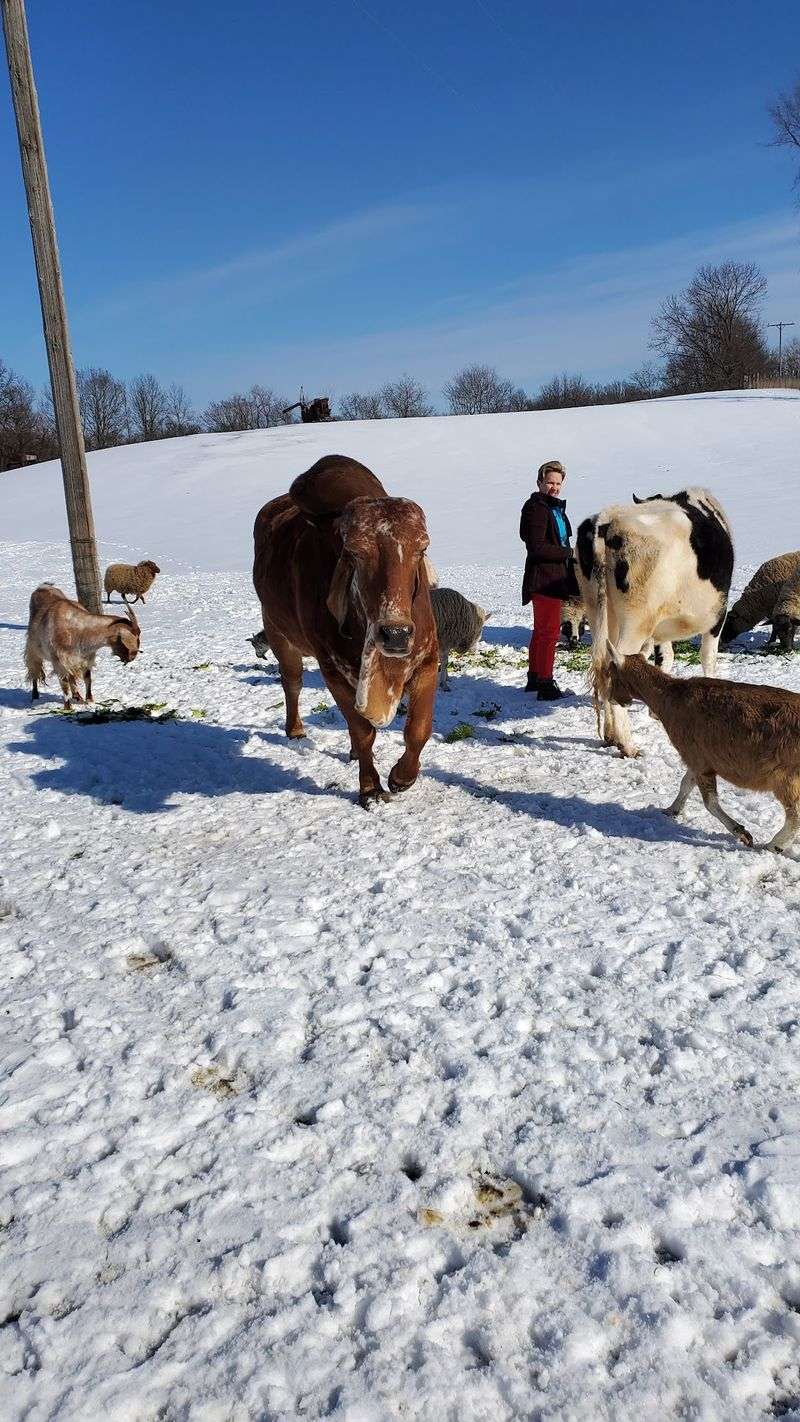
Count the species living at SASHA and you’ll run out of fingers fast. Cows, pigs, goats, sheep, horses, and donkeys all share the property in Manchester.
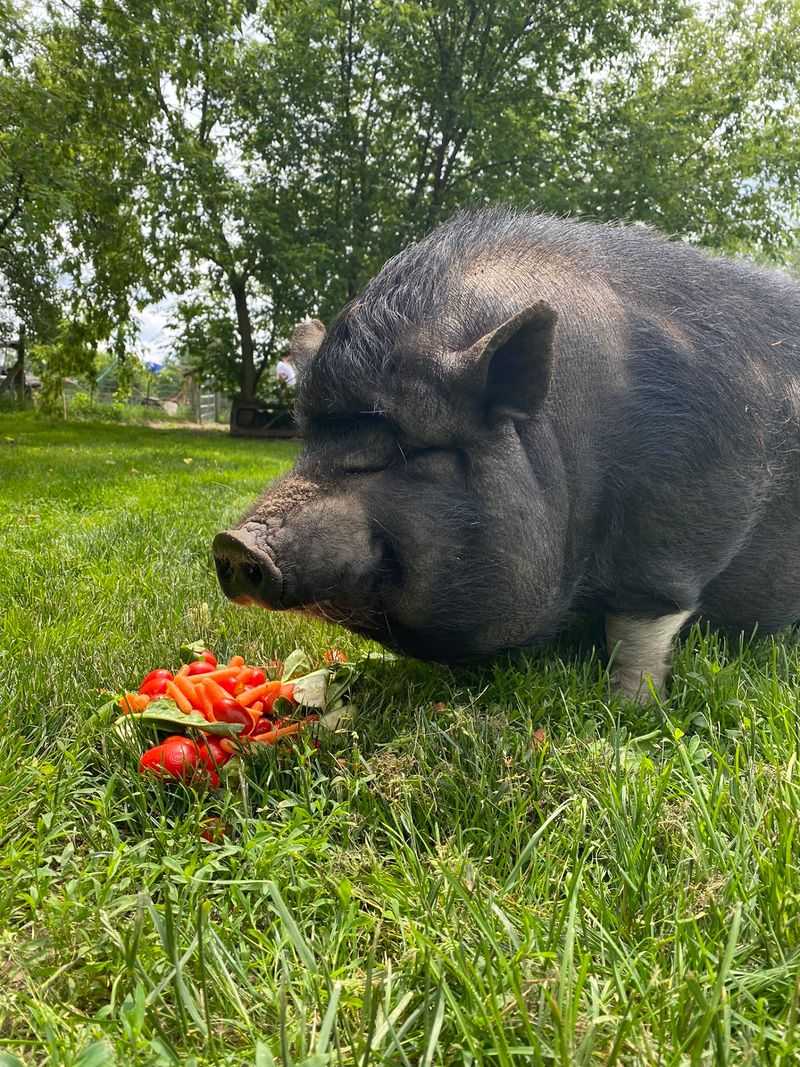
Each group has its own needs. Pigs love a good mud patch and plenty of room to root around.
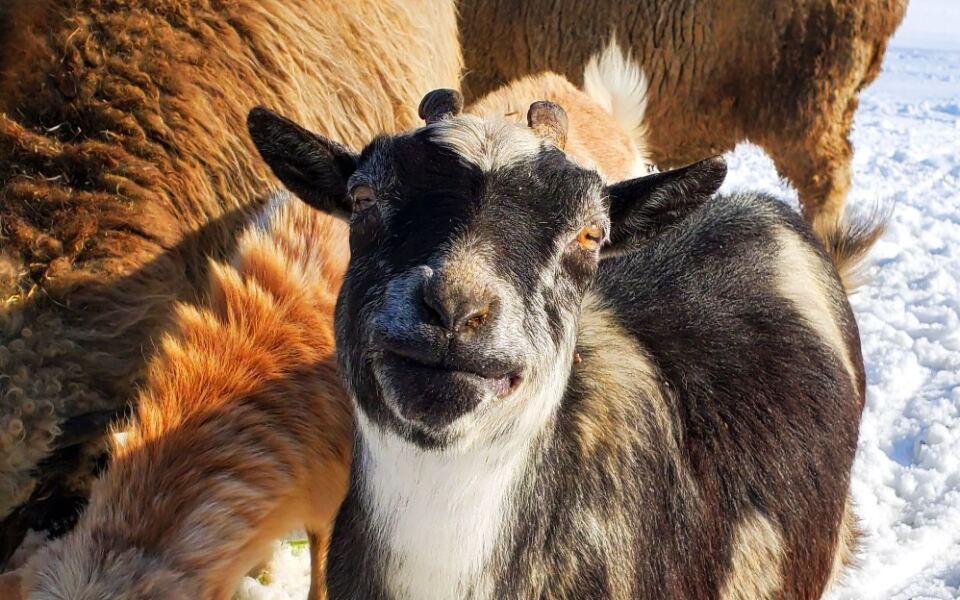
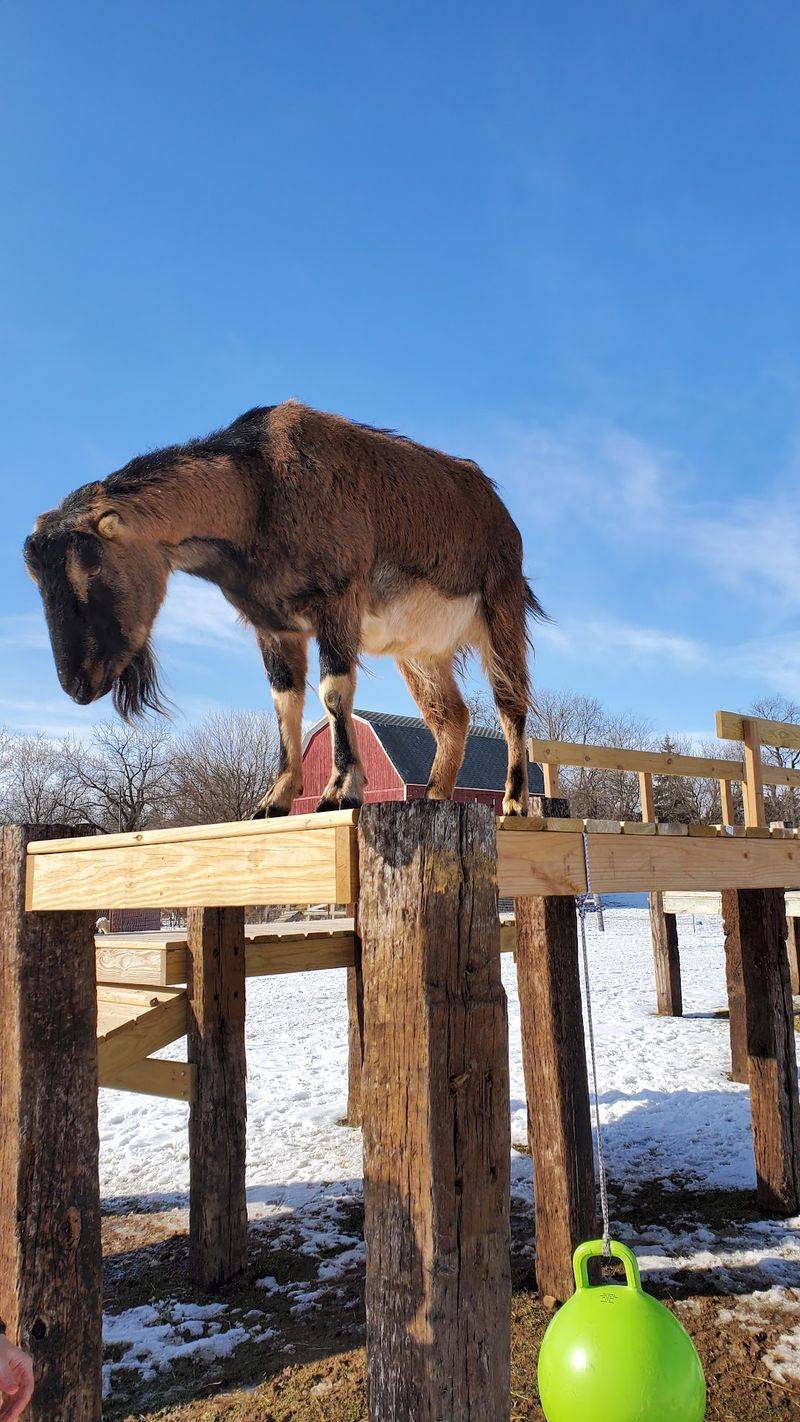
Goats like to climb and explore, so the farm has worked on outdoor goat structures to give them more space to play and sit in the sun.
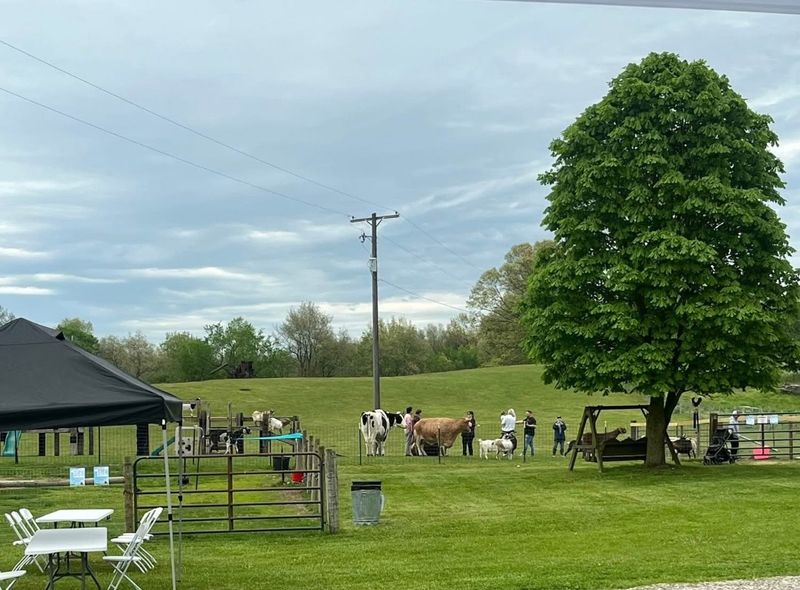
Cows are often a big hit with visitors. During some open events, guests have had the chance to help feed them, which feels pretty special when you’re standing next to an animal that weighs more than a small car.
Horses and donkeys round out the group with their own quiet personalities. Sheep tend to stick close together, so spotting the whole flock is usually easy.
What I like here is that the animals get to socialize with others like them. A goat gets to be a goat with other goats.
A pig gets pig friends.
Among all these residents, one donkey has picked up a devoted fan, and his story is worth hearing next.
Norman the Donkey Has a Wednesday Date
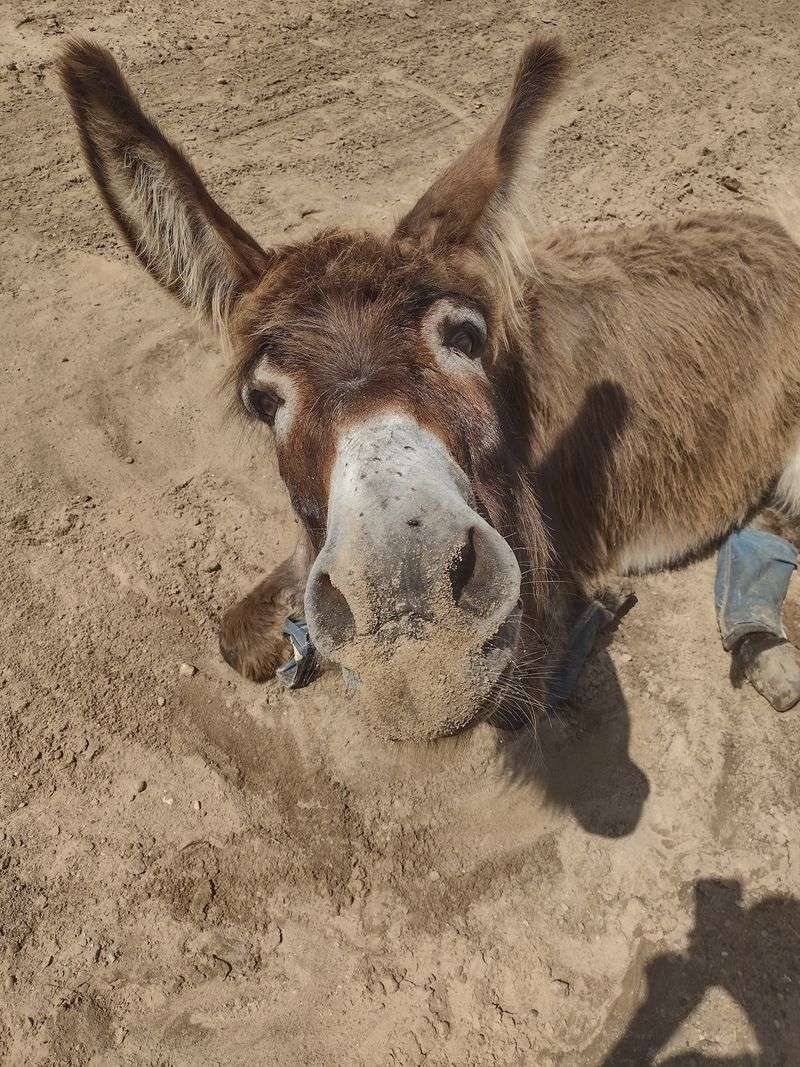
Every sanctuary seems to have that one animal people can’t stop talking about. At SASHA, a donkey named Norman has at least one very loyal friend.
One longtime volunteer has written about helping out on Wednesdays and spending that time with Norman. The routine includes plenty of attention, ear scratches, and a good brushing.
According to the volunteer, Norman even seems to know when Wednesday rolls around.
Small moments like this show how sanctuary life works. Donkeys are social animals, and regular, gentle contact with people they trust helps them relax.
Brushing is more than a treat, too. It helps keep a donkey’s coat clean and lets caretakers check for any bumps, scrapes, or skin problems early.
I like that Norman’s story is so ordinary. There’s no dramatic stunt, just a donkey and a person who looks forward to seeing each other once a week.
If you ever meet Norman, go slow and let him come to you. Donkeys tend to warm up on their own schedule, and that patience pays off.
Of course, Norman’s care depends on far more than one volunteer, which brings us to the people behind the farm.
Fresh Hay, Clean Water, and Weekly Produce
Caring for a barn full of animals is hard, sweaty work. One former volunteer described spending two hours scooping out old hay and laying down fresh, clean bedding for baby goats about to arrive at SASHA.
That kind of effort happens all the time. The animals get fresh water every day, and they also receive produce each week, which adds variety to their meals.
Cleanliness stands out at this sanctuary. Families who have toured the farm have pointed out how tidy the barns are, and that comes from steady, careful attention.
Staff and volunteers share the load. Some help with chores, while others assist during events or with day-to-day animal care.
If you’ve ever cleaned a hamster cage, you know how quickly things get messy. Now multiply that by cows, pigs, and horses.
It’s a lot.
Volunteering here can be a great fit for people who don’t mind dirty boots and like being useful. Reach out to the sanctuary first, since they’ll guide you on what help they need.
All that hard work costs money, though, and how SASHA pays for it might surprise you.
Running Entirely on Kindness and Donations
Hay, feed, vet bills, fencing, and barn repairs add up quickly. SASHA covers all of it as a nonprofit that depends on donations.
No ticket booth funds the operation like a theme park. Instead, the sanctuary relies on people who believe in what it does, whether they give once, give monthly, or help through events.
Some supporters have become monthly donors after visiting. Others pitch in with building projects, like expanding outdoor spaces for the goats.
Supporters have also spoken openly about the farm needing more funding in recent years. Caring for large animals for the rest of their lives is a long-term promise, and that promise doesn’t come cheap.
I find this part of the story both honest and hopeful. The farm exists because regular people decided these animals mattered.
If you want to help but can’t visit, donating from home still makes a difference. Even sharing the sanctuary’s posts can help spread the word to others who may want to support it.
Public events play a big role in fundraising too, and they’re the main way most folks actually get to see the animals in person.
Plan Ahead for Open Barn Days
Here’s the key detail many first-timers miss. SASHA isn’t open for casual drop-in visits every day.
The sanctuary welcomes the public during special events, open houses, and scheduled tours held throughout the year. Open barn days have been a popular way for families to meet the residents and learn about them up close.
Because events change from year to year, check the sanctuary’s official website or social media before planning a trip. That’s the safest way to know what’s coming up.
Why limit visits? The farm is home first.
Keeping events planned helps protect the animals’ comfort and routines while still letting people come in and learn.
Some fans also visit a few times a year, since each event can feel a little different depending on the season.
I’d suggest wearing sturdy shoes and clothes you don’t mind getting a bit dusty. Farms are farms, after all, and mud has a way of finding sneakers.
Once you’re on the grounds, many events include guided tours, and those are where the animals’ stories really come alive.
Tours That Tell Every Animal’s Story
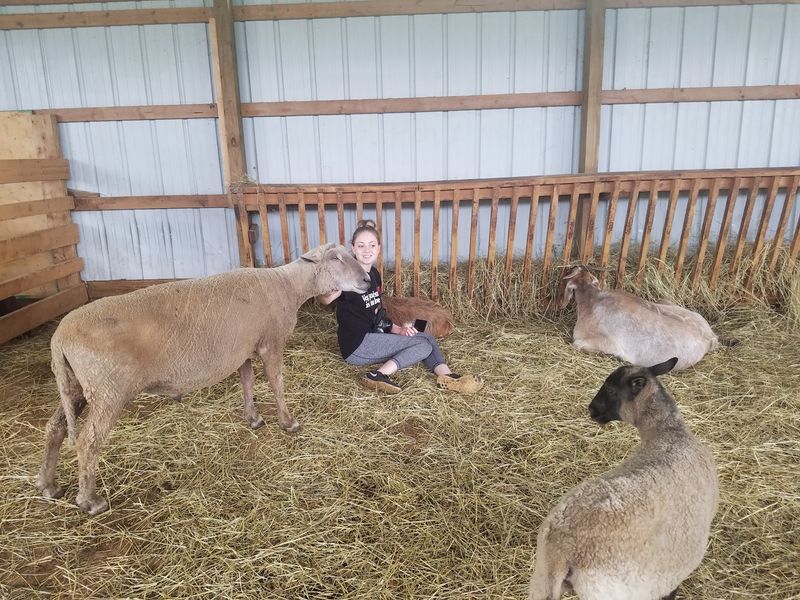
Hearing where an animal came from changes how you see it. On SASHA’s guided tours, staff share the backstories of the residents and explain how they ended up at the sanctuary.
Some of those stories are tough. Animals have arrived from neglect cases, abusive situations, and even floods.
Seeing how far they’ve come since then is the hopeful part.
Tour guides talk about how the animals are cared for and why the sanctuary does things the way it does. The focus stays on respect, comfort, and calm.
The tours are educational without feeling like a classroom. You’re standing outside, near the animals, learning by looking and listening.
Families with kids often find the tours especially meaningful. Children get a chance to see farm animals as individuals with names and personalities.
I can understand why so many visitors leave smiling. It’s hard not to feel good after seeing a once-struggling animal now relaxing in a clean barn.
Bring your questions. Guides have been known to stick around after tours and chat, which leads to another side of SASHA that surprises some people.
Friendly Advice for Curious Plant-Based Eaters
Not every farm visit ends with a chat about cookbooks. At SASHA, it sometimes does.
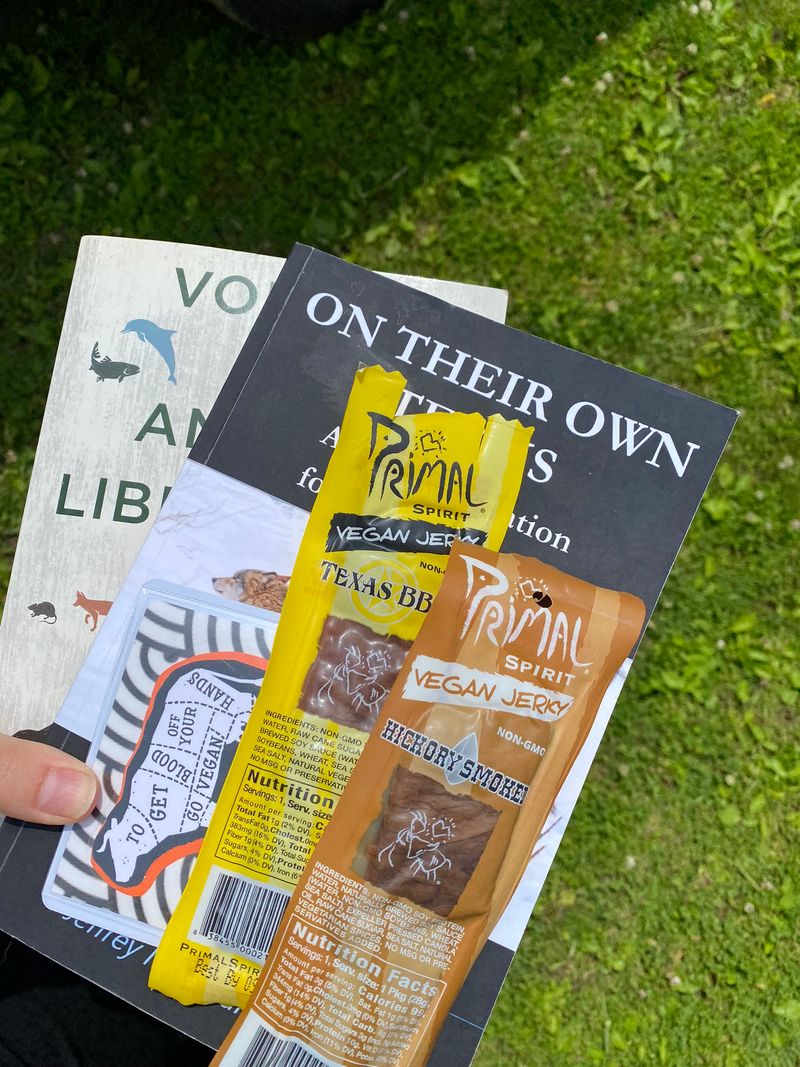
Because the sanctuary is run by vegans, staff are happy to talk with visitors who are curious about plant-based eating. One family shared that after their tour, a guide offered advice, book suggestions, resources, and even some snacks to try.
There’s no pressure involved. People can simply enjoy the animals and head home.
But for anyone thinking about changing how they eat, the sanctuary can be a welcoming place to ask questions.
This connection makes sense. The whole farm is built around the belief that animals deserve kind treatment, and food choices are part of that conversation.
I like that the staff seem to meet people where they are. Asking a simple question about recipes can feel less scary when you’re standing near a happy goat.
Kids may have questions too, and the farm is a good spot to talk them through in a gentle way.
Of course, the animals stay at the heart of everything, and caring for them sometimes means speaking up beyond the farm’s fences.
Gentle Rules That Put Animals First
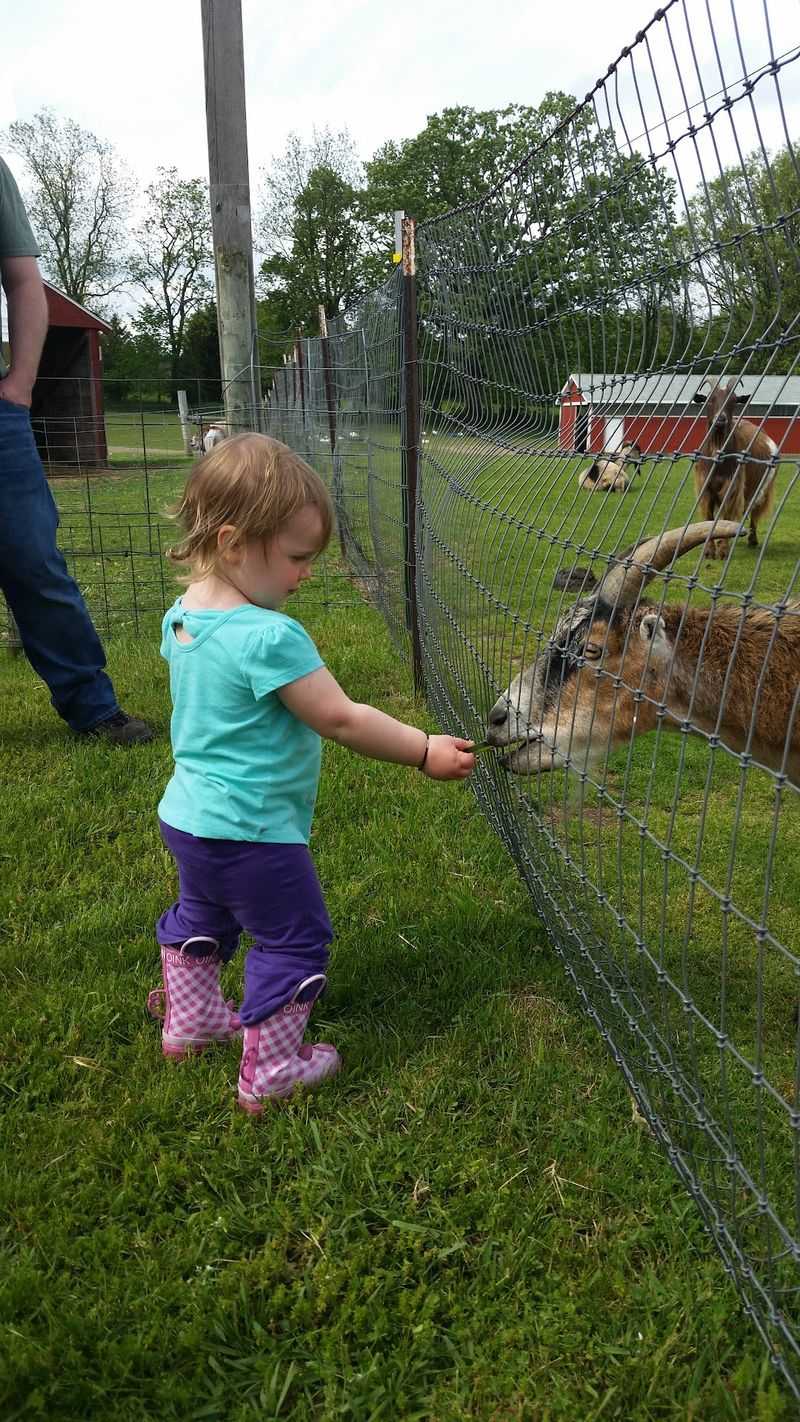
A sanctuary isn’t a petting zoo, and SASHA supporters are quick to point that out. Public events are planned with the animals’ comfort and well-being in mind.
That means visitors interact carefully and calmly. Guests at past open houses have described peacefully spending time with residents, including helping feed the cows.
Animals here aren’t on display. If a pig wants to nap or a sheep wants space, that’s their choice to make.
For families, this is a great teaching moment. Kids learn to move slowly, speak softly, and watch how an animal reacts before reaching out.
A few easy habits help. Follow staff directions, stay on marked paths, and never feed animals anything unless the team says it’s okay.
I think these simple rules make visits better, not stricter. Calm animals are more likely to come say hello, and that’s the moment everyone hopes for.
The sanctuary also stands up for animal welfare outside its own property. Staff and volunteers have joined protests against events they believe mistreat animals, showing that their care doesn’t stop at the gate.
That same spirit carries into how the farm keeps in touch with fans online.
Daily Videos Keep Fans Close to the Barn
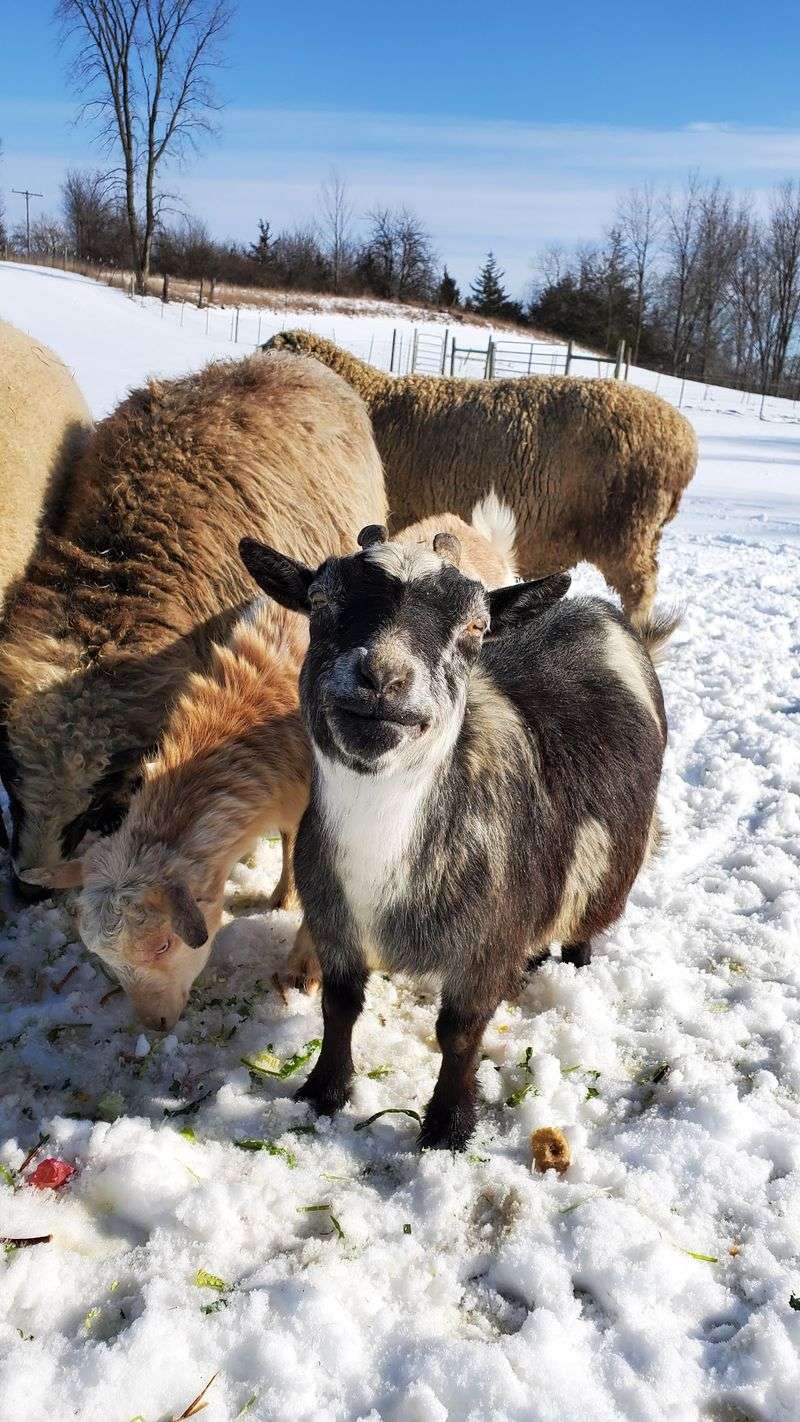
Can’t make it to Manchester often? You can still keep up with the residents from your couch.
SASHA’s staff regularly post videos and updates on social media, giving fans a peek into daily life at the farm. Supporters have mentioned enjoying these clips as a way to stay connected between visits.
Following along is also the easiest way to catch news about upcoming tours, open houses, and fundraisers. Event details can change, so official accounts are the best place to check.
Online updates help in another way too. When people see the animals thriving, they often feel inspired to donate, volunteer, or spread the word.
I’d follow along before planning a visit. Learning a few animal names ahead of time makes meeting them in person feel like seeing old friends.
Kids especially might enjoy picking a favorite resident to watch. Maybe it’s a goat, a cow, or a certain donkey with a Wednesday routine.
Watching from afar can’t replace the feeling of standing beside a rescued animal, though. When an event finally lines up with your calendar, that short drive to Mahrle Road could become a yearly tradition.
Share this story