Near Flint, Michigan, one unusual county park trades peaceful walking trails for muddy off-road adventures. Spread across 370 acres, this rugged destination welcomes Jeeps, trucks, ATVs, and dirt bikes to tackle deep mud holes, wooded trails, sandy terrain, and challenging rock obstacles.
With approximately 230 acres dedicated to off-road riding and 9.5 miles of trails, the park offers challenges for different experience levels. Seasonal riding restrictions and varying trail conditions make planning ahead important before heading out for an adrenaline-filled adventure.
A County Park Built for Engines
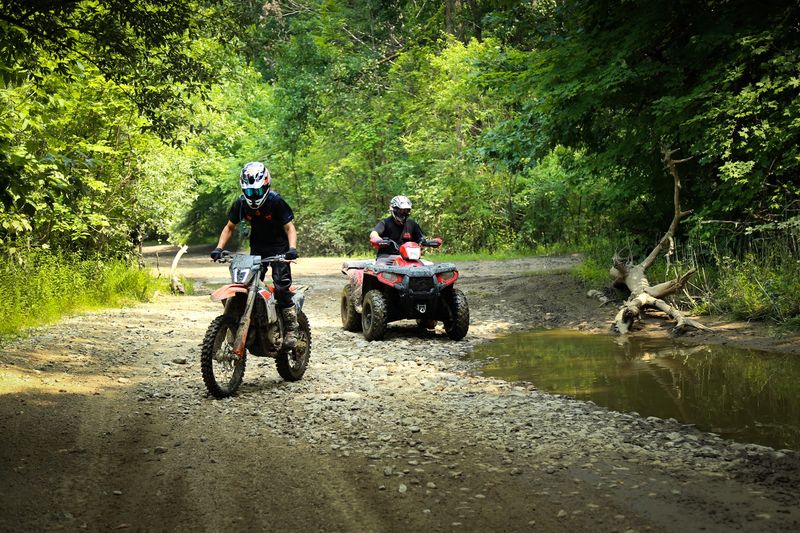
Most parks post signs asking you to stay on the path and keep things quiet. The Mounds ORV Park flips that script by giving off-road enthusiasts a designated place to put their machines to work.
It sits at 6145 E Mt Morris Rd in Mount Morris, Michigan, just outside Flint in Genesee County.
Genesee County Parks manages the property, giving riders access to a public recreation area with established rules, maintained riding routes, and designated obstacles.
The park welcomes several types of off-road vehicles, including trucks, Jeeps, dirt bikes, ATVs, and side-by-sides. That variety makes it a popular destination for riders with different machines and experience levels.
I like the idea of a county agency setting aside real acreage for a hobby that needs more space than an ordinary trail can provide.
The entire park covers approximately 370 acres, with about 230 acres designated for riding. Those riding areas include roughly 9.5 miles of trails, along with places to tackle mud, sand, and rock obstacles.
That distinction matters because not every acre is open to vehicles. Riders must respect posted boundaries and stay out of protected wetland areas.
Within the designated riding zones, though, there is plenty of variety to explore.
And once you see how the ground changes across the property, the appeal becomes easy to understand.
Mud That Swallows the Unprepared
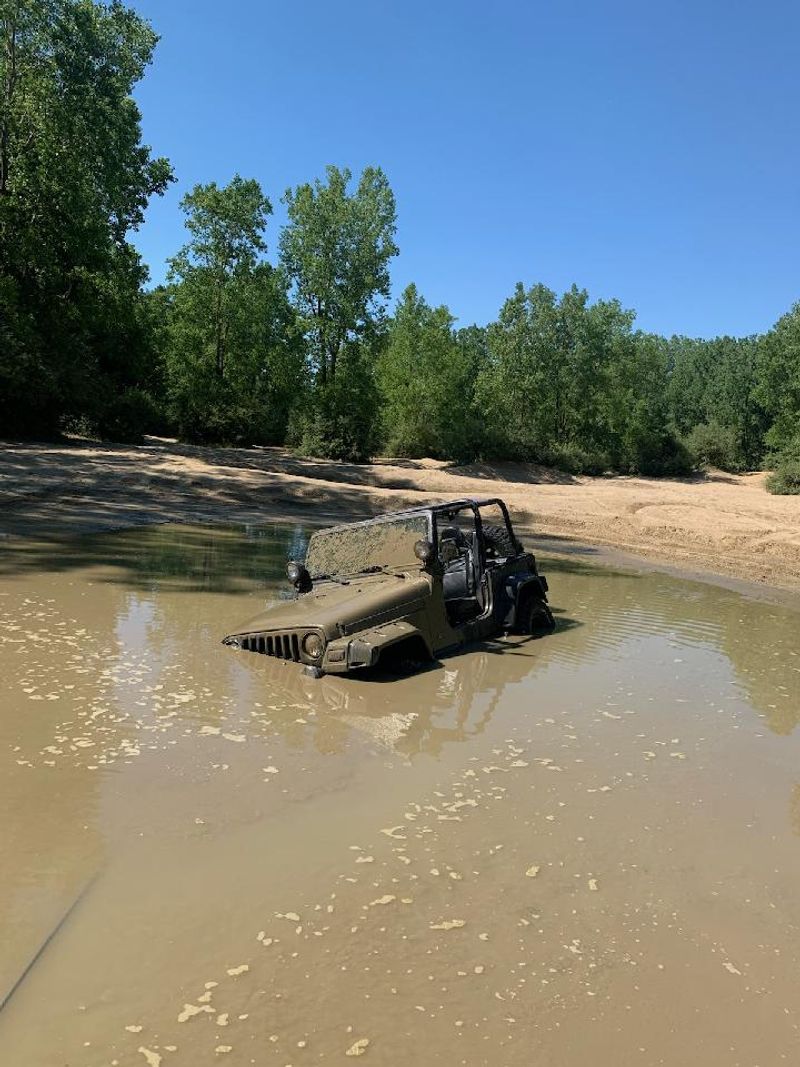
Low, wet ground turned out to be the perfect starting point for an off-road park. Much of the land here holds water, and that water becomes mud.
For many riders, those mud holes are the main reason to come.
Some of the holes are deeper than they look from the driver’s seat. Getting stuck happens often enough that it has become part of the park’s personality.
Many deep spots have bypass routes, so you can skip them if you are unsure.
My advice is simple. Measure the water before you commit, or watch someone else try it first.
A stock vehicle can handle a lot of the park, but careful choices matter in the soupy sections.
Riding with a friend makes a big difference here. A second vehicle with a winch or tow strap can turn a stuck truck into a funny story instead of a long wait.
Experienced riders often say the same thing about off-roading in general: never go alone.
Of course, mud is only one surface at The Mounds. The ground dries out and changes character as you move toward the open sandy areas.
Sand, Moguls, and the Scramble Area
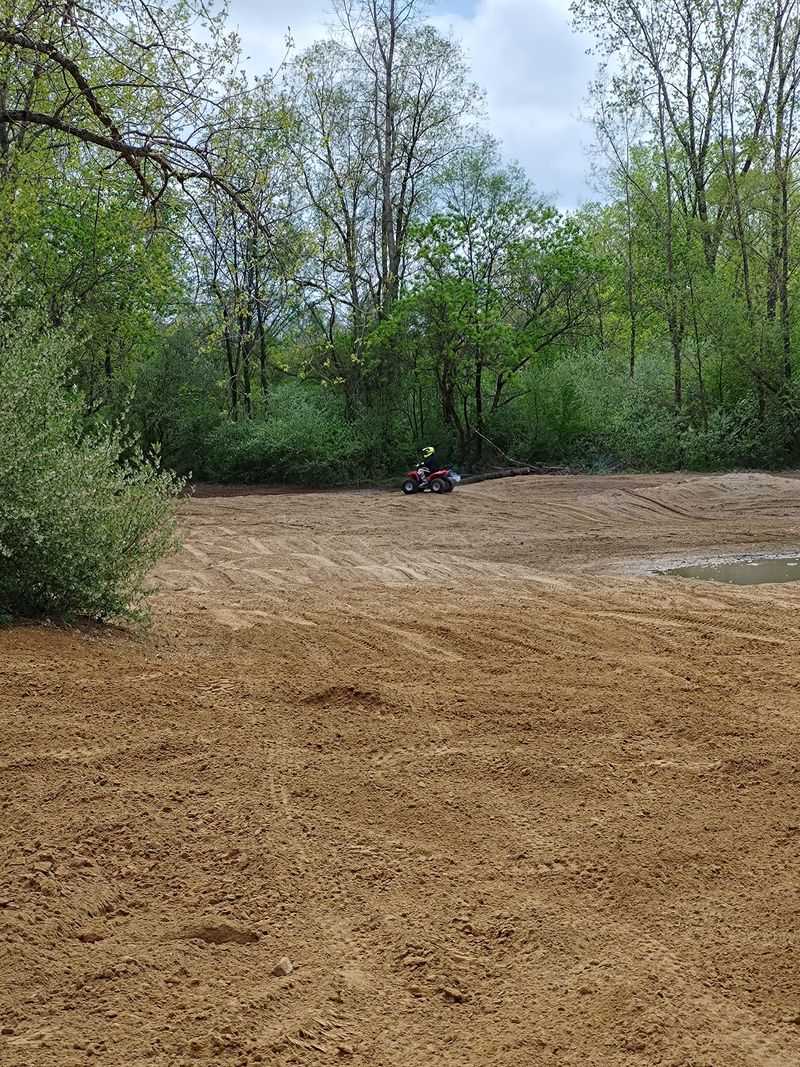
This open riding space gives motorcycle and ATV riders room to practice handling their machines without following a narrow route through the trees.
Sand and uneven terrain create opportunities to work on balance, throttle control, and choosing a comfortable line over bumps.
Newer riders may appreciate the open layout, although they should still choose terrain suited to their experience and watch carefully for other vehicles.
I would spend some time getting familiar with the surface before attempting the park’s more difficult obstacles.
The scramble area also plays an important role in the park’s seasonal schedule.
From March 15 through May 15, access is restricted to the approximately eight-acre scramble area. During that period, ATVs, side-by-sides, and dirt bikes are permitted, but trucks are not.
That means a spring visit can look quite different from a summer or fall outing. Anyone arriving with a Jeep or full-size truck should check the seasonal rules before loading up.
When the larger riding areas reopen, visitors can explore more of the park’s trails, mud holes, and rock features.
And for drivers who enjoy a slower, more technical challenge, the rocks offer a completely different experience.
Rock Piles Built by Hand
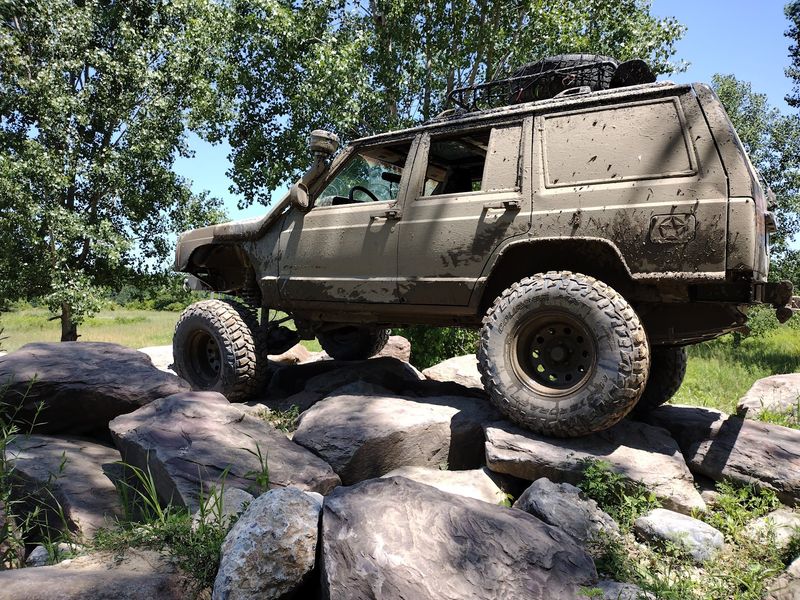
Michigan’s flat farmland is not famous for boulders. The Mounds solves that problem with man-made rock obstacles.
These piles give Jeeps and trucks something to crawl over slowly and carefully.
The rock sections range from approachable to seriously tough. Some features work for lightly modified rigs, while a boulder course challenges heavily built machines.
Your vehicle’s setup will decide how far you can push.
Rock crawling is a different kind of fun from mud bogging. Speed does not help much here.
Patience, wheel placement, and a good spotter matter far more.
I find the slow pace appealing. You can watch a driver study a rock, pick a line, and inch forward.
It feels more like solving a puzzle than racing.
If you are new to crawling, walk the obstacle first and look at where your tires will land. Bring a friend to guide you from outside the vehicle.
A small mistake on rocks can mean a scraped bumper or worse.
After the rocks, many drivers head back toward the trees, where the challenge shifts from climbing to squeezing.
Wooded Trails That Fight Back
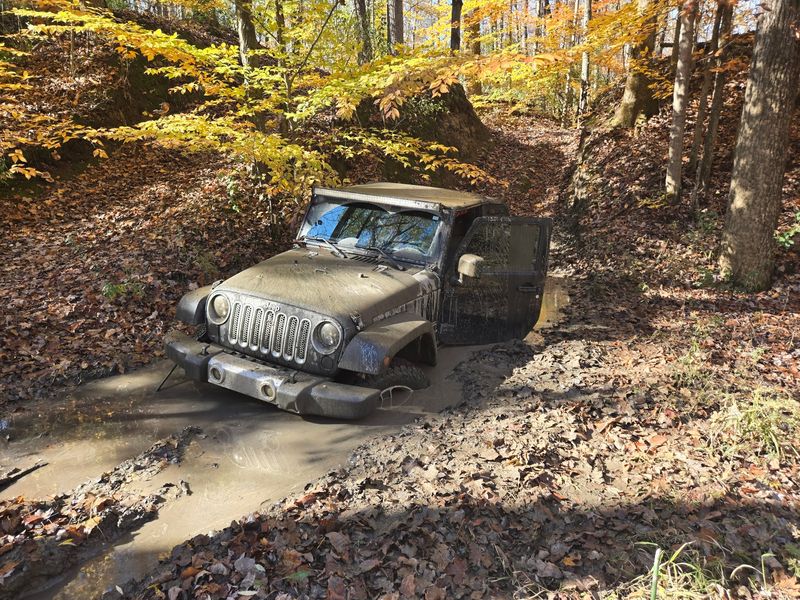
Trails are the heart of this park, and there are a lot of them. They wind through the woods and connect the muddy, sandy, and rocky areas.
Some riders say you could spend days exploring and still find new paths.
Many trails are narrow, with branches crowding the sides. That suits ATVs, side-by-sides, and dirt bikes well.
Full-size Jeeps and trucks can fit on many routes, but brush is likely to scratch the paint.
So here is the honest truth. If you care deeply about a shiny finish, choose your trails carefully.
If you treat your rig as a tool, you will have far more freedom.
Tight trails also reward slower driving. Corners can hide oncoming riders, and the woods limit how far you can see.
Keeping your speed reasonable helps everyone enjoy the ride.
Park staff work to keep trails open and safe, which is no small job on swampy land. Fallen limbs and overgrowth come back quickly in a Michigan summer.
All those twisting routes are shared by many kinds of machines, which brings up the question of who rides here.
Bikes, Quads, Jeeps, and Everything Between
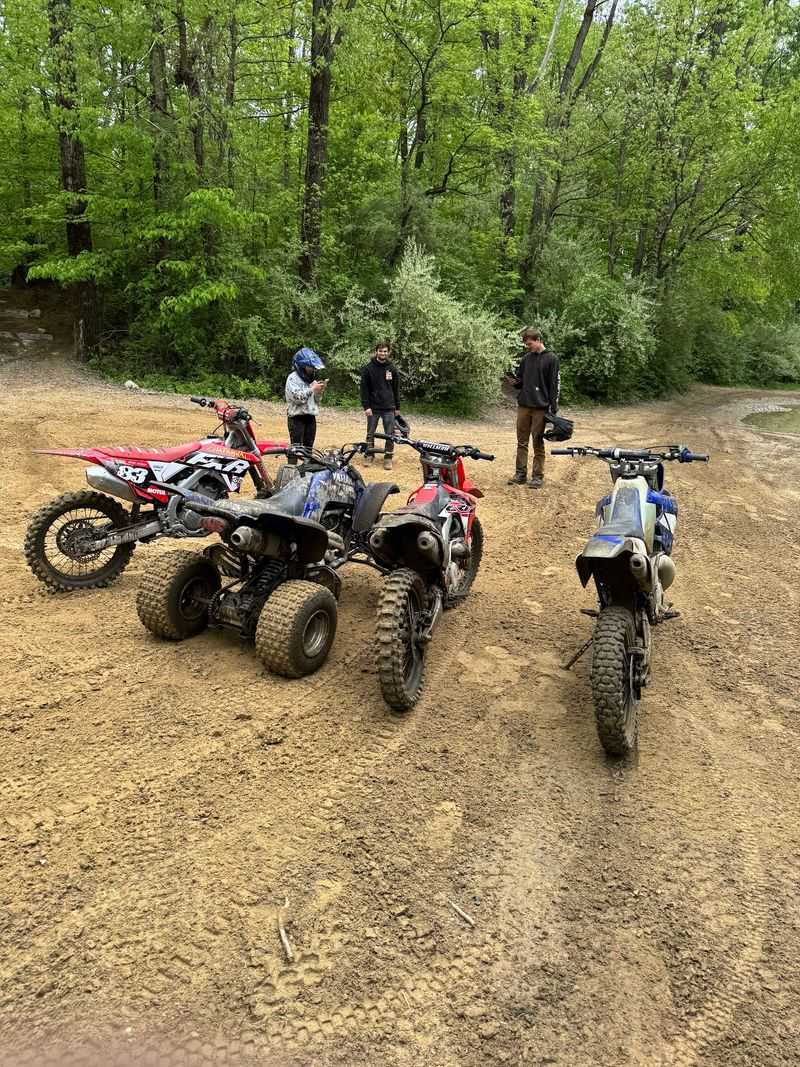
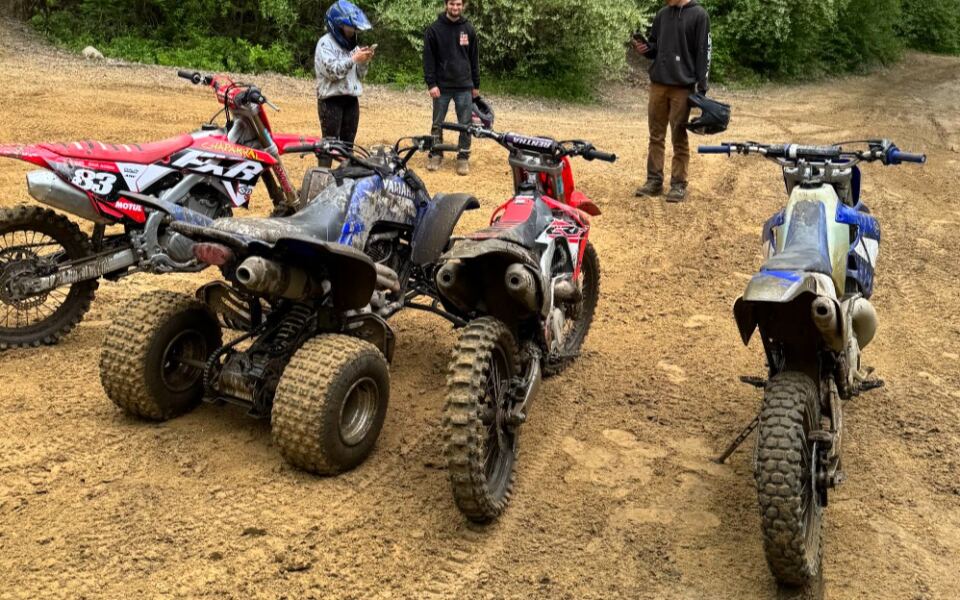
Variety shows up the moment you look around the parking area. Dirt bikes sit near quads, side-by-sides, and lifted Jeeps.
The park was designed for all of them.
Motorcycle riders get strong options here, especially on the trails and in the scramble area. ATV and side-by-side owners can reach most of the narrow routes.
Truck and Jeep drivers often focus on the mud and rock features.
Sharing space takes some awareness. Smaller machines can be hard to spot or hear from inside a truck cab.
Some riders suggest using a whip flag so others can see you over hills and brush.
I like that one park can serve such different hobbies at once. A family might arrive with a teenager on a dirt bike and a parent in a Jeep.
Everyone gets to ride without needing separate trips.
The mix also means you will see plenty of different builds and skill levels. That can be a helpful way to learn what your own machine could handle with a few upgrades.
Before any of that fun starts, though, there is some paperwork to handle.
Stickers, Fees, and Sound Limits
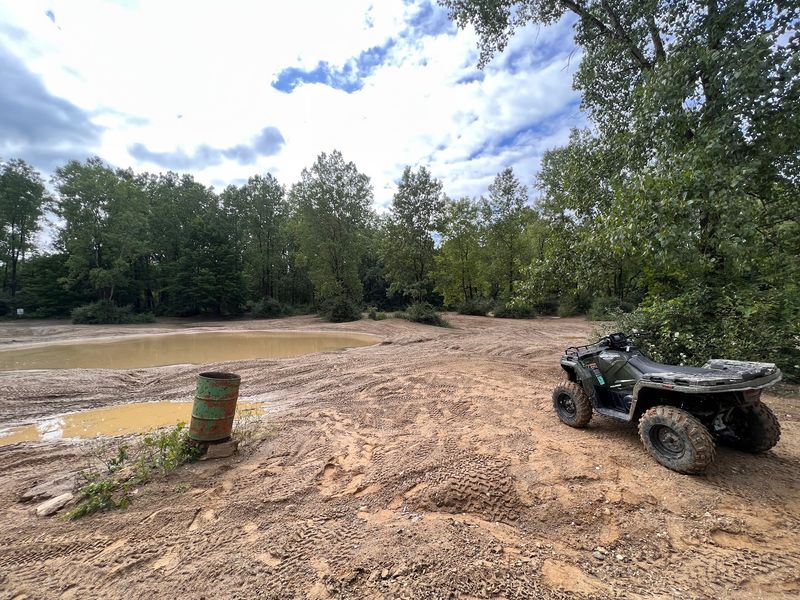
Paperwork isn’t the exciting part of off-roading, but arriving with the right permits can save you a disappointing trip.
The Mounds requires two things for every vehicle entering the riding area: a valid State of Michigan ORV permit and a separate Mounds daily or seasonal pass.
Both can be purchased at the park, so forgetting to buy them in advance doesn’t necessarily mean turning around.
The park currently lists a daily pass at $25 per vehicle. Seasonal passes cost $70 for Genesee County residents and $100 for nonresidents.
Those fees are separate from the state ORV permit.
There are equipment rules to understand, too.
Vehicles must have an approved spark arrester and comply with Michigan’s sound limits. Park staff can perform sound checks, so unusually loud exhaust systems may cause problems.
Safety requirements are especially important. Riders and passengers generally must wear DOT-approved helmets, although an exemption applies to vehicles with qualifying manufacturer-installed roofs when occupants wear seat belts.
Approved eye protection is also required unless the vehicle has a full windshield.
Younger riders face additional restrictions. Anyone under 16 must have a Michigan ORV safety certificate and adult supervision, while children under 12 cannot operate vehicles in the park.
Alcohol is prohibited, and riders must remain outside posted protected wetland areas.
These rules might sound strict, but they help make a busy off-road park safer for everyone sharing the trails.
Once the permits and equipment are sorted out, the next question is when to visit.
Riding Through Every Michigan Season
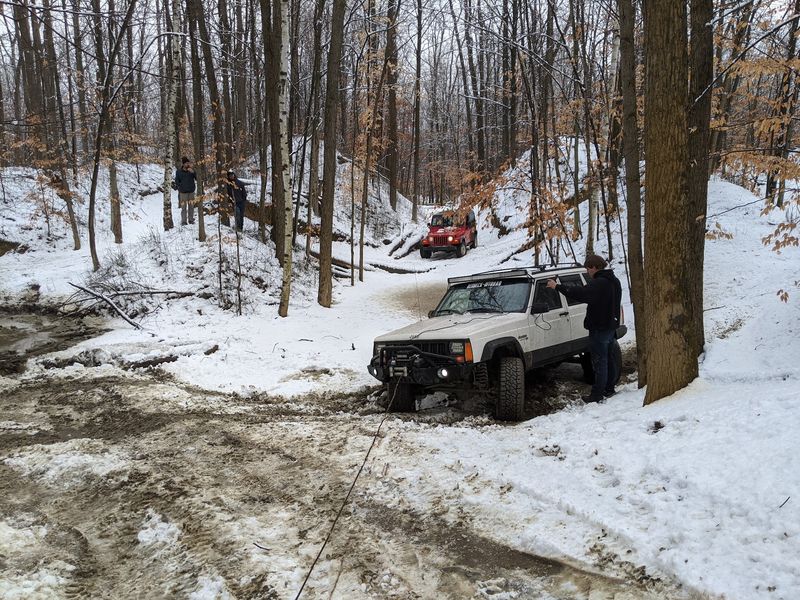
Year-round riding is one of The Mounds’ biggest attractions. Unlike off-road parks that close for winter, this Genesee County destination generally welcomes riders throughout the year.
The terrain changes dramatically with Michigan’s seasons, though, and there is one important restriction to understand.
From March 15 through May 15, the park closes its regular trail areas and limits riding to the eight-acre scramble area.
During those dates, only ATVs, side-by-sides, and dirt bikes are permitted. Trucks and Jeeps must wait until May 16, when the larger riding areas reopen.
That seasonal restriction is particularly important for anyone planning a spring road trip.
Outside the restricted period, different seasons offer different challenges.
Spring can bring muddy ground and standing water, while summer often provides drier conditions on exposed trails. Low-lying areas may remain muddy even during warmer weather.
Fall brings changing leaves and cooler temperatures, making it an appealing time to explore the wooded routes.
Winter introduces another set of challenges, including snow, ice, and frozen ground. Conditions can vary considerably, so riders should choose terrain appropriate for their vehicles and experience.
The park’s regular operating hours are 8 a.m. to sunset Monday through Saturday and 10 a.m. to sunset Sunday.
That means closing time changes with the seasons rather than remaining fixed at 8 p.m.
Weather or emergencies can also affect access, so checking with Genesee County Parks before heading out is a good idea.
Whatever time of year you choose, a little preparation can make the difference between a frustrating outing and a memorable day on the trails.
A Crowd That Pulls You Out
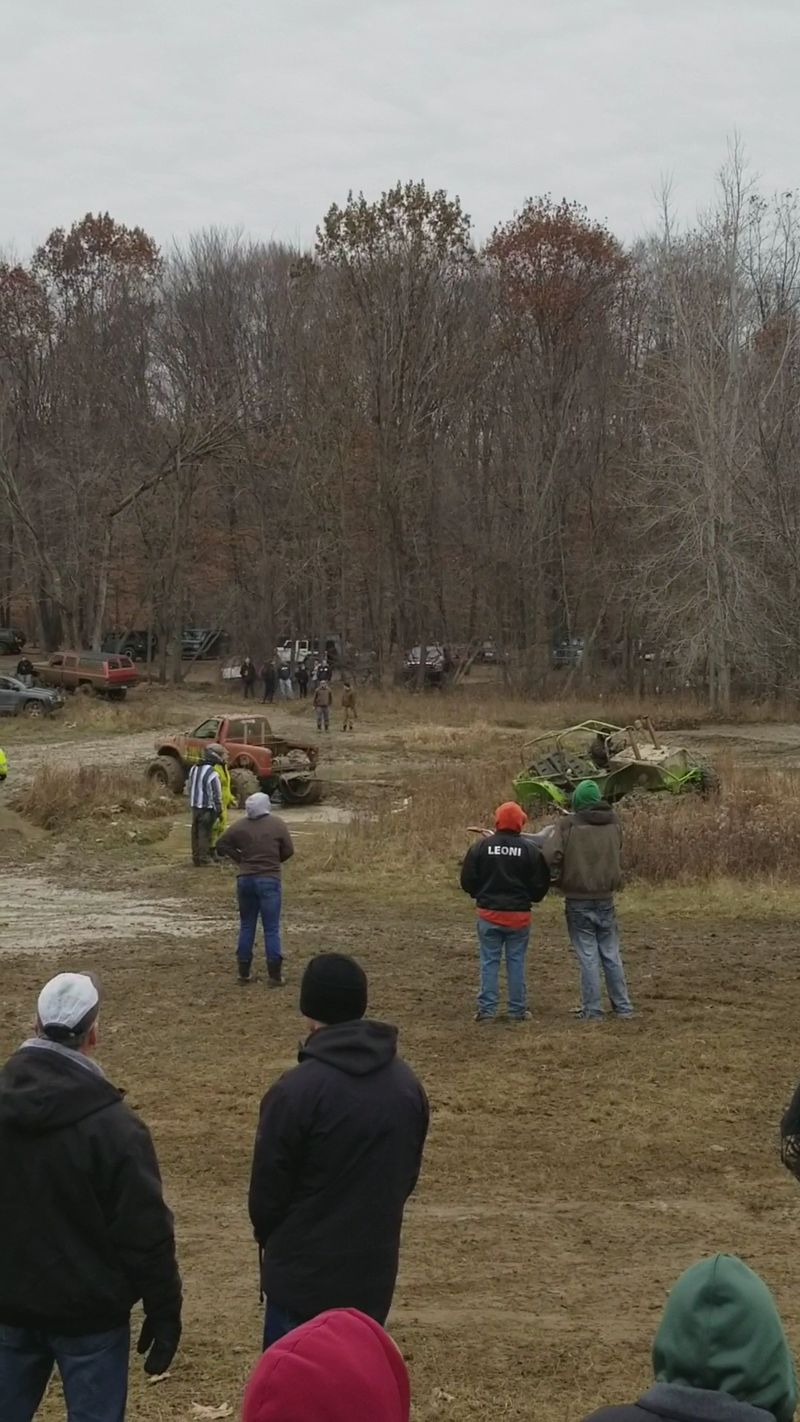
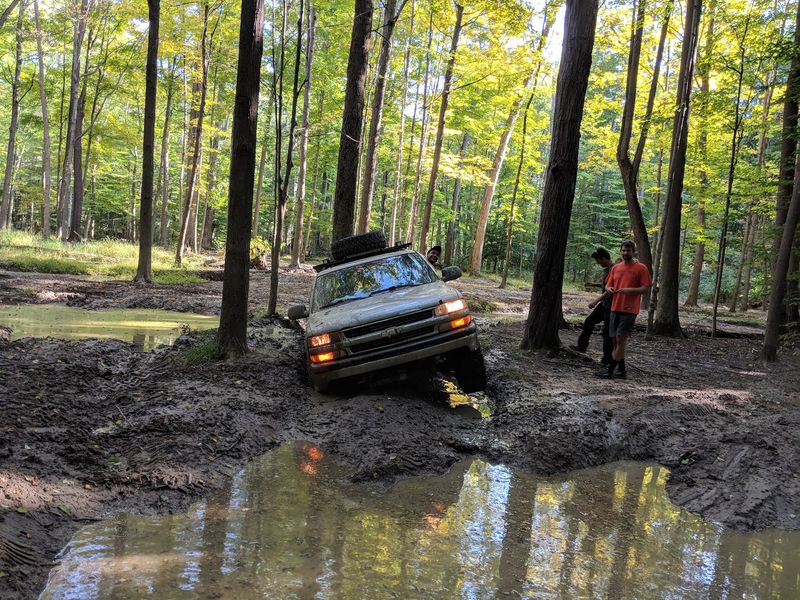
Getting stuck is a familiar part of off-roading, especially at a park known for its mud holes. Even experienced drivers can misjudge a patch of soft ground or discover that a puddle is deeper than expected.
Having other riders nearby can be reassuring, and off-road enthusiasts often share advice about difficult obstacles and recovery techniques.
Still, it’s best to arrive prepared rather than assume someone will be available to pull you free.
A suitable recovery kit, gloves, basic tools, and a shovel can be useful, depending on the vehicle and terrain.
Recovery equipment should be properly rated for the vehicle, and anyone attempting a recovery needs to understand how to use it safely.
The park provides information about local towing companies, but visitors should not assume that staff offer vehicle recovery as part of admission.
I would also recommend riding with someone else whenever possible. Having a companion can make unexpected mechanical problems or difficult trail conditions easier to manage.
Busy weekends call for patience. Give other riders room at obstacles, watch carefully for smaller machines, and avoid rushing through areas with limited visibility.
The park has designated riding areas and established rules, but individual riders still play a major role in keeping the experience safe.
Good preparation and consideration for others can help turn a challenging day into the kind of adventure you’ll want to repeat.
And with so much different terrain available, planning more than one day isn’t a bad idea.
Planning a Full Weekend of Dirt
A smart weekend here starts the night before. Load your vehicle, check tire pressure, and pack recovery gear.
Throw in water, snacks, and a change of clothes, because you will get messy.
Mount Morris sits close to Flint, so food and fuel are easy to find nearby. That convenience makes back-to-back days simple to arrange.
You can ride on Saturday, rest, and return Sunday with fresh energy.
Plan your day around different terrain. Warm up in the scramble area, try the trails next, and save the mud or rocks for when you feel confident.
Mixing it up keeps the day interesting.
Dirt bike and ATV riders might happily stay all day. Jeep owners may find their favorite routes faster, then repeat the ones they enjoy.
Either way, there is plenty of room to explore.
Give yourself time to clean up before driving home. Mud on lights and plates is not a great look on the highway.
Muddy boots, a tired grin, and a rig coated in Michigan soil feel like a fair reward for a weekend at The Mounds.
Share this story